
Showing 1-20 of 23

A hard act to follow
A hard act to follow describes a person or performance that sets a very high standard. Anyone who comes next will struggle to match it.The phrase comes from theater and variety shows. When one performer really impresses the audience, the next performer may find it hard to get the same reaction.
The comedian had the crowd roaring with laughter and was a hard act to follow.
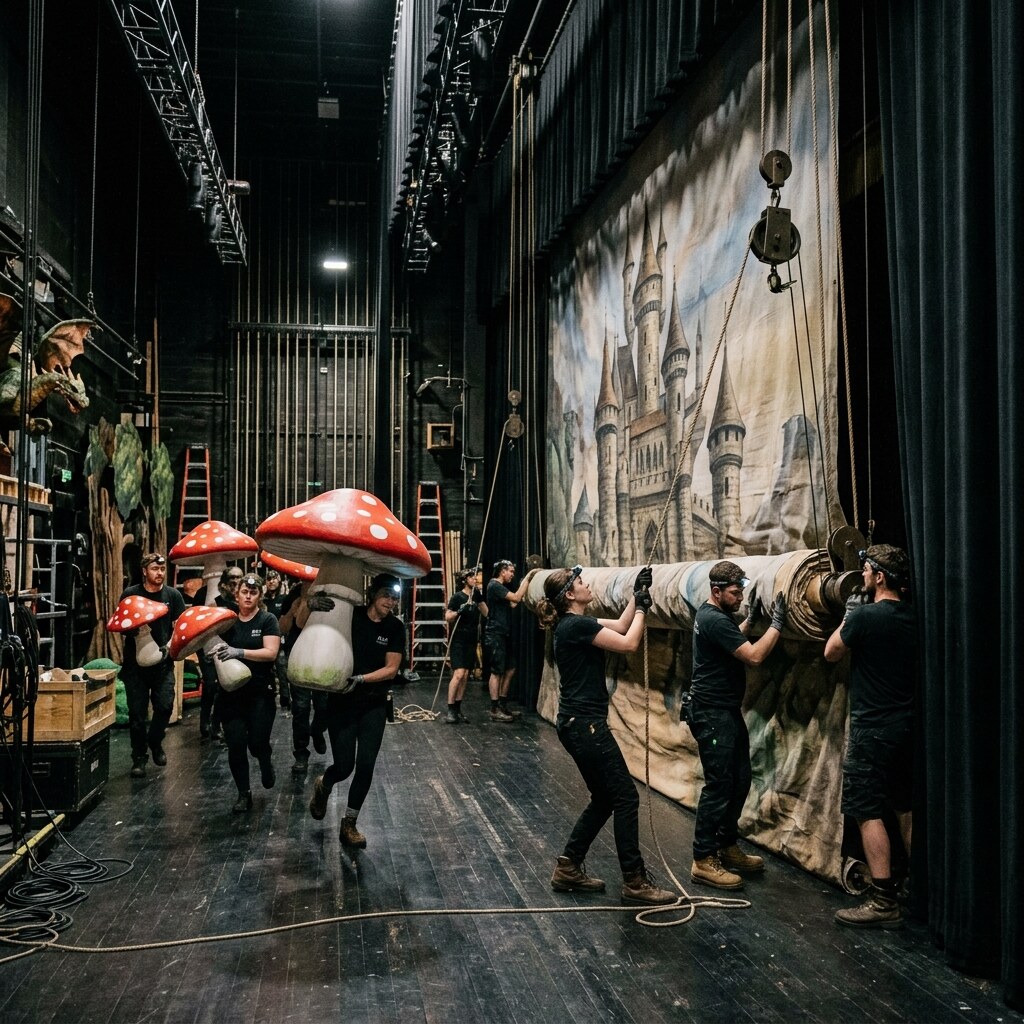
Behind the scenes
Behind the scenes refers to the work or activity that happens out of public view. There can be a lot of effort, but because it is behind the scenes people don't see it.The phrase comes from theater. The area behind the stage holds props, costumes, and stagehands who prepare the performance while the audience watches the front of the stage.
A small team worked behind the scenes to make the event run smoothly.

Blow your own trumpet
To blow your own trumpet means to talk proudly about your own achievements or abilities. It is used when someone tells others how good they are at something or how well they have done.The expression comes from history, where trumpets were used to announce important people or victories. In this idiom, a person is acting like the one making that announcement for themselves.
He doesn't like to blow his own trumpet, but he quietly mentioned that he finished the project weeks ahead of schedule.

Break a leg
Break a leg is a phrase used in the theater to wish a performer good luck before a show.The expression became common in English-speaking theater communities during the 1900s. One explanation is that performers avoided saying "good luck" because it was considered bad luck, so they used a joking opposite phrase instead.
Just before the curtain went up, her friend whispered "break a leg".

Bring the house down
To bring the house down means receiving on overwhelmingly strong reaction from an audience, such as loud laughter or applause.The phrase comes from theater. A performance so powerful that it feels like the whole building could shake or collapse from the noise.
Her final joke brought the house down.

Change your tune
To change your tune means changing your opinion or attitude, especially after new information appears.The phrase comes from music. A performer switches from one melody to another. This became a way to describe someone speaking differently after taking a new position.
He quickly changed his tune after seeing the results of the experiment.
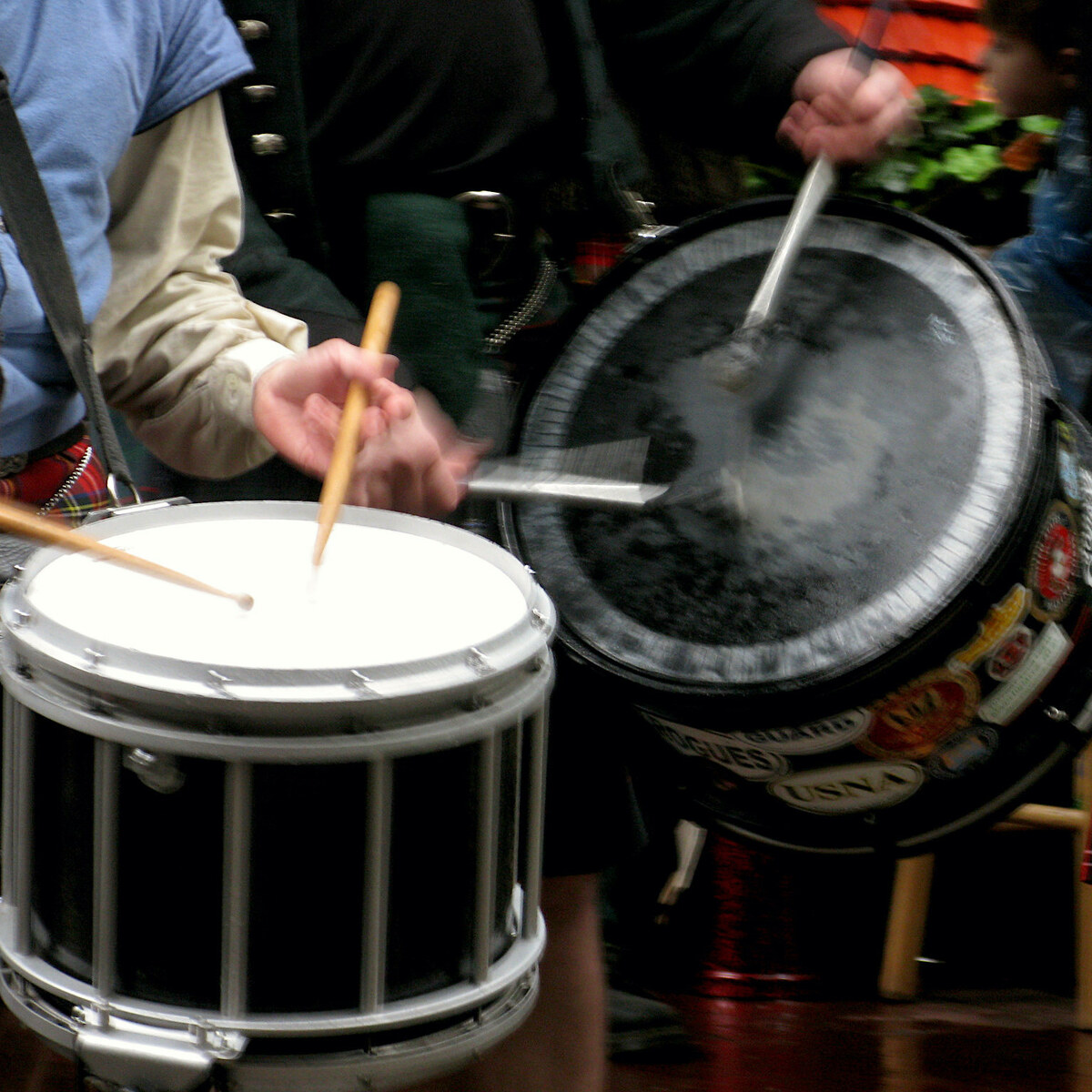
Drum up support
The phrase drum up support means to gather help, interest, or approval from others. It often involves encouraging people and getting attention.The idiom originates from the old time practise of using drums as a way to draw a crowd.
They tried to drum up support for the fundraiser.

Face the music
To face the music means to accept the unpleasant consequences of something you have done. It is used when someone must deal with criticism or something difficult instead of avoiding it.The expression may come from military ceremonies where a disgraced soldier had to stand in front of the band while being punished. Another explanation links it to actors stepping on stage to face the orchestra and the audience.
After skipping work without an excuse, he knew he had to face the music.

Fall flat
The phrase fall flat means something fails to have the intended effect. It is most often used to describe being disappointed by jokes, ideas, or performances.The phrase comes from the image of something collapsing quietly without any dramatic impact.
The joke fell flat and no one laughed.
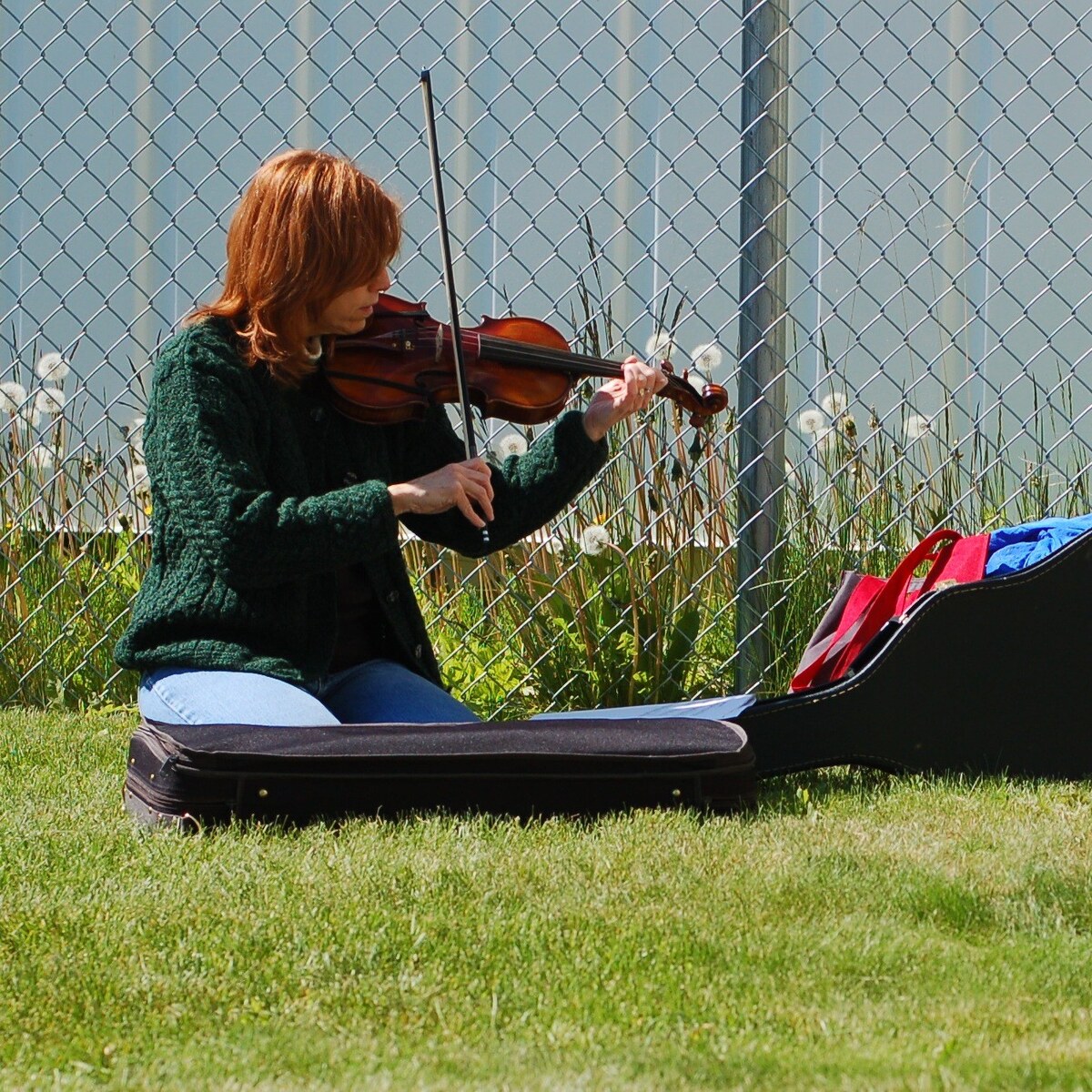
Fit as a fiddle
The phrase fit as a fiddle originally meant something fine and well crafted, like a quality musical instrument. Over the centuries it changed to mean someone who was physically fit.He may be 83, but he's as fit as a fiddle!

Get the show on the road
To get the show on the road is a way of saying to start doing something.The phrase comes from traveling shows that had to leave one place and head to the next. The start of the journey marked the beginning.
Everyone is ready, so let's get the show on the road.

In the spotlight
To be in the limelight or in the spotlight means that you are the center of public attention. Everyone is looking at you and noticing what you are doing. It usually happens when you are famous or have done something very important.Both phrases come from theater lighting. In the 1800s, technicians created a bright white light by heating a cylinder of quicklime with a flame. Later, electric spotlights replaced this chemical light. People still use both versions to describe being the focus of a crowd.
After winning the award for her new book, she found herself in the limelight for the rest of the year.
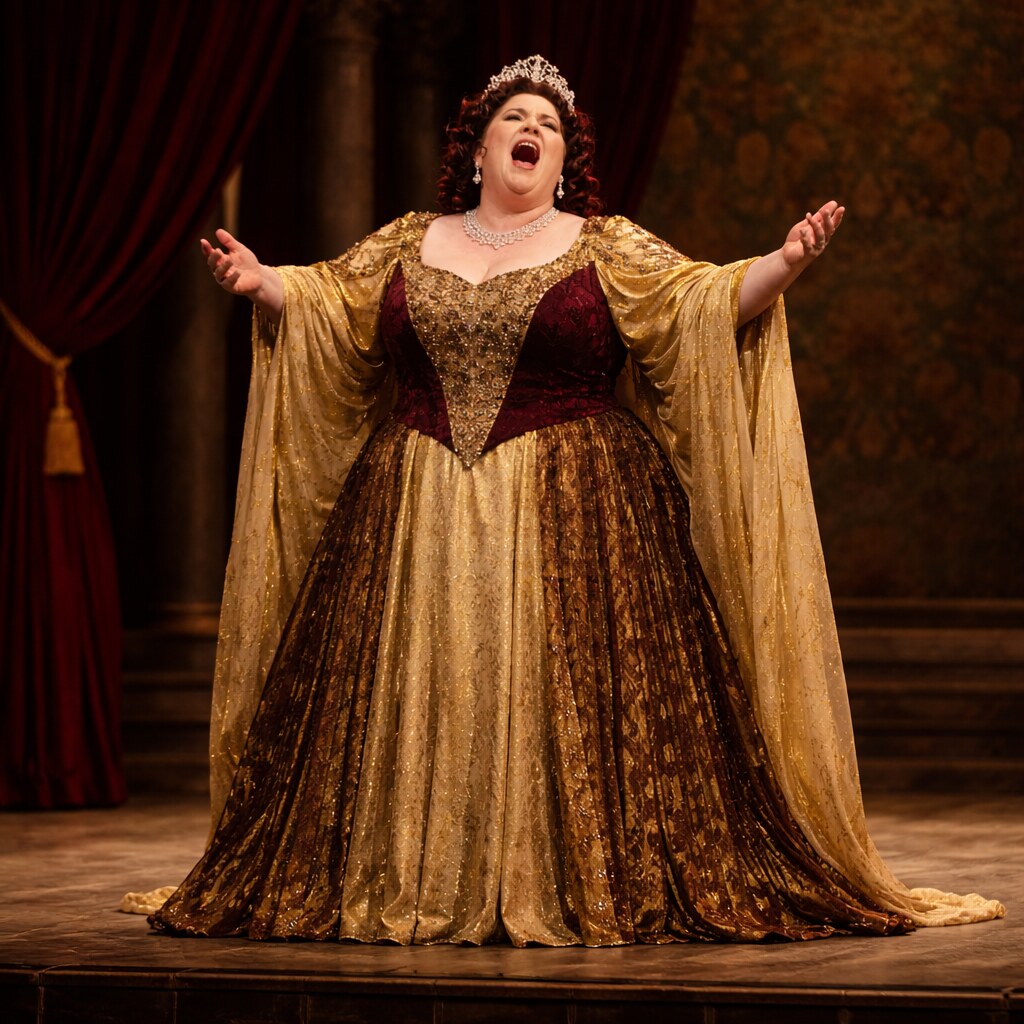
It's not over until the fat lady sings
It's not over until the fat lady sings means you should not assume something has finished or been decided yet. Even if one side seems to be winning or the result looks clear, the situation can still change.The phrase comes from opera. In many operas, a large female singer performs a powerful song near the end of the show, and her final song signals that the performance is finishing.
Everyone thought the game was already lost, but my dad said it's not over until the fat lady sings.

Pay the piper
To pay the piper means to face the consequences of something you have done. This idiom is used when a person must finally deal with the results of their actions, especially after avoiding them for a while.The expression may come from the old story of the Pied Piper of Hamelin, a story where a town refused to pay a musician for his work taking the rats away. Because they did not pay him, the piper took revenge by leading the town's children away.
After ignoring his debts for months, he finally had to pay the piper.

Play It by ear
The phrase play it by ear means to decide what to do as things happen; there is no fixed plan ahead of time. This idiom comes from some people's ability to play a song on a musical instrument from what they have heard, without the sheet music or practising.Let's play it by ear and see how the day goes.

Playing second fiddle
Playing second fiddle means having a less important role than someone else. It describes a situation where another person is the leader or gets most of the attention, and you must accept being in a supporting position.In an orchestra, the first violin leads the section while the second violin supports it. The second player is still important but does not lead.
At work he feels like he is always playing second fiddle to his more confident colleague.
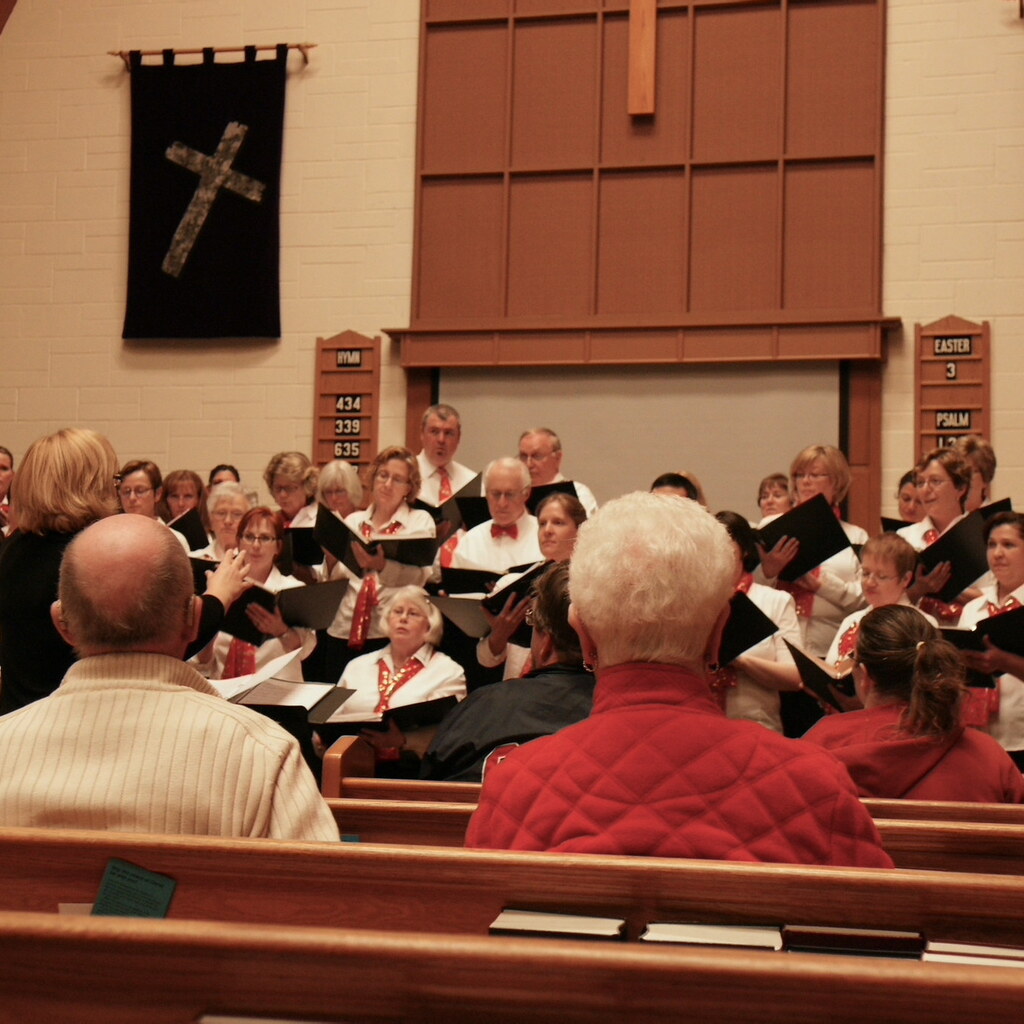
Preaching to the choir
Preaching to the choir or the older form preaching to the converted means explaining something to people who already agree with you.The phrase comes from church services. The choir stands with the minister and already shares the same beliefs.
You are preaching to the choir when you talk to this group about protecting the environment.

Pull out all the stops
To pull out all the stops means making the greatest possible effort and using every available resource.The idiom comes from how pipe organs work. Stops control which sets of pipes are used. When all the stops are pulled out, the instrument produces its fullest and loudest sound.
The team pulled out all the stops to finish the project before the deadline.
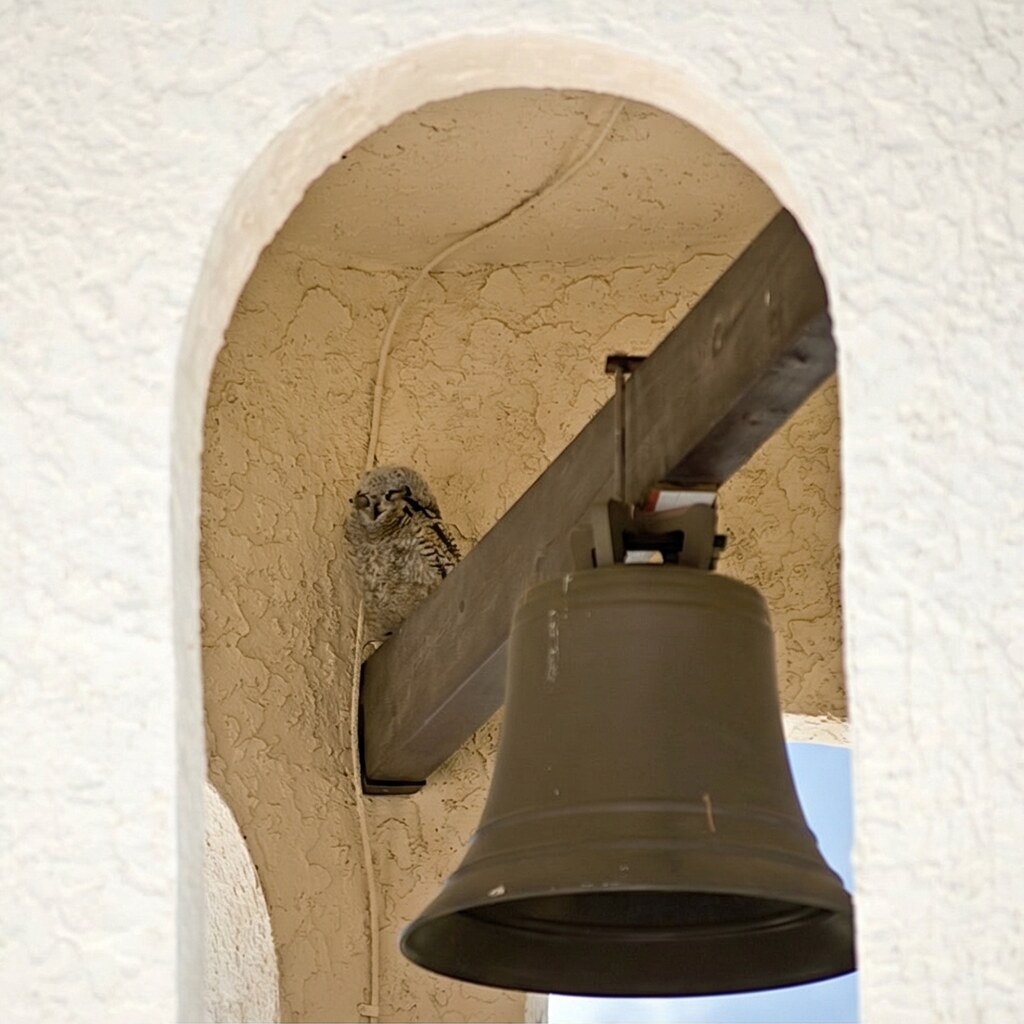
Ring a bell
If something rings a bell it means it reminds someone of something they have heard before, but they cannot fully remember it.The expression comes from the sound of a bell that attracts attention and triggers recognition. Hearing the bell is like the moment when a memory starts to return.
That name rings a bell, but I cannot remember where I heard it before.
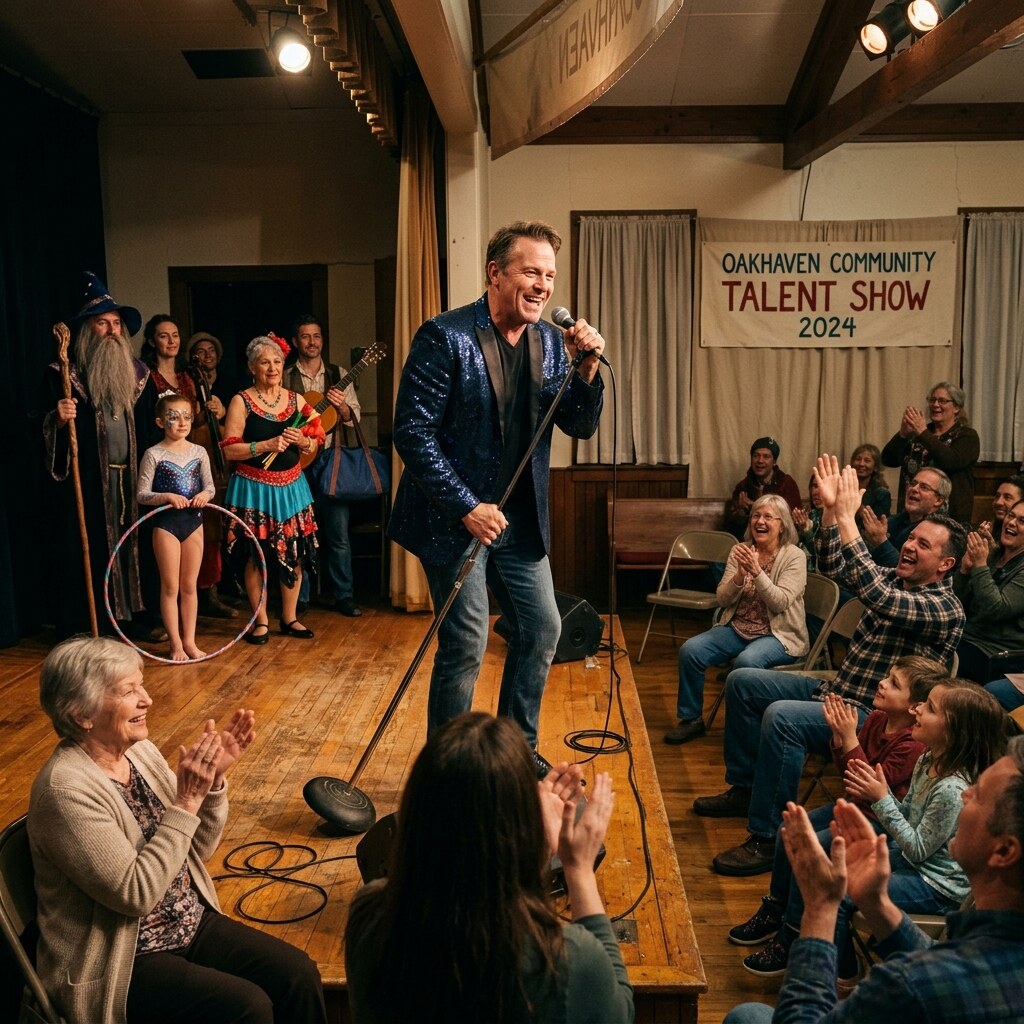
Stole the show
Stole the show means drawing the most attention and praise during a performance or event. One person stands out more than everyone else.The phrase comes from theater. An actor who receives the strongest reaction from the audience can seem to take the spotlight away from the rest of the cast.
The small puppy wandered into the office and stole the show.