
Showing 61-80 of 82

Slip through your fingers
To have something slip through your fingers means to lose something because you were unable to hold onto it or stop it from happening. This idiom is used to describe missed chances, lost opportunities, or things that gradually disappear despite your efforts.The phrase comes from the image of trying to hold something small, like sand or water, that slowly falls between your fingers. Because it cannot be easily held, it becomes a metaphor for something that cannot be kept.
The job offer slipped through his fingers when he missed the deadline to reply.
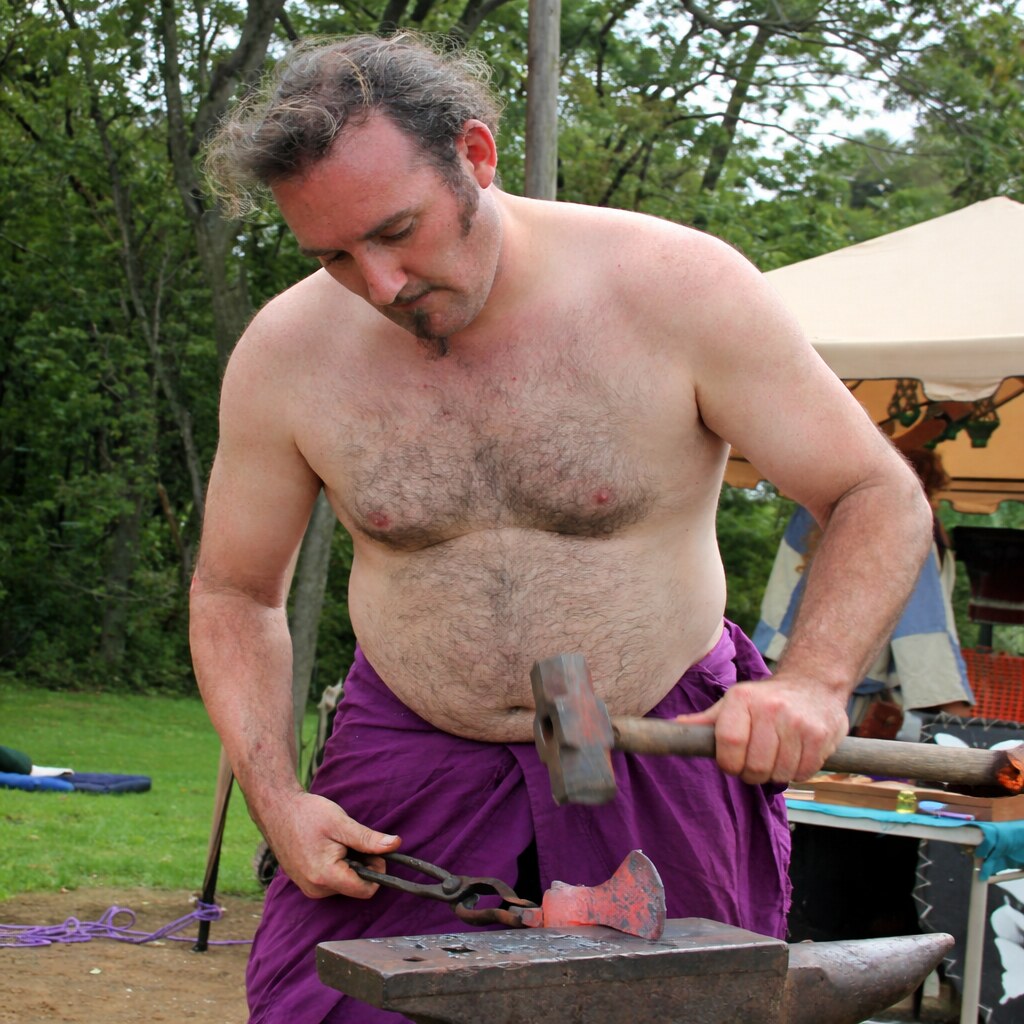
Strike while the iron is hot
To strike while the iron is hot means to act quickly at the right moment, before an opportunity disappears.The expression comes from blacksmithing. A blacksmith must hammer iron while it is hot and soft, because once it cools the metal becomes hard and difficult to shape.
When the weather cleared, they decided to strike while the iron is hot and finish painting the fence.
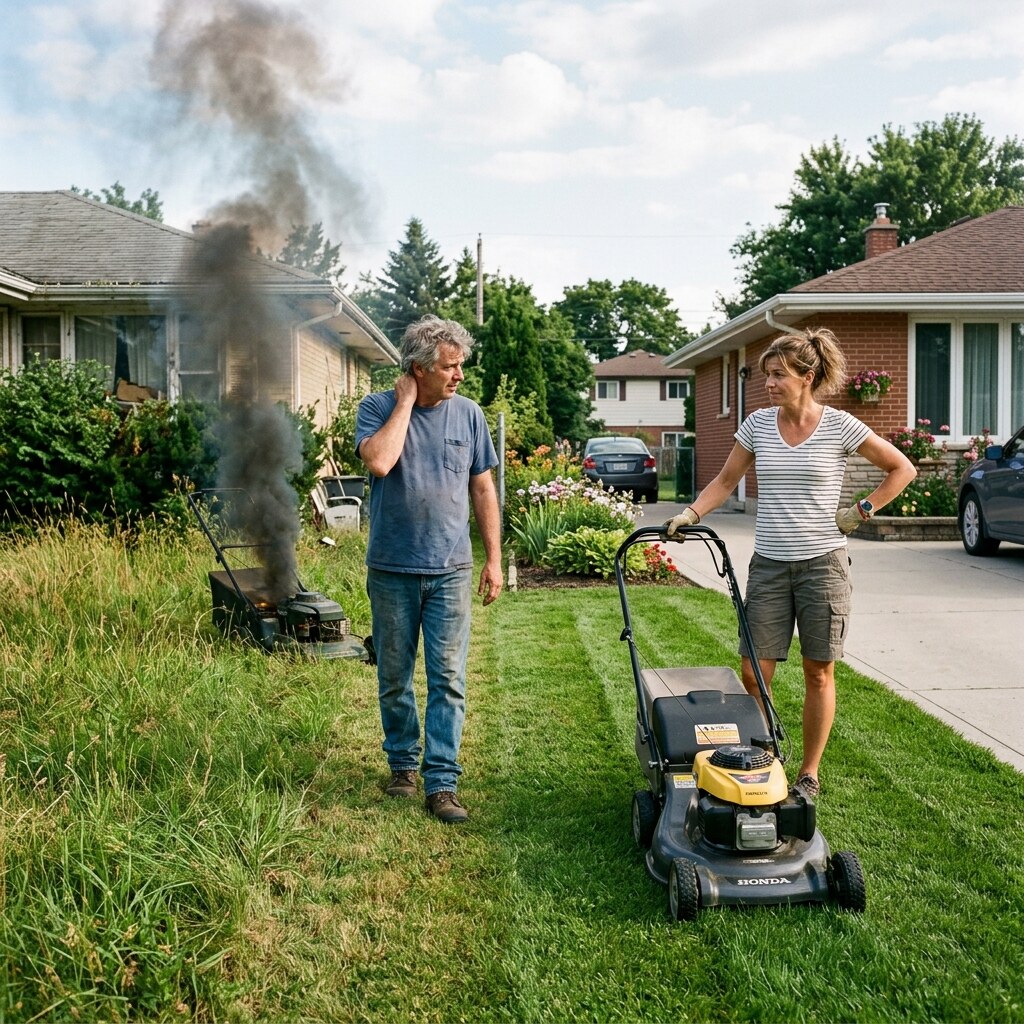
Swallow your pride
To swallow your pride means to accept help or admit a mistake even though it feels embarrassing. The moment requires setting aside personal pride.The phrase uses the image of forcing something unpleasant down your throat. Pride becomes the thing that must be swallowed.
He swallowed his pride and asked his sister for help with the repairs.
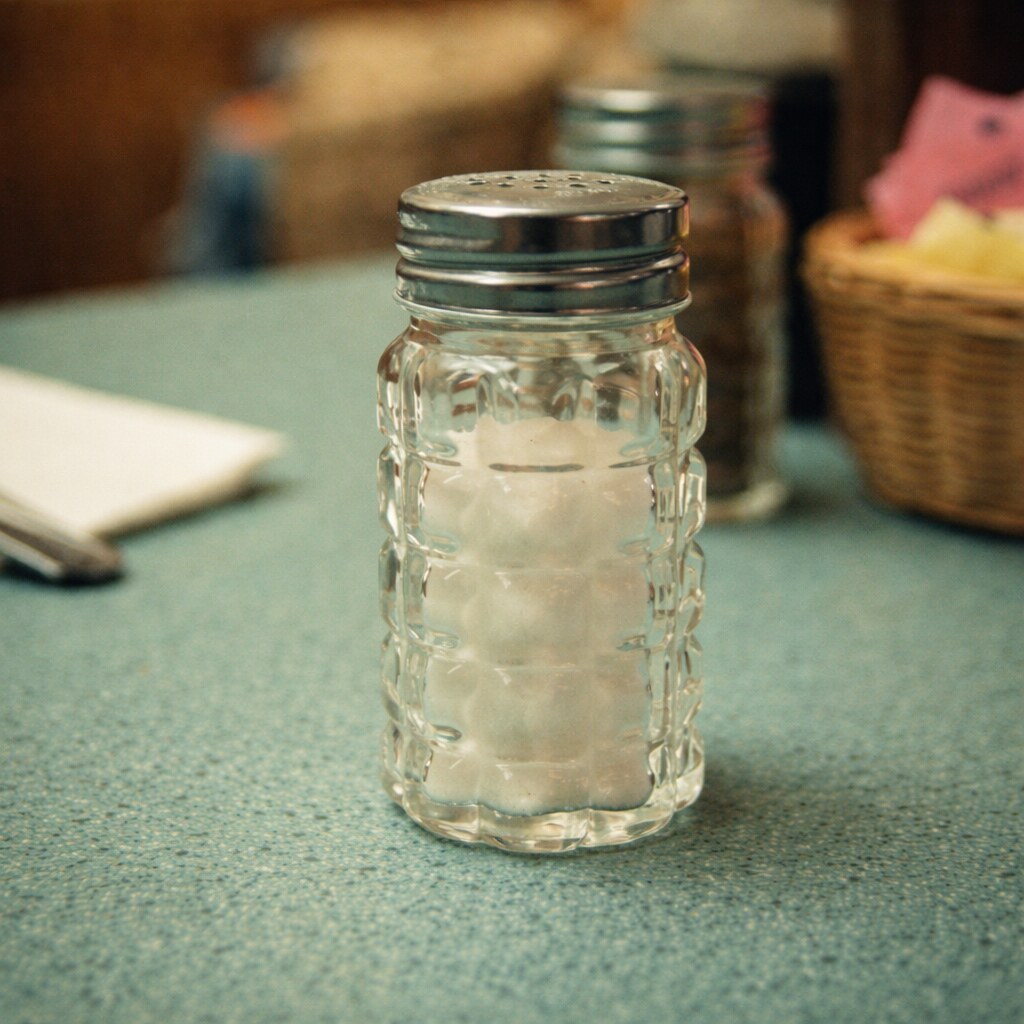
Take with a grain of salt
To take something with a grain of salt means to treat information with some doubt and not believe it completely. People use this idiom when talking about something that might be exaggerated, uncertain, or just not very reliable.The idea comes from ancient Roman writings, where a recipe for a remedy included taking it with a small grain of salt. Over time the phrase came to mean accepting something cautiously rather than completely believing it.
He says he can finish the whole project in one day, but I would take it with a grain of salt.
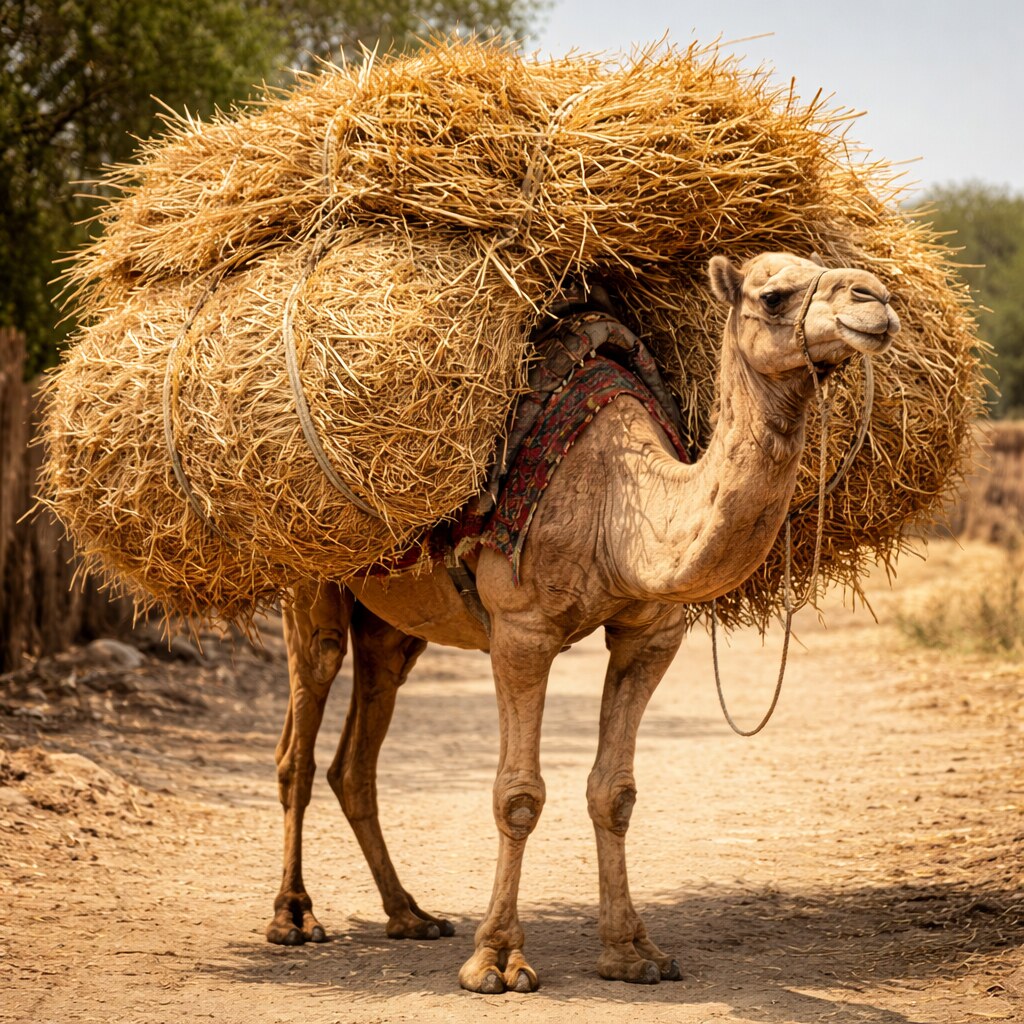
The last straw
The last straw means the final small problem or annoyance that makes someone lose patience after many other problems have already happened. It is the moment when a person decides they cannot accept the situation anymore.The phrase comes from the older saying about a camel carrying many pieces of straw. One more small straw may not seem important, but it is enough to make the overloaded camel collapse.
When the computer crashed for the third time that day, it was the last straw and I finally stopped working.
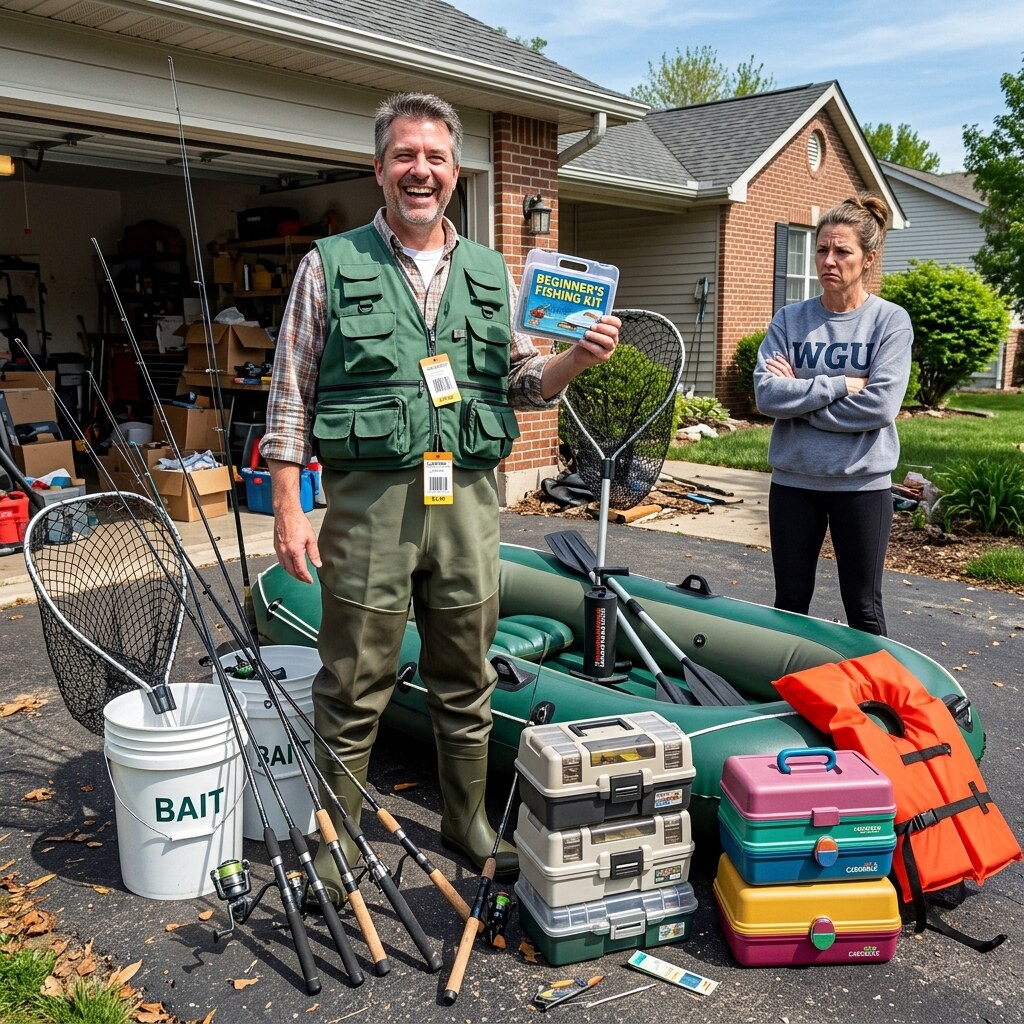
The whole kit and caboodle
The whole kit and caboodle means everything or the entire group of things. It is used when talking about all parts of something together, with nothing left out.The phrase likely comes from the word kit, meaning a collection of tools or belongings, and caboodle, a slang word that developed in the 1800s meaning the whole lot or collection of things.
They packed the whole kit and caboodle into the truck and moved to the new house.
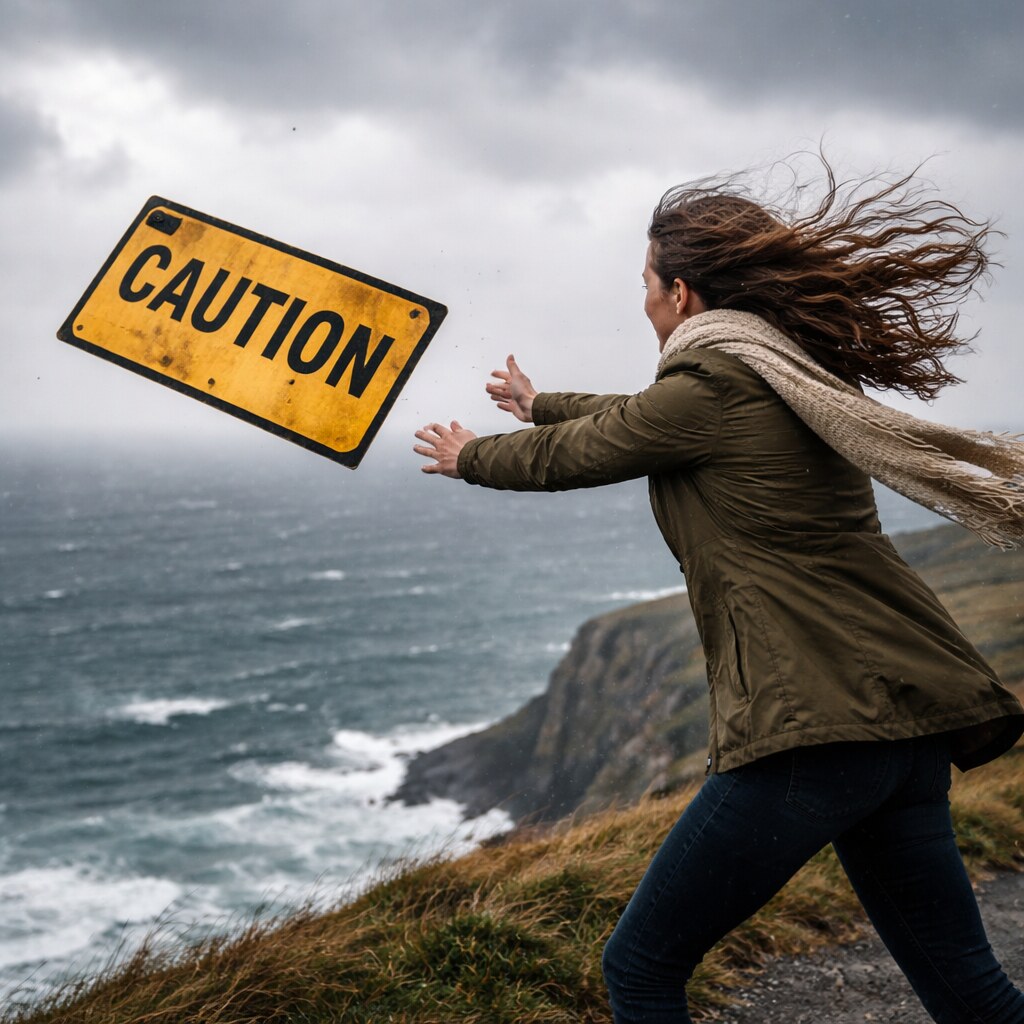
Throw caution to the wind
To throw caution to the wind means to stop worrying about danger or consequences and act boldly or recklessly. It describes a moment when someone decides not to be careful anymore.The expression comes from the image of literally throwing one's caution away so that the wind carries it off. The phrase has been used in English since at least the 1800s.
On the last day of the trip, they threw caution to the wind and tried the steep hiking trail.
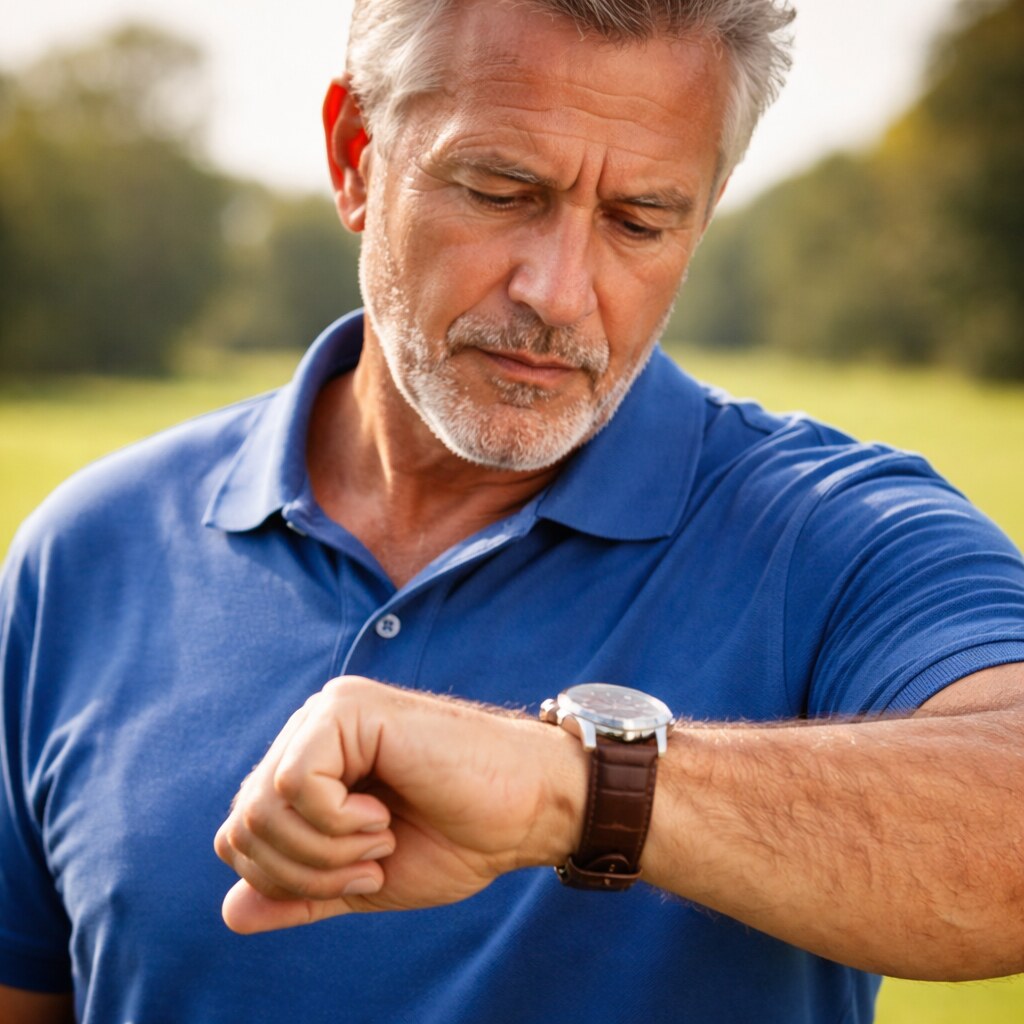
Time will tell
The idiom time will tell means that the truth or result of something will become clear in the future. It is used when people cannot know the outcome yet and must wait to see what happens.The phrase has been used in English for many centuries. It reflects the idea that time eventually reveals what will really happen.
We are not sure if the new plan will work, but time will tell.

Too hard basket
The too hard basket is part of a metaphorical filing system where you put tasks that are too hard and you'll do later. People often say this when they give up on something.He put organising the garage into his too hard basket.
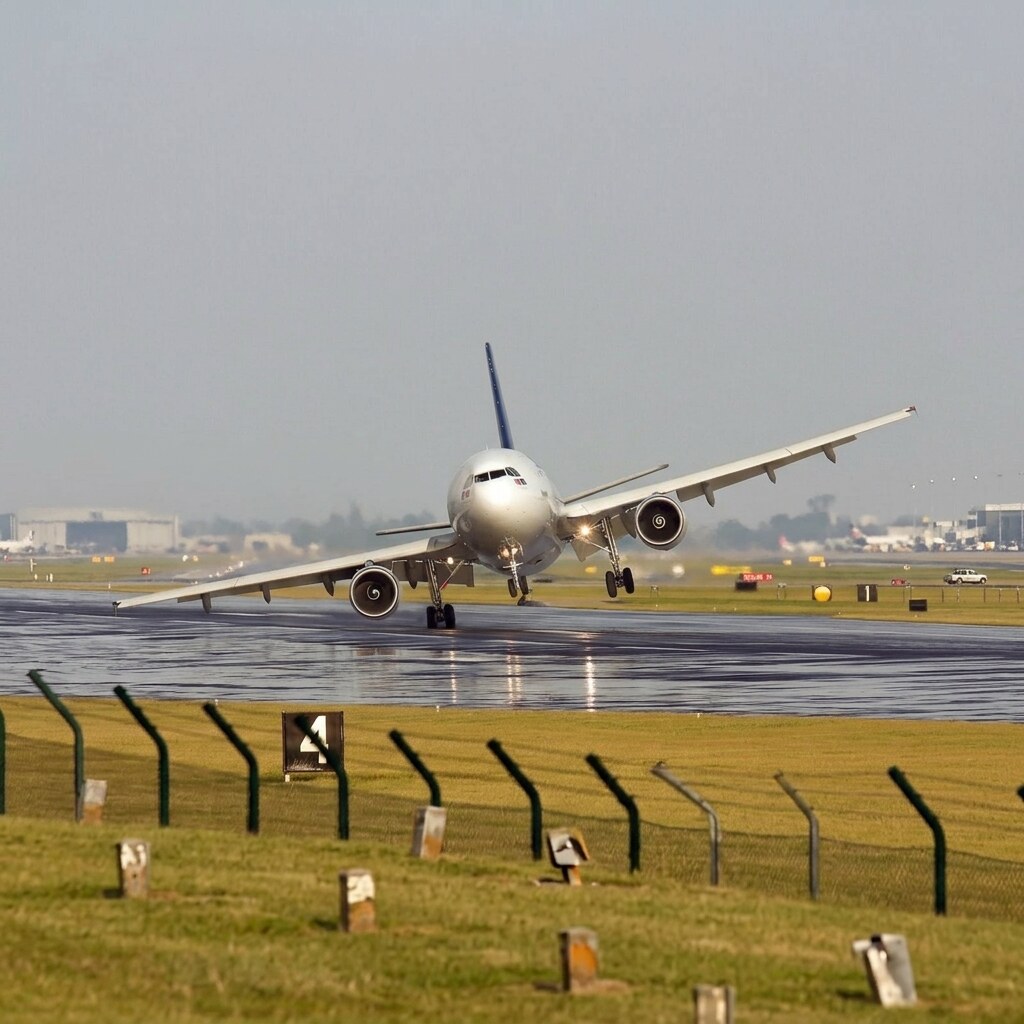
Touch and go
Touch and go means a situation that is uncertain and could easily end badly, or they could end well, but it is so close you can't tell what will happen.The expression comes from aviation. In a touch and go landing, a plane briefly touches the runway and immediately takes off again, making it a risky manoeuvre that requires careful control.
It was touch and go for a while, but the doctors managed to stabilize the patient.