
Showing 51-70 of 82

Plenty more where that came from
The idiom plenty more where that came from is something you say when you have given out some of something, and there's a large supply of more of it.The phrase has been used in everyday English for many years to emphasize abundance. It suggests that what has just been given or shown is only a small part of what is available.
She handed out a plate of cookies and said there were plenty more where that came from in the kitchen.

Put your foot in your mouth
To put your foot in your mouth means to say something embarrassing, rude, or awkward without meaning to. It is used when someone accidentally says the wrong thing and regrets it afterward.The expression comes from the image of someone speaking so carelessly that they metaphorically shove their own foot into their mouth. The phrase became common in English in the 1900s.
I really put my foot in my mouth when I asked about her job before realizing she had just been laid off.

Reap what you sow
To reap what you sow means that your actions bring their own results. Good actions tend to lead to good outcomes, and harmful actions often lead to trouble later.The phrase comes from farming. A farmer harvests the same crop that was planted in the field months earlier. The saying uses that image to explain how choices lead to consequences.
After ignoring the warning signs for months, he finally had to reap what he had sown.

Ring a bell
If something rings a bell it means it reminds someone of something they have heard before, but they cannot fully remember it.The expression comes from the sound of a bell that attracts attention and triggers recognition. Hearing the bell is like the moment when a memory starts to return.
That name rings a bell, but I cannot remember where I heard it before.

Rinse and repeat
The phrase to rinse and repeat means to do something repetitive, predictable way. It comes from the instructions on a shampoo bottle.You look up the code, put it in the right place, and then rinse and repeat for the rest of the papers.

Saved by the bell
You are saved by the bell if you are saved from a difficult situation at the last minute.There are a few theories how the idiom came about. One is that it refers to a school bell or a competition bell that signals the end of class or the current competition.
The more interesting, but possibly less accurate theory is that it came from people's fear of being buried alive in a cemetery, and people were buried with a string tied to their finger and then to a bell above ground, and ringing the bell meant people would come save you.
She forgot to prepare for the presentation, but a fire drill was called and she was saved by the bell

Scraping the bottom of the barrel
Scraping the bottom of the barrel means using the worst options because nothing better is left. It describes a situation where someone has run out of good choices.The expression comes from the days when food such as salted fish or pickles was stored in wooden barrels. Once the good pieces were taken, people had to scrape the bottom to get what remained.
If those are the best candidates they could find, they must be scraping the bottom of the barrel.

See eye to eye
To see eye to eye means to completely agree with someone about something. If people do not see eye to eye, they disagree or have different opinions.The expression comes from the idea of two people looking directly at each other with their eyes level, suggesting they share the same view or understanding. The phrase has been used in English for several centuries.
My brother and I do not always see eye to eye about how to run the business.

Set the record straight
To set the record straight means to correct a mistake or false story by explaining what really happened.The expression comes from record keeping and accounting. If information in a record book was wrong, it had to be corrected so the record showed the true facts.
She called the meeting to set the record straight about what had happened.
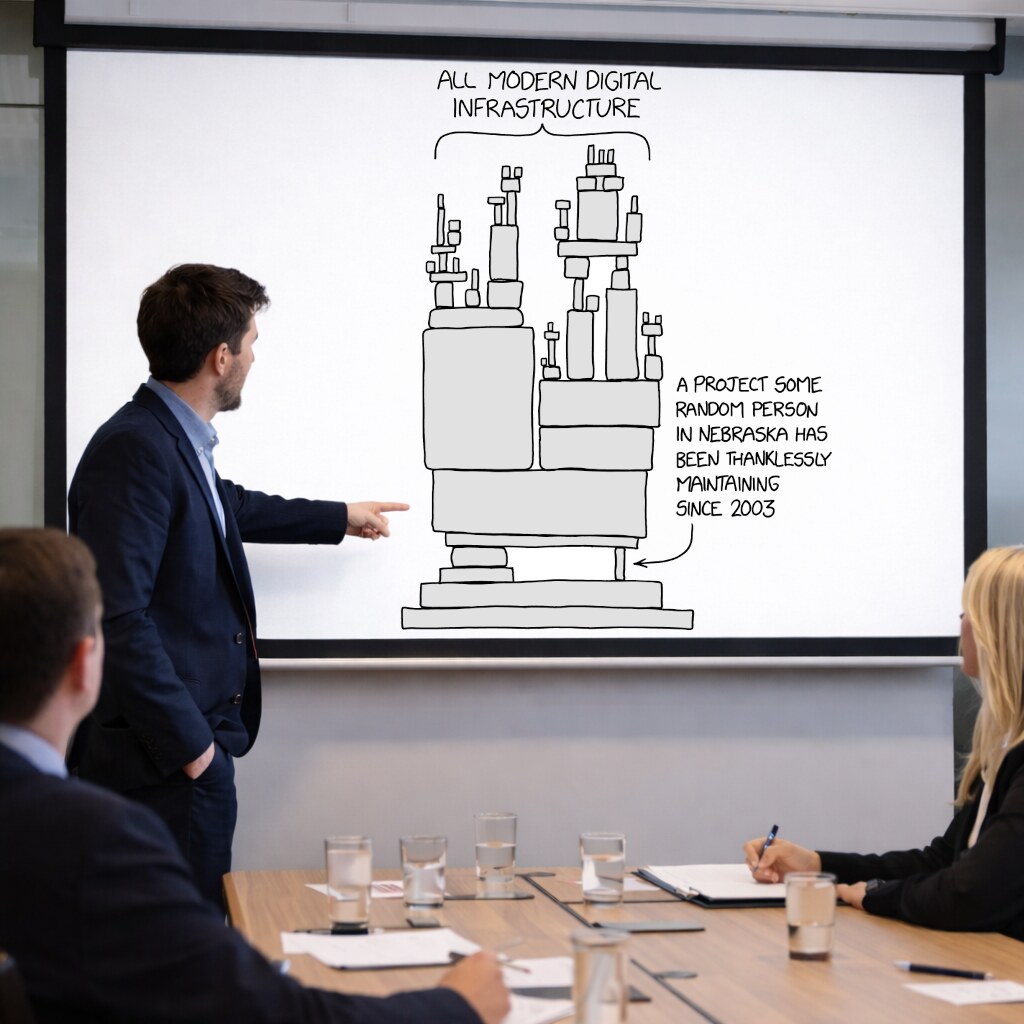
Single point of failure
A single point of failure is one part of a system that can cause the entire system to stop working if it fails.The term comes from engineering and computer systems design. Engineers try to avoid single points of failure by adding backup parts or alternate paths so the system can keep working if one part breaks.
The only bridge into the town was a single point of failure during the storm.