
Showing 21-40 of 44

Ignorance is bliss
Ignorance is bliss means that sometimes it is happier not to know about a problem or unpleasant truth.The phrase comes from a poem by the English writer Thomas Gray written in 1742. The line where ignorance is bliss, 'tis folly to be wise suggested that knowing too much about certain things can bring unnecessary worry.
He decided not to read the online comments about himself, saying ignorance is bliss.

In one ear and out the other
In one ear and out the other means that someone hears something and then forgets it straight away. This can often lead to frustration when people keep repeating themselves.I told you this three times already, does this just go in one ear and out the other?

Kill it with kindness
To kill it with kindness means responding to anger or bad behavior with patience and kindness instead of fighting back. The idea is that being calm and polite can stop the conflict.The expression reflects the belief that kindness can disarm hostility. By refusing to respond with anger, a person may reduce tension and make the other person rethink their behavior.
In gardening circles, it may also refer to killing a plant by overwatering or overfeeding it.
When the customer started complaining loudly, the manager decided to kill it with kindness and spoke calmly to help solve the problem.

Learn something new every day
Learn something new every day is a phrase people say when they discover to their surprise a new thing they did not know before.The saying reflects a long-standing belief that learning never really stops. Variations of the phrase have appeared in English for many years as a casual way to react to new information.
When he found out that octopuses have three hearts, he laughed and said you learn something new every day.
Learn the hard way
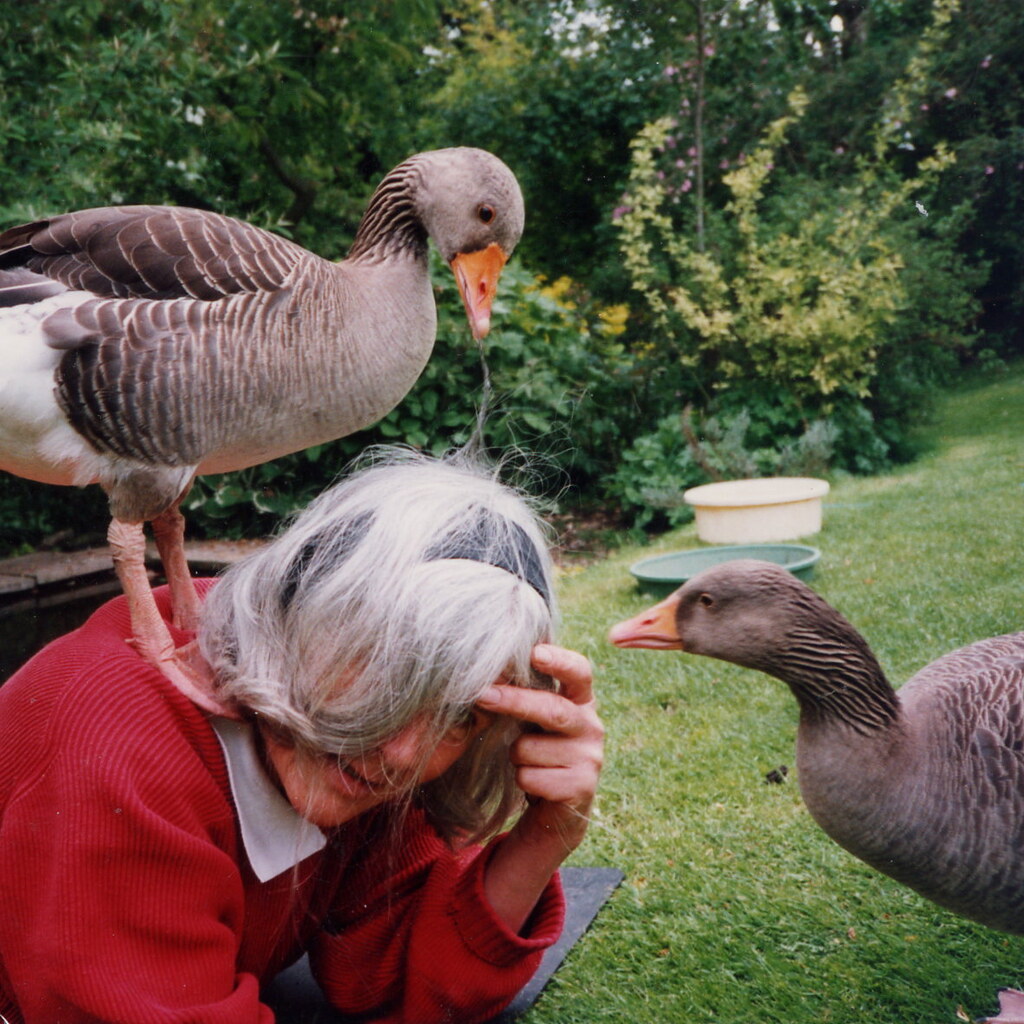
The phrase learn the hard way means discovering something through experience, often by making mistakes.The phrase has been used in English for many years. It reflects the idea that some lessons are only understood after things go wrong.
She learned the hard way to stay away from the geese.

Make a long story short
You might say to make a long story short when you are giving a brief summary of a longer explanation. The speaker skips many details and goes straight to the main point.The phrase became common in English conversation as a way to signal that the full story is being shortened, so the listener is prepared for a quick conclusion.
To make a long story short, Fred messed up and we missed the concert.

Make waves
To make waves means to cause trouble or disagreement, often by speaking up and challenging how things are normally done.The phrase comes from the image of calm water being disturbed so that waves form on the surface. It began to be used in the early 1900s to describe actions that create noticeable disruption.
She did not want to make waves on her first day at the new job, so she kept her concerns to herself.

Memory of a goldfish
If you have the memory of a goldfish, it means you have a very short memory or you forget things a lot.The phrase comes from the common belief that goldfish can only remember things for a few seconds. Although this idea is popular in jokes and everyday speech, real goldfish can actually remember things for much longer.
I forgot where I left my keys again, I must have the memory of a goldfish.

On the same page
To be on the same page means means that people understand a situation in the same way and agree about what should happen.The expression comes from reading or studying together. If everyone is literally on the same page of a book or document, they are looking at the same information at the same time.
Before starting the project, the team met to make sure everyone was on the same page.

On the tip of my tongue
The idiom on the tip of my tongue means that someone almost remembers something, such as a word or name, but cannot quite say it yet.The expression comes from the image of a word being so close to being spoken that it seems to be sitting on the tip of their tongue, ready to come out.
Her name is on the tip of my tongue, but I just cannot remember it.

Open door policy
An open door policy means that people are welcome to come and talk freely with someone in charge. It means that a person, usually a leader or manager, is willing to listen to questions or concerns.The expression comes from the idea of leaving an office door open so that others feel comfortable walking in to speak. Over time it became a metaphor for openness and easy communication.
The principal has an open door policy, so students can come in and discuss problems anytime.

Out of the loop
To be out of the loop means not being included in information or decisions that other people know about. A person who is out of the loop does not know what is going on.The expression likely comes from the idea of a communication loop or chain where information passes between people. If someone is outside that loop, the information never reaches them.
I was out of the loop about the plan until someone mentioned it at lunch.

Push the envelope
To push the envelope means to go beyond the usual limits or try new and risky ideas. People use this idiom to talk about when someone experiments instead of staying within safe or familiar boundaries.The expression comes from aviation and engineering. The flight envelope describes the safe limits of an aircraft's speed, altitude, and performance, so pushing the envelope means testing those limits.
The designers wanted to push the envelope and create something people had never seen before.

Read between the lines
To read between the lines means to understand a hidden meaning that is not directly stated, usually from hints or clues.The expression comes from the idea of looking past the written words to notice what the writer or speaker truly intends. The phrase has been used in English for many centuries.
She did not say she was unhappy with the plan, but if you read between the lines, you could tell she had doubts.

Spare a thought
To spare a thought means to remember or consider someone, especially someone who may be having a harder time. This idiom is often used to encourage sympathy or kindness.The expression comes from the simple idea of giving a small amount of attention or concern to someone else, even if only for a moment.
While we enjoy the holiday, spare a thought for the workers who still have to work today.

Speak of the devil
The idiom speak of the devil means that the person you were just talking about suddenly appears. It is usually said in a light or joking way when someone arrives at the moment they are mentioned.The phrase comes from an older saying speak of the devil and he shall appear. In the past it was a superstition that mentioning the devil might cause him to appear.
We were just wondering where Sam was, and speak of the devil, here he comes now.

Talk the talk
The idiom talk the talk means to speak confidently about something. It is used when someone says the right things but may not prove it with actions.The expression comes from the longer phrase talk the talk, walk the walk, which contrasts speaking about something with actually doing it.
He can talk the talk about leadership, but people are still waiting to see if he can deliver results.

The gears are turning
The phrase the gears are turning means someone is thinking carefully or trying to solve a problem. People often use it when a person becomes quiet or thoughtful while working something out.The expression comes from machines with gears that move together to make something work. In the idiom, the moving gears are compared to the mind working through ideas.
He stared at the puzzle for a moment, and you could almost see the gears turning.

The writing is on the wall
The writing is on the wall means the signs clearly show that something bad is going to happen.The phrase comes from a story in the Bible where mysterious writing appeared on a wall to warn of a coming downfall.
After the company started losing money, the writing was on the wall for the business.
Think outside the box
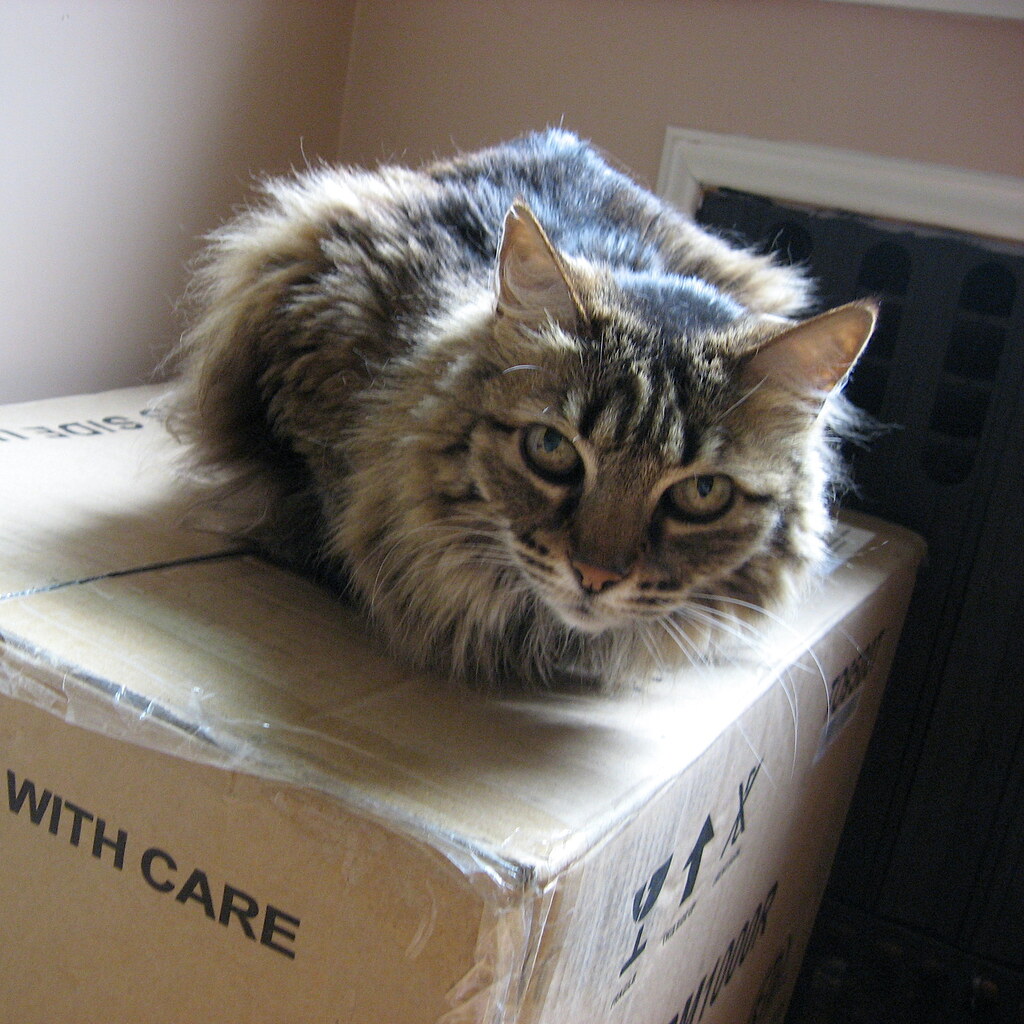
To think outside the box means to think in a creative or unusual way instead of following the usual rules or ideas.The phrase became popular in the late 1900s and is often linked to a puzzle where people must connect nine dots arranged in a square without lifting a pencil. The solution requires drawing lines that go outside the imagined box around the dots.
The team had to think outside the box to find a solution to the design problem.