
Showing 1-20 of 44

A far cry
The phrase a far cry means very different from something else. It is often used to compare the present with the past, and often to compare something that is currently worse.This idiom originated from Scottish messengers who would shout messages to each other and this was used as a way to communicate long distance, so a far cry was originally used as slang for a long distance.
This small house is a far cry from the mansion they expected.

A lightbulb moment
A lightbulb moment is when you suddenly understand something or get a good idea. It is the instant when a problem that was confusing before suddenly makes sense. This phrase comes from cartoon shows and movies, where a lightbulb appears above a character's head when they think of a clever idea. The image became a simple way to show the moment when someone's mind "lights up" with understanding.I had a lightbulb moment in the shower and suddenly knew how to fix the problem with my bike.

A penny for your thoughts
The idiom a penny for your thoughts is a way to ask people what they are thinking about. You'd ask this if someone has been sitting looking quiet, or like they are daydreaming.This dates back to the 1500s, when a penny was worth a lot more than it is now.
You've been staring out the window for half an hour now. A penny for your thoughts?

A problem shared is a problem halved
A problem shared is a problem halved means that talking about a problem with someone else can make it feel easier to deal with.The saying has been used in English for many years as a piece of everyday advice. It reflects the idea that support, understanding, or practical help from others can reduce the burden of a difficult situation.
She finally told her friend what was worrying her, remembering that a problem shared is a problem halved.


Blow your own trumpet
To blow your own trumpet means to talk proudly about your own achievements or abilities. It is used when someone tells others how good they are at something or how well they have done.The expression comes from history, where trumpets were used to announce important people or victories. In this idiom, a person is acting like the one making that announcement for themselves.
He doesn't like to blow his own trumpet, but he quietly mentioned that he finished the project weeks ahead of schedule.

Break the ice
To break the ice means to do or say something that helps people feel more relaxed when they first meet or when a situation feels awkward. It is commonly used in social situations, meetings, or group activities. The phrase originated from breaking the ice around a ship so it can start to sail.She told a friendly joke to break the ice.

Clear the air
To clear the air means to talk openly about a problem or misunderstanding so that people feel better and the tension is reduced.The expression comes from the literal idea of cleaning smoke or bad smells out of the air so it becomes fresh again. By comparison, honest discussion can remove tension or confusion from a situation.
We sat down after the argument to clear the air.
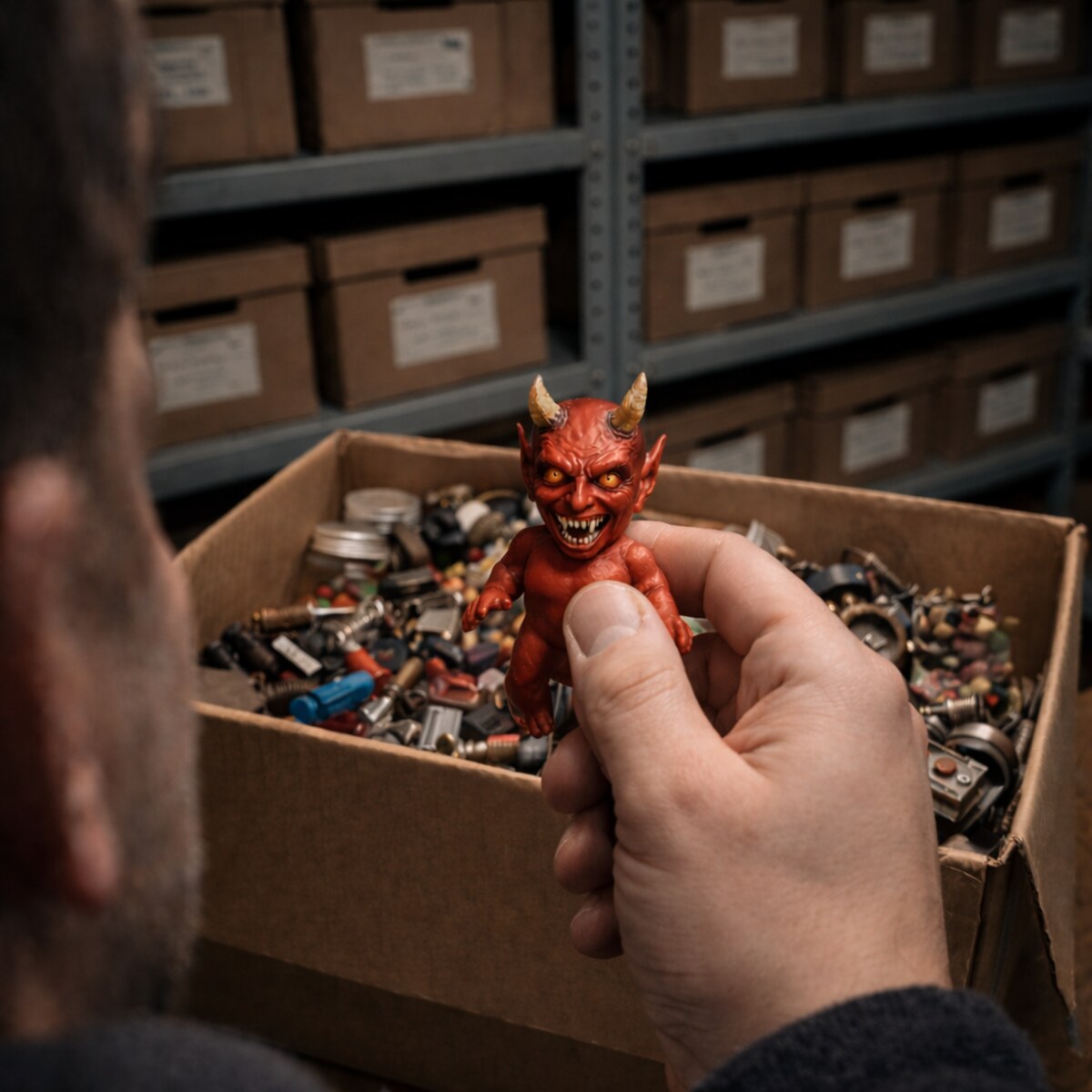
Devil is in the details
The phrase the devil is in the details means small details can cause big problems if they are ignored. Something may look simple at first, but the tricky parts are often hidden so you should pay attention to the details.This idiom was originally "God is in the details" meaning thoroughness is Godly, but evolved to emphasise the opposite, that not caring about the details invoked the devil.
The idea sounded easy, but the devil was in the details.

Don't judge a book by its cover
The saying don't judge a book by its cover means you should not decide what something is like based only on how it looks. Appearances can be misleading. It compares people or things to books that may look plain but have great stories inside.He seemed quiet at first, but don't judge a book by its cover.

Dot the I's and cross the T's
The idiom dot the i's and cross the t's means to pay attention to small details and finish things properly. It suggests being careful and thorough. The origin is from handwriting, where missing dots and crosses can make words unclear.She wrote a really good report, really dotted the I's and crossed the T's

Draw the line
To draw a line in the sand or to draw the line marks a clear limit that someone refuses to cross.The idiom comes from the idea of drawing a line across the ground to show where one side ends and the other begins.
The manager said cutting staff was a line in the sand for the team.

Drop a hint
To drop a hint means to suggest something without saying it directly, in the hope that someone else will notice and figure it out on their own.The phrase appeared in English in the 1800s. The word drop suggests placing the clue lightly into conversation so the other person can notice it.
She was dropping hints she wanted him to pop the question.
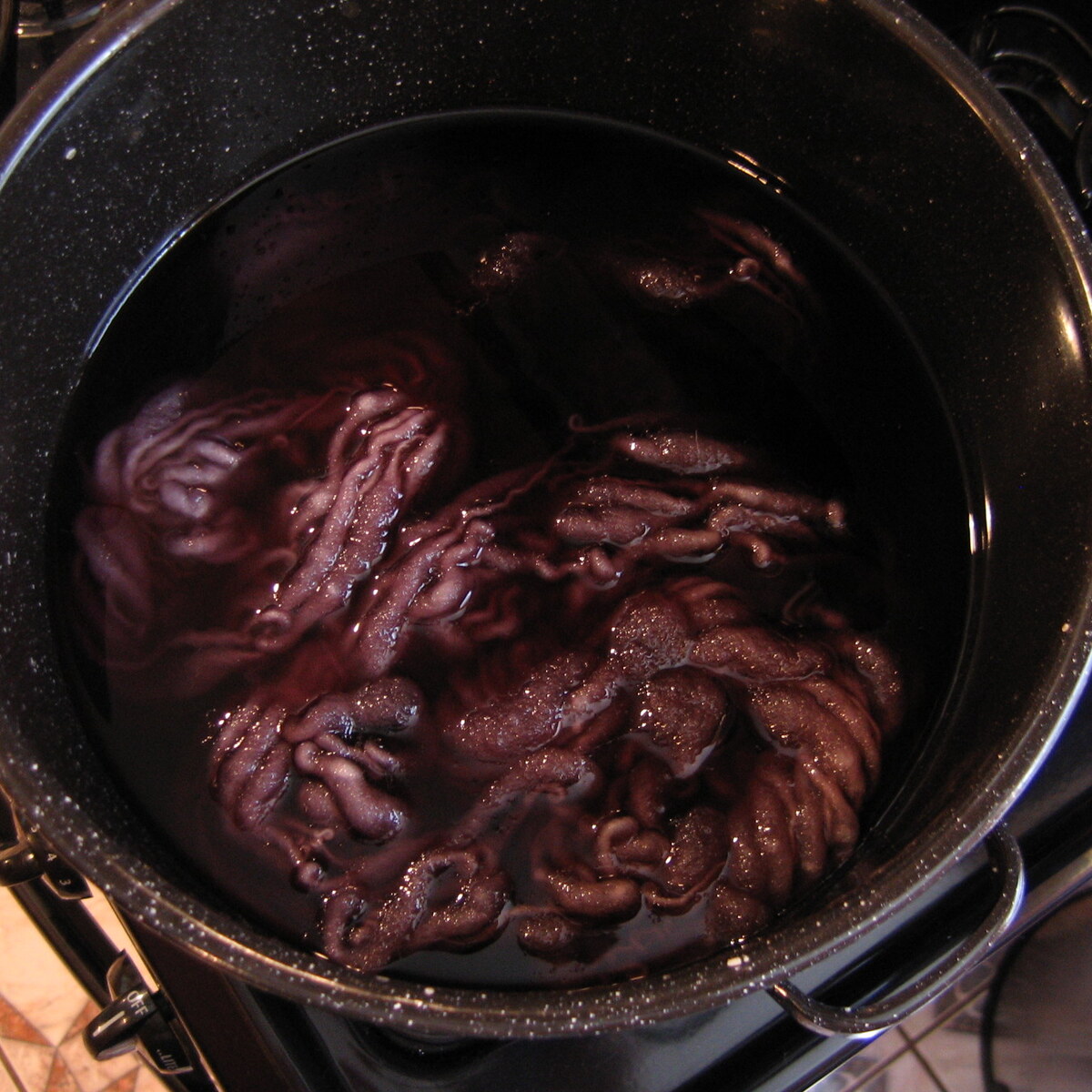
Dyed in the wool
The phrase dyed in the wool means strongly set in your ways or beliefs. It suggests something is deeply part of who you are. The saying comes from dyeing wool, where color soaks in and makes it permanently change color.She is dyed in the wool when it comes to her favorite team.

Easier said than done
Easier said than done means that something may sound simple when people talk about it, but it is actually difficult to do in real life.The saying has been used in English for centuries to point out the difference between giving advice and carrying out the action itself.
Saving money every month sounds good, but it is easier said than done.

Eat your words
The idiom eat your words means to admit that what you said before has been proved wrong.The phrase appeared in English in the 1800s. The image suggests swallowing your own statement after it turns out to be mistaken.
He said it would never work, but he had to eat his words.

Face the facts
To face the facts means accepting the truth about a situation even when it is unpleasant.The phrase uses the image of turning toward something directly instead of looking away. The act represents confronting reality.
She finally faced the facts and admitted the plan was not working.

Have second thoughts
The idiom have second thoughts means beginning to doubt a decision that you first felt confident about.The phrase appeared in English in the 1600s. A second thought suggests another moment of reflection after the first judgment.
He had second thoughts about quitting.

Heard it on the grapevine
I heard it on the grapevine means that someone learned information through rumors or informal talk rather than from an official source.The phrase comes from the American Civil War period, when soldiers used the term grapevine telegraph to describe unofficial lines of communication that passed news quickly through word of mouth.
I heard it on the grapevine that the company might be opening a new office soon.

Hit the books
The phrase hit the books means to study seriously. It is often used before exams or tests. It is a fairly recent idiom, where "hit" in modern slang means "to start" or "to do" not physically hitting them with violence.I need to hit the books tonight, I have an exam tomorrow.