
Showing 21-40 of 61
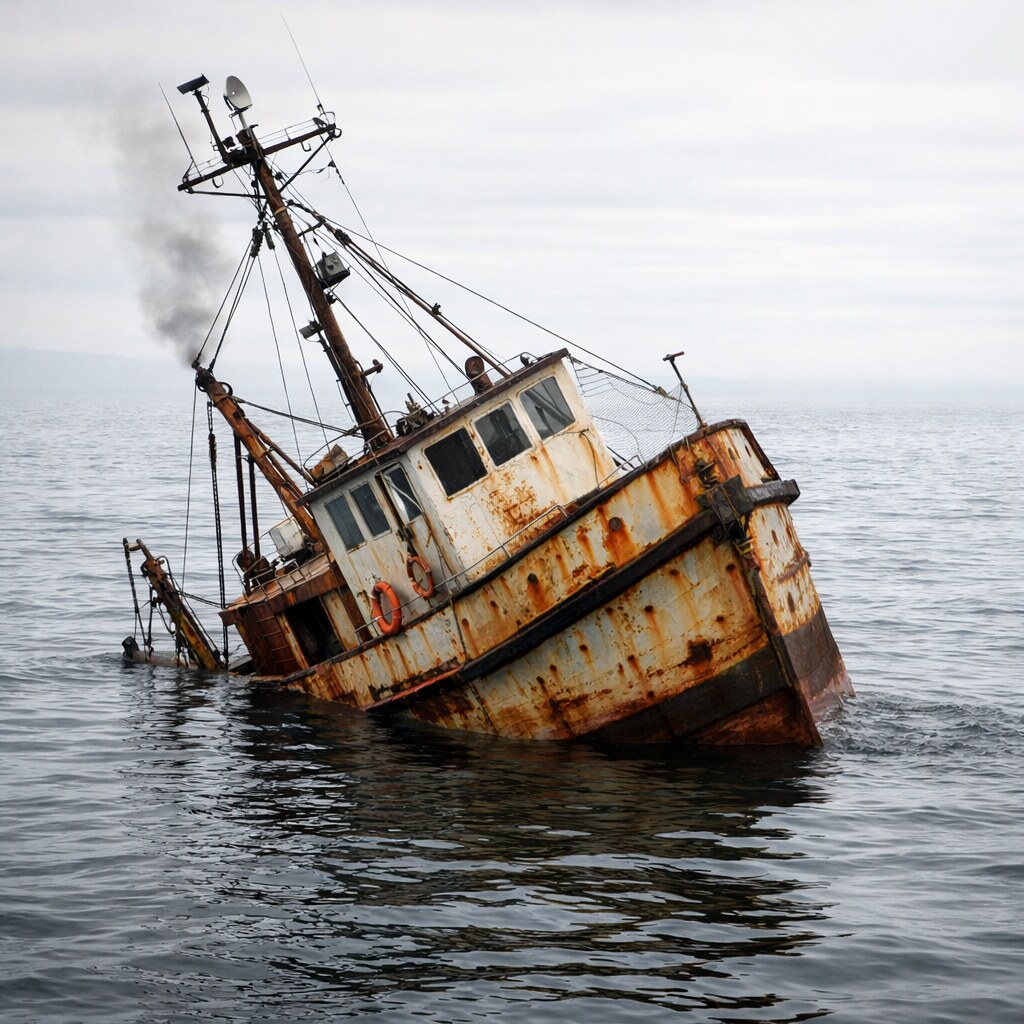
Go down with the ship
To go down with the ship means to stay loyal to something or someone even when the situation is failing or ending badly.This idiom comes from maritime tradition. In the past, a ship's captain was expected to remain on board during a disaster and share the fate of the vessel rather than escape before the passengers and crew.
Even when the company started collapsing, she said she would go down with the ship.

Go the extra mile
The idiom go the extra mile means to do more than what is expected.The phrase comes from an old rule in which a person could be required to carry a load for a set distance. Going farther than required showed extra willingness.
When he built the cubby house, he really went the extra mile.
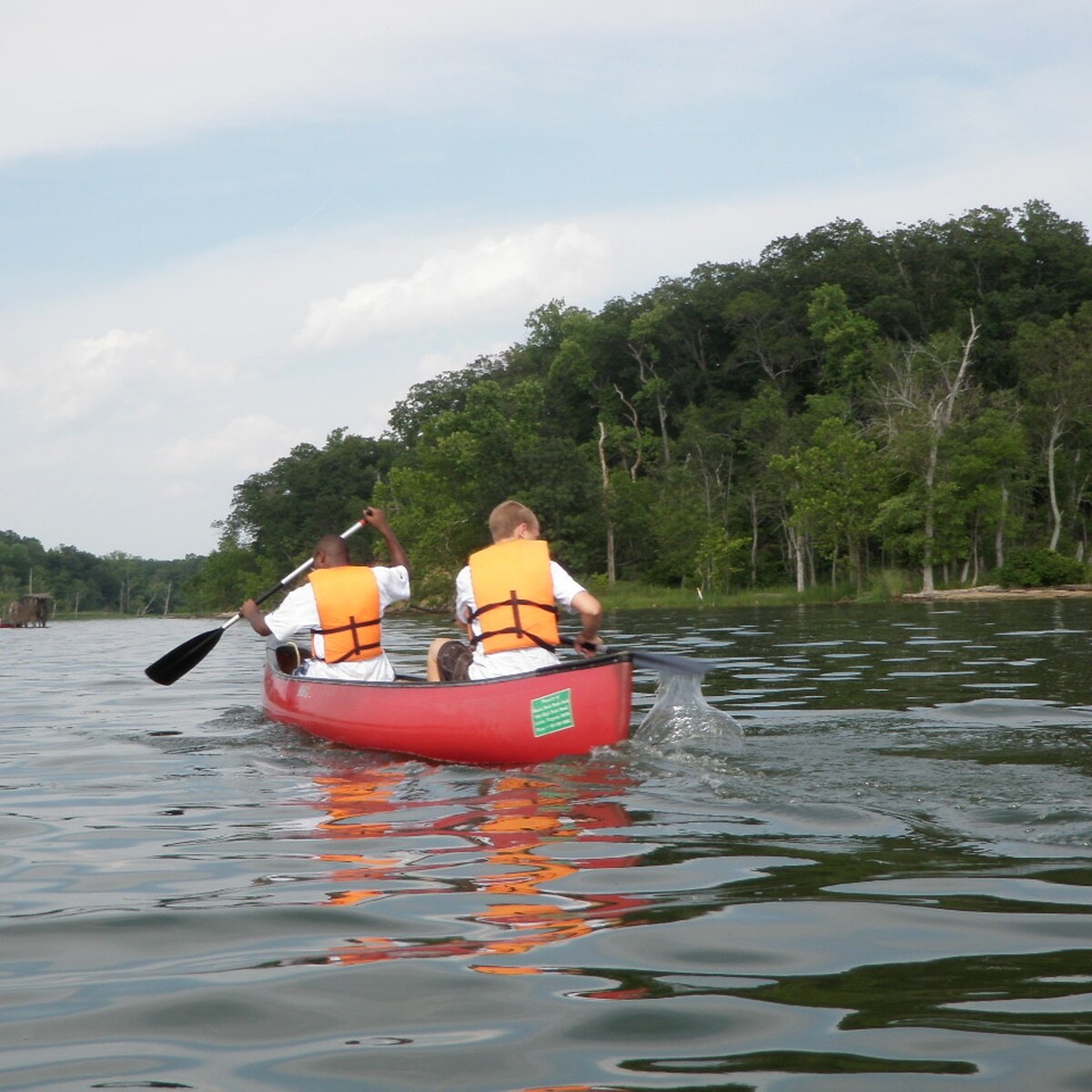
Go with the flow
The idiom go with the flow means to accept things as they happen. Instead of fighting change, you stay relaxed. If you are sailing or canoeing on a river, you can just let the flow of the water carry you along without having to do extra work.On holiday, we decided to go with the flow.
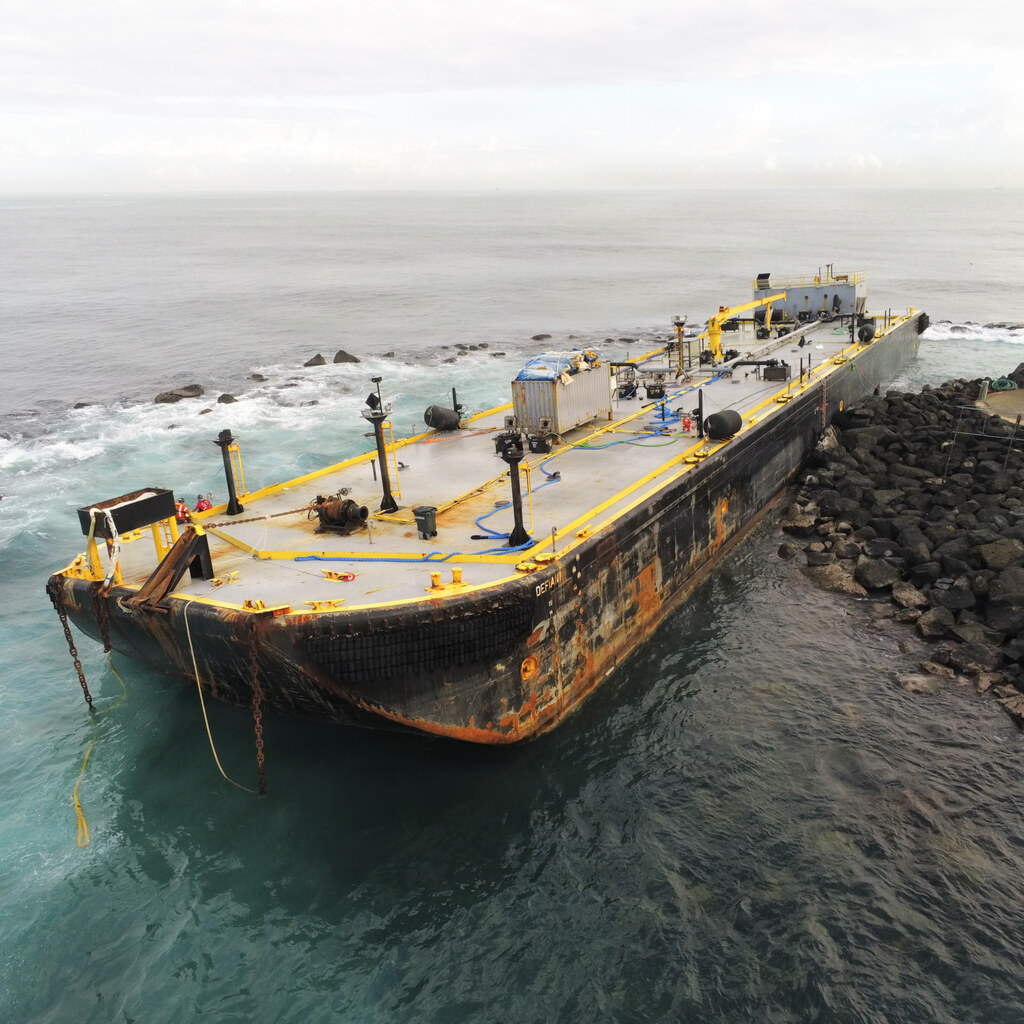
High and dry
High and dry means to be left in a difficult situation without help or support. This idiom describes someone who has been abandoned or left to deal with a problem on their own.The phrase comes from sailing. When the tide goes out, a boat can be left stranded on land above the waterline, literally high and dry. Over time the image became a metaphor for being left stuck without assistance.
They cancelled the ride and left us high and dry.

Hit the road
The idiom hit the road means to leave or start a journey. It is a fairly recent idiom, where "hit" in modern slang means "to start" or "to do" not physically hitting them with violence. It is often used to say you are going to leave an event and go home - or to leave home and go to an event!It's getting late - we should hit the road.
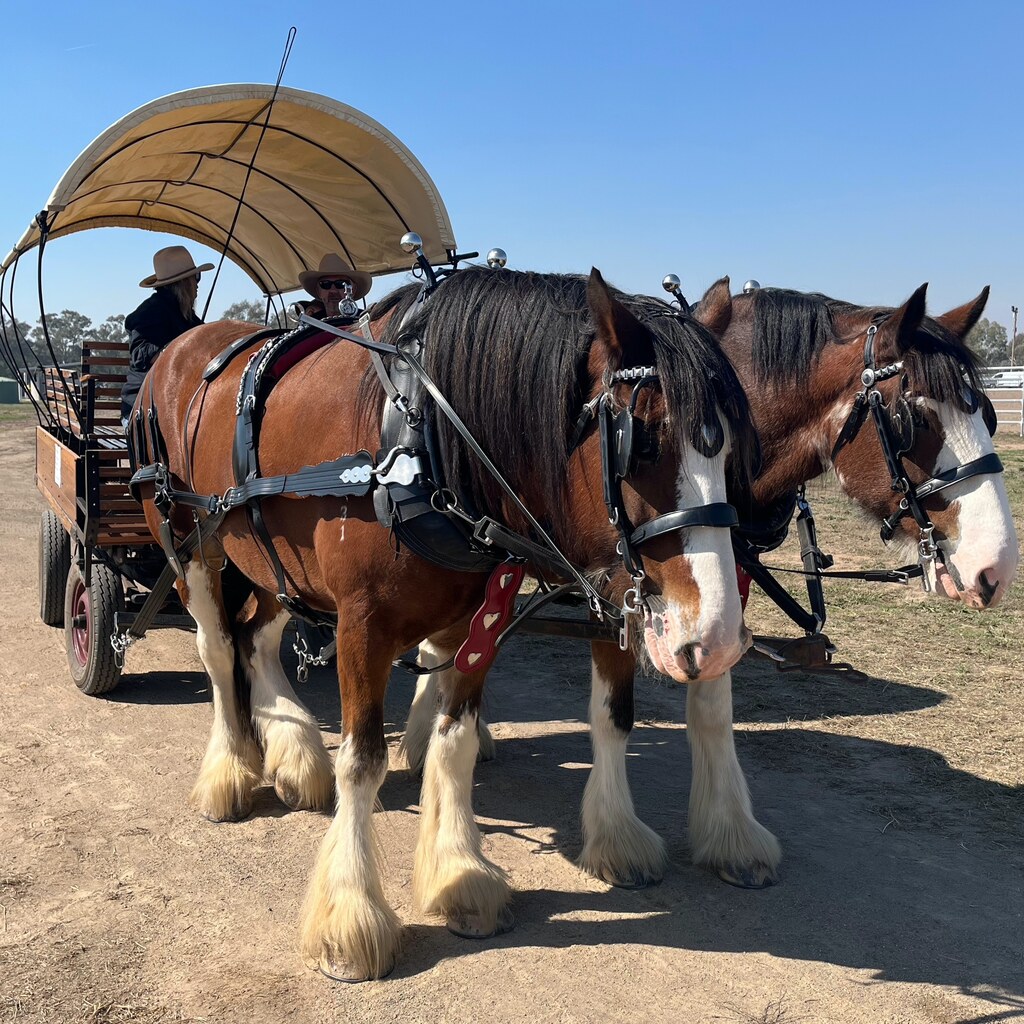
Hold Your Horses
To hold your horses means to slow down or wait for a moment instead of rushing. This idiom is used when someone is moving too quickly or getting ahead of themselves.The expression comes from the days when people traveled by horse. To hold your horses meant pulling on the reins to stop the animals from moving forward too fast.
Hold your horses, we have not even decided where we are going yet.
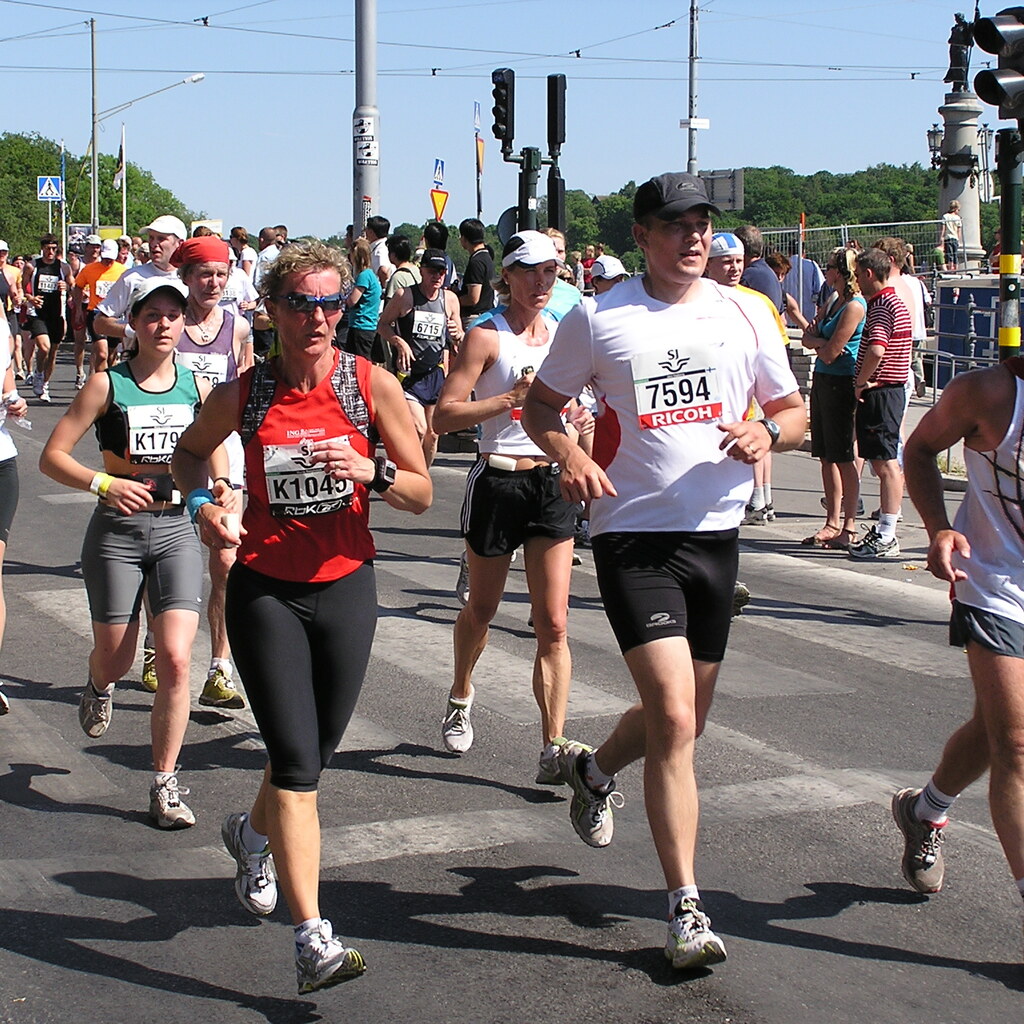
In the long run
In the long run means over a long period of time or after everything has had lots of time to happen.The expression has been used in English for many centuries and comes from the idea of a long marathon or journey where the final outcome only becomes clear after enough time has passed.
Saving a little money each week may seem like nothing now, but it helps in the long run.

Last but not least
The phrase last but not least is used when introducing the final item in a list while stressing that it remains important. The position comes from order, not value.The phrase appeared in English writing several centuries ago. Speakers used it to reassure listeners that the final mention still deserves attention.
Last but not least, we would like to thank the volunteers who helped organize the event.

Light at the end of the tunnel
The phrase the light at the end of the tunnel means hope after a long or difficult time. It suggests that problems will eventually end. This idiom is derived from the feeling you get after travelling underground for a long time and finally seeing the light that means you are about to come out the other end.After months of work, we could see the light at the end of the tunnel.

Like watching paint dry
If something is like watching paint dry it means i is extrtemely boring or slow.The expression comes from the idea of literally watching paint dry on a wall. Since paint dries slowly and nothing much happens while it does, the comparison suggests a very tedious experience.
The lecture was so dull it felt like watching paint dry.

Lose track of time
The phrase lose track of time means to forget how much time has passed. It often happens when someone is busy or enjoying themselves.The phrase comes from the idea of time as something you follow or keep count of. When you lose track, that sense of passing time disappears.
I always lose track of time when I start working on a new project.
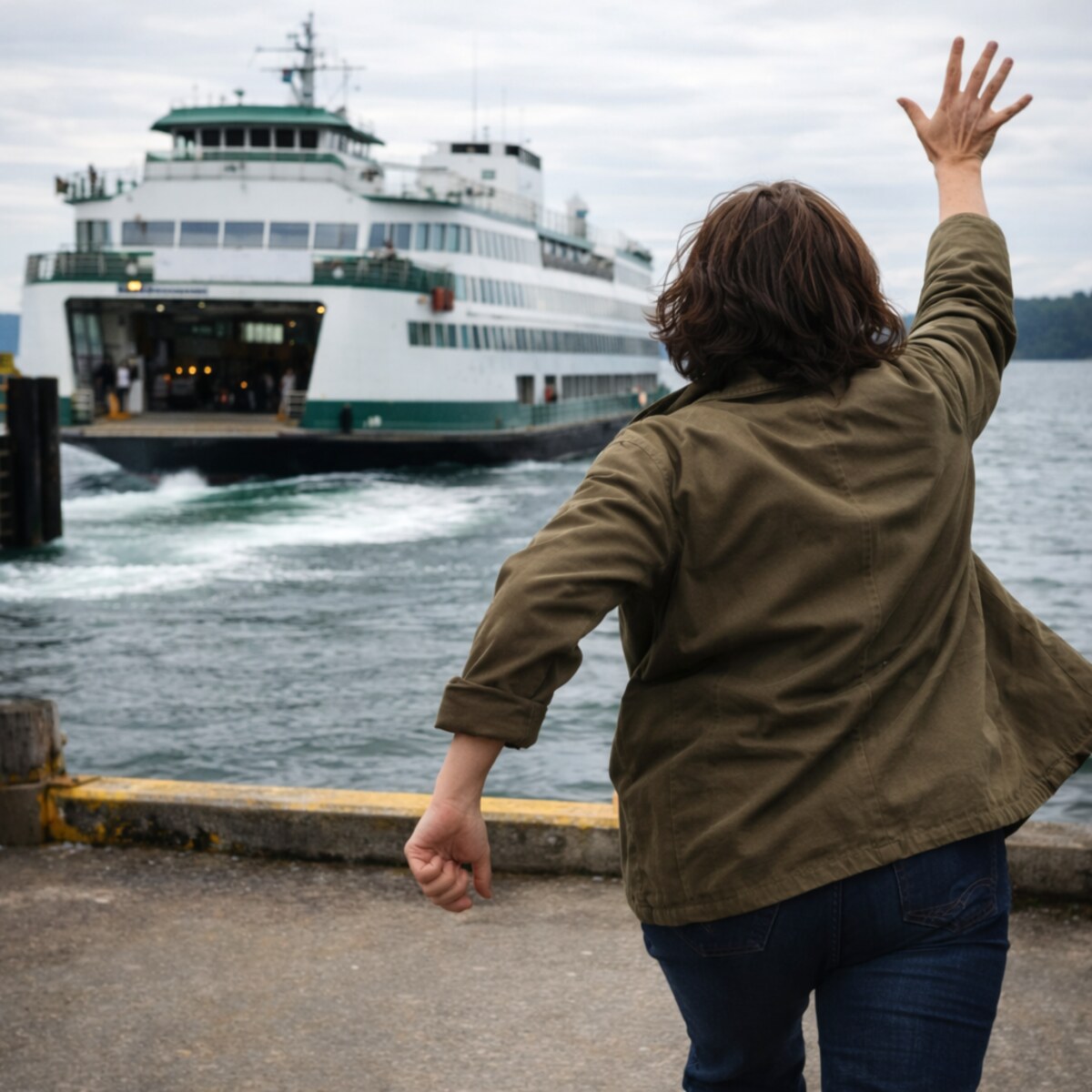
Missed the boat
If you missed the boat it means you missed a good chance or opportunity. If you wait too long, it may be gone. The origin of this phrase is literal, if you miss a boat it leaves without you.A similar idiom is that ship has sailed.
He took so long to get his application together he missed the boat.
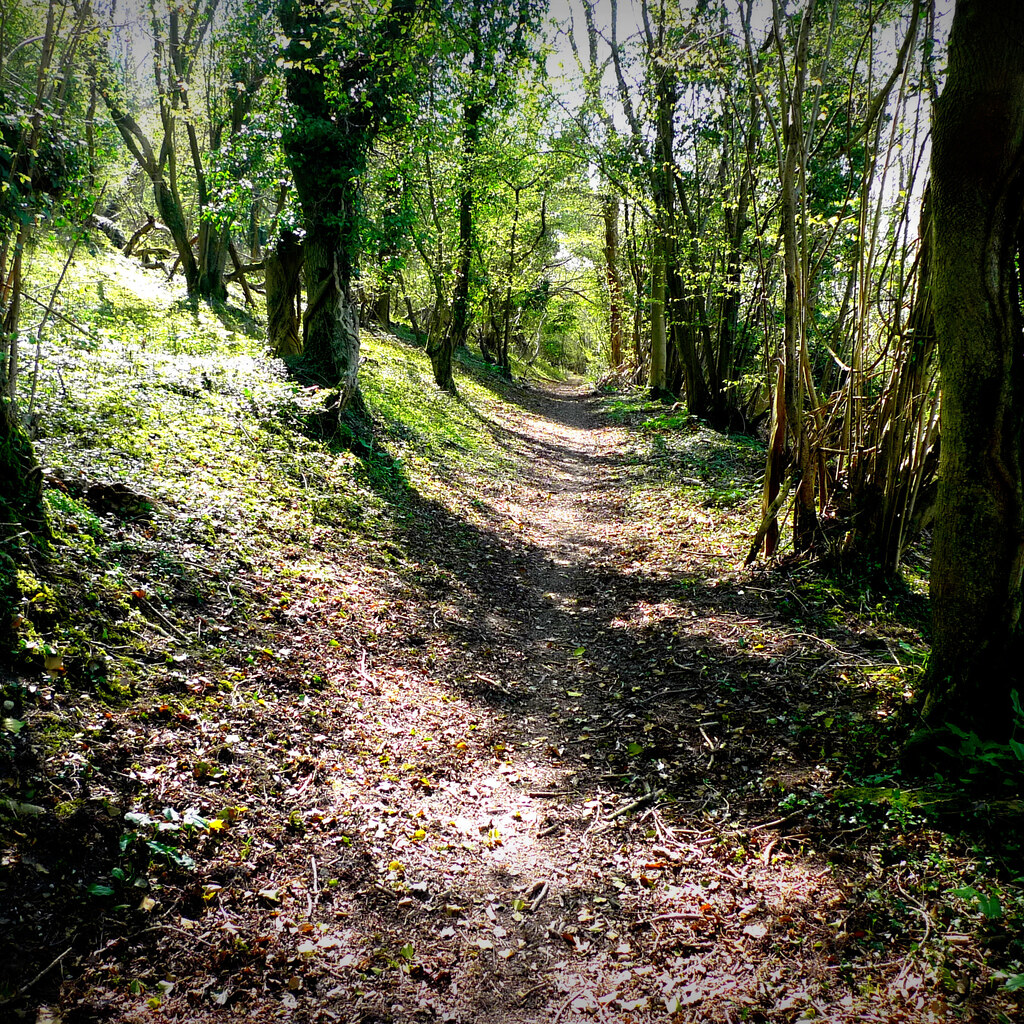
Off the beaten path
Off the beaten path means a place that is quiet, unusual, or not visited by many people. It often describes locations that are away from busy roads, popular attractions, or crowded tourist areas.The phrase comes from the idea of a path that becomes worn or "beaten" by many people walking on it. A place off that path is somewhere fewer people have traveled.
We found a small café off the beaten path that served the best food on our trip.
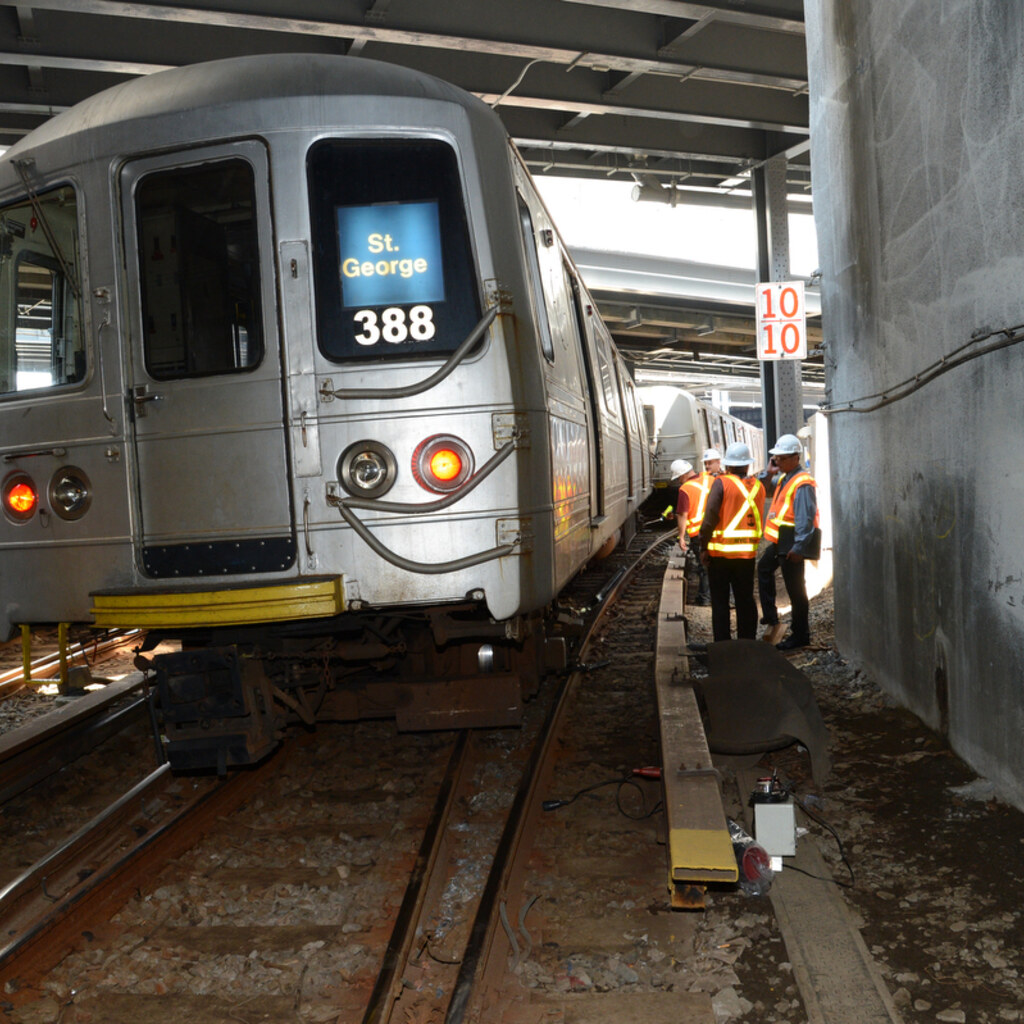
Off the rails
To go off the rails means that something has gone badly wrong or out of control. This idiom is used when a plan, situation, or a person's behavior stops following the expected path.The expression comes from railway accidents. If a train's wheels leave the metal rails that guide it, the train can no longer move safely along the track and the journey quickly becomes dangerous to anyone on or near the train.
The meeting went off the rails once everyone started arguing.
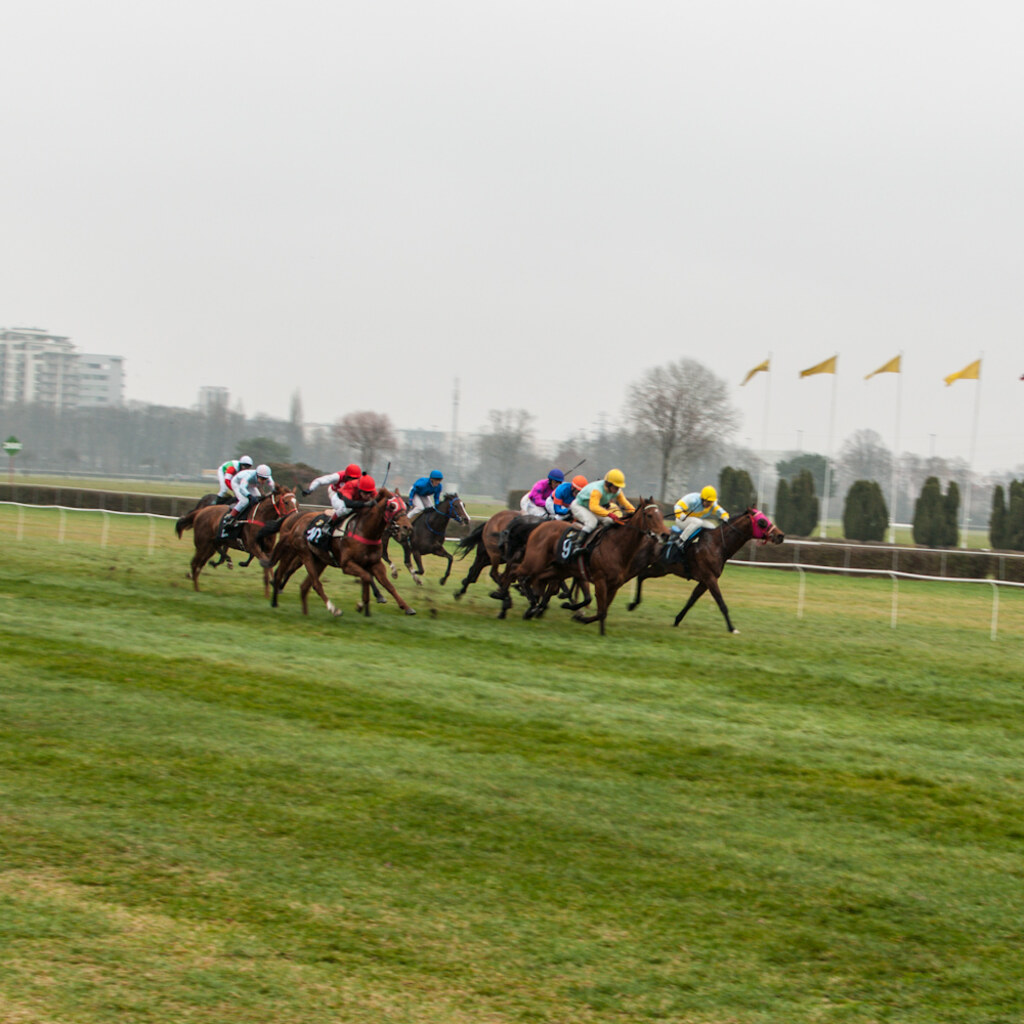
On the home stretch
To be on the home stretch means being close to finishing something after a long effort.The phrase comes from horse racing. The home stretch is the final straight section of the track leading to the finish line.
After months of work on the renovation, they were finally on the home stretch.

Once in a blue moon
The idiom once in a blue moon means something happens very rarely.The phrase refers to a blue moon, a name for an extra full moon that appears in a calendar cycle. Because it does not occur often, the image became a way to describe rare events.
We only see each other once in a blue moon.

One born every minute
The idiom there's one born every minute or there's a sucker born every minute is a way of saying there is a never-ending supply of fools or victims, constantly being born.It is something you say when you see someone being tricked or scammed.
You really fell for that? There's one born every minute!
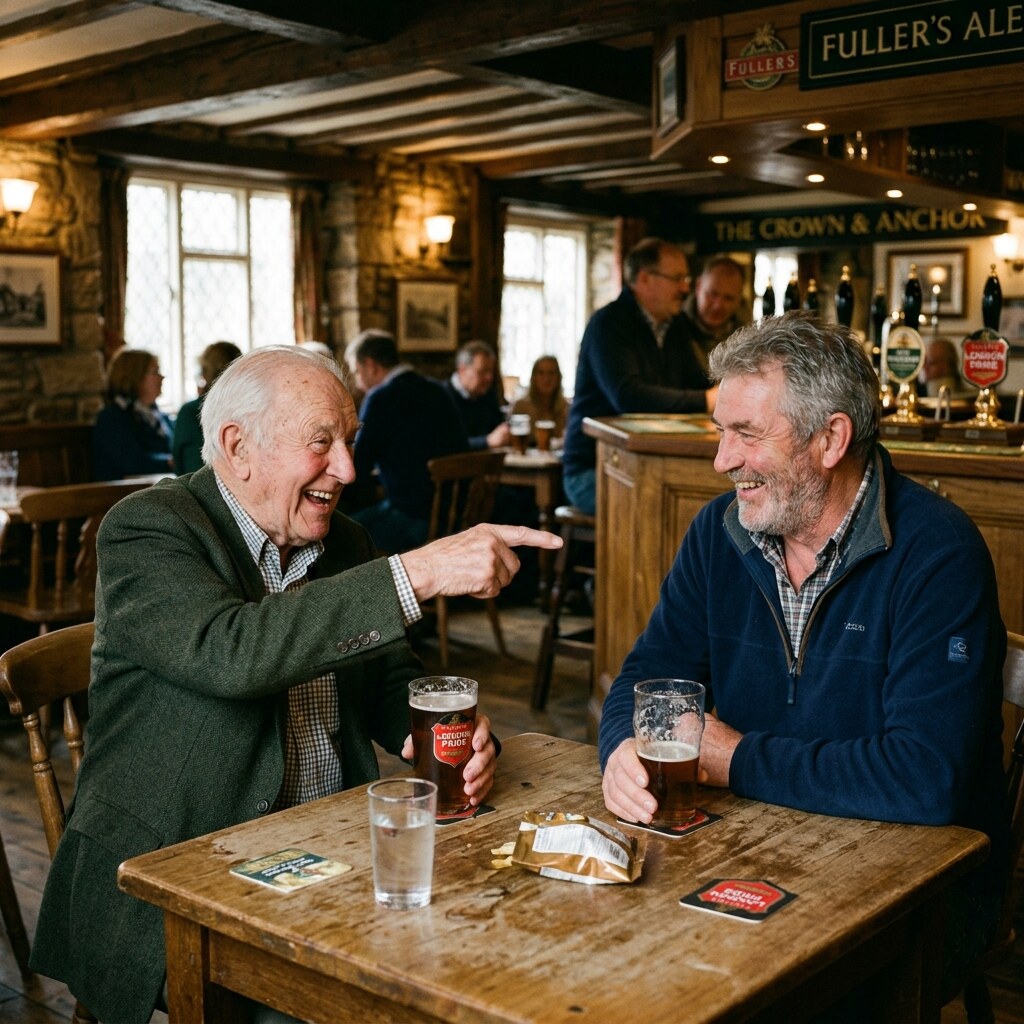
One foot in the grave
One foot in the grave describes someone who is very old, but is most often used in a joking way.The expression appeared in English several centuries ago. It uses the image of a person already partly in the grave to represent the idea of being near death.
He joked that after climbing the steep hill he felt like he had one foot in the grave.
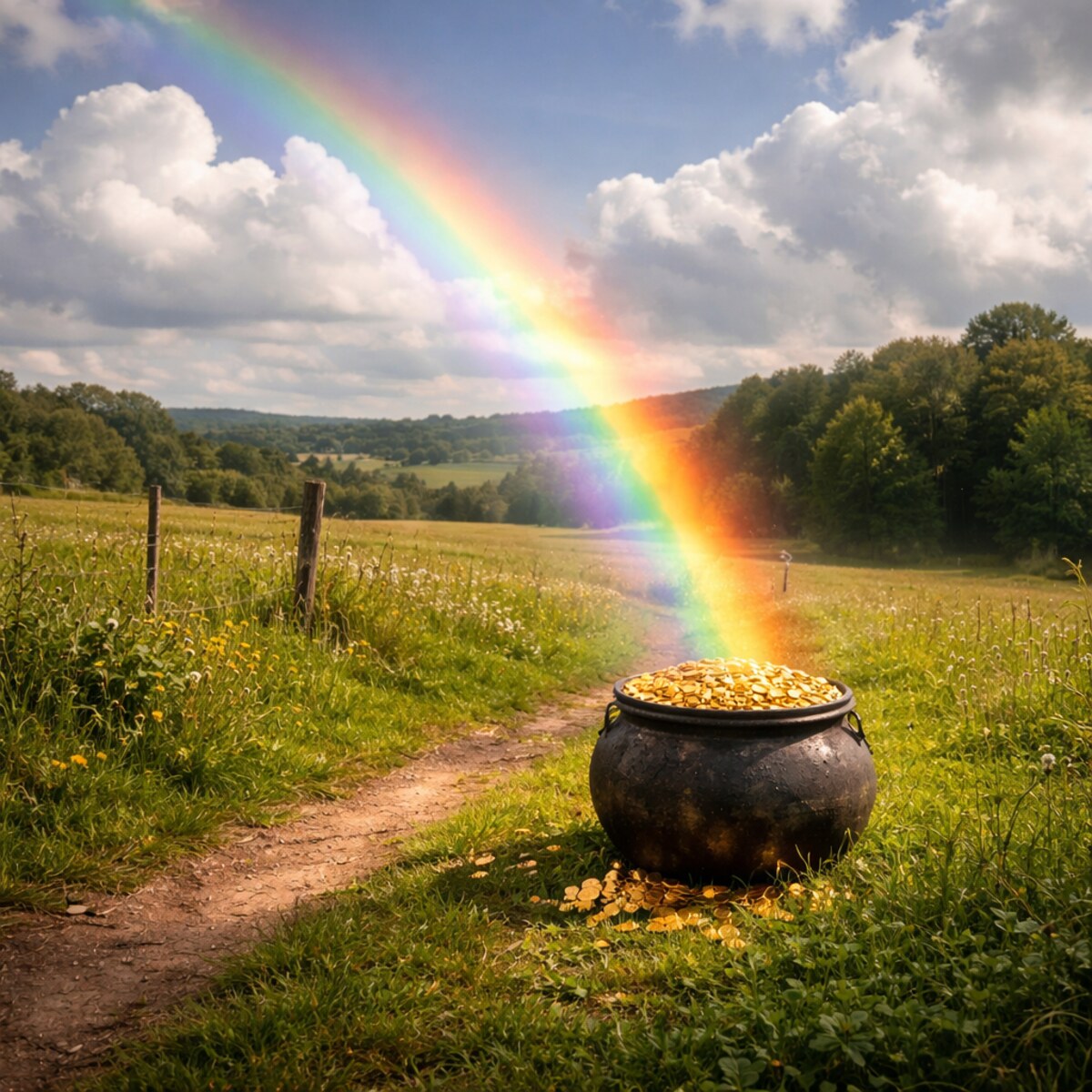
Pot of gold at the end of the rainbow
The phrase pot of gold at the end of the rainbow comes from Irish folklore, where leprechauns hid their treasure where a rainbow touches the ground. It is used to mean a desire that is elusive and is always out of reach.Rainbows do not have a real end, if you try and get the end of a rainbow it keeps moving away from you.
A work from home job where I can sit on a beach all day, that's the pot of gold at the end of my rainbow!
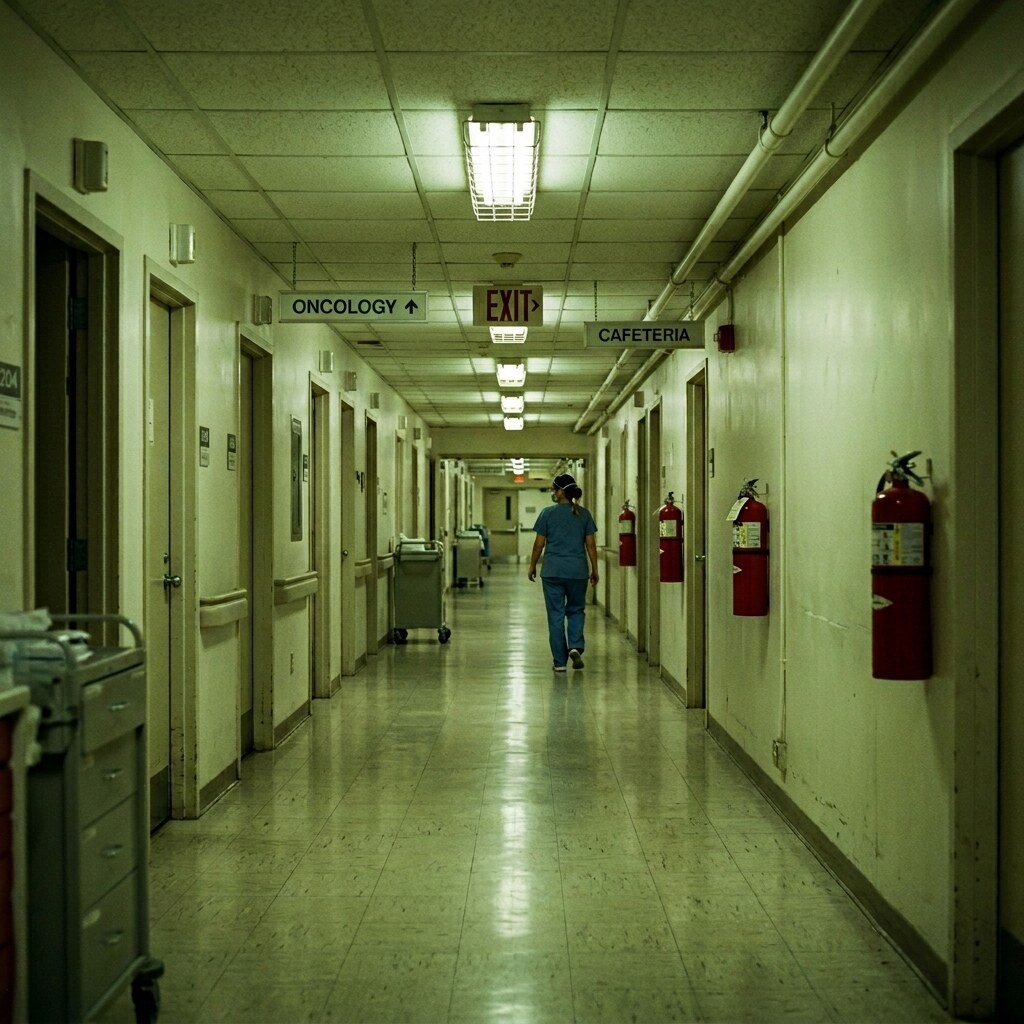
Rabbit warren
A place is like a rabbit warren if it has many small rooms, passages, or paths that are confusing to move through. This idiom is used when a building or area is easy to get lost in.The expression comes from the underground burrows where rabbits live. A real rabbit warren is made of many twisting tunnels and chambers, which makes it easy to get lost inside.
The older part of the hospital is a rabbit warren of narrow corridors and small rooms.