
Showing 41-60 of 61
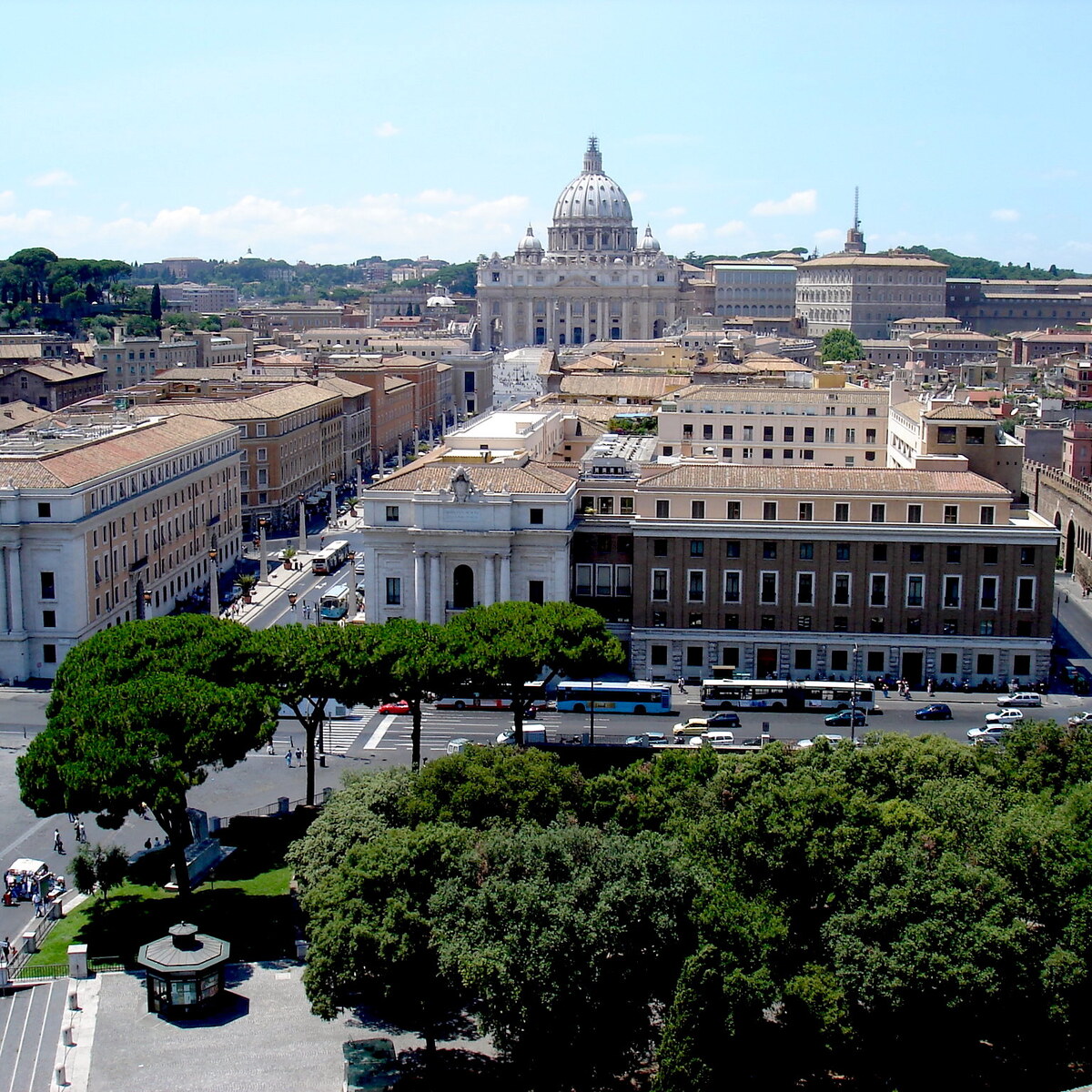
Rome wasn't built in a day
Rome wasn't built in a day means that large projects take a lot of time, effort, and patience to achieve and you shouldn't expect quick results.This idiom relates to how the city of Rome gradually developed over centuries.
Don't worry that this is taking so long, Rome wasn't built in a day.

Run like clockwork
To run like clockwork means that something happens very regularly.The phrase comes from mechanical clocks, which were designed to keep steady, precise time using gears and springs. Because a well made clock runs in a predictable way, this idiom became a way to describe anything that happens on a predictable timeframe.
Every morning at exactly six o'clock, the rooster started crowing like clockwork.

Run out of steam
To run out of steam means to lose energy, strength, or motivation before something is finished.The idiom comes from the era of steam engines such as old trains and factory machines. When the boiler no longer produced enough steam, the engine would slow down and eventually stop.
We were making good progress on the hike, but I ran out of steam near the top of the hill.

So far, so good
So far so good means that everything has been going well up to now. This idiom is used when a task or situation is working out as planned so far.The expression has been used in English since at least the 1800s. It reflects the idea that although the result is not known yet, the progress until now has been successful.
The cakes are baking nicely and have not burned yet, so far so good.

Stay on track
To stay on track means to continue working toward a goal without getting distracted or delayed. It means to follow a planned path and making steady progress so that something is finished on time or done the right way.The phrase comes from the idea of trains traveling on railway tracks. As long as a train stays on the rails, it continues toward its destination.
If we stay on track with the schedule, the whole project should be finished by the end of the month.

Straight as an arrow
The idiom straight as an arrow means perfectly straight or direct, with no curves or bends.The expression comes from the way arrows fly when they are shot from a bow. A well shot arrow travels quickly and directly toward its target in a straight line, which made it a natural comparison for anything very straight.
The long country road ran straight as an arrow across the flat fields.

Take the wind out of your sails
The idiom to take the wind out of your sails means to suddenly make someone feel less confident, excited, or proud. It often happens when someone says or does something that weakens your argument or stops your momentum.The phrase originates from sailing. A sailing ship moves forward when wind fills its sails, but if the wind suddenly stops, the sails go slack and the ship slows down.
Him pointing out my error during the meeting really took the wind out of my sails.
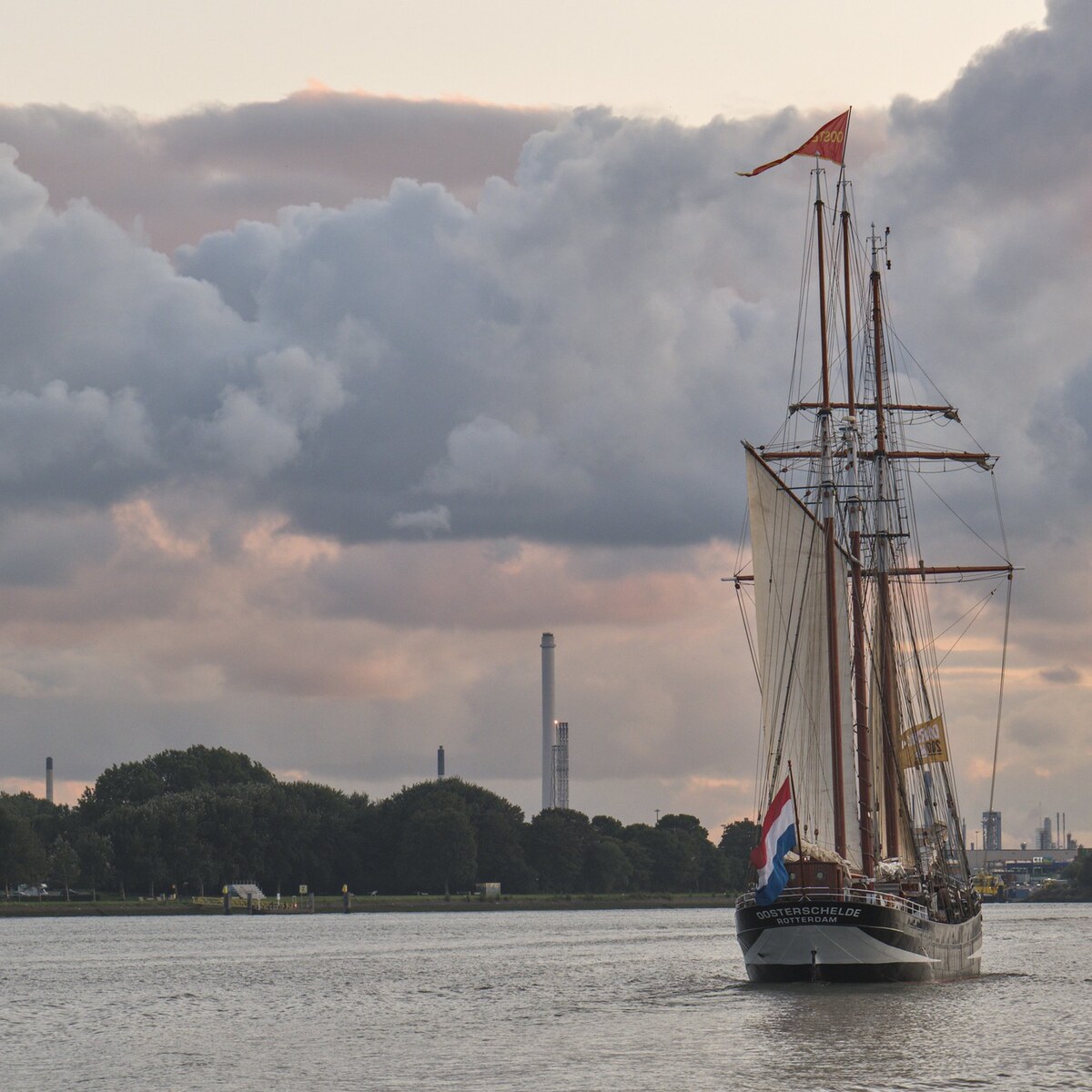
The ship has sailed
The idiom the ship has sailed dates to the 19th-century and means a missed opportunity. When ships sailed they used to move with the winds and the tides, so they could not turn back for any missed passengers. So if your ship has sailed, you've lost the moment to make an action or a decision.He overslept and did not make it to the event, so that ship has sailed.

Time flies
Time flies, or time flies when you're having fun is a way of saying that time passes quickly when you are busy or enjoying yourself. It may also be a way of commenting how quickly the time has passed.Have we really been married for ten years? Time flies!

Time will tell
The idiom time will tell means that the truth or result of something will become clear in the future. It is used when people cannot know the outcome yet and must wait to see what happens.The phrase has been used in English for many centuries. It reflects the idea that time eventually reveals what will really happen.
We are not sure if the new plan will work, but time will tell.
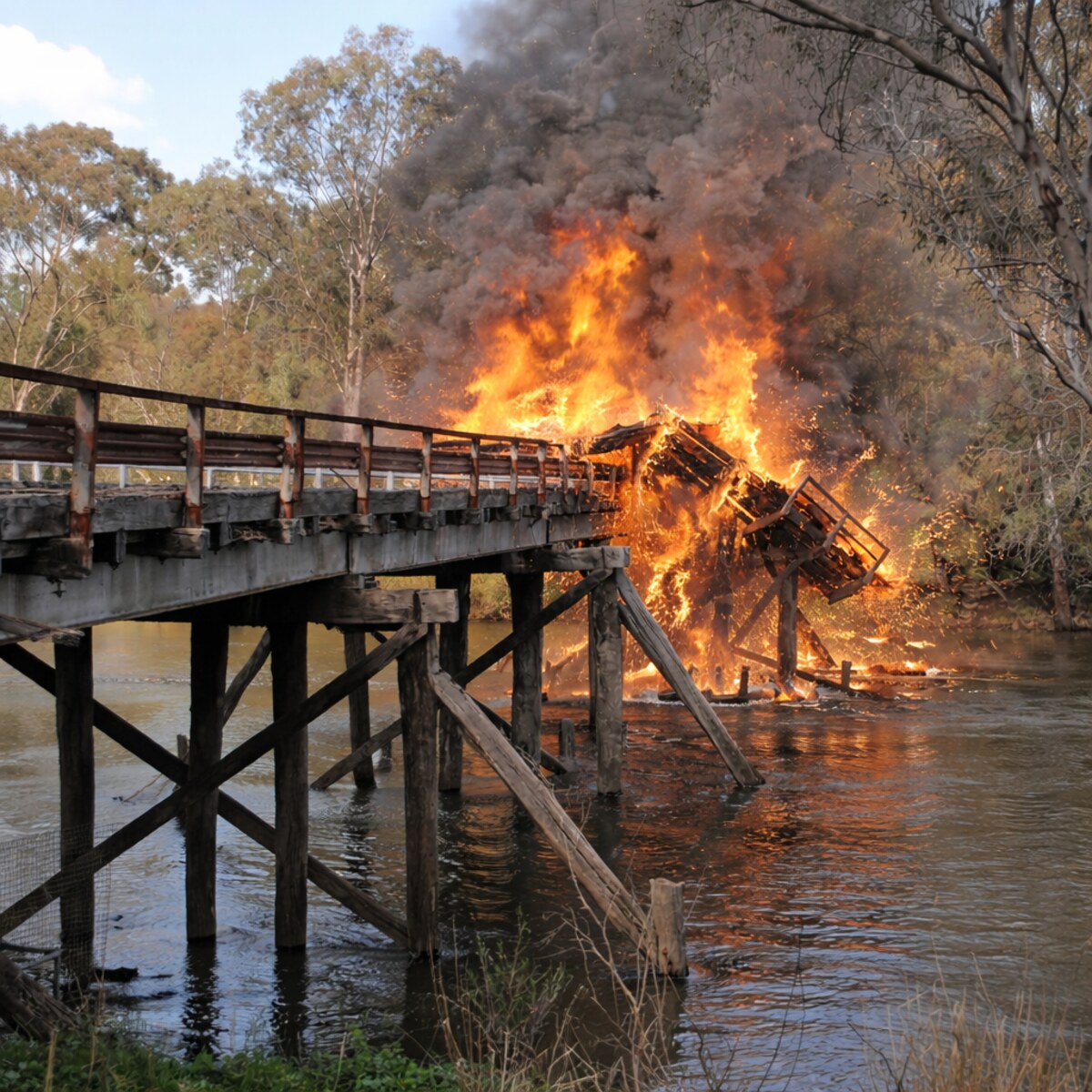
To burn bridges
The phrase to burn bridges means to damage a relationship so badly that it cannot be repaired. It suggests making choices that prevent returning to an earlier situation. This idiom is often used as a warning to think carefully before acting. You cannot cross a bridge after it has been burned away.He burned bridges by leaving without saying goodbye.

Up to speed
To be up to speed means having the latest information or understanding about a situation. It is used when someone knows enough to follow what is happening.The expression comes from machines and vehicles reaching their proper operating speed. Once something is up to speed, it is working at the level needed to function correctly.
Give me a few minutes to read the notes so I can get up to speed.

Vote with your feet
To vote with your feet means to show what you prefer by your actions.The phrase became common in the 1900s and is often used in politics, workplaces, and public events. It refers to the idea that people can express their choices through their actions, much like casting a vote.
When the restaurant raised its prices again, many customers voted with their feet and started eating somewhere else.
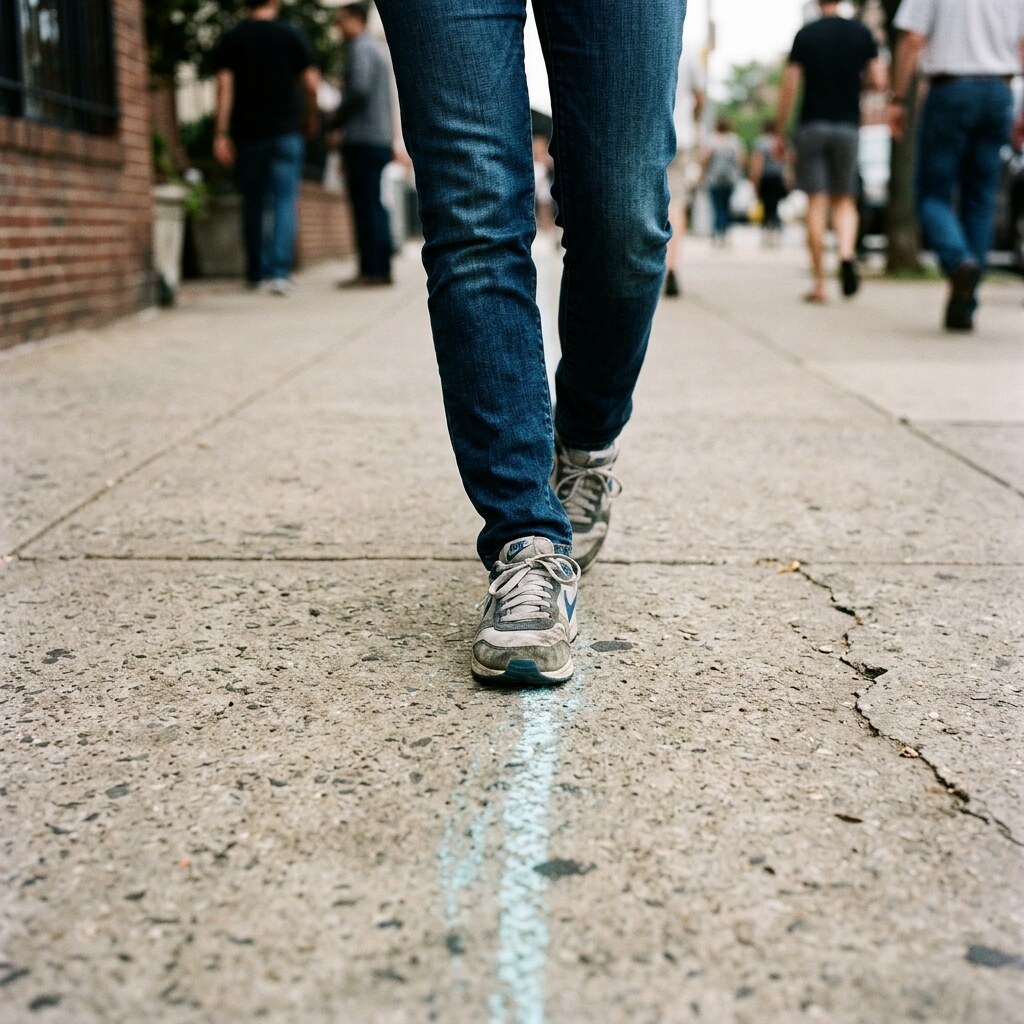
Walk a fine line
To walk a fine line, or sometimes to walk a tightrope, means to act very carefully in a situation where a small mistake could cause problems. This idiom can be used to describe trying to balance between two opposing pressures.The phrase comes from the image of walking along a very narrow line, where losing balance even slightly could lead to a fall. Over time it became a metaphor for handling a delicate or risky situation.
As a manager, she has to walk a fine line between being friendly with the team and enforcing the rules.

Wasn't born yesterday
If a person says I was not born yesterday it means they understand what is really going on and will not be tricked.The phrase became common in American English in the early 1900s. It plays on the idea that someone born yesterday would have no experience of the world and would believe anything they were told.
Do you really expect me to believe that story? I wasn't born yesterday.
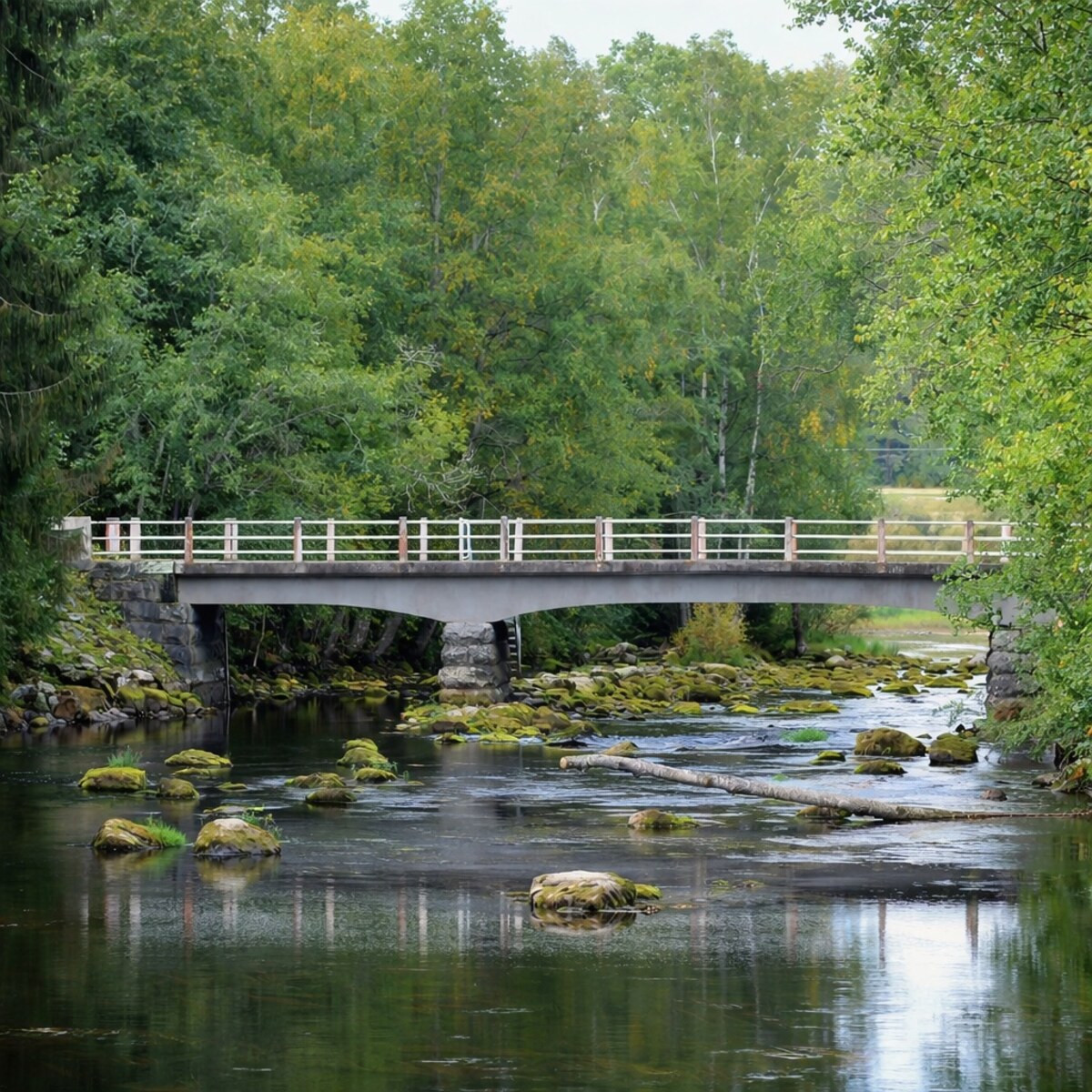
Water under the bridge
The idiom water under the bridge draws from the concept of water flowing under a bridge, and once it has gone past it will never go past again. When you use this phrase, you are talking about events or feelings that are now in the past and cannot be changed, so you shouldn't dwell on them anymore.The two neigbours decided to let their past disagreements be water under the bridge.
When in Rome
The idiom when in Rome, do as the Romans do means that when you are a visitor, either to another country or just someone else's house or working in their business, you should adapt to how everyone behaves and try and fit in as a mark of respect.Everyone else was taking their shoes off, so when in Rome, do as the Romans do.
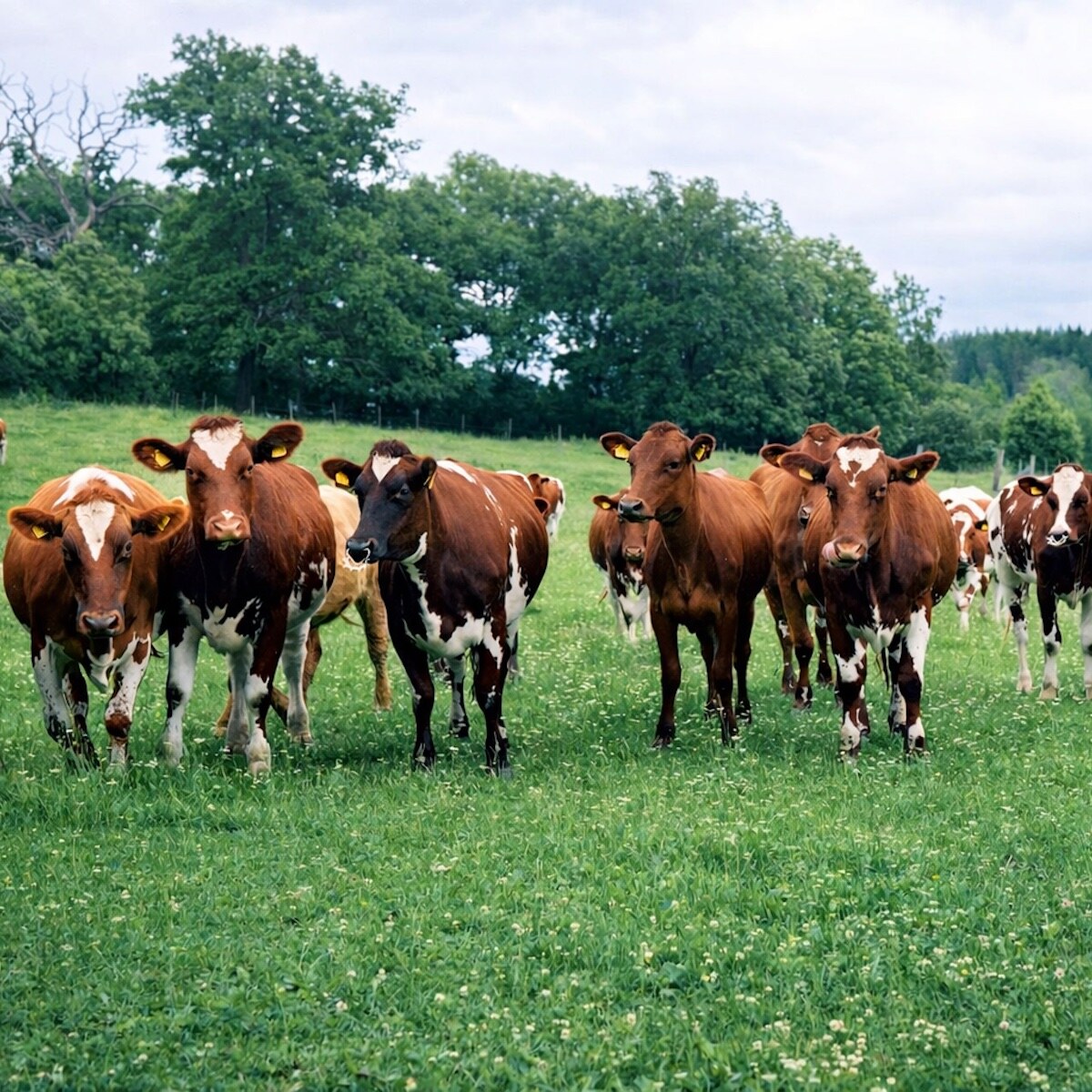
When the cows come home
The idiom when the cows come home means for a very long time, often longer than expected.The phrase comes from farm life, where cows really like being out in the fields, so they come home as late as they can.
They can argue until the cows come home, but it won't change anything.

While the day is young
While the day is young means early in the day, when there is still plenty of time left to do things. People use it when they want to start something before the day becomes busy.The expression comes from the idea of comparing the day to a living thing that begins young in the morning and grows older as time passes. The phrase has been used in English for many centuries.
Let's go for a walk while the day is young.

X marks the spot
The phrase X marks the spot means a place is exactly where something is hidden or located. If you are building something or about to plant a tree and marking the place you are going to dig a hole, you might jokingly say "X marks the spot".This idiom originated from pirate maps, where an X was used to mark where treasure was buried.
We finally found the old well - X marks the spot.