
Showing 21-40 of 42
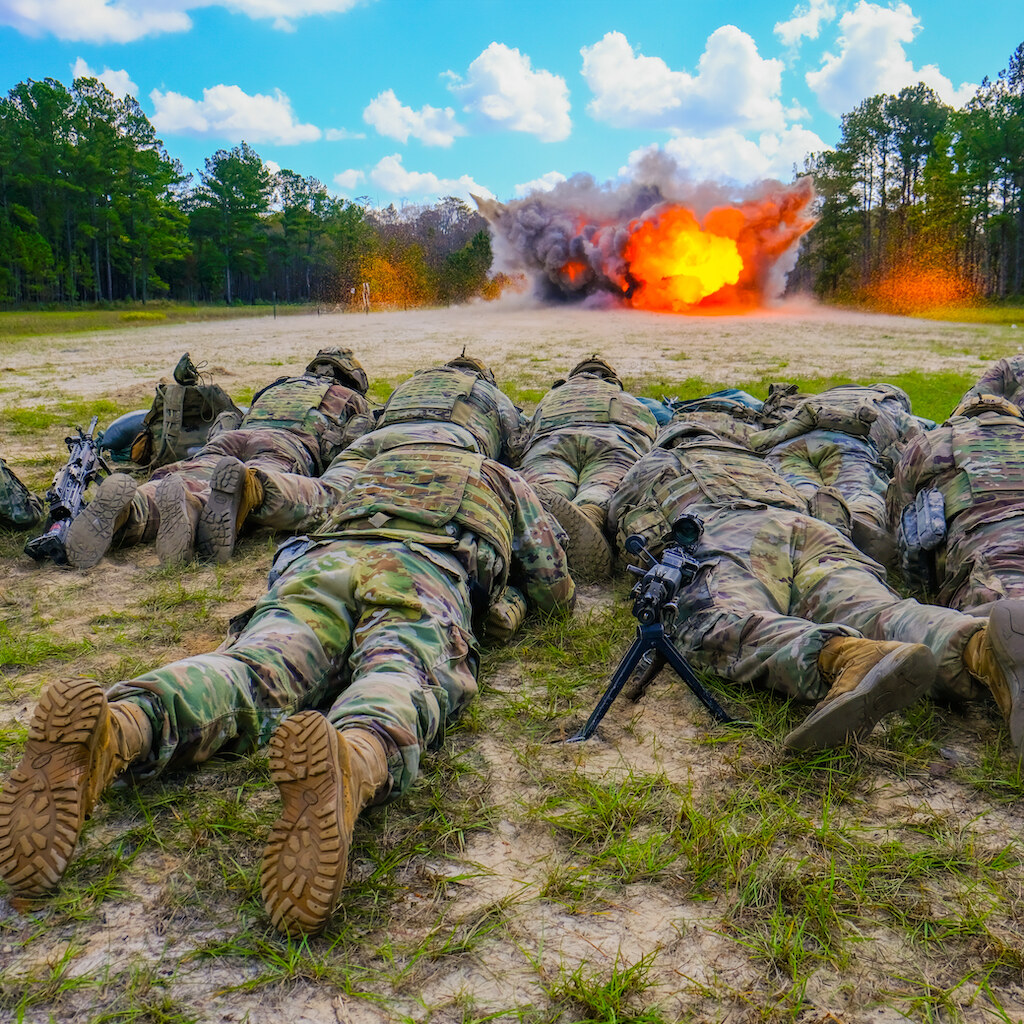
Lying low
Lying low means staying quiet or hidden for a time to avoid trouble until things get better.The phrase has been used in English for many years and comes from the idea of staying physically low to avoid being seen or targeted. It later became a metaphor for avoiding attention.
After the argument at work, he decided to lie low for a few days.
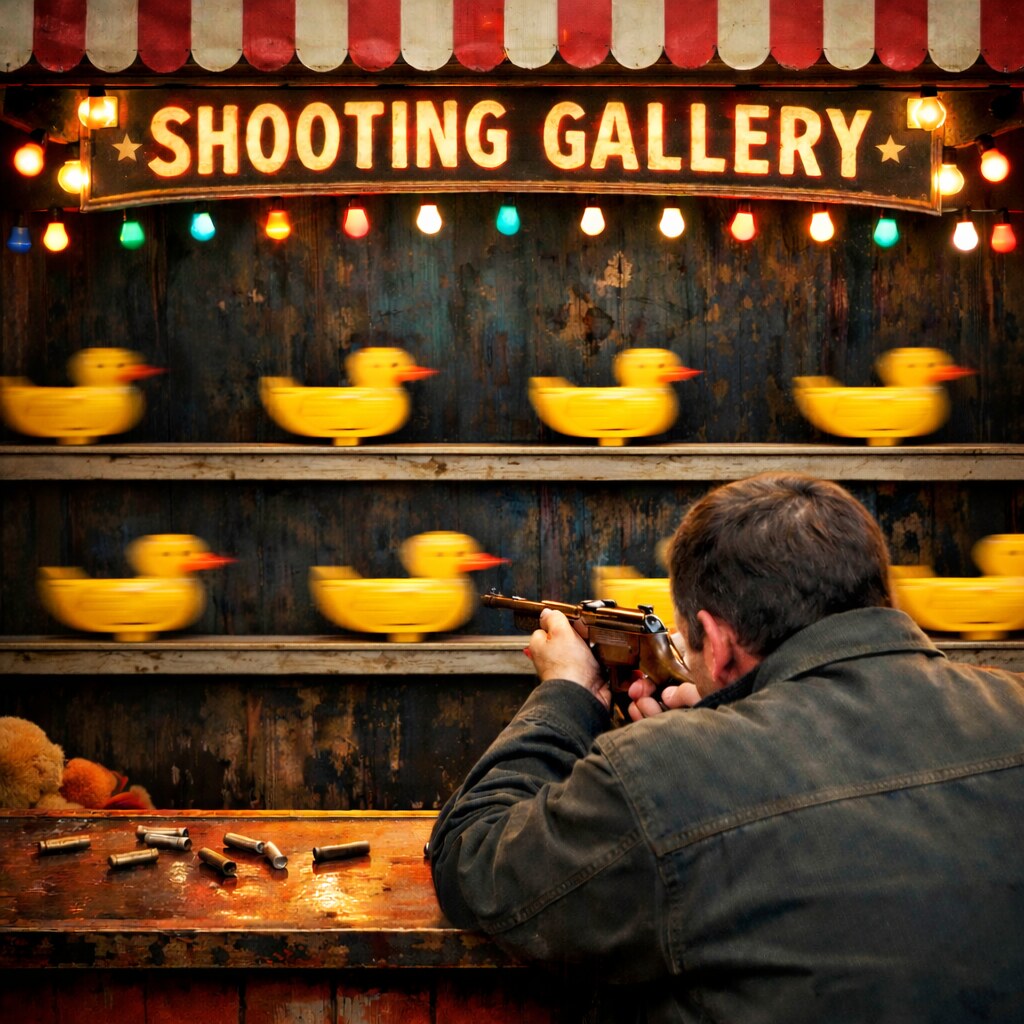
Moving target
A moving target is something that keeps changing, making it difficult to finish. When a situation keeps shifting, it becomes harder to plan or make progress.This phrase comes from shooting or military training, where hitting a target that is moving is much harder than hitting one that stays still. The phrase later came to describe problems or goals that keep changing.
The deadline kept changing, so finishing the project felt like chasing a moving target.
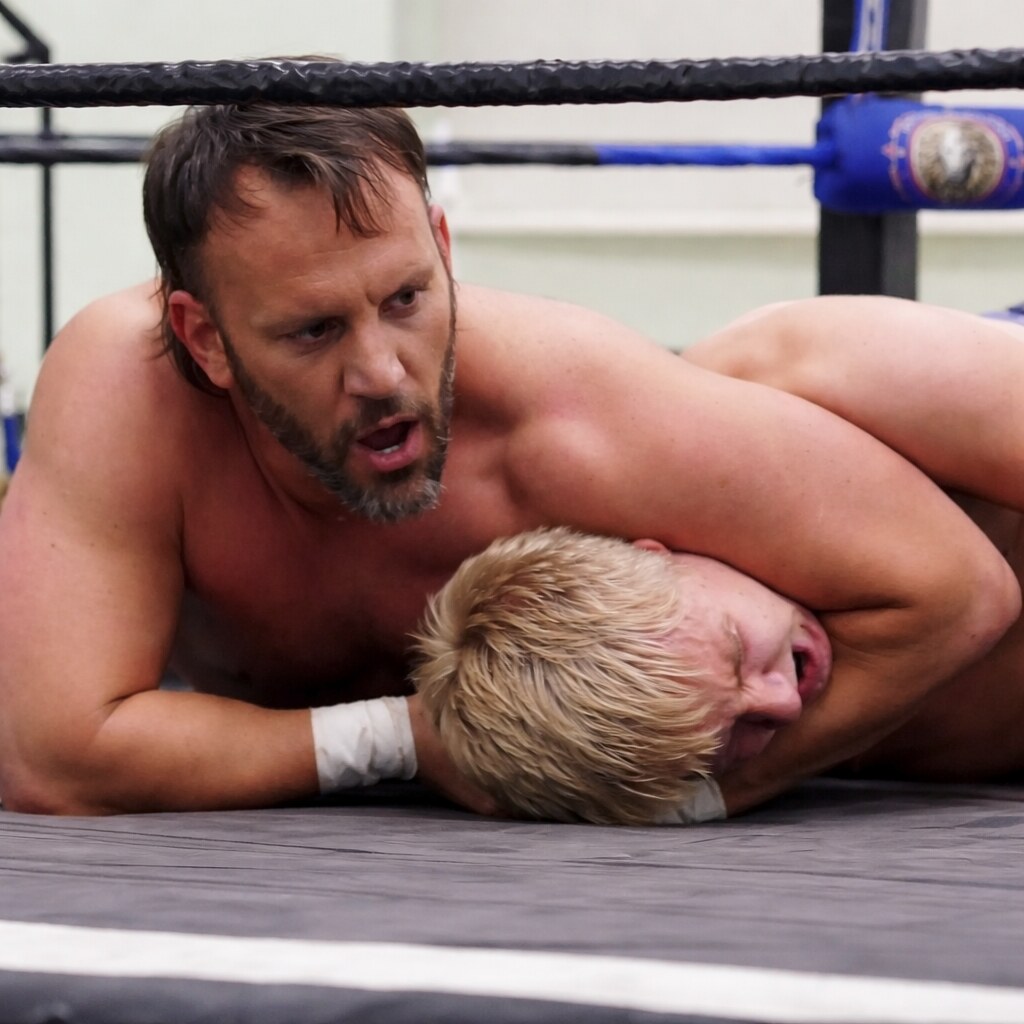
Not without a fight
Not without a fight means refusing to give in to something without trying to resist it.The expression comes from the literal idea of fighting to defend something. Over time it became a figurative way to describe standing up for yourself or refusing to give in quietly.
She was not going to give up the project without a fight.

Pass with flying colors
To pass with flying colors means to perform very well in a test, challenge, or task.The phrase comes from naval traditions, where a ship returning from a successful mission would sail with its flags - or colors - flying.
She studied hard for the exam and passed with flying colors.
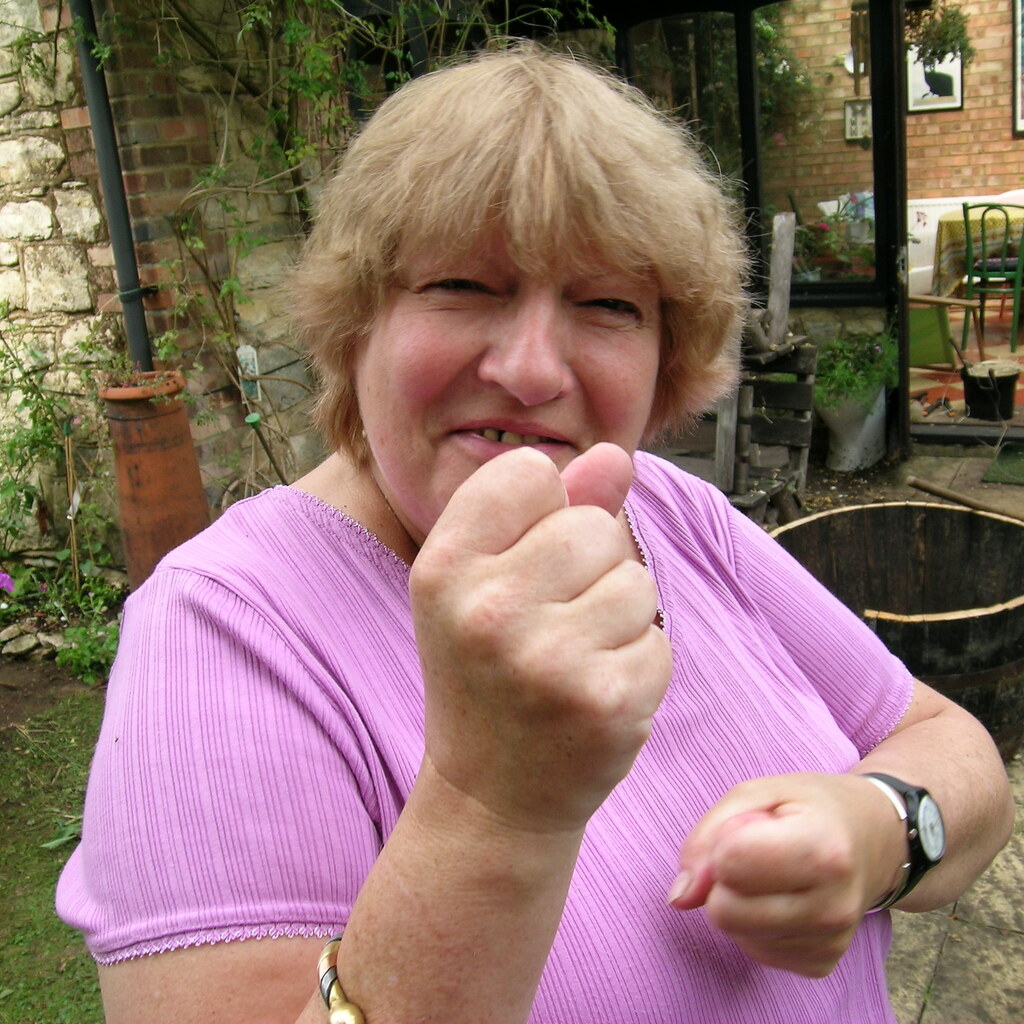
Put up a fight
To put up a fight means to struggle or defend yourself instead of surrendering.The expression comes from physical fighting, where a person actively resists an opponent rather than giving in. Over time it came to describe any determined effort against difficulty or opposition.
The small team put up a fight even though they were outnumbered.
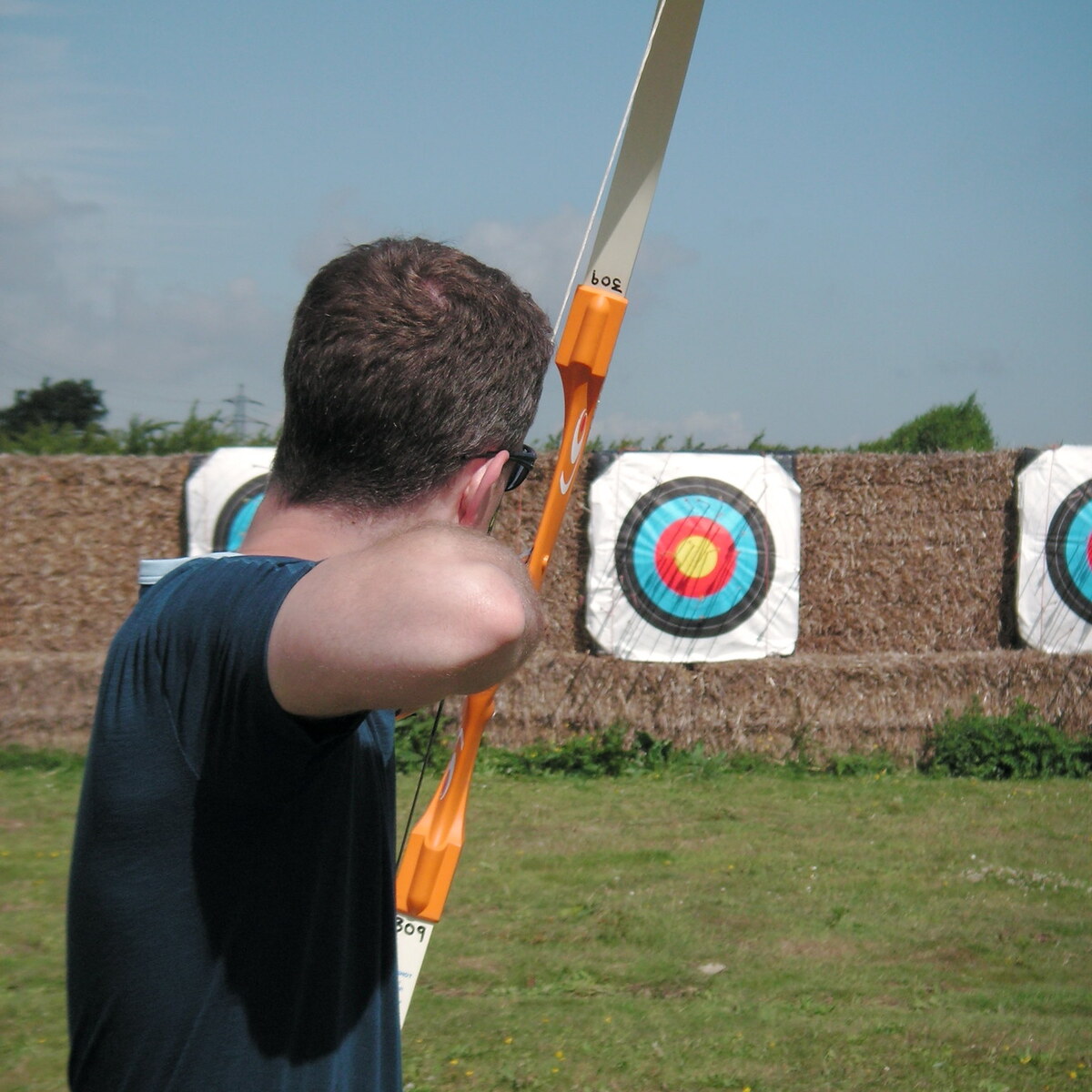
Right on target
Right on target means that something is exactly correct or very accurate. It is used when a guess, idea, or answer is perfectly right.The expression comes from shooting or archery, where hitting the center of a target means you aimed perfectly. The idiom uses this image to describe something that is very precise.
Her prediction about the final profit was right on target.

Run the gauntlet
To run the gauntlet means going through a difficult situation where you face a series of challenges or attacks.The phrase comes from an old military punishment in which a person had to pass between two lines of soldiers who struck them as they went by.
She ran a gauntlet of whispers and stares once the rumor went around at school.
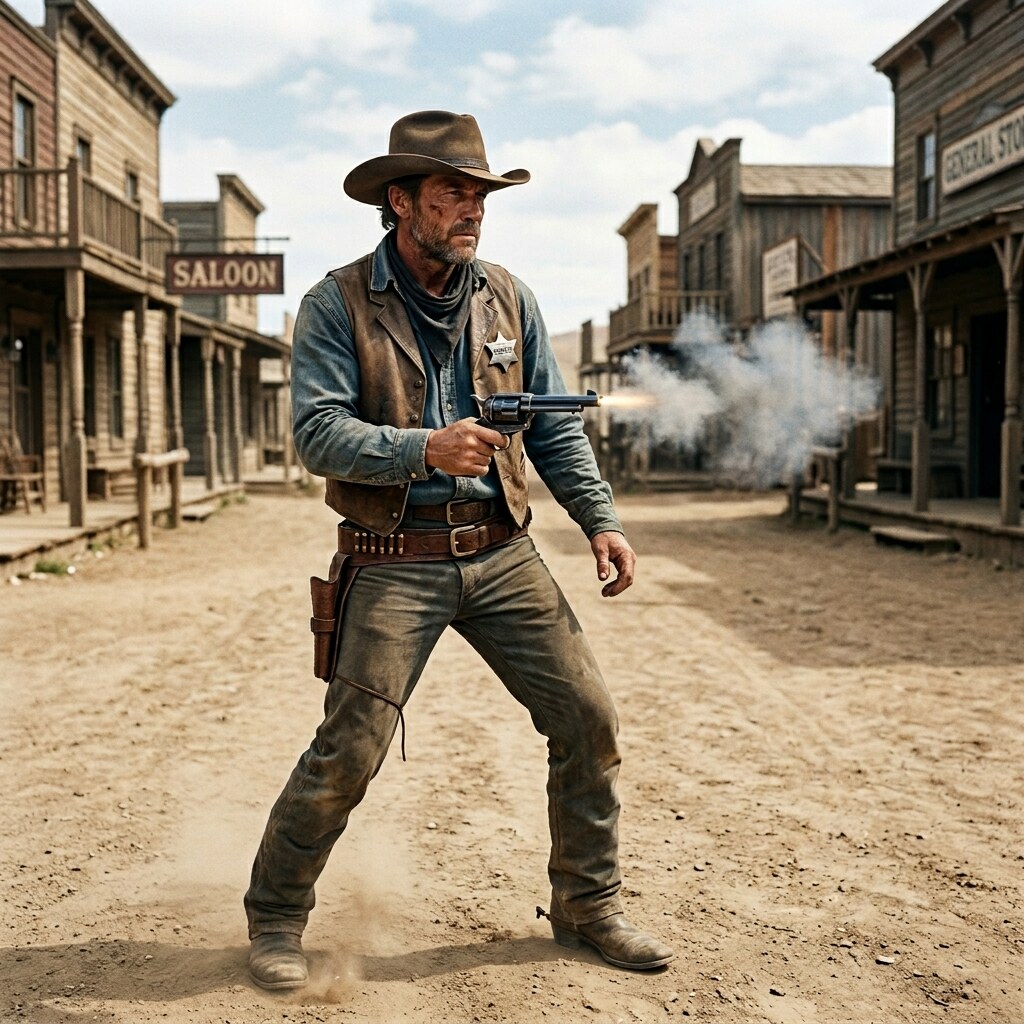
Shooting from the hip
Shooting from the hip means speaking or acting quickly without careful thought.The phrase comes from old gunfighting imagery, where a person fires a weapon from the hip instead of aiming properly. The action is fast but less controlled.
He was shooting from the hip during the interview and gave answers without thinking them through.

Stab you in the back
To stab someone in the back means betraying a person who trusted you. It describes harming someone through secret actions or disloyal behavior.The phrase comes from the image of an attack delivered from behind, where the victim cannot see it coming. The image became a metaphor for hidden betrayal.
She felt stabbed in the back when her colleague shared her idea with the boss and took the credit.
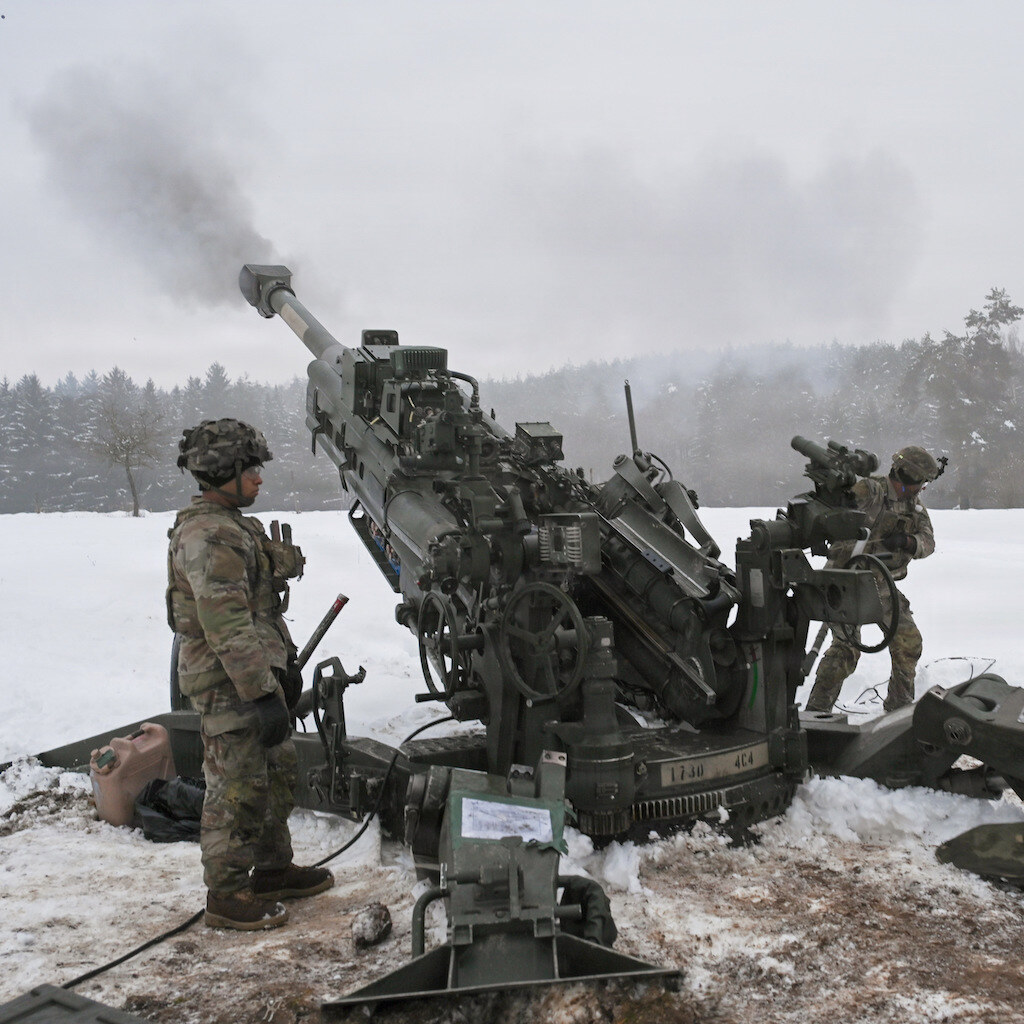
Stick to your guns
To stick to your guns means to refuse to change your decision, even when other people disagree or pressure you.The phrase comes from military imagery, where soldiers remain at their weapons and hold their position instead of retreating. Over time it became a metaphor for standing by your beliefs.
She stuck to her guns despite the criticism.
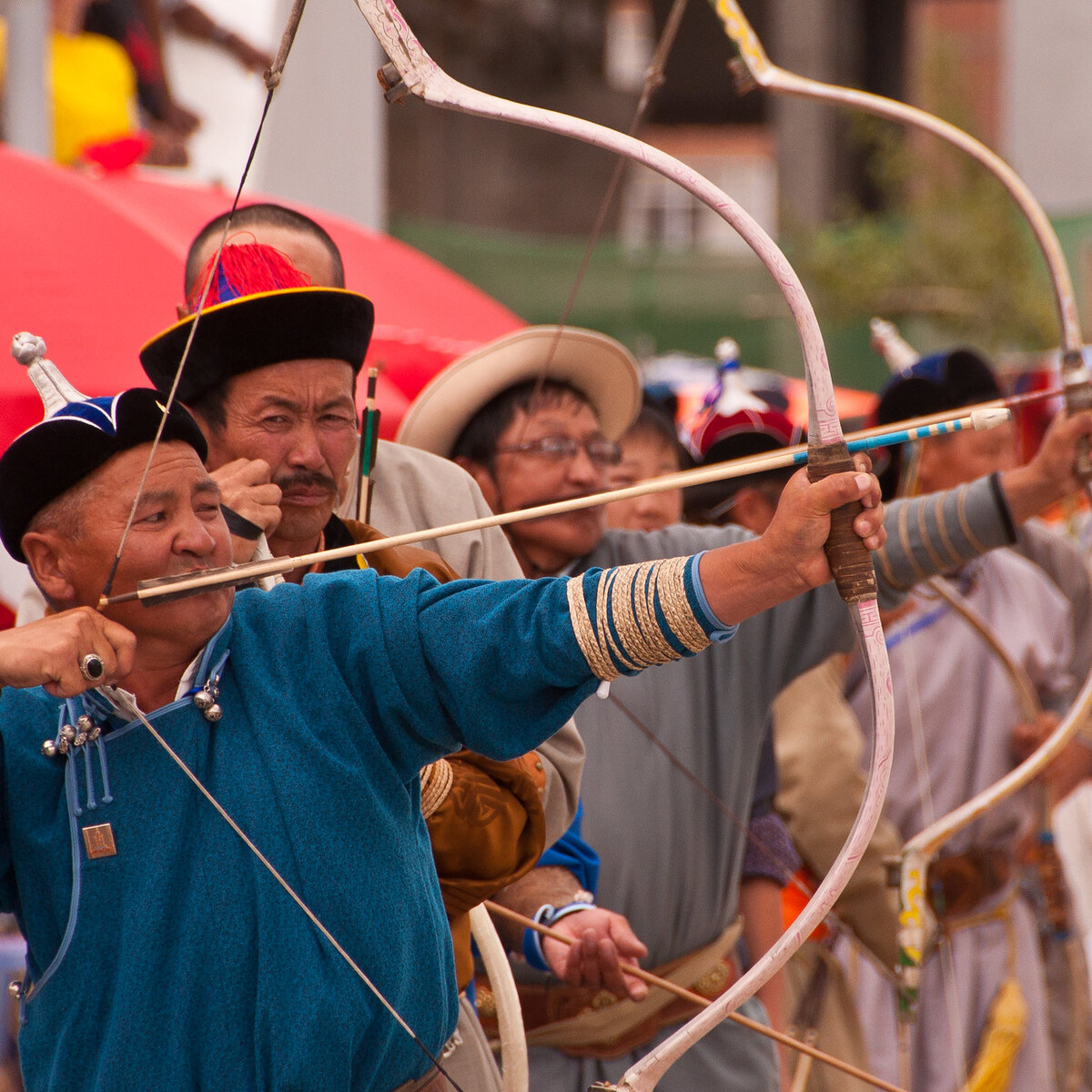
Straight as an arrow
The idiom straight as an arrow means perfectly straight or direct, with no curves or bends.The expression comes from the way arrows fly when they are shot from a bow. A well shot arrow travels quickly and directly toward its target in a straight line, which made it a natural comparison for anything very straight.
The long country road ran straight as an arrow across the flat fields.
Take a shot at
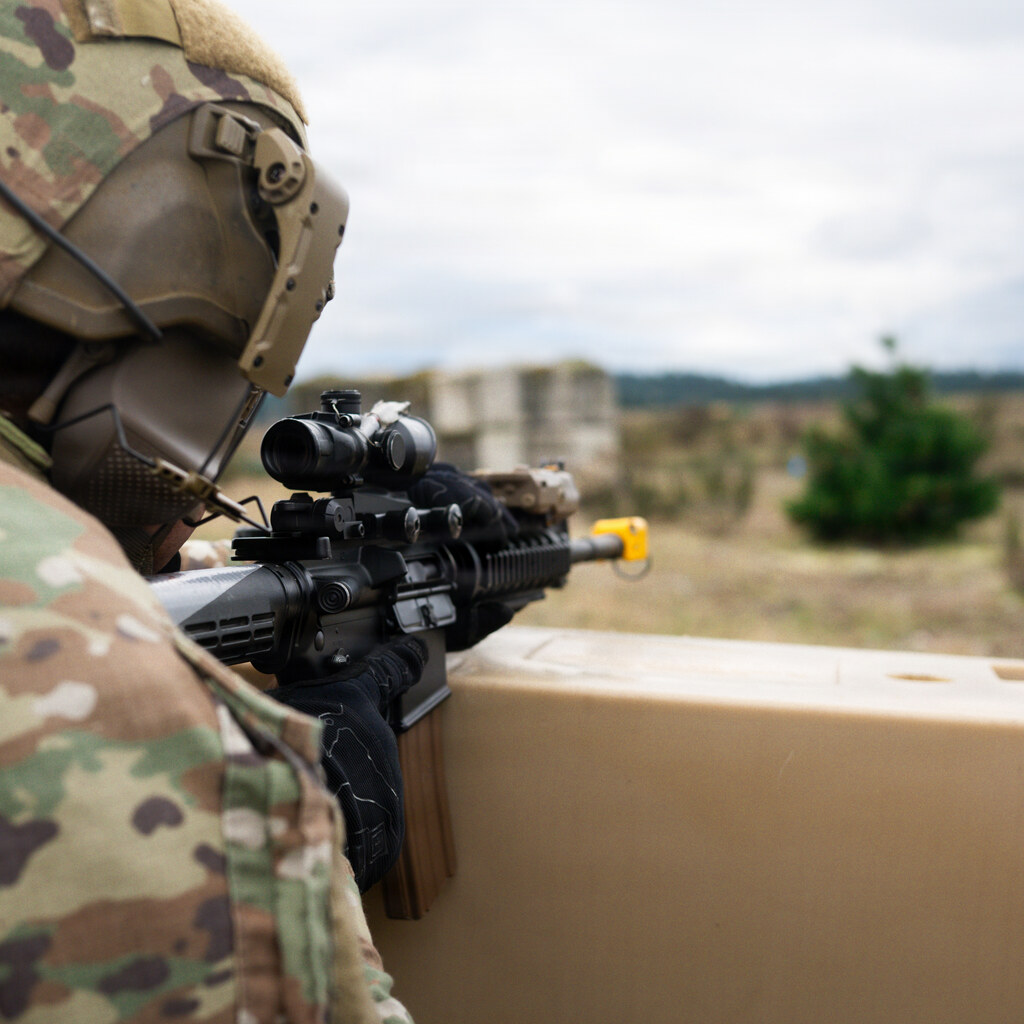
To take a shot at something means to attempt to do something, even if it hard and you don't know if you will succeed.The phrase comes from shooting at a target with a gun or other weapon. In that situation, each shot is an attempt to hit the target, which led to the figurative meaning of making an attempt.
She decided to take a shot at entering the photography competition.
Take cover
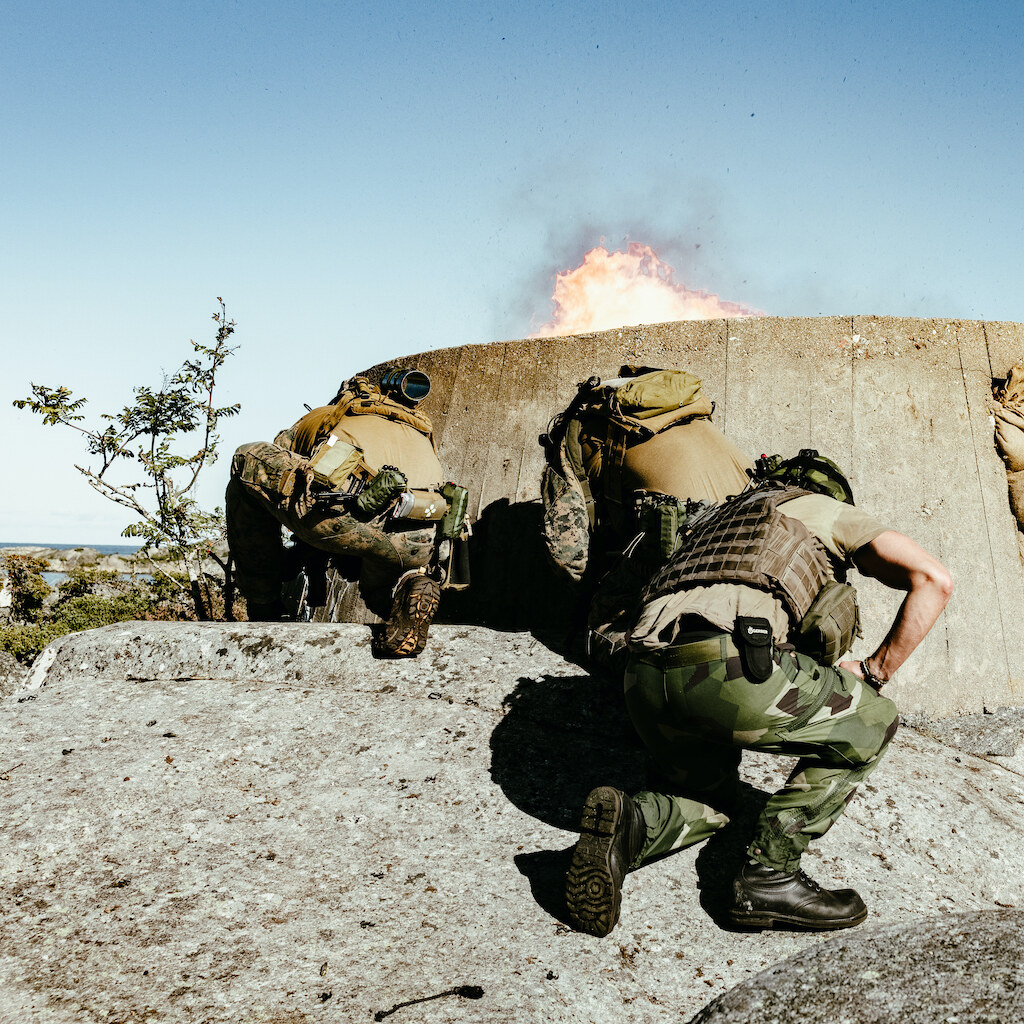
To take cover means to move quickly to a place that protects you from danger. It can describe finding shelter from something harmful, such as bad weather or an attack.The phrase comes from military language, where soldiers are told to take cover behind objects or terrain to protect themselves from enemy fire. It later became a general expression for seeking protection.
When the sudden storm started, everyone ran to take cover under the shelter.

The best revenge is a life lived well
The best revenge is a life lived well means that instead of trying to hurt someone who treated you badly, the better response is to focus on your own happiness and success.The idea behind this saying has been around in different forms for a very long time. The modern wording became popular in English during the 1900s.
After the messy breakup, he decided the best revenge is a life lived well and put his energy into building a new career and friendships.
To exchange blows
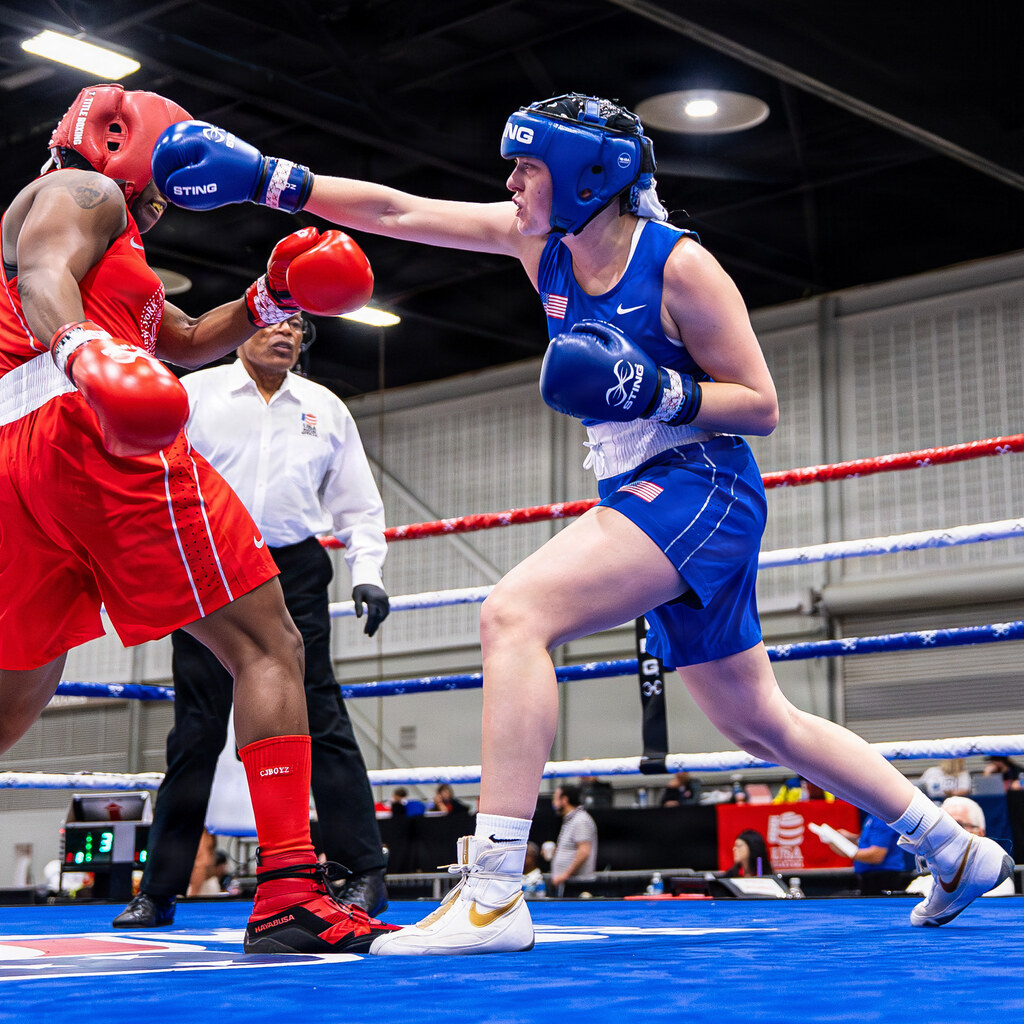
To exchange blows means that two people are hitting each other during a fight. It can describe a physical fight or a heated argument where both sides attack each other with strong words.The phrase comes from boxing and other forms of fighting, where a blow is a punch or strike. When opponents exchange blows, each person hits the other in turn.
The two boxers stepped into the ring and began to exchange blows as the crowd cheered.
Toe the line
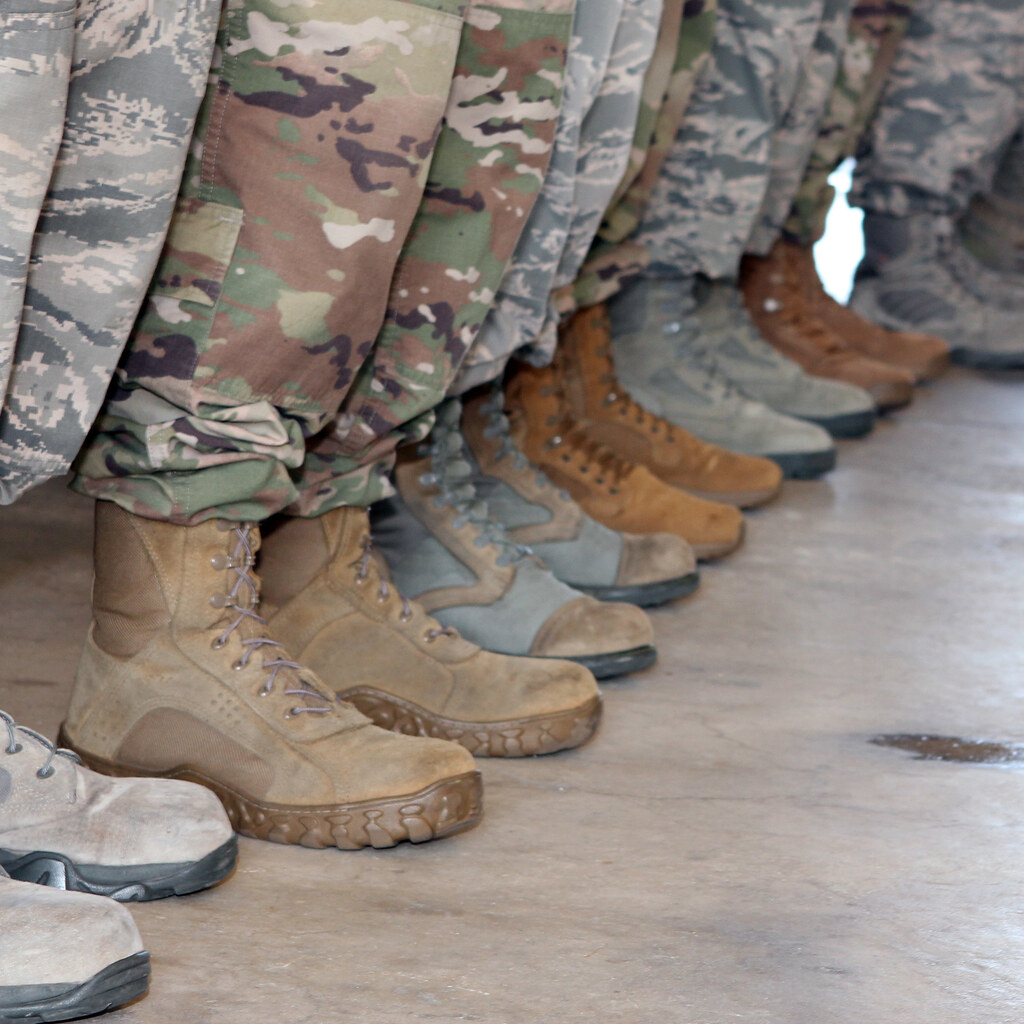
To toe the line means to follow rules or instructions carefully, especially when someone in authority expects strict obedience.The expression comes from early military drills, where soldiers stood with their toes touching a marked line so the ranks stayed straight and orderly.
The coach warned the team to toe the line if they wanted to stay on the squad.

Twist the knife
To twist the knife means to make a bad situation feel worse by adding another hurtful remark or action. This extra moment deepens the damage.The phrase comes from the image of turning a knife in a wound. The motion increases the pain.
After winning the debate, he twisted the knife with a sarcastic comment.
Under fire
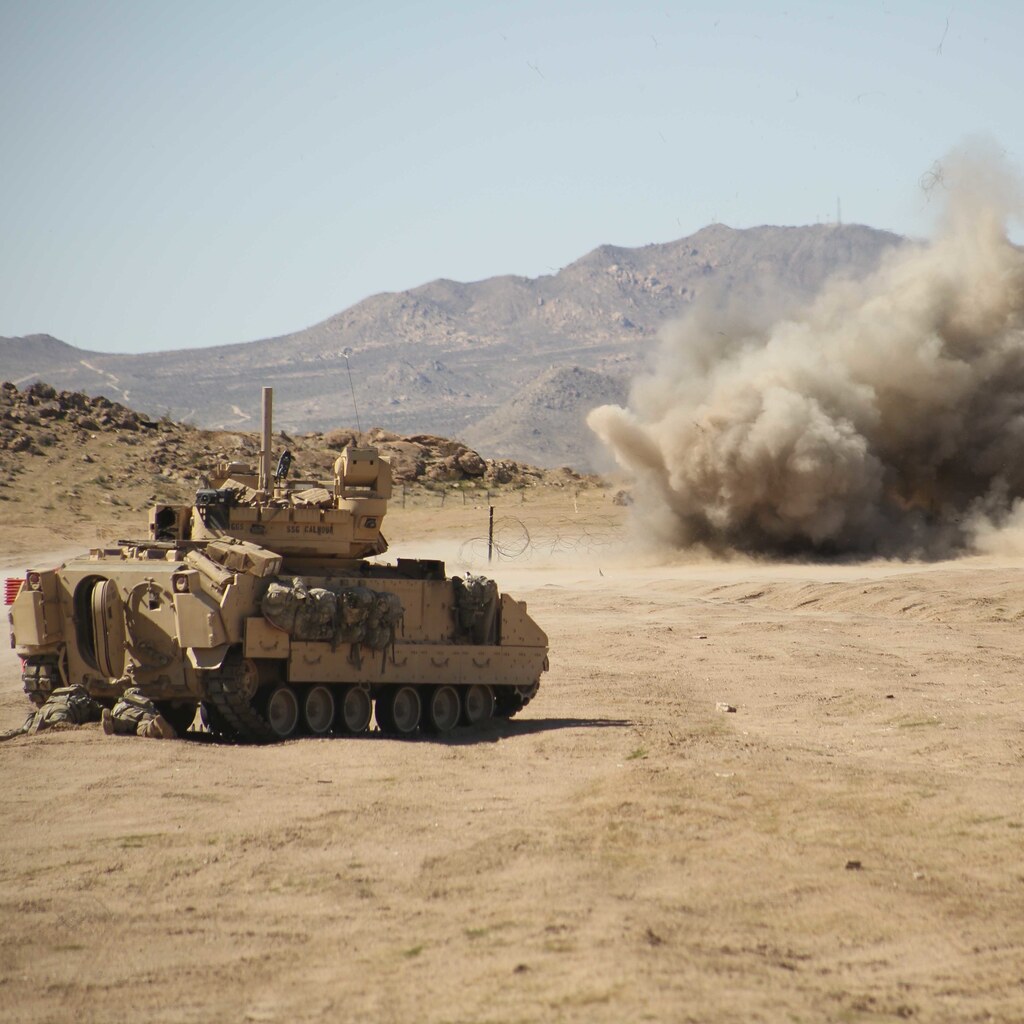
To be under fire means facing strong criticism or pressure, or attack, particularly in the public eye.The phrase comes from warfare, where soldiers are literally under fire when they are being shot at by the enemy. The danger and pressure of that situation led to the figurative use of the expression.
The mayor came under fire after the budget cuts were announced.

Walk the plank
To walk the plank means to be forced to face punishment. Today it is most often used jokingly to suggest someone must accept the consequences of their actions.The phrase comes from pirate stories in which a captive was forced to walk along a wooden plank extending from a ship and fall into the sea. Although popular in fiction, historians believe this practice was mostly a legend rather than a common real event.
After breaking the office printer again, he joked that he might have to walk the plank.
What doesn't kill you makes you stronger
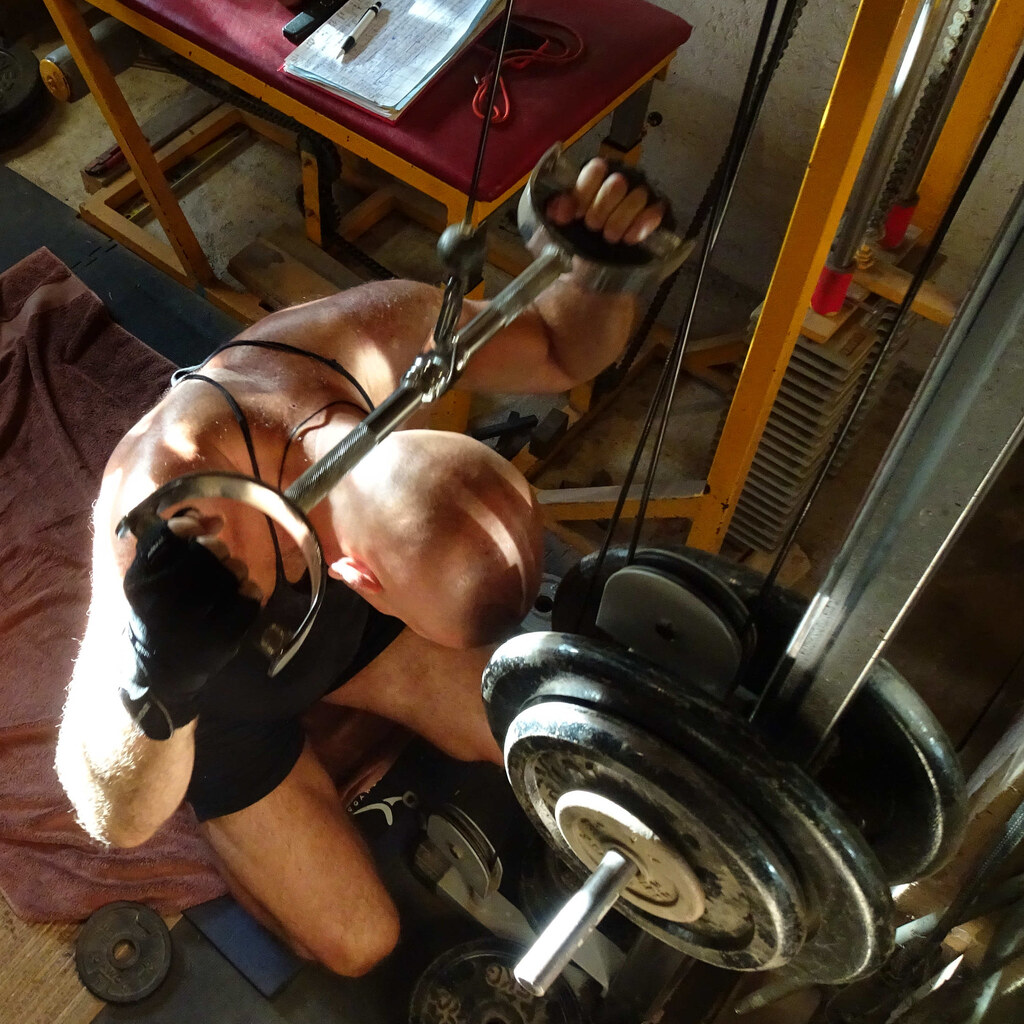
The phrase what doesn't kill you makes you stronger means that difficult experiences can make a person tougher or more resilient - hard times can build strength.The saying has been used in English for many years. It reflects the idea that surviving challenges can lead to personal growth.
After recovering from the injury, he said what doesn't kill you makes you stronger.