
Showing 31-36 of 36
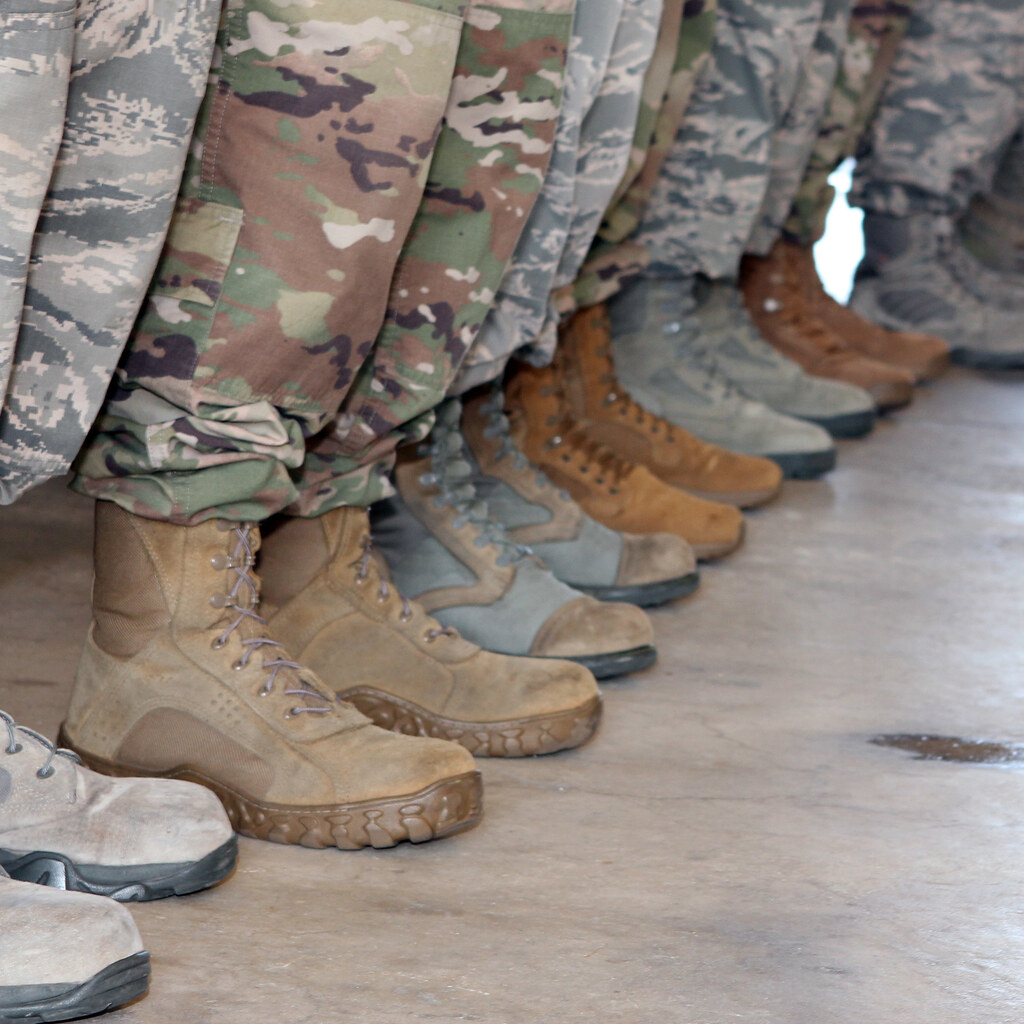
Toe the line
To toe the line means to follow rules or instructions carefully, especially when someone in authority expects strict obedience.The expression comes from early military drills, where soldiers stood with their toes touching a marked line so the ranks stayed straight and orderly.
The coach warned the team to toe the line if they wanted to stay on the squad.

Twist the knife
To twist the knife means to make a bad situation feel worse by adding another hurtful remark or action. This extra moment deepens the damage.The phrase comes from the image of turning a knife in a wound. The motion increases the pain.
After winning the debate, he twisted the knife with a sarcastic comment.
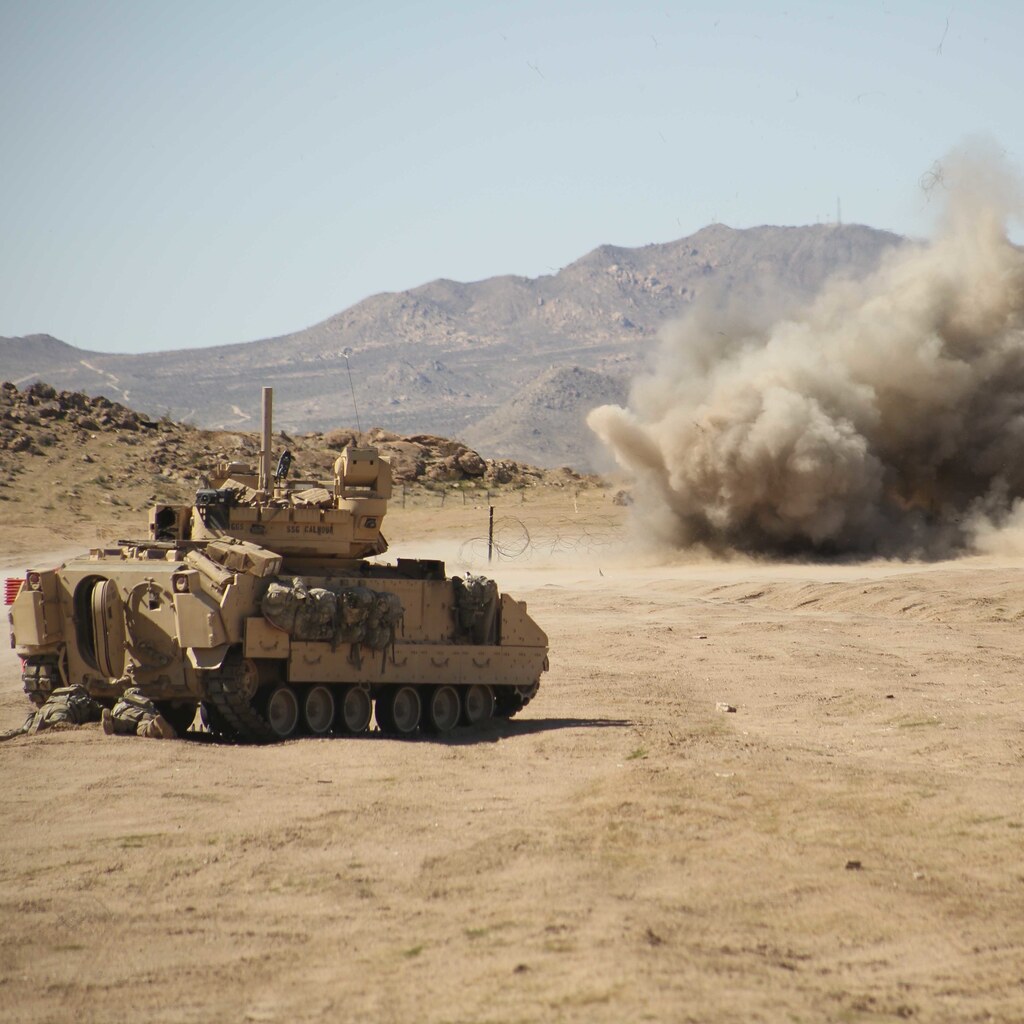
Under fire
To be under fire means facing strong criticism or pressure, or attack, particularly in the public eye.The phrase comes from warfare, where soldiers are literally under fire when they are being shot at by the enemy. The danger and pressure of that situation led to the figurative use of the expression.
The mayor came under fire after the budget cuts were announced.

Walk the plank
To walk the plank means to be forced to face punishment. Today it is most often used jokingly to suggest someone must accept the consequences of their actions.The phrase comes from pirate stories in which a captive was forced to walk along a wooden plank extending from a ship and fall into the sea. Although popular in fiction, historians believe this practice was mostly a legend rather than a common real event.
After breaking the office printer again, he joked that he might have to walk the plank.
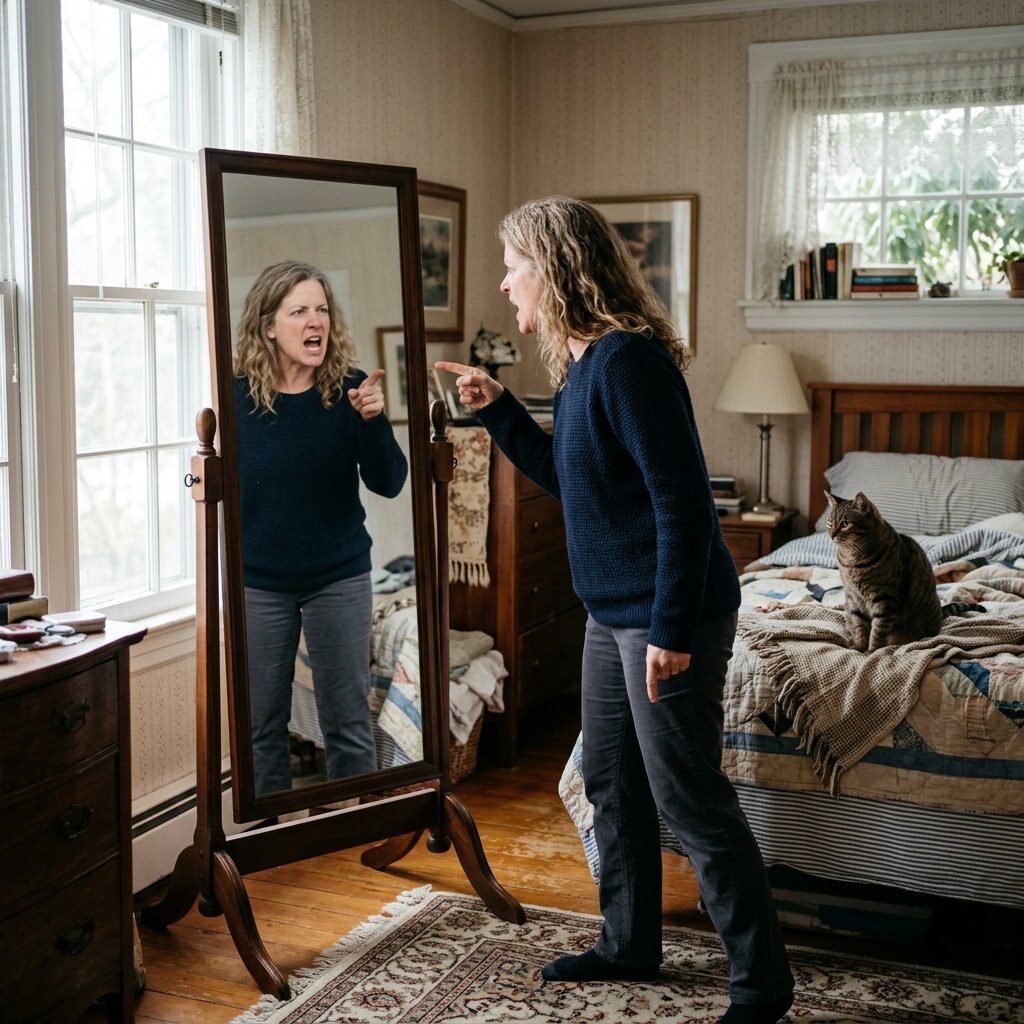
Your own worst enemy
Your own worst enemy means that a person's own actions or decisions cause them more problems than anyone else does. It describes someone who keeps making choices that work against their own success or happiness.The idea behind the phrase is that sometimes the greatest obstacle a person faces is themselves. The expression became common in English as a way to describe self-sabotaging behavior.
He had the talent to succeed, but his constant procrastination made him his own worst enemy.
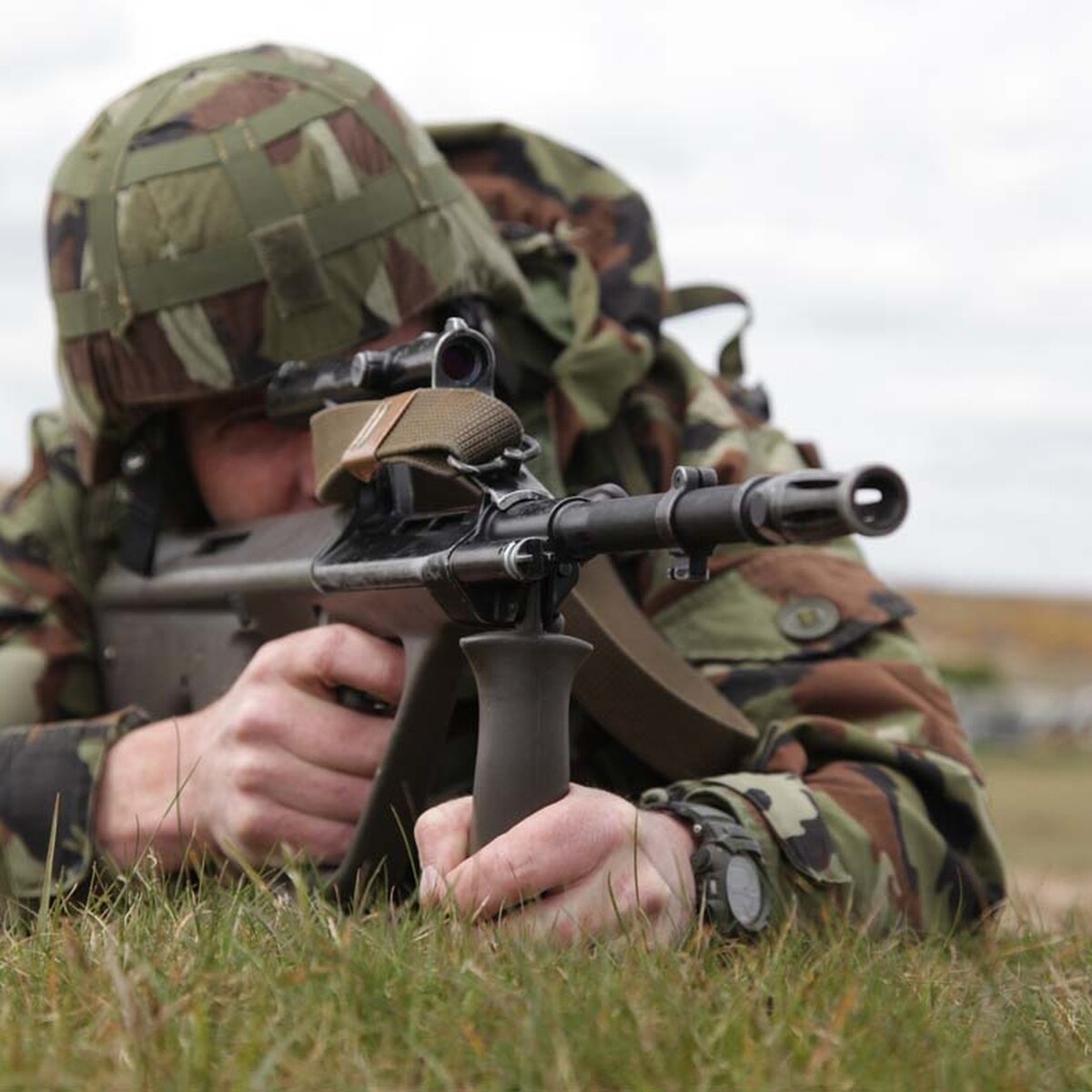
Zero in on
The idiom zero in on means to focus closely on something. Attention becomes more precise and directed. The phrase comes from "zeroing" the sights on a gun to accurately hit the target.Let's zero in on the main problem.