
Showing 41-56 of 56
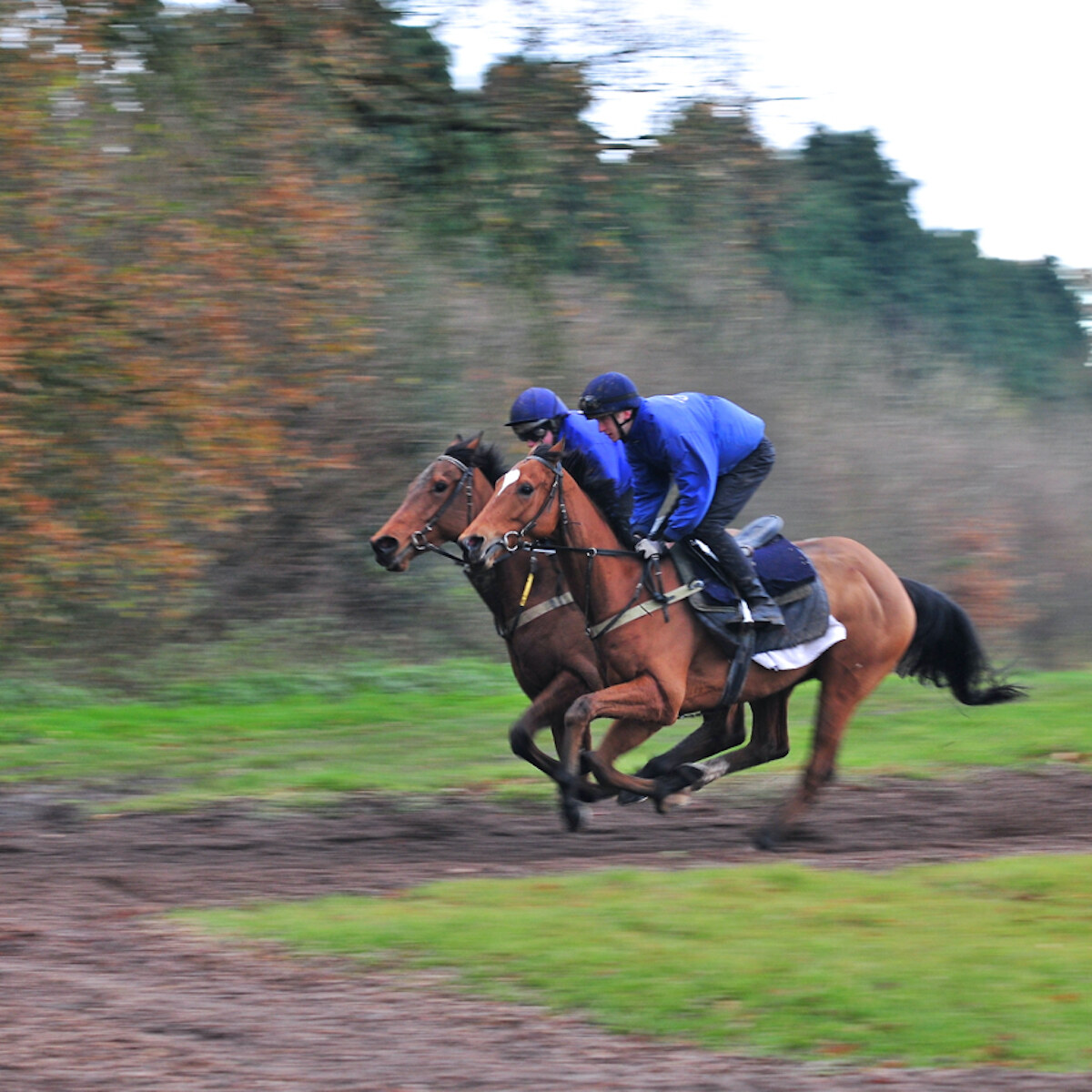
Down to the wire
The idiom down to the wire means something is decided at the very last moment. The outcome is not clear until the very end.The phrase comes from horse racing. A wire once marked the finish line, so a race decided at that point was still uncertain until the final instant.
The match went down to the wire, with the winner decided in the final seconds.

Drag your feet
The idiom drag your feet means to do something slowly on purpose because you don't want to do it.The phrase comes from the picture of walking while your feet scrape along the ground instead of lifting properly. That type of walking slows everything down.
The committee kept dragging its feet on the decision.
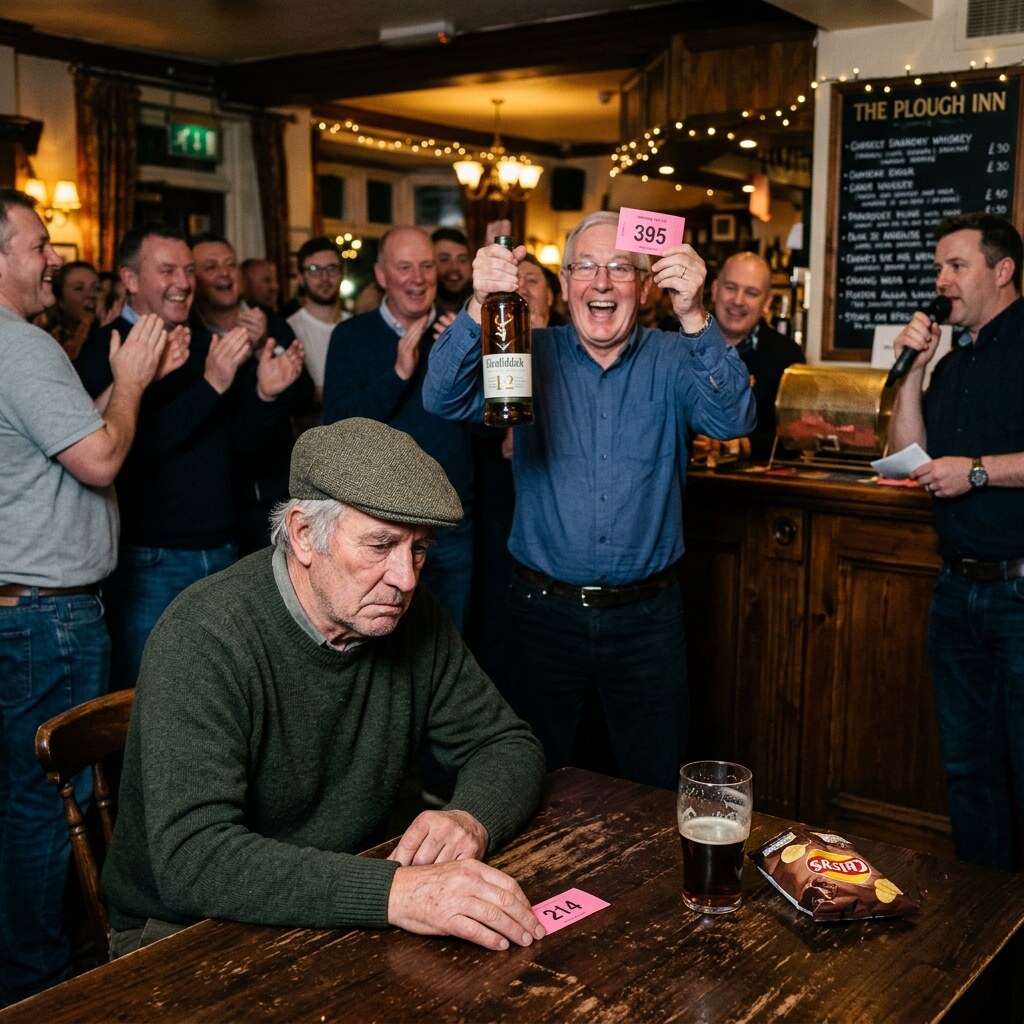
Draw a blank
The phrase draw a blank means trying to remember something but not being able to.The phrase comes from games and lotteries, where a draw could result in a blank ticket with no prize.
When asked for the password, he completely drew a blank.

Draw the line
To draw a line in the sand or to draw the line marks a clear limit that someone refuses to cross.The idiom comes from the idea of drawing a line across the ground to show where one side ends and the other begins.
The manager said cutting staff was a line in the sand for the team.

Dressed to kill
Dressed to kill means wearing clothes that look extremely stylish or impressive, designed to attract attention.The phrase appeared in English in the late 1800s. The word kill is used as exaggeration to suggest overwhelming impact rather than real harm.
She arrived at the party dressed to kill in a sequinned dress.

Dressed to the nines
Dressed to the nines means wearing very stylish or formal clothes and looking especially well dressed.The expression has been used in English since the 1700s, though the exact origin of the number nine is uncertain. It may come from earlier phrases suggesting something done to the highest degree.
Everyone at the wedding was dressed to the nines.

Drew the short straw
To draw the short straw means being chosen for an unpleasant task by chance.The phrase comes from drawing straws to decide who must do something. The person who picks the shortest straw gets the unwanted duty.
I drew the short straw and had to buy the next round.
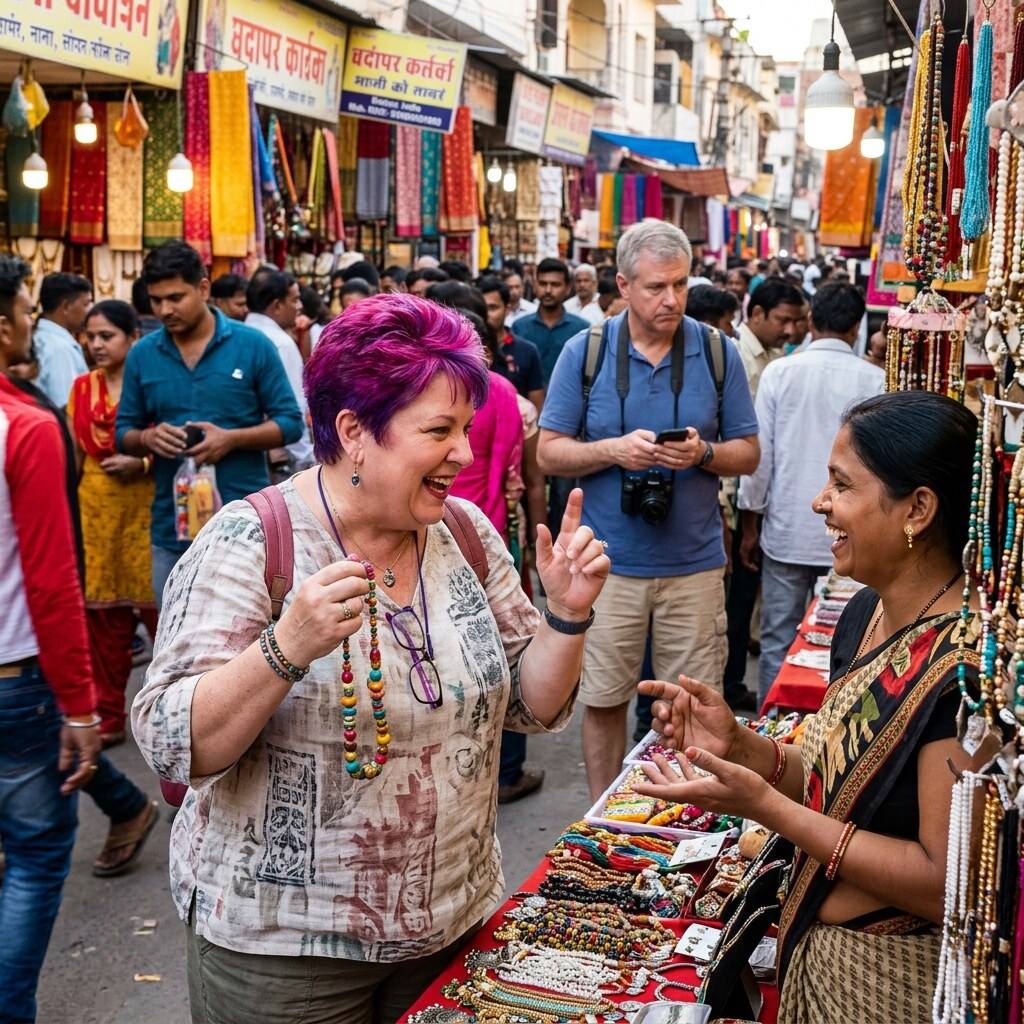
Drive a hard bargain
To drive a hard bargain means to negotiate firmly and refuse to accept less than the best possible terms.The phrase appeared in English trade and market language. Bargaining described the back and forth process of agreeing on a price.
The shop owner drives a hard bargain when buying antiques.

Drop a hint
To drop a hint means to suggest something without saying it directly, in the hope that someone else will notice and figure it out on their own.The phrase appeared in English in the 1800s. The word drop suggests placing the clue lightly into conversation so the other person can notice it.
She was dropping hints she wanted him to pop the question.
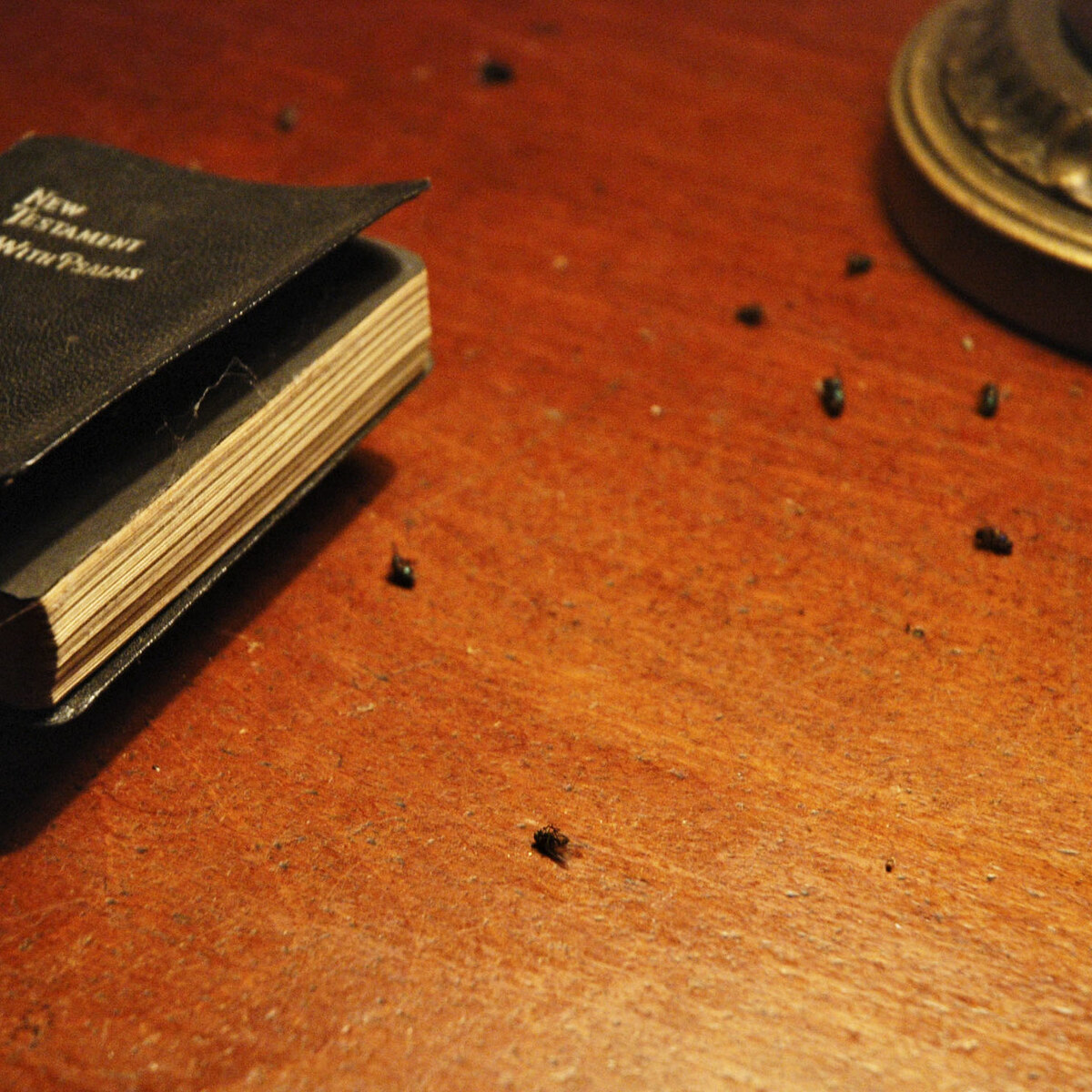
Drop like flies
The phrase drop like flies means many people or things fall or stop working one after another. It is often used for people getting sick or for items breaking quickly. The expression comes from seeing flies fall after being sprayed with insect spray.Half the class caught the flu and started dropping like flies.

Drop the ball
The phrase drop the ball means to make a mistake or fail to do something important. It often suggests carelessness or forgetting.The saying comes from sports, where dropping the ball can cost the game.
I dropped the ball and forgot to call.
Drum up support
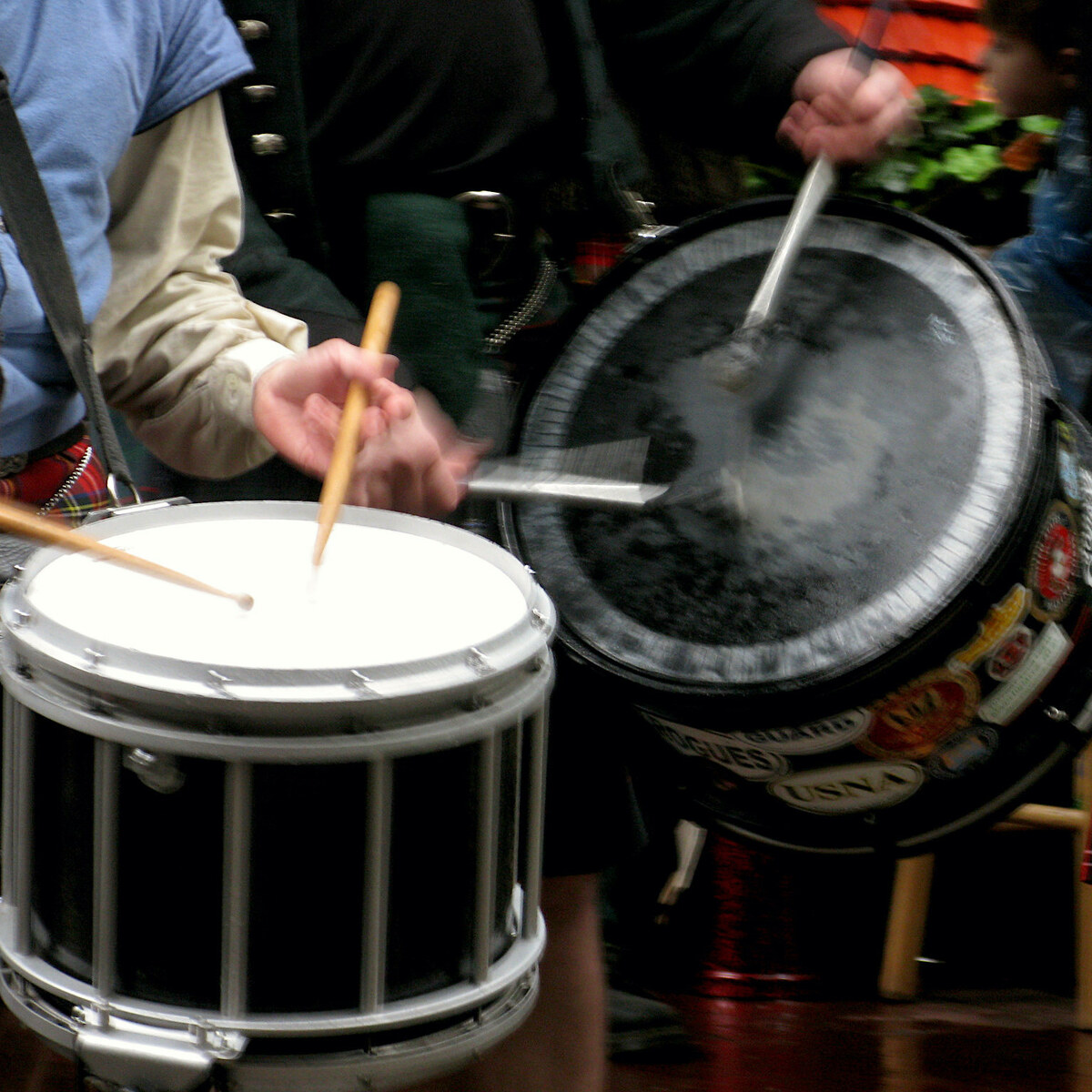
The phrase drum up support means to gather help, interest, or approval from others. It often involves encouraging people and getting attention.The idiom originates from the old time practise of using drums as a way to draw a crowd.
They tried to drum up support for the fundraiser.

Dry as a bone
The phrase dry as a bone is an exaggeration to describe something that is very, very dry, drawing from the image of bleached bones left in the sun.This idiom is very old, and dates back to Biblical times.
It hasn't rained for months, the fields are dry as a bone.

Dyed in the wool
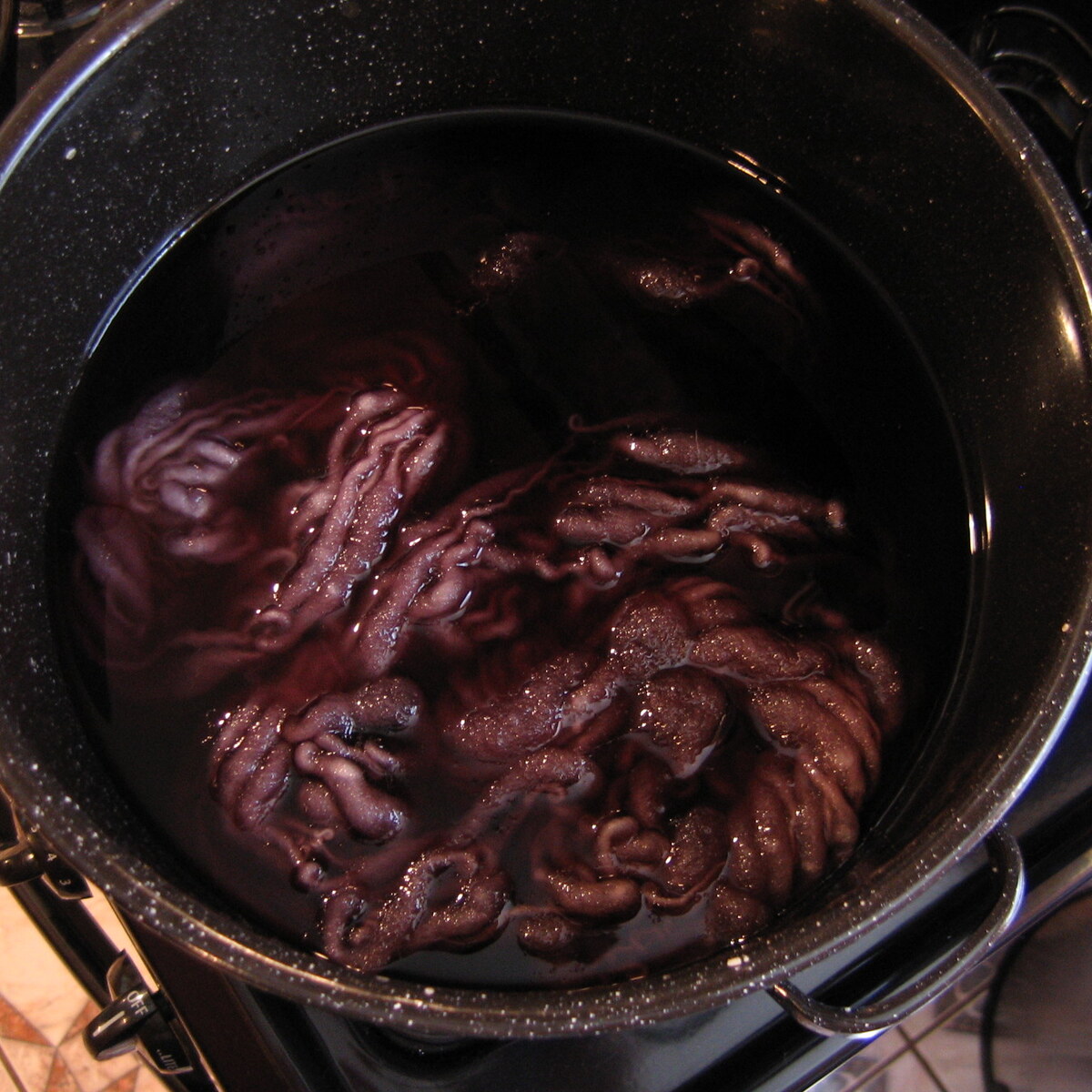
The phrase dyed in the wool means strongly set in your ways or beliefs. It suggests something is deeply part of who you are. The saying comes from dyeing wool, where color soaks in and makes it permanently change color.She is dyed in the wool when it comes to her favorite team.

Get your ducks in a row
The idiom get your ducks in a row means to get organised and ready to do something.This idiom originated from carnival games where you would shoot wooden ducks and win a prize if you hit a certain number of ducks in a row. Actual ducks naturally organise themselves into rows quite often.
This event is really well organised, they sure had all their ducks in a row.