
Showing 21-39 of 39
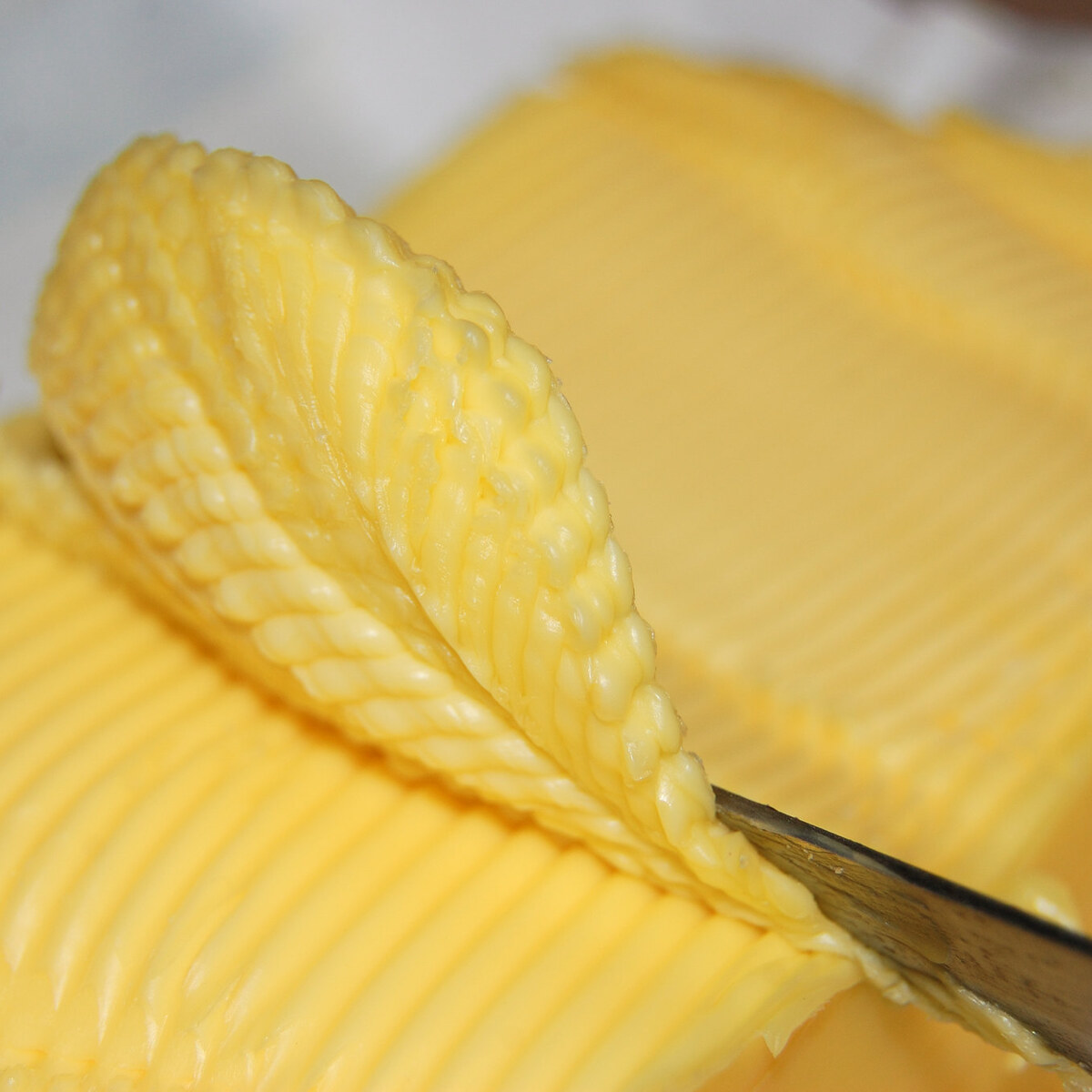
Like a hot knife through butter
Like a hot knife through butter means something happens very easily and smoothly, with little effort or resistance. It describes a situation where a task or action works perfectly and quickly.The expression stems from the way a warm knife cuts through butter without any struggle, as it melts it as it cuts.
The new mower went through the long grass like a hot knife through butter.

Like a moth to a flame
To be like a moth to a flame means to be strongly attracted to something, even when it may be dangerous or harmful. This idiom is used when someone keeps returning to something they should avoid.The expression comes from the way moths are drawn to bright lights or flames at night. The insects fly toward the light even though it can burn or kill them.
He keeps going back to the same risky investment like a moth to a flame.
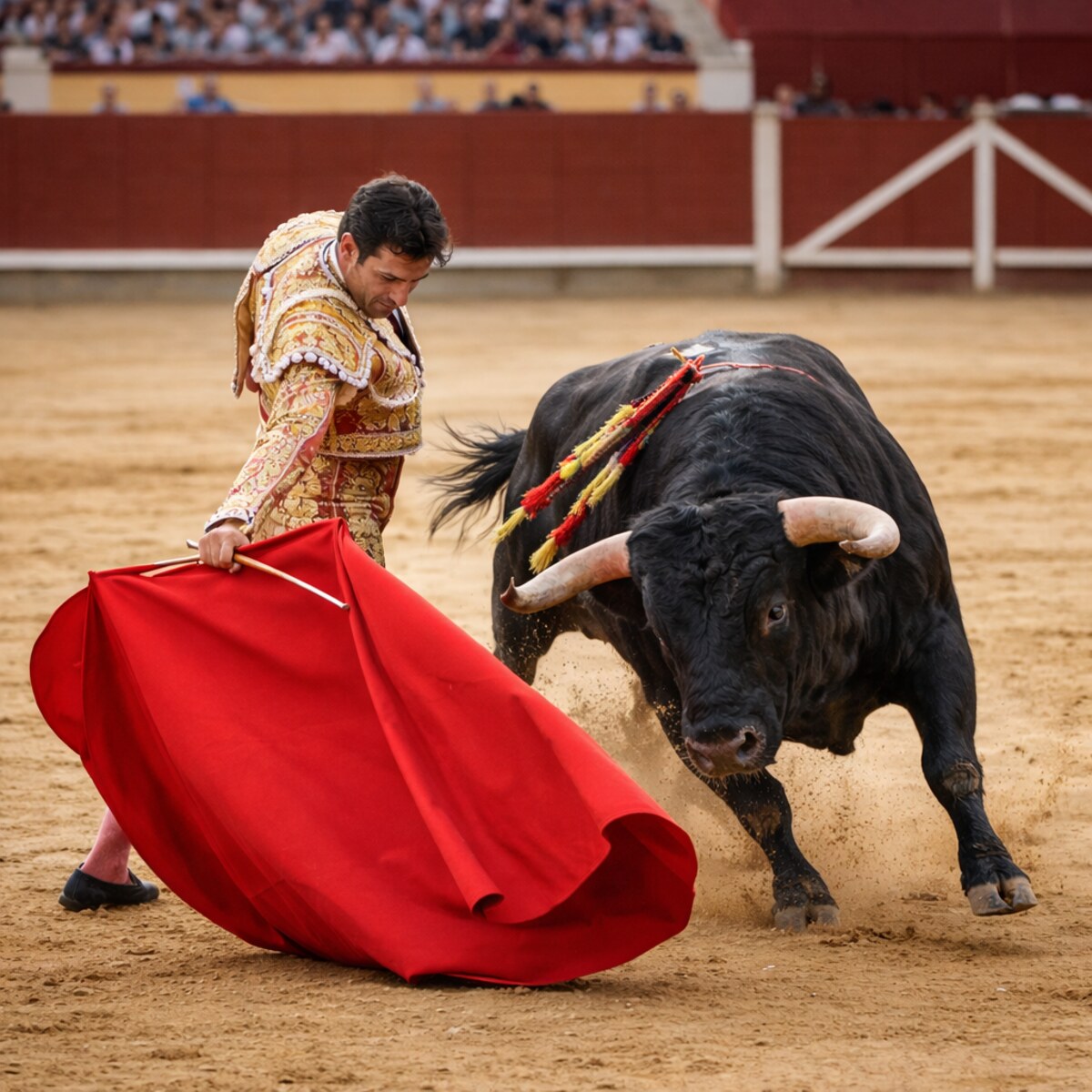
Like a red flag to a bull
The idiom like a red flag to a bull means something that makes a person react with sudden anger or excitement. It describes a situation where a small action or comment quickly sets someone off.The expression comes from bullfighting, where a matador waves a red cape to attract the bull's attention and provoke it to charge.
Teasing my brother about his team losing that game is like a red flag to a bull.
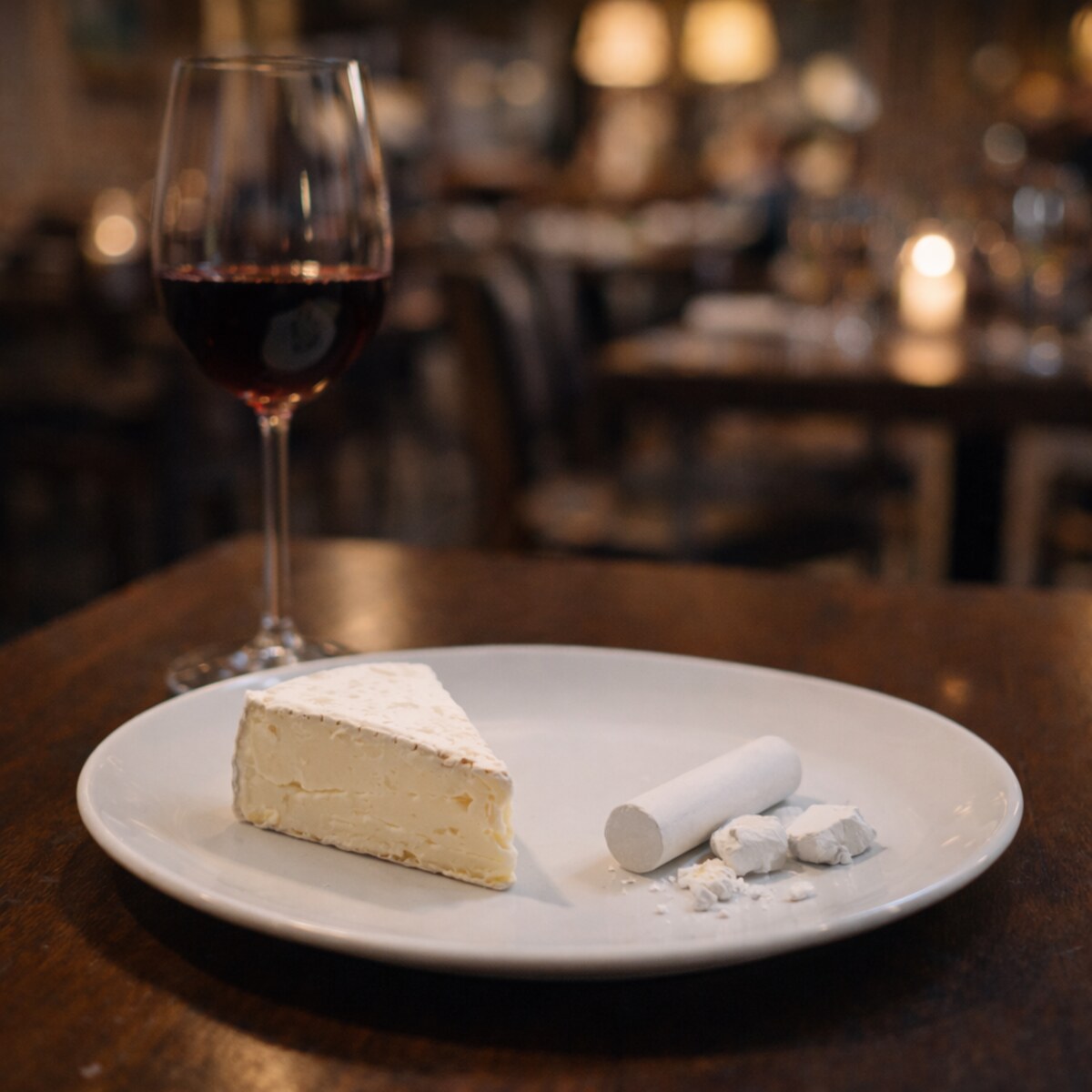
Like chalk and cheese
Two things are like chalk and cheese if they are completely different. If you have ever tried to eat chalk as well as cheese, you would know how different they are!My brother and I are like chalk and cheese, it's like we are not even from the same family.

Like two peas in a pod
Two people are like two peas in a pod if they are very similar, either in looks or behaviour. A similar idiom is cut from the same cloth.You two are like peas in a pod.

Line your own pockets
To line your own pockets means taking money or benefits for yourself in a dishonest or unfair way.The phrase comes from the idea of filling the inside of your pockets. The idiom suggests secretly keeping what should not be yours.
The official was accused of lining his own pockets with public funds.
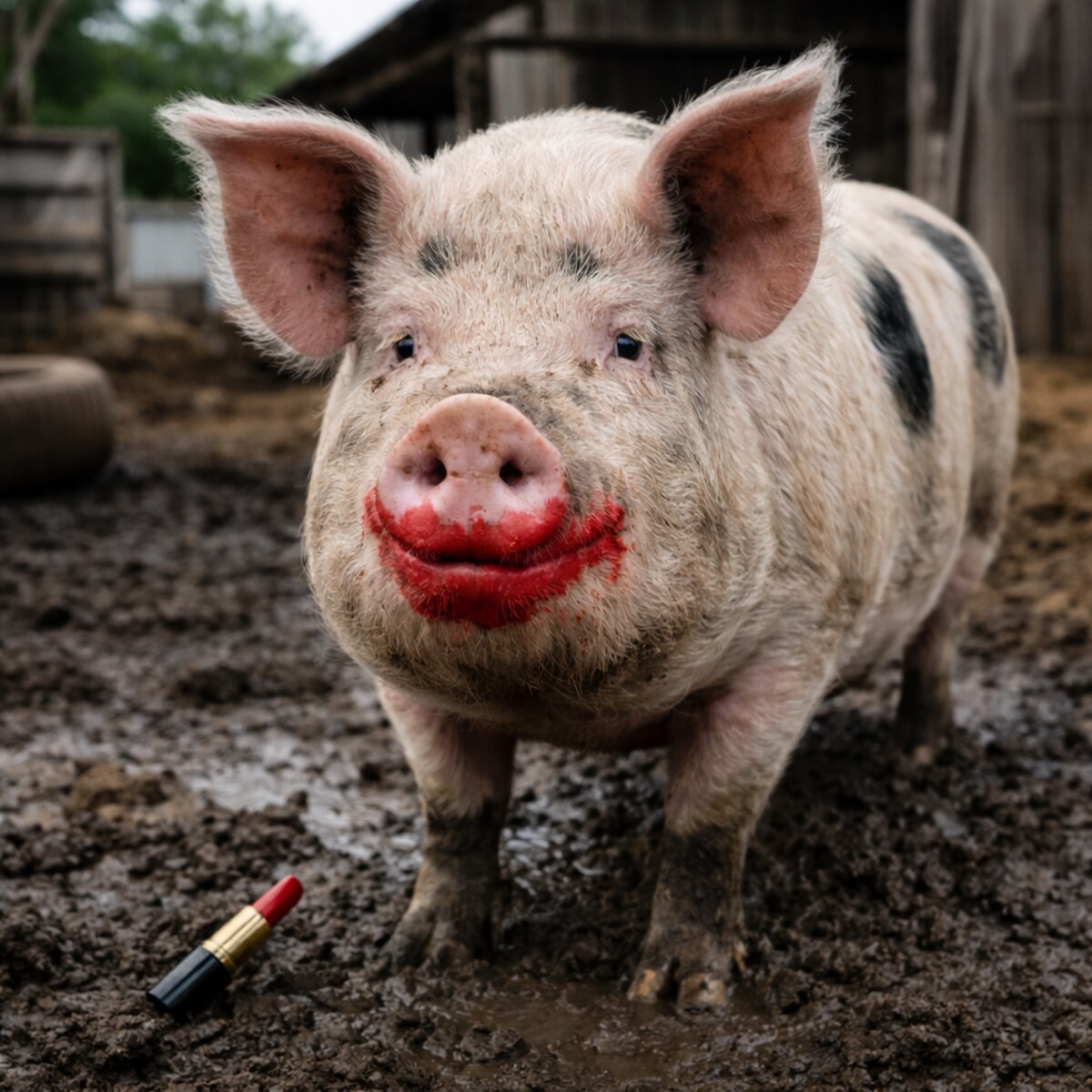
Lipstick on a pig
To put lipstick on a pig means you are making superficial or cosmetic changes to something that is fundamentally broken or unattractive, to make it more appealing. It likens it to putting lipstick, something that would normally make people more attractive, onto a pig which is generally seen as messy and unattractive.Why are you building such a fancy porch on your old house? That's like putting lipstick on a pig!

Live your best life
To live your best life means to live in the way that makes you happiest and most fulfilled. It encourages people to make choices that help them enjoy life and follow their own goals.The phrase became popular in modern self help writing and social media in the early 2000s. It is often used as encouragement to focus on personal happiness, growth, and making the most of everyday life.
After leaving her stressful job, she decided it was finally time to live her best life.

Look before you leap
To look before you leap means you should stop to think carefully about what will happen before you act.The proverb has been used in English for hundreds of years and appears in very similar wording in older writings, including medieval literature. It uses the image of checking where you will land before making a jump.
Before quitting his job without a plan, his friend reminded him to look before you leap.
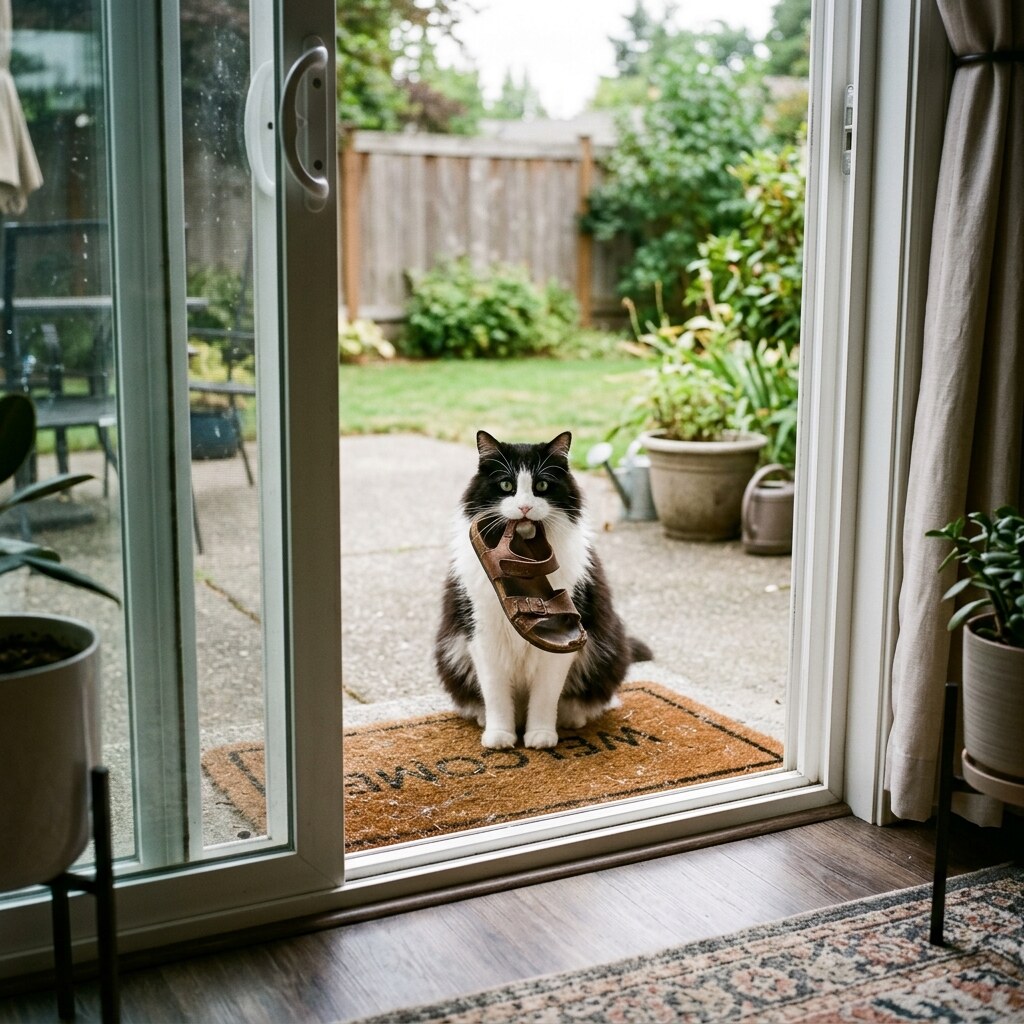
Look what the cat dragged in
Look what the cat dragged in is a joking remark made when someone arrives unexpectedly, often looking messy or late. The phrase is often mild teasing rather than real criticism.The image comes from a cat bringing home something it has caught. The object often looks a bit ... chewed up.
When he finally showed up after missing the morning meeting, someone laughed and said look what the cat dragged in.

Lose track of time
The phrase lose track of time means to forget how much time has passed. It often happens when someone is busy or enjoying themselves.The phrase comes from the idea of time as something you follow or keep count of. When you lose track, that sense of passing time disappears.
I always lose track of time when I start working on a new project.

Lose your touch
To lose your touch means to lose the ability you once had at doing something well. People use this idiom when they talk about someone who used to perform well who now struggles.The expression comes from the idea of having a special touch or natural feel for a task. When a person no longer performs as well as they used to, people say they have lost their touch.
He used to make perfect pancakes every time, but lately it seems he has lost his touch.
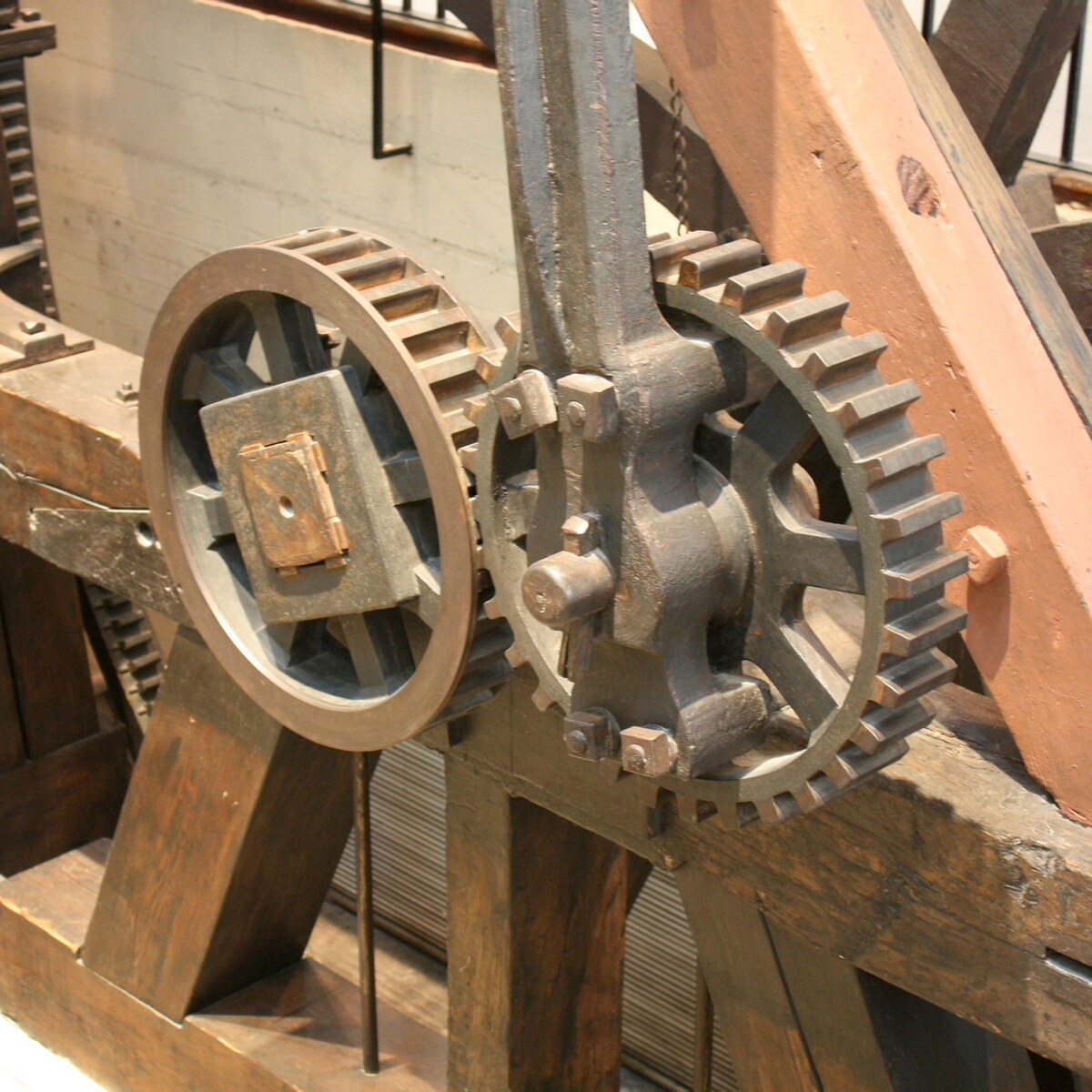
Lots of moving parts
You say something has lots of moving parts if it is complex and has lots of people or systems that need to work together for the whole thing to work smoothly. It is often used to describe large work projects.This new software has a lot of moving parts.
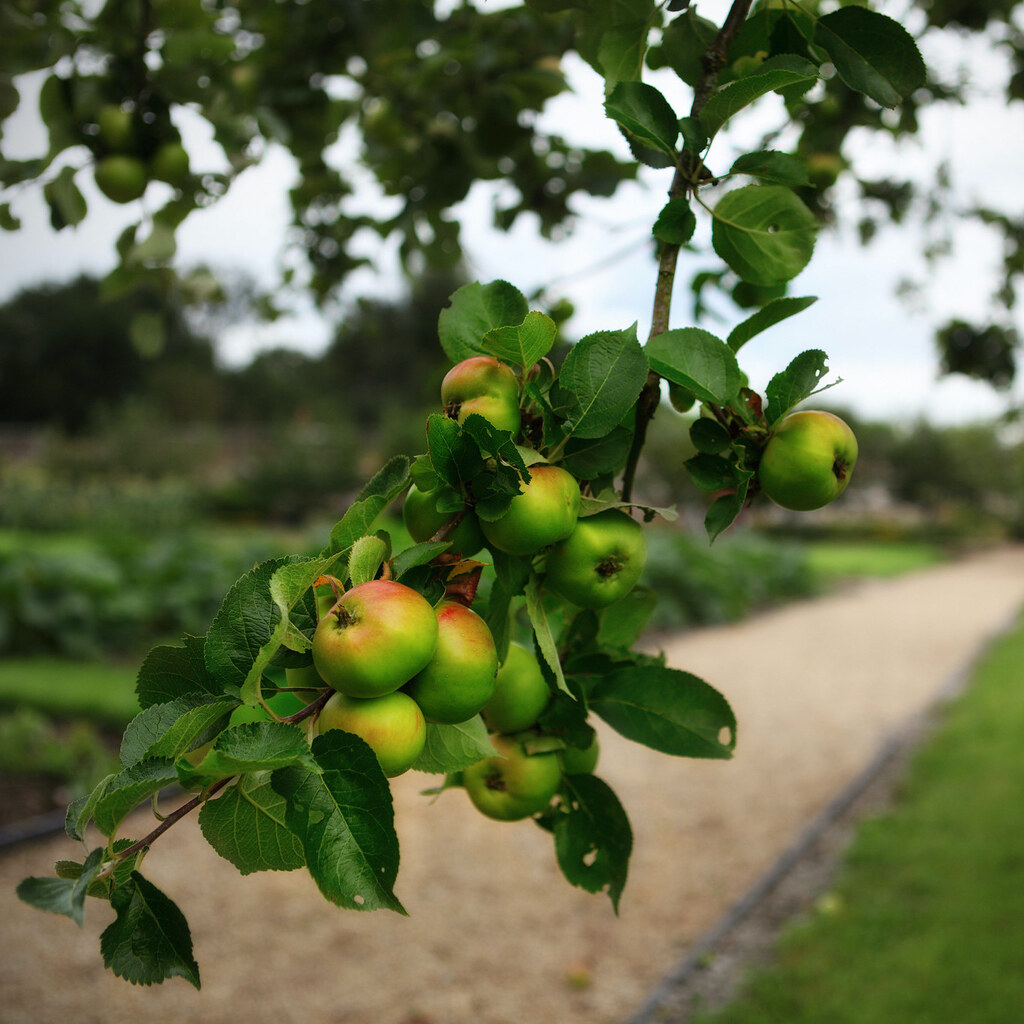
Low hanging fruit
Low hanging fruit means a task that is easy to finish with little effort. It describes something that can be done quickly before moving on to harder work.The phrase comes from fruit growing on a tree. The fruit that hangs low is the easiest to reach and pick without climbing.
They started by fixing the small problems first because those were the low hanging fruit.

Lulled into a false sense of security
To be lulled into a false sense of security means to being made to feel safe and relaxed when danger or problems still exist.The word lulled comes from lull, meaning to calm or soothe someone, like a lullaby quieting a child. In this phrase, that calm feeling is misleading because the real risk has not gone away.
The quiet weather lulled the hikers into a false sense of security before the storm arrived.

Lying low
Lying low means staying quiet or hidden for a time to avoid trouble until things get better.The phrase has been used in English for many years and comes from the idea of staying physically low to avoid being seen or targeted. It later became a metaphor for avoiding attention.
After the argument at work, he decided to lie low for a few days.

The last straw
The last straw means the final small problem or annoyance that makes someone lose patience after many other problems have already happened. It is the moment when a person decides they cannot accept the situation anymore.The phrase comes from the older saying about a camel carrying many pieces of straw. One more small straw may not seem important, but it is enough to make the overloaded camel collapse.
When the computer crashed for the third time that day, it was the last straw and I finally stopped working.
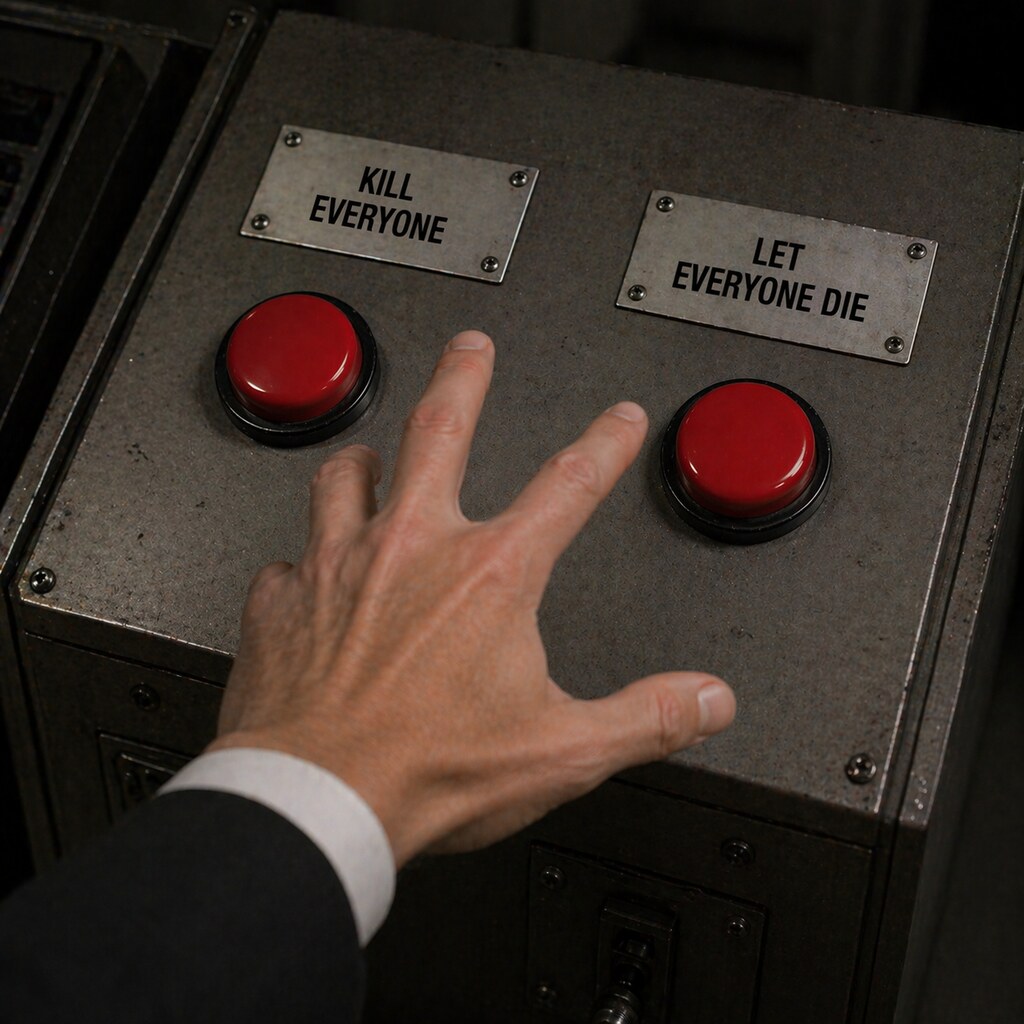
The lesser of two evils
The lesser of two evils means choosing the option that is less bad when both choices are unpleasant. Both choices still have drawbacks.The phrase has been used in English for many centuries, to talk about situations where a perfect solution does not exist.
He chose the cheaper repair as the lesser of two evils.

The lion's share
The lion's share means the largest or most valuable part of something. People use this idiom in a situation when one person takes much more than everyone else.The expression comes from an ancient fable by Aesop in which a lion joins other animals on a hunt. When it is time to divide the food, the lion claims all of it for himself, leaving nothing for the others.
She did most of the work on the project, but someone else took the lion's share of the credit.