
Showing 1-20 of 39

A lightbulb moment
A lightbulb moment is when you suddenly understand something or get a good idea. It is the instant when a problem that was confusing before suddenly makes sense. This phrase comes from cartoon shows and movies, where a lightbulb appears above a character's head when they think of a clever idea. The image became a simple way to show the moment when someone's mind "lights up" with understanding.I had a lightbulb moment in the shower and suddenly knew how to fix the problem with my bike.

A long shot
The idiom a long shot means something that is unlikely to succeed. There is a small chance it might work, but most people do not expect it to.The phrase is from the earlier days of firearms, where targets far away were hard to hit as older guns did not have as long a range as modern ones.
Winning the competition was a long shot, but she entered anyway.

A lot on your plate
To have a lot on your plate means having many tasks, responsibilities, or problems to deal with at the same time, so many it may be overwhelming.The idiom compares responsibilities to food piled on a plate. If a plate is already full, it is hard to add anything more without making a mess.
She has a lot on her plate this week with exams, work, and family visits.

Last but not least
The phrase last but not least is used when introducing the final item in a list while stressing that it remains important. The position comes from order, not value.The phrase appeared in English writing several centuries ago. Speakers used it to reassure listeners that the final mention still deserves attention.
Last but not least, we would like to thank the volunteers who helped organize the event.

Leading the charge
The phrase lead the charge is a military term, referring to a leader of a forceful advance against an enemy in battle. The person leading the charge needed courage and the ability to rally the troops.Today this term refers to a person taking a bold and enthusiastic leadership role in a new venture.
The new manager led the charge on integrating the new technology into the workplace.

Leap of faith
To take a leap of faith is to do something when you only believe in it, you have no physical proof.It originally meant that true religious faith was beyond logic and reason, but today is used to mean taking a risk in daily life.
Our boss took a real leap of faith merging with that new startup.

Learn something new every day
Learn something new every day is a phrase people say when they discover to their surprise a new thing they did not know before.The saying reflects a long-standing belief that learning never really stops. Variations of the phrase have appeared in English for many years as a casual way to react to new information.
When he found out that octopuses have three hearts, he laughed and said you learn something new every day.
Learn the hard way
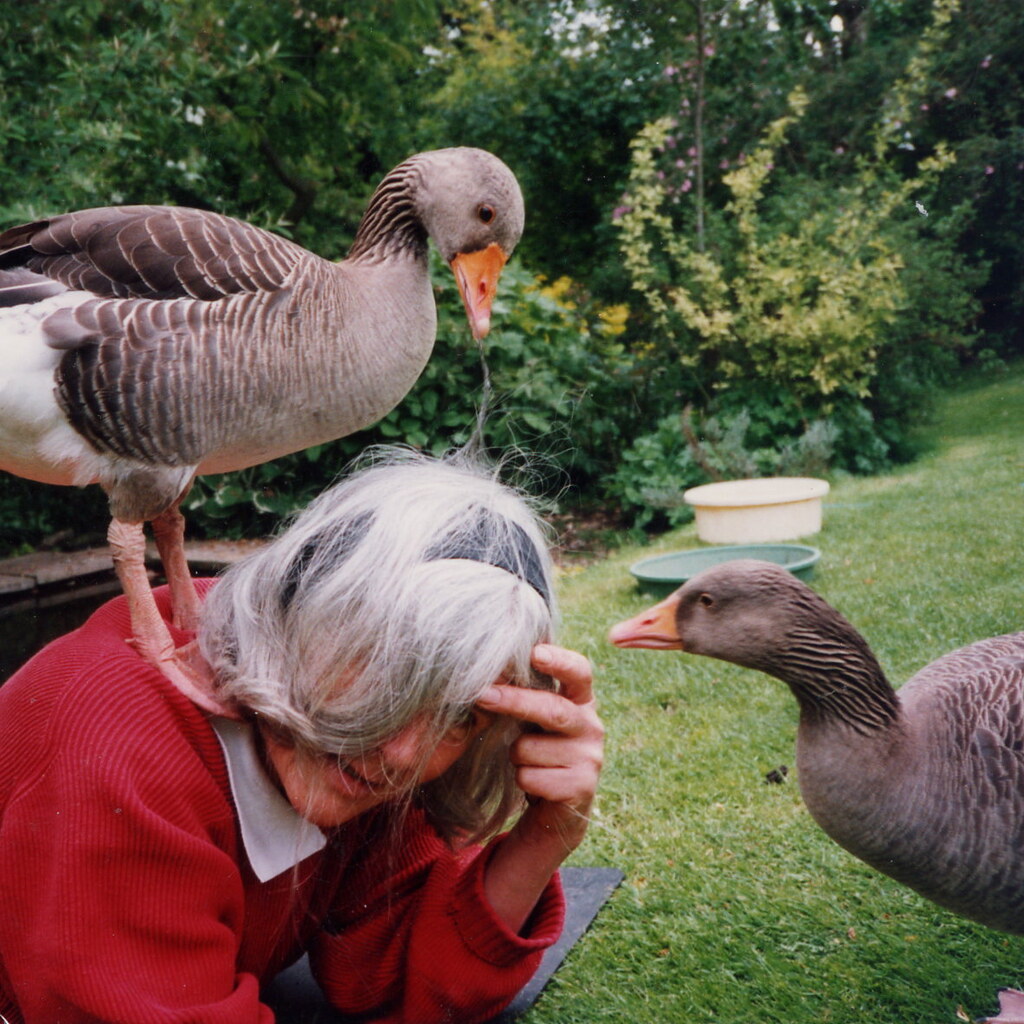
The phrase learn the hard way means discovering something through experience, often by making mistakes.The phrase has been used in English for many years. It reflects the idea that some lessons are only understood after things go wrong.
She learned the hard way to stay away from the geese.

Leave no stone unturned
The idiom leave no stone unturned means to search everywhere and try every option. If you tell someone this, it means you want them to check thoroughly.They left no stone unturned in the search.

Left holding the bag
To be left holding the bag means being the person who is unfairly left with the blame after others leave. It often happens when something goes wrong and one person is left to deal with the consequences.The expression comes from an old idea in stories about thieves. One thief would run away while another person was caught still holding the bag of stolen goods, making it look like they were the only one responsible.
Everyone else quit the project when it started failing, and I was left holding the bag.

Left to your own devices
Left to your own devices means being allowed to do what you want without help, instructions, or supervision. A person can decide for themselves what to do and how to do it.The word devices once meant plans, wishes, or schemes rather than machines. The expression has been used since the 1400s to describe someone acting according to their own ideas when no one else is guiding them.
The teacher stepped out for a few minutes and we were left to your own devices.

Lend a hand
To lend a hand means to help someone with a task. The help is usually practical.The phrase comes from the simple idea of using your hands to assist another person. The image became a common way to describe offering help.
Can you lend a hand moving these boxes?

Let off steam
The phrase blow off steam or let off steam means to release strong feelings like anger or stress, or to get rid of pent up energy. People might say this when they go to the gym, or if they have bored children inside they take them to the park to blow off some steam.This idiom came from the time of steam engines, when there was a pressure buildup you had to let some steam out.
He went for a long run to blow off steam after work.

Let sleeping dogs lie
To let sleeping dogs lie means it is better not to bring up old problems or arguments that could cause trouble again. The idea is to leave a situation alone if disturbing it might make things worse.The saying has been used in English for several centuries and was recorded in writing as early as the 1300s. It compares old troubles to a sleeping dog that may bite if someone wakes it.
Everyone remembered the old disagreement, but they decided to let sleeping dogs lie.

Let the cards fall where they may
To let the cards fall where they may means allowing events to unfold without trying to control the outcome. It describes accepting whatever result happens.The phrase comes from card games. When cards are dealt, their position is left to chance. The expression uses that image to suggest accepting the result.
She submitted her application and decided to let the cards fall where they may.

Let the cat out of the bag
To let the cat out of the bag means to reveal a secret, often by accident.One possible origin comes from old market scams in which a seller might secretly replace a valuable piglet in a bag with a worthless cat. If the bag was opened and the cat escaped, the trick was exposed.
She let the cat out of the bag about the surprise party before we could stop her.

Level playing field
A level playing field means everyone has the same rules, conditions, and opportunities. No one has an unfair advantage.The phrase comes from sports. A field that is flat and even allows both sides to compete under the same conditions. The image became a way to describe fairness.
The new rules were meant to create a level playing field for small businesses.

Lick your wounds
Too lick your wounds means taking time to recover and heal after a failure or disappointment.The phrase comes from the way animals clean and soothe their injuries by licking them. The image became a metaphor for recovery.
After the loss, the team went home to lick their wounds and regroup.

Light at the end of the tunnel
The phrase the light at the end of the tunnel means hope after a long or difficult time. It suggests that problems will eventually end. This idiom is derived from the feeling you get after travelling underground for a long time and finally seeing the light that means you are about to come out the other end.After months of work, we could see the light at the end of the tunnel.

Lightning never strikes twice
The idiom lightning never strikes twice means that if something very unlucky (or very lucky) happened to someone once before, it is very unlikely to happen again. This refers to the odds of being struck by lightning being already very low, and being struck twice is even lower again.Why are you buying a lotto ticket? You won last year, you know lightning never strikes twice.