
Showing 21-31 of 31

Pure as driven snow
As pure as driven snow means completely innocent or morally clean. It is often used when someone claims they have done nothing wrong.This idiom refers to fresh snow that has just fallen, before it has been touched or dirtied. Because untouched snow looks perfectly clean and white, it became a symbol of purity.
He insisted he was as pure as driven snow despite the accusations.
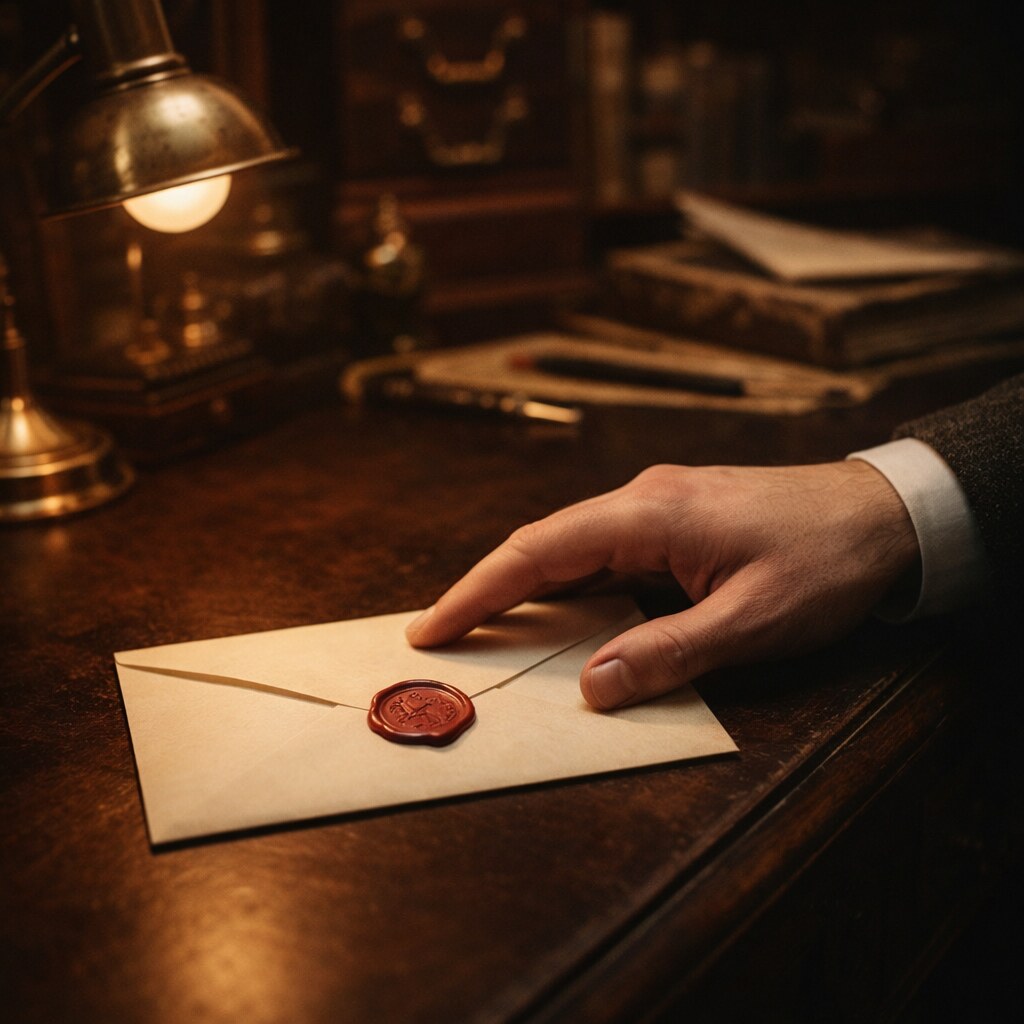
Push the envelope
To push the envelope means to go beyond the usual limits or try new and risky ideas. People use this idiom to talk about when someone experiments instead of staying within safe or familiar boundaries.The expression comes from aviation and engineering. The flight envelope describes the safe limits of an aircraft's speed, altitude, and performance, so pushing the envelope means testing those limits.
The designers wanted to push the envelope and create something people had never seen before.
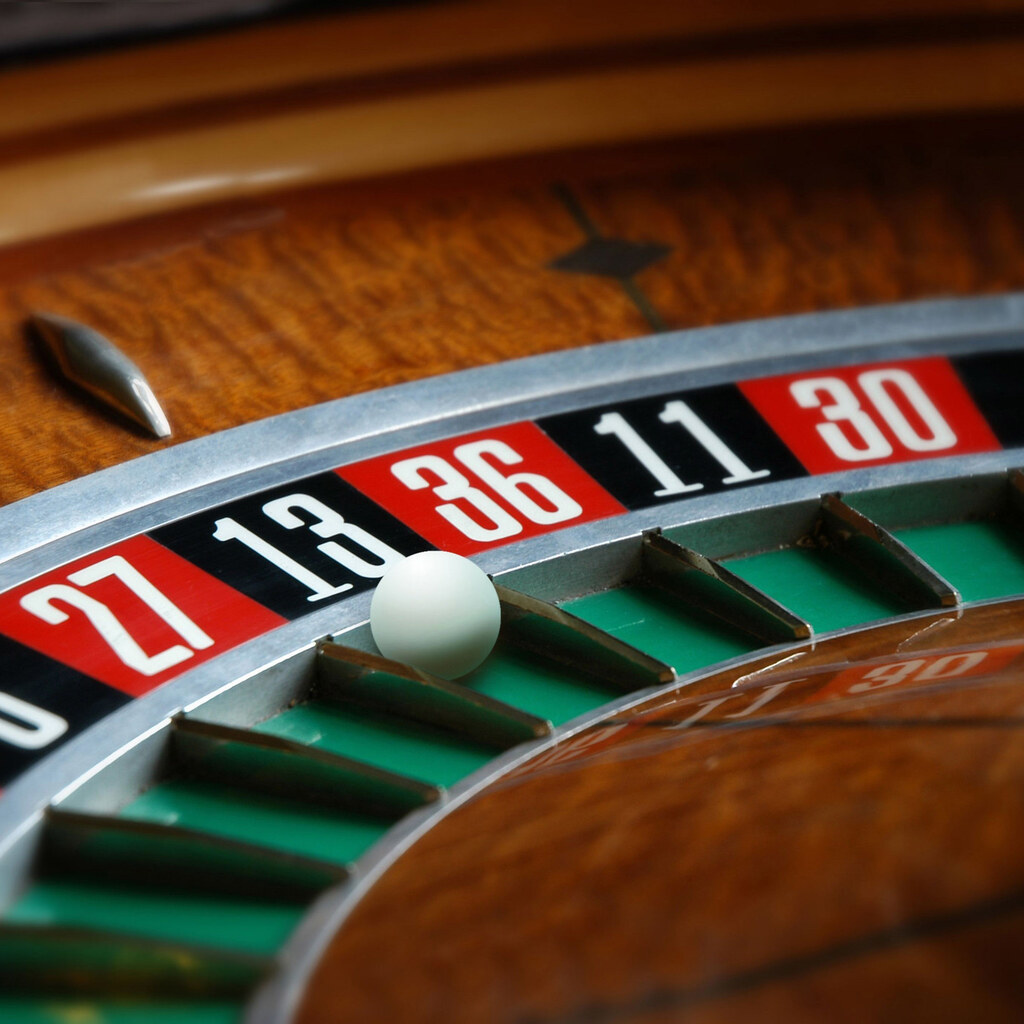
Put it all on black
To put it all on black means to risk everything on a single choice or plan. It describes when someone commits all their money, effort, or hopes to one outcome that isn't guaranteed.The expression comes from the game of roulette. A player can bet on the color black, and saying someone puts everything on black suggests risking all their chips on one spin of the wheel.
He decided to put it all on black and put all his savings into the new restaurant.
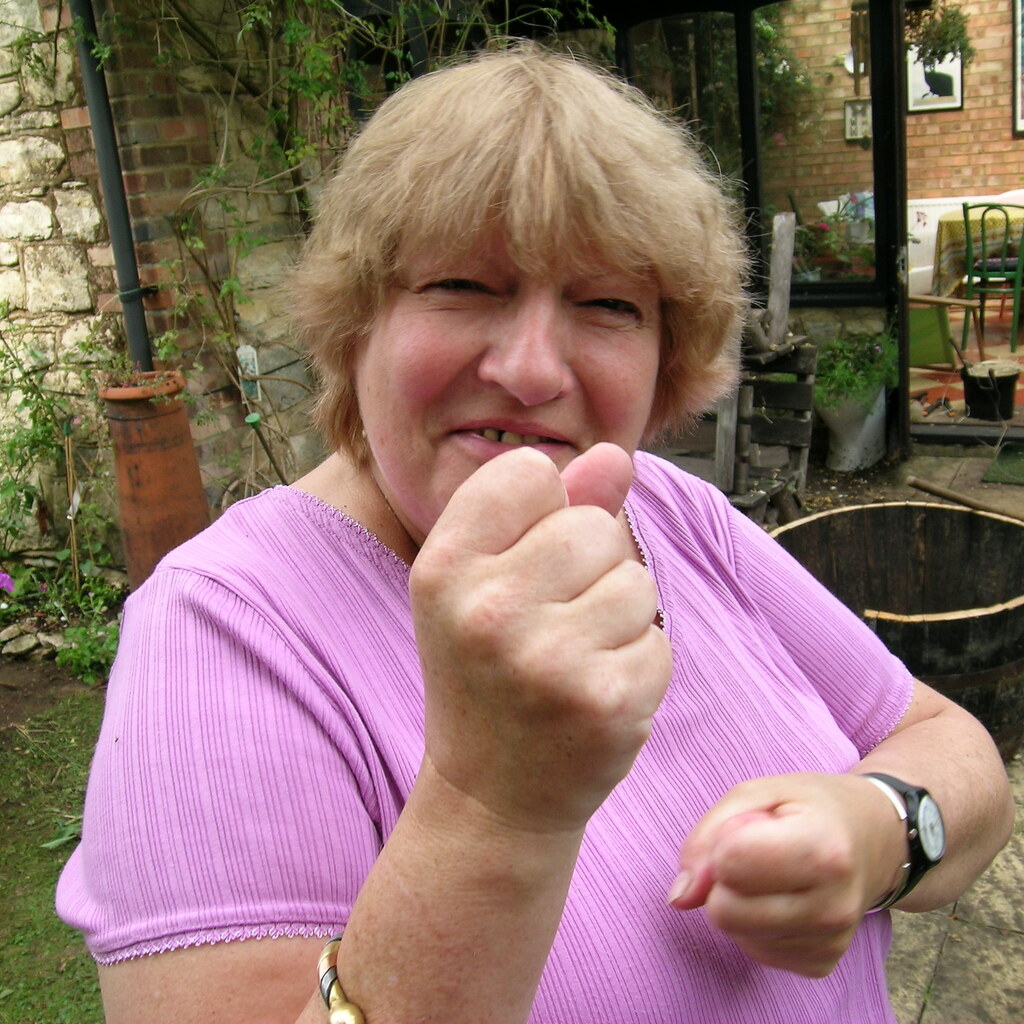
Put up a fight
To put up a fight means to struggle or defend yourself instead of surrendering.The expression comes from physical fighting, where a person actively resists an opponent rather than giving in. Over time it came to describe any determined effort against difficulty or opposition.
The small team put up a fight even though they were outnumbered.
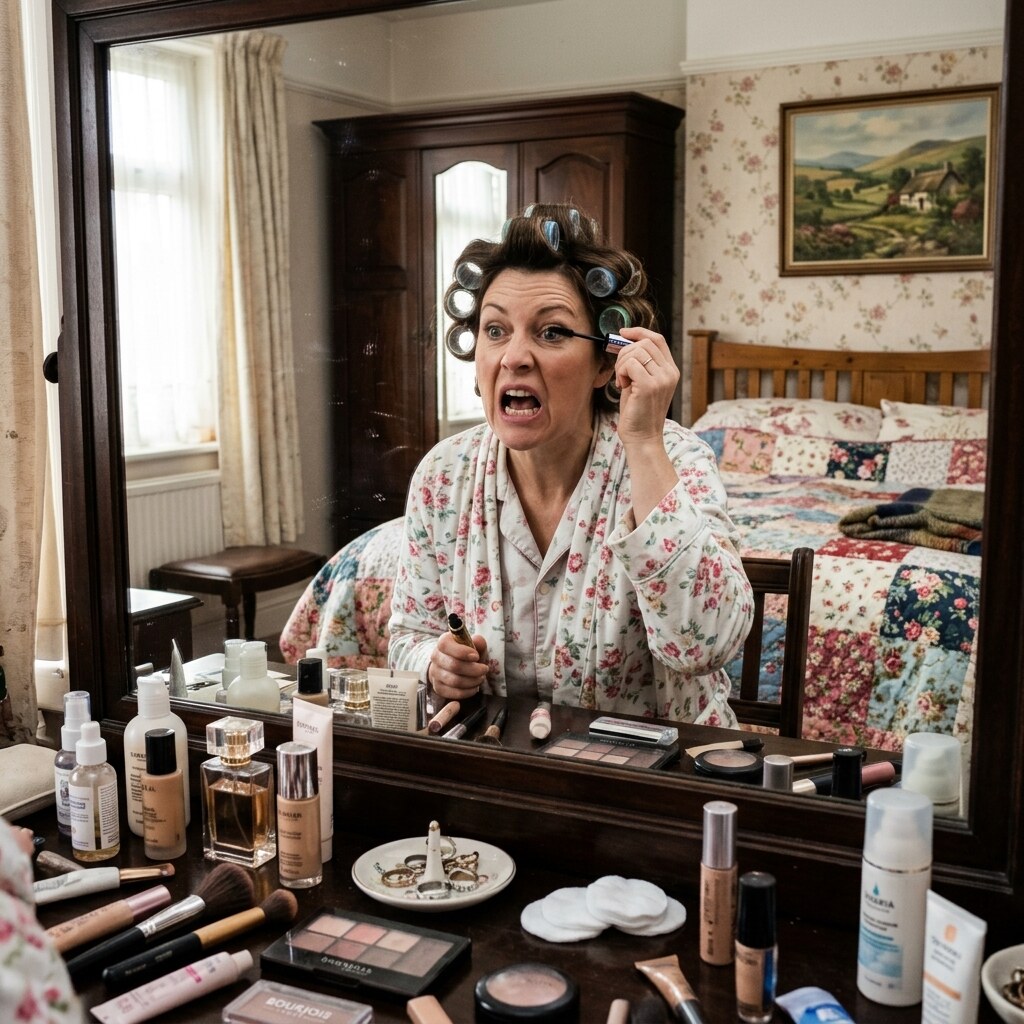
Put your face on
Put your face on means applying makeup before going out or meeting people. The phrase is usually said in a light or joking way.The expression appeared in everyday speech during the twentieth century. It treats makeup like something you "put on" as the final step before leaving the house.
Just let me put my face on and then I'll be ready to go.

Put your feet up
To put your feet up means to sit down and relax, usually after working or being busy.The phrase comes from the simple act of lifting your feet onto a chair or stool while sitting, which is a way people often sit when they want to relax.
After finishing the yard work, she sat on the couch and put her feet up for a while.
Put your finger on it
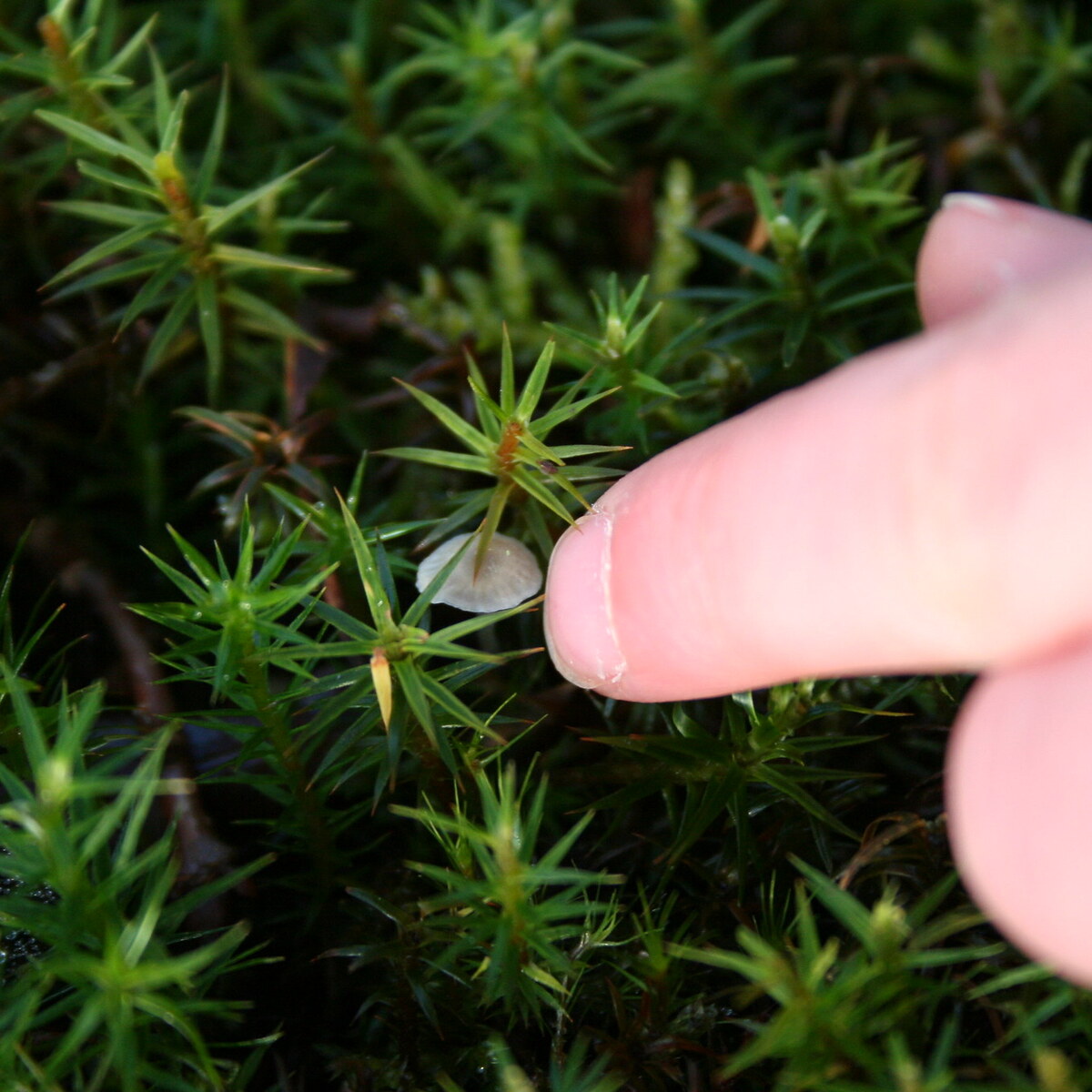
To put your finger on it means to know the exact cause or meaning of something. This idiom is more used in the negative, I can't put my finger on it which means that you know that something is wrong but you can't work out what it is, the same way you might not be able to put your finger right onto something.Something just doesn't work with the decor of this room, but I can't put my finger on it.

Put your foot down
To put your foot down means to take a firm stand and refuse to accept something.The phrase comes from the image of stamping a foot to show authority.
She put her foot down and said the meeting had to end on time.

Put your foot in your mouth
To put your foot in your mouth means to say something embarrassing, rude, or awkward without meaning to. It is used when someone accidentally says the wrong thing and regrets it afterward.The expression comes from the image of someone speaking so carelessly that they metaphorically shove their own foot into their mouth. The phrase became common in English in the 1900s.
I really put my foot in my mouth when I asked about her job before realizing she had just been laid off.

Putting the cart before the horse
Putting the cart before the horse means doing things in the wrong order. It describes a situation where someone tries to do a later step before the earlier step that should come first.The idiom comes from the simple image of a horse pulling a cart. If the cart is placed in front of the horse, it cannot be pulled, so nothing works properly. The phrase has been used since at least the 1500s.
Trying to decorate the house before the walls are painted is putting the cart before the horse.
The penny dropped
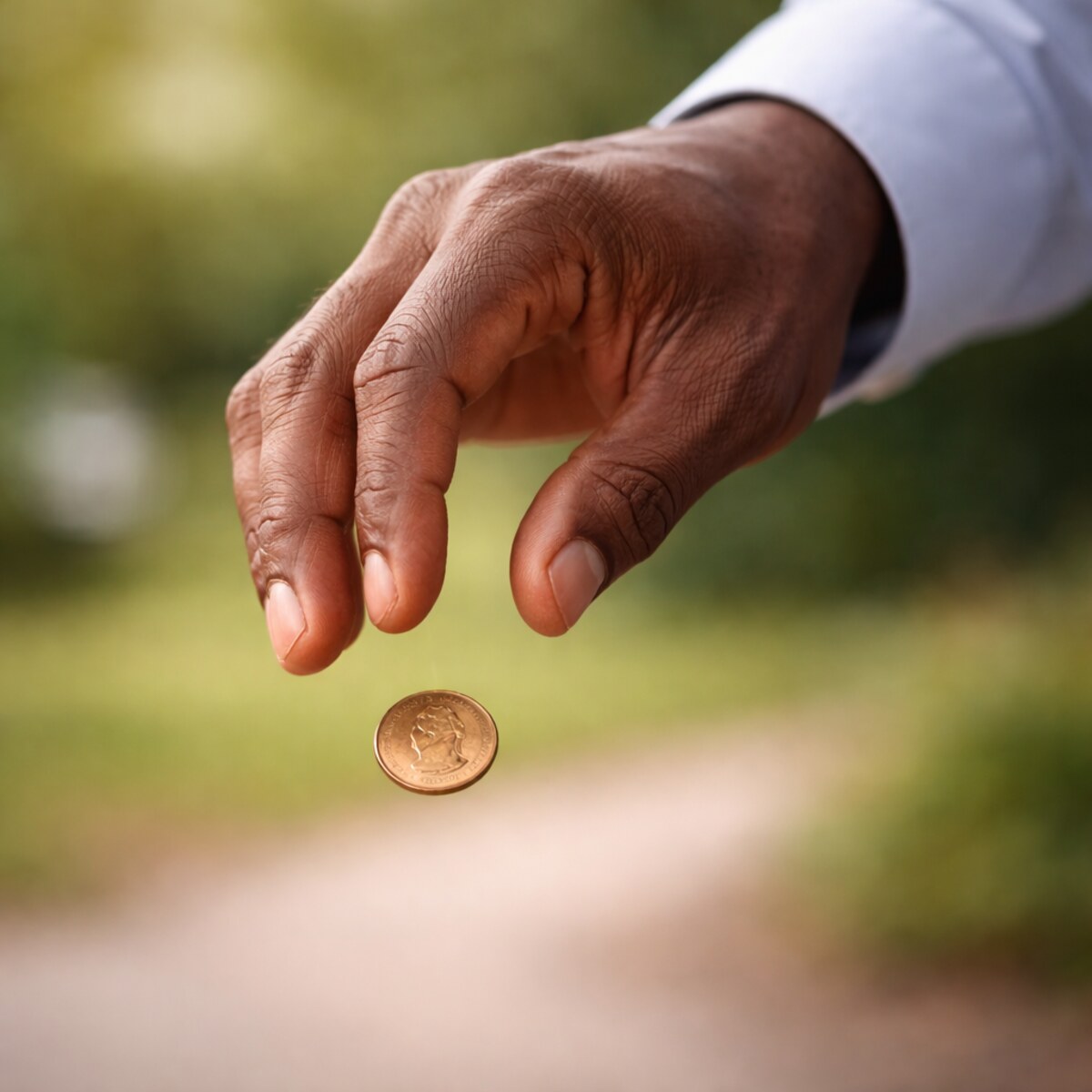
The penny dropped is an idiom that means someone finally understood something, after some confusion or delay. A similar idiom is a light bulb moment or to put two and two together.It originates in older slot machines, where there was a delay between inserting a coin, and the mechanism starting to work.
She stared at the instructions for a full 10 minutes before the penny dropped.