Showing 1-16 of 16

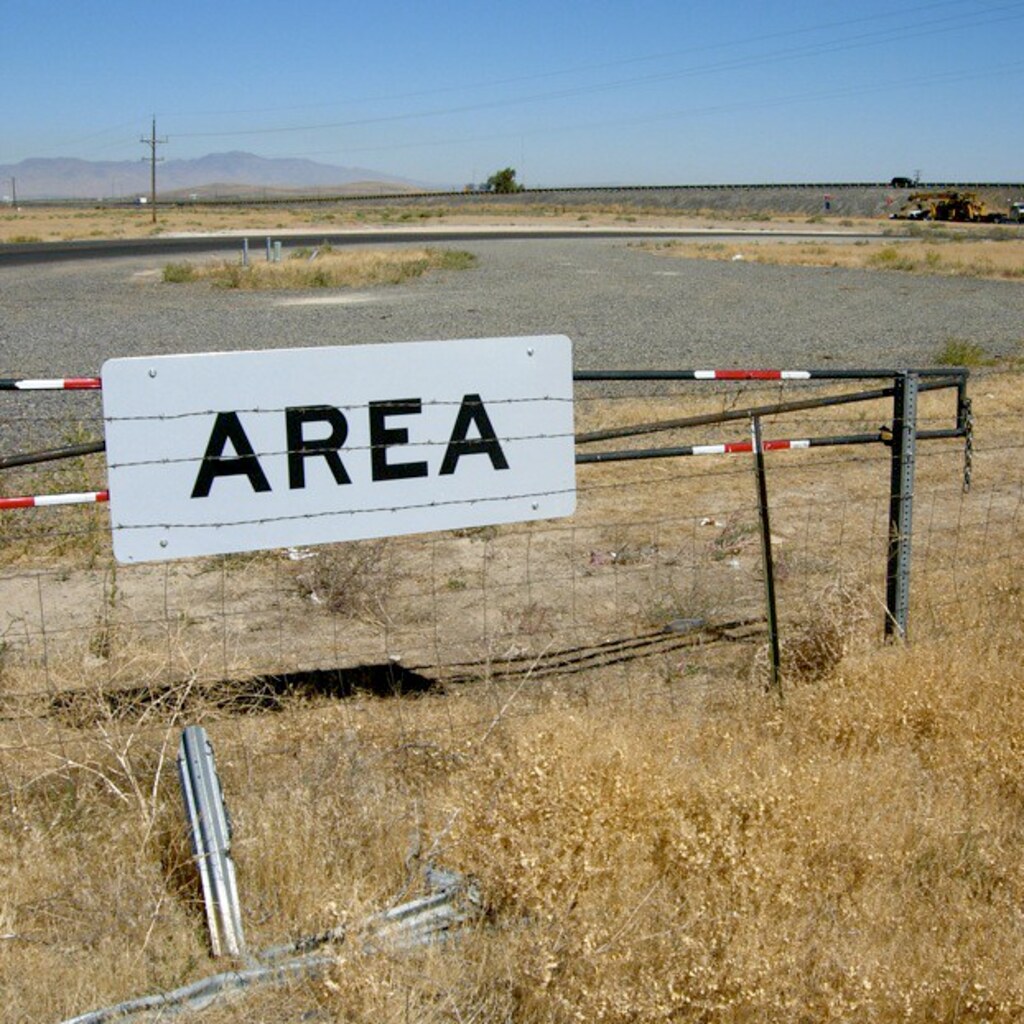
An area is a part of any surface. Areas are usually separated from everything around them by some kind of boundary, such as a fence or a line drawn around them on a piece of paper.
Area also describes the total size of that area. Different shapes have different formula for calculating how big they are.
Area also describes the total size of that area. Different shapes have different formula for calculating how big they are.

Binary describes something made of two different things, usually opposites. For example, a question with only yes or no answers is binary.
In computers, binary is a system that uses only two numbers: 0 and 1. Computers use these numbers to store information and perform tasks.
You can convert between decimal and binary numbers with the app above.
In computers, binary is a system that uses only two numbers: 0 and 1. Computers use these numbers to store information and perform tasks.
You can convert between decimal and binary numbers with the app above.
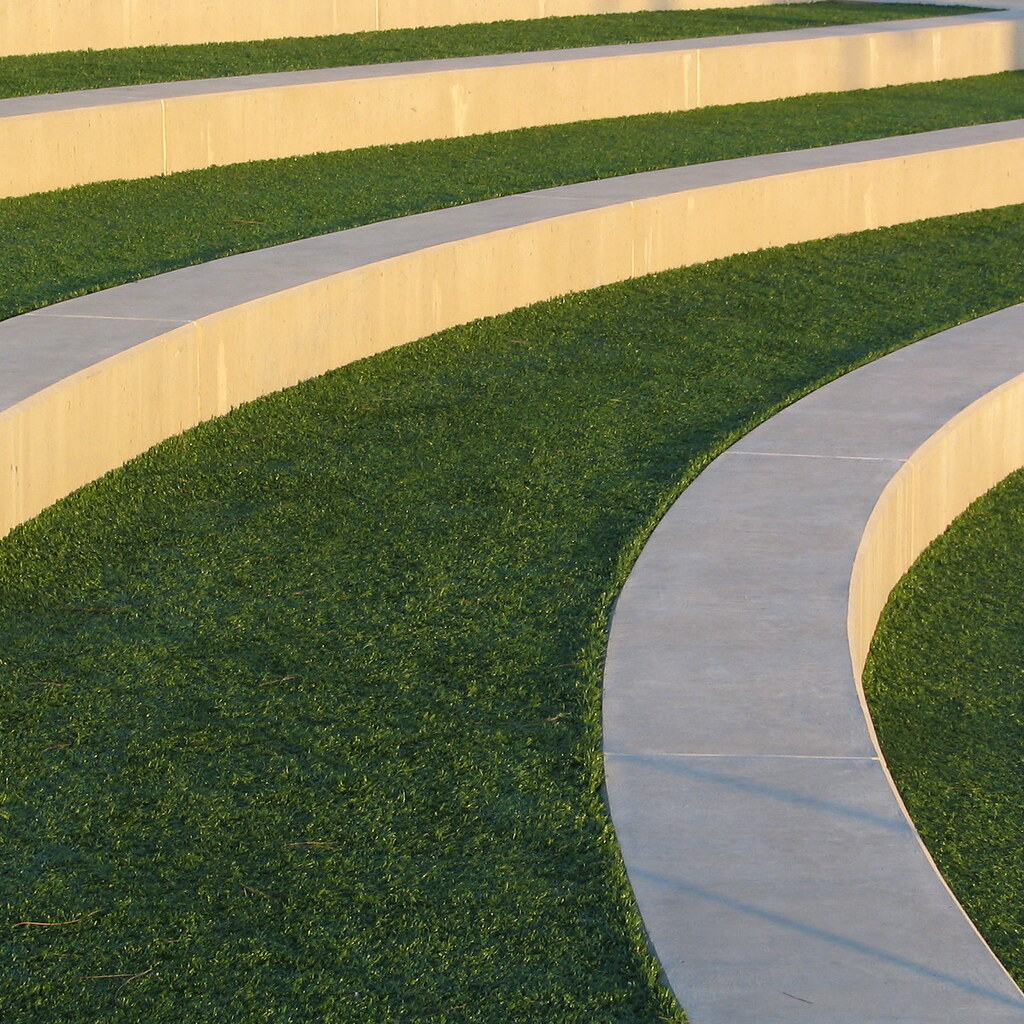
A curve is a line that bends to one side or the other along its length. The opposite of curved is straight.
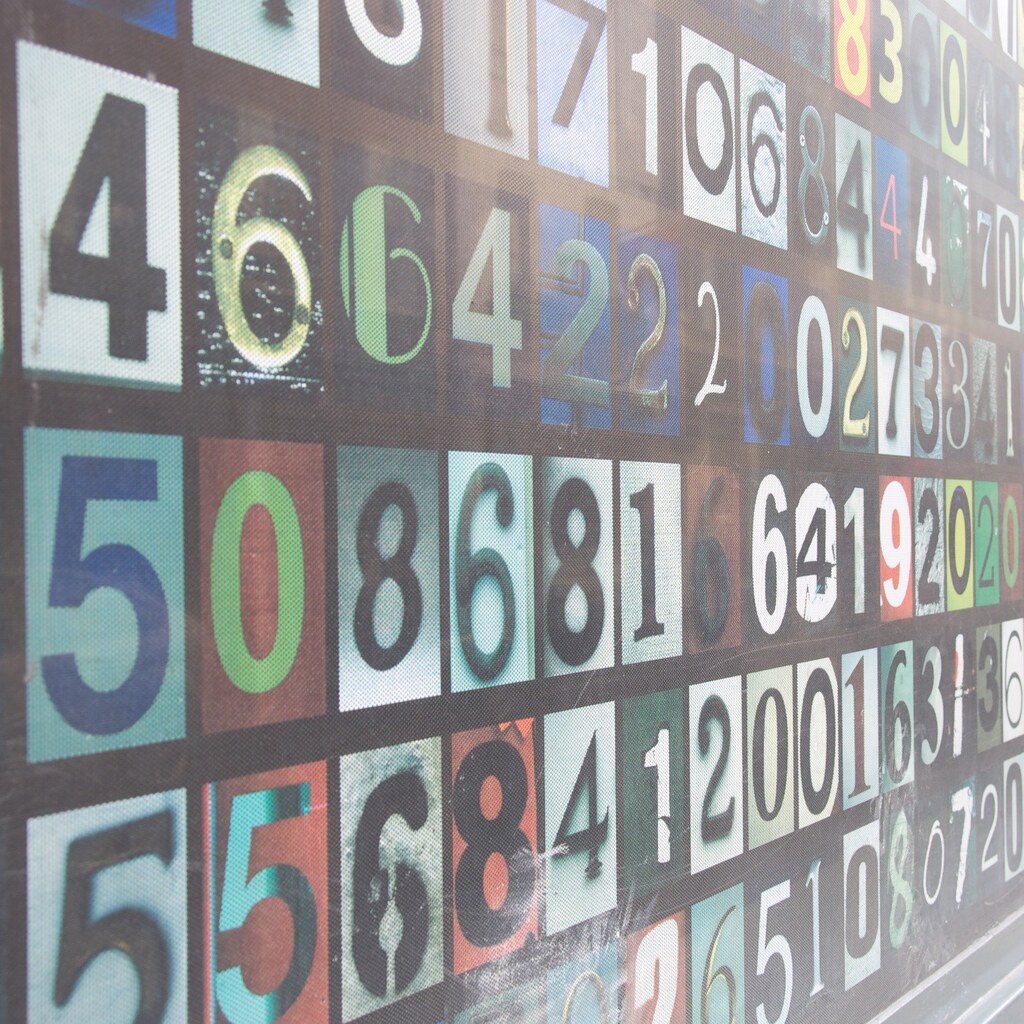
Decimal means a number system based on multiples of ten. It can also describe numbers with a whole part and a fractional part separated by a decimal point. For example, $2.75 is a decimal number that means two dollars and seventy-five cents.
A number system based on 2 rather than 10 is binary. You can convert between decimal and binary in the app above.
A number system based on 2 rather than 10 is binary. You can convert between decimal and binary in the app above.

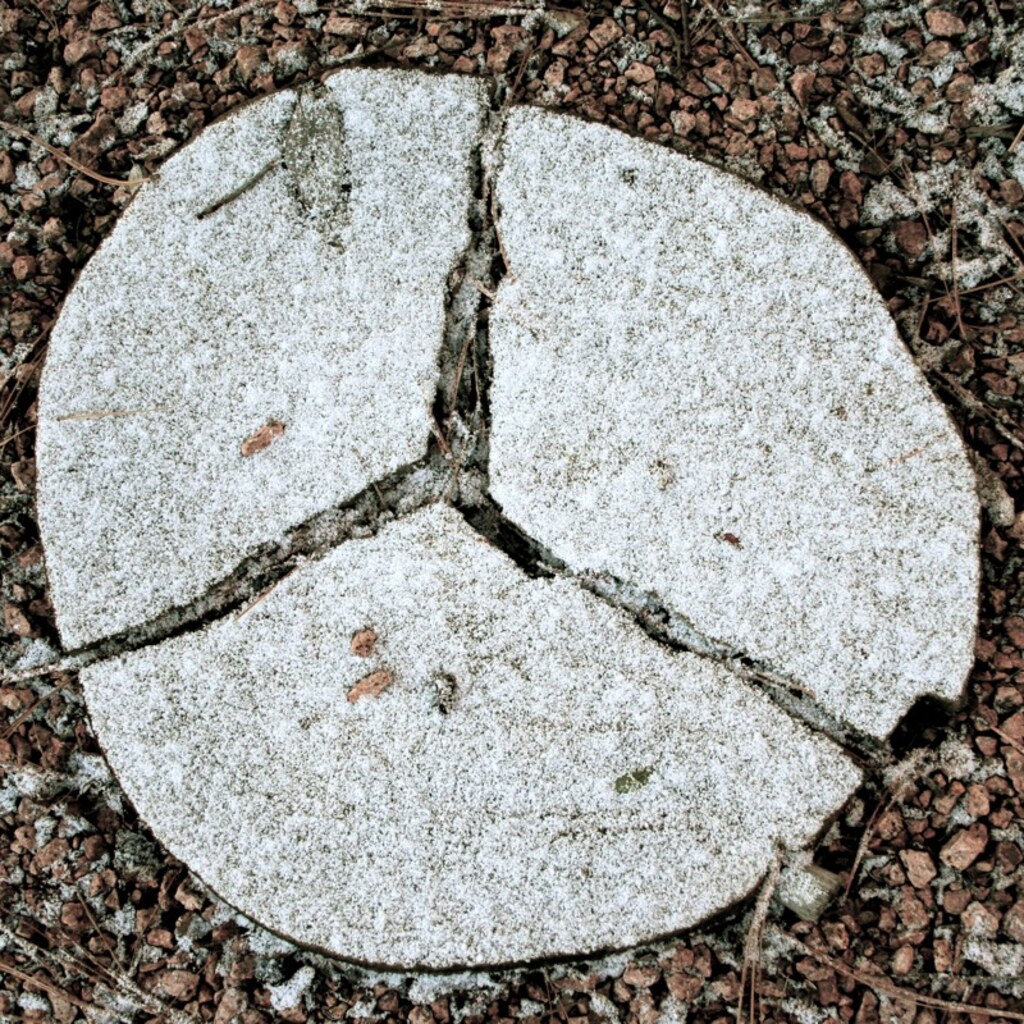
The diameter of a circle is the measurement across the circle at its widest point. The man in the picture has his arms across the diameter of the cut tree.




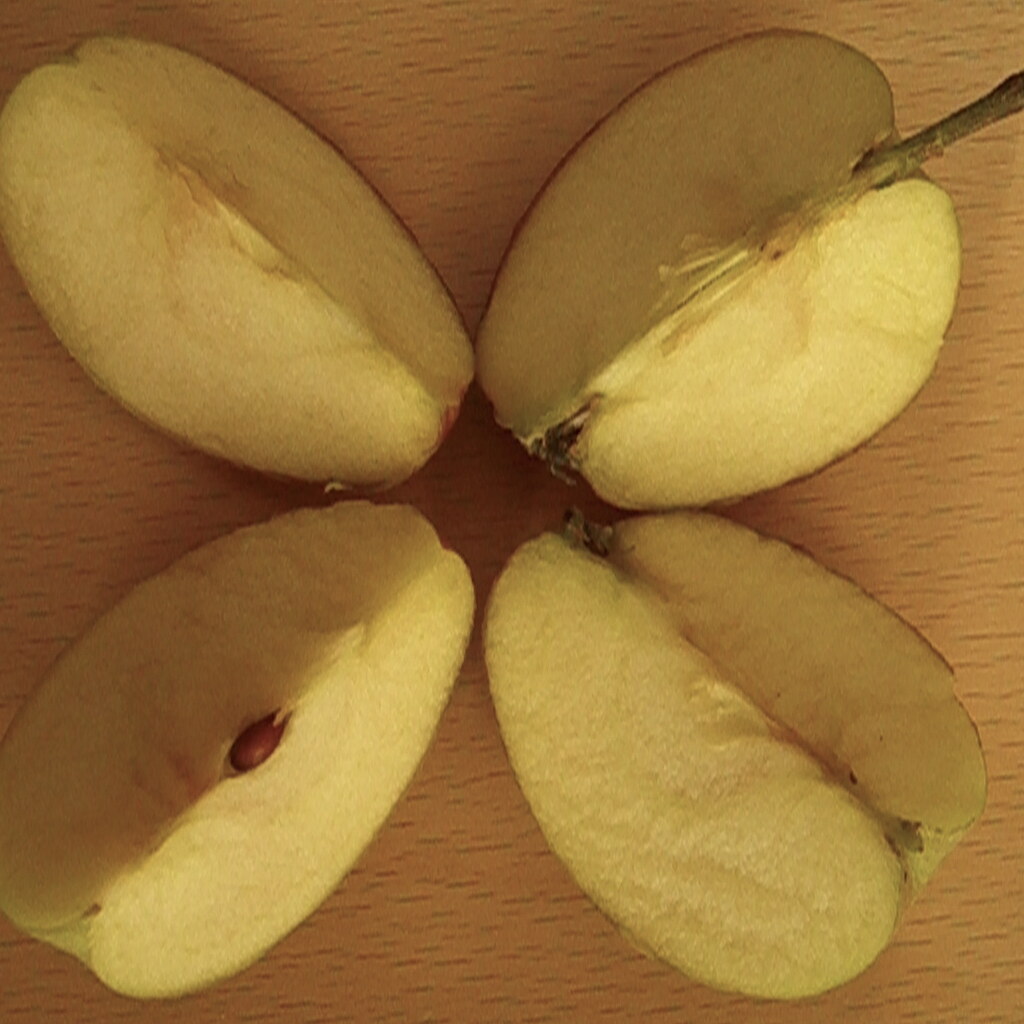
Q is for Quarter (Fraction)
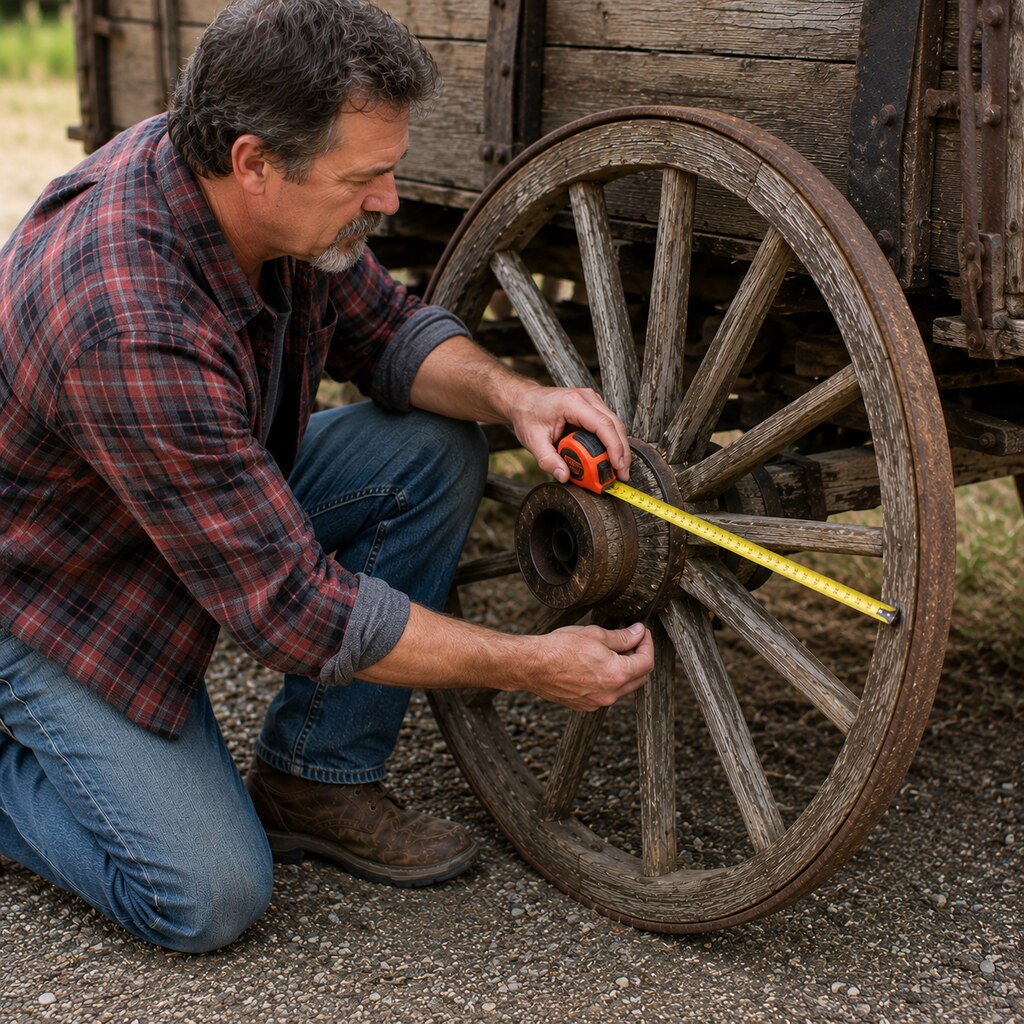
R is for Radius (Circle)
In math and science, radius helps you find other things like the diameter (twice the radius) and the area of a circle.
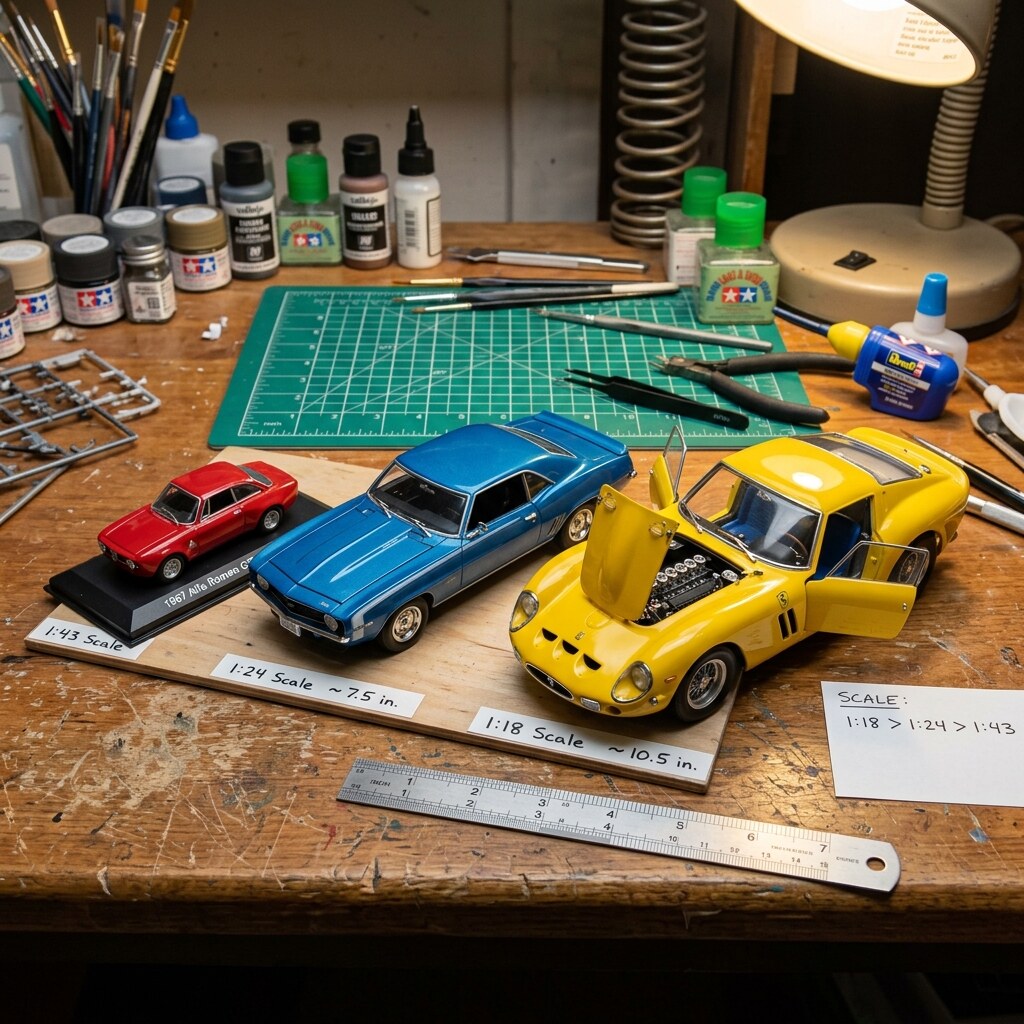
Scale describes the amount something is smaller or larger something is from its real size, or just a general description of size, like a large scale project.
It is also the singular of scales.
It is also the singular of scales.