
Showing 1-20 of 23
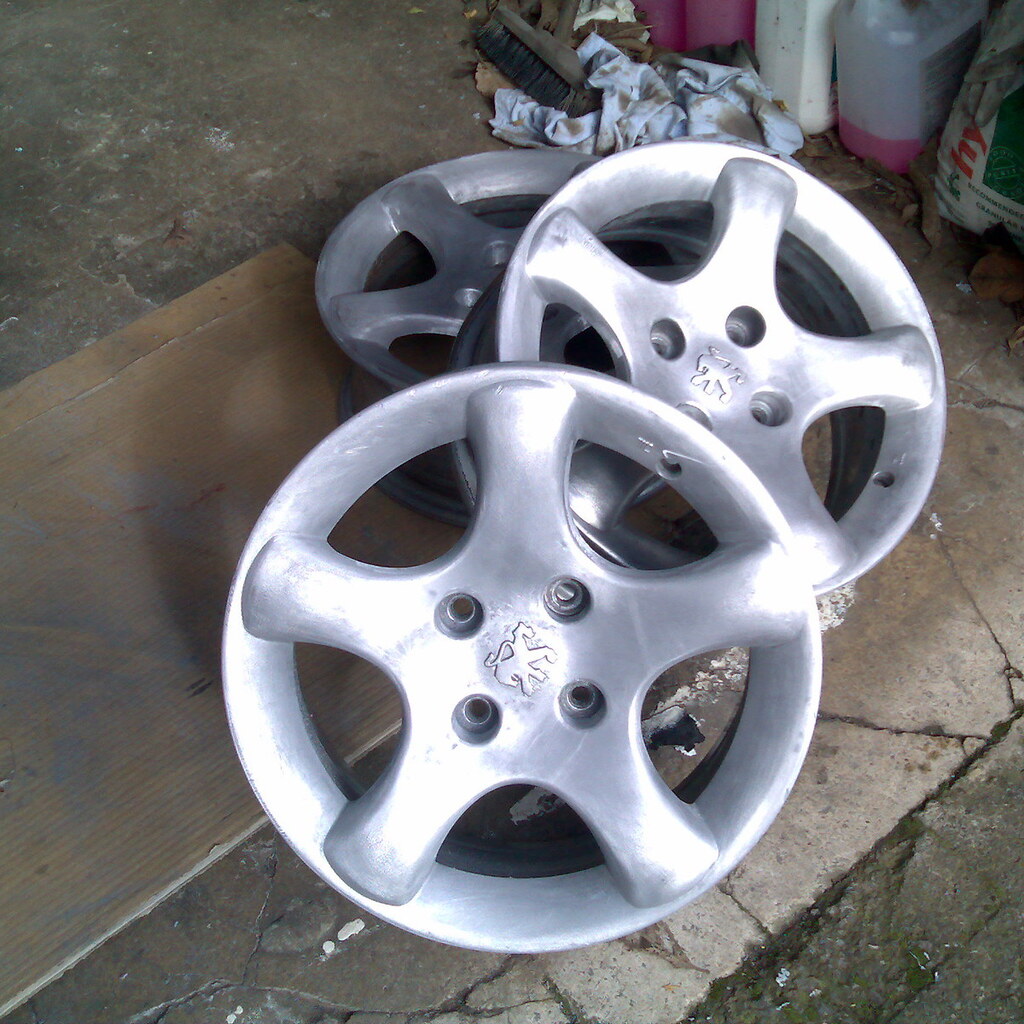
An alloy is a mixture of two or more metals, or one metal and something that isn't a metal. They are mixed together so well you cannot tell that the alloy is not a pure metal. Alloys typically have very different properties to the components that went into making the alloys. Alloys are often much, much stronger than their individual components. Many tools and machines are made from alloys because they need to be strong.
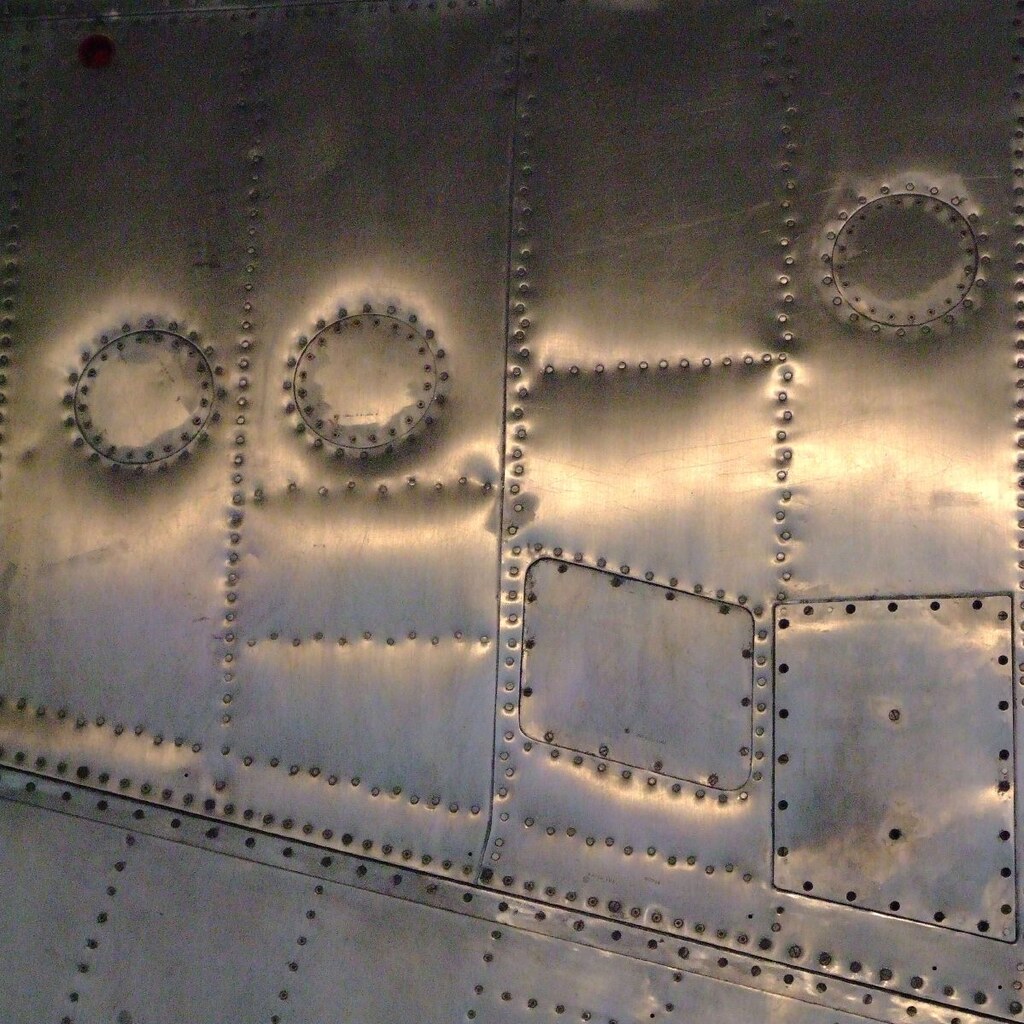
Aluminium, also spelt aluminum, is the most common metal in the world, and the third most common element (after oxygen and silicon). It is durable and lightweight, and is a very important metal for making planes out of.
Aluminium is highly reactive and you cannot find pure aluminium in the same way you can find pure gold or copper, so it was once considered a rare precious metal. It is a very energy intensive process to refine aluminium.
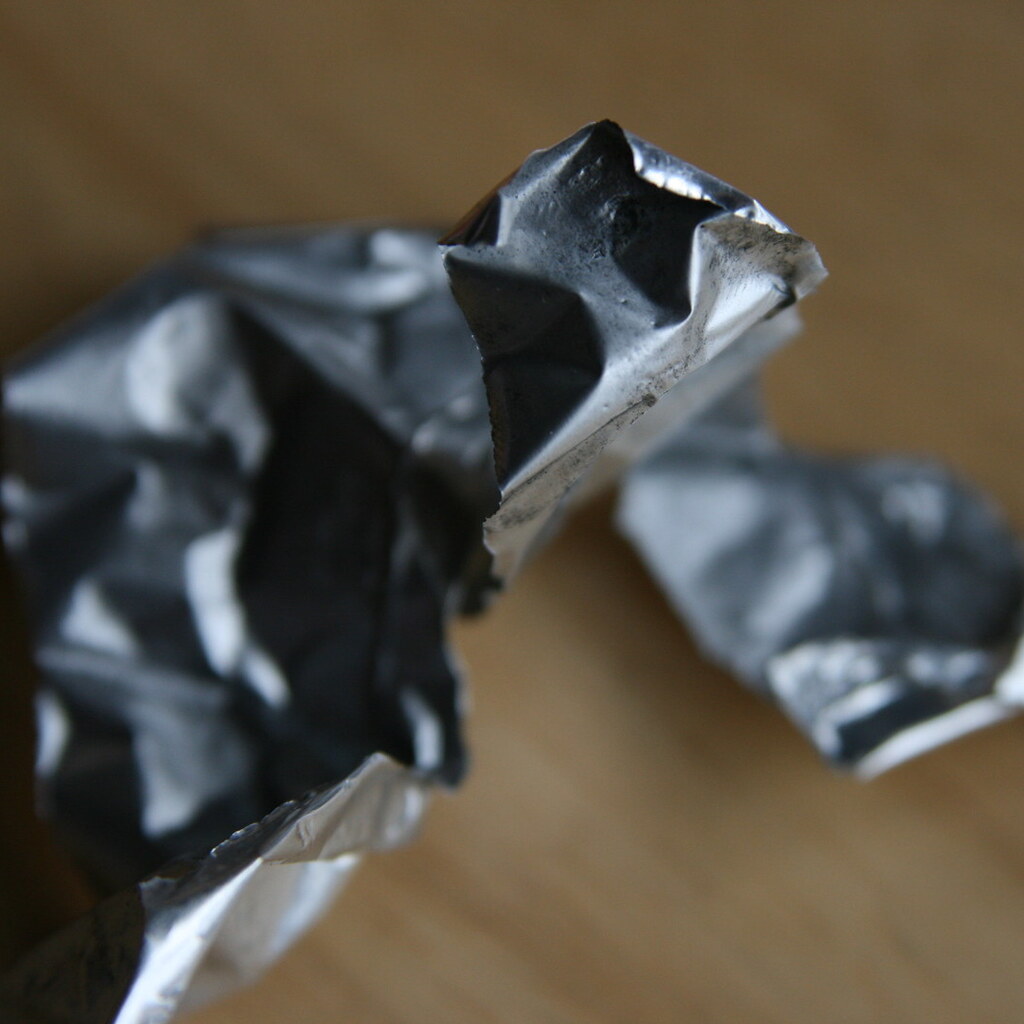
Aluminium is used for building (particularly frames for doors and windows) and vehicle construction, household aluminium foil, masts on ships, walking sticks, and lots of household utensils and appliances.
Aluminium is highly reactive and you cannot find pure aluminium in the same way you can find pure gold or copper, so it was once considered a rare precious metal. It is a very energy intensive process to refine aluminium.
Aluminium is used for building (particularly frames for doors and windows) and vehicle construction, household aluminium foil, masts on ships, walking sticks, and lots of household utensils and appliances.
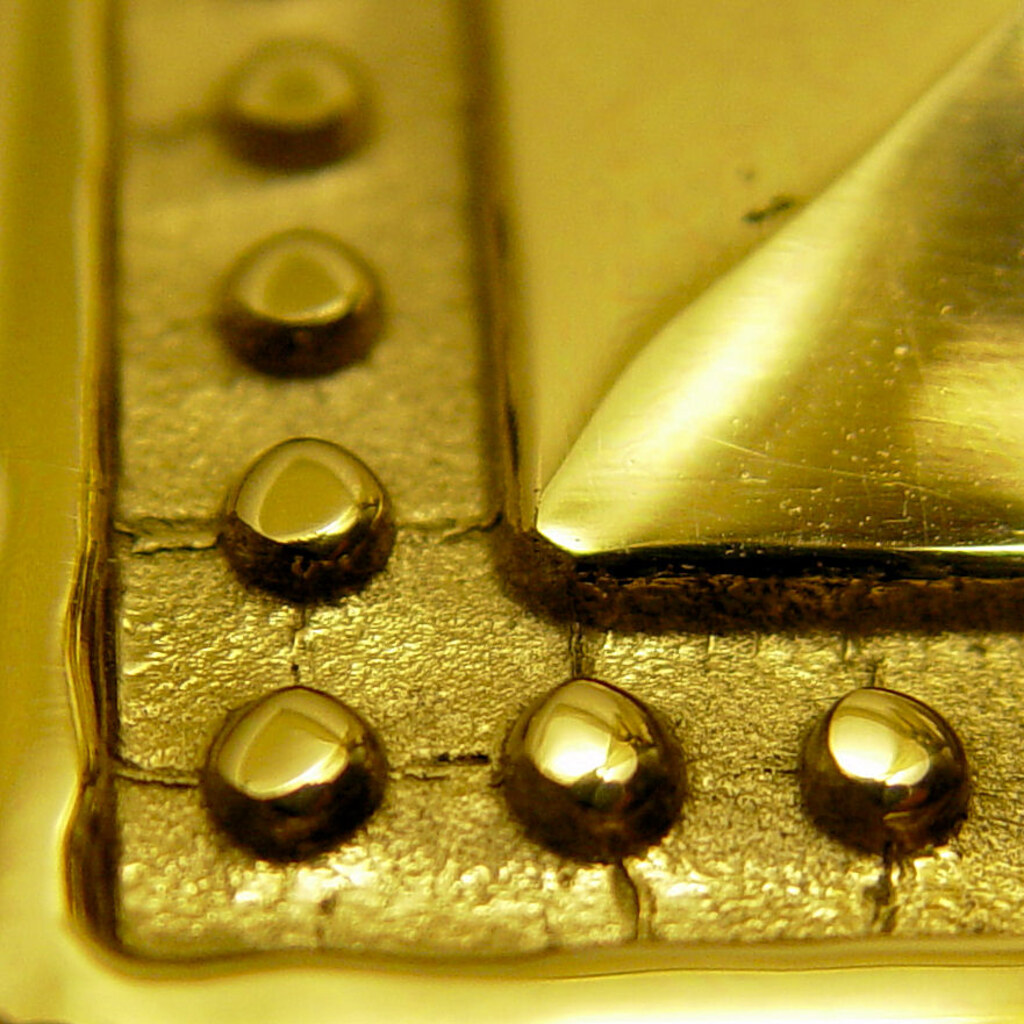
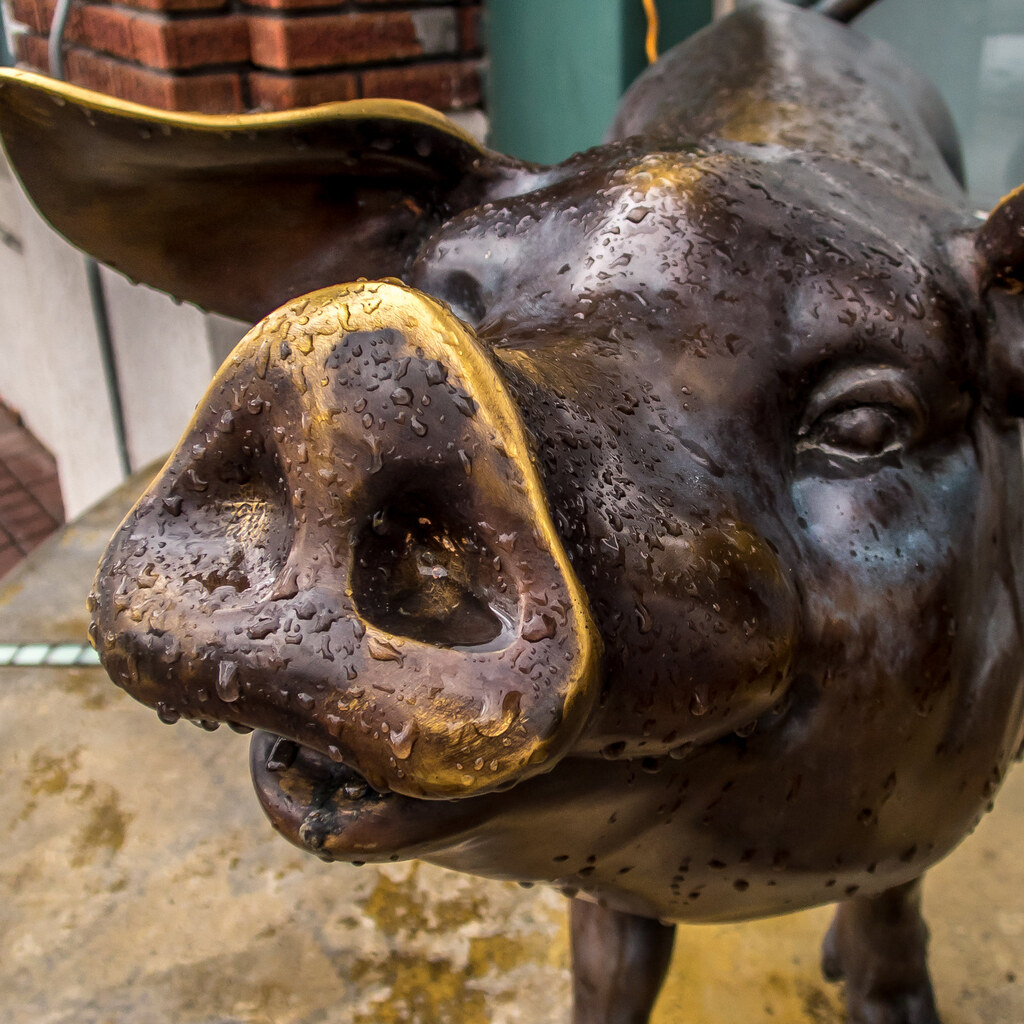
Bronze is a dark metal made from an alloy of copper and tin. Bronze was one of the earliest and most useful metals discovered by mankind. It was harder than copper, stone or wood and could be made into weapons, containers and tools.
Bronze is still widely used today to make statues, door handles and jewelry.
Bronze is still widely used today to make statues, door handles and jewelry.
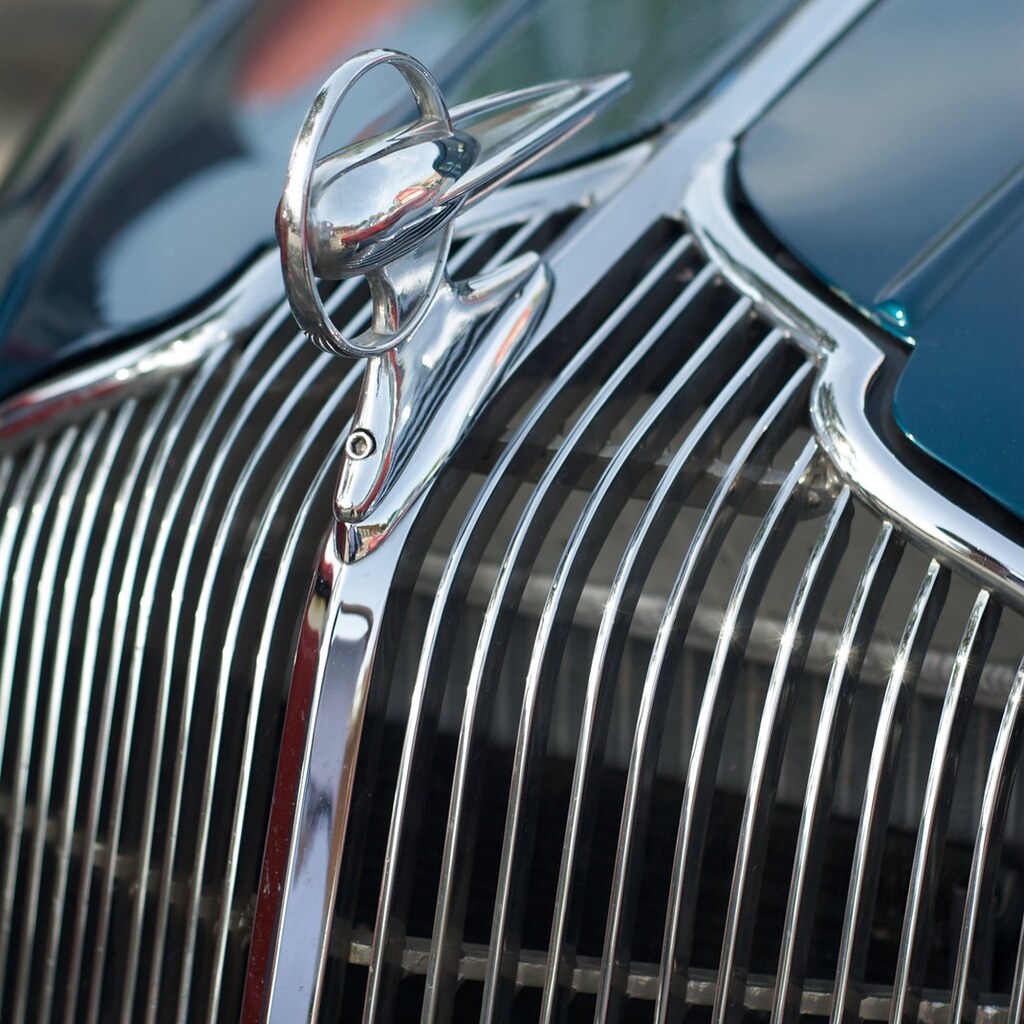
Chrome, or chromium, is a hard, very shiny metal that doesn't easily tarnish or corrode. It is most commonly used for plating things with a very thin coat of chrome to give them a decorative shiny finish.
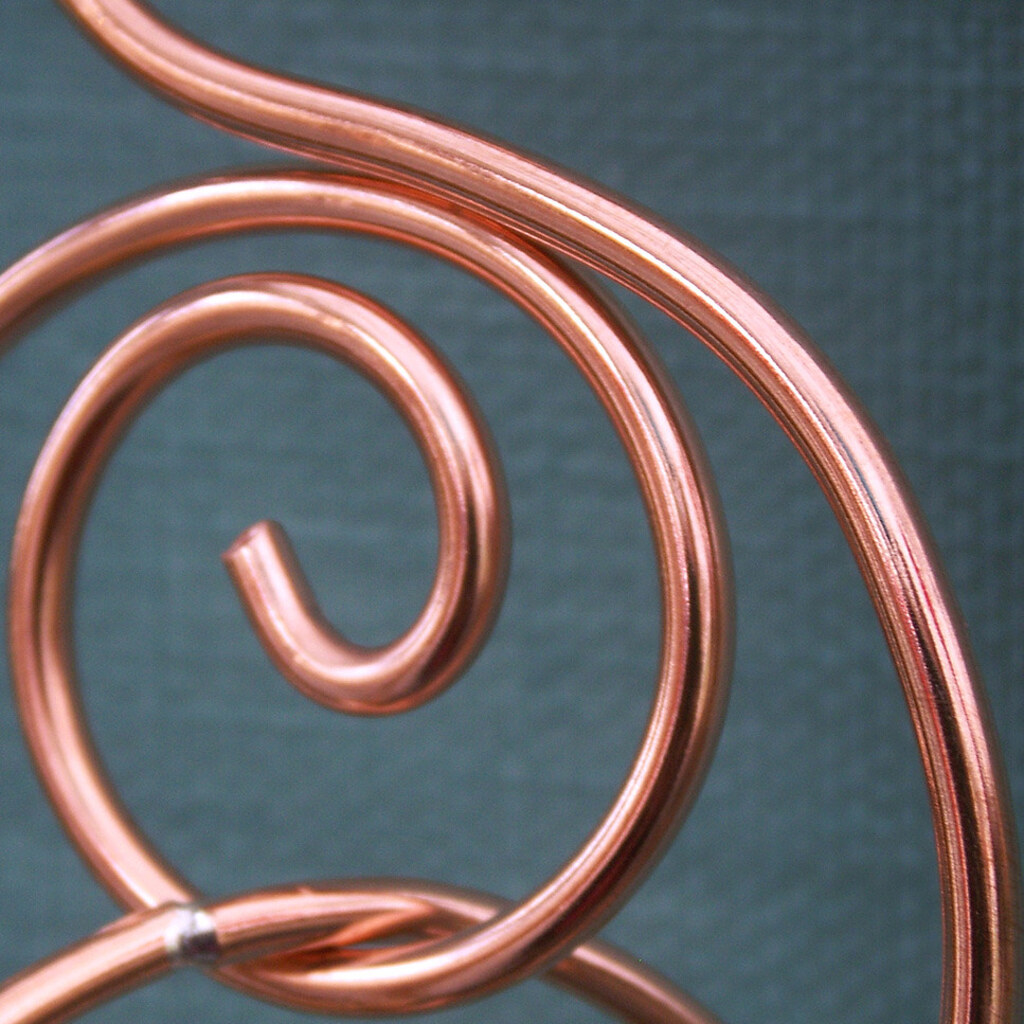
Copper is a common, reddish-coloured metal that is used for electrical wiring, and mixed with other metals into alloys like brass and bronze. Copper is an extremely good conductor of electricity.
Oxides of copper are blue and green, and have been used to colour paints and glaze pots for thousands of years.
Oxides of copper are blue and green, and have been used to colour paints and glaze pots for thousands of years.
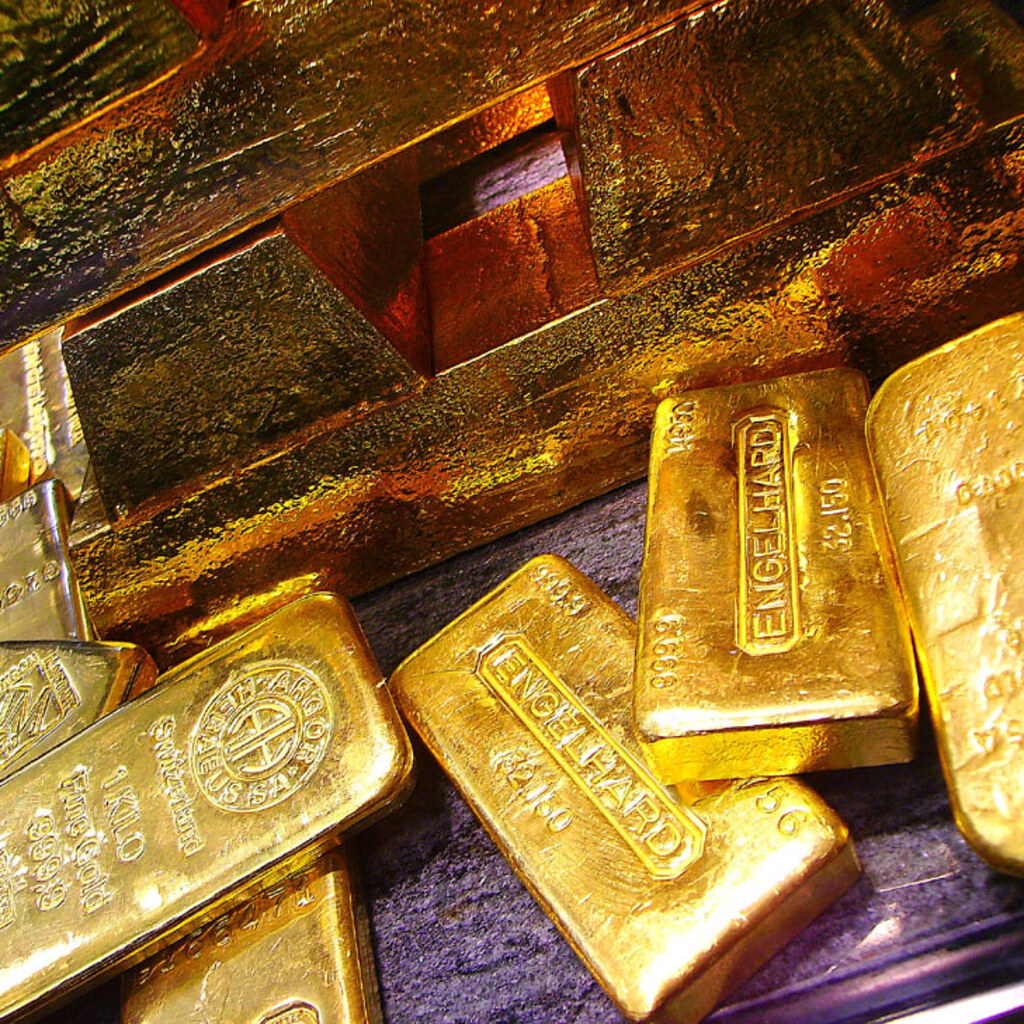
Gold is a heavy, soft, yellow metal that is easy to work with. It is the softest metal, and is very dense, much denser than lead.
Gold is very stable and is used to coat other more reactive metals to protect them, but its primary use is in jewelery. Pure gold is too soft to make jewelery out of, and is usually mixed with silver, copper and other metals.
Gold is very stable and is used to coat other more reactive metals to protect them, but its primary use is in jewelery. Pure gold is too soft to make jewelery out of, and is usually mixed with silver, copper and other metals.
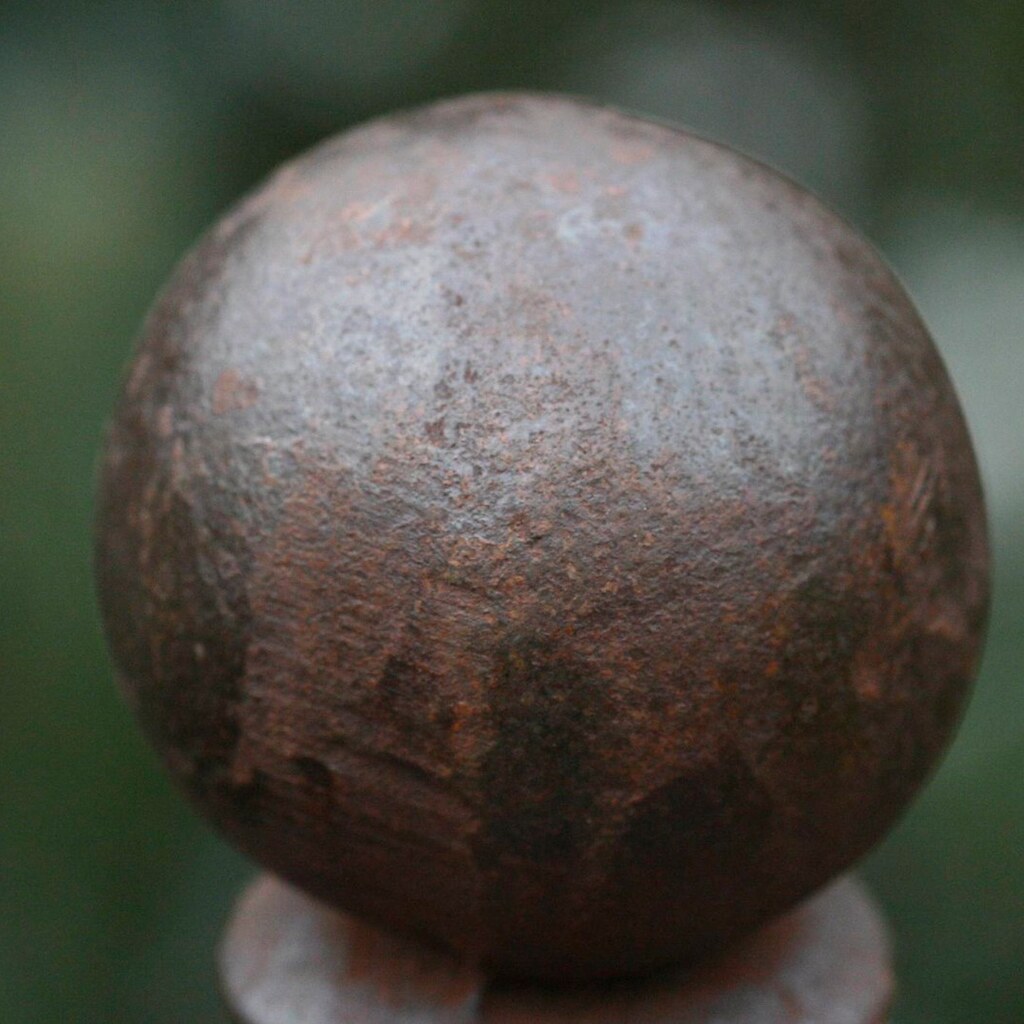
I is for Iron (Metal)
Iron is also the name given to a device used to flatten clothes.
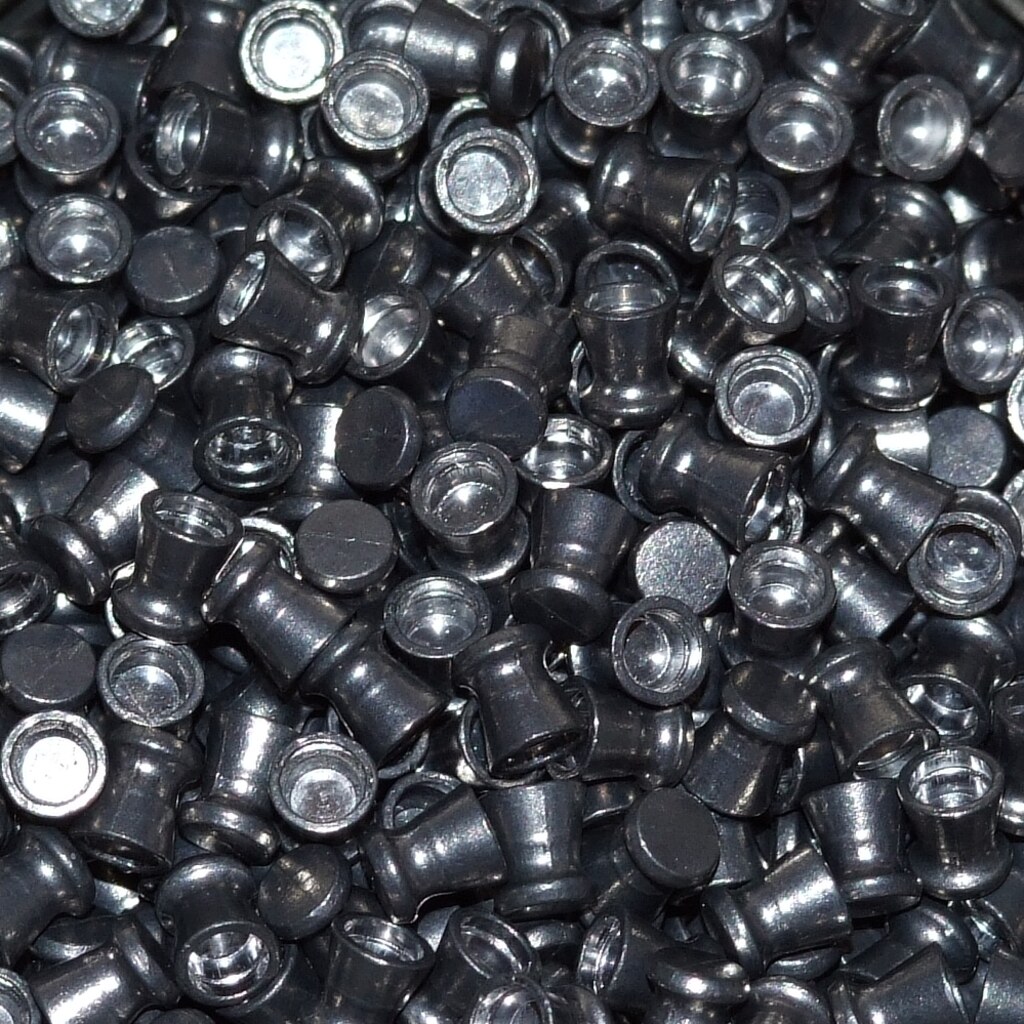
L is for Lead (Metal)
Lead is used in batteries, bullets, solder, pewter and radiation shields.
Lead is a heavy metal like mercury and can accumulate in the body and cause poisoning. Lead poisoning was common in ancient times.
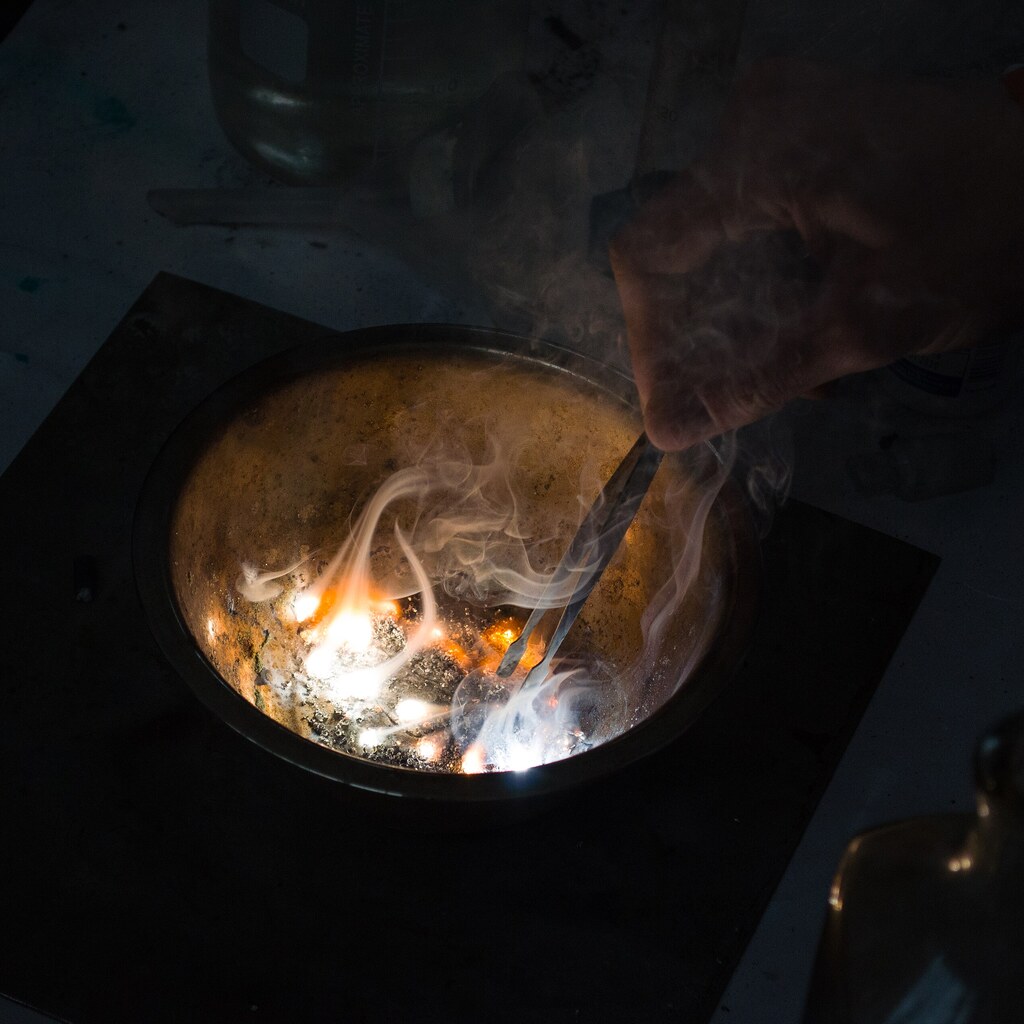

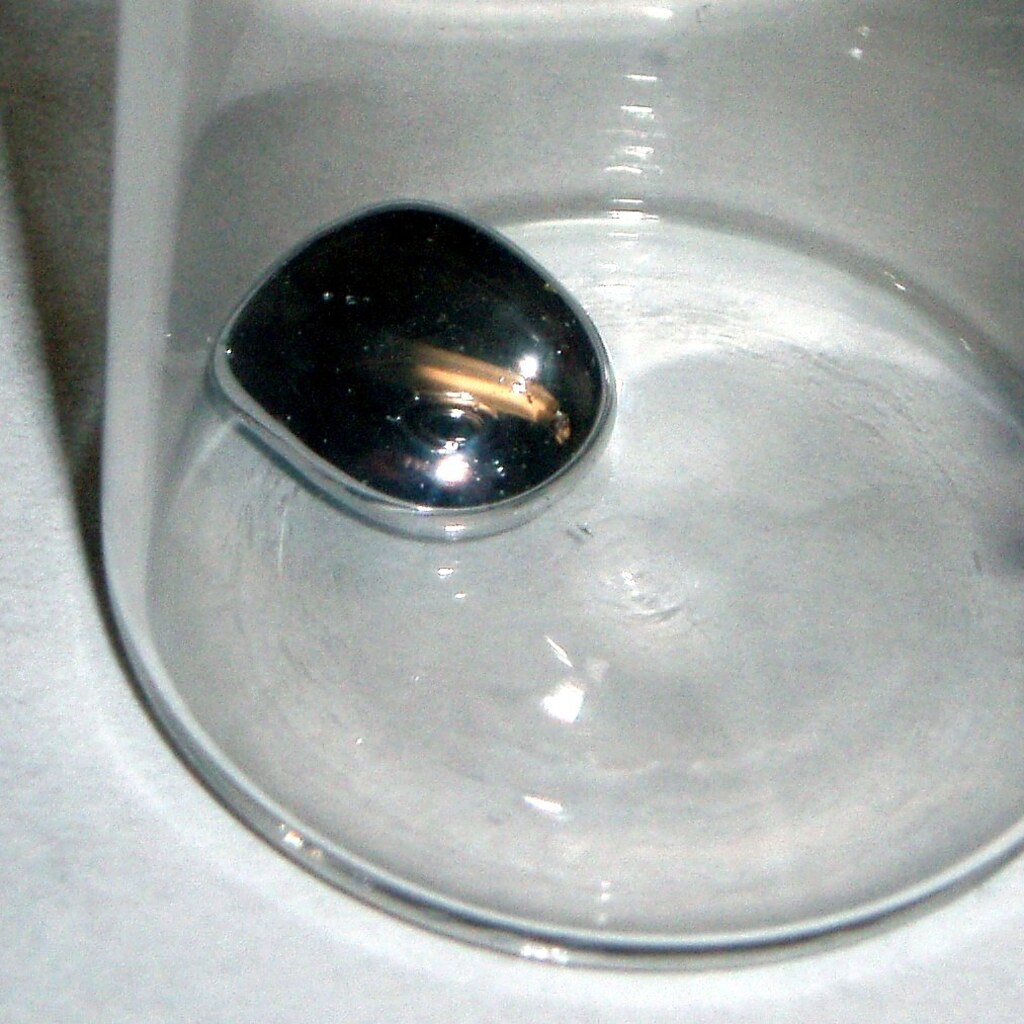
M is for Mercury (Metal)
Mercury is used to dissolve gold in the process of gold mining, it was used in making felt, in older style thermometers, and in dental fillings.

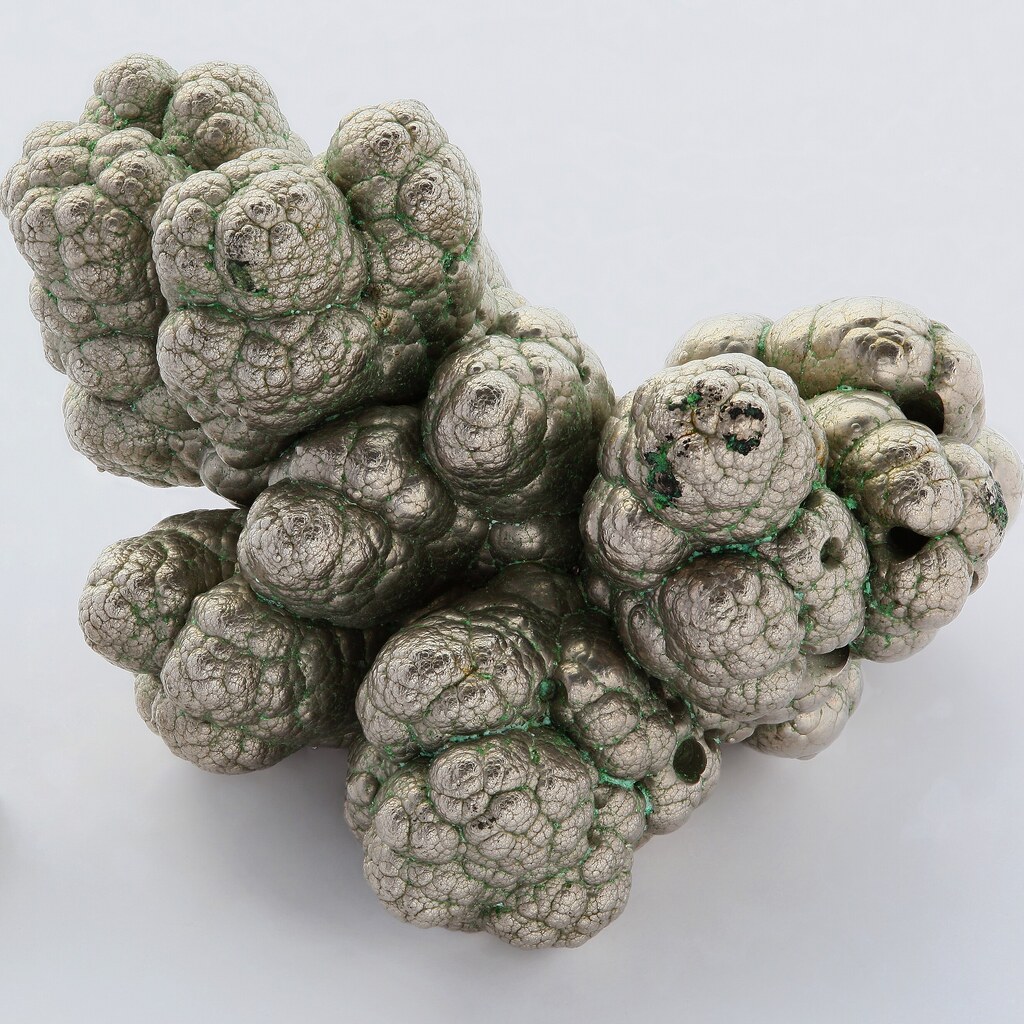
N is for Nickel (Metal)

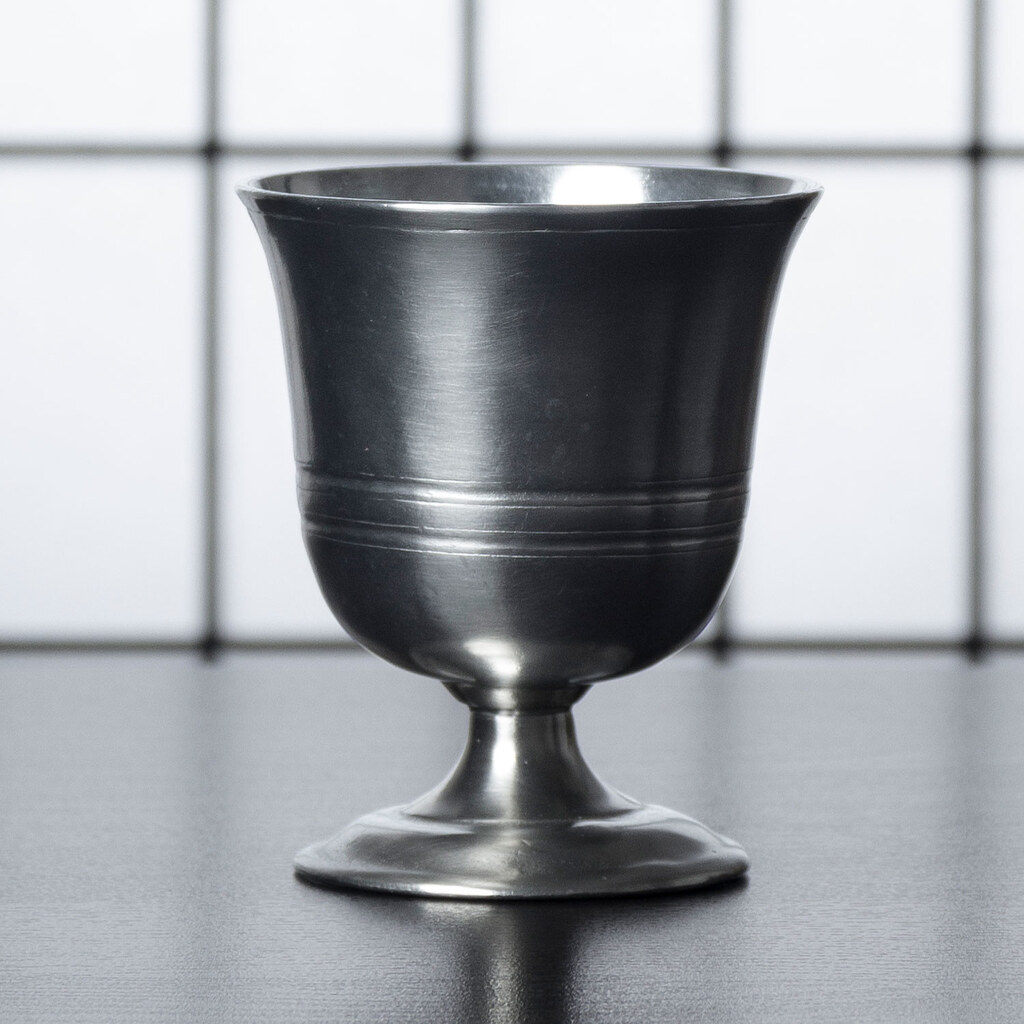
Pewter is a metal alloy made from around 85% tin, and the remainder being antimony, about 1% copper and 4 or more percent lead. It is commonly used for photo frames, vases and decorative mugs. Plates, bowls and cups were all made from pewter before glass and porcelain became more common.
People of ancient cultures used to get lead poisoning partly from eating from pewter plates, and partly from using a lead compound to sweeten their wine.
People of ancient cultures used to get lead poisoning partly from eating from pewter plates, and partly from using a lead compound to sweeten their wine.
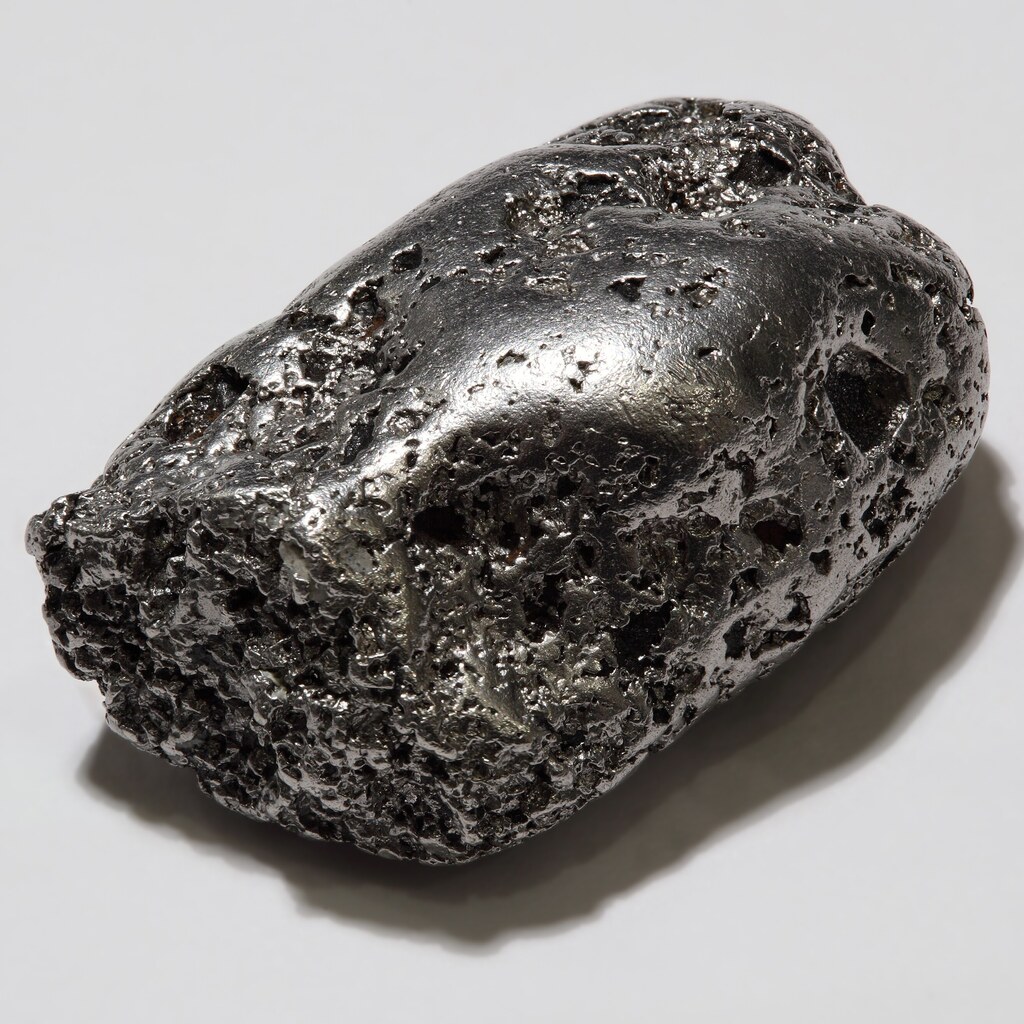
Platinum is a corrosion-resistant precious metal. It is mainly used in jewellery, electronic components and laboratory equipment but it has other uses as varied as the automotive industry and dentistry.

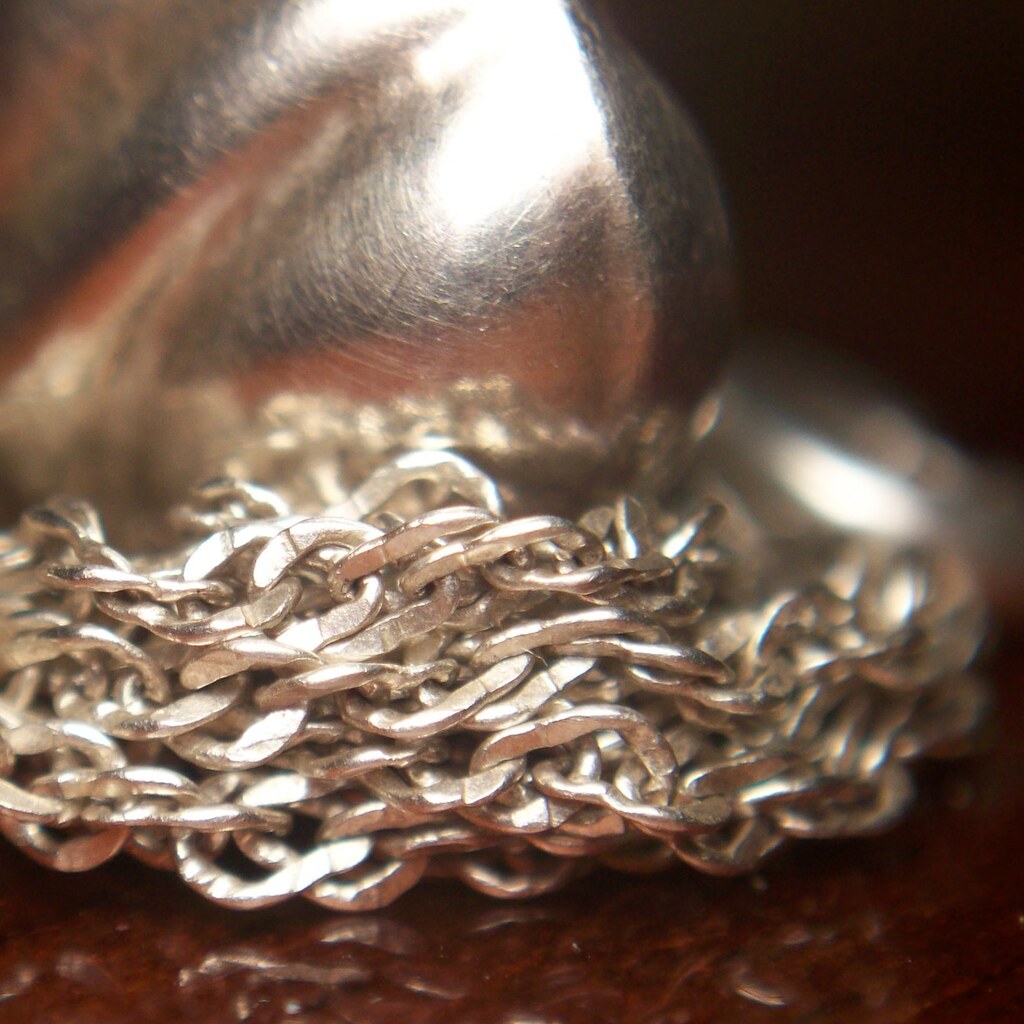
Silver is a soft, shiny metal that can be polished to be highly reflective. It tarnishes easily, however. Silver is very conductive and today is used electrical components. Silver is widely used for making jewellery, and was used for making tableware like knives and fork. As pure silver is so soft, most practical items made from silver are made from an alloy of silver and another metal like copper.
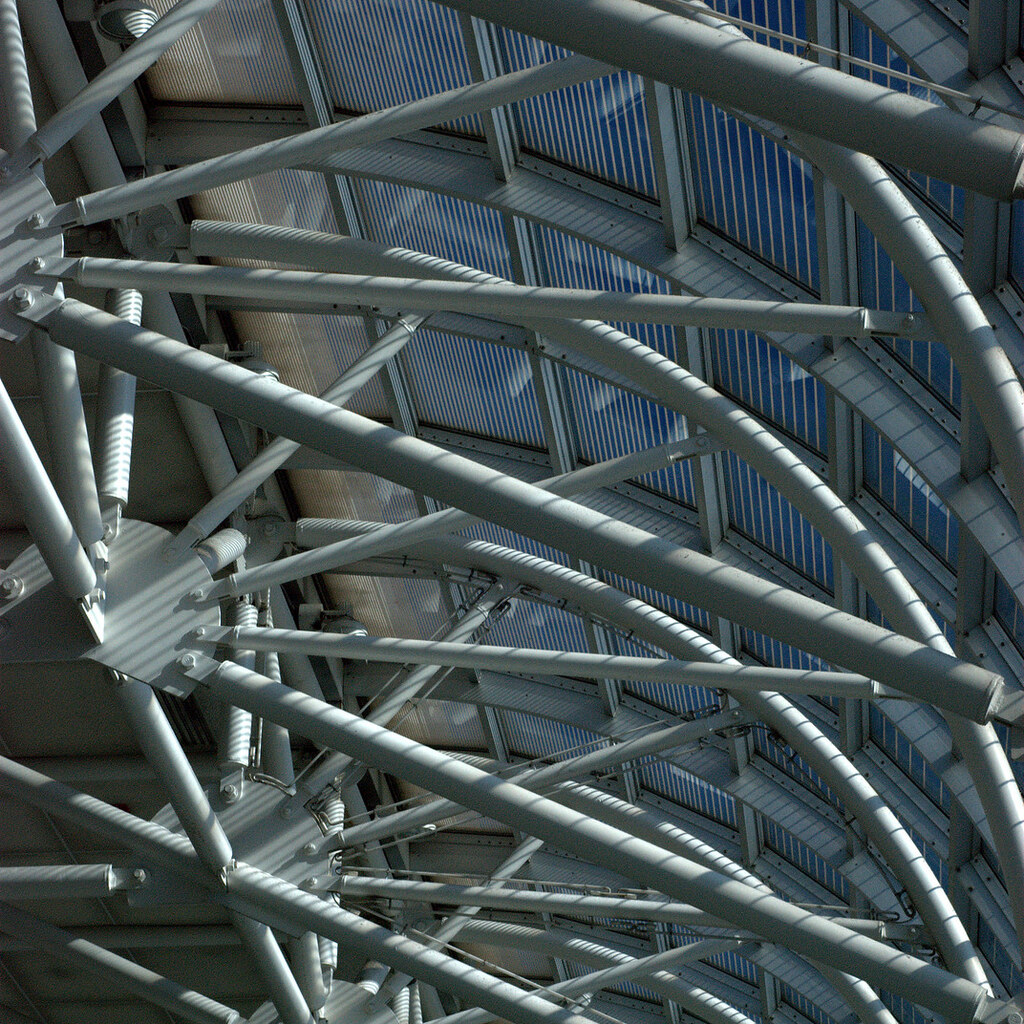
Steel is an alloy of iron and small amounts of carbon, chrome and other metals. Steel is much, much harder than iron and is much more useful for making things out of.
Steel is used heavily in building construction, making land and sea vehicles of all kinds, and many household appliances. Some types of steel can still rust, but surgical and stainless steel are far less prone to rusting.
Steel is used heavily in building construction, making land and sea vehicles of all kinds, and many household appliances. Some types of steel can still rust, but surgical and stainless steel are far less prone to rusting.
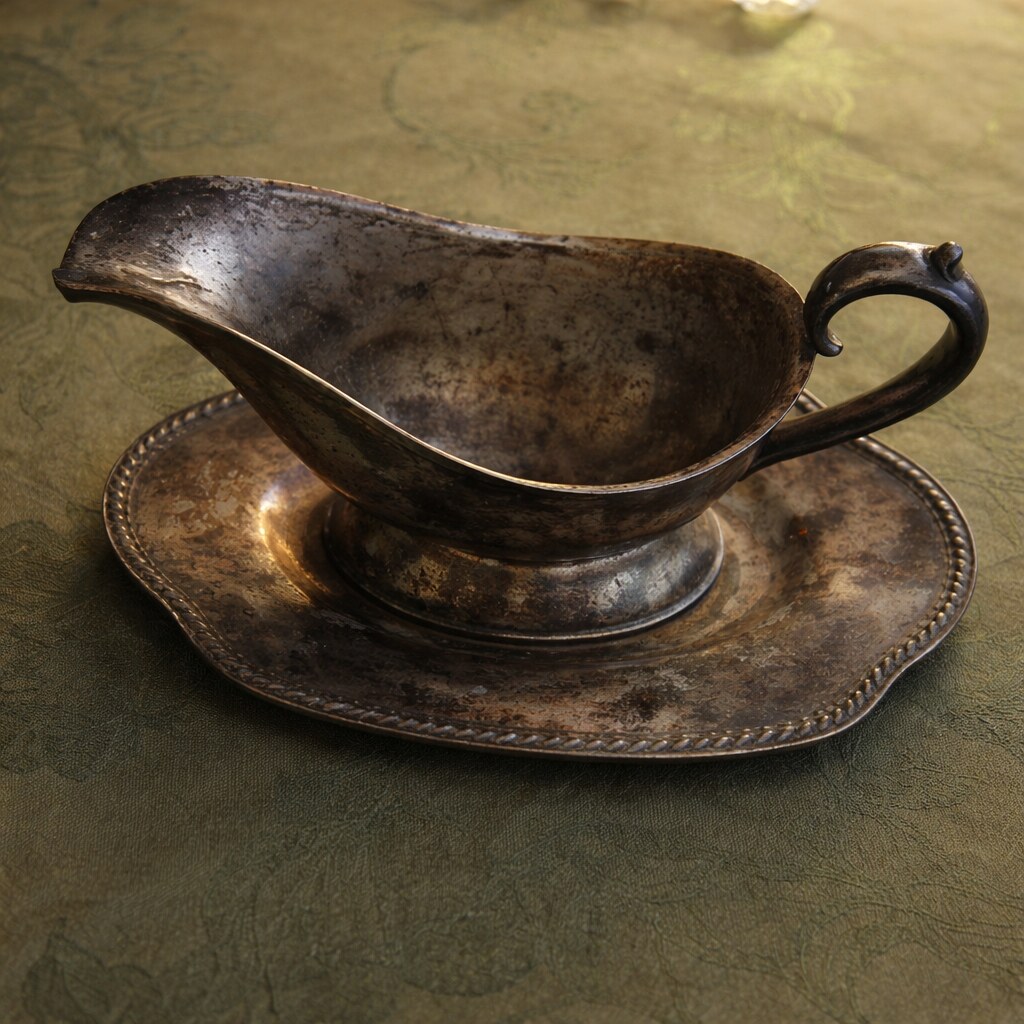
Something made from metal is tarnished if it has a layer of a dull, colored substance on it instead of being bright, shiny and reflective.
Tarnish is a different color on different kinds of metal. silver tarnish is black and copper tarnish is green. Some metals do not tarnish, instead they rust, which can eat away all of the metal over time instead of just leaving a thin coating on the surface.
Tarnish is a different color on different kinds of metal. silver tarnish is black and copper tarnish is green. Some metals do not tarnish, instead they rust, which can eat away all of the metal over time instead of just leaving a thin coating on the surface.