up to Letter

Words that start with T

Ten terrified turtles went traipsing through the turnips in Tennessee.

Showing 301-320 of 341

Tis forTuft

A tuft is a small bundle of something soft and fluffy, like hair, feathers or even fine grass.
Tufts tend to be formed with one end of the tuft all in one place, and the other end of the tuft loosely spread out.

Tis forTug

When you tug on something, you pull very hard to move it.
A tug of war is when two groups of people pull on opposite ends of a length of rope. The winning team is the one that pulls it furthest in their direction. Usually there is a marker in the middle of the rope so you can tell how far the teams have come. Sometimes there is something like a pool of water or mud in the middle so the losing team falls in.

Tis forTulip

A tulip is a flower with a distinctive shape that grows from a bulb. Tulips come in a huge variety of colours and patterns, and are grown to be used as a cut flower.
Tulips usually flower in spring. They should be planted in autumn. Tulips will tolerate very cold climates. You can grow new tulips from offsets, which are small plantlets that bud off from the sides of the main tulip bulb.
A tumbleweed is any plant that grows to be a ball shape, and when it is fully grown it dies, dries out, and breaks off from its roots. The dry tumbleweed is then blown along by the wind, bouncing along until it gets stuck on something like a fence. Tumbleweeds lose their seeds as they tumble along, which spreads the plant.

Tis forTummy

Tummy or belly is a slang word for the part of your body where your stomach is.

Tis forTuna

Tuna is a type of large, carnivorous saltwater fish. The tuna in the picture is around 8 feet long. They are a very popular fish for eating. Meat from tuna is commonly sold in cans. Fresh tuna meat is popular in sushi and sashimi, and fresh tuna can be cooked as steaks.

Tis forTundra

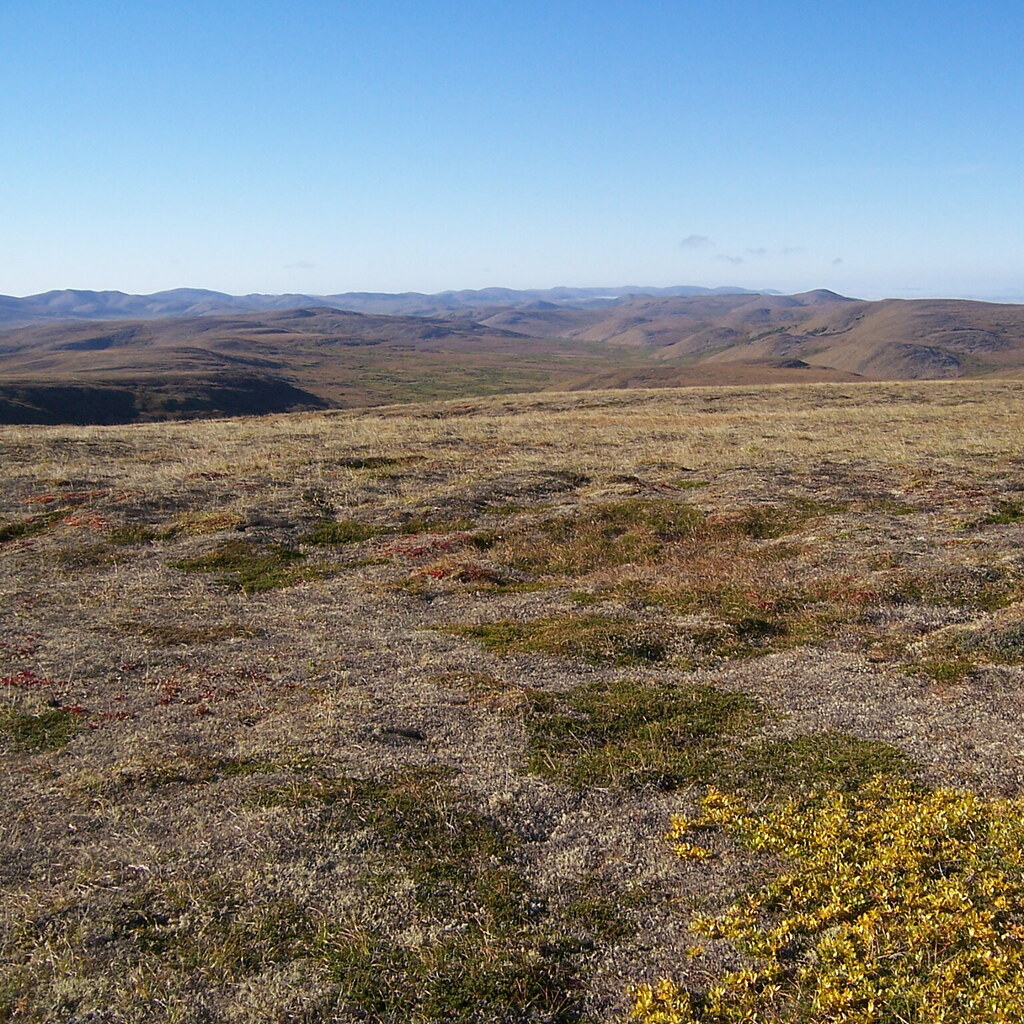
Tundra describes the landscape you find in very cold areas of the world. There are generally very few plants growing in tundra, other than lichen, moss and small plants.
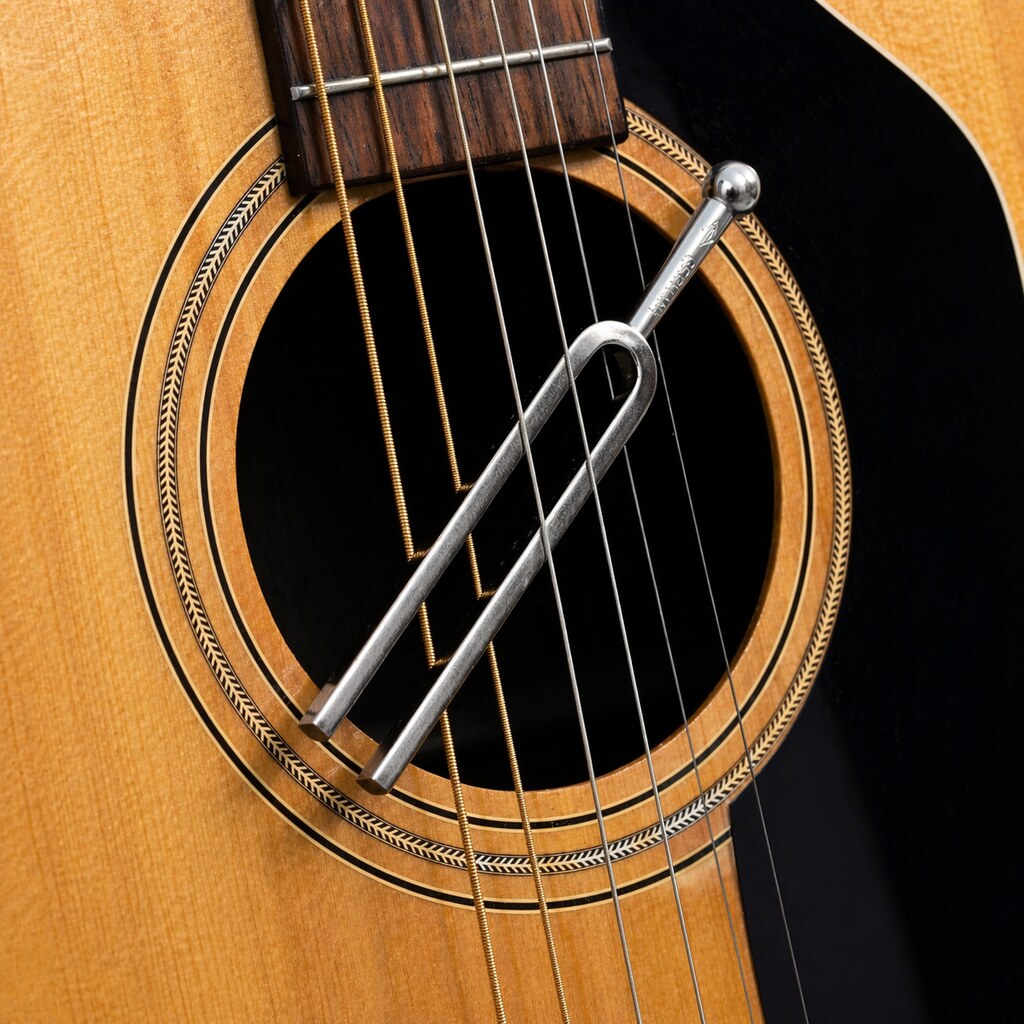
A tuning fork is a specially shaped piece of metal that rings with a certain musical note when it is hit. Tuning forks are used to tune musical instruments to.

Tis forTunnel

A tunnel is a long hole that opens at both ends. Tunnels are used to get places underground. They can be so small only a person or small animal can fit through them, or they can be big enough for trucks or trains to drive through.

Tis forTurban

A turban is a garment you wear on your head that is made from one long piece of cloth wrapped around your head. For some people, it is a religious garment.

Tis forTurf

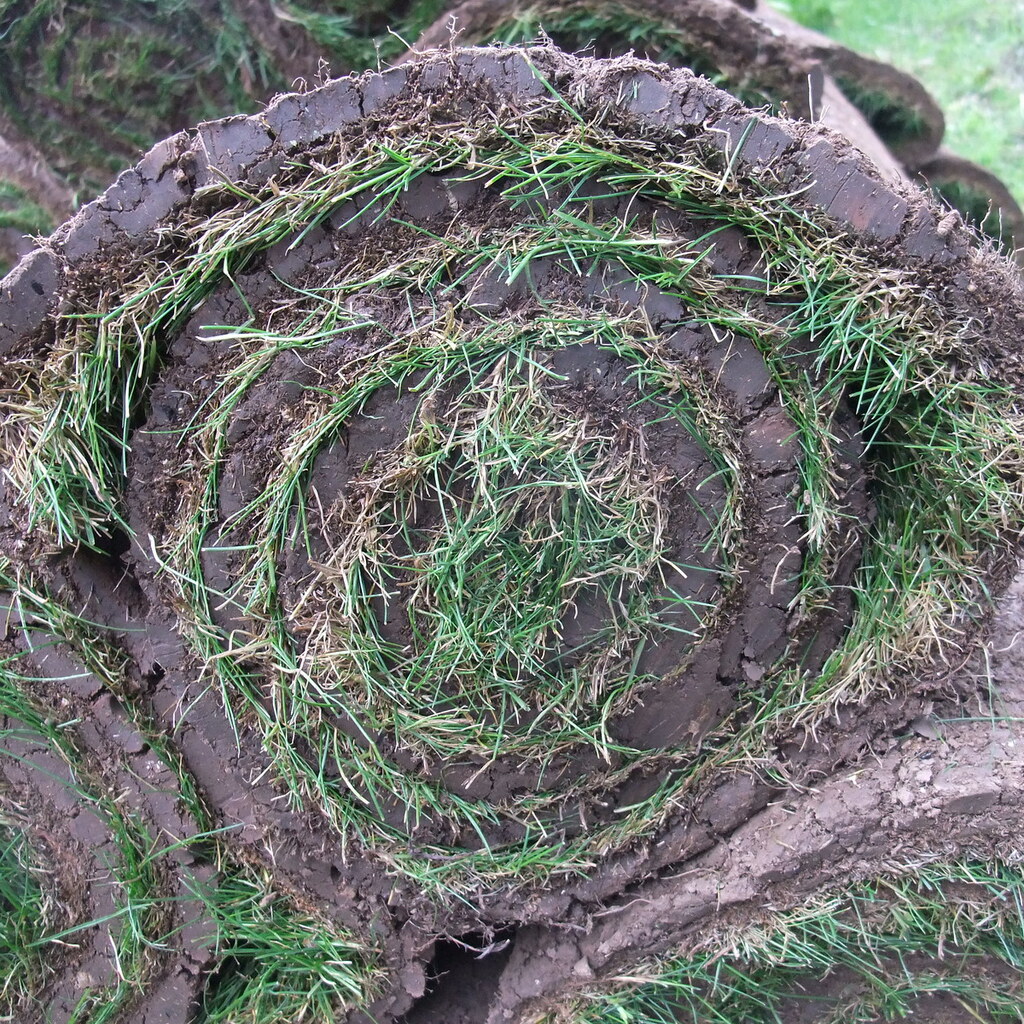
Turf is the matted layer that grass makes as it grows. Turf can be removed from the ground, rolled up and put into someone's garden as an instant lawn.
Turkeys are a large bird originally from the forests of North America. They are usually kept on farms and bred for their meat.
Turkeys are eaten roasted on the Thanksgiving holiday.
You might also be interested in the country of Turkey.

Tis forTurkish

Turkish describes anything relating to the country of Turkey, or the language spoken in Turkey.
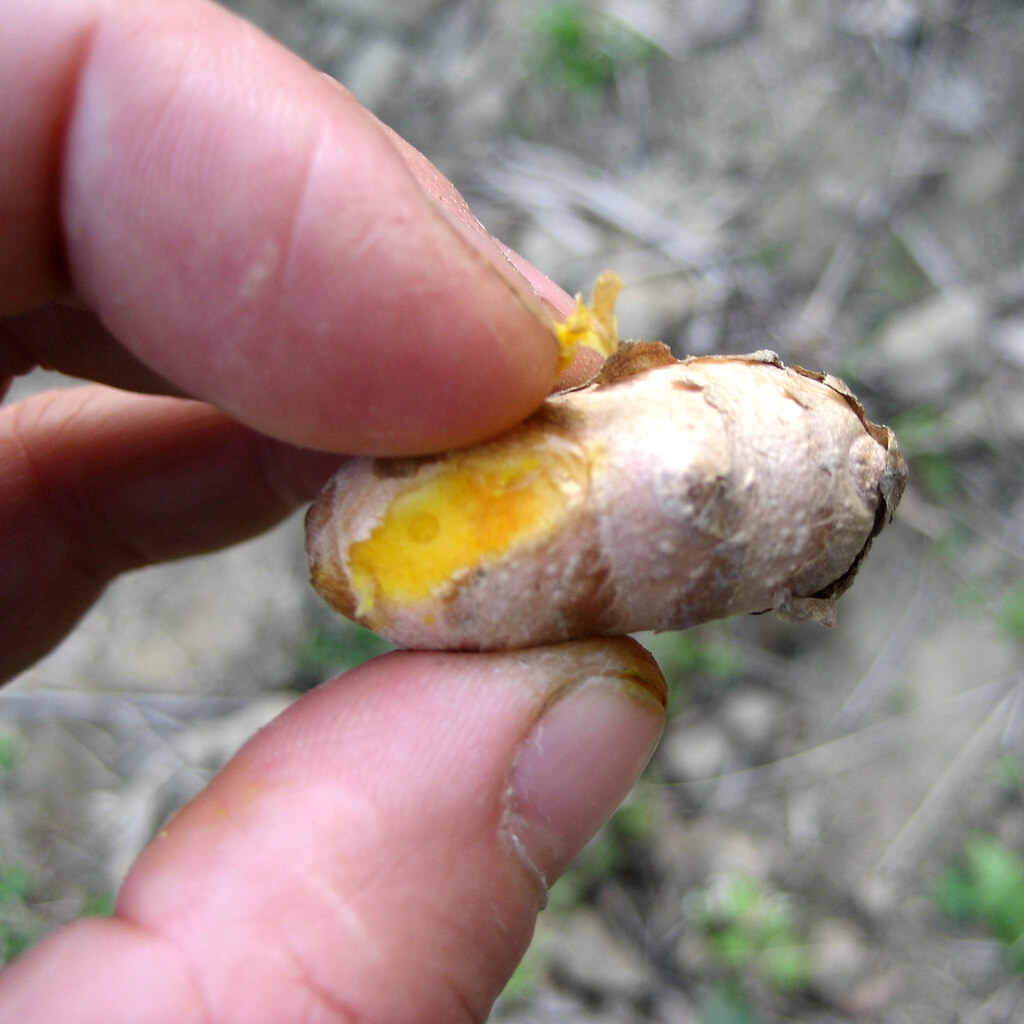
Tis forTurmeric

Turmeric is a spice made from the root of a plant related to ginger. It is usually sold dried and powdered. It has a slightly peppery flavor, but is mainly used for its bright yellow color.

Tis forTurn

You turn when you change direction. The boat in the picture is turning right.

Tis forTurned

Turned is the past tense of turn.

Tis forTurnip

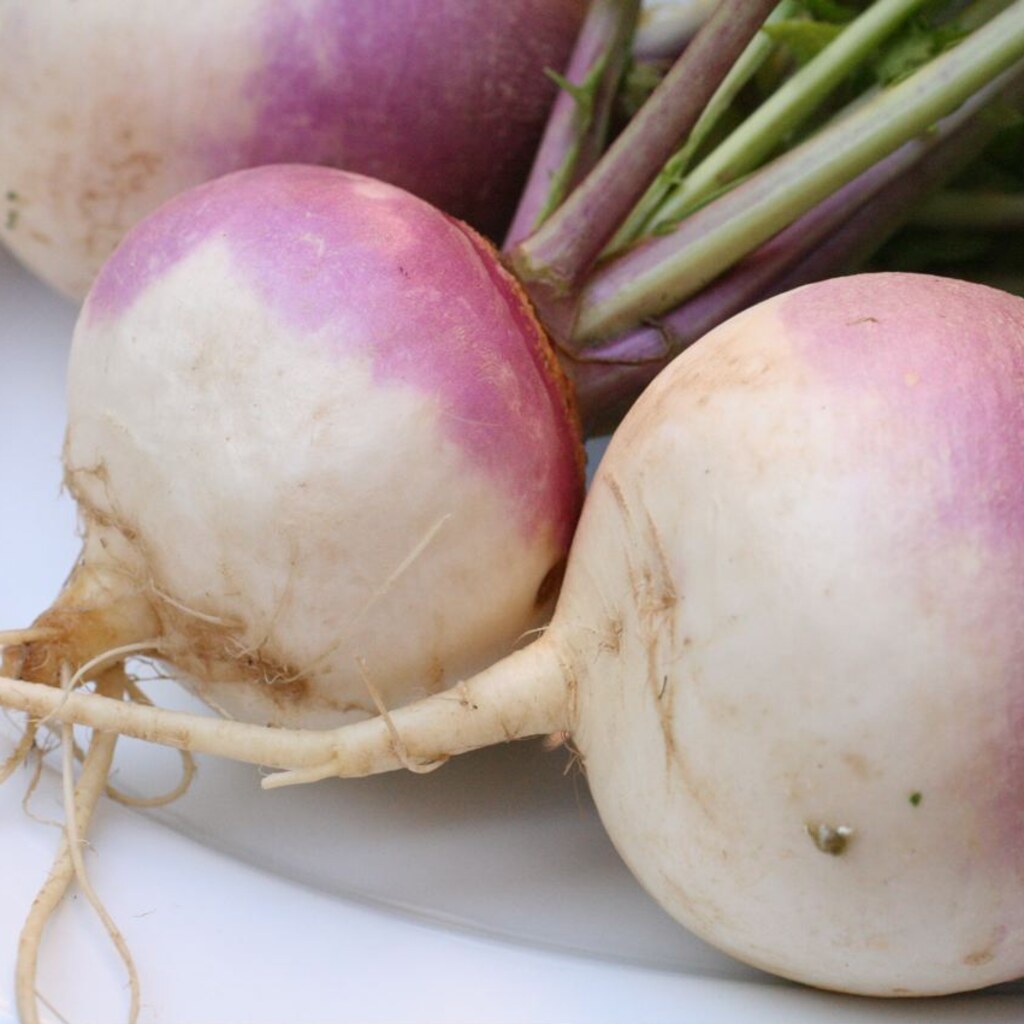
A turnip is an edible root vegetable. Turnips are quite hard, and are usually used in soups, stews or mashed. Turnips are a member of the cabbage family.
Turquoise is a blue-green mineral that is a compound of aluminium, copper and hydrous phosphate.
Turquoise has been used for thousands of years in jewellery and for other decorations. Turquoise is also used to describe the colour of the stone.

Tis forTurret

A turret is a small tower that starts partway up a building like a castle, rather than starting at ground level. Turrets were originally part of the defensive structure of a castle but have since become decorative components on more recent buildings.