
Showing 1-8 of 8
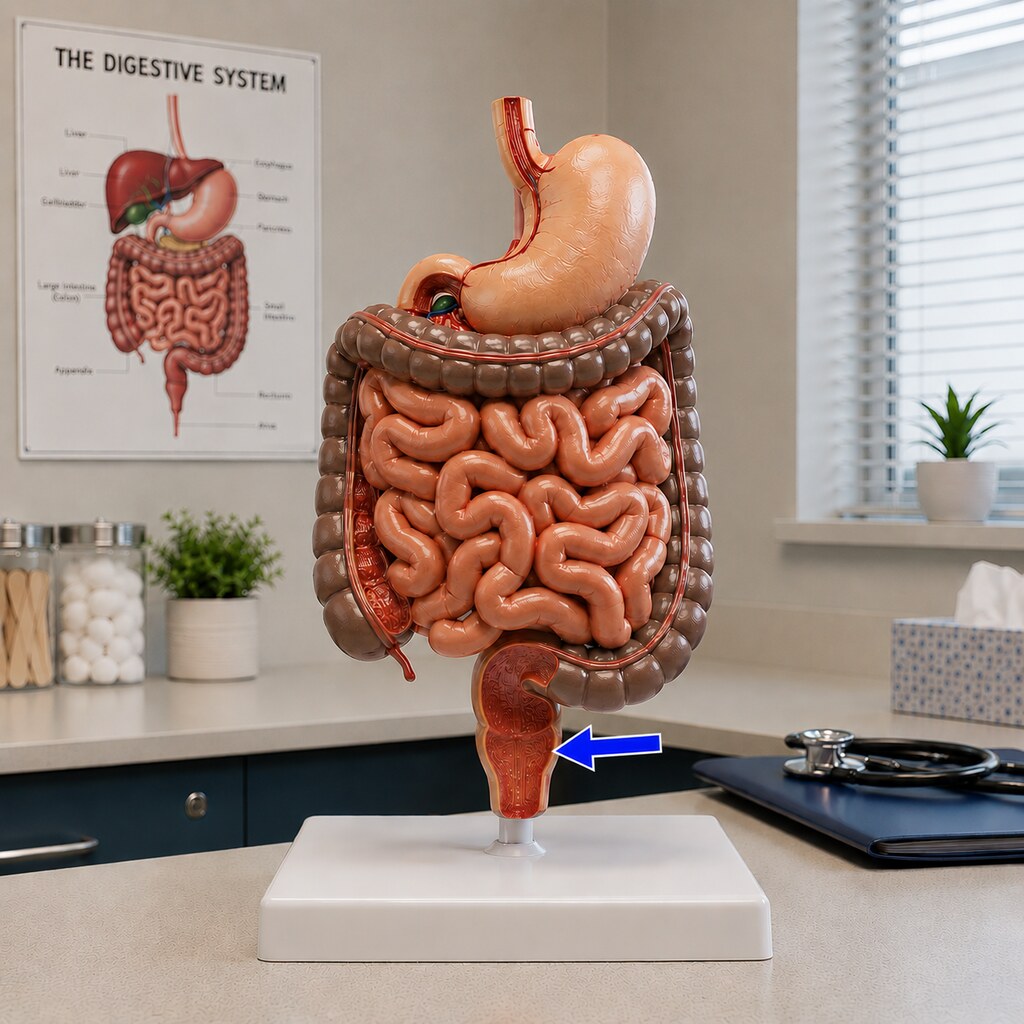
Your rectum is the last section of the large intestine in humans.
The rectum stores solid waste before it leaves the body. Waste moves from the colon into the rectum, then leaves through the anus during a bowel movement.
The rectum stores solid waste before it leaves the body. Waste moves from the colon into the rectum, then leaves through the anus during a bowel movement.
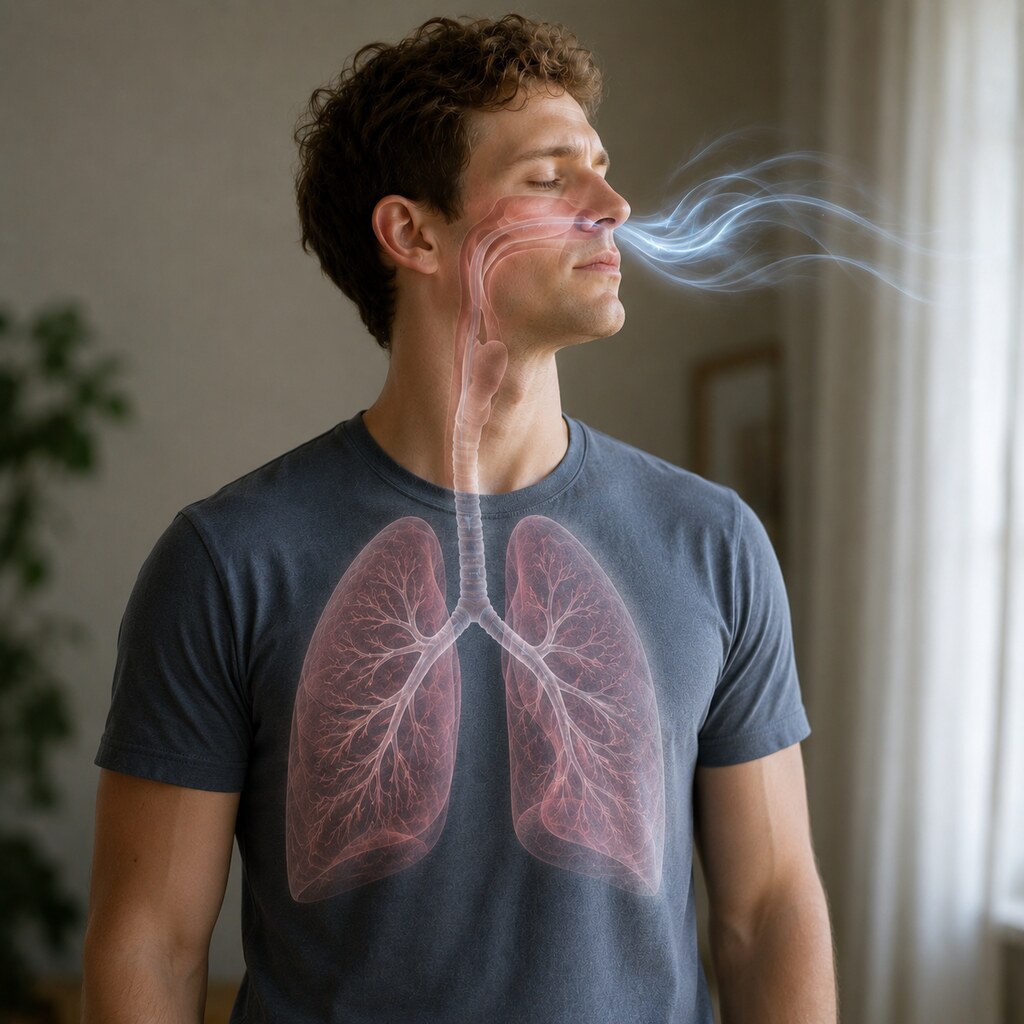
R is for Respiratory tract
It includes the nose, throat, windpipe, and lungs. Air goes in through the nose, then down the windpipe to the lungs. In the lungs, oxygen goes into the blood and carbon dioxide leaves the body when you breathe out.
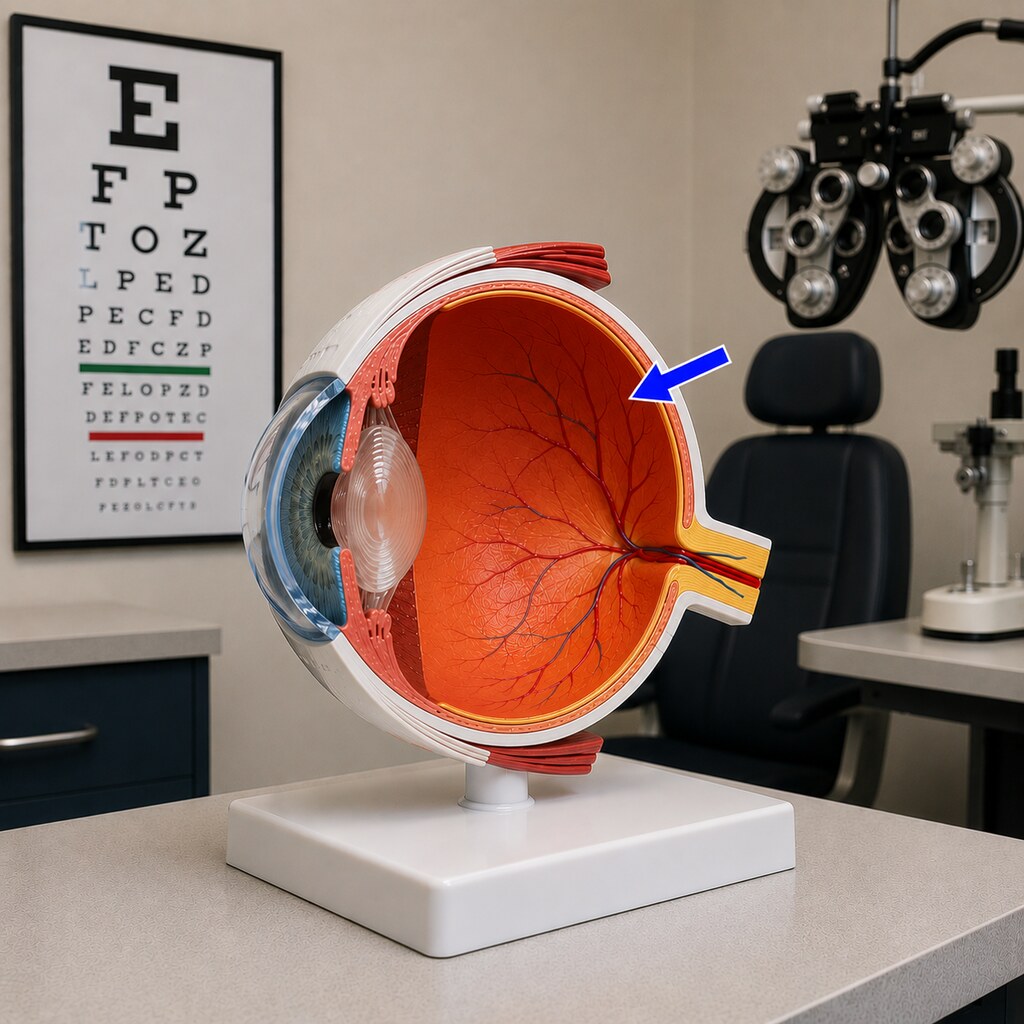
The retina is a thin layer of tissue at the back of the eye. It helps you see by turning light into signals that go into your brain.
The retina is connected to the brain through the optic nerve. When light enters your eye, the retina receives it and sends images as electrical signals. You can find the retina lining the inside surface at the back of each eye.
The retina is connected to the brain through the optic nerve. When light enters your eye, the retina receives it and sends images as electrical signals. You can find the retina lining the inside surface at the back of each eye.
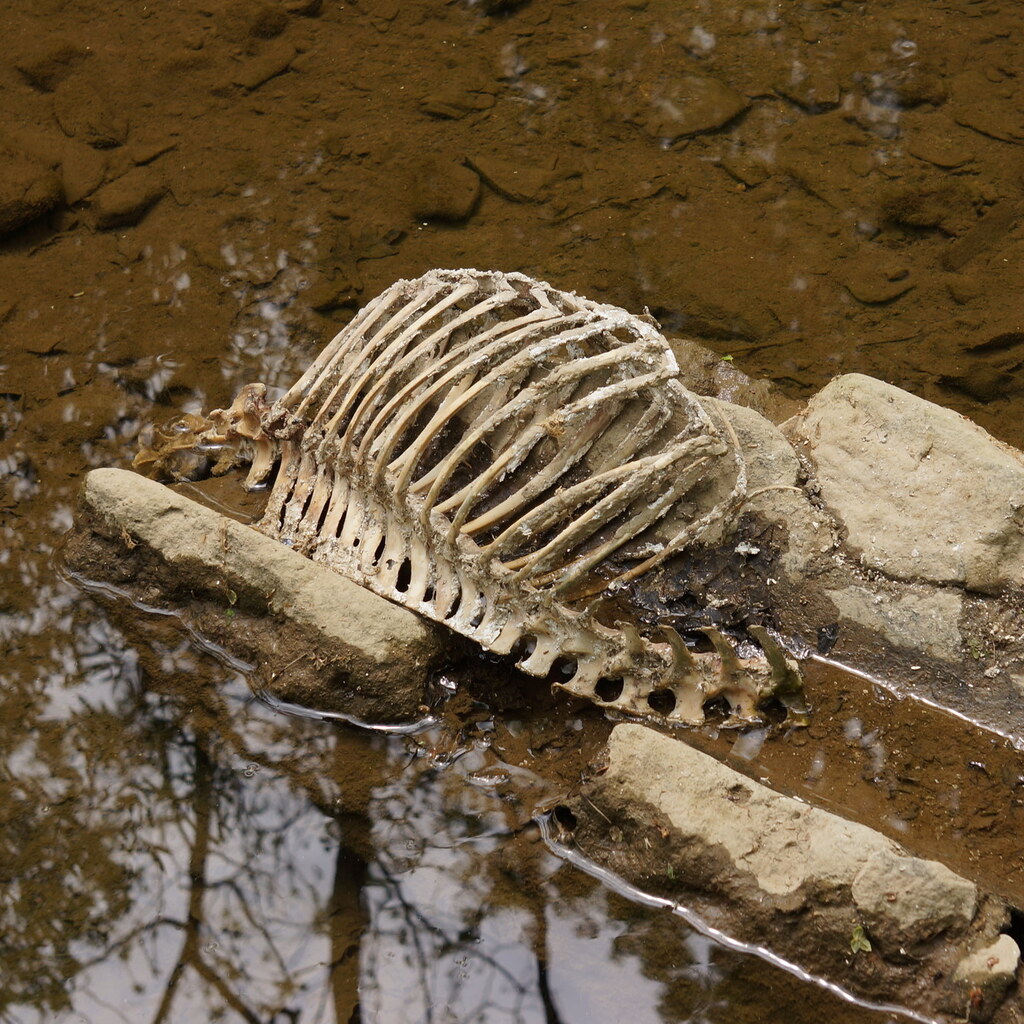
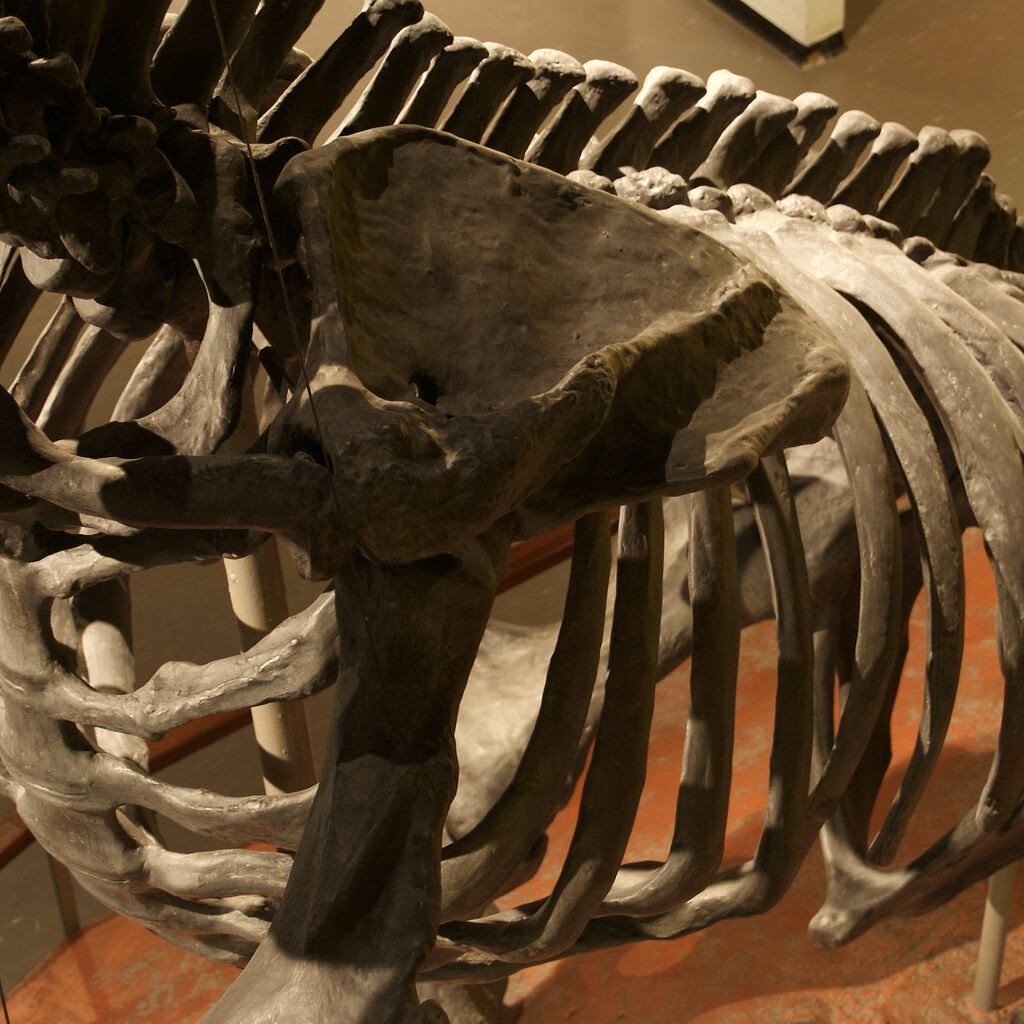
Your ribcage is the bony frame that supports your chest. It helps protect the heart and lungs. You can feel it under the skin on the upper body.
The ribcage is made of ribs, which curve from the spine to the breastbone.
The ribcage is made of ribs, which curve from the spine to the breastbone.

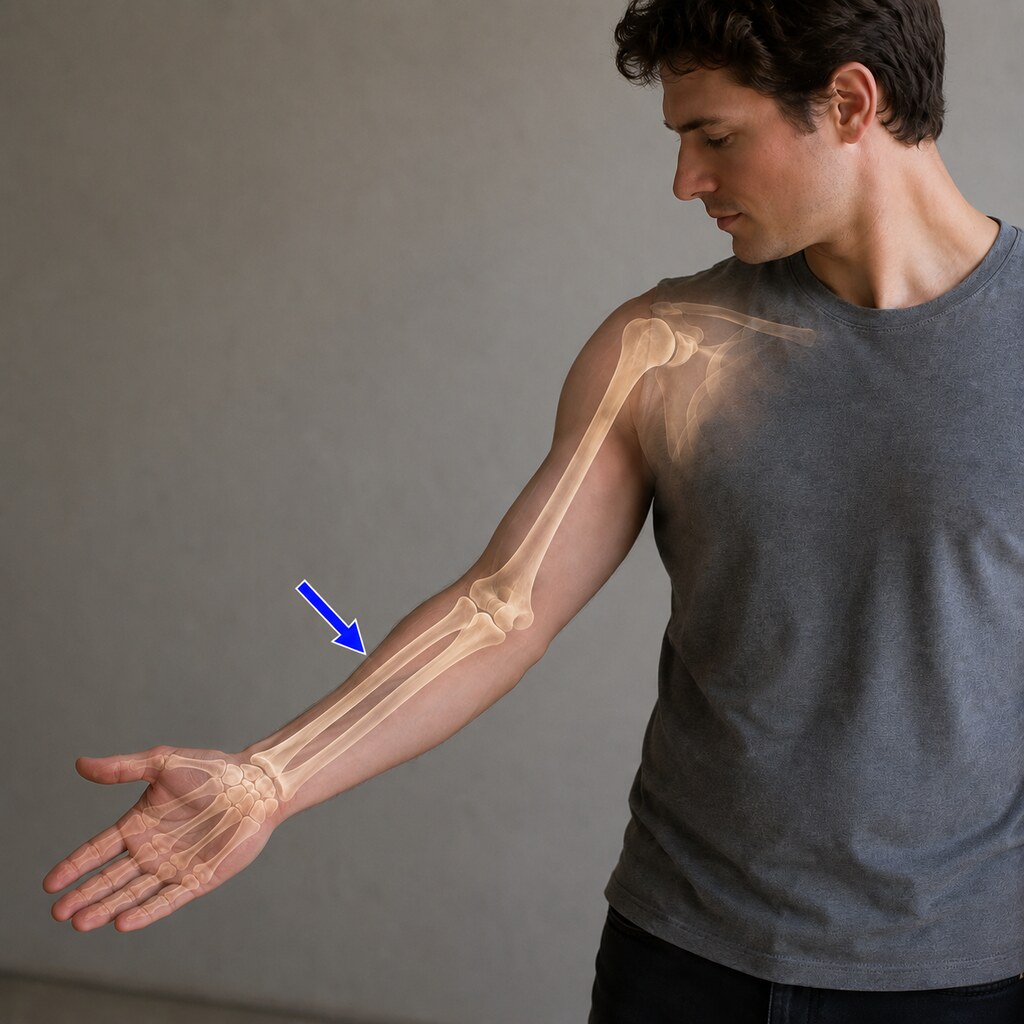
R is for Ring finger
You can find it between the middle finger and the little finger. People often wear wedding bands or other rings on this finger. Wedding rings are worn on the ring finger on your left hand.