
Showing 21-40 of 70
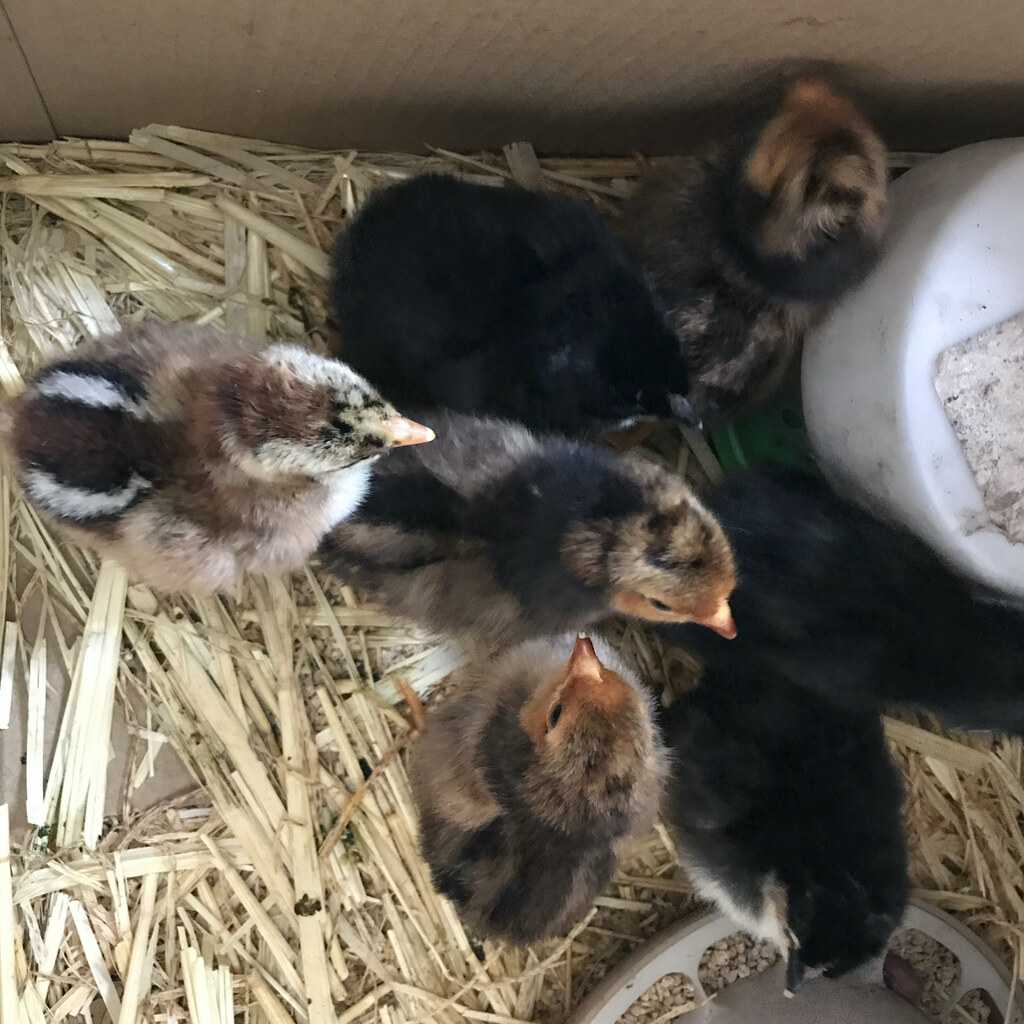
Don't count your chickens before they hatch
The phrase don't count your chickens before they hatch means you should not assume success too early. Plans can change, and results are not certain yet. The saying comes from farming, where out of a clutch of eggs, not every one hatches.She was celebrating already, but I said don't count your chickens before they hatch.
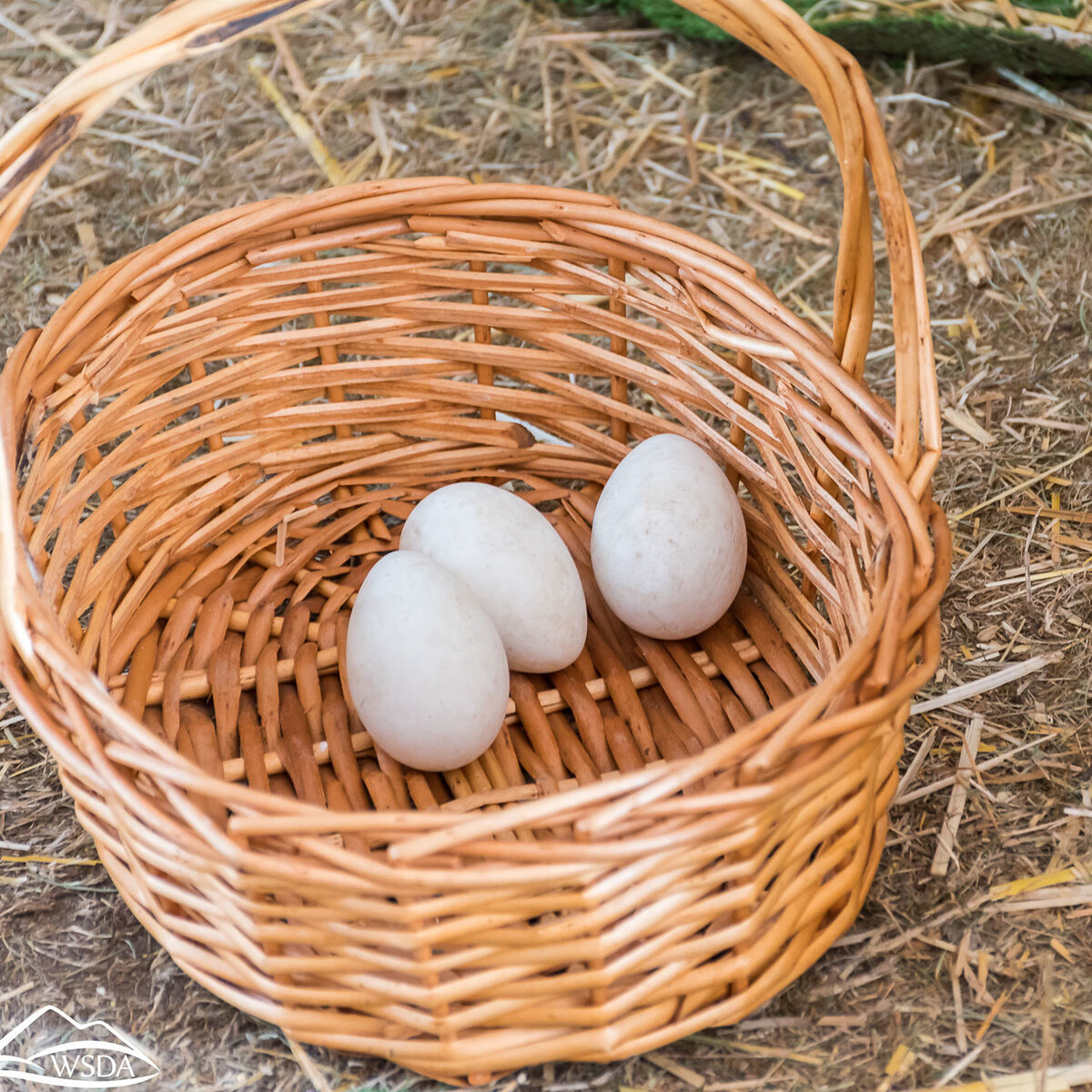
Don't put all your eggs in one basket
The phrase don't put all your eggs in one basket means don't risk everything on one plan - if that plan fails, you could lose everything. If you were carrying eggs in a basket and dropped the basket, all the eggs could break. It has come to mean advice to be open to alternatives, or to diversity investments instead of relying on only one thing.He bought shares in many different companies so he didn't put all his eggs in one basket.

Down a rabbit hole
To go down a rabbit hole means to become deeply involved in something, often following one idea after another until you lose track of time.It comes from the story Alice in Wonderland, where Alice falls down a rabbit hole and enters a strange and confusing world.
I only meant to read one article, but I went down a rabbit hole and spent three hours researching medieval architecture.
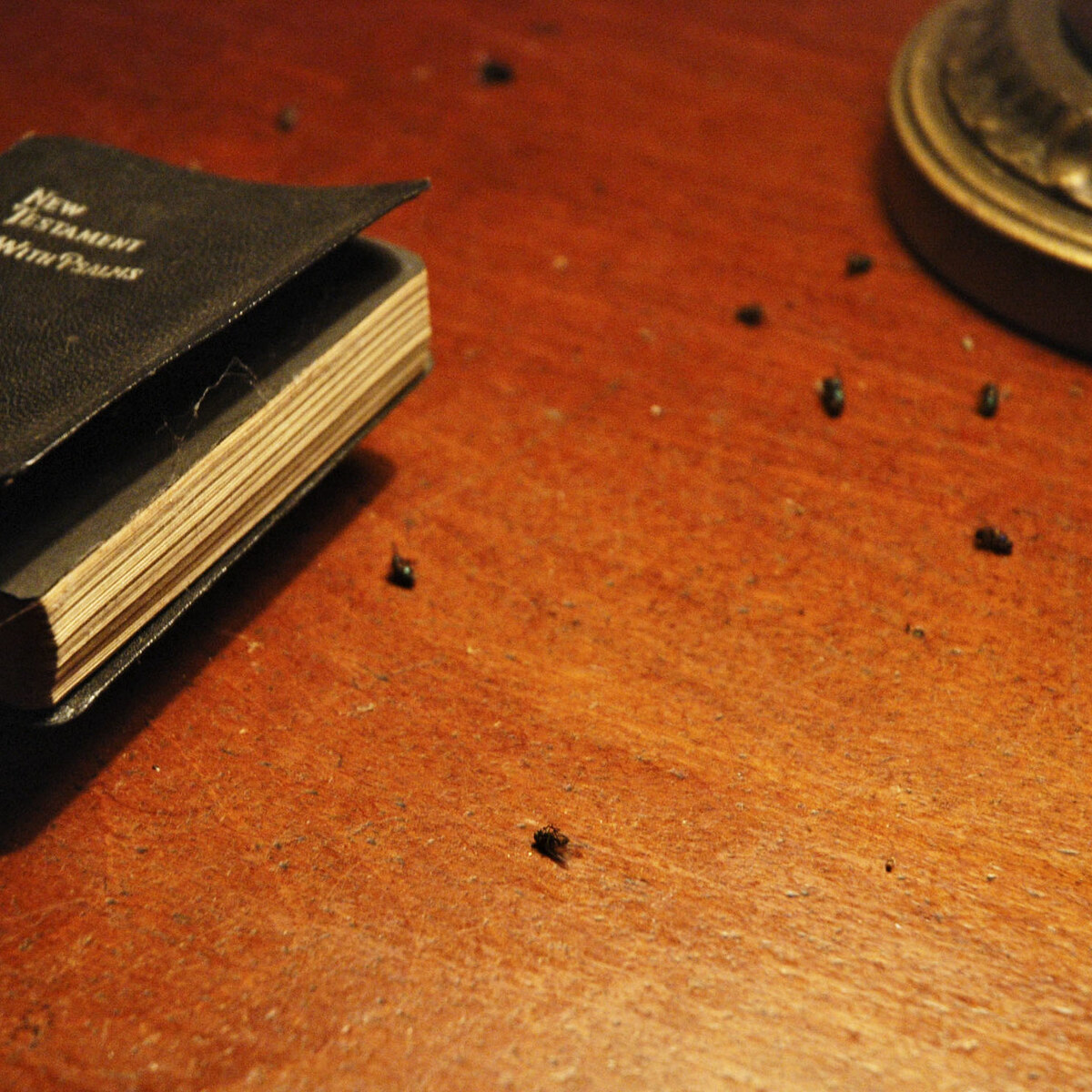
Drop like flies
The phrase drop like flies means many people or things fall or stop working one after another. It is often used for people getting sick or for items breaking quickly. The expression comes from seeing flies fall after being sprayed with insect spray.Half the class caught the flu and started dropping like flies.
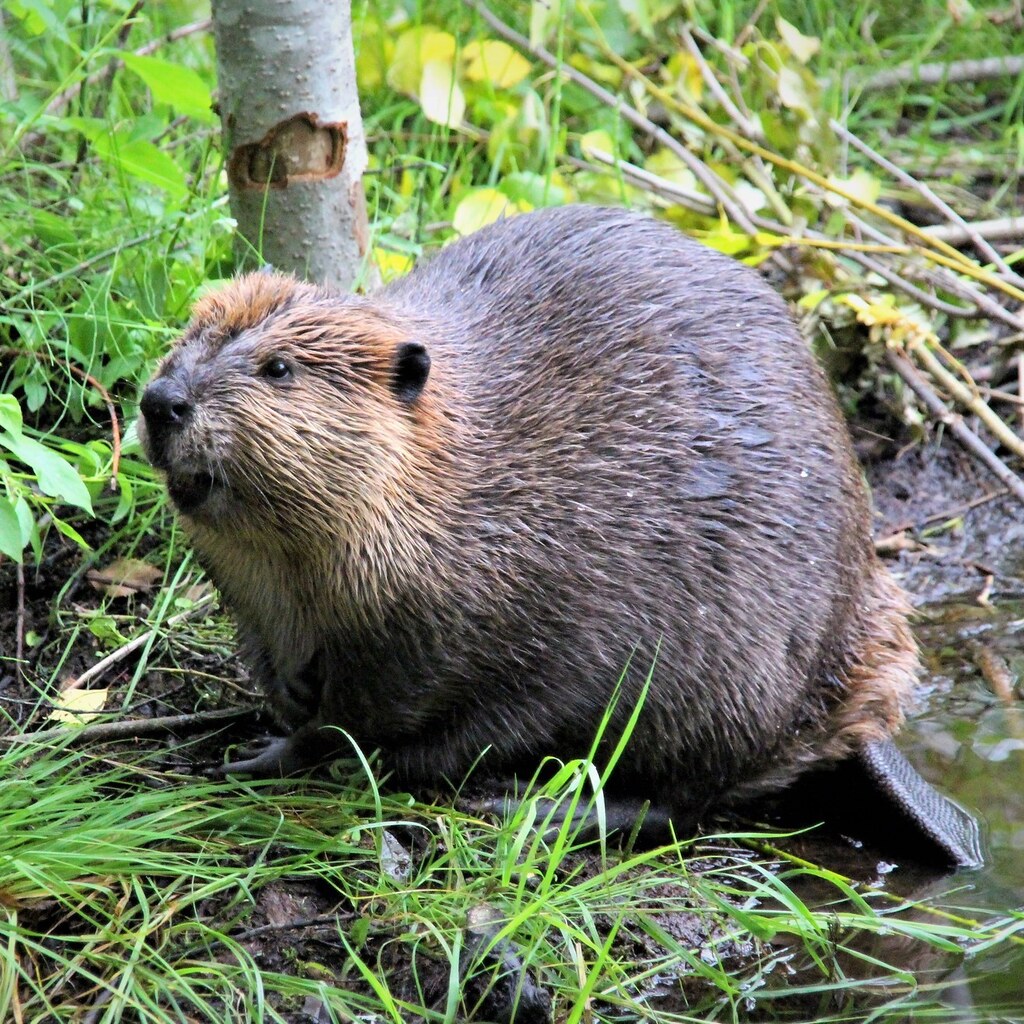
Eager beaver
An eager beaver is a person who is very enthusiastic and ready to work hard, sometimes more than others expect. It is often used for someone who quickly volunteers to help or take on extra tasks.The phrase comes from the beaver, an animal known for working hard to build dams and lodges. Because beavers are seen as busy and industrious, the expression became a way to describe a very eager worker.
She was an eager beaver and finished the project early.
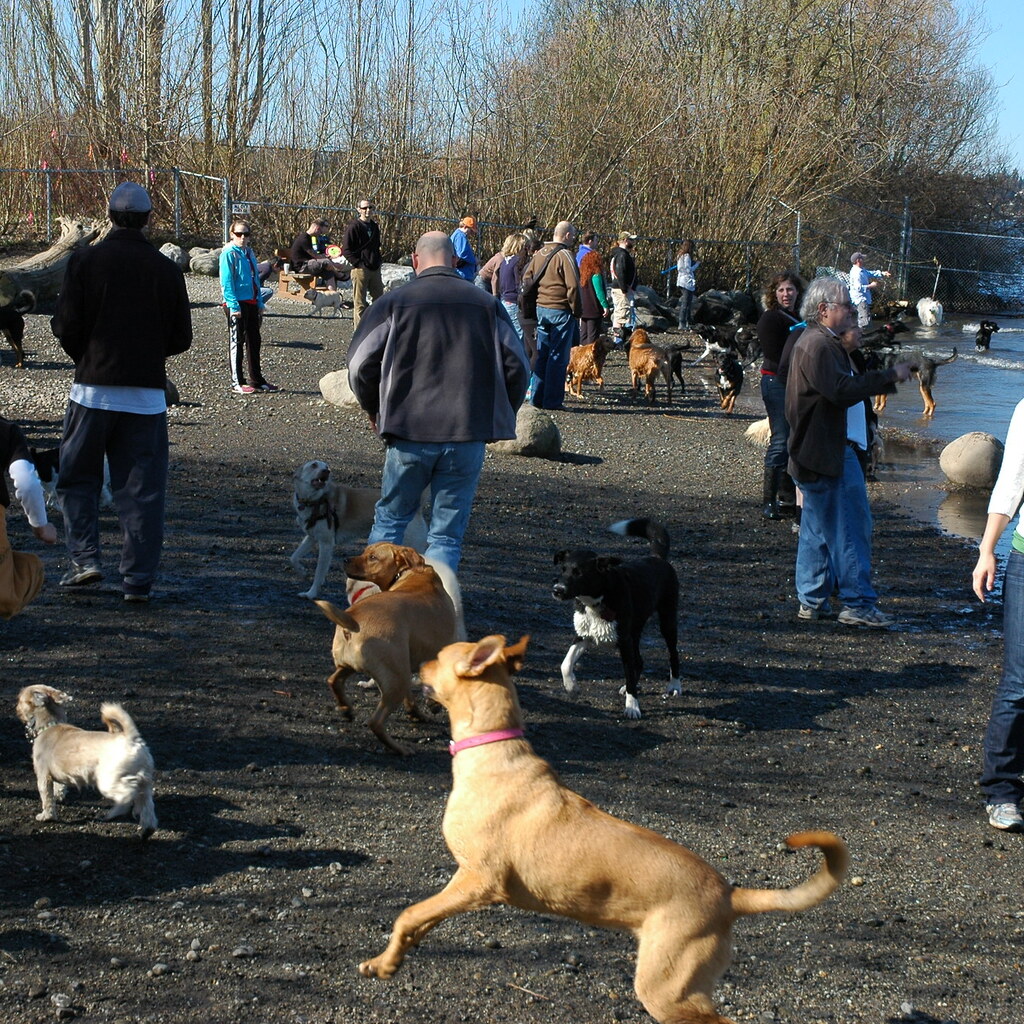
Every man and his dog
Every man and his dog means almost everyone or a very large number of people. The phrase is often used when something becomes extremely common or widely done.The saying appeared in British English in the 1800s. It exaggerates the image of so many people showing up that they even bring their dogs along.
Don't feel so special, every man and his dog has a phone that can do that.
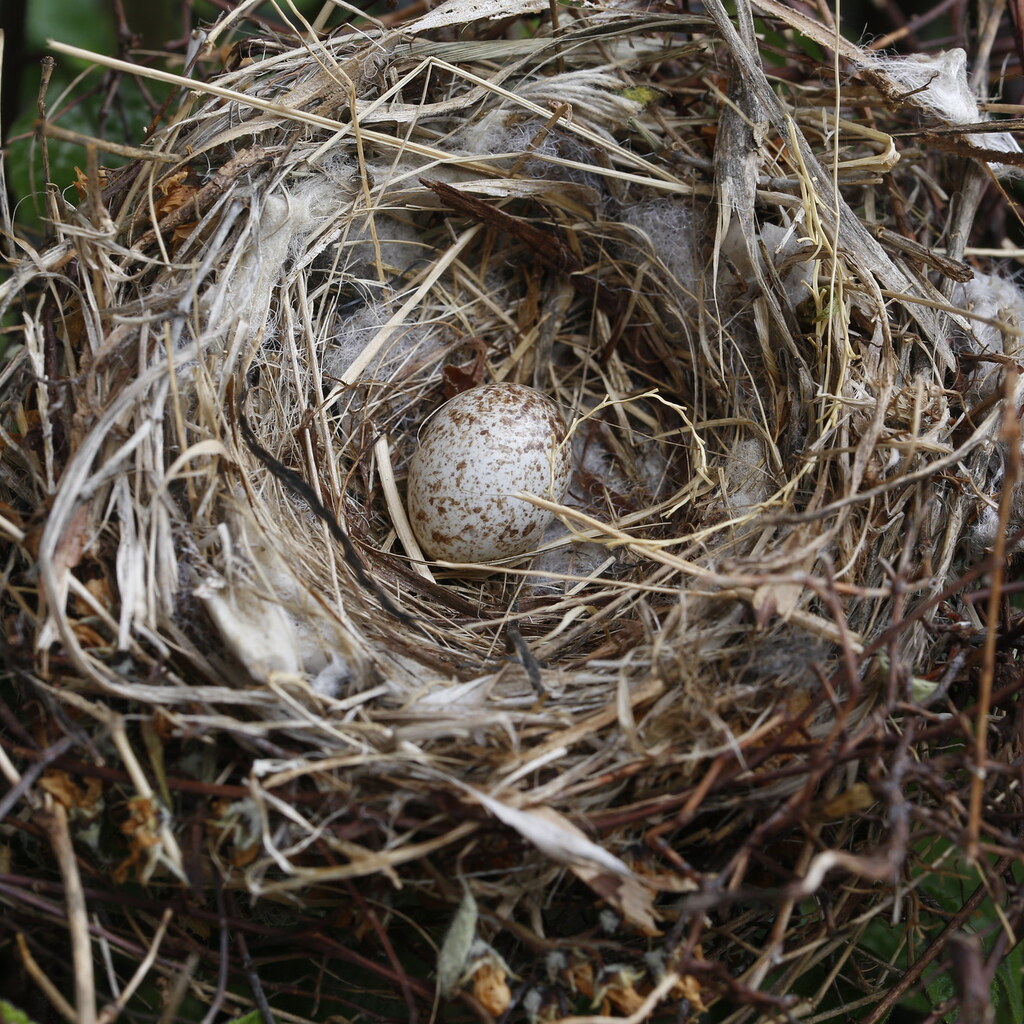
Feather your nest
To feather your nest means to use a position of power or opportunity to gain money or advantages for yourself, often in an unfair or dishonest way.The expression comes from the way birds line their nests with feathers and soft materials to make them comfortable. The phrase compares this to someone quietly making their own situation more comfortable.
The official was accused of feathering his nest with public funds.
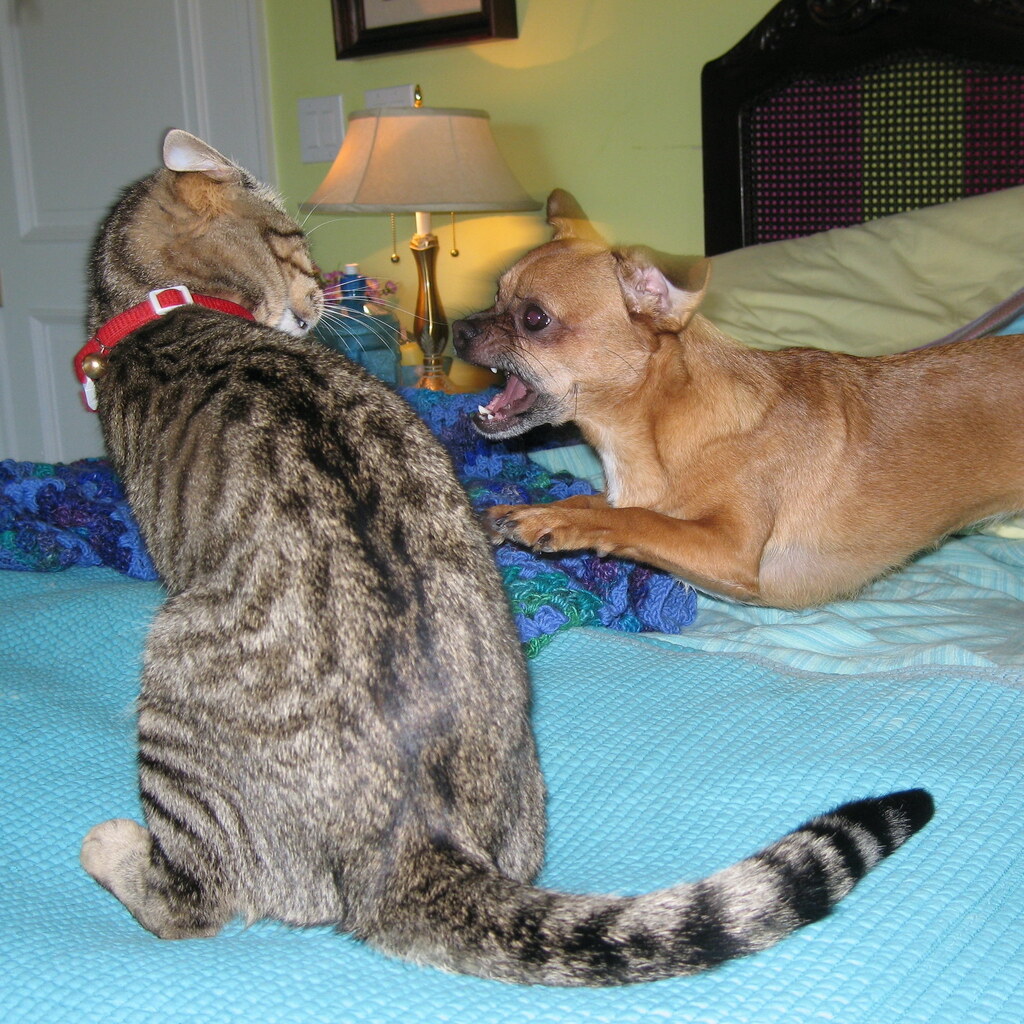
Fighting like cats and dogs
To be fighting like cats and dogs means to be arguing or fighting constantly. It describes a relationship between people who just don't get along.The phrase comes from the long-standing image of cats and dogs as natural rivals. Because their clashes were seen as noisy and chaotic, the expression became a way to describe frequent arguments.
The two brothers were fighting like cats and dogs during the whole car trip.
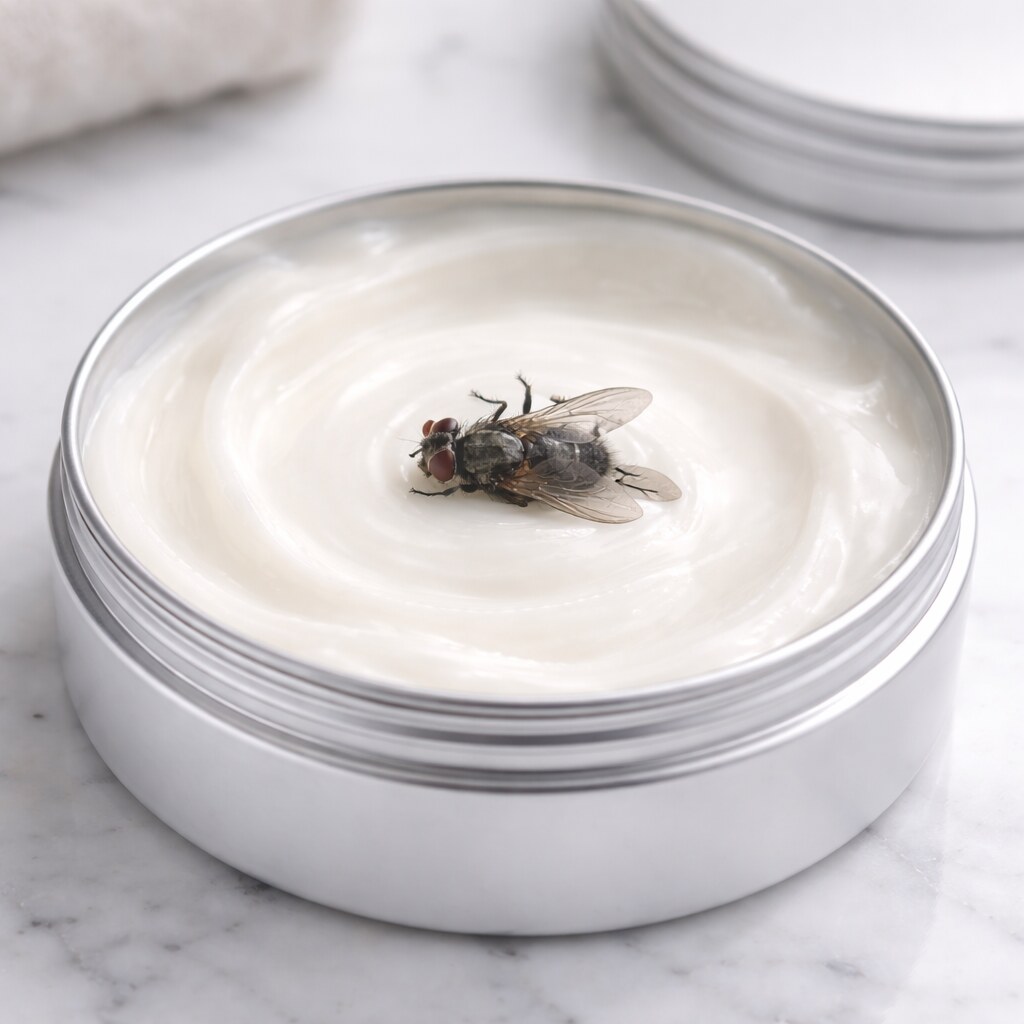
Fly in the ointment
A fly in the ointment is a small problem that spoils something that is otherwise good. It describes a situation where one annoying detail ruins an otherwise positive plan or experience.This idiom is based on the idea of a fly falling into a jar of ointment or cream. Even though the ointment is useful, the fly contaminates it and makes the whole thing unpleasant.
The cake for the party looked perfect, but the misspelled name on top was a real fly in the ointment.

Frog in your throat
If you say you have a frog in your throat it means that your voice sounds rough or croaky, often because your throat is dry or irritated. You might need to cough to clear your throat.This expression has been used since the 1800s as a humorous way to describe the strange, croaking sound a person's voice can make when their voice is not working properly.
I had a frog in my throat during the whole presentation this morning.
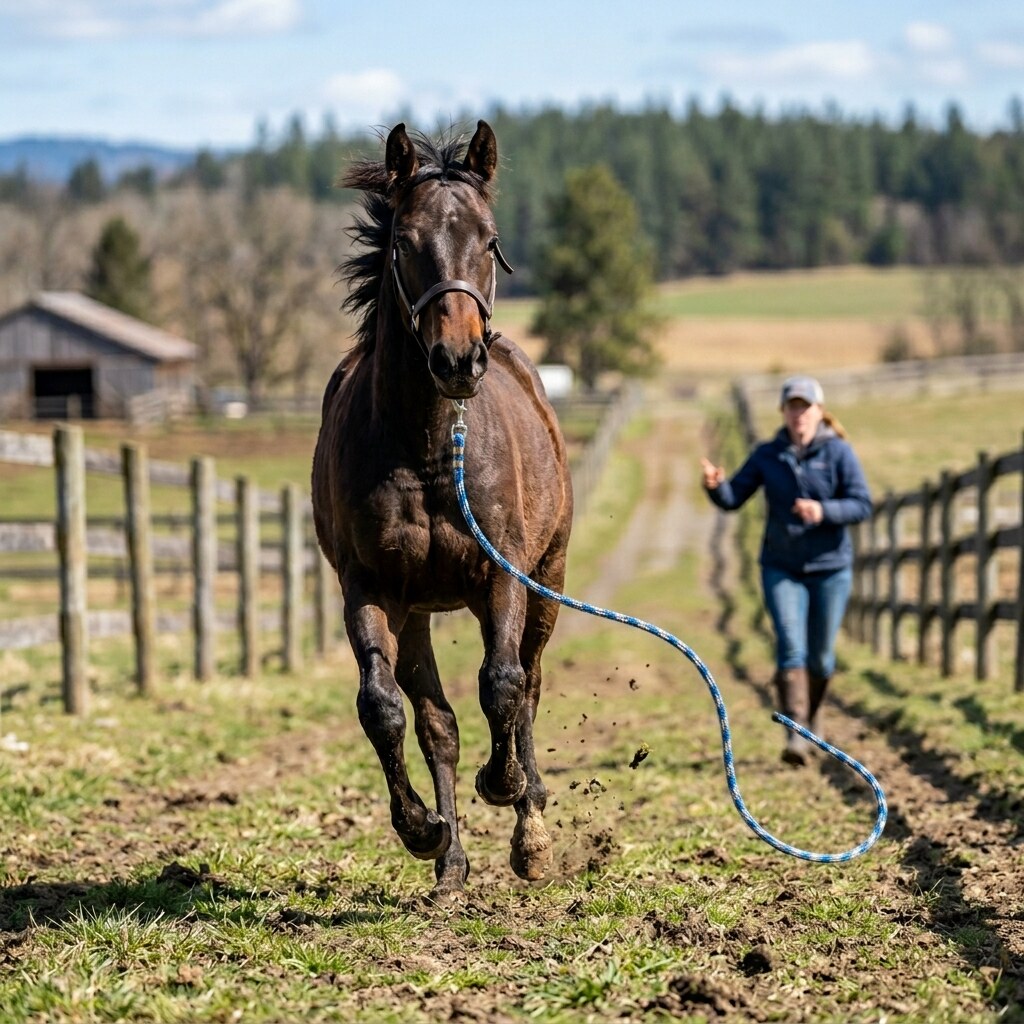
Get out of hand
To get out of hand means a situation grows beyond control and becomes difficult to manage.The phrase comes from the image of something leaving your grasp. Once it is no longer in your hand, control is lost.
The party got out of hand once too many people arrived.
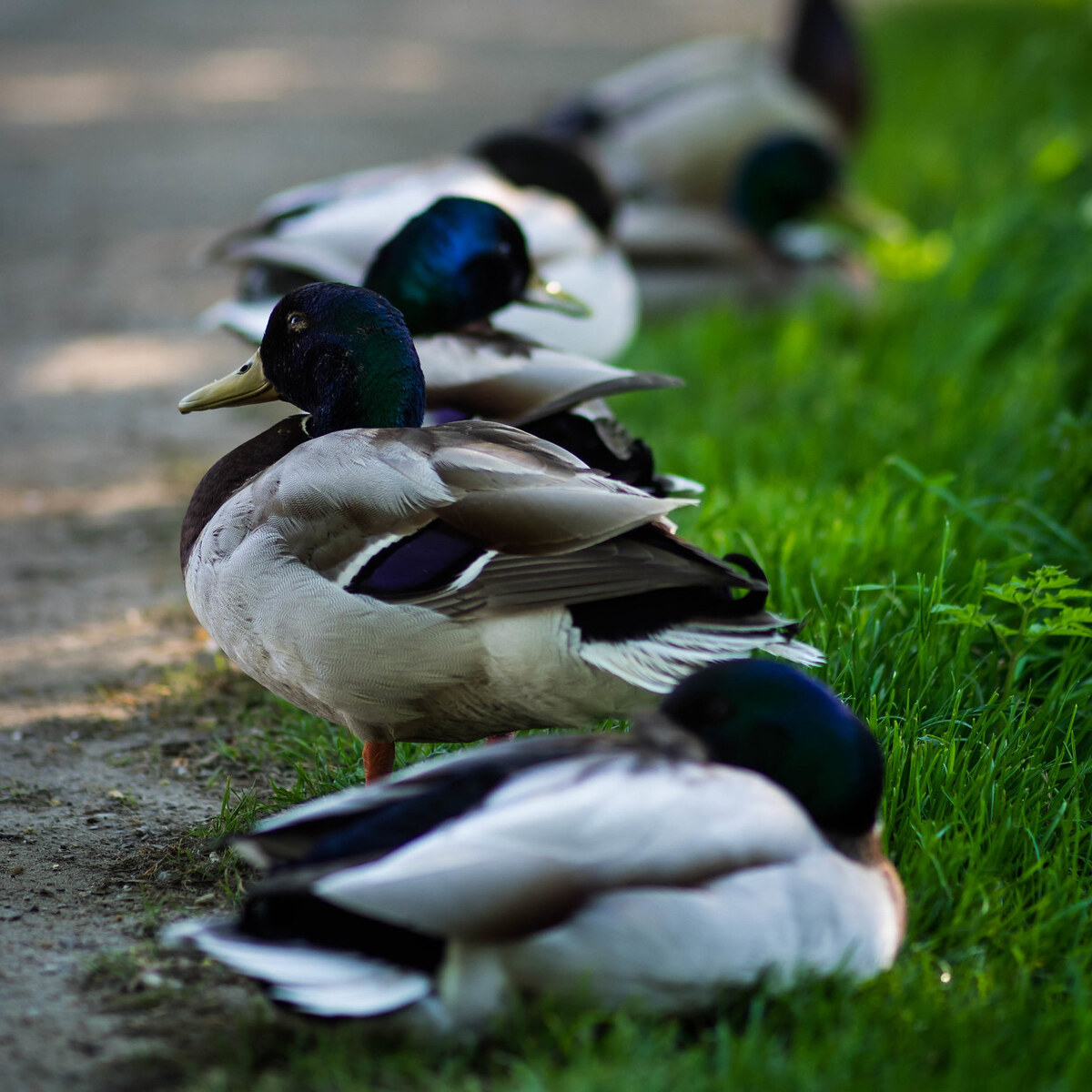
Get your ducks in a row
The idiom get your ducks in a row means to get organised and ready to do something.This idiom originated from carnival games where you would shoot wooden ducks and win a prize if you hit a certain number of ducks in a row. Actual ducks naturally organise themselves into rows quite often.
This event is really well organised, they sure had all their ducks in a row.

Hair of the dog
The idiom hair of the dog refers to an old folk remedy for rabies that included a hair of the dog that bit you in the potion. Today it refers to drinking alcohol the next day to cure a hangover.You look terrible, you should have a hair of the dog that bit you.
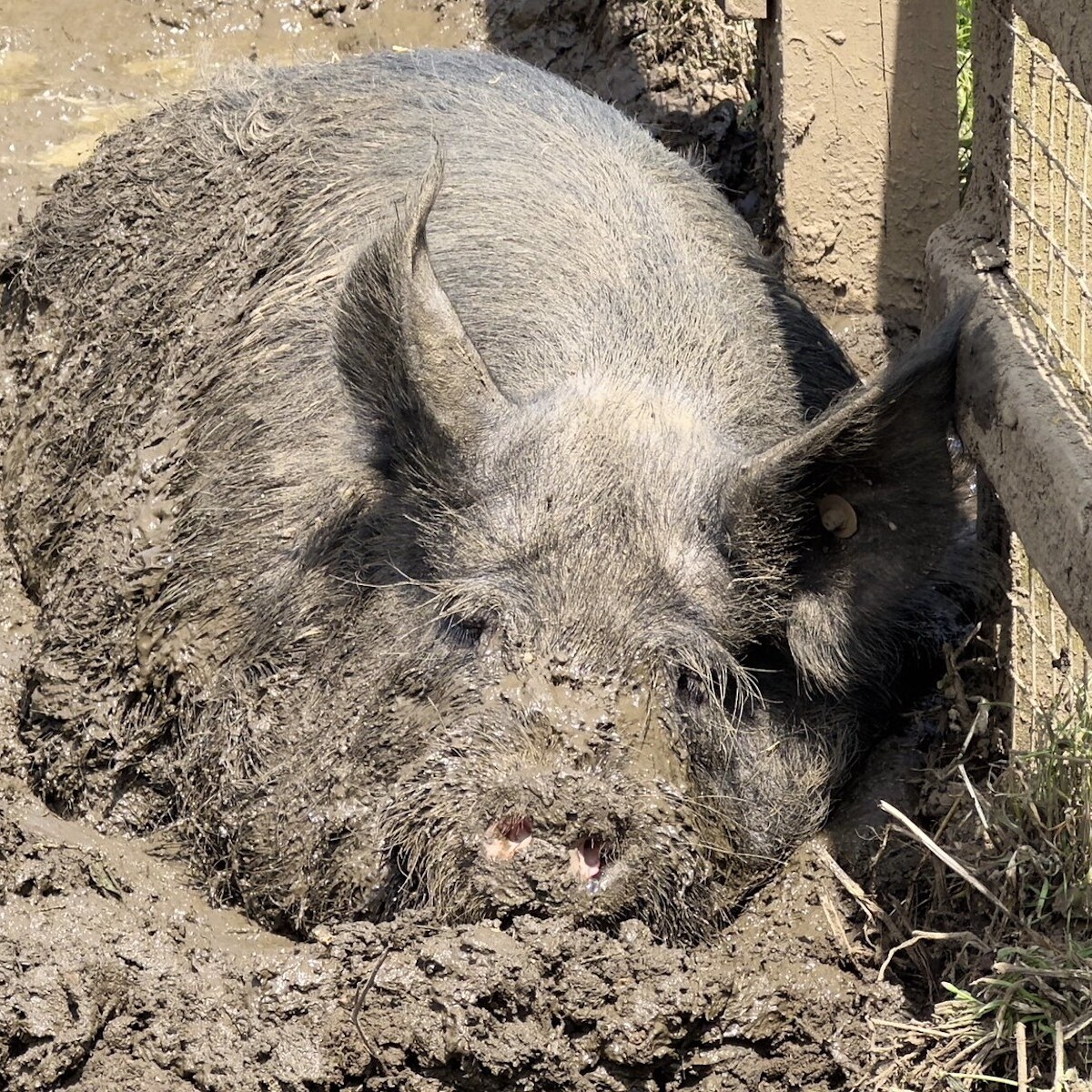
Happy as a pig in mud
If you are happy as a pig in mud you are happy and having fun, and you might be surrounded by mess. Pigs really enjoy playing in mud, so this idiom is comparing you to a happy, muddy pig, but in a good way.We gave the kids some finger paints, and they were happy as pigs in mud.

High and dry
High and dry means to be left in a difficult situation without help or support. This idiom describes someone who has been abandoned or left to deal with a problem on their own.The phrase comes from sailing. When the tide goes out, a boat can be left stranded on land above the waterline, literally high and dry. Over time the image became a metaphor for being left stuck without assistance.
They cancelled the ride and left us high and dry.
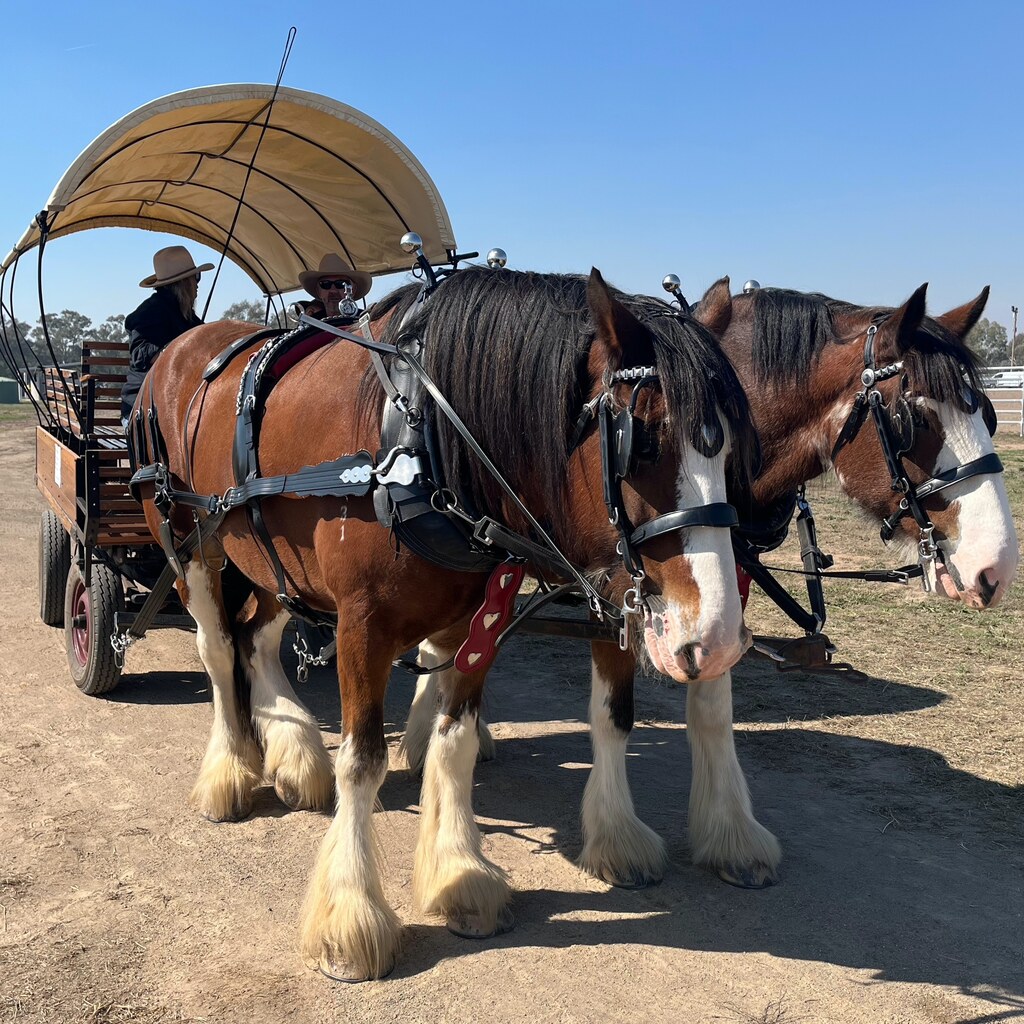
Hold Your Horses
To hold your horses means to slow down or wait for a moment instead of rushing. This idiom is used when someone is moving too quickly or getting ahead of themselves.The expression comes from the days when people traveled by horse. To hold your horses meant pulling on the reins to stop the animals from moving forward too fast.
Hold your horses, we have not even decided where we are going yet.
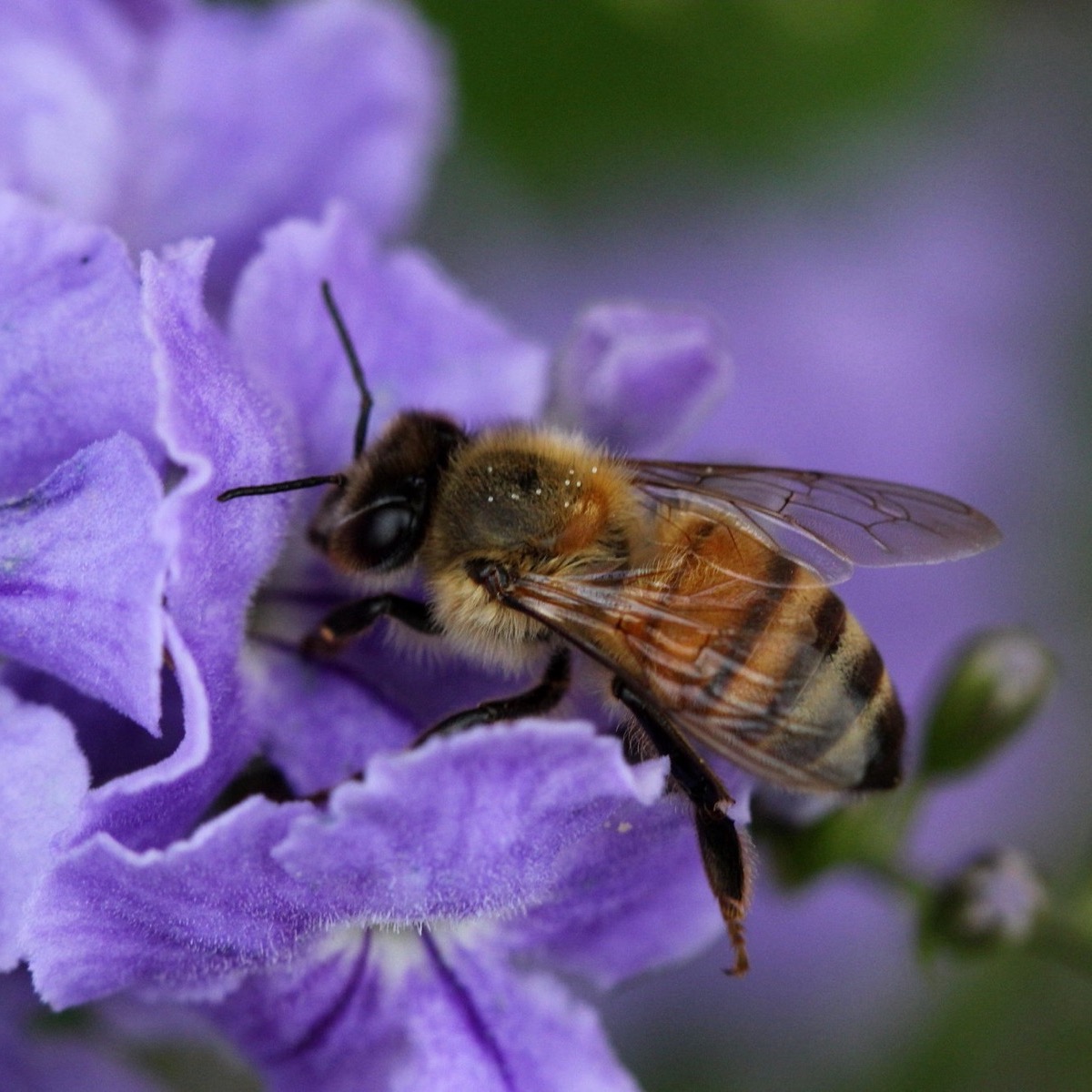
It's the bee's knees
The bee's knees is slang for something that is excellent. A similar idiom is "the cat's pajamas".This cafe is just the bee's knees!
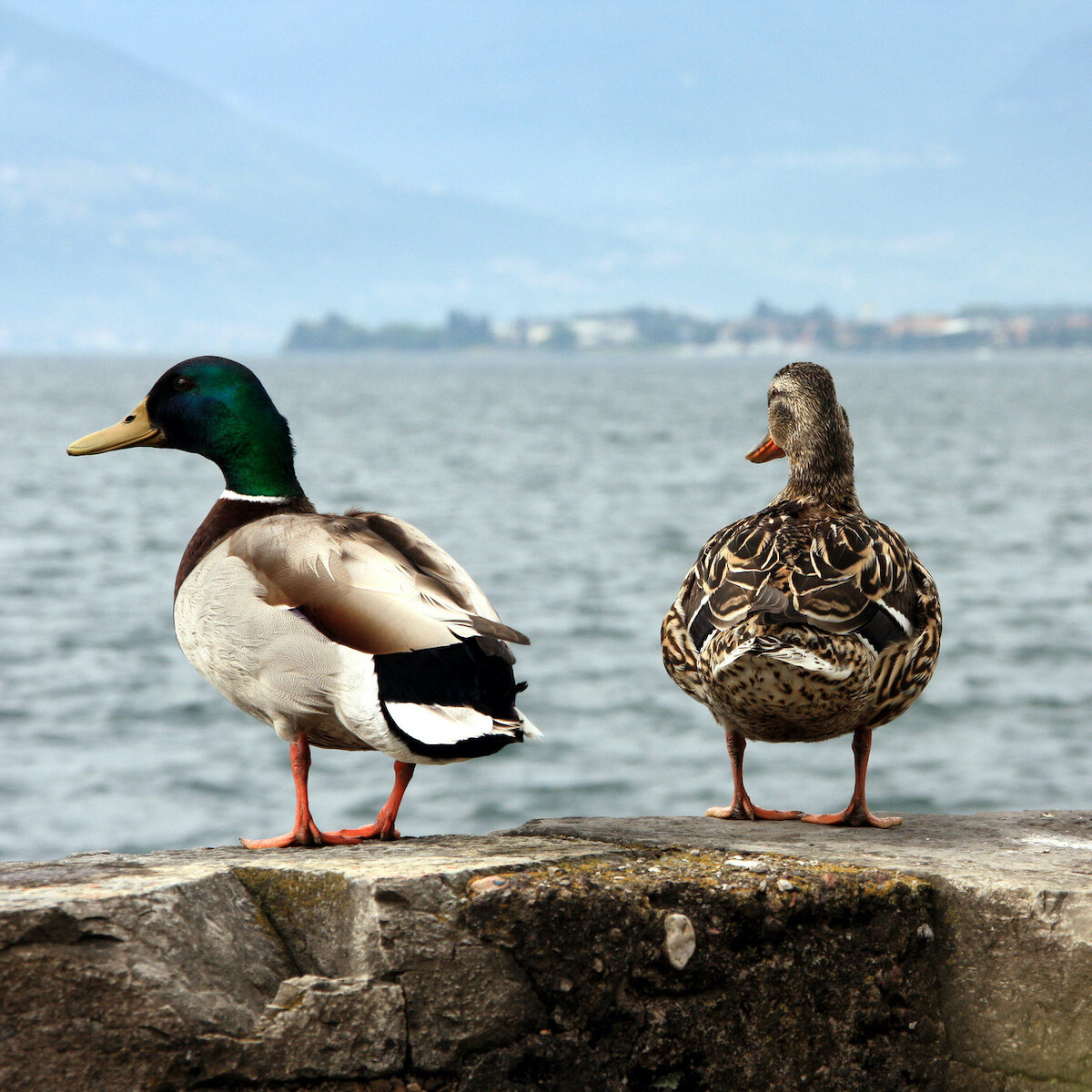
Kill two birds with one stone
The idiom kill two birds with one stone means to achieve two things with one action. It describes efficiency and smart planning. The wording is derives from hunting with a slingshot where a well-aimed shot could kill two birds for dinner, using only one stone.I listen to podcasts while I exercise, and kill two birds with one stone - getting fit and learning things!
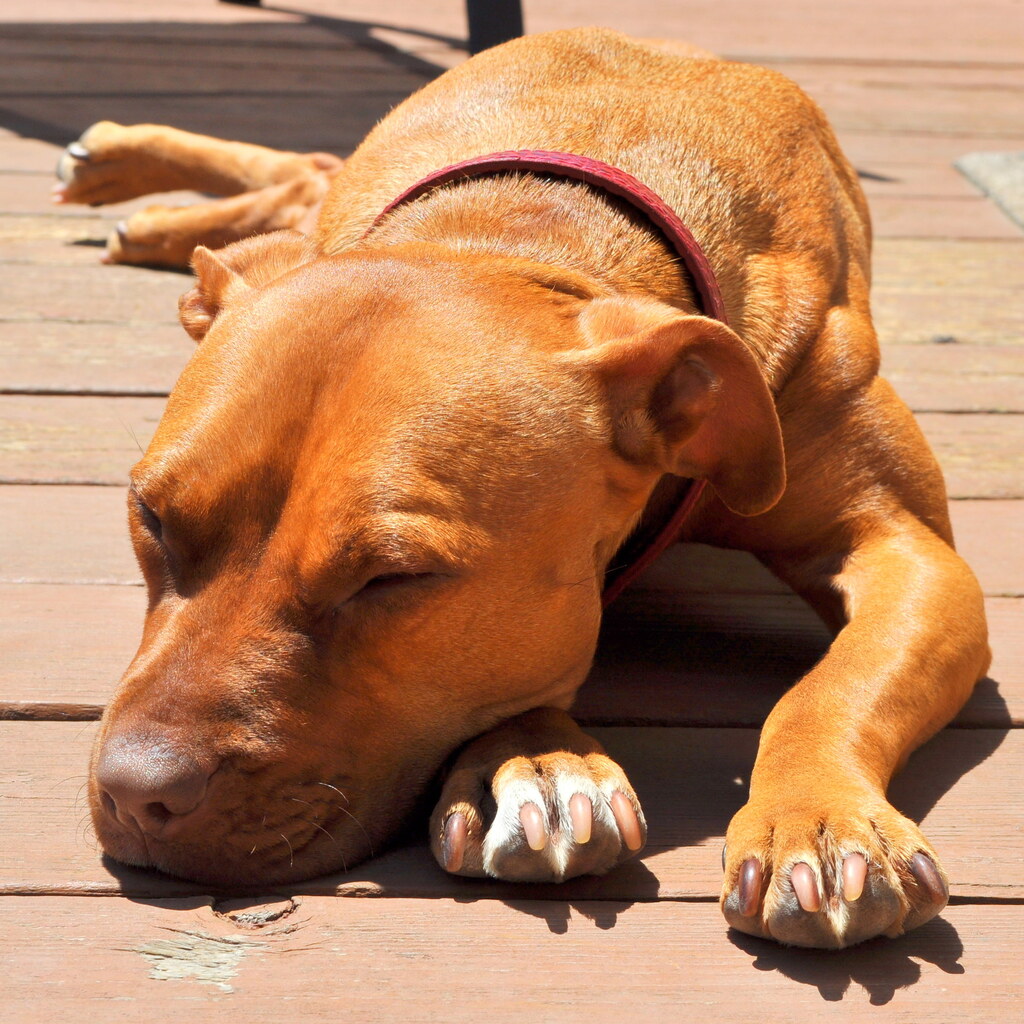
Let sleeping dogs lie
To let sleeping dogs lie means it is better not to bring up old problems or arguments that could cause trouble again. The idea is to leave a situation alone if disturbing it might make things worse.The saying has been used in English for several centuries and was recorded in writing as early as the 1300s. It compares old troubles to a sleeping dog that may bite if someone wakes it.
Everyone remembered the old disagreement, but they decided to let sleeping dogs lie.