
Showing 51-67 of 67
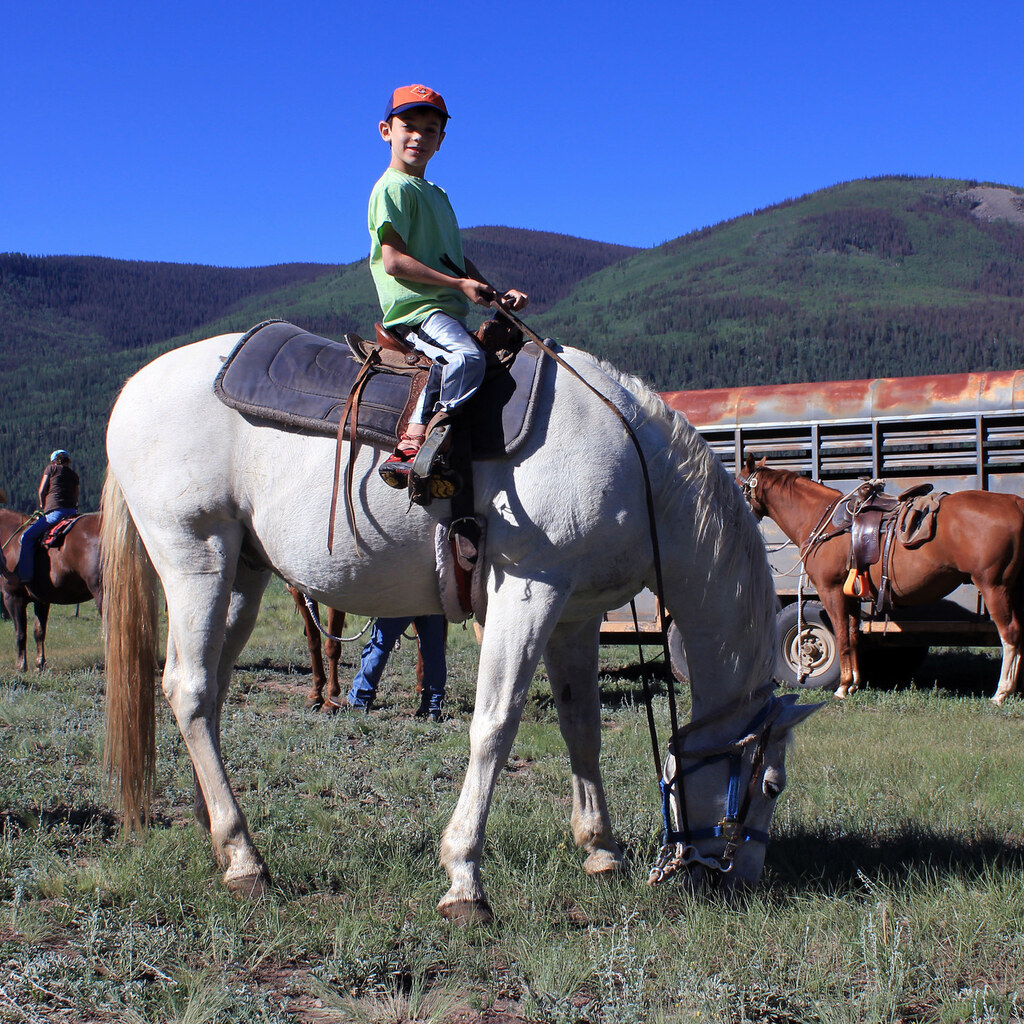
On your high horse
To be on your high horse describes someone acting proud and superior while judging others.The phrase comes from earlier times when important people rode tall horses while ordinary people walked. The higher position became a symbol of social status.
He got on his high horse about proper grammar during the meeting.

Once bitten twice shy
Once bitten, twice shy means that after someone has a bad experience, they become more careful about similar situations in the future. It describes how people learn to avoid repeating the same mistake.The idea appears in very old proverbs. A similar saying was written in the 1600s, comparing a person who has been bitten by a dog to someone who becomes cautious even around friendly dogs afterward.
After losing money in a risky investment, she was once bitten, twice shy about trying another one.
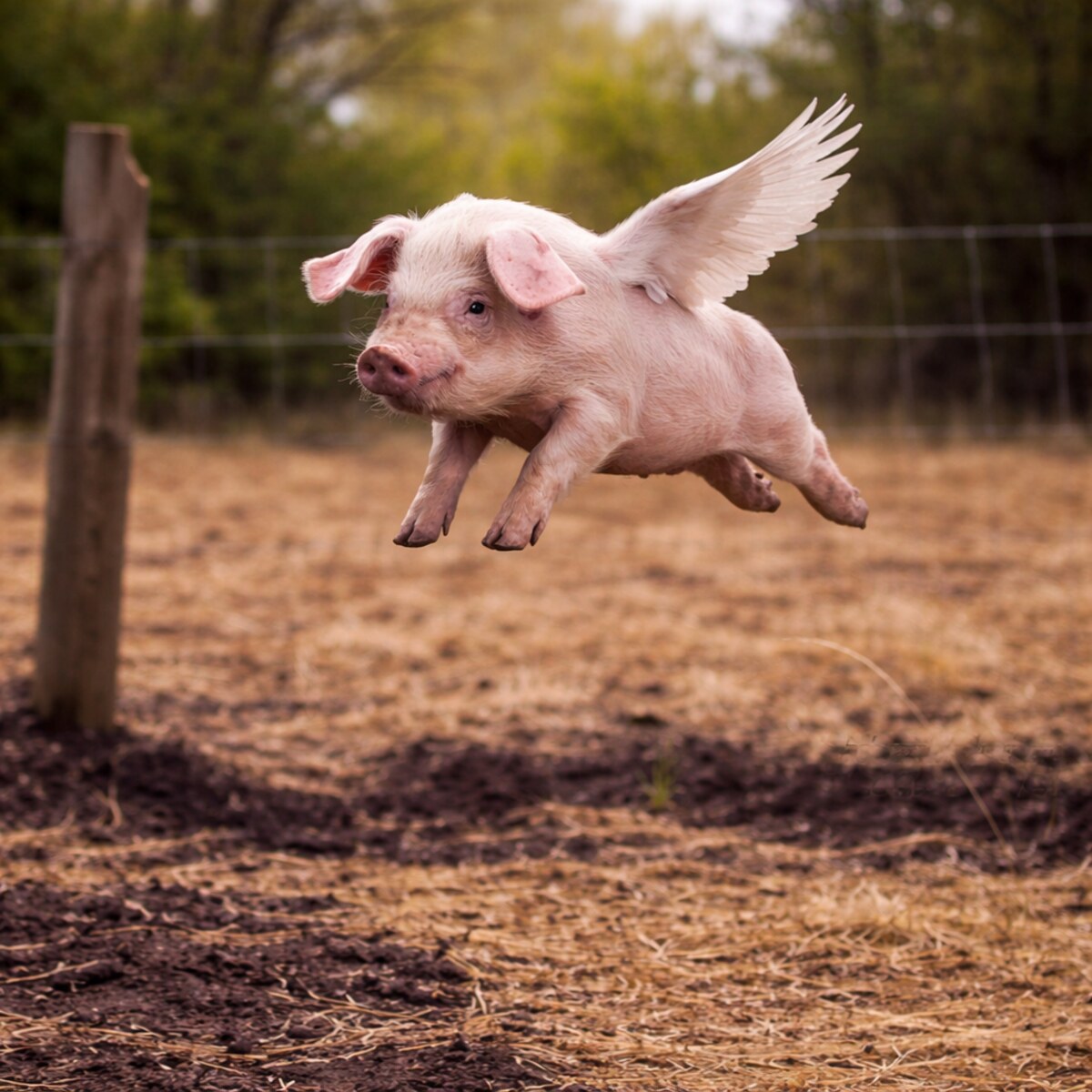
Pigs might fly
The idiom pigs might fly is a way of describing something that is absurd or so unlikely it is almost impossible.Getting my husband to help with the housework? Yeah, when pigs fly
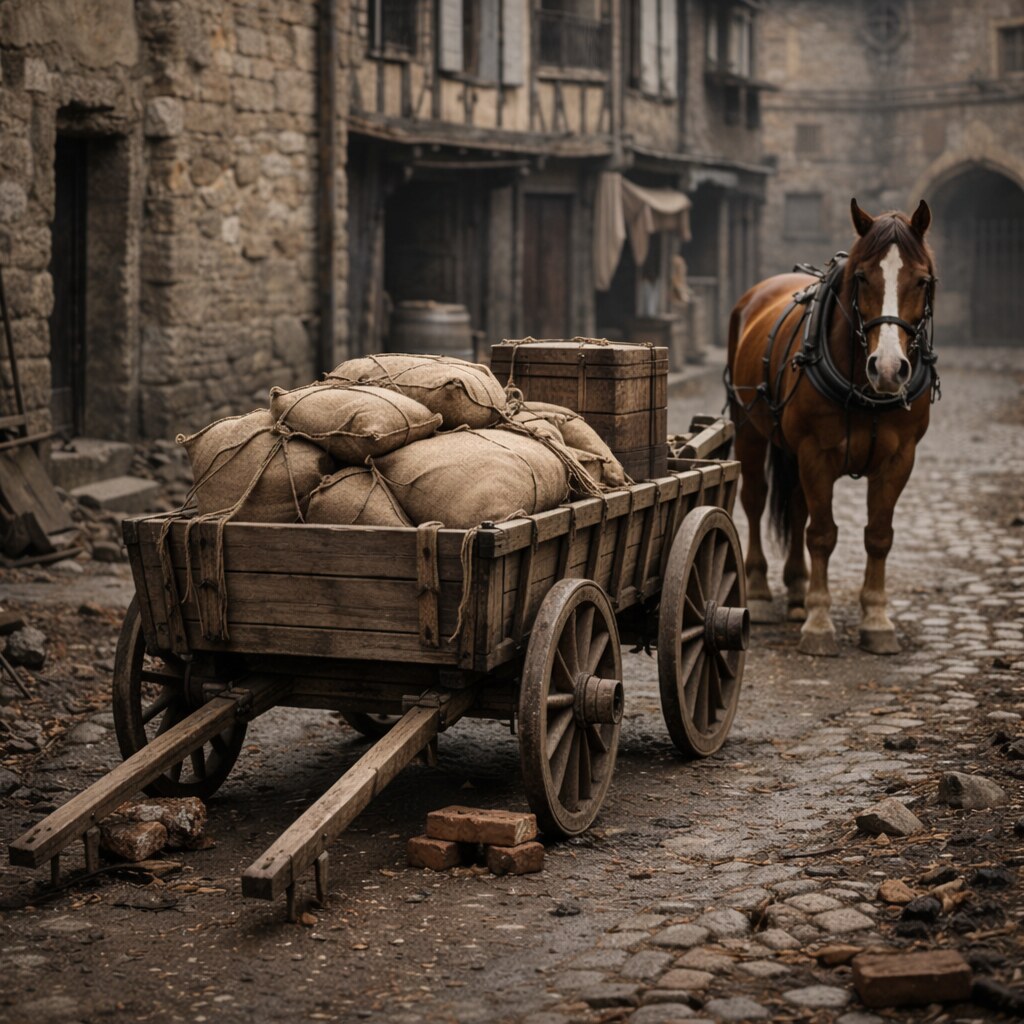
Putting the cart before the horse
Putting the cart before the horse means doing things in the wrong order. It describes a situation where someone tries to do a later step before the earlier step that should come first.The idiom comes from the simple image of a horse pulling a cart. If the cart is placed in front of the horse, it cannot be pulled, so nothing works properly. The phrase has been used since at least the 1500s.
Trying to decorate the house before the walls are painted is putting the cart before the horse.
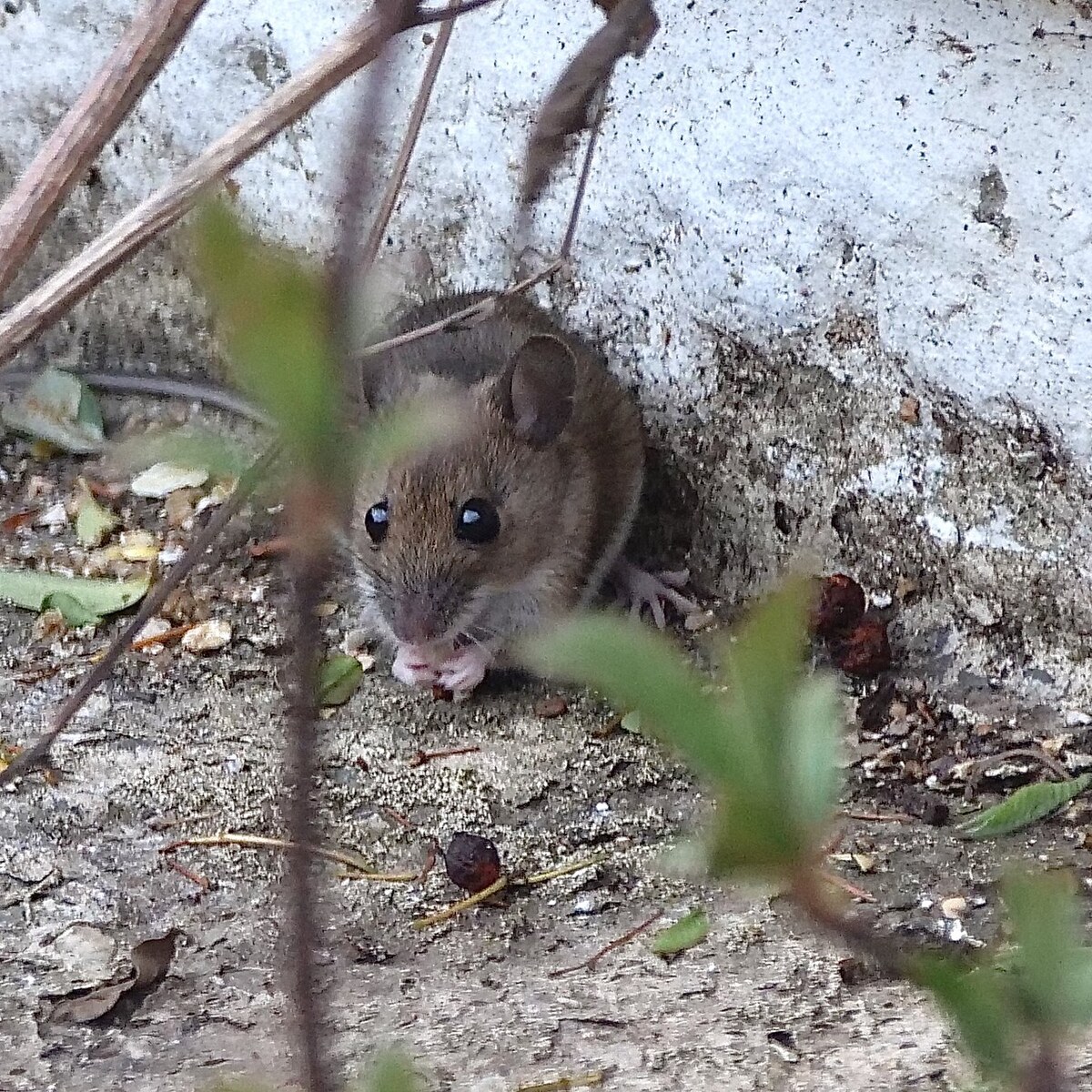
Quiet as a mouse
The phrase quiet as a mouse means very quiet. Mice are naturally small, quiet and good at hiding from predators, so a person who is unusually quiet might get described as quiet as a mouse.She was quiet as a mouse

Raining cats and dogs
Raining cats and dogs means that the rain is falling very heavily.The phrase appeared in English several centuries ago. Its exact origin is uncertain, though many theories link it to older expressions used to describe violent storms.
We stayed inside all afternoon because it was raining cats and dogs.
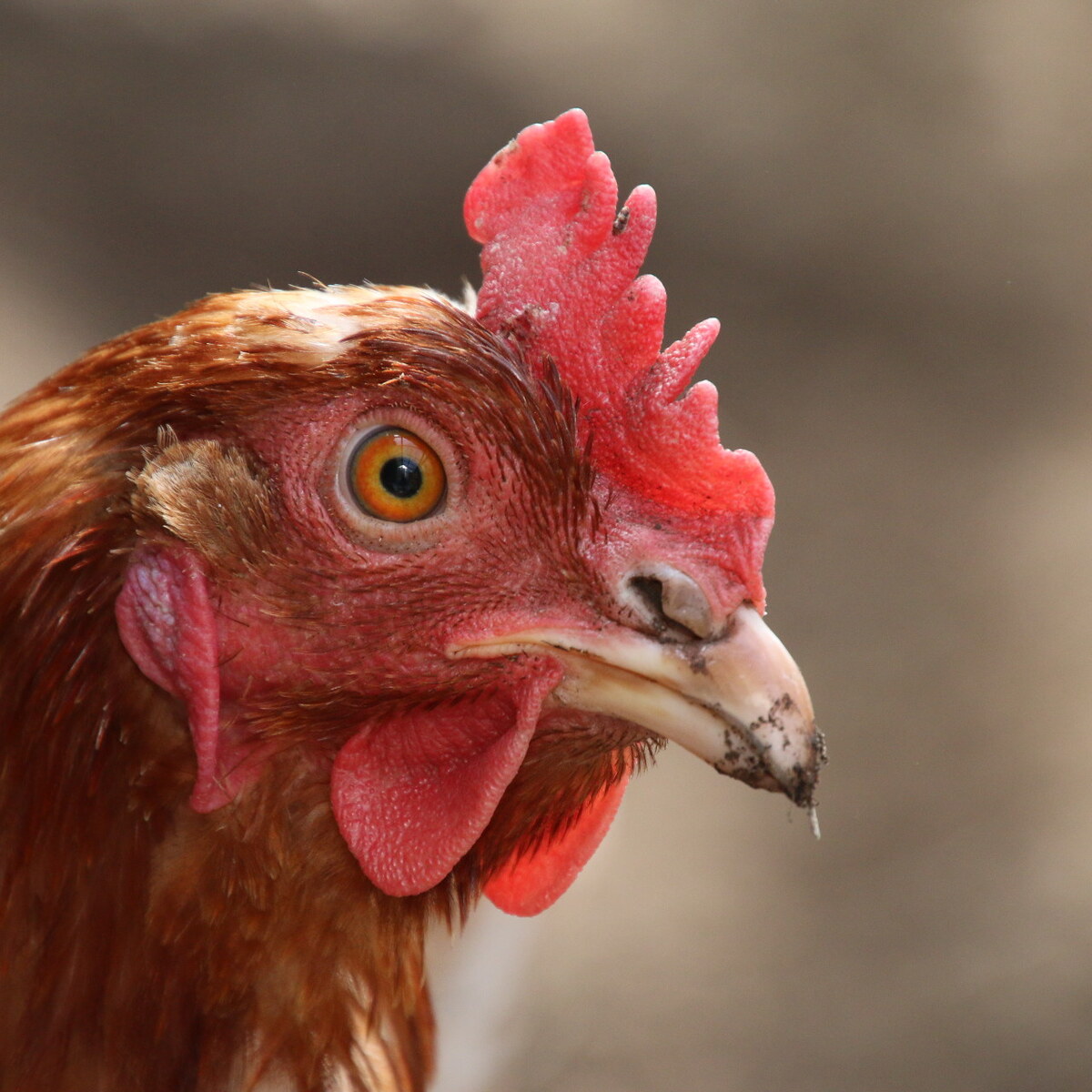
Rare as hen's teeth
Something is as rare as hen's teeth if it is so uncommon that you need an idiom to exaggerate how uncommon it is! Hens have no teeth, so hen's teeth are so rare they do not exist at all.You found one of those at the thrift store? Well done, they are as rare as hen's teeth!
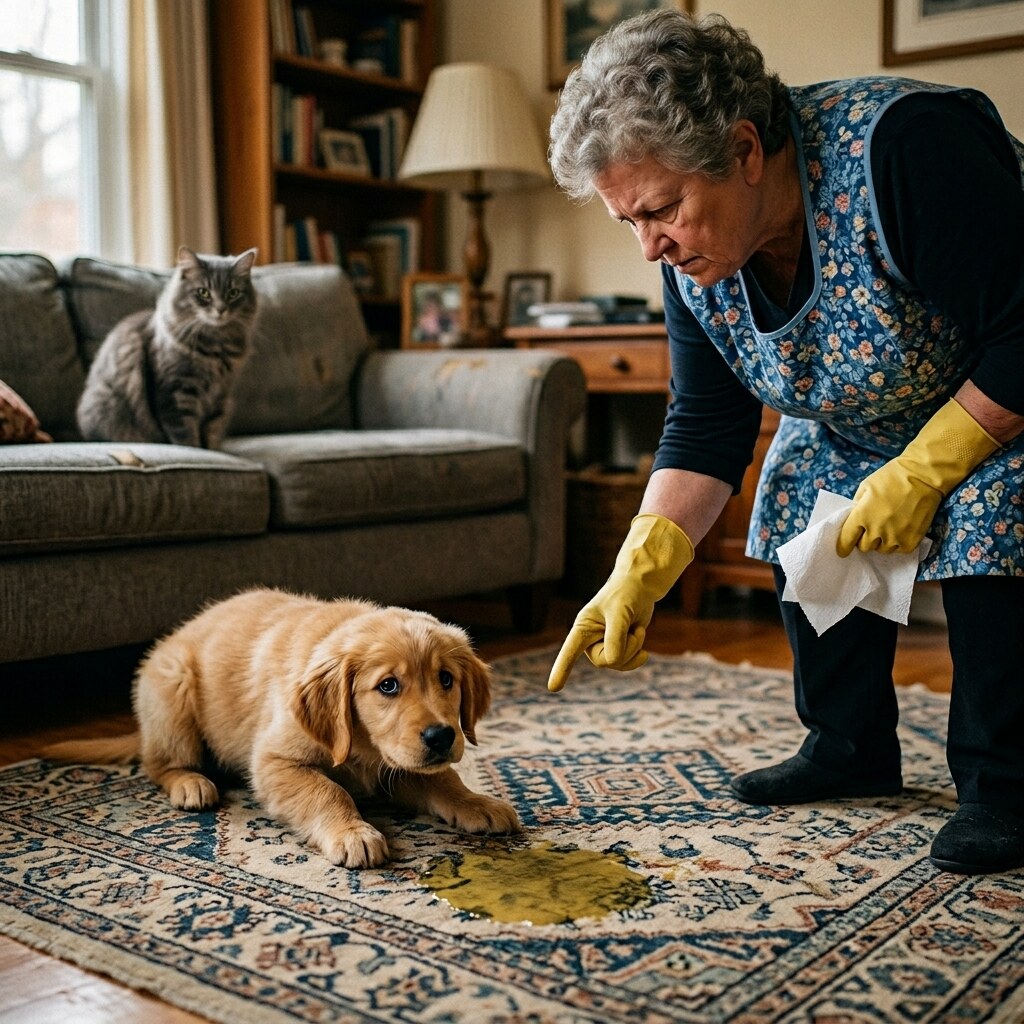
Rub your nose in it
To rub someone's nose in it means to keep reminding someone about a mistake or embarrassing situation in a way that makes them feel worse. Instead of letting the matter go, the person keeps pointing it out again and again.The phrase comes from an old method sometimes used when training animals, where their nose was pushed toward something they had done wrong. Over time it became a metaphor for deliberately making someone dwell on their mistake.
I know I lost the game, but you do not have to rub my nose in it every time we talk about it.
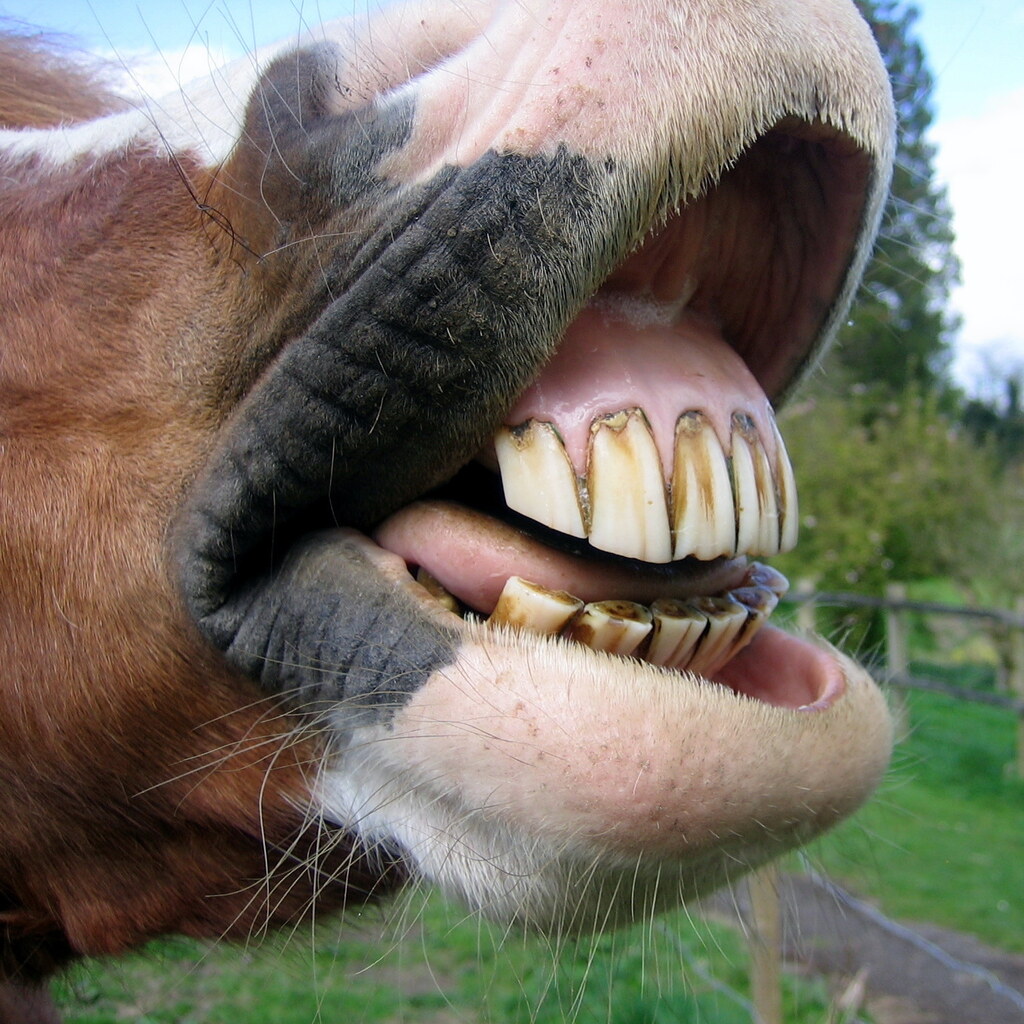
Straight from the horse's mouth
Straight from the horse's mouth means information that comes directly from the person who knows it best or from the original source. Because it comes from the source itself, people believe it is accurate and trustworthy. The expression is thought to come from horse racing. Experienced buyers could tell a horse's real age by looking at its teeth, so learning the truth directly from the horse was the most reliable way to know.I heard straight from the horse's mouth that the shop will reopen next week.
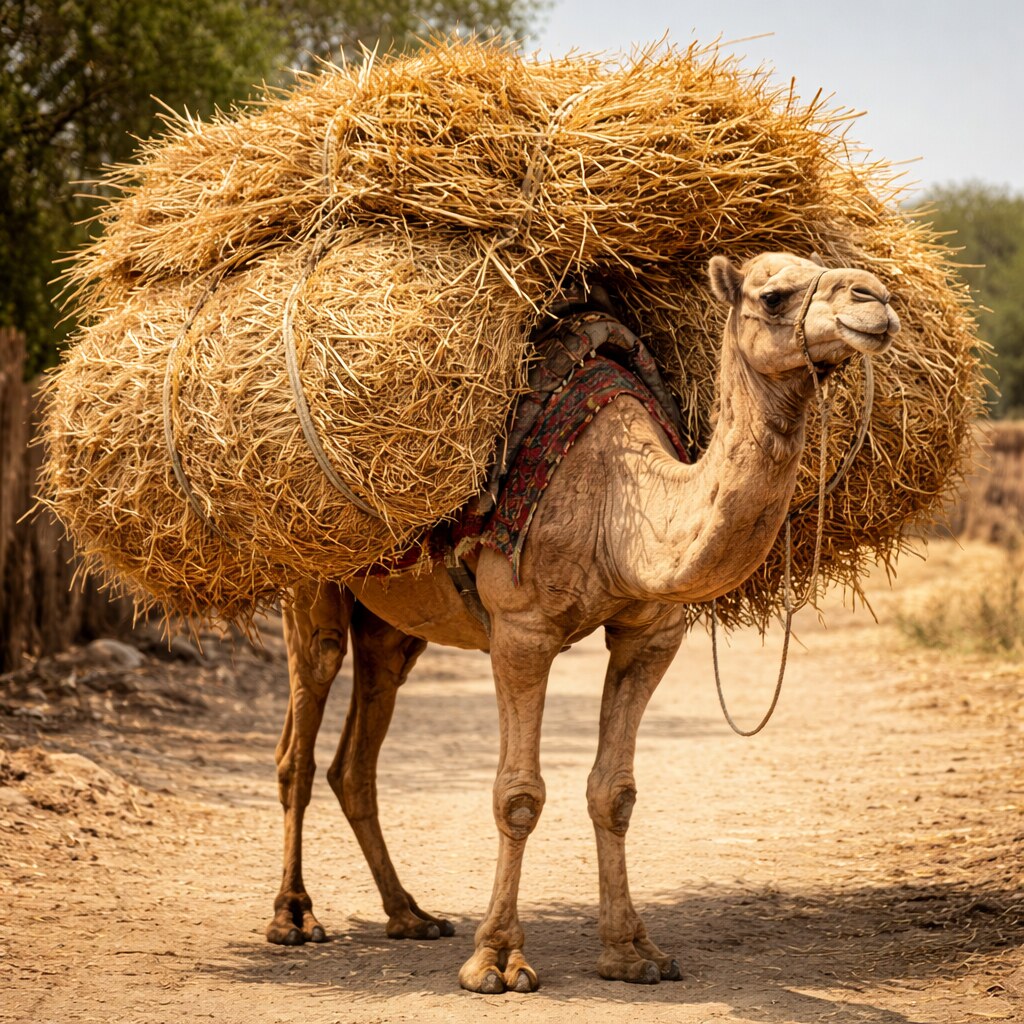
Straw that broke the camel's back
The straw that broke the camel's back refers to a small problem that causes a situation to collapse after many earlier problems or frustrations. On its own the "straw" is trivial, but it arrives after a long buildup of stress, inconvenience, or annoyance.The expression comes from the idea of loading a camel with cargo: eventually the animal reaches its limit, and one last single straw is enough to make it fail.
I didn't mind the messy room or the dirty dishes, but when he left the door open again, that was the straw that broke the camel's back.