
Showing 1-20 of 59

A wolf in sheep's clothing
The idiom a wolf in sheep's clothing describes someone who seems kind or harmless but is actually dangerous or dishonest. It warns people not to trust appearances.This idiom comes from an old story where a wolf dresses up as a sheep to sneak into the flock and eat the sheep.
We thought he was here to help, but he was really a wolf in sheep's clothing.
All work and no play
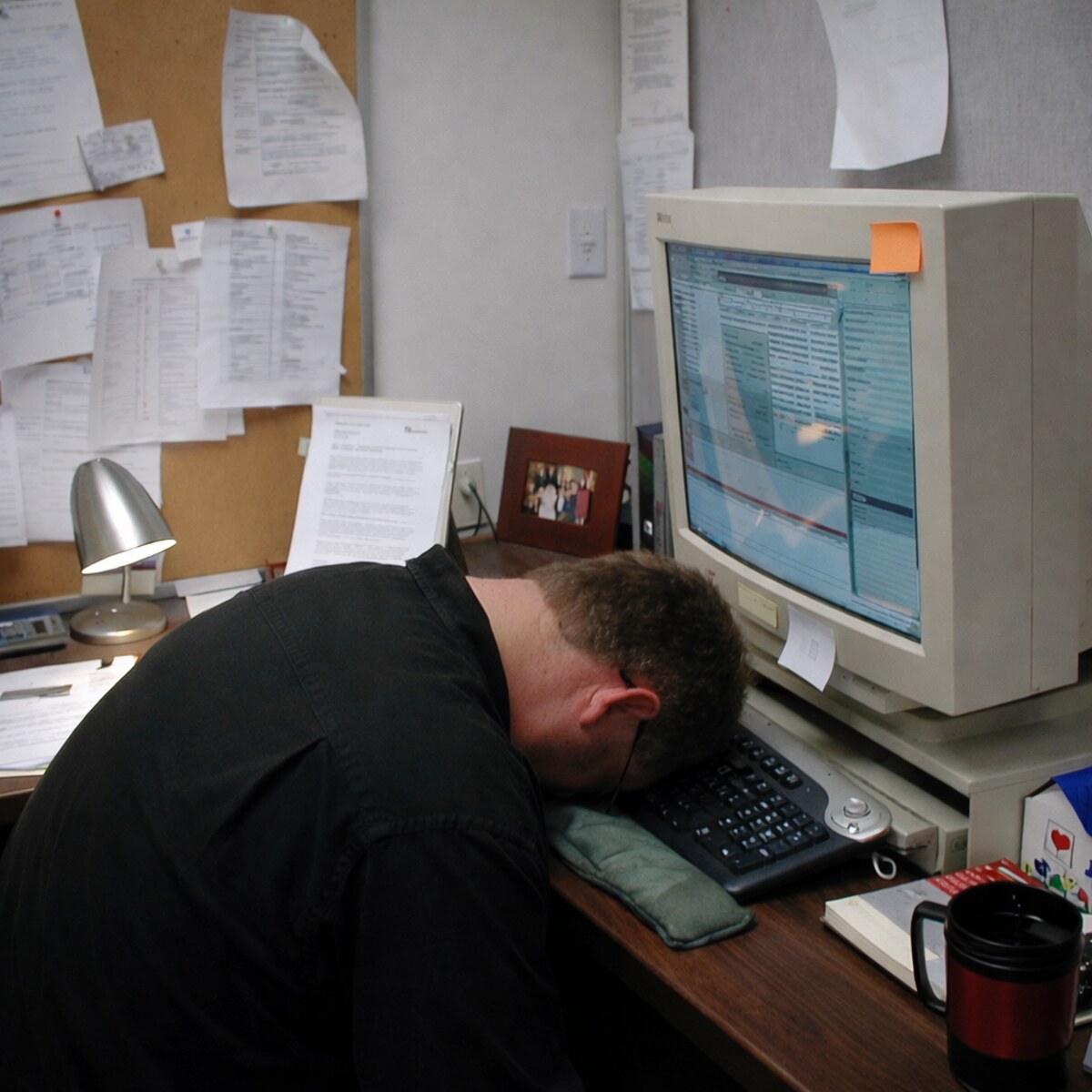
The idiom all work and no play makes Jack a dull boy means that only focussing on work with no time for leisure makes a person boring and unhappy.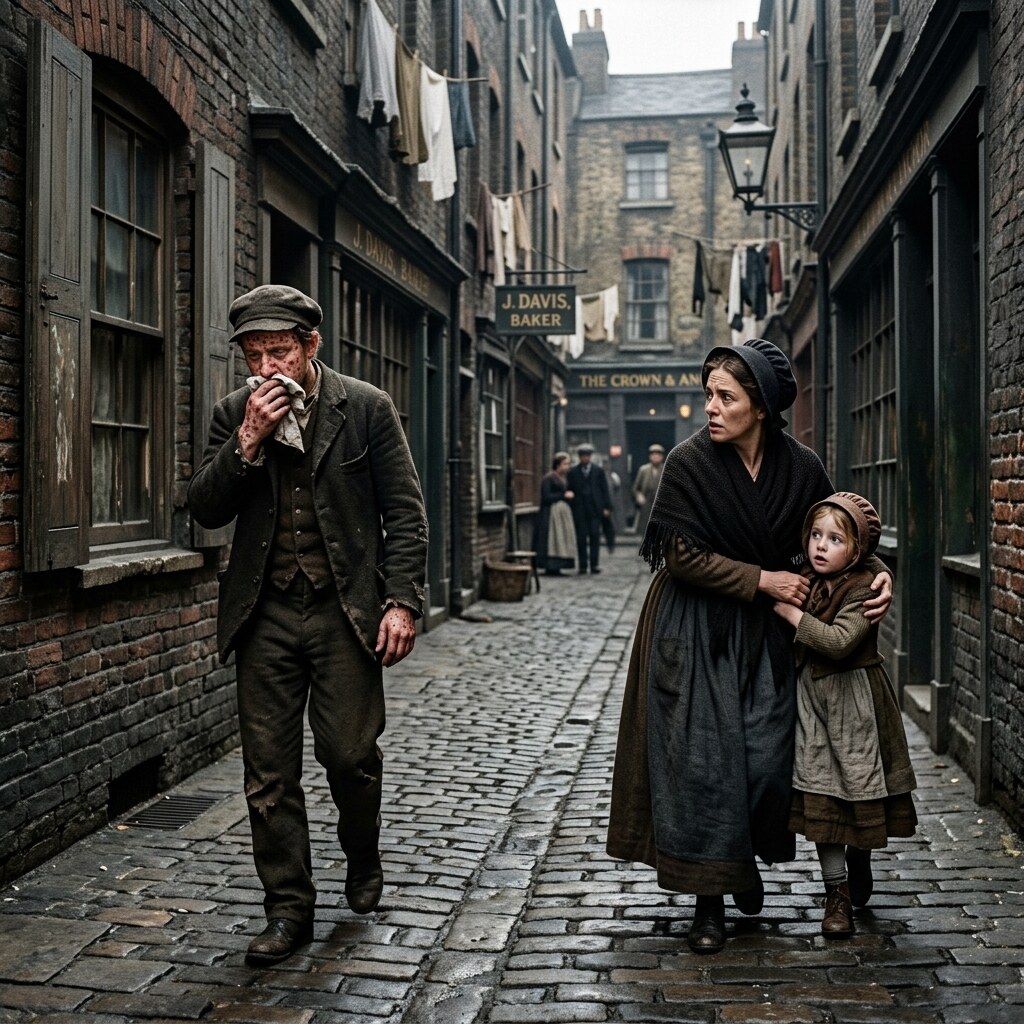
Avoid like the plague
To avoid like the plague means to put effort into staying as far away as possible from something you don't want to deal with.The phrase comes from the historical fear of the plague, a deadly disease that spread rapidly and caused widespread death. Because people tried desperately to avoid it, the expression became a way to describe extreme avoidance.
He avoids spicy food like the plague.
Between a rock and a hard place
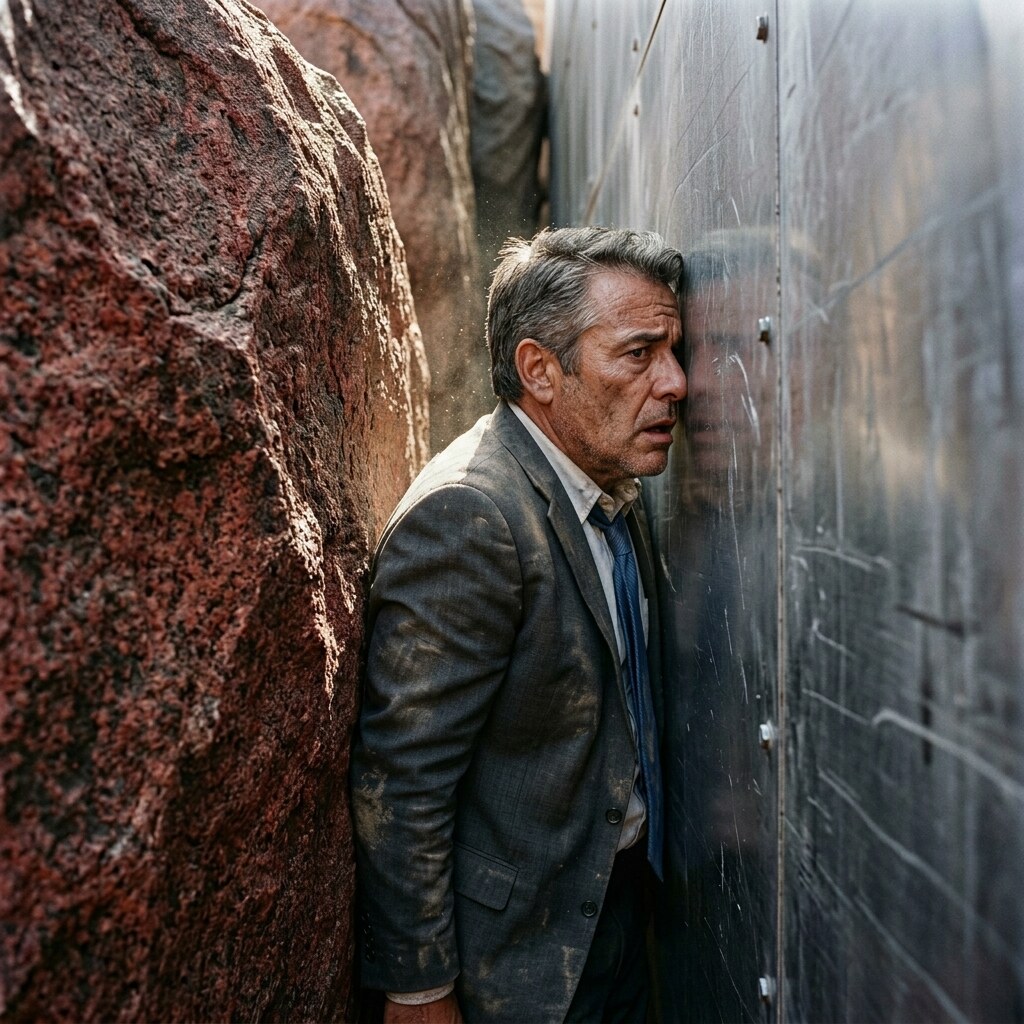
To be between a rock and a hard place means to be stuck in a situation where both choices are difficult or unpleasant. No matter what you decide to do, neither option is good.The phrase became popular in the United States in the early 1900s and may come from stories about miners who faced dangerous working conditions and limited options. Over time it came to describe any situation where someone must choose between two bad alternatives.
She felt between a rock and a hard place when she had to choose between moving for a new job or staying close to her family.
Born with a silver spoon in your mouth
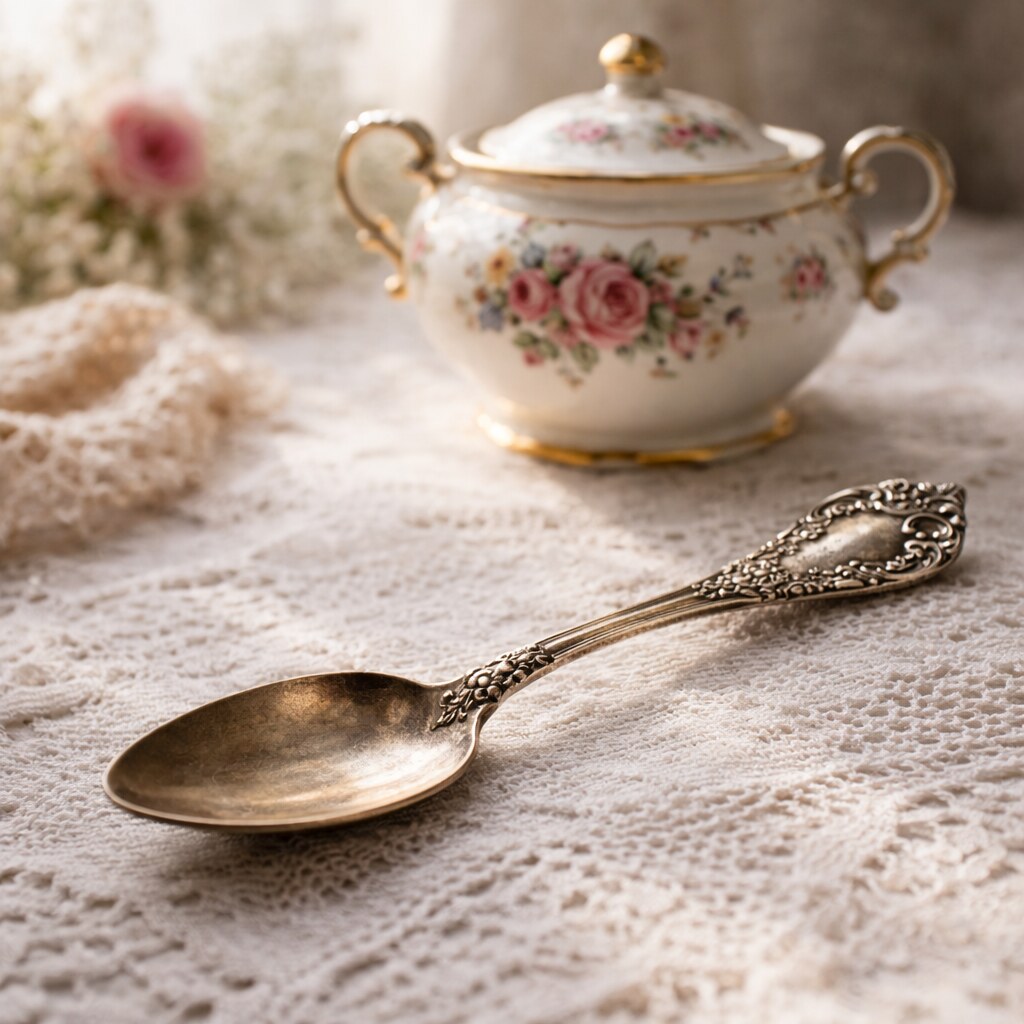
To be born with a silver spoon in your mouth means you were born into a wealthy or privileged family, and had all the advantages that money brings when you grew up.The phrase comes from an old custom in which wealthy families gave silver spoons to newborn children as special gifts. Because silver was valuable, the image became a symbol of wealth and privilege.
He was born with a silver spoon in his mouth and never had to worry about money growing up.

By the skin of your teeth
The phrase by the skin of your teeth means barely succeeding. It could also mean to narrowly avoid disaster.Your teeth have no skin on them, so this idiom is drawn from the impossible measurement of how thick the skin on your teeth is. A similar impossible idiom is rare as hen's teeth.
I caught the bus by the skin of my teeth.

Cut from the same cloth
Cut from the same cloth or patches of the same quilt means that two people are very similar, with similar personalities, sense of humor or beliefs.This originated from tailoring, when you bought cloth in long lengths and could cut two garments out from the same roll of cloth.
You like that too? Wow, we are cut from the same cloth!
Dead as a doornail
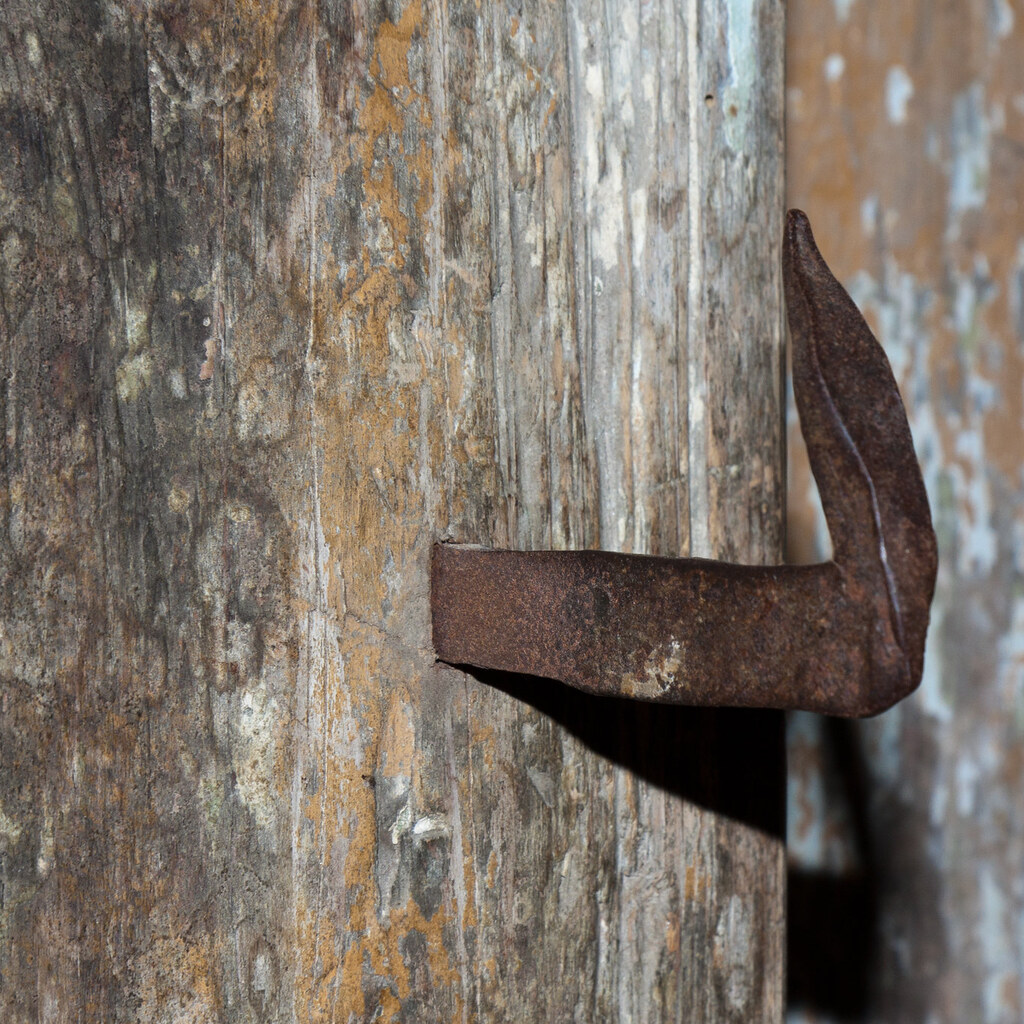
Something is dead as a doornail if it is completely dead or no longer working.The phrase has been used in English for many centuries. A doornail was a metal nail fixed firmly into a door, making it lifeless and immovable.
After the battery failed, the old phone was as dead as a doornail.
Different kettle of fish
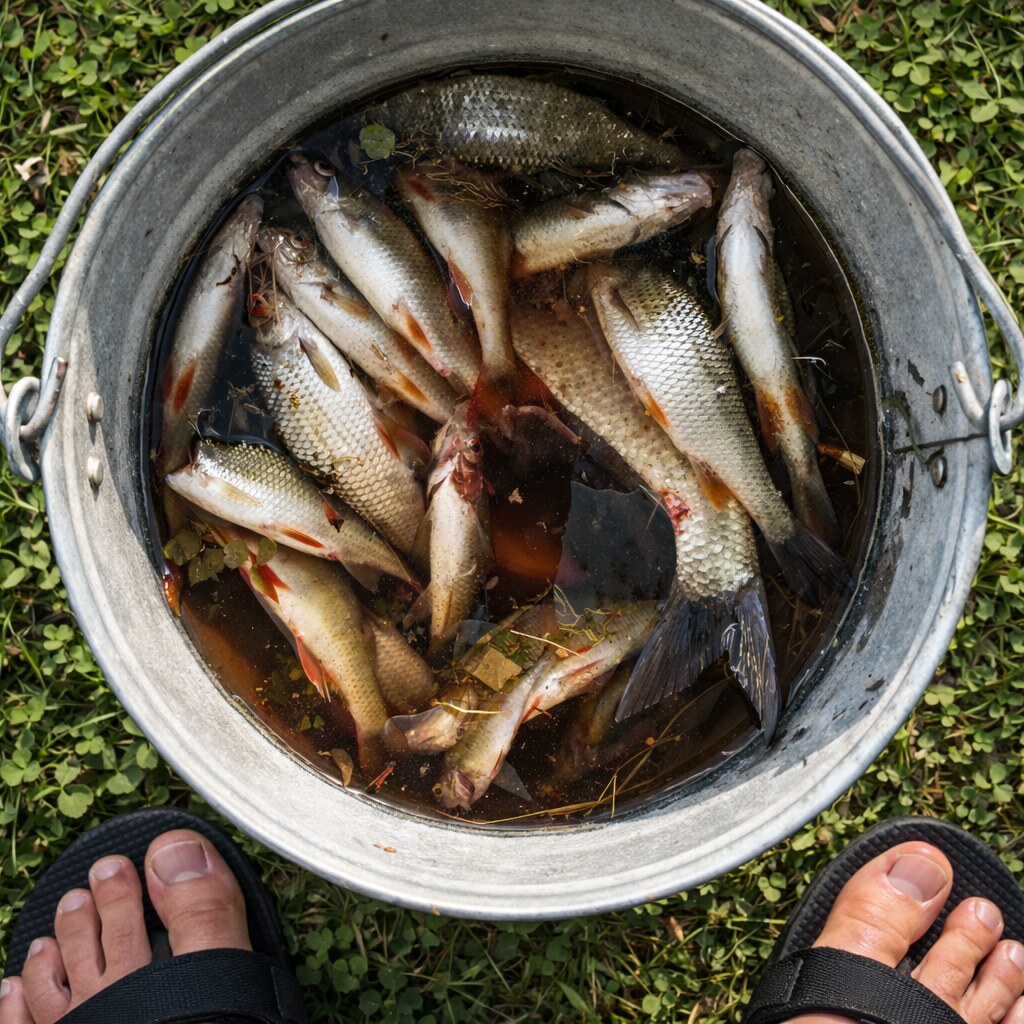
A different kettle of fish means a completely different situation or subject from the one being discussed before. People use this idiom when something changes the topic or introduces a new and separate issue.The expression comes from older British cooking terms where a kettle meant a pot used for boiling fish. Talking about a different kettle of fish meant dealing with an entirely different dish.
Fixing a small leak is one thing, but rebuilding the whole roof is a different kettle of fish.
Dig your own grave
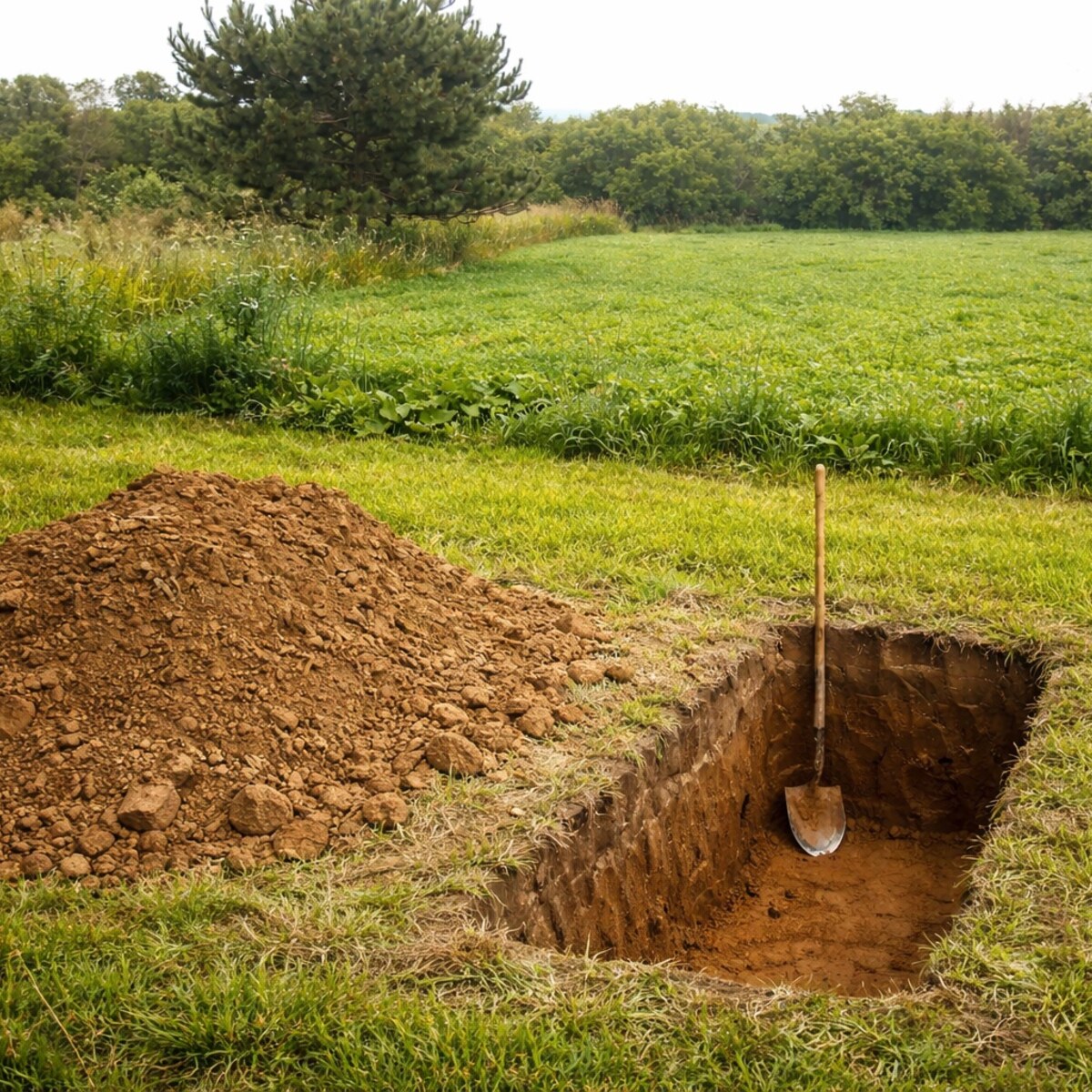
The phrase dig your own grave means to cause your own failure by your own actions. It is used when someone makes choices that lead to trouble later. The origin of this idiom is macabre and a literal image of digging your own grave.By lying again, he dug his own grave.
Don't know what you've got 'til it's gone
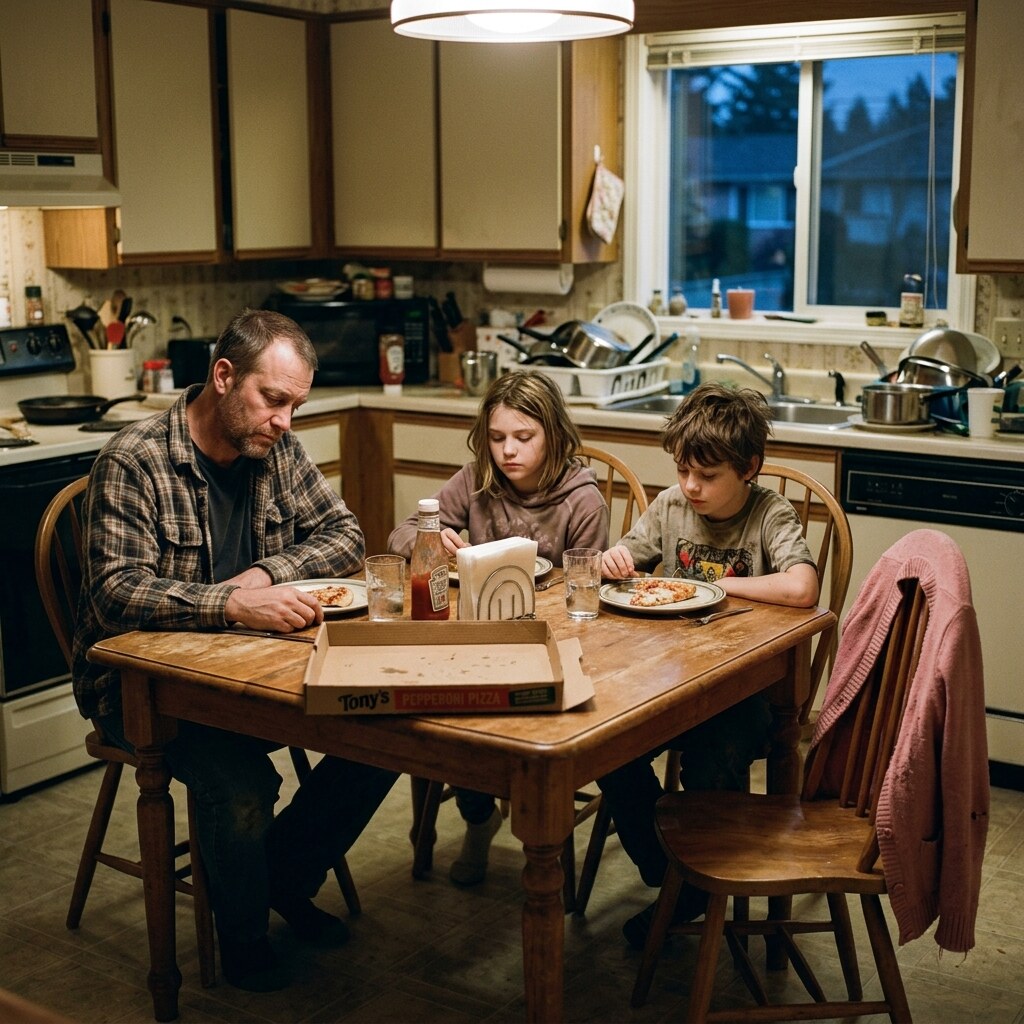
The saying don't know what you've got 'til it's gone means people often fail to appreciate something while they still have it. The value only becomes clear after it disappears.The idea has appeared in different sayings for many years. It became especially well known through popular song lyrics in the twentieth century.
After the old park closed, many locals realized you don't know what you've got 'til it's gone.

Down to earth
The idiom down to earth means practical, realistic, and not showy. A down-to-earth person is easy to talk to and not stuck-up.The phrase comes from the idea of being close to the ground rather than elevated or distant.
Despite his success, he remained down to earth.
Every man and his dog
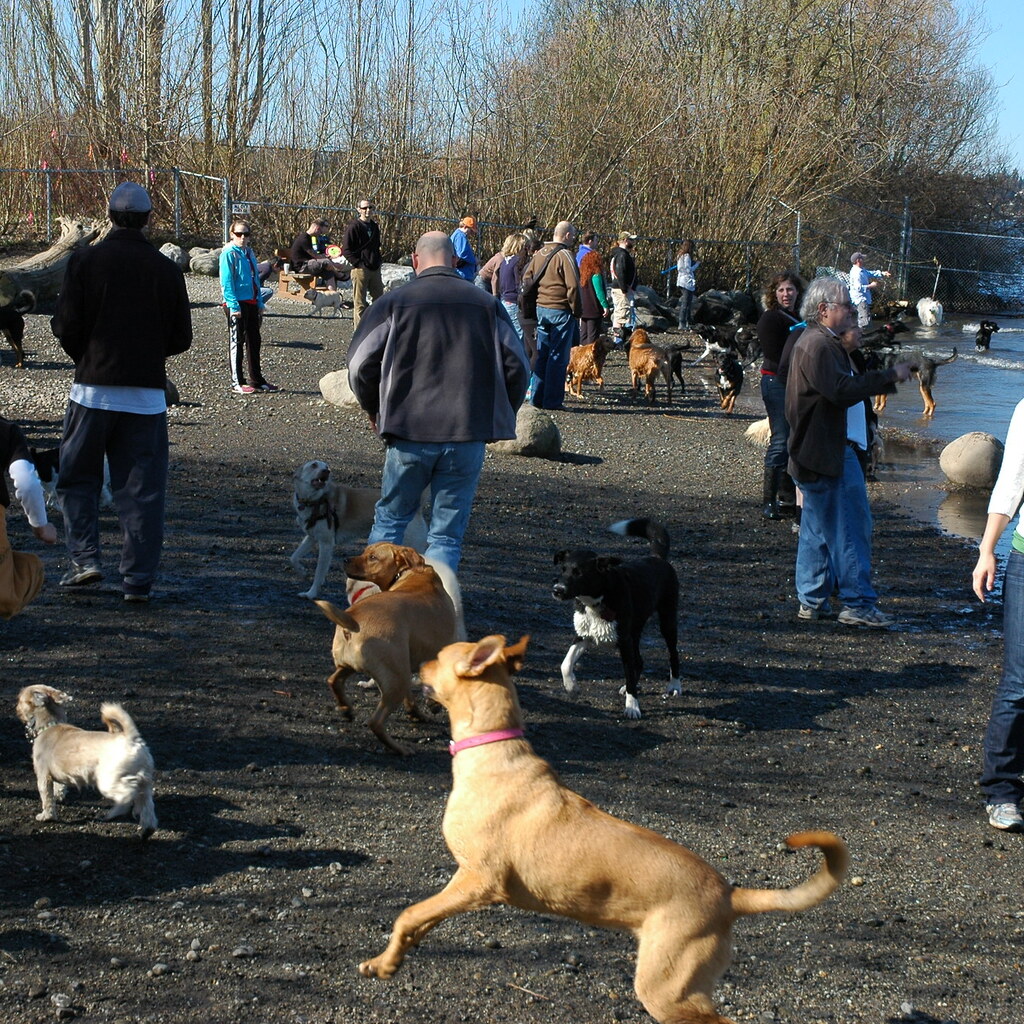
Every man and his dog means almost everyone or a very large number of people. The phrase is often used when something becomes extremely common or widely done.The saying appeared in British English in the 1800s. It exaggerates the image of so many people showing up that they even bring their dogs along.
Don't feel so special, every man and his dog has a phone that can do that.
Few and far between
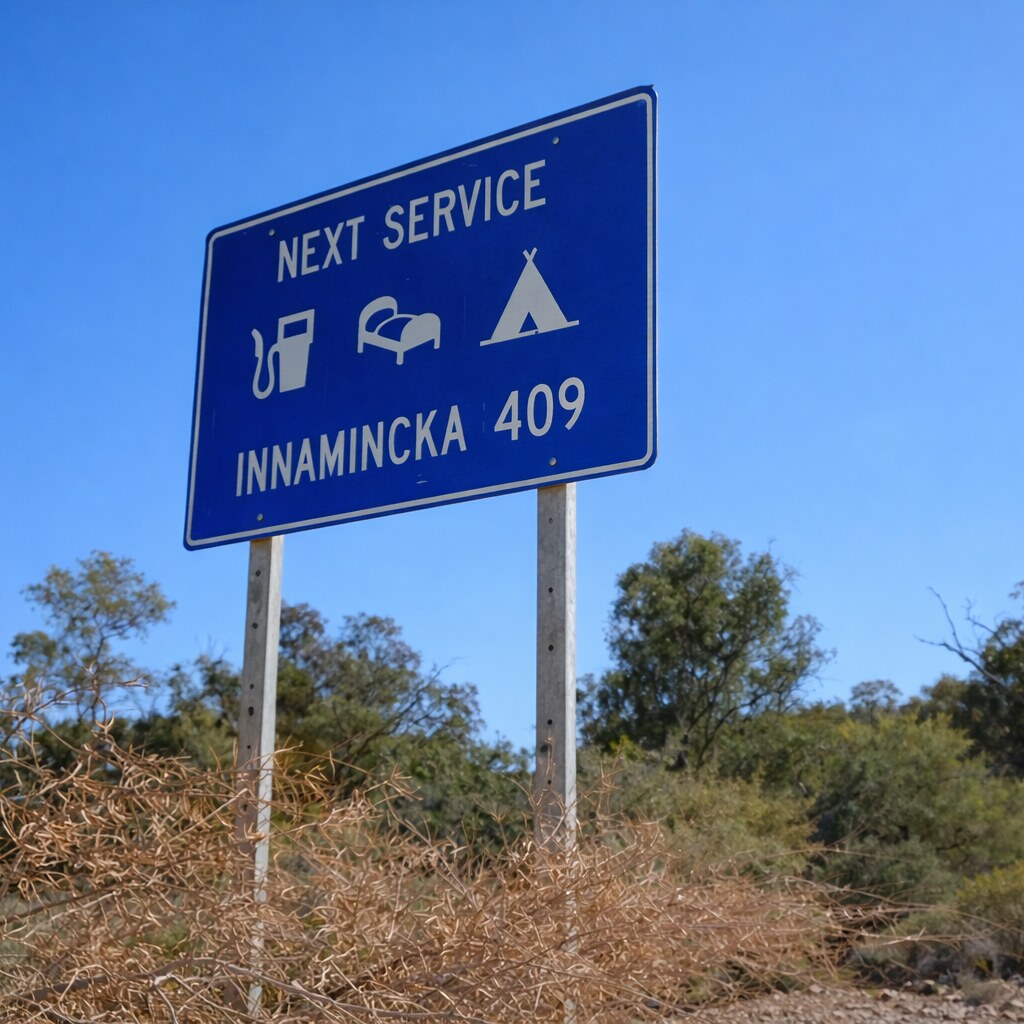
Few and far between means that something is rare and does not happen or appear very often. This idiom describes things that are scattered or uncommon.The phrase has been used in English since the 1600s. It combines two ideas, being few in number and far apart in distance, to emphasize how uncommon something is.
Good parking spots were few and far between on the busy street.

Fighting an uphill battle
Fighting an uphill battle means struggling against difficult conditions that make it hard to progress.The phrase comes from combat on steep ground. Moving uphill slows you down and gives the other side an advantage.
Trying to save the small business felt like fighting an uphill battle.

Give an inch, take a mile
To give an inch, take a mile means that if you allow someone to take something small, they may try to take much more than you intended. It describes people who take advantage of kindness or flexibility.The saying has been used in English since at least the 1500s. It plays on the idea of someone being given a tiny measurement, an inch, and then trying to claim something far larger.
If you let him borrow your tools once, he will start showing up every weekend because he tends to give an inch, take a mile.

House of cards
A house of cards describes something that is very precarious and likely to collapse if even a small problem occurs.The phrase comes from the activity of stacking playing cards to build a delicate structure. Because the cards are only lightly balanced, the whole structure can easily fall apart.
The company's finances turned out to be a house of cards once the debts were uncovered.
How long is a piece of string
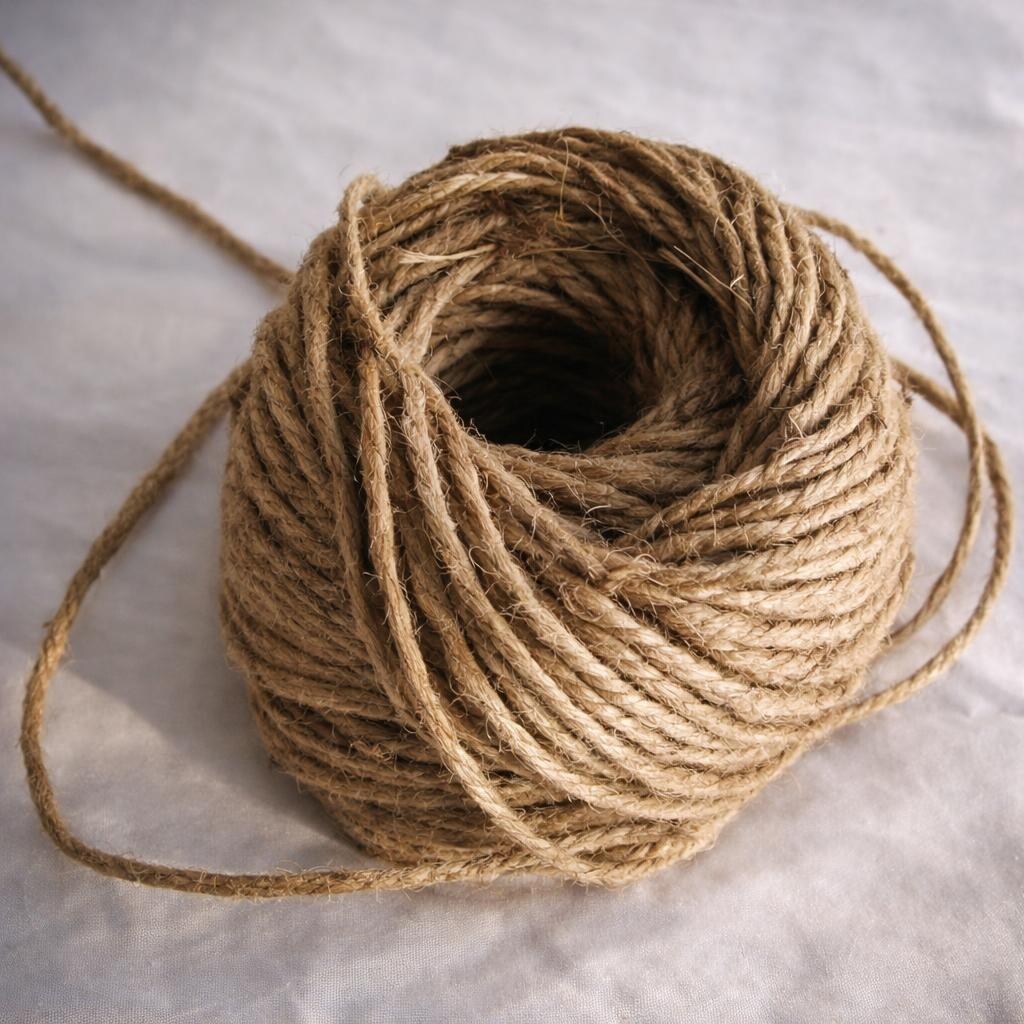
This phrase is used when someone asks a question that is impossible to answer. It usually happens because they did not give you enough details. For example, if someone asks how much a holiday costs, you cannot give a single price. The cost depends completely on where they go.The saying comes from old time shops. People used to buy household items like string or ribbon cut to order from a large roll. If a customer simply asked for "a piece of string," the shopkeeper could not cut it without knowing the exact length needed.
I asked how much it would cost to make my kitchen nicer and people kept telling me how long is a piece of string?

In hot water
To be in hot water means to be in trouble because of something you have done. It usually means the consequences of a mistake.The phrase has been used in English since the 1500s. Hot water was often associated with danger or discomfort, so the expression became a way to describe being in a difficult situation.
He was in hot water for being late again.
It's all fun and games
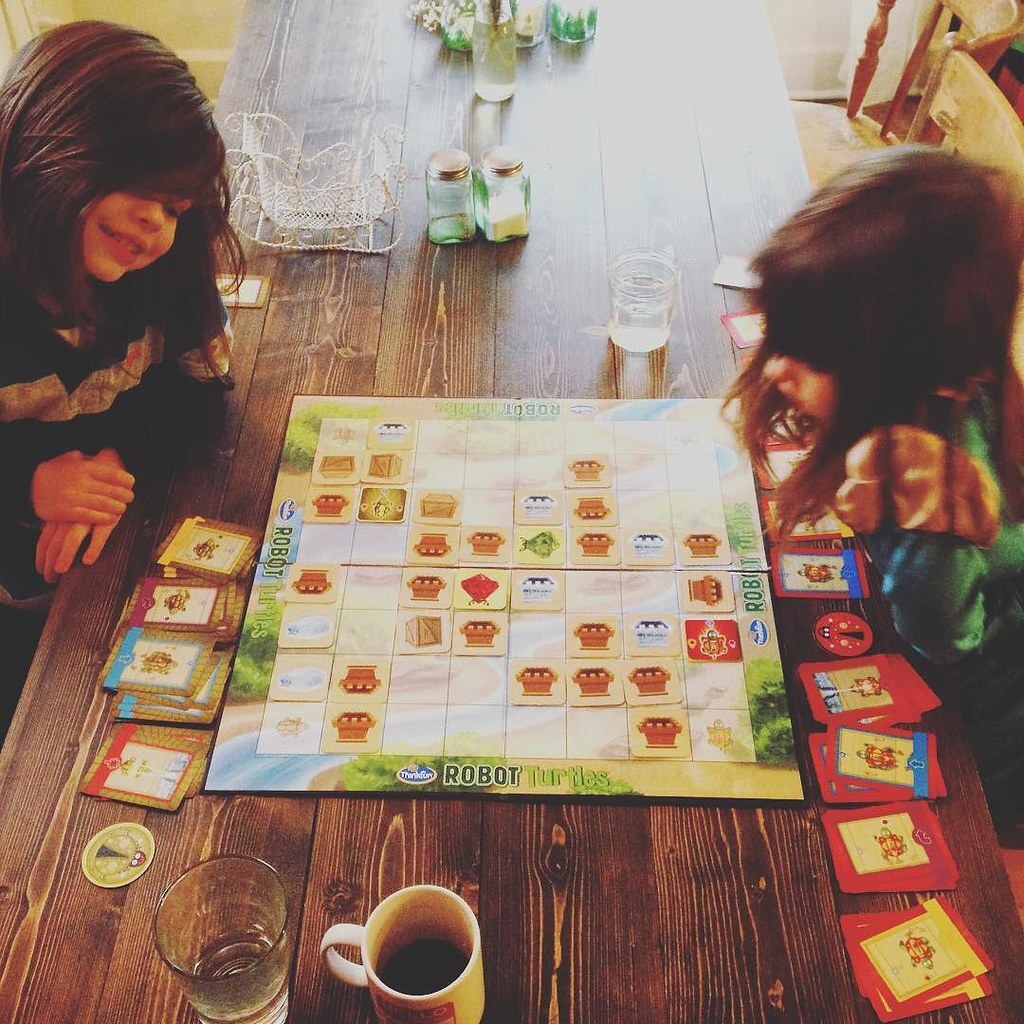
It's all fun and games means that something seems entertaining or harmless at first, but it can become serious or cause problems. The phrase is often used as a warning that playful behavior can go too far.The expression is a shortened form of the older saying "it's all fun and games until someone gets hurt". Variations of the phrase have been used in English for many years to remind people that actions can have consequences.
It was all fun and games while they were racing their bikes down the hill, until someone crashed.