
Showing 41-50 of 50

The best of both worlds
You have the best of both worlds if you are benefiting from two completely different situations at the same time.You have a garden but you still live right by the city? Wow, that's the best of both worlds!
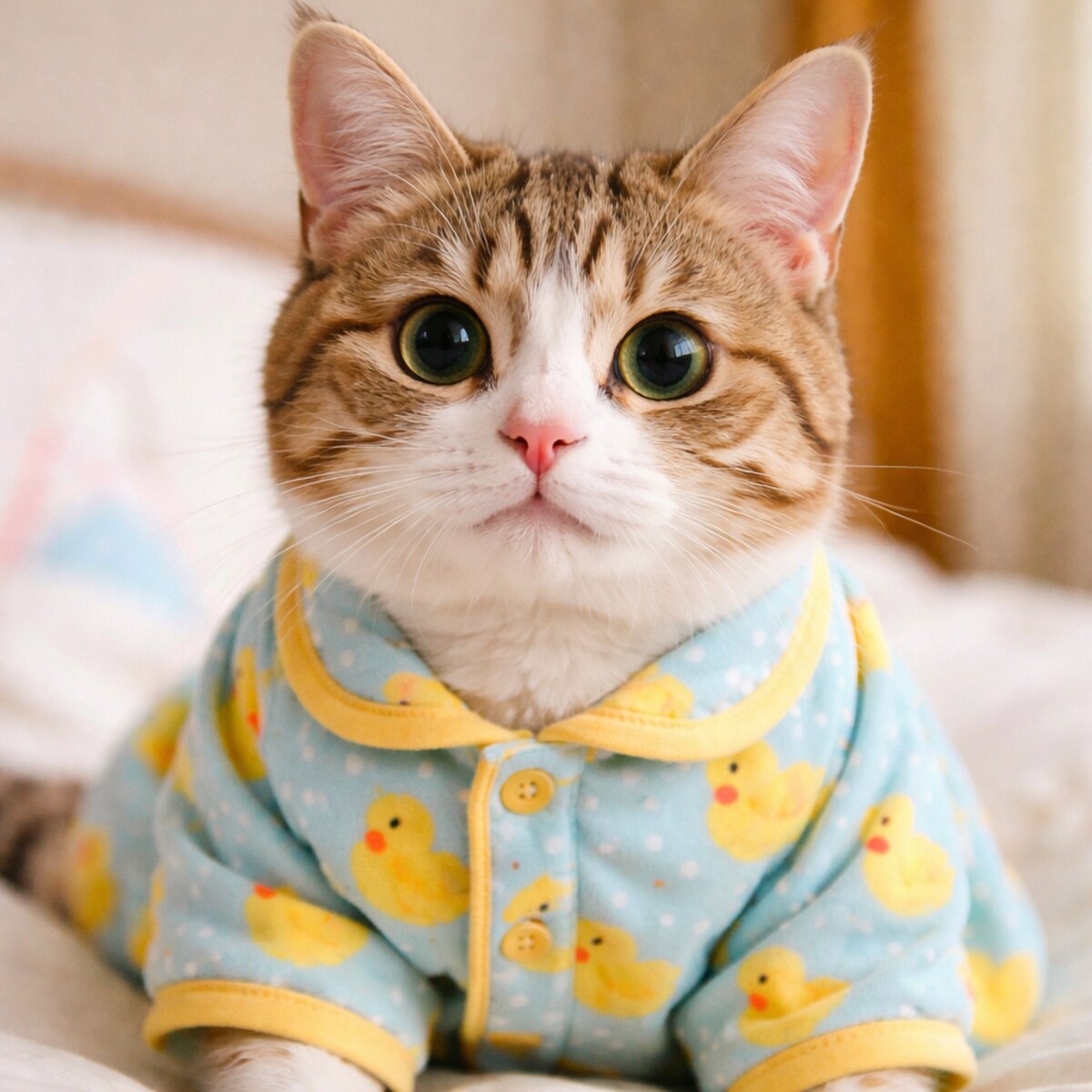
The cat's pajamas
The cat's pajamas is a slang way of saying something is excellent.My new shoes are just the cat's pajamas!

The more the merrier
The more the merrier means that a situation becomes more enjoyable when more people join in. It is often said when welcoming others to take part in an activity, gathering, or event.The saying has been used in English for hundreds of years and reflects the idea that shared company brings more fun and happiness. It became a common friendly expression when inviting others to join a group.
When another cat jumped onto the couch beside the others, she laughed and said the more the merrier.
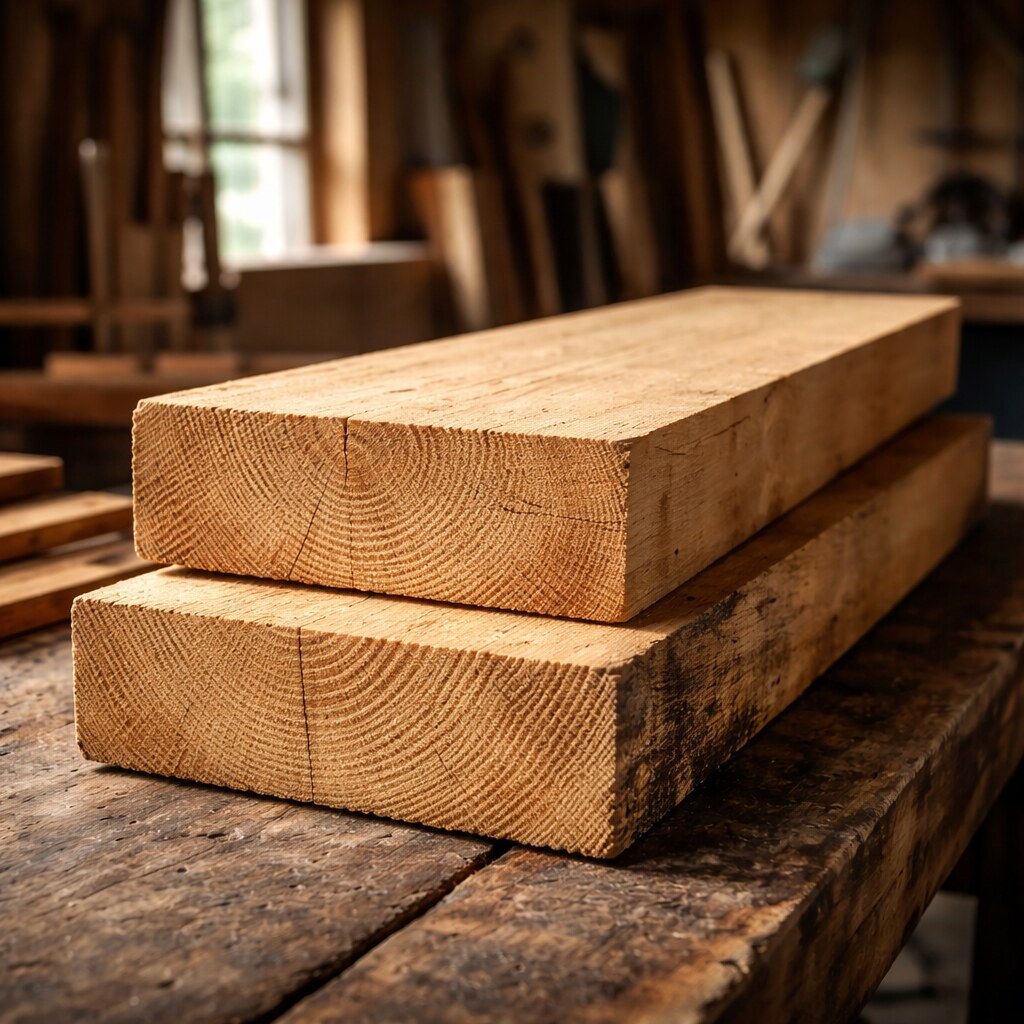
Thick as two short planks
If someone is as thick as two short planks, it means they are very slow to understand things or seem quite foolish. The phrase is usually used in a joking or slightly rude way to say that someone is not very clever.The idiom compares a person's thinking to two pieces of wood, suggesting there is not much going on in their head. People often say it in a playful or sarcastic tone when someone misses something obvious.
I had to explain the instructions three times before he admitted he felt thick as two short planks.

To each their own
To each their own means that everyone has different tastes or preferences, and people should be free to like what they like. This idiom is often used when someone chooses something that others might not like.The phrase has been used in English for many years as a way to accept differences in opinion or lifestyle.
I don't like coffee, but to each their own.

Too close for comfort
The idiom too close for comfort means a situation feels uncomfortably near or risky. It is used when something almost goes wrong or when danger or trouble comes closer than someone would like.The expression has been used since the early 1900s. It likely developed from the simple idea that being too near to something unpleasant can make people feel uneasy.
That car swerved past us on the narrow road and it was too close for comfort.
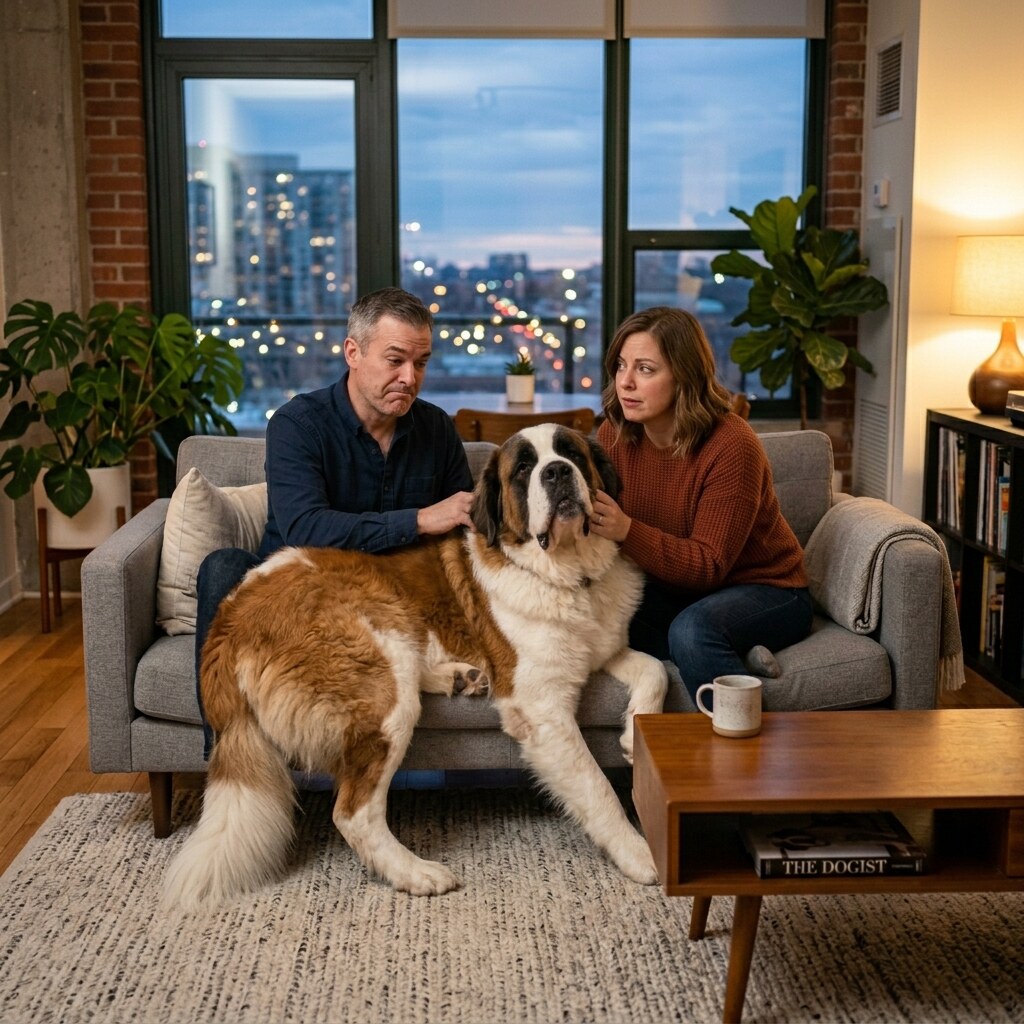
Two's company, three's a crowd
Two's company, three's a crowd means that two people often enjoy privacy together, while a third person can interrupt that closeness. The phrase is often used when a pair would rather be alone.The saying appeared in English in the 1600s. It reflects the long-standing idea that couples prefer time without others around.
When their friend tried to join them at the quiet table, he laughed and said two's company, three's a crowd.

Up in the air
To be left up in the air means that something has not been decided yet or is still uncertain. Plans or outcomes that are up in the air may change because no final decision has been made.The phrase comes from the image of something floating or hanging in the air without a clear place to land. Because it has not settled anywhere, it became a way to describe situations that are still unresolved.
Our travel plans are still up in the air.
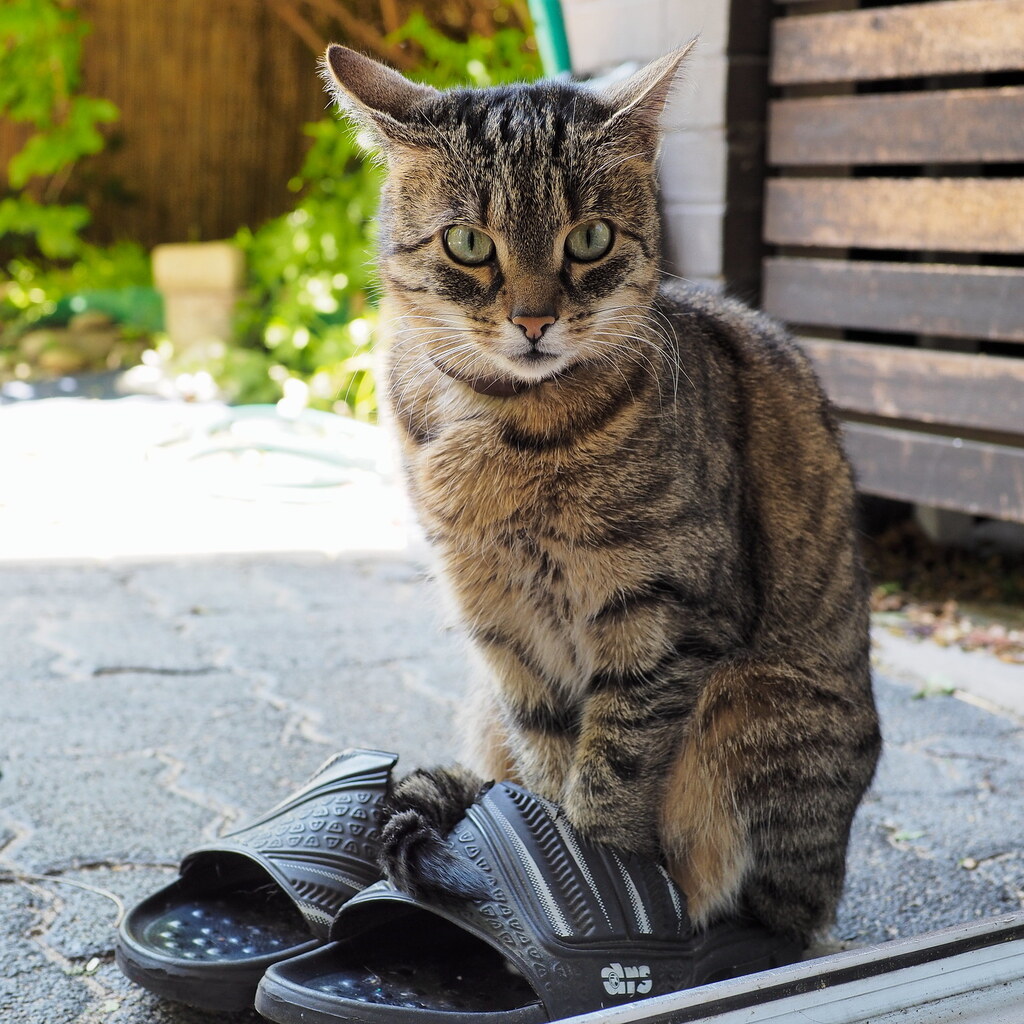
Walk a mile in their shoes
To walk a mile in someone's shoes means really trying to understand another person's situation before judging them.The saying appeared in English in the 1800s. It uses the image of wearing another person's shoes and traveling their path to represent understanding their life.
Before criticizing her decision, try to walk a mile in someone's shoes.

You're on thin ice
The phrase you're on thin ice, or you're walking on thin ice or even you're skating on thin ice means you are in a risky situation. One more mistake could cause trouble. This idiom refers to walking on a frozen lake or river, where you might fall through the thin layer of ice on the surface if you are not careful.After missing two deadlines in a row, he knew he was on thin ice with his manager.