
Showing 21-40 of 43

Leave no stone unturned
The idiom leave no stone unturned means to search everywhere and try every option. If you tell someone this, it means you want them to check thoroughly.They left no stone unturned in the search.

Lightning never strikes twice
The idiom lightning never strikes twice means that if something very unlucky (or very lucky) happened to someone once before, it is very unlikely to happen again. This refers to the odds of being struck by lightning being already very low, and being struck twice is even lower again.Why are you buying a lotto ticket? You won last year, you know lightning never strikes twice.

Low hanging fruit
Low hanging fruit means a task that is easy to finish with little effort. It describes something that can be done quickly before moving on to harder work.The phrase comes from fruit growing on a tree. The fruit that hangs low is the easiest to reach and pick without climbing.
They started by fixing the small problems first because those were the low hanging fruit.

Make waves
To make waves means to cause trouble or disagreement, often by speaking up and challenging how things are normally done.The phrase comes from the image of calm water being disturbed so that waves form on the surface. It began to be used in the early 1900s to describe actions that create noticeable disruption.
She did not want to make waves on her first day at the new job, so she kept her concerns to herself.

Nip it in the bud
To nip something in the bud means to stop it early before it gets bigger and becomes more of a problem. This is often used to reference stopping an emerging bad habit.This idiom comes from gardening, where you can nip off the buds on plants to direct which way they will grow.
Your puppy is chewing the furniture, you'd better nip that in the bud.

Out on a limb
To go out on a limb means to take a risk by saying or doing something that others might not agree with.The phrase comes from the image of climbing far out on a tree branch. The farther you go from the trunk, the less support you have, and the greater the chance the branch could break.
I might be out on a limb here, but I think their small startup could become very successful.

Over the moon
To be over the moon means to be extremely happy about something.The expression comes from the nursery rhyme Hey Diddle Diddle, where the cow jumps over the moon. Over time the phrase came to describe a feeling of happiness so strong it seems to lift someone far above the ground.
She was over the moon when she heard she had been accepted into the program.

Play with fire
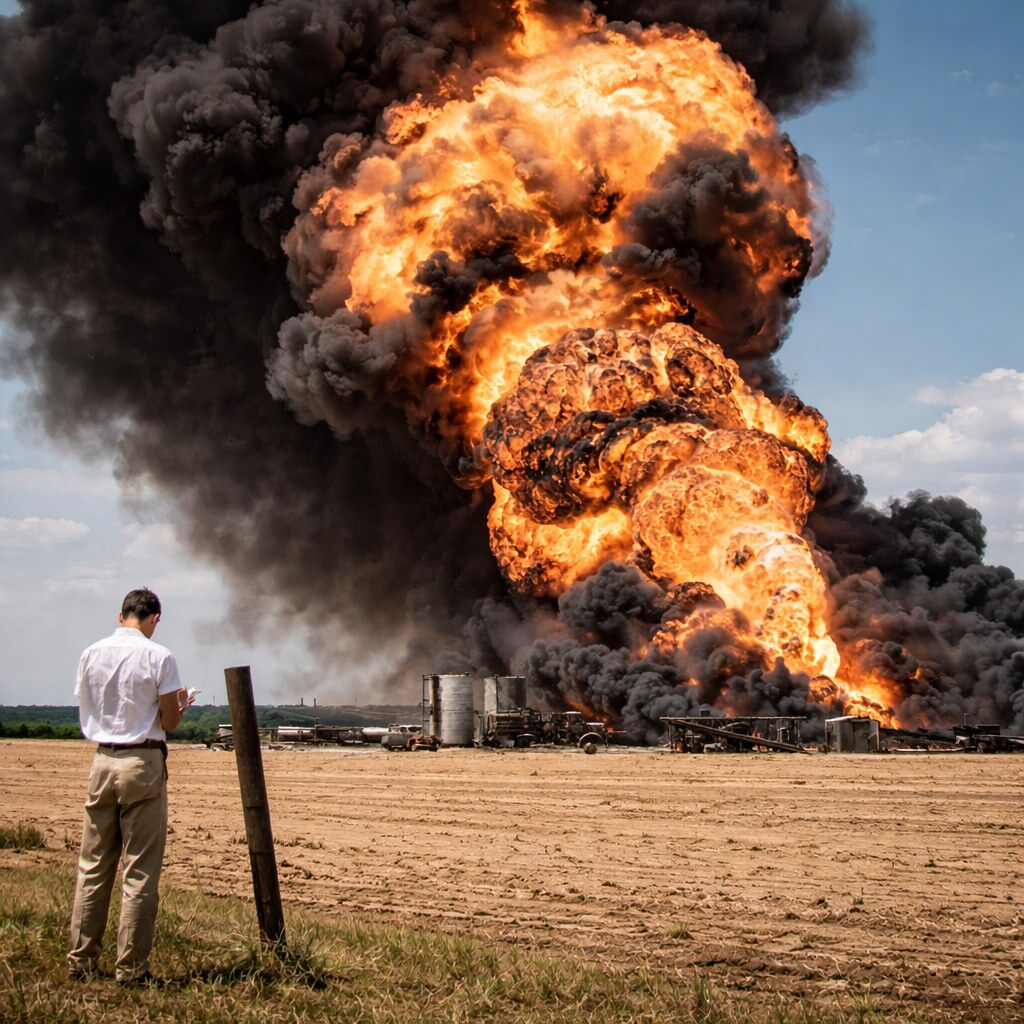
To play with fire means to do something that is risky. It often describes behavior that seems exciting or tempting but could easily lead to something bad happening.The phrase comes from the obvious danger of handling real fire without care. Since fire can quickly spread and cause harm, the image became a way to describe risky actions.
Ignoring the safety rules at the construction site is like playing with fire.

Pot of gold at the end of the rainbow
The phrase pot of gold at the end of the rainbow comes from Irish folklore, where leprechauns hid their treasure where a rainbow touches the ground. It is used to mean a desire that is elusive and is always out of reach.Rainbows do not have a real end, if you try and get the end of a rainbow it keeps moving away from you.
A work from home job where I can sit on a beach all day, that's the pot of gold at the end of my rainbow!

Pure as driven snow
As pure as driven snow means completely innocent or morally clean. It is often used when someone claims they have done nothing wrong.This idiom refers to fresh snow that has just fallen, before it has been touched or dirtied. Because untouched snow looks perfectly clean and white, it became a symbol of purity.
He insisted he was as pure as driven snow despite the accusations.