
Showing 31-43 of 43
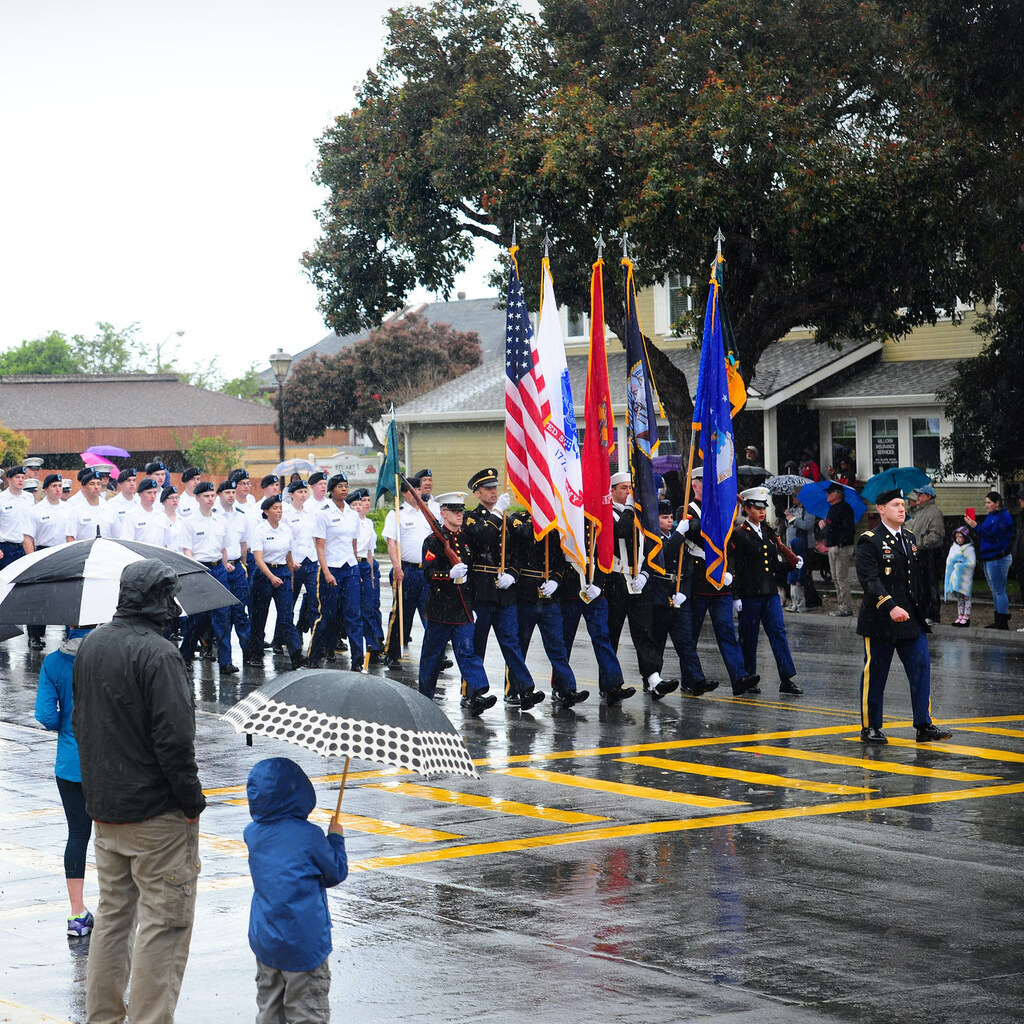
Rain on your parade
To rain on your parade means to spoil someone's plans or happiness by saying or doing something negative. It is used when someone interrupts a good moment with bad news or criticism.The phrase comes from the image of a parade being ruined by bad weather. If rain falls during a parade, it makes the event less enjoyable for everyone.
I don't want to rain on your parade, but the concert you wanted to see has already sold out.

Raining cats and dogs
Raining cats and dogs means that the rain is falling very heavily.The phrase appeared in English several centuries ago. Its exact origin is uncertain, though many theories link it to older expressions used to describe violent storms.
We stayed inside all afternoon because it was raining cats and dogs.
Right as rain
To be right as rain means feeling healthy, well, or completely fine again after being sick or having a problem. It is often used when someone quickly returns to normal.The expression comes from the idea that rain is natural and dependable. In British English especially, it came to mean that something is exactly as it should be.
After a good night's sleep, she felt right as rain.

Salt of the earth
Salt of the earth describes someone who is very good, honest, and kind. It is usually used for ordinary people who work hard, help others, and do the right thing without showing off.The phrase comes from an old expression that compared good people to salt, which was once very valuable and important for preserving food. Just as salt was essential in everyday life, these people were seen as important and dependable members of a community.
The old mechanic who fixes cars for free is the salt of the earth.
Save for a rainy day
Saving for a rainy day means to keep money or resources for a time when you might need them. People use this idea to talk about being careful and preparing for future problems or emergencies.This phrase comes from the idea of bad weather stopping normal plans. When rain keeps people indoors or makes work harder, it helps to have something saved to rely on.
She always saves a little from each paycheck for a rainy day.
Steal your thunder
Someone steals your thunder if they take attention or praise away from you, usually by doing what you were about to do first. It could mean taking someone's idea as your own, by doing something big at another event like proposing at someone else's wedding, or by announcing big news just before someone else announces theirs.I was going to announce my pregnancy at Thanksgiving, but my sister announced hers first and stole my thunder!

The tip of the iceberg
The idiom the tip of the iceberg means a small, visible part of a much larger problem or situation that is mostly hidden. What people can see or know at first is only a tiny part of the whole.The expression comes from real icebergs at sea. Only a small part of an iceberg is visible above the water, while most of it is hidden below the surface.
The missing money was only the tip of the iceberg once the full investigation began.
Throw caution to the wind
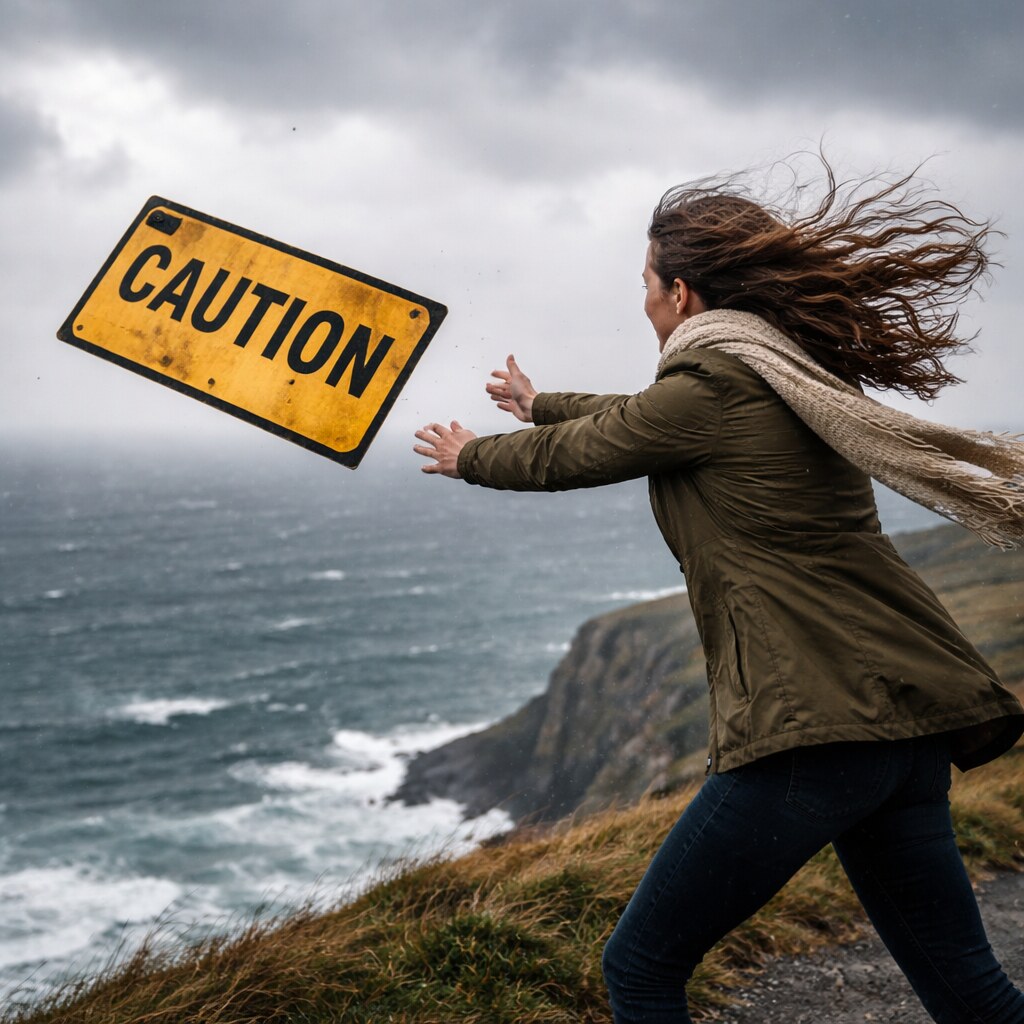
To throw caution to the wind means to stop worrying about danger or consequences and act boldly or recklessly. It describes a moment when someone decides not to be careful anymore.The expression comes from the image of literally throwing one's caution away so that the wind carries it off. The phrase has been used in English since at least the 1800s.
On the last day of the trip, they threw caution to the wind and tried the steep hiking trail.
To get cold feet
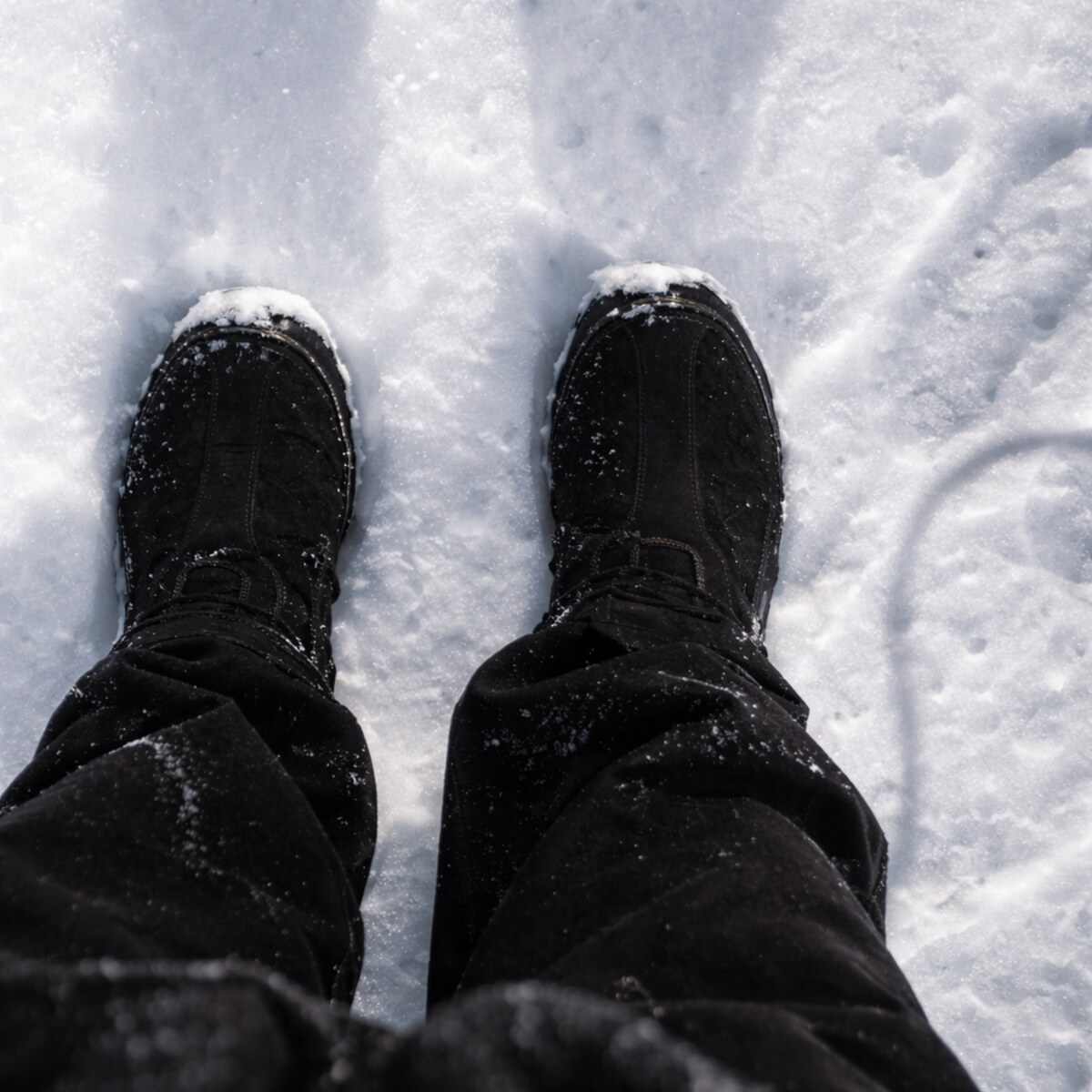
The idiom cold feet means sudden fear or doubt before doing something important. It is a way of describing last minute hesitation.This idiom has been in use since the 1600s and its exact origin is unclear.
He got cold feet before the wedding.

Under the weather
If you say you are under the weather it means feeling slightly ill, or tired, but not really badly sick.The expression likely comes from sailing. When sailors felt sick, especially during rough seas, they sometimes stayed below deck to recover, meaning they were literally under the weather.
I'm feeling under the weather today.