
Showing 41-60 of 93

Look before you leap
To look before you leap means you should stop to think carefully about what will happen before you act.The proverb has been used in English for hundreds of years and appears in very similar wording in older writings, including medieval literature. It uses the image of checking where you will land before making a jump.
Before quitting his job without a plan, his friend reminded him to look before you leap.
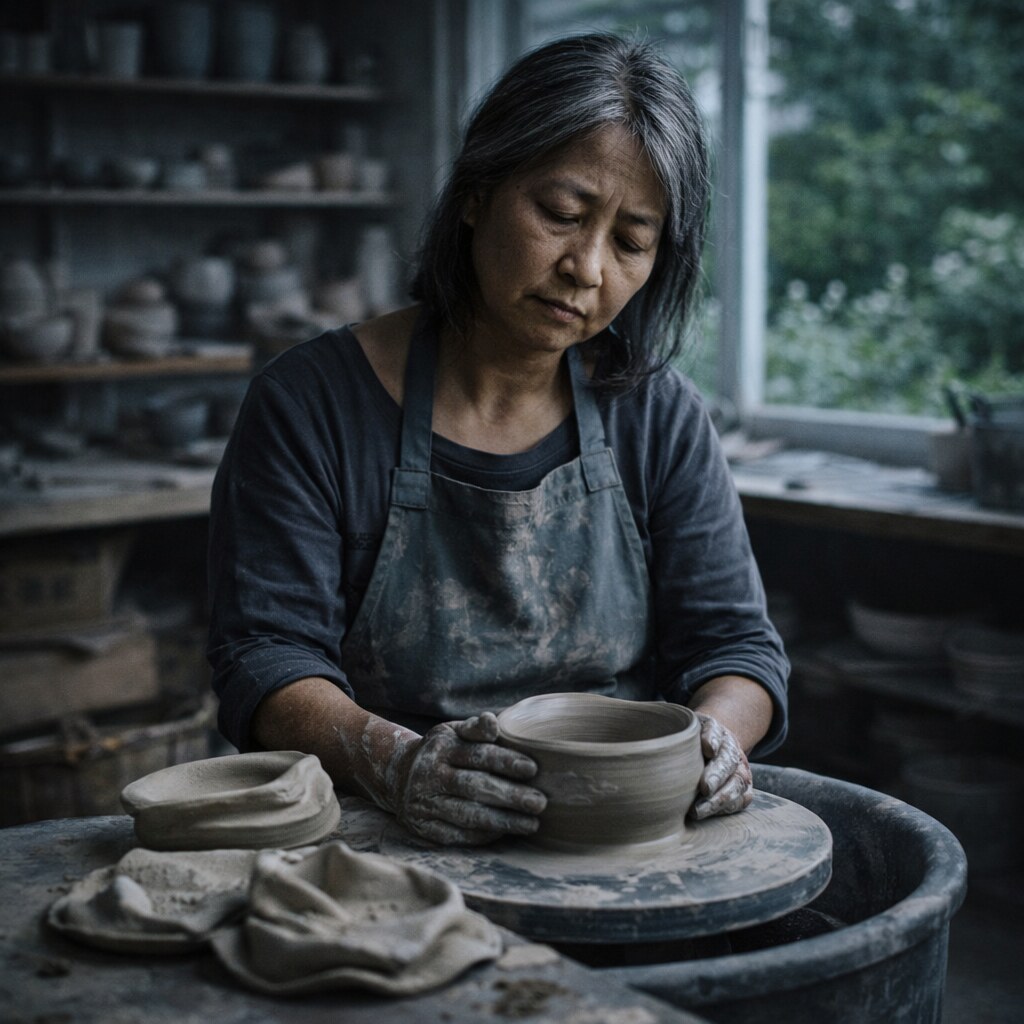
Lose your touch
To lose your touch means to lose the ability you once had at doing something well. People use this idiom when they talk about someone who used to perform well who now struggles.The expression comes from the idea of having a special touch or natural feel for a task. When a person no longer performs as well as they used to, people say they have lost their touch.
He used to make perfect pancakes every time, but lately it seems he has lost his touch.

Lulled into a false sense of security
To be lulled into a false sense of security means to being made to feel safe and relaxed when danger or problems still exist.The word lulled comes from lull, meaning to calm or soothe someone, like a lullaby quieting a child. In this phrase, that calm feeling is misleading because the real risk has not gone away.
The quiet weather lulled the hikers into a false sense of security before the storm arrived.
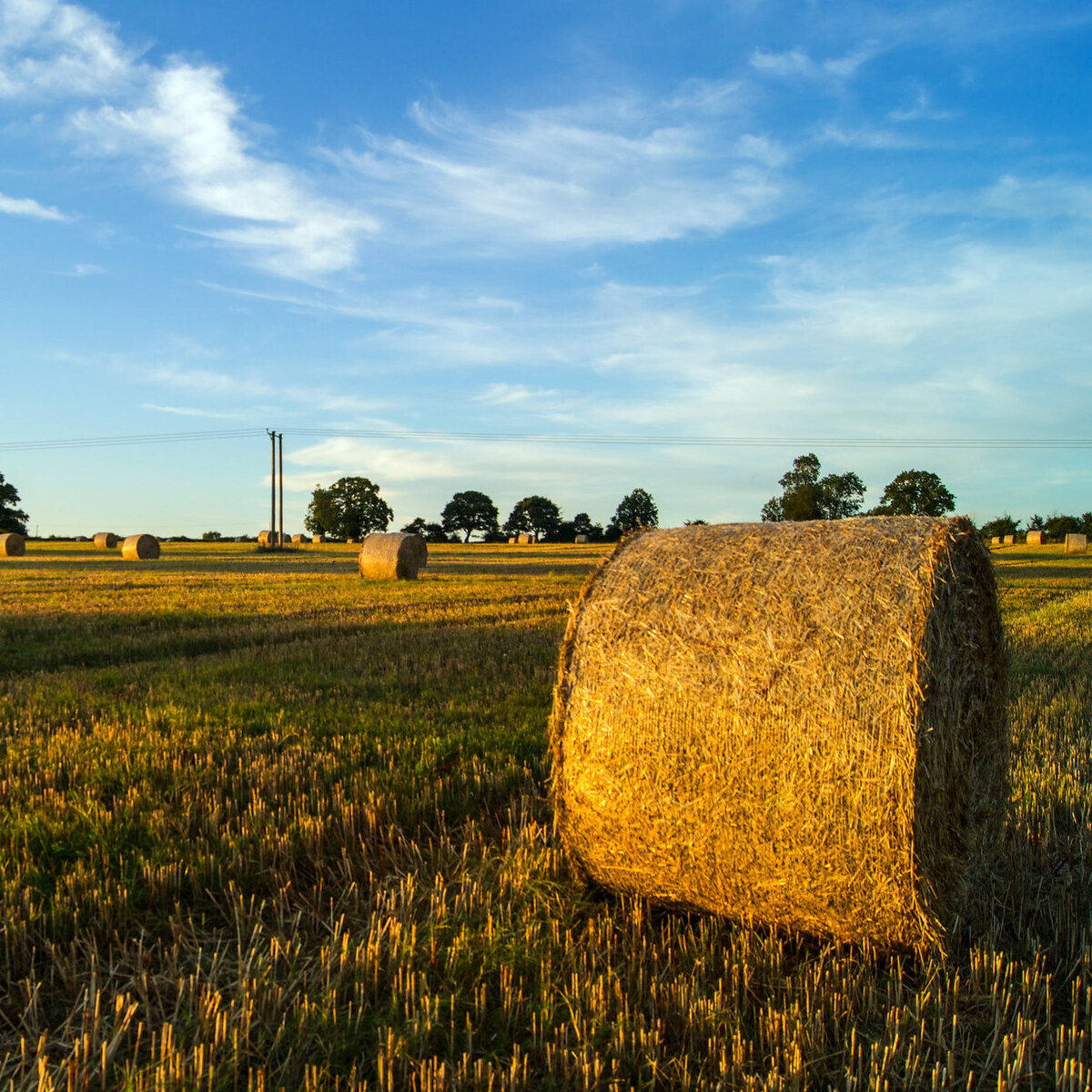
Make hay while the sun shines
The idiom make hay while the sun shines draws from farming practices, where you should get as much done as possible at harvest time while the sun is shining, or your hay will spoil from getting wet.It means that you should take advantage of the good times to get work done.
We have a lot of customers at the moment, let's make hay while the sun shines!

Make the most of it
To make the most of it means using a situation as well as possible, even if it is not ideal. The focus shifts to what can still be gained.The phrase has been used in English for many years. It reflects a practical attitude toward dealing with circumstances that cannot be changed.
The weather was poor, but they decided to make the most of it and go hiking anyway.
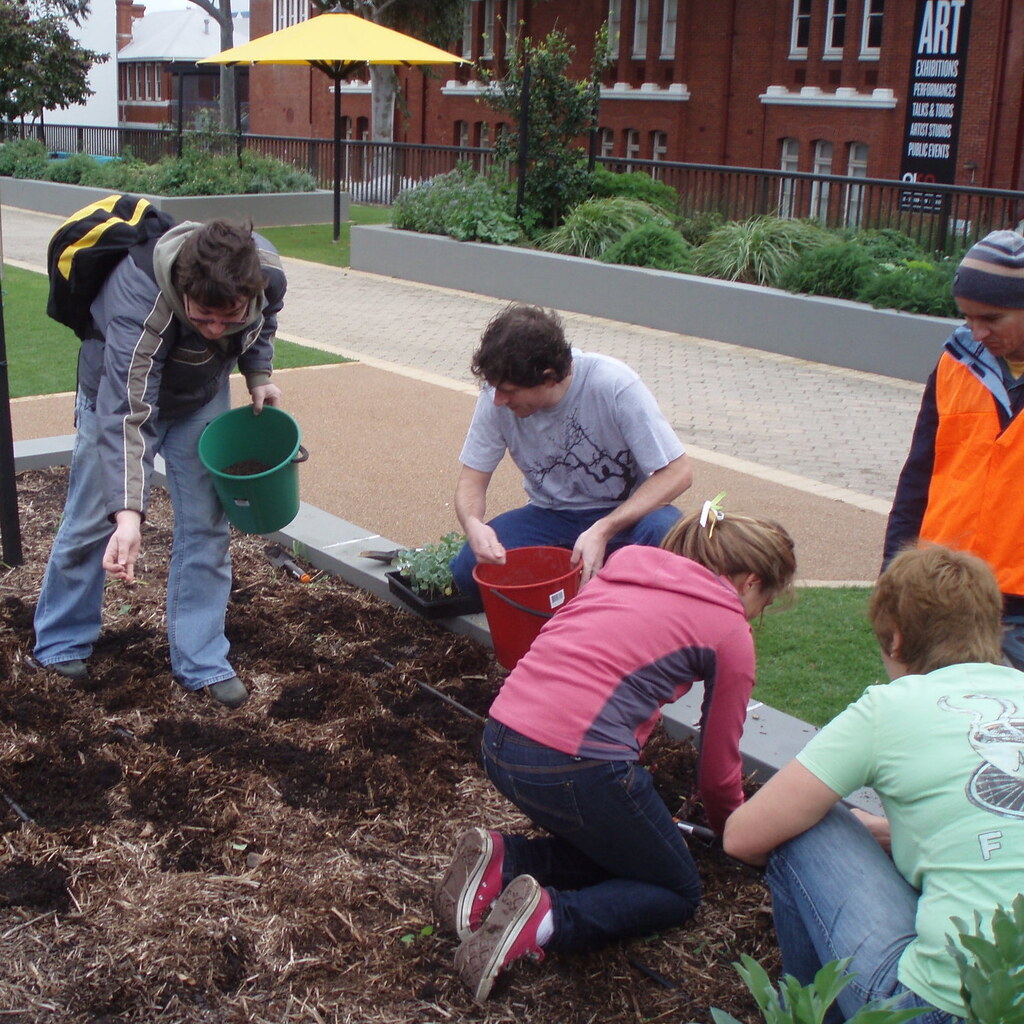
Many hands make light work
Many hands make light work is a phrase that means a task is much easier to complete when you have lots of people helping you.She needed to clean up after the big party before her parents came home, and made it just in time when everyone pitched in, and many hands made light work.
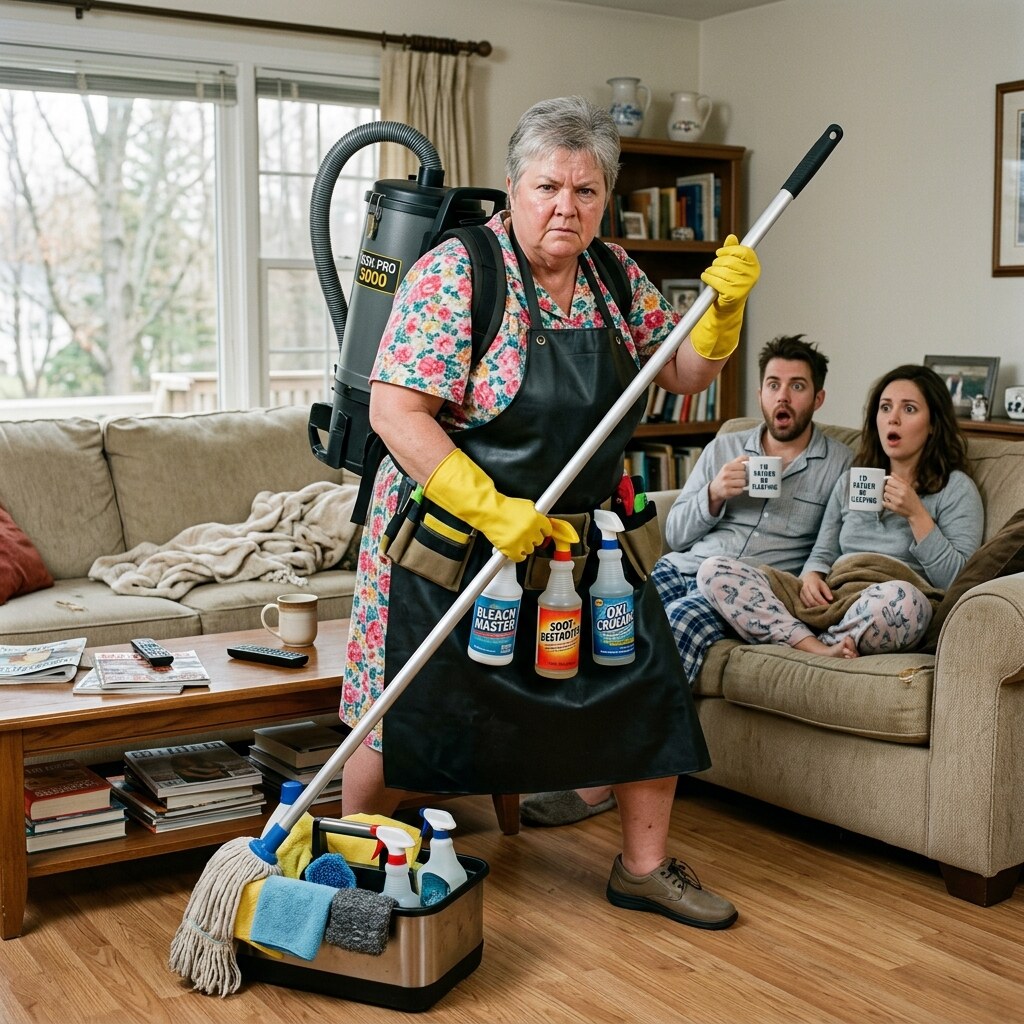
Mean business
To mean business means to be serious and determined about what you are saying or doing. When someone means business, they are not joking and expect others to take them seriously.The phrase has been used in English since the 1800s. It comes from the idea that when someone is dealing with business matters, they are focused and intent on getting results.
When the coach blew the whistle and started the tough training drills, everyone knew she meant business.

Mind your own business
Mind your own business means to focus on your own concerns and not interfere in other people's matters. This idiom is used when someone is being too curious or involved in something that does not concern them.The phrase has been used in English for centuries as a straightforward way of telling someone to stop asking questions or giving opinions about someone else's affairs.
When he started asking about their private plans, she told him to mind your own business.
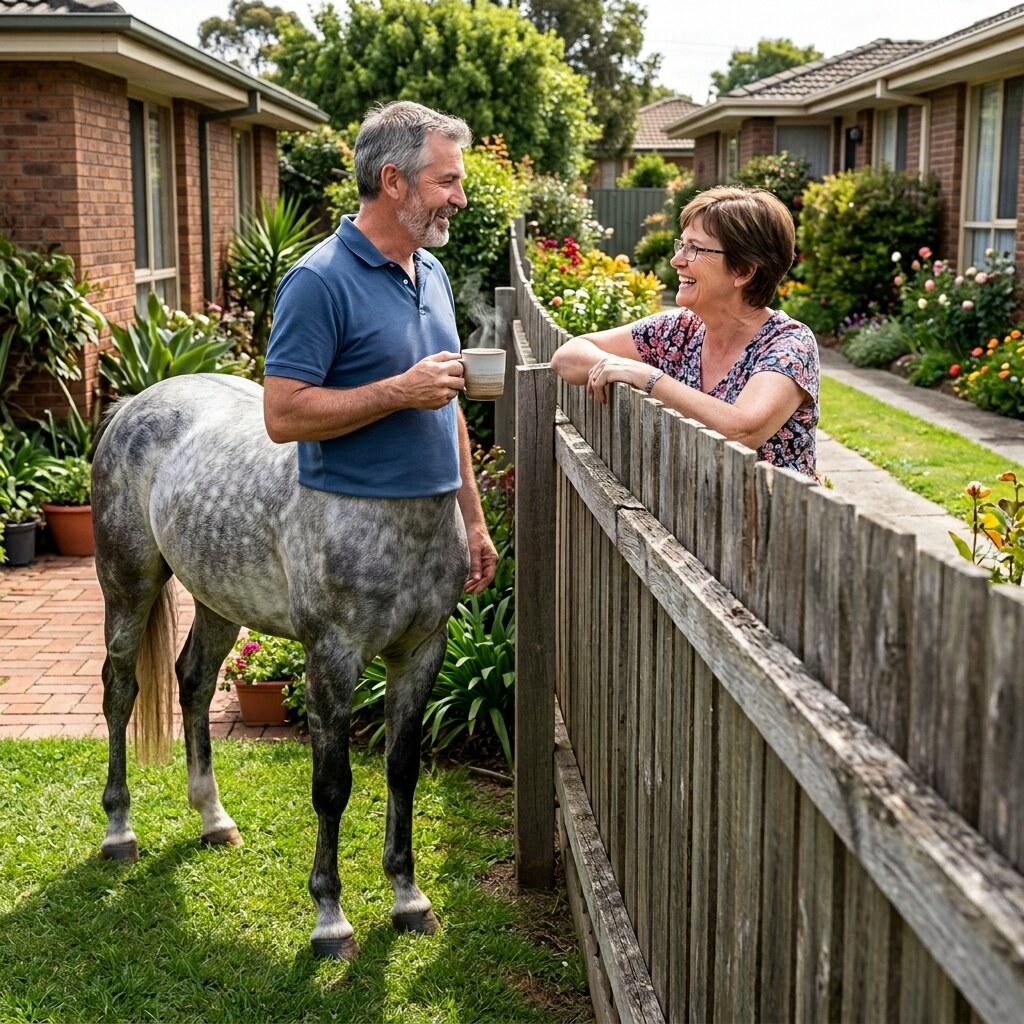
More than meets the eye
The idiom more than meets the eye means that something is more important or interesting than it first appears. At first glance it may seem simple, but there are hidden details or deeper reasons behind it.The phrase has been used in English for many years to describe situations where the true nature of something is not immediately obvious. It reminds people not to judge something too quickly based only on what they first see.
The quiet little shop looked ordinary, but there was more than meets the eye once you stepped inside.
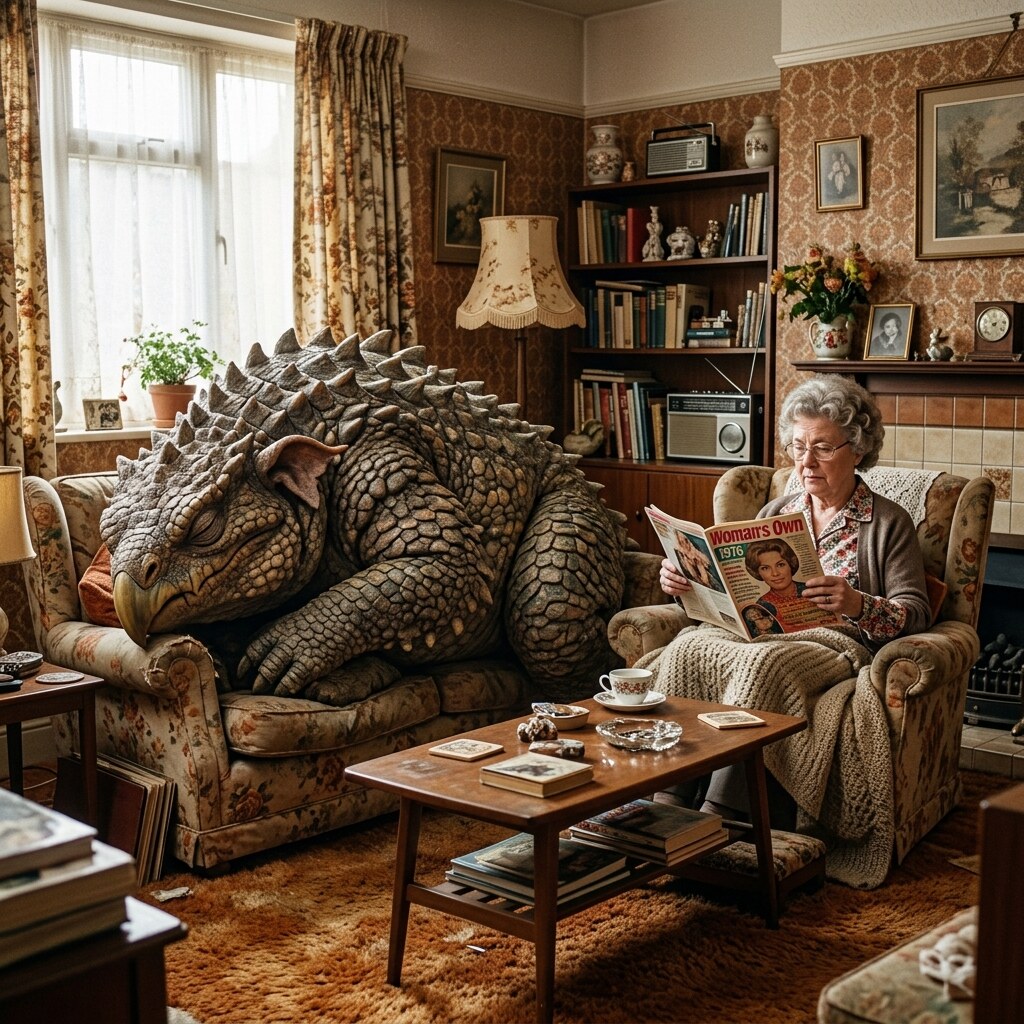
Nature of the beast
The nature of the beast means the basic qualities of something that cannot easily be changed. This idiom is used when a problem or difficulty is simply part of how a situation or system works.The phrase has been used in English for many years. The word beast is used figuratively to describe something powerful or difficult to control, emphasizing that certain behaviors are built into its character.
The work can be stressful at times, but long hours are just the nature of the beast in this industry.

No pain, no gain
The idiom No pain, no gain means that you must endure hardship or effort (pain) to achieve success or improvement (gain). This phrase arose from gym culture in the 1980s, and can be applied to a number of everyday situations.He believed that working very hard would pay off. No pain, no gain!

Not the end of the world
The idiom not the end of the world means a problem is not as bad as it seems. Life will continue and things can improve. It is often used to comfort someone - any problem anyone has is surely less than the entire world ending!You missed the bus, but it's not the end of the world.
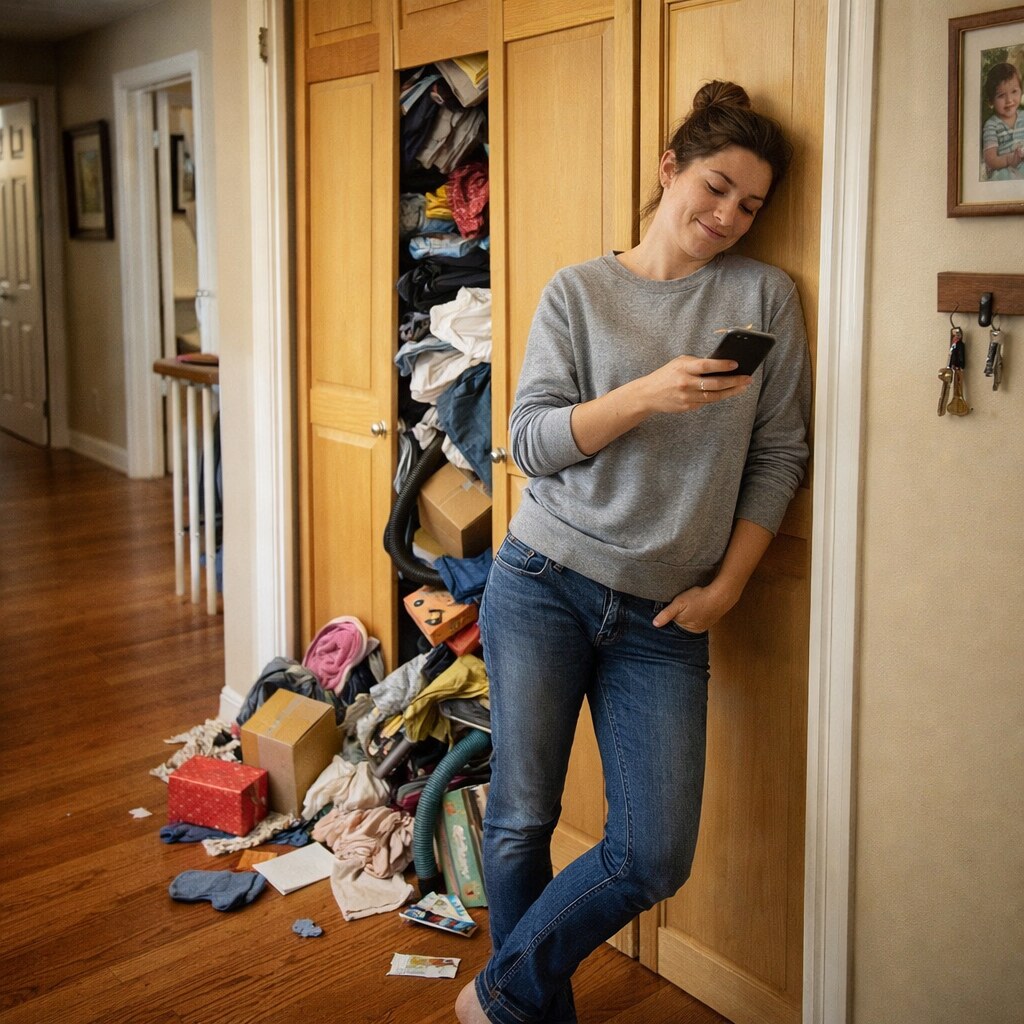
Out of sight, out of mind
The idiom out of sight, out of mind means that people tend to forget about things that they no longer see or think about regularly. When something disappears from view, it often disappears from attention as well.The saying has been used in English for several centuries and reflects a common human habit of forgetting things that are not easily visible.
Once the old toys were packed away in the attic, they were out of sight, out of mind.
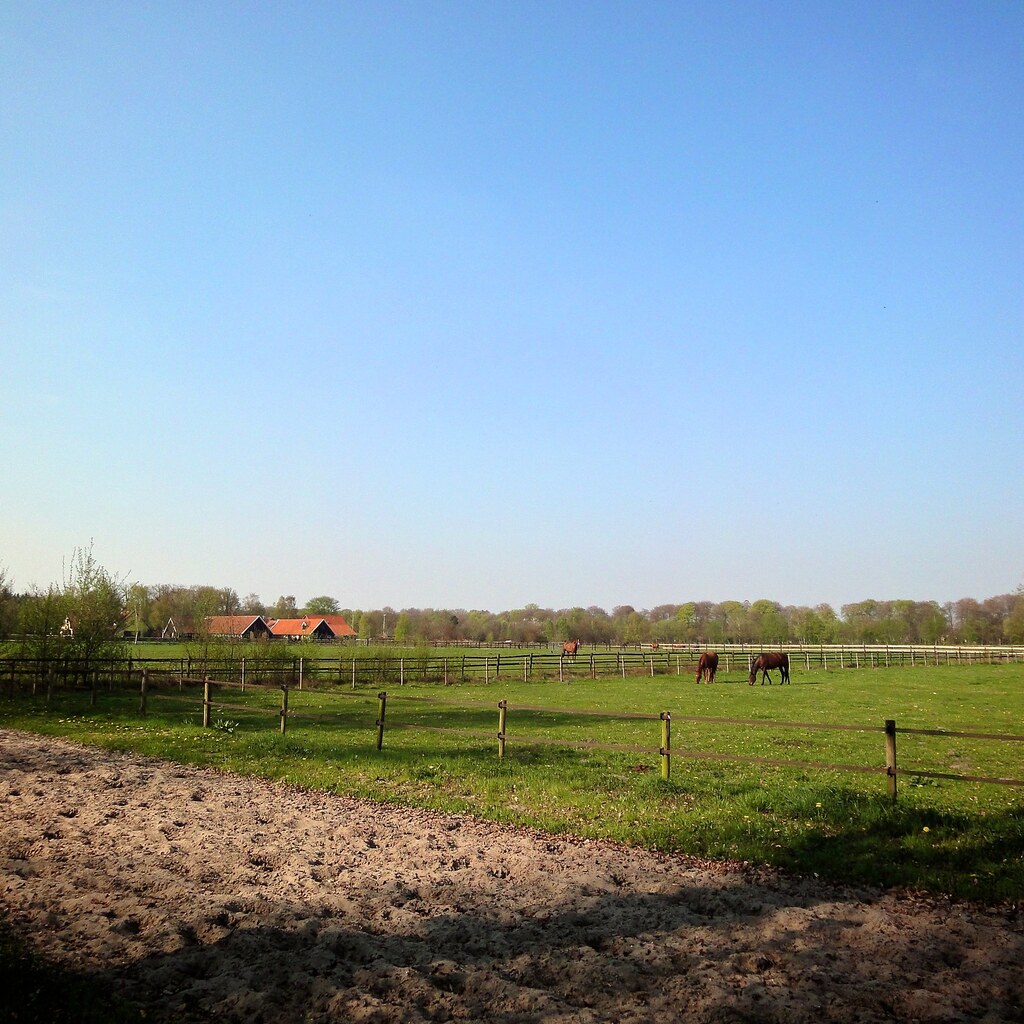
Out of the blue
Out of the blue means that something happens suddenly with no clear sign that it was about to happen.The phrase comes from the image of a sudden bolt of lightning appearing from a clear blue sky. Because lightning usually comes with storm clouds, a strike from a blue sky would be very surprising.
Out of the blue, an old friend called him after many years without contact.
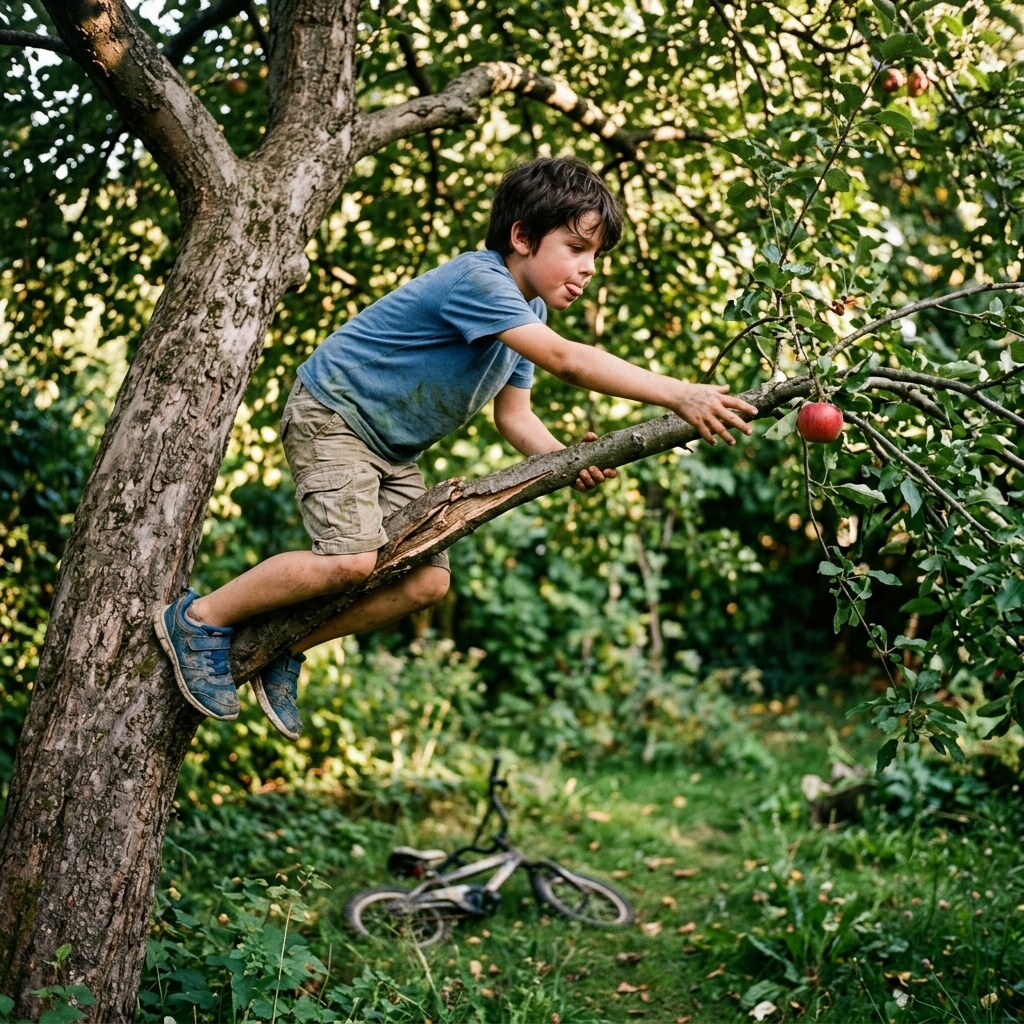
Out on a limb
To go out on a limb means to take a risk by saying or doing something that others might not agree with.The phrase comes from the image of climbing far out on a tree branch. The farther you go from the trunk, the less support you have, and the greater the chance the branch could break.
I might be out on a limb here, but I think their small startup could become very successful.

Paint the town red
To paint the town red means to go out and celebrate in a lively or wild way, often by visiting bars, parties, or clubs.One explanation traces the phrase to a famous night in 1837 when the Marquis of Waterford and his friends reportedly caused chaos in the English town of Melton Mowbray and even painted buildings red.
After finishing their exams, the students decided to paint the town red.

Paint yourself into a corner
The idiom paint yourself into a corner means to put yourself in a difficult situation with no easy way out. It often happens because of poor planning or limited choices.The origin of this phrase simply comes from the idea of painting a floor and trapping yourself in a corner.
By promising too much, he painted himself into a corner.

People in glass houses shouldn't throw stones
The idiom people in glass houses shouldn't throw stones means that someone should not criticize others for faults that they also have.The saying comes from the image of living in a fragile house made of glass. If someone inside throws stones at others, their own house could easily be broken.
He complains about other people being late, but he is often late himself, people in glass houses shouldn't throw stones.

Play with fire
To play with fire means to do something that is risky. It often describes behavior that seems exciting or tempting but could easily lead to something bad happening.The phrase comes from the obvious danger of handling real fire without care. Since fire can quickly spread and cause harm, the image became a way to describe risky actions.
Ignoring the safety rules at the construction site is like playing with fire.
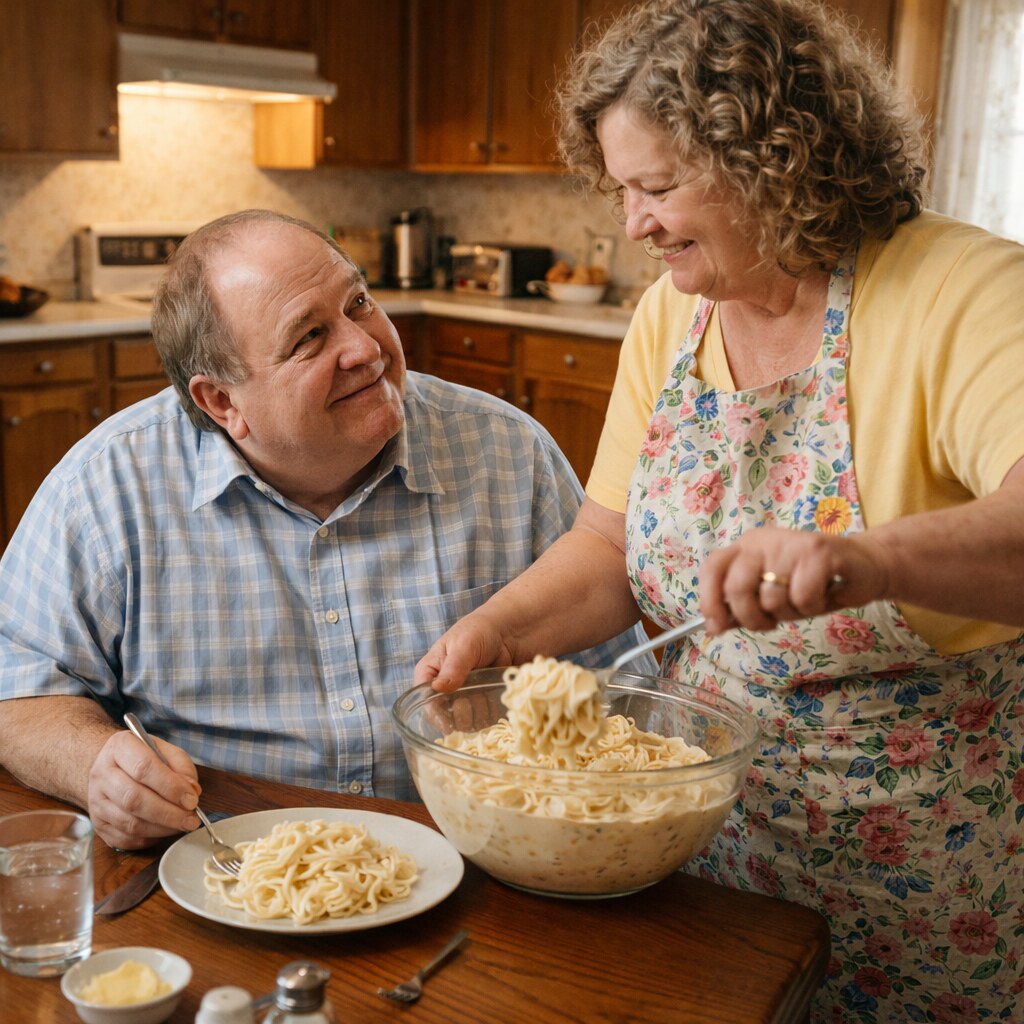
Plenty more where that came from
The idiom plenty more where that came from is something you say when you have given out some of something, and there's a large supply of more of it.The phrase has been used in everyday English for many years to emphasize abundance. It suggests that what has just been given or shown is only a small part of what is available.
She handed out a plate of cookies and said there were plenty more where that came from in the kitchen.