
Showing 61-80 of 93

Put your foot in your mouth
To put your foot in your mouth means to say something embarrassing, rude, or awkward without meaning to. It is used when someone accidentally says the wrong thing and regrets it afterward.The expression comes from the image of someone speaking so carelessly that they metaphorically shove their own foot into their mouth. The phrase became common in English in the 1900s.
I really put my foot in my mouth when I asked about her job before realizing she had just been laid off.
Reap what you sow
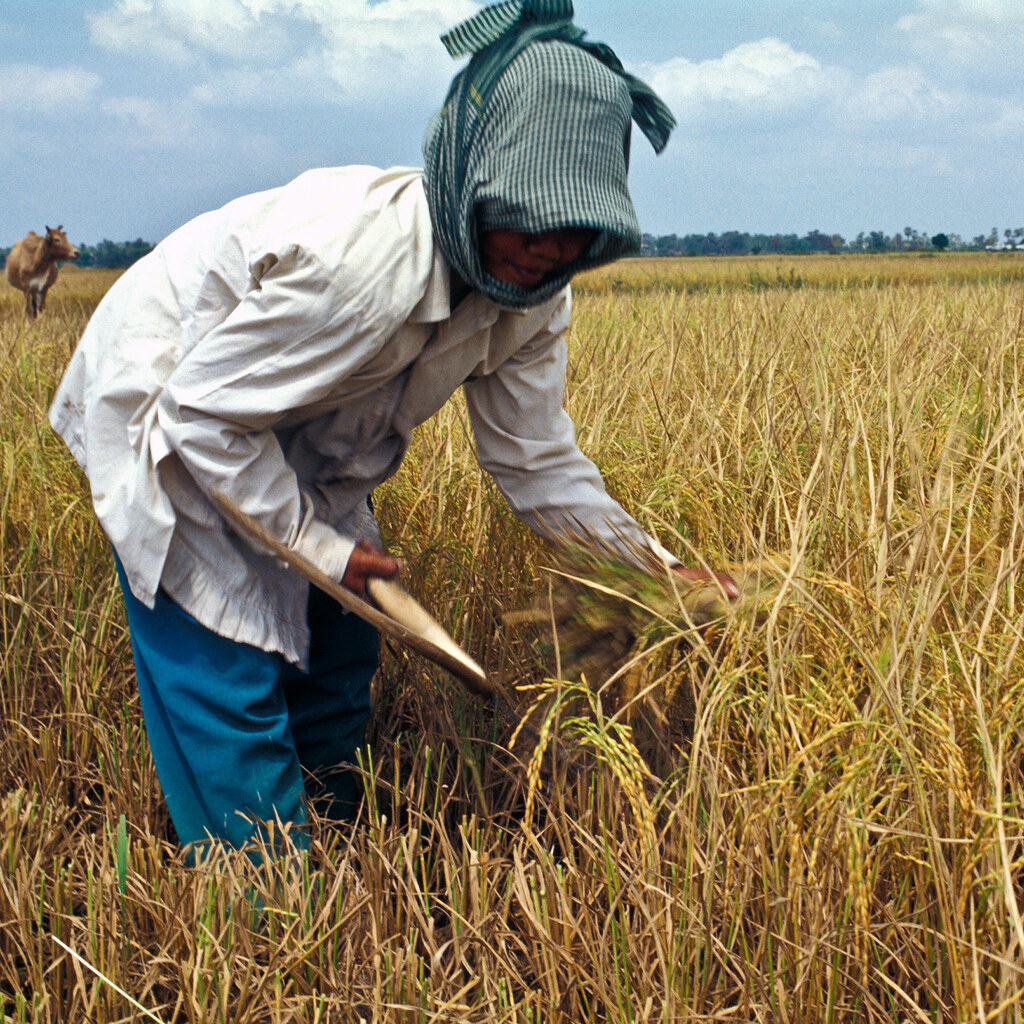
To reap what you sow means that your actions bring their own results. Good actions tend to lead to good outcomes, and harmful actions often lead to trouble later.The phrase comes from farming. A farmer harvests the same crop that was planted in the field months earlier. The saying uses that image to explain how choices lead to consequences.
After ignoring the warning signs for months, he finally had to reap what he had sown.
Ring a bell
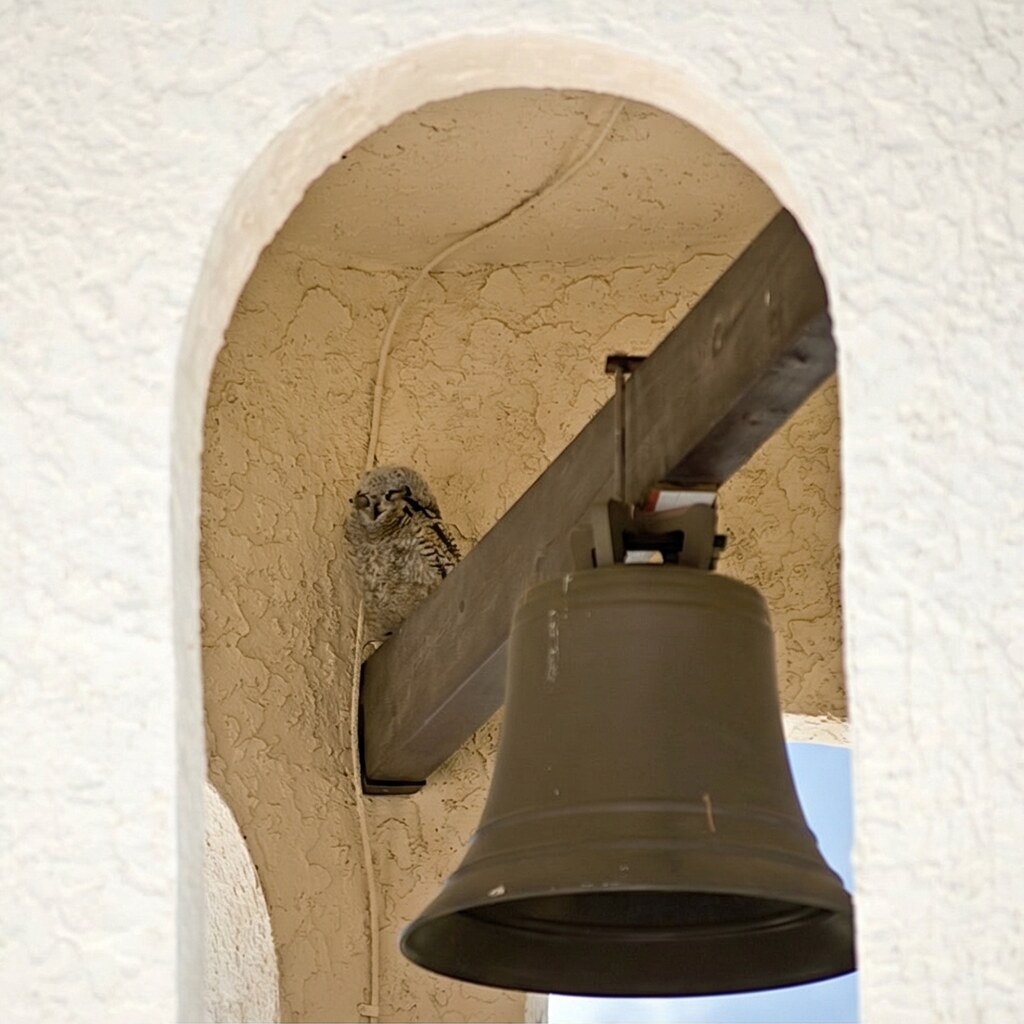
If something rings a bell it means it reminds someone of something they have heard before, but they cannot fully remember it.The expression comes from the sound of a bell that attracts attention and triggers recognition. Hearing the bell is like the moment when a memory starts to return.
That name rings a bell, but I cannot remember where I heard it before.

Rinse and repeat
The phrase to rinse and repeat means to do something repetitive, predictable way. It comes from the instructions on a shampoo bottle.You look up the code, put it in the right place, and then rinse and repeat for the rest of the papers.

Saved by the bell
You are saved by the bell if you are saved from a difficult situation at the last minute.There are a few theories how the idiom came about. One is that it refers to a school bell or a competition bell that signals the end of class or the current competition.
The more interesting, but possibly less accurate theory is that it came from people's fear of being buried alive in a cemetery, and people were buried with a string tied to their finger and then to a bell above ground, and ringing the bell meant people would come save you.
She forgot to prepare for the presentation, but a fire drill was called and she was saved by the bell

Scraping the bottom of the barrel
Scraping the bottom of the barrel means using the worst options because nothing better is left. It describes a situation where someone has run out of good choices.The expression comes from the days when food such as salted fish or pickles was stored in wooden barrels. Once the good pieces were taken, people had to scrape the bottom to get what remained.
If those are the best candidates they could find, they must be scraping the bottom of the barrel.

See eye to eye
To see eye to eye means to completely agree with someone about something. If people do not see eye to eye, they disagree or have different opinions.The expression comes from the idea of two people looking directly at each other with their eyes level, suggesting they share the same view or understanding. The phrase has been used in English for several centuries.
My brother and I do not always see eye to eye about how to run the business.
Set the record straight
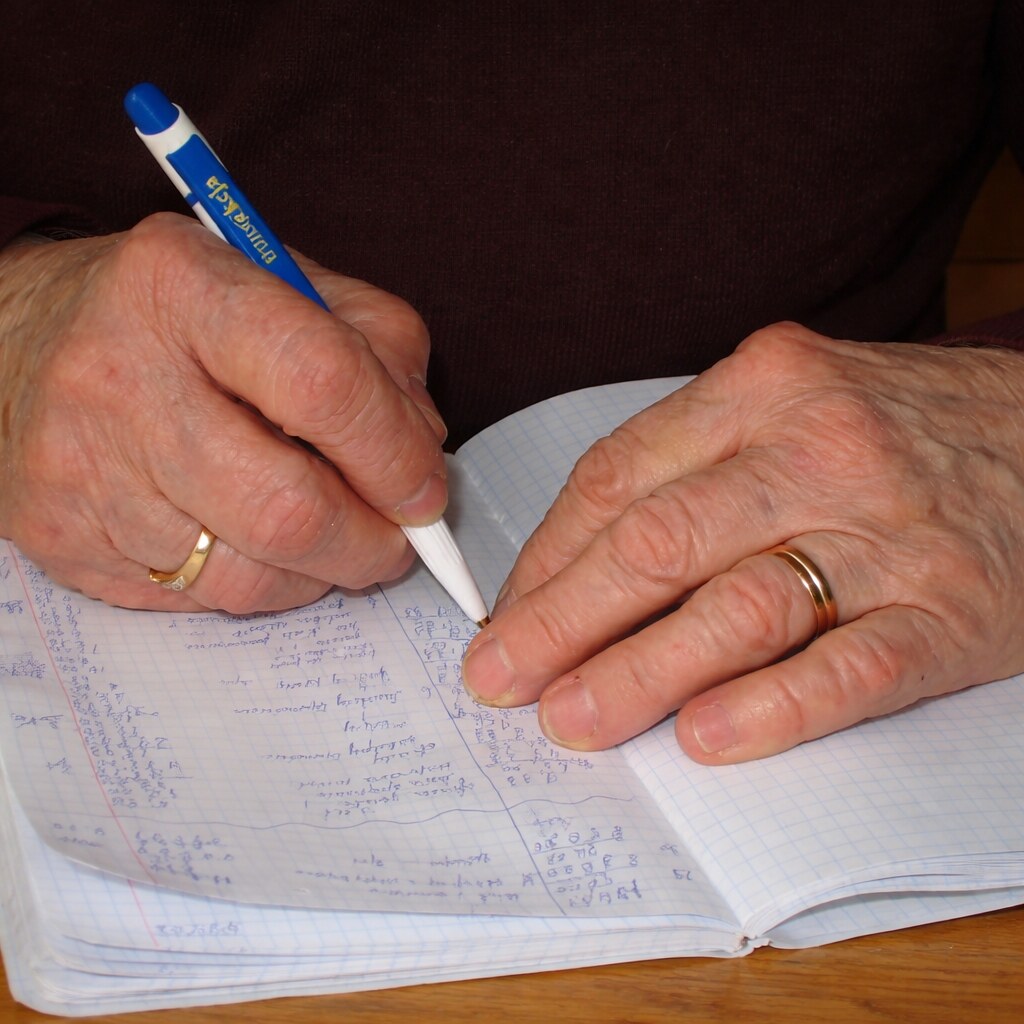
To set the record straight means to correct a mistake or false story by explaining what really happened.The expression comes from record keeping and accounting. If information in a record book was wrong, it had to be corrected so the record showed the true facts.
She called the meeting to set the record straight about what had happened.

Single point of failure
A single point of failure is one part of a system that can cause the entire system to stop working if it fails.The term comes from engineering and computer systems design. Engineers try to avoid single points of failure by adding backup parts or alternate paths so the system can keep working if one part breaks.
The only bridge into the town was a single point of failure during the storm.

Slip through your fingers
To have something slip through your fingers means to lose something because you were unable to hold onto it or stop it from happening. This idiom is used to describe missed chances, lost opportunities, or things that gradually disappear despite your efforts.The phrase comes from the image of trying to hold something small, like sand or water, that slowly falls between your fingers. Because it cannot be easily held, it becomes a metaphor for something that cannot be kept.
The job offer slipped through his fingers when he missed the deadline to reply.

Something in the water
Something in the water means that many people are acting or changing in the same way in a place or group. It often suggests a reason, but nobody knows the real cause.The phrase became popular in modern talk to explain social trends. Writers and speakers used it like a joke about an invisible influence that makes people behave differently, since the late 20th century.
There were so many pregnant women at work they said it must be something in the water.
Strike while the iron is hot
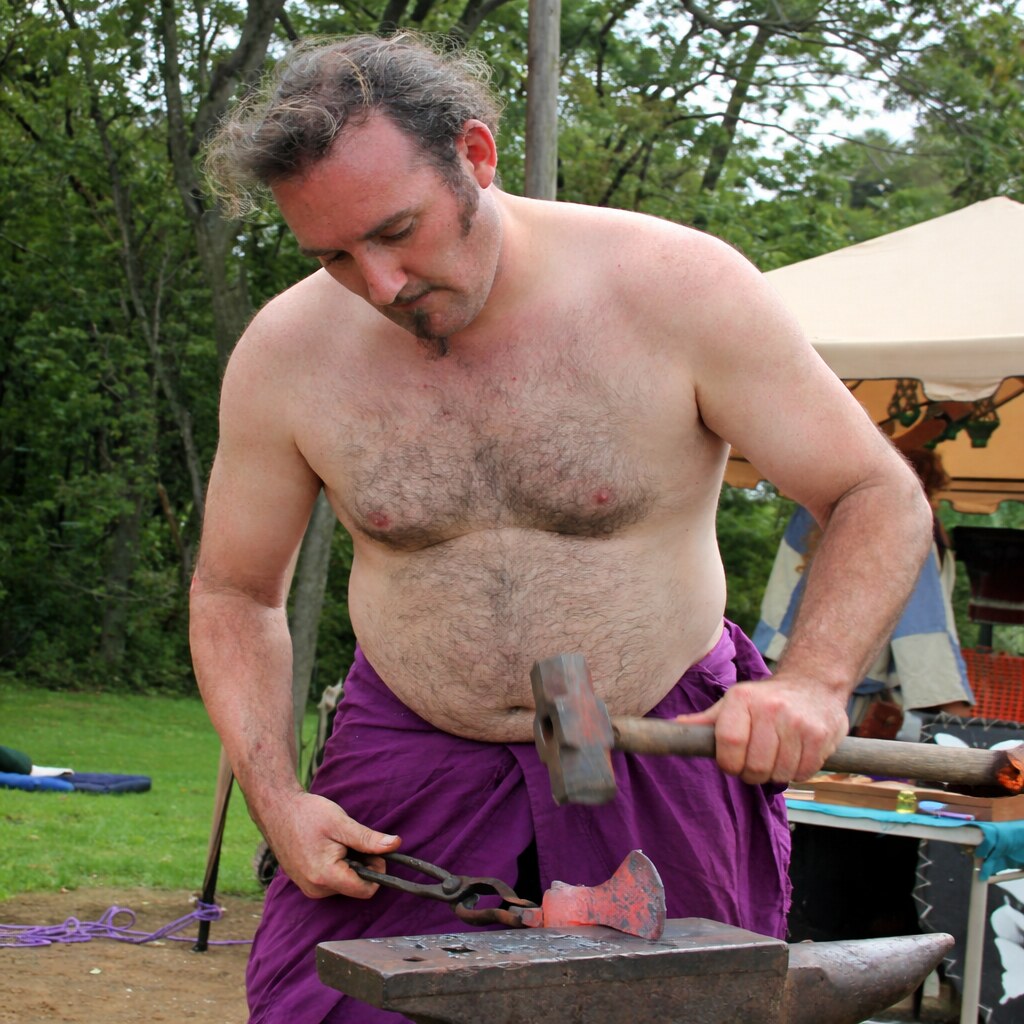
To strike while the iron is hot means to act quickly at the right moment, before an opportunity disappears.The expression comes from blacksmithing. A blacksmith must hammer iron while it is hot and soft, because once it cools the metal becomes hard and difficult to shape.
When the weather cleared, they decided to strike while the iron is hot and finish painting the fence.

Swallow your pride
To swallow your pride means to accept help or admit a mistake even though it feels embarrassing. The moment requires setting aside personal pride.The phrase uses the image of forcing something unpleasant down your throat. Pride becomes the thing that must be swallowed.
He swallowed his pride and asked his sister for help with the repairs.
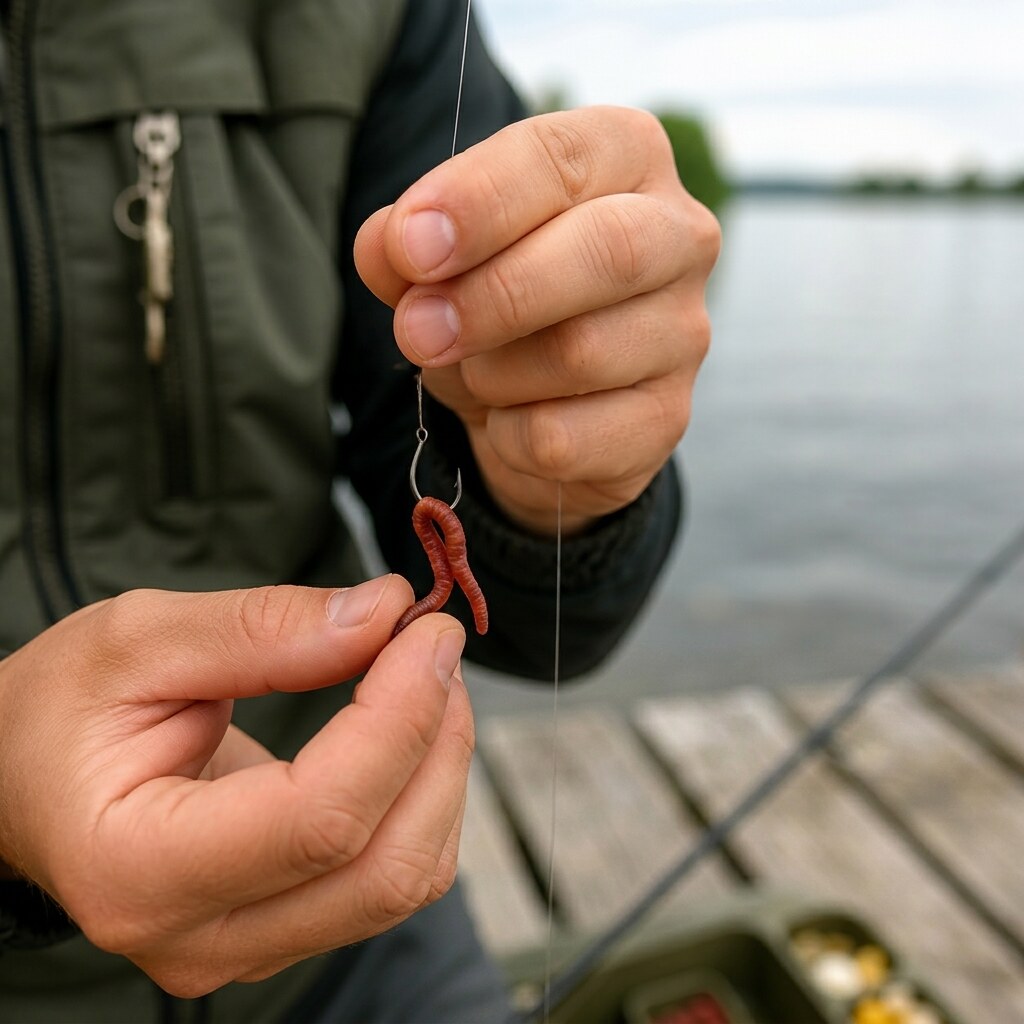
Take the bait
To take the bait means to react when someone tries to provoke, trick, or tempt you. It often means replying to something that was meant to start an argument or pull you into a trap.The phrase comes from fishing. A fish bites bait on a hook because it looks safe, but the hook is hidden by the bait.
He was trying to start a fight online, but I did not take the bait.
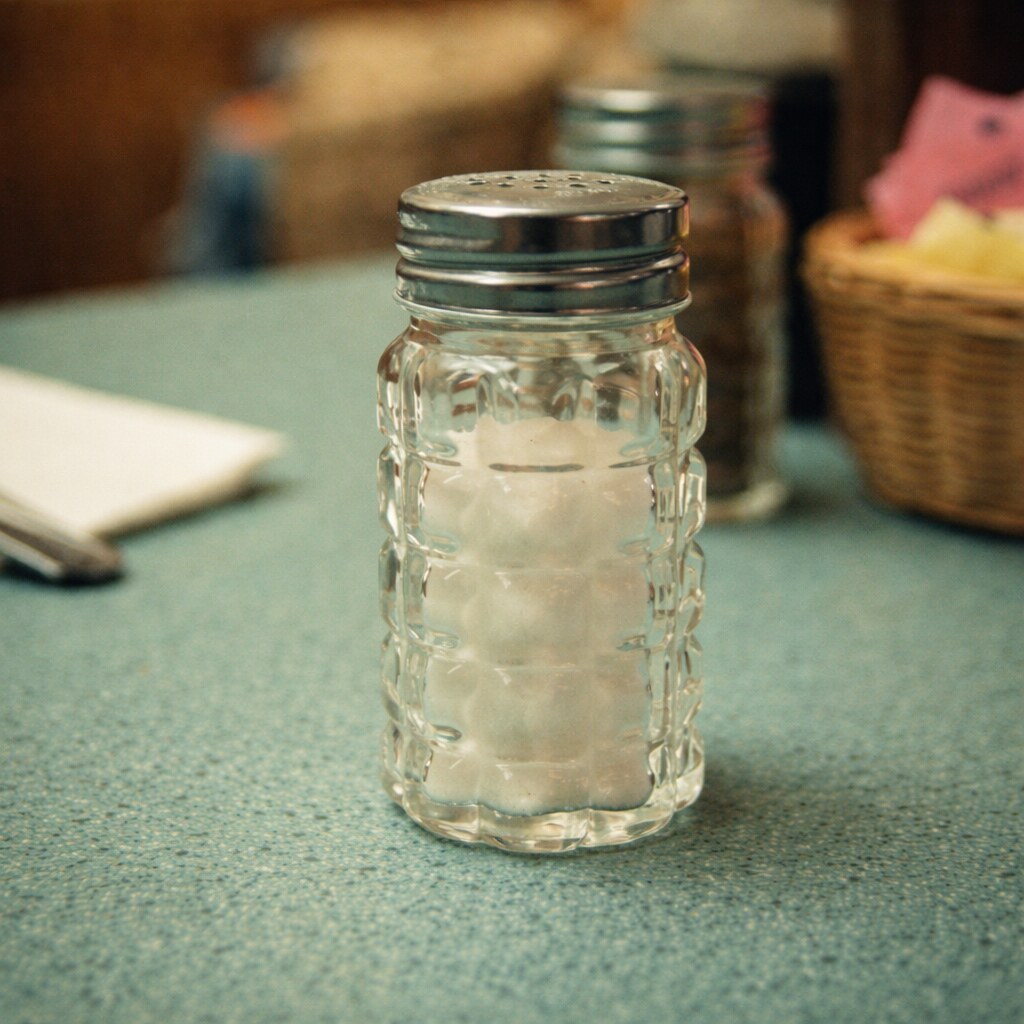
Take with a grain of salt
To take something with a grain of salt means to treat information with some doubt and not believe it completely. People use this idiom when talking about something that might be exaggerated, uncertain, or just not very reliable.The idea comes from ancient Roman writings, where a recipe for a remedy included taking it with a small grain of salt. Over time the phrase came to mean accepting something cautiously rather than completely believing it.
He says he can finish the whole project in one day, but I would take it with a grain of salt.

The last straw
The last straw means the final small problem or annoyance that makes someone lose patience after many other problems have already happened. It is the moment when a person decides they cannot accept the situation anymore.The phrase comes from the older saying about a camel carrying many pieces of straw. One more small straw may not seem important, but it is enough to make the overloaded camel collapse.
When the computer crashed for the third time that day, it was the last straw and I finally stopped working.
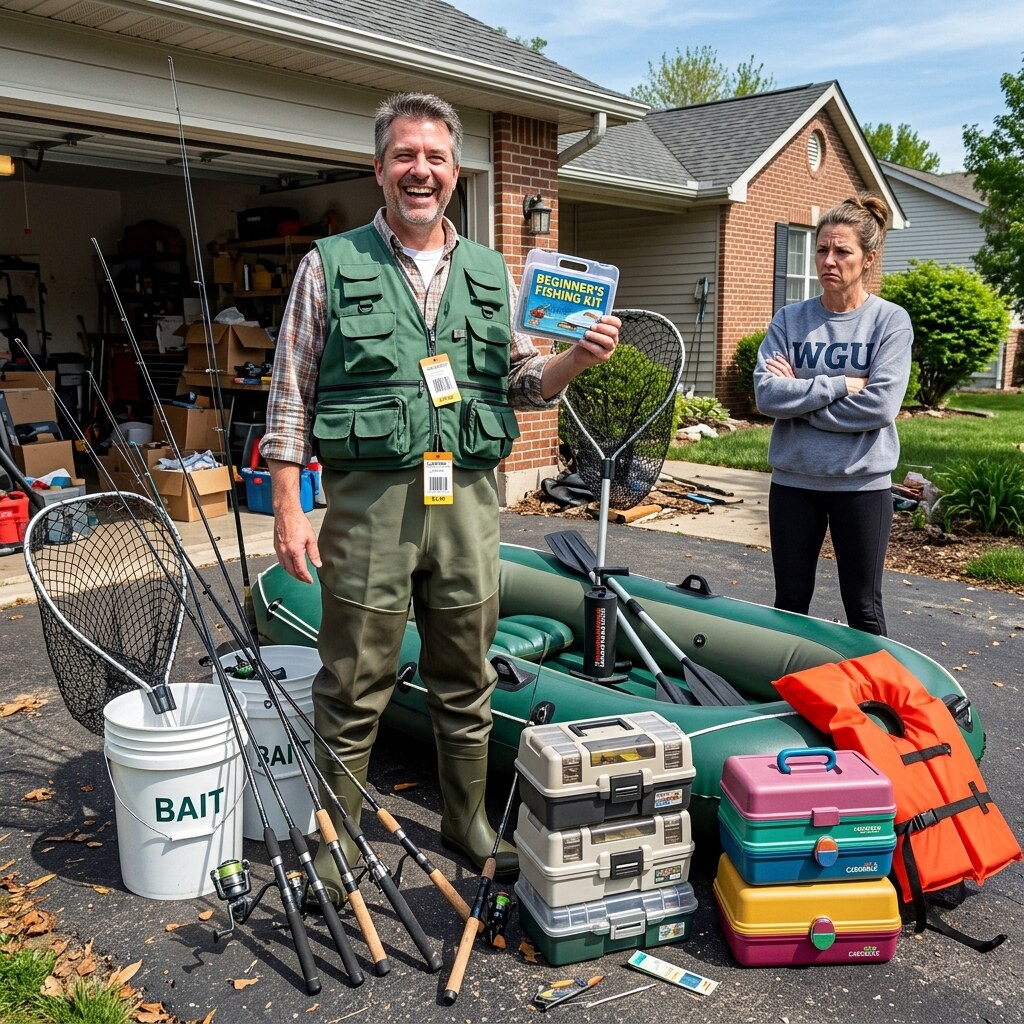
The whole kit and caboodle
The whole kit and caboodle means everything or the entire group of things. It is used when talking about all parts of something together, with nothing left out.The phrase likely comes from the word kit, meaning a collection of tools or belongings, and caboodle, a slang word that developed in the 1800s meaning the whole lot or collection of things.
They packed the whole kit and caboodle into the truck and moved to the new house.

Throw caution to the wind
To throw caution to the wind means to stop worrying about danger or consequences and act boldly or recklessly. It describes a moment when someone decides not to be careful anymore.The expression comes from the image of literally throwing one's caution away so that the wind carries it off. The phrase has been used in English since at least the 1800s.
On the last day of the trip, they threw caution to the wind and tried the steep hiking trail.

Time will tell
The idiom time will tell means that the truth or result of something will become clear in the future. It is used when people cannot know the outcome yet and must wait to see what happens.The phrase has been used in English for many centuries. It reflects the idea that time eventually reveals what will really happen.
We are not sure if the new plan will work, but time will tell.

Too hard basket
The too hard basket is part of a metaphorical filing system where you put tasks that are too hard and you'll do later. People often say this when they give up on something.He put organising the garage into his too hard basket.