
Showing 81-93 of 93

Touch and go
Touch and go means a situation that is uncertain and could easily end badly, or they could end well, but it is so close you can't tell what will happen.The expression comes from aviation. In a touch and go landing, a plane briefly touches the runway and immediately takes off again, making it a risky manoeuvre that requires careful control.
It was touch and go for a while, but the doctors managed to stabilize the patient.

Two sides of the same coin
Two sides of the same coin means that two things may seem different, but they are closely connected and part of the same situation. Often one cannot exist without the other.The phrase comes from the two faces of a coin. Although each side shows a different image, both belong to the same object and are inseparable.
The two sisters argued all the time, but they were two sides of the same coin.

Under a rock
To be under a rock means being unaware of something that most other people know about. It is used when someone seems completely out of touch with recent news or popular events.The expression comes from the image of a creature hiding under a rock, cut off from what is happening outside. Because it cannot see the world around it, it knows nothing about what is going on.
Have you really not heard about the new movie everyone is talking about, or have you been living under a rock?

Vote with your feet
To vote with your feet means to show what you prefer by your actions.The phrase became common in the 1900s and is often used in politics, workplaces, and public events. It refers to the idea that people can express their choices through their actions, much like casting a vote.
When the restaurant raised its prices again, many customers voted with their feet and started eating somewhere else.

Walk a mile in their shoes
To walk a mile in someone's shoes means really trying to understand another person's situation before judging them.The saying appeared in English in the 1800s. It uses the image of wearing another person's shoes and traveling their path to represent understanding their life.
Before criticizing her decision, try to walk a mile in someone's shoes.

Walk on air
To walk on air means to feel extremely happy or excited. It is used when someone feels so joyful that they seem almost weightless.The expression comes from the image of a person being so light with happiness that it feels as if they could float or walk above the ground. It has been used in English since the early 1800s.
After hearing he got the job, he was walking on air.

Wasn't born yesterday
If a person says I was not born yesterday it means they understand what is really going on and will not be tricked.The phrase became common in American English in the early 1900s. It plays on the idea that someone born yesterday would have no experience of the world and would believe anything they were told.
Do you really expect me to believe that story? I wasn't born yesterday.

Waste not, want not
Waste not want not means that if you do not waste things, you will not find yourself without them later. It encourages people to use resources carefully and avoid unnecessary waste.The saying has been used in English since the 1700s and reflects the practical idea that saving and reusing things helps prevent future shortages.
She saved the leftover vegetables for soup the next day, saying waste not want not.
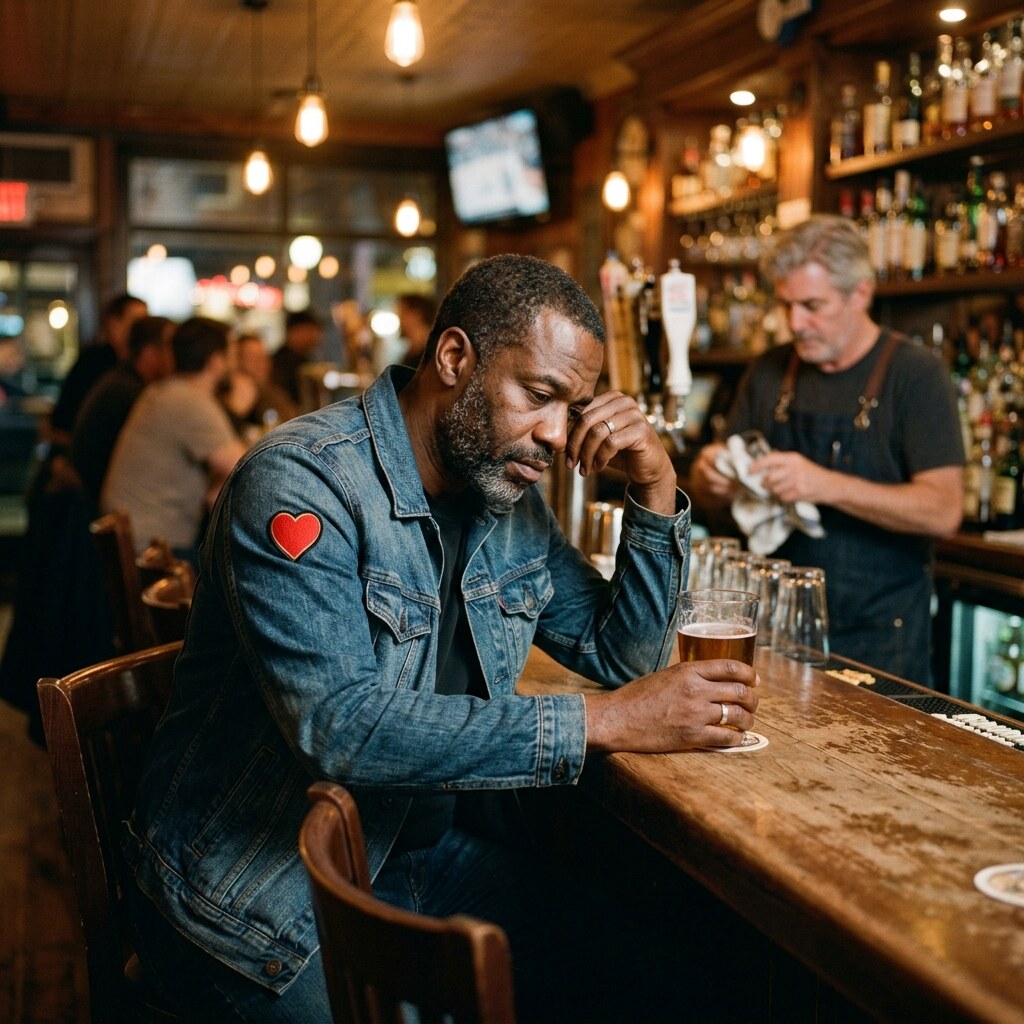
Wear your heart on your sleeve
To wear your heart on your sleeve means to show your feelings openly so that other people can easily see how you feel.The expression may come from old traditions where people wore a token or symbol on their sleeve to show loyalty or affection. Over time it came to describe openly displaying one's emotions.
He tends to wear his heart on his sleeve, so everyone knows when he is upset.

Weight lifted from your shoulders
When you have a weight lifted off your shoulders you have a great sense of relief that a stressful situation has ended or a burden has lifted.This idiom is drawn from the literal feeling of relief when you put down a heavy load that you are carrying.
My friend gave me a small loan, and a weight was lifted from my shoulders.

Where there's smoke, there's fire
Where there's smoke there's fire means that a rumor or warning is often based on some truth. If people keep hearing signs that something is wrong, there is probably a real problem behind it.The expression comes from the simple observation that smoke usually comes from a real fire. Because smoke is visible from far away, people learned to treat it as a sign that something important was happening.
When several employees started leaving suddenly, people began saying where there's smoke there's fire.

You only live once
You only live once, shortened in internet slang to YOLO, is a more modern version of the ancient Latin "carpe diem" which means to seize the day. It means you should live fully in the moment and be adventurous, impulsive and take risks, because you only live once.If you always wanted to go skydiving, just do it - you only live once!

You're only human
When you say you are only human, you mean you are like other people and you have emotions, you make mistakes, and you are imperfect, just like other people.Sorry I got it wrong, but I'm only human.