
Showing 31-42 of 42

Out of the loop
To be out of the loop means not being included in information or decisions that other people know about. A person who is out of the loop does not know what is going on.The expression likely comes from the idea of a communication loop or chain where information passes between people. If someone is outside that loop, the information never reaches them.
I was out of the loop about the plan until someone mentioned it at lunch.

Push the envelope
To push the envelope means to go beyond the usual limits or try new and risky ideas. People use this idiom to talk about when someone experiments instead of staying within safe or familiar boundaries.The expression comes from aviation and engineering. The flight envelope describes the safe limits of an aircraft's speed, altitude, and performance, so pushing the envelope means testing those limits.
The designers wanted to push the envelope and create something people had never seen before.

Read between the lines
To read between the lines means to understand a hidden meaning that is not directly stated, usually from hints or clues.The expression comes from the idea of looking past the written words to notice what the writer or speaker truly intends. The phrase has been used in English for many centuries.
She did not say she was unhappy with the plan, but if you read between the lines, you could tell she had doubts.

Spare a thought
To spare a thought means to remember or consider someone, especially someone who may be having a harder time. This idiom is often used to encourage sympathy or kindness.The expression comes from the simple idea of giving a small amount of attention or concern to someone else, even if only for a moment.
While we enjoy the holiday, spare a thought for the workers who still have to work today.

Speak of the devil
The idiom speak of the devil means that the person you were just talking about suddenly appears. It is usually said in a light or joking way when someone arrives at the moment they are mentioned.The phrase comes from an older saying speak of the devil and he shall appear. In the past it was a superstition that mentioning the devil might cause him to appear.
We were just wondering where Sam was, and speak of the devil, here he comes now.

Talk the talk
The idiom talk the talk means to speak confidently about something. It is used when someone says the right things but may not prove it with actions.The expression comes from the longer phrase talk the talk, walk the walk, which contrasts speaking about something with actually doing it.
He can talk the talk about leadership, but people are still waiting to see if he can deliver results.

The gears are turning
The phrase the gears are turning means someone is thinking carefully or trying to solve a problem. People often use it when a person becomes quiet or thoughtful while working something out.The expression comes from machines with gears that move together to make something work. In the idiom, the moving gears are compared to the mind working through ideas.
He stared at the puzzle for a moment, and you could almost see the gears turning.
Think outside the box
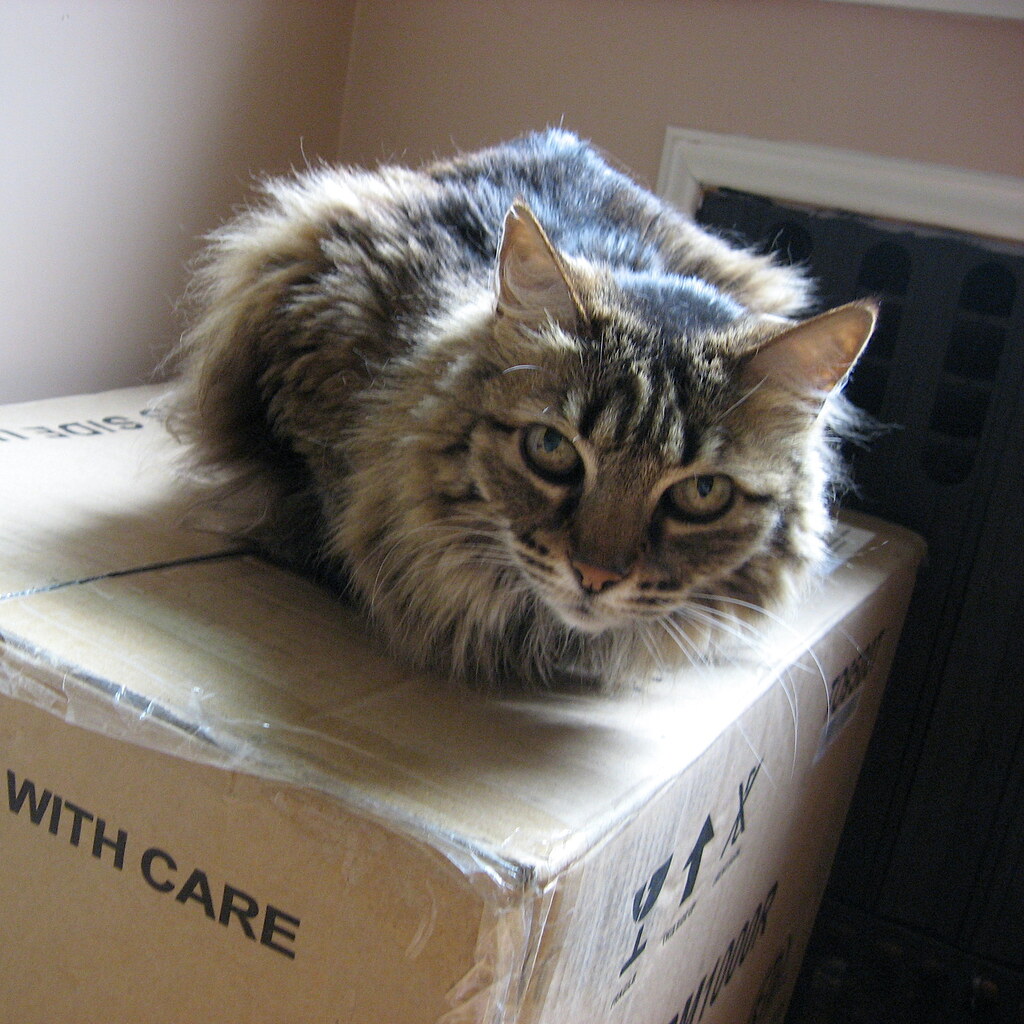
To think outside the box means to think in a creative or unusual way instead of following the usual rules or ideas.The phrase became popular in the late 1900s and is often linked to a puzzle where people must connect nine dots arranged in a square without lifting a pencil. The solution requires drawing lines that go outside the imagined box around the dots.
The team had to think outside the box to find a solution to the design problem.

To burn bridges
The phrase to burn bridges means to damage a relationship so badly that it cannot be repaired. It suggests making choices that prevent returning to an earlier situation. This idiom is often used as a warning to think carefully before acting. You cannot cross a bridge after it has been burned away.He burned bridges by leaving without saying goodbye.

To exchange blows
To exchange blows means that two people are hitting each other during a fight. It can describe a physical fight or a heated argument where both sides attack each other with strong words.The phrase comes from boxing and other forms of fighting, where a blow is a punch or strike. When opponents exchange blows, each person hits the other in turn.
The two boxers stepped into the ring and began to exchange blows as the crowd cheered.