
Showing 1-20 of 61
Against the clock
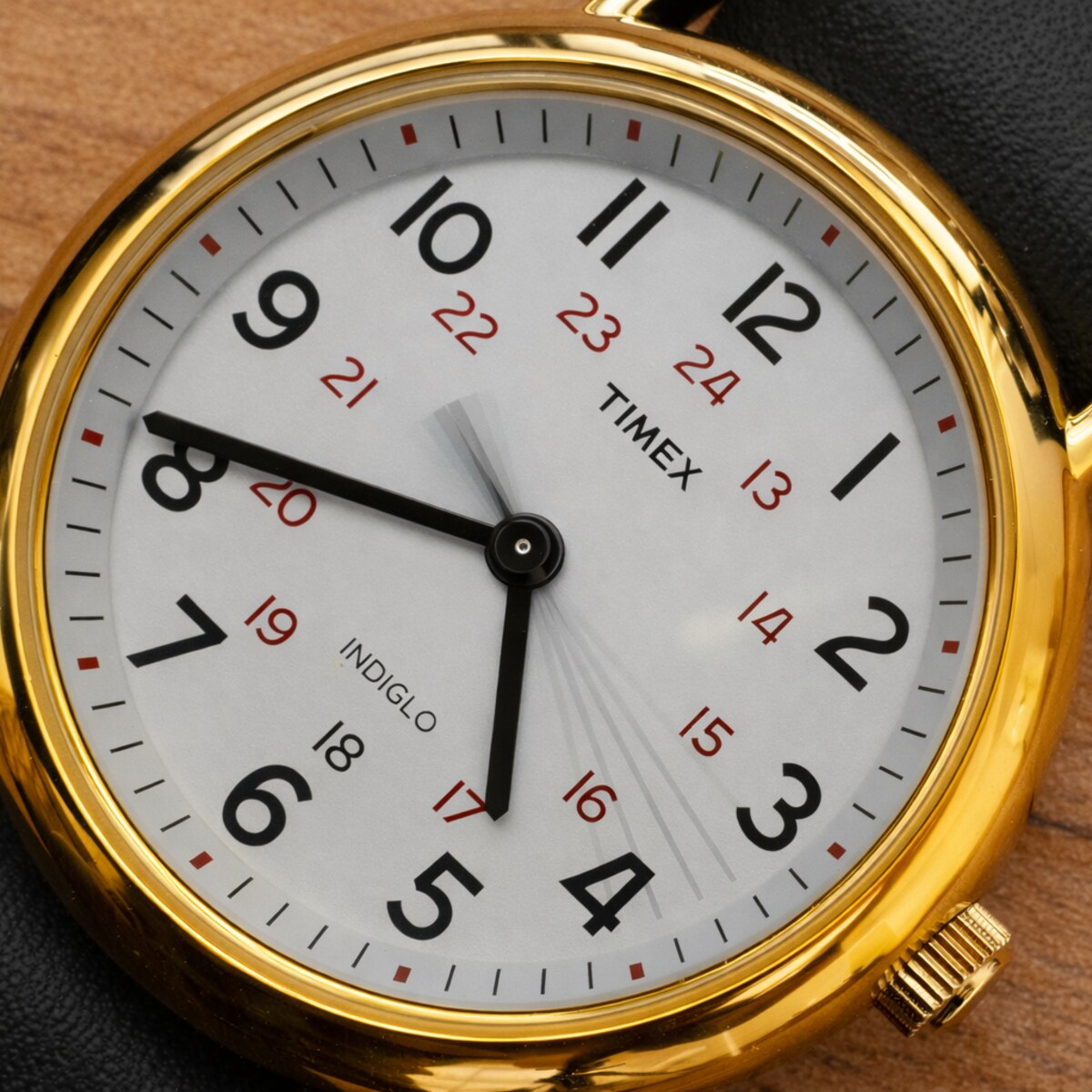
You are working against the clock or against time when you are working fast to finish something by a specific time.This idiom is drawn from timed competitions where there is a fixed time for a contest.
He was racing against the clock to finish his assignment on time.
All in the same boat
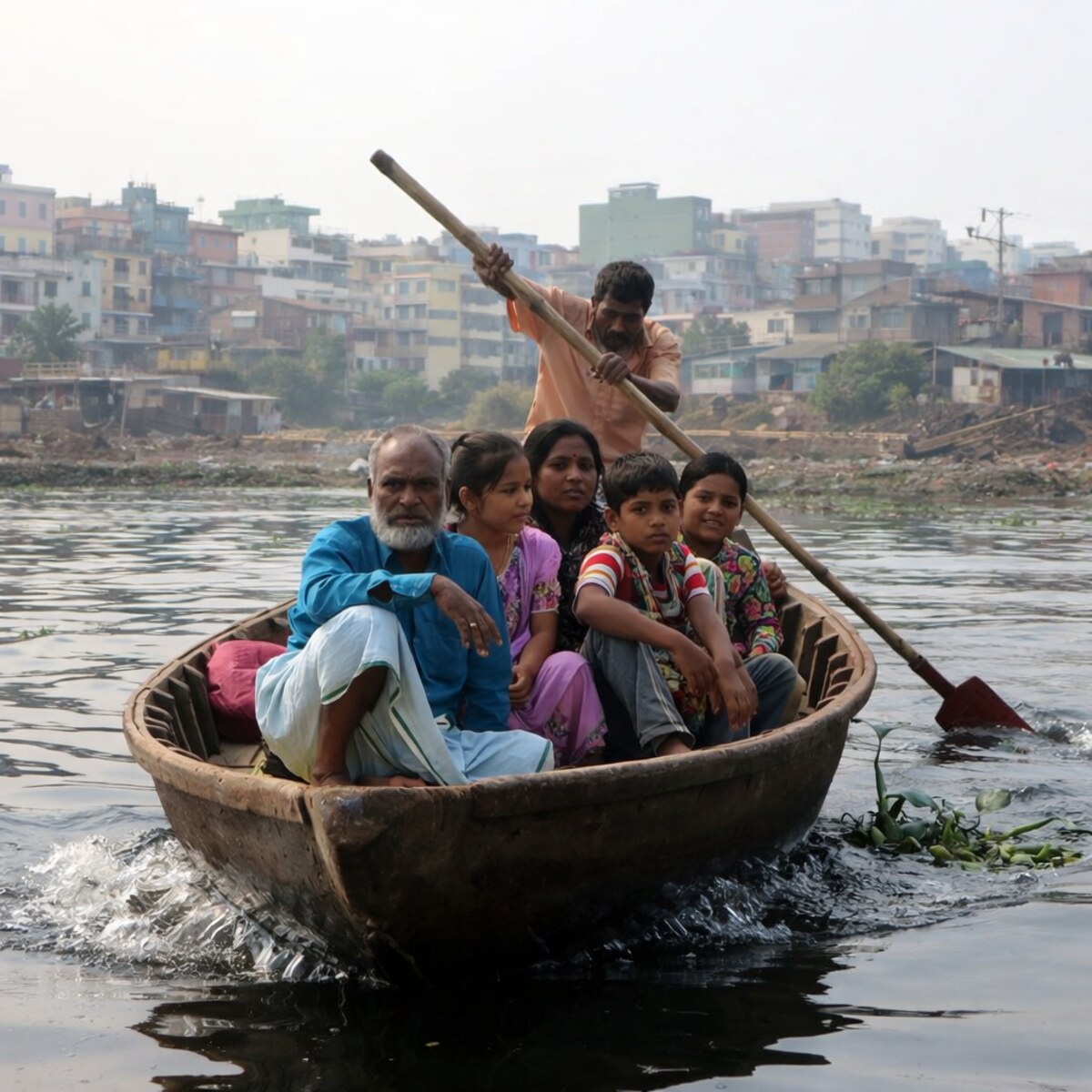
The idiom all in the same boat means everyone is in the same situation, or sharing the same circumstances. Good or bad, it affects everyone equally. The orgin of this idiom is the literal image of a group of people all in the same boat.We all failed the test, so we're in the same boat.
All of a sudden
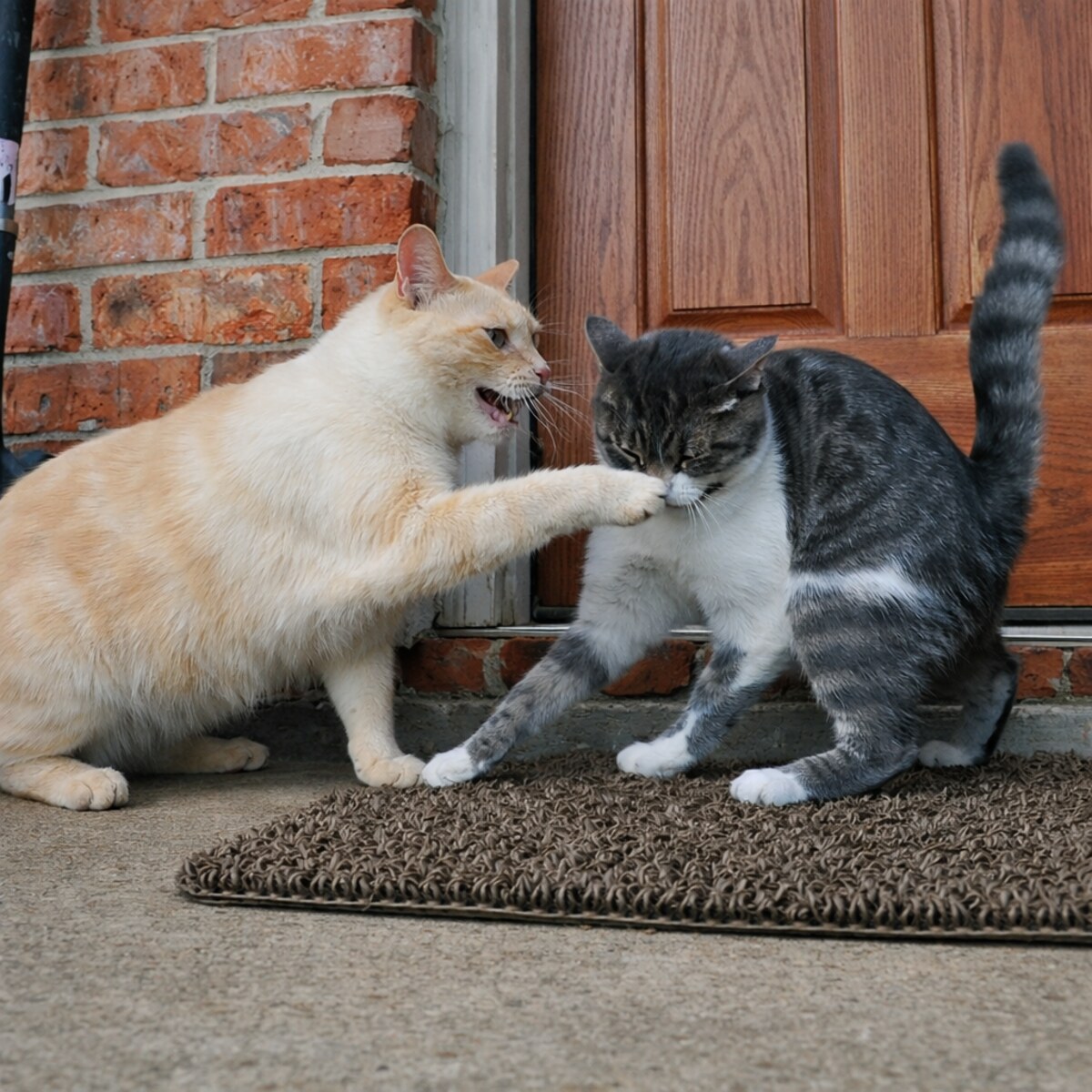
The phrase all of a sudden means happening quickly and without warning. It is often used for surprising events.It is simply a common way of saying something happened suddenly.
All of a sudden, the dog started barking.

Around the corner
The phrase around the corner is used to mean something will happen soon. It can be used to talk about something close by "he lives just around the corner" or an event that will happen soon.Summer holidays are just around the corner.

At a crossroads
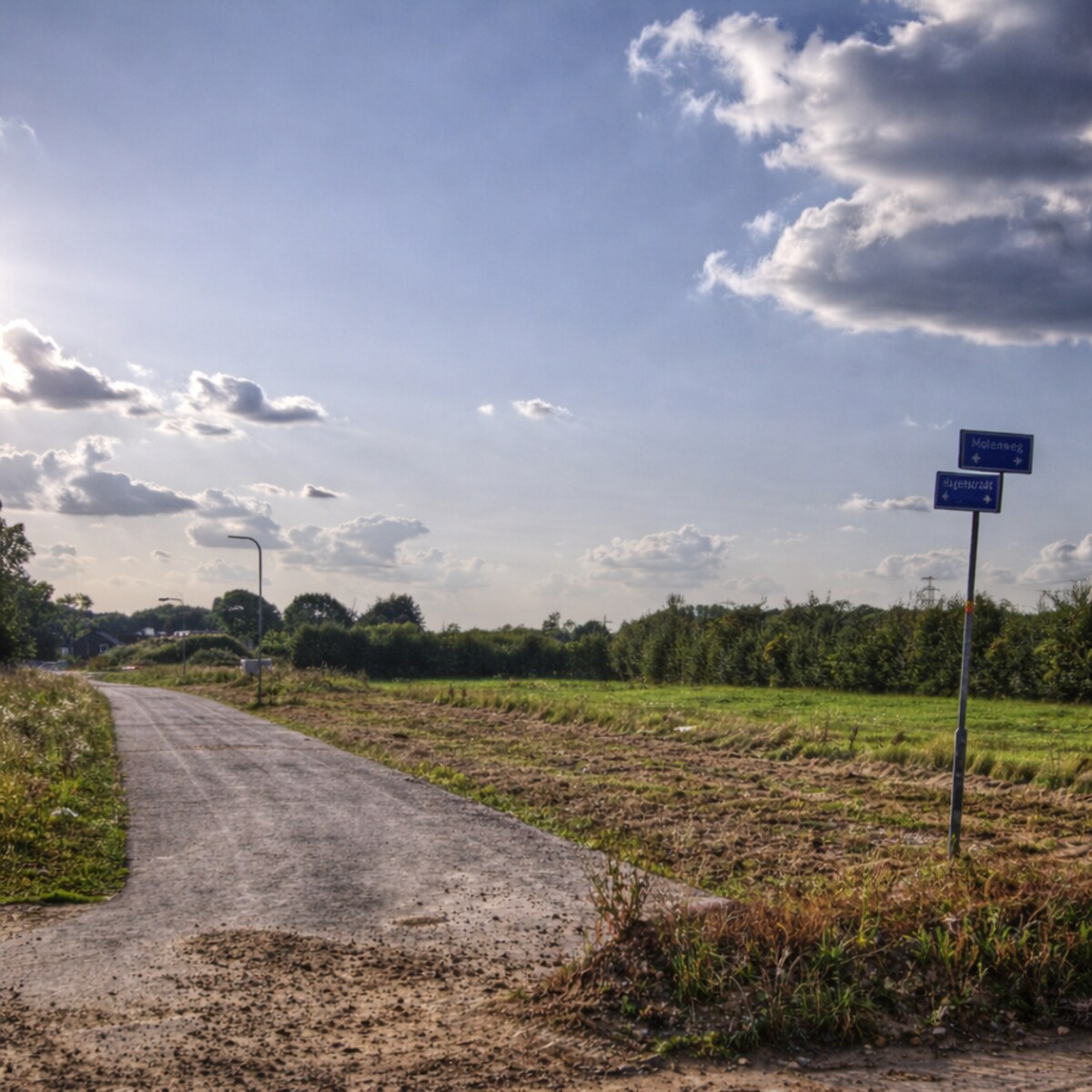
To be at a crossroads means facing an important decision where the choice will shape what happens next.The phrase comes from the intersection of two or more roads. A traveler must decide which direction to take.
After finishing university, she felt at a crossroads about her future career.

Break the ice
To break the ice means to do or say something that helps people feel more relaxed when they first meet or when a situation feels awkward. It is commonly used in social situations, meetings, or group activities. The phrase originated from breaking the ice around a ship so it can start to sail.She told a friendly joke to break the ice.

Burn the midnight oil
The phrase burn the midnight oil means to work late into the night. It comes from a time when oil lamps were used for light.People use this idiom to describe studying or working long hours to finish something important.
She burned the midnight oil to finish the report.

Burning the candle at both ends
To burn the candle at both ends means to use up your energy by doing too much, especially by staying up late too often.The expression comes from the image of lighting a candle at both ends. A candle burned this way gives more light for a short time but is used up much faster.
She has been burning the candle at both ends while studying for exams and working a night job.

Call it a day
To call it a day means to stop working on something for now. It suggests that enough has been done and it is time to rest or continue later. This idiom is often used at the end of work or study.They finished the job and called it a day.

Cross that bridge when you come to it
The idiom cross that bridge when you come to it means to deal with a problem only when it actually happens, and not to worry about it beforehand."What if we don't get the funding grant?" "We'll cross that bridge when we get to it"
Cut corners
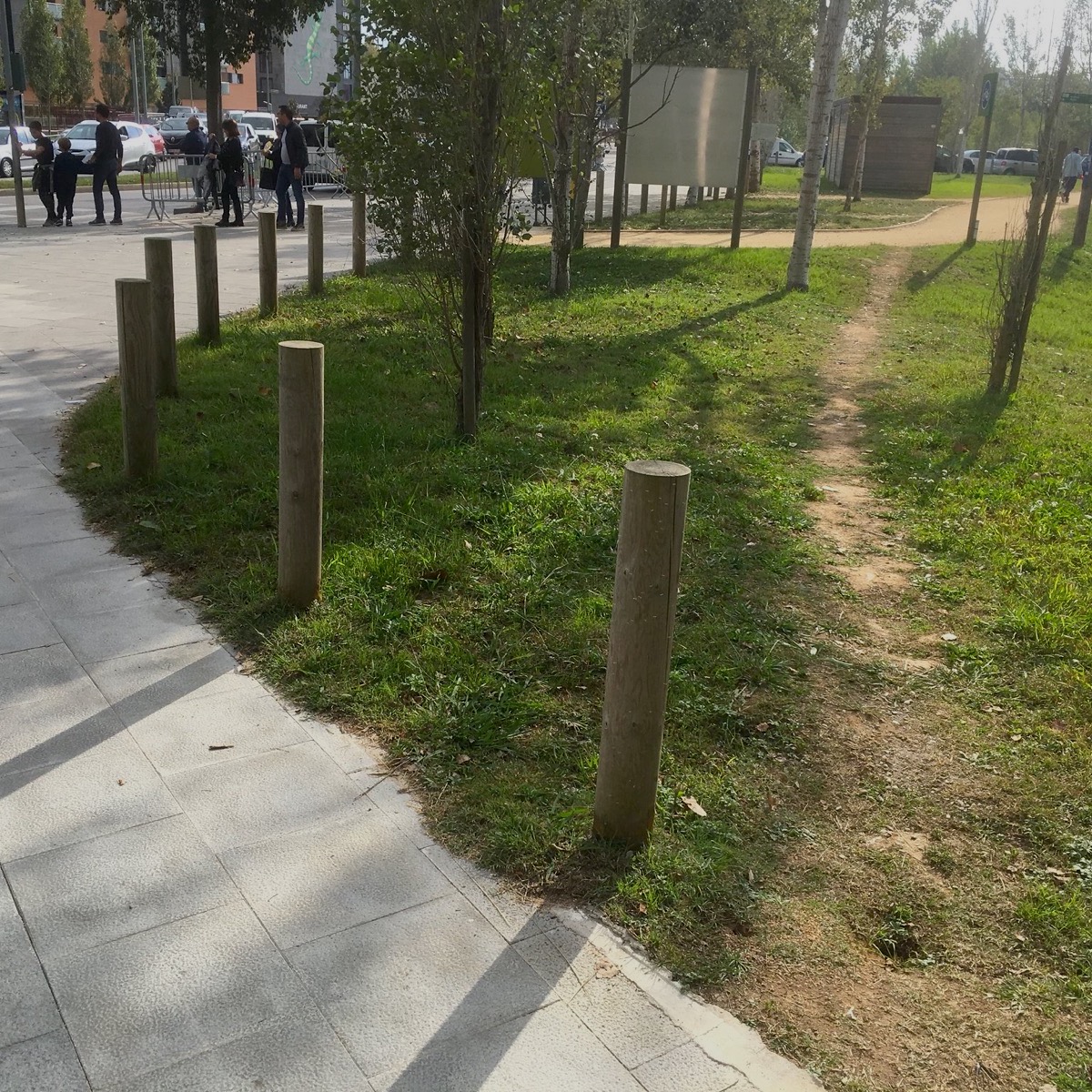
To cut corners means to do something in a careless or cheap way in order to save time or money. This often leads to poor results. The phrase is usually used as a warning about taking shortcuts. It originates from people who cut a path across the corner of a field instead of walking around the outside edge.The company cut corners and the product broke quickly.

Cut to the chase
The idiom cut to the chase means to get to the main point without wasting time. It comes from early films where the chase scene was the most exciting part. People use this phrase when they want direct information.Please cut to the chase and explain the problem.
Dead in the water
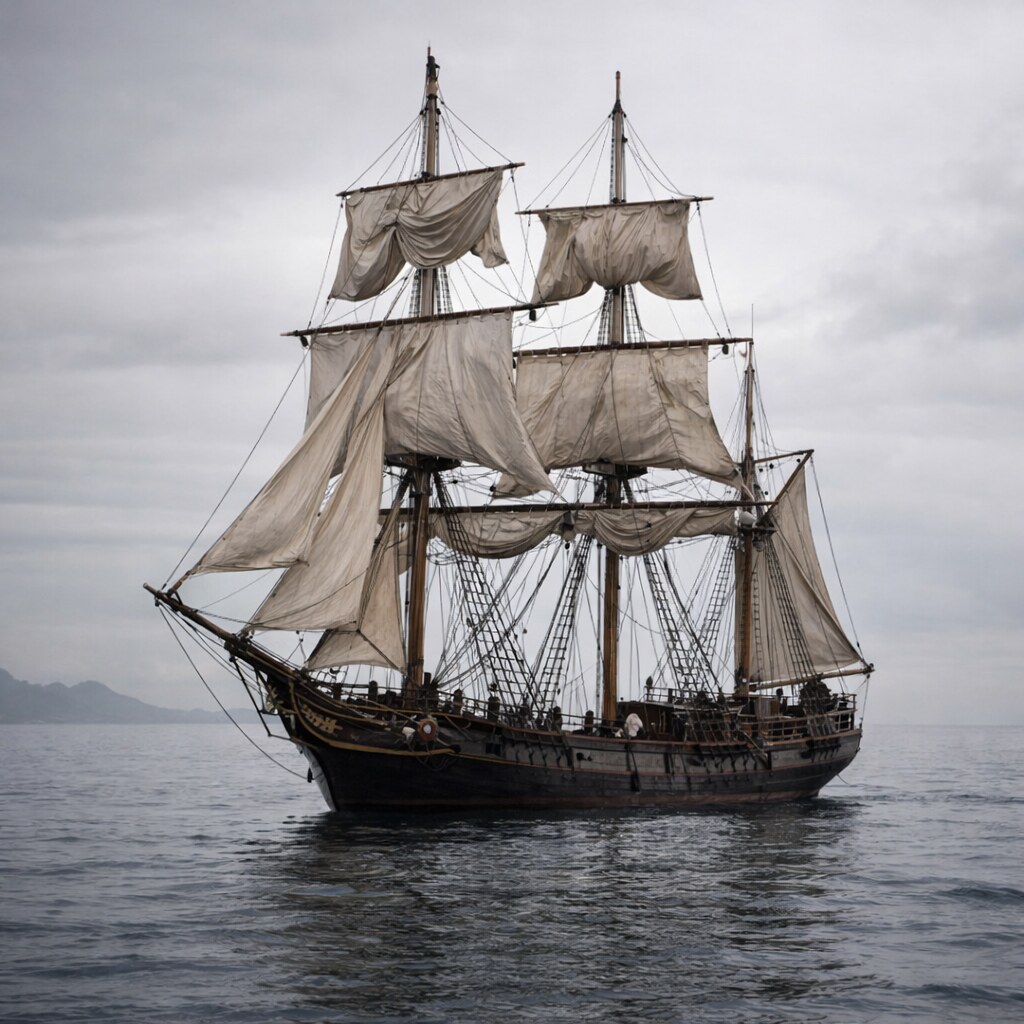
The idiom dead in the water means unable to move forward or make progress. Plans may be stuck and nothing is happening.The image comes from a boat that cannot move on the water. A similar idiom is to take the wind out of your sails.
Without the right parts, the repair was dead in the water.

Don't have a crystal ball
The phrase "I don't have a crystal ball" comes from the symbolism of a fortune teller who uses a crystal ball to see the future.People use this idiom to express that you don't know what is happening next, especially when someone directly asks them about something that will happen in the future.
They're discussing a new product, but I don't know what it will be - I don't have a crystal ball!
Don't rock the boat
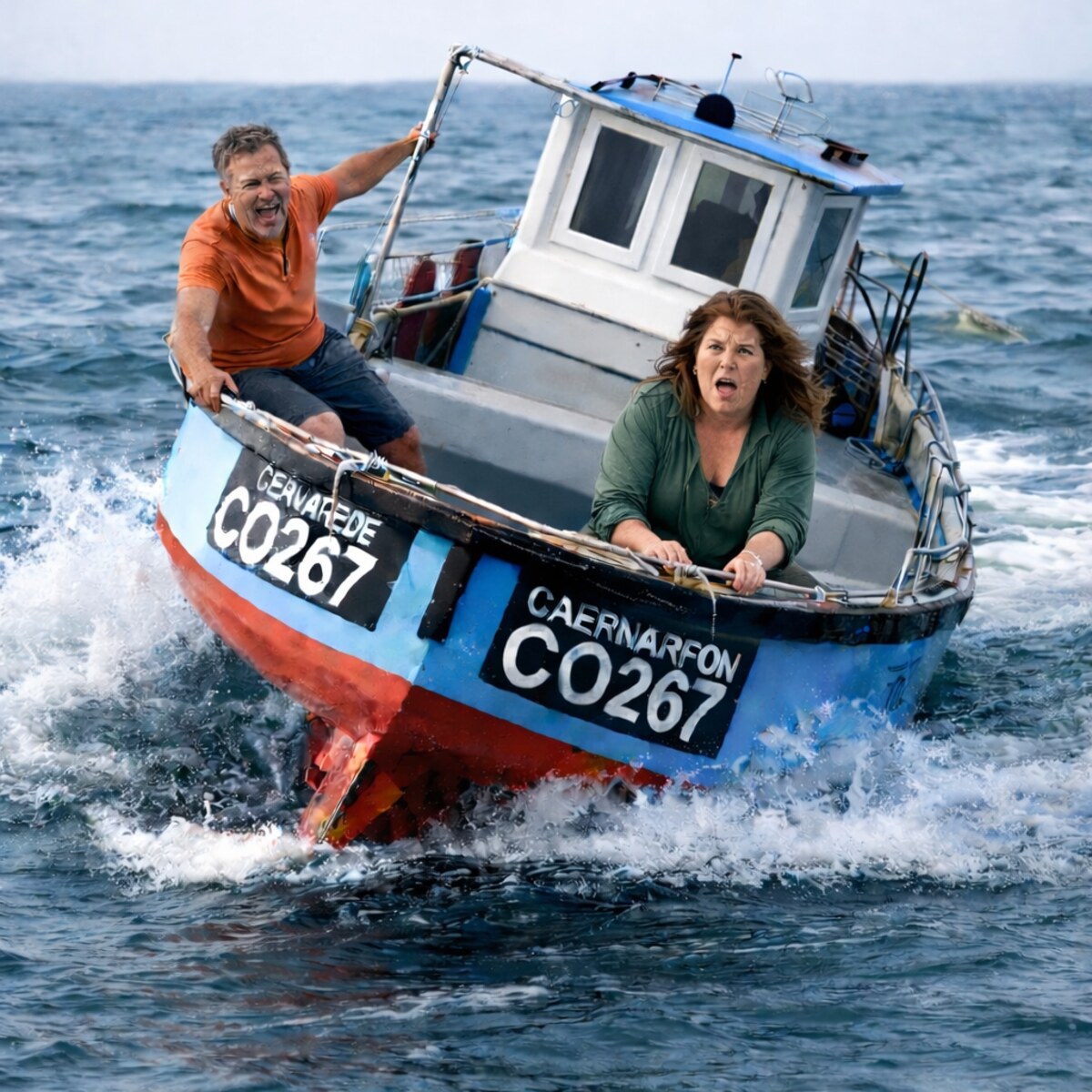
The phrase don't rock the boat means don't do anything to disrupt a situation that is currently stable. It suggests keeping calm or even doing nothing, even if you disagree. This idiom draws from the idea that if someone deliberately rocks a boat, it could tip over and everything falls out.Let's discuss it gently and not rock the boat.


End of the road
The phrase end of the road means a situation has reached its final point and cannot continue any further. It is a literal idiom, drawn from the image of a road that ends, and you cannot travel further along it.We knew it was the end of the road for the old car.

Fall off the wagon
To fall off the wagon means returning to a bad habit after trying to stop, especially drinking alcohol after deciding to quit.The expression comes from the phrase on the water wagon from the late 1800s. People who promised to avoid alcohol said they were riding the water wagon, so falling off it meant they had started drinking again.
After months without alcohol, he fell off the wagon at a party.
Full steam ahead
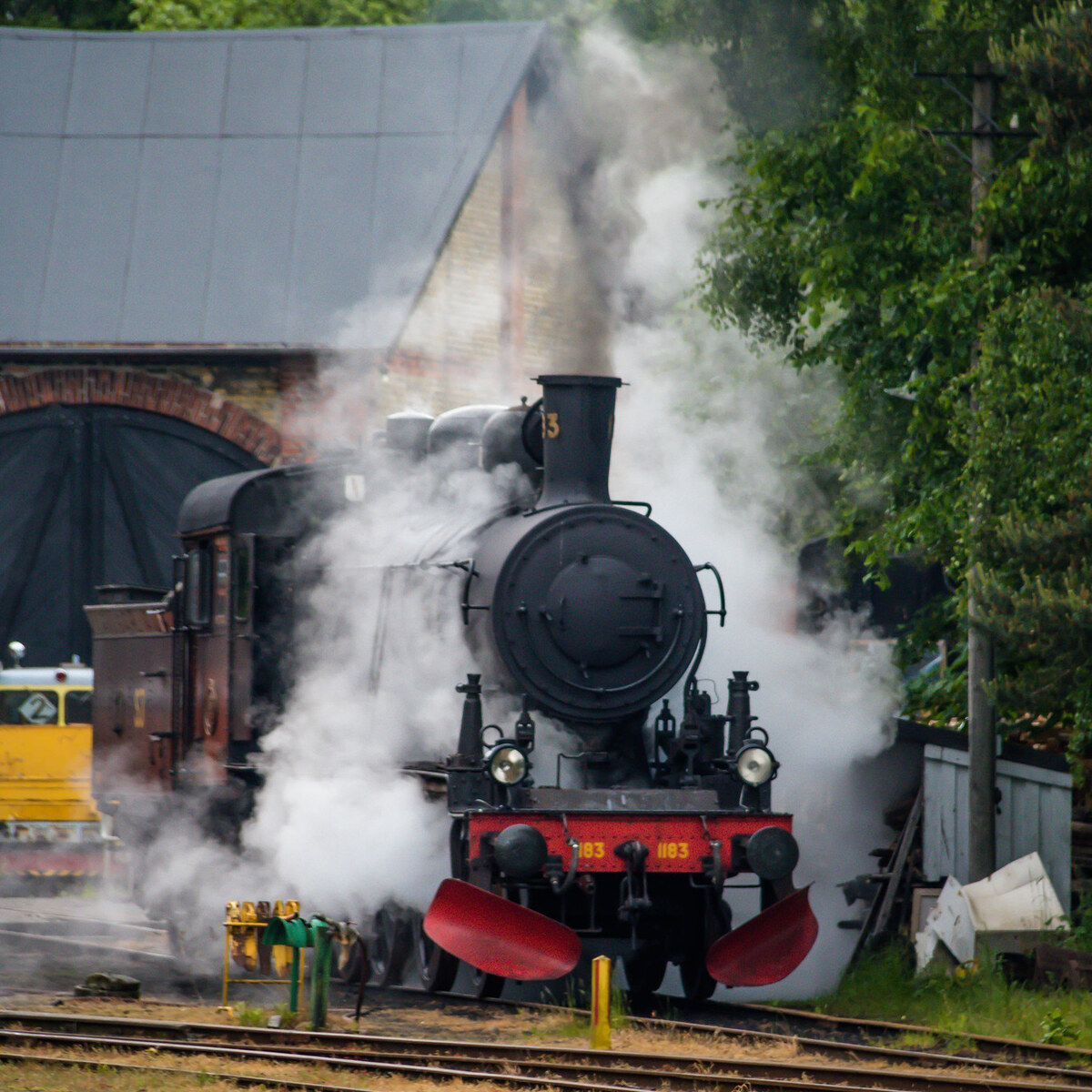
Full steam ahead means to move forward with something with full focus of energy or effort.The idiom comes from the era of steamships and steam trains. When the engines were producing the maximum amount of steam, the machine moved as fast as it can.
After the plan was approved, the team decided it was full steam ahead on the new project.