
Showing 1-20 of 42
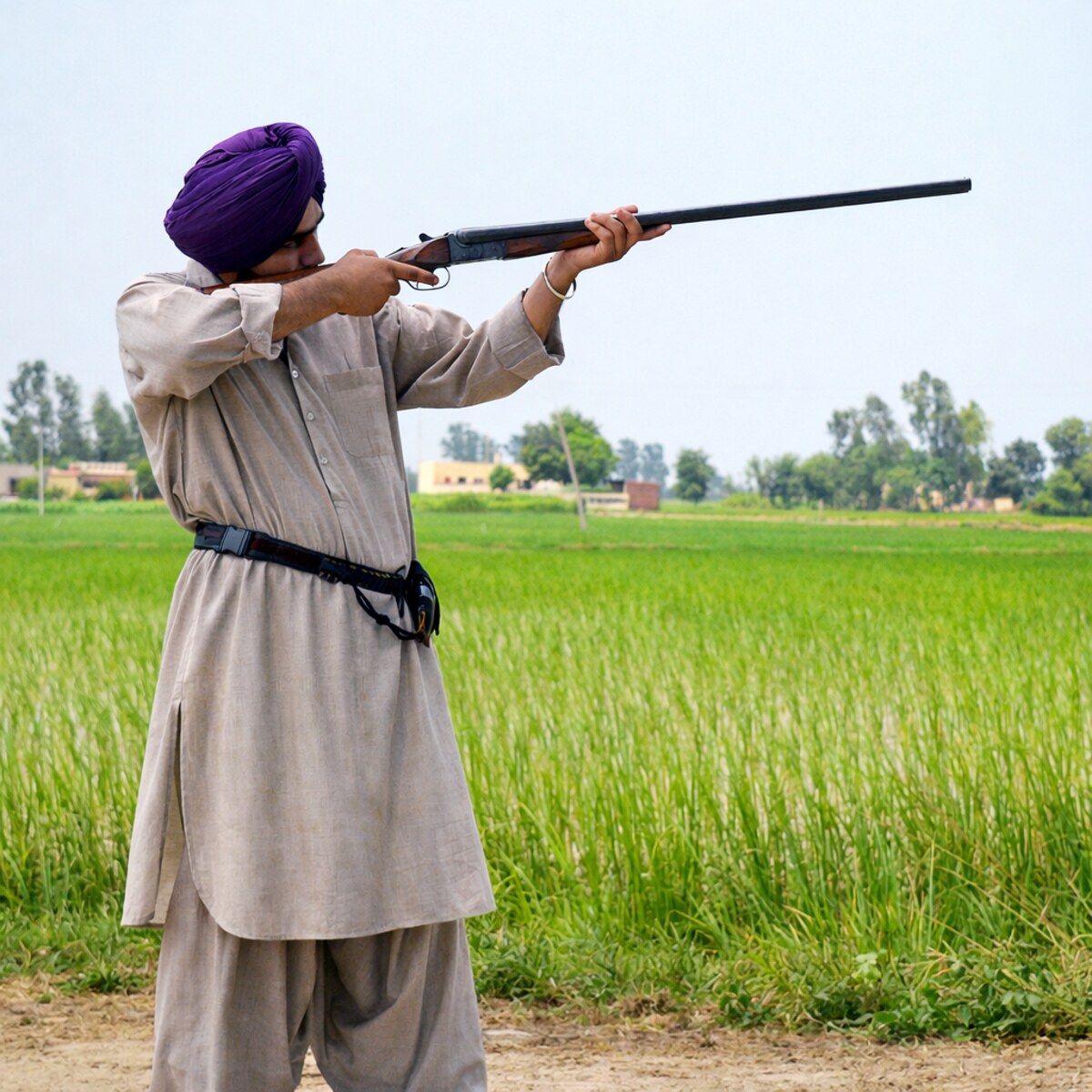
A long shot
The idiom a long shot means something that is unlikely to succeed. There is a small chance it might work, but most people do not expect it to.The phrase is from the earlier days of firearms, where targets far away were hard to hit as older guns did not have as long a range as modern ones.
Winning the competition was a long shot, but she entered anyway.
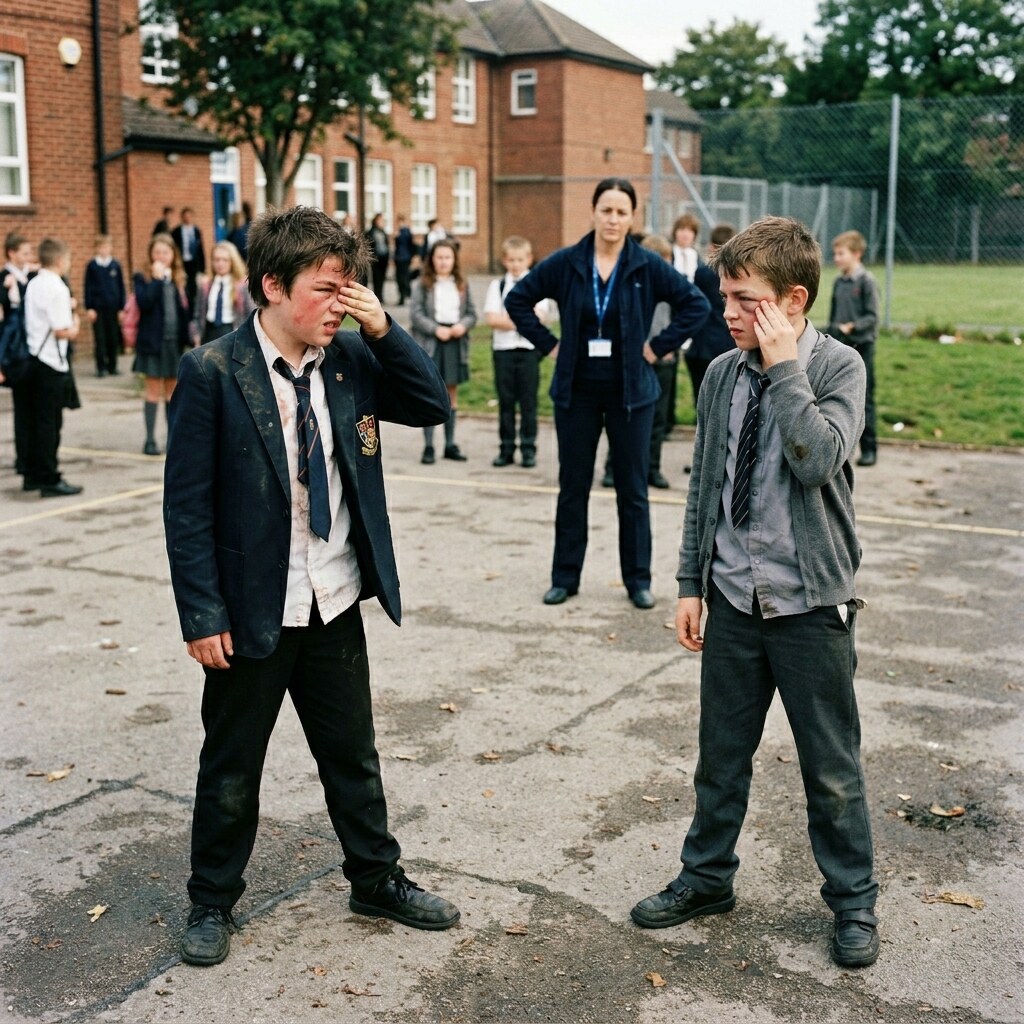
An eye for an eye and a tooth for a tooth
An eye for an eye, a tooth for a tooth means that punishment should be a match to the harm done.The phrase comes from ancient law codes. It set limits on revenge by allowing equal retaliation rather than escalating harm.
He believed in an eye for an eye, a tooth for a tooth after the argument turned physical.
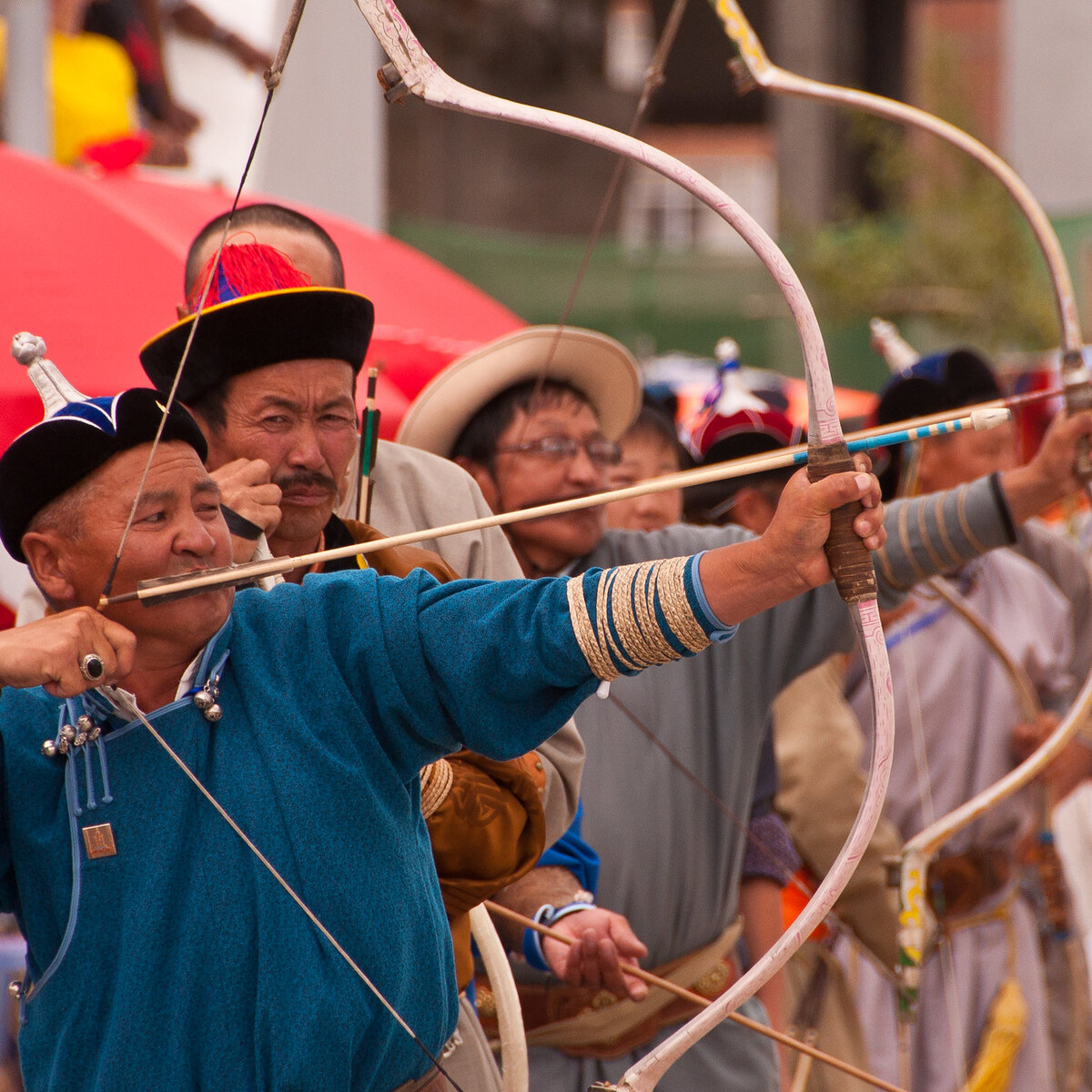
Another string to your bow
To add another string to your bow means having an extra skill, talent, or resource to use as a backup, which increases your options or chances of success.This idiom originated centuries ago from the practise of medieval archers carrying a spare bowstring in case the first one broke.
I decided to do a short course at college, to add another string to my bow.

Bite the bullet
To bite the bullet means to face a difficult or unpleasant situation with courage, even if you don't want to. People often use this phrase when there is no easy way to avoid a problem.It originated from war time medicine, where an injured soldier would bite on a bullet to help deal with the pain while they were being treated.
He decided to bite the bullet and pay the fine.
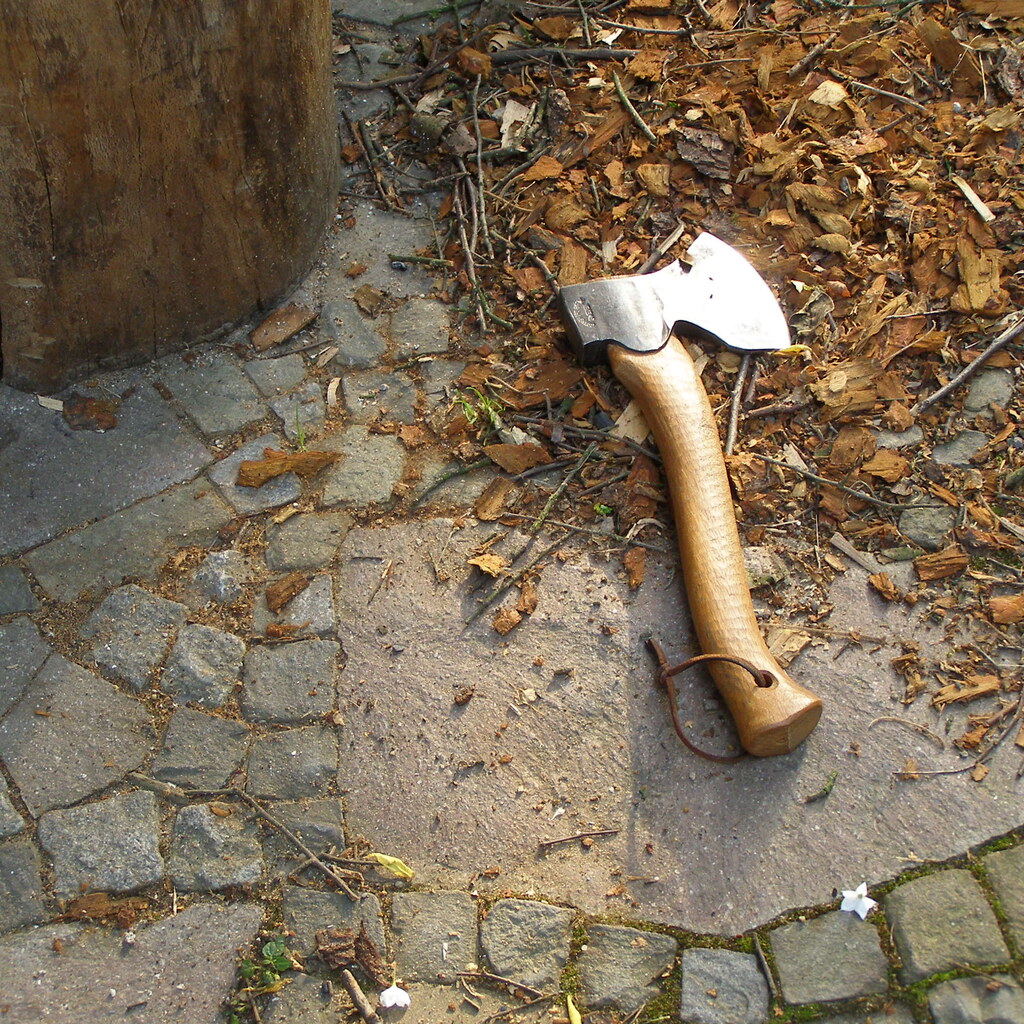
Bury the hatchet
To bury the hatchet means to stop arguing and make peace after a disagreement. This idiom is used when people decide to forgive each other and end a conflict.The expression comes from a tradition among some Native American groups, where weapons such as hatchets were buried to show that a conflict had ended and peace had been made.
After years of not speaking, the two brothers finally buried the hatchet.

Death by a thousand cuts
Death by a thousand cuts means failure caused by many small problems rather than one big one. The damage builds over time.The phrase comes from an old method of execution in China in which repeated small cuts were made. This became a metaphor for gradual harm.
Trying to budget these days is like death by a thousand cuts with subscriptions.
Divide and conquer
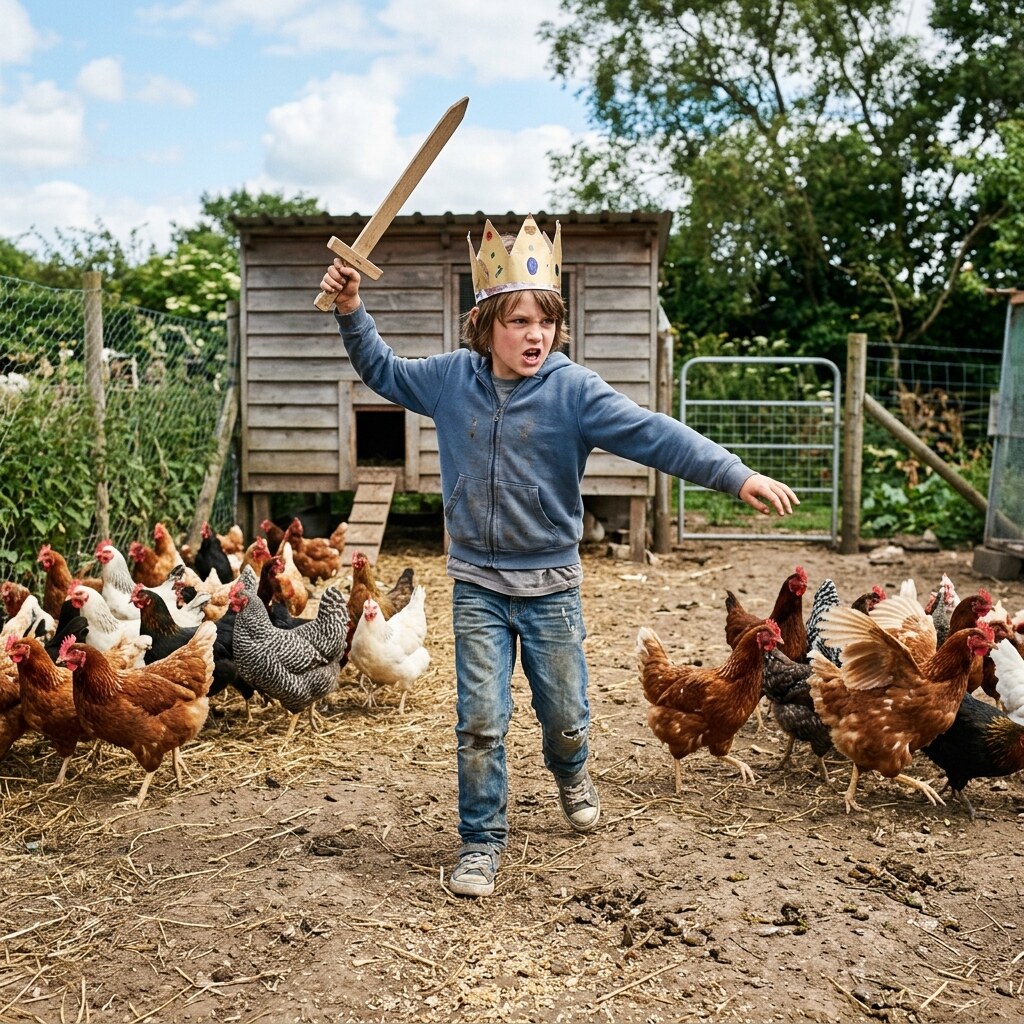
To divide and conquer means to break a large problem or task into smaller parts so each one can be handled more easily. It can also describe a strategy of separating opponents so they cannot work together effectively.The phrase comes from ancient military strategy, where leaders tried to weaken enemies by splitting them into smaller groups. The idea has also been used in politics, management, and problem solving.
We divided and conquered by splitting the chores up between us.

Dodged a bullet
The idiom to dodge a bullet means to narrowly avoid something that could have very bad results. It is often used to describe avoiding bad outcome such as a bad relationship, a bad job or a financial loss.Good thing you didn't buy that stock, it crashed overnight - you dodged a bullet!

Don't shoot the messenger
The idiom don't shoot the messenger means that a person should not be blamed or punished for delivering bad news. The messenger is only passing along information, and isn't responsible for the problem.The expression comes from ancient times when messengers carried news between rulers or armies. Sometimes the news was so unwelcome that the messenger was punished, even though they were not at fault.
I am just telling you what the teacher said, so don't shoot the messenger.
Double-edged sword
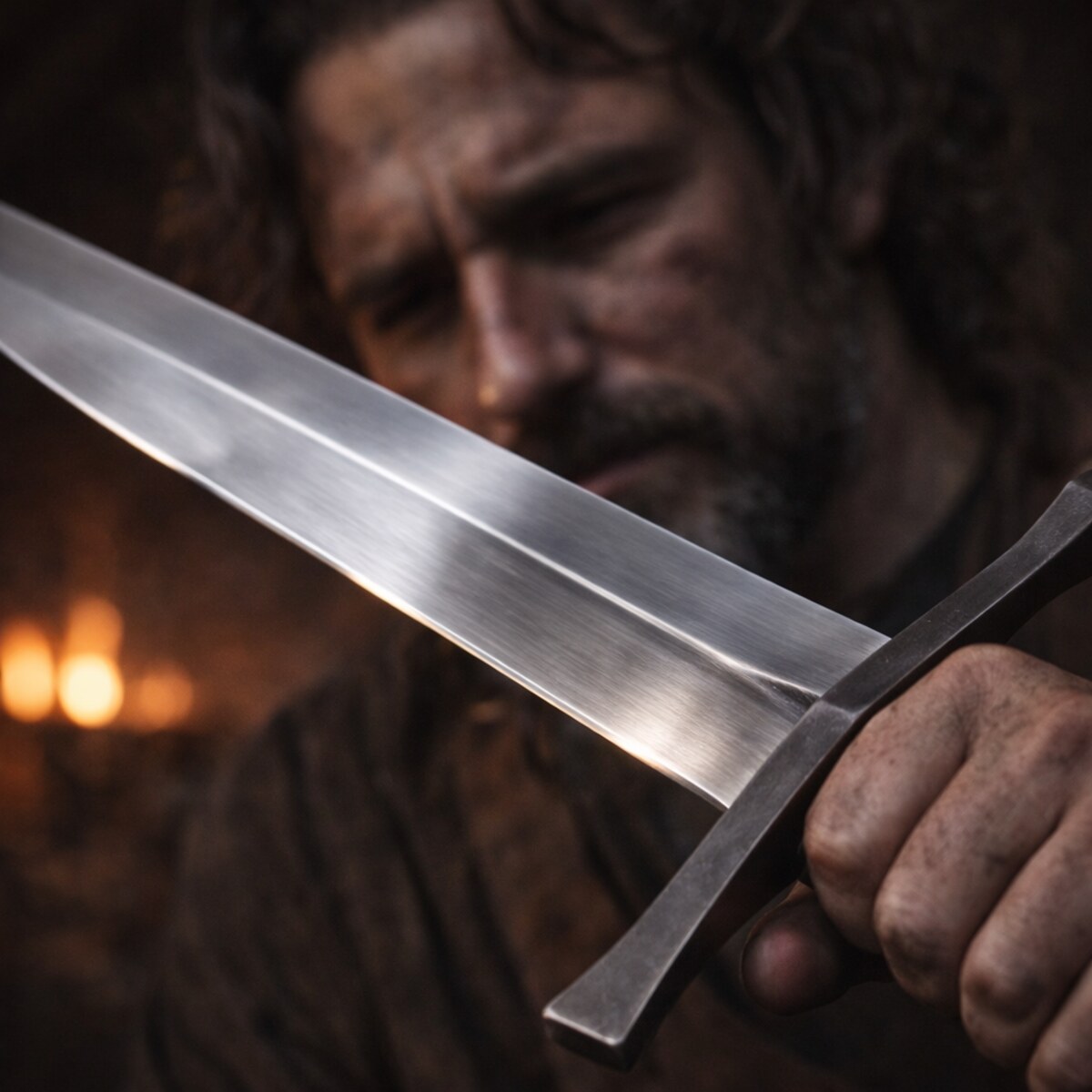
A double-edged sword is something that has both good and bad effects. It can help you, but it can also cause problems. The origin is the literal image of a sword that is sharp on both edges.Being famous can be a double-edged sword.
Down in flames
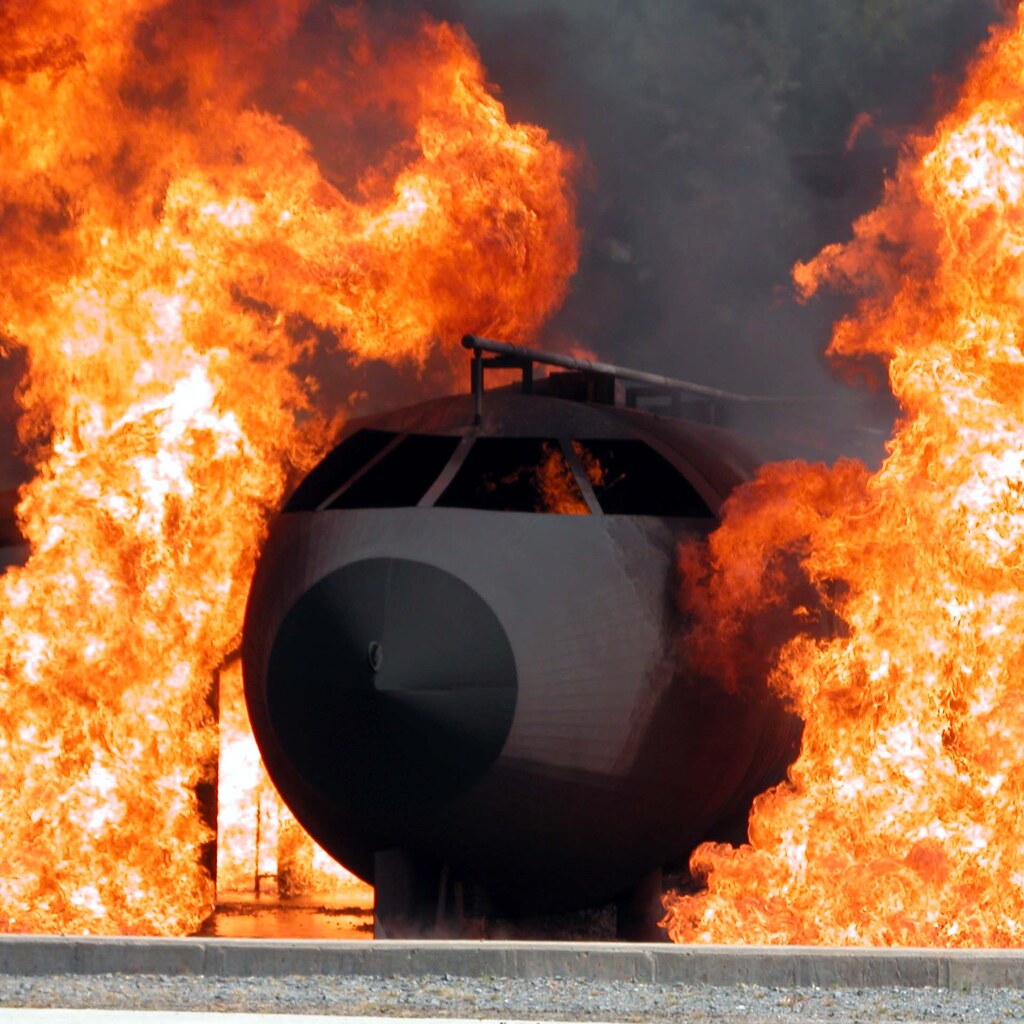
The idiom to go down in flames means to fail completely in a very dramatic or embarrassing way.The phrase comes from aviation, where an aircraft that catches fire may fall from the sky in flames. The striking image led to the expression being used for failures that happen suddenly and publicly.
His ambitious business idea went down in flames after the investors pulled out.

Draw the line
To draw a line in the sand or to draw the line marks a clear limit that someone refuses to cross.The idiom comes from the idea of drawing a line across the ground to show where one side ends and the other begins.
The manager said cutting staff was a line in the sand for the team.

Face the music
To face the music means to accept the unpleasant consequences of something you have done. It is used when someone must deal with criticism or something difficult instead of avoiding it.The expression may come from military ceremonies where a disgraced soldier had to stand in front of the band while being punished. Another explanation links it to actors stepping on stage to face the orchestra and the audience.
After skipping work without an excuse, he knew he had to face the music.
Fight fire with fire
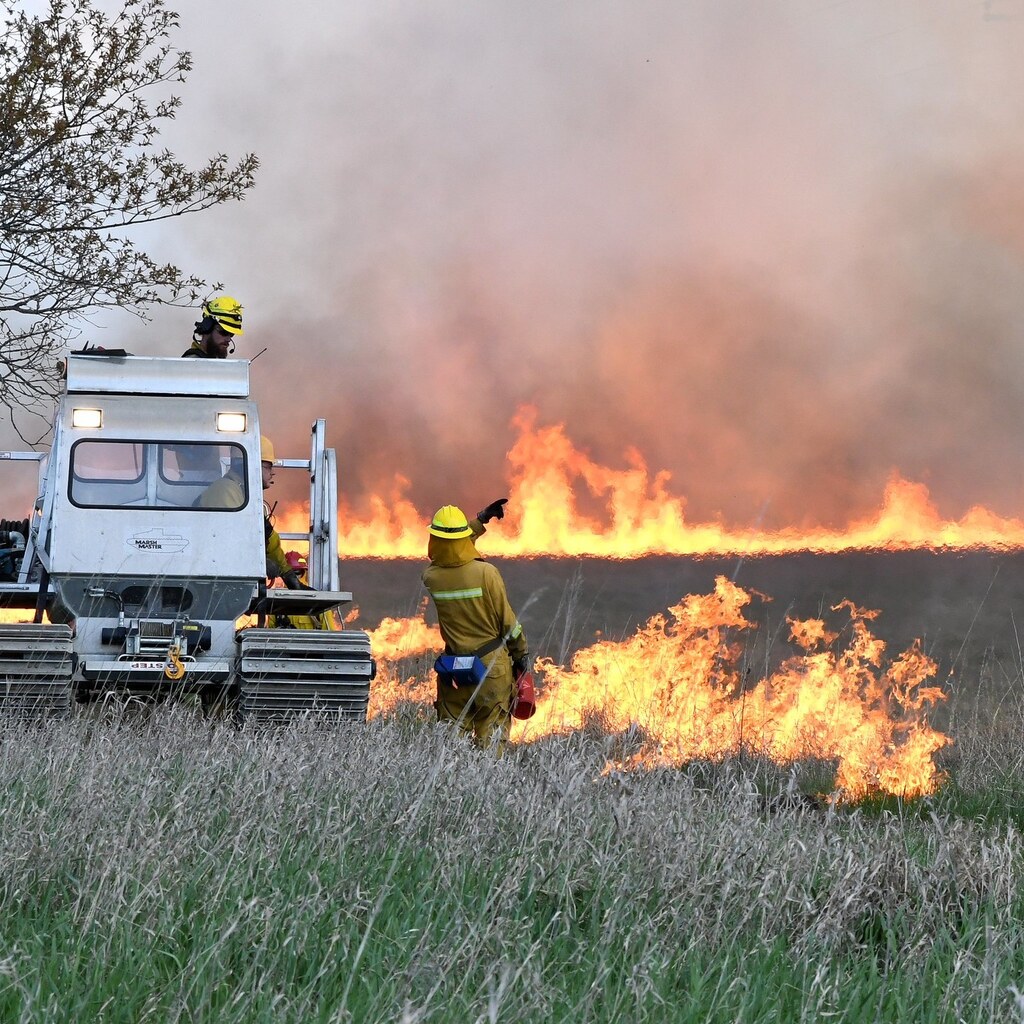
To fight fire with fire means to respond to a problem or attack by using the same kind of method against it. Instead of avoiding the conflict, a person uses similar tactics to defend themselves or push back.The phrase comes from a real firefighting technique where controlled fires are sometimes set to stop a larger wildfire by removing the fuel it needs to spread.
When their rival company launched an aggressive advertising campaign, they decided to fight fire with fire and increase their own marketing.

Fighting an uphill battle
Fighting an uphill battle means struggling against difficult conditions that make it hard to progress.The phrase comes from combat on steep ground. Moving uphill slows you down and gives the other side an advantage.
Trying to save the small business felt like fighting an uphill battle.
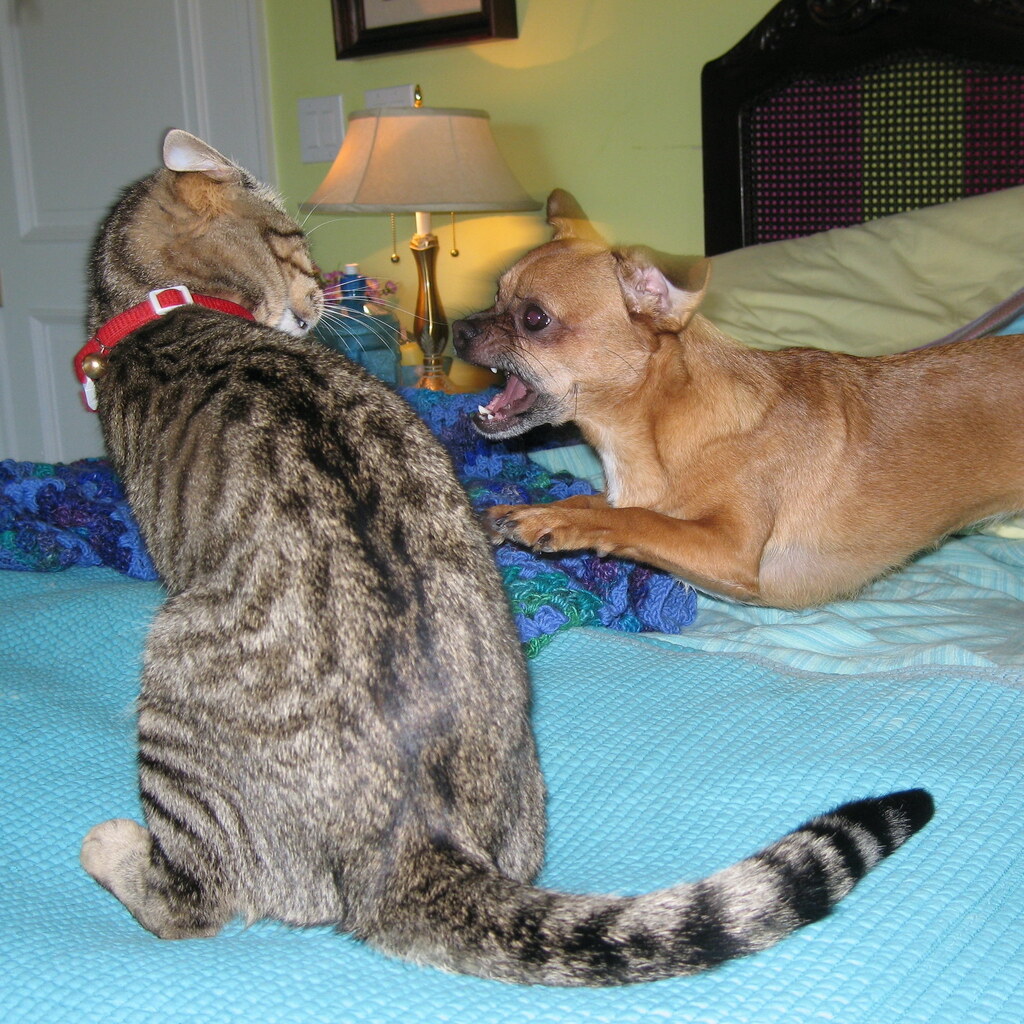
Fighting like cats and dogs
To be fighting like cats and dogs means to be arguing or fighting constantly. It describes a relationship between people who just don't get along.The phrase comes from the long-standing image of cats and dogs as natural rivals. Because their clashes were seen as noisy and chaotic, the expression became a way to describe frequent arguments.
The two brothers were fighting like cats and dogs during the whole car trip.

Go down fighting
To go down fighting means continuing to resist even when you know you will lose. You will not simply surrender.The phrase comes from combat and sport. A fighter who keeps struggling until the end shows determination despite the outcome.
The team knew they were behind, but they were determined to go down fighting.
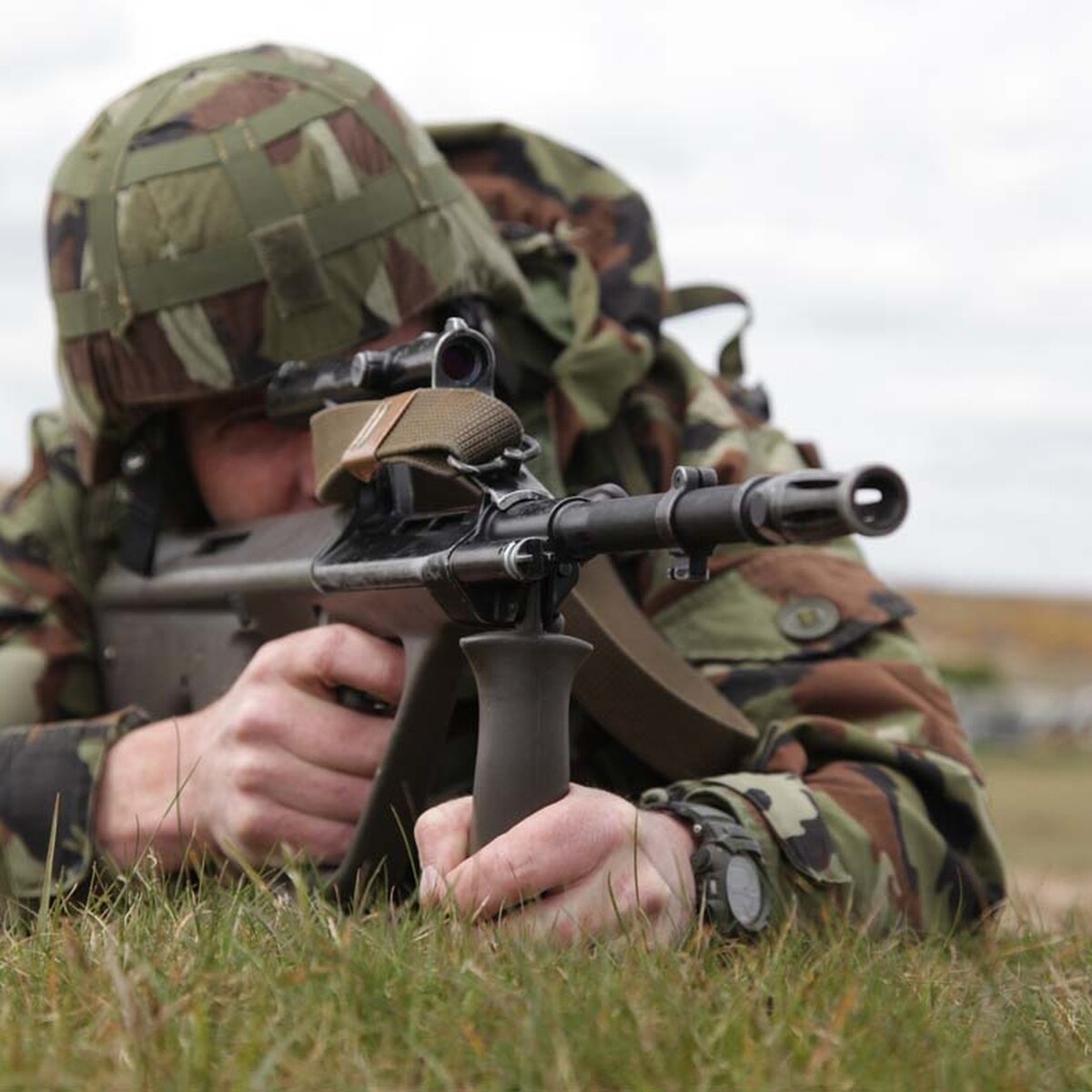
In your sights
The idiom in your sights or to set your sight on comes from the literal image of looking through the sights of a gun. If you have set your sights on something, it means you really want it and it becomes a strong ambition or goal.A similar idiom is to zero in on.
He set his sights on becoming mayor of the town.

Leading the charge
The phrase lead the charge is a military term, referring to a leader of a forceful advance against an enemy in battle. The person leading the charge needed courage and the ability to rally the troops.Today this term refers to a person taking a bold and enthusiastic leadership role in a new venture.
The new manager led the charge on integrating the new technology into the workplace.

Lick your wounds
Too lick your wounds means taking time to recover and heal after a failure or disappointment.The phrase comes from the way animals clean and soothe their injuries by licking them. The image became a metaphor for recovery.
After the loss, the team went home to lick their wounds and regroup.