
Showing 21-40 of 46

Slip through your fingers
To have something slip through your fingers means to lose something because you were unable to hold onto it or stop it from happening. This idiom is used to describe missed chances, lost opportunities, or things that gradually disappear despite your efforts.The phrase comes from the image of trying to hold something small, like sand or water, that slowly falls between your fingers. Because it cannot be easily held, it becomes a metaphor for something that cannot be kept.
The job offer slipped through his fingers when he missed the deadline to reply.

So far, so good
So far so good means that everything has been going well up to now. This idiom is used when a task or situation is working out as planned so far.The expression has been used in English since at least the 1800s. It reflects the idea that although the result is not known yet, the progress until now has been successful.
The cakes are baking nicely and have not burned yet, so far so good.

Something in the water
Something in the water means that many people are acting or changing in the same way in a place or group. It often suggests a reason, but nobody knows the real cause.The phrase became popular in modern talk to explain social trends. Writers and speakers used it like a joke about an invisible influence that makes people behave differently, since the late 20th century.
There were so many pregnant women at work they said it must be something in the water.

Spanner in the works
A spanner in the works or wrench in the works means something that unexpectedly causes a problem and stops a plan from working properly.The expression comes from machinery. If a spanner/wrench falls into moving gears, it can jam the mechanism and stop the machine from working.
The sudden power outage threw a spanner in the works for the event.

Spare a thought
To spare a thought means to remember or consider someone, especially someone who may be having a harder time. This idiom is often used to encourage sympathy or kindness.The expression comes from the simple idea of giving a small amount of attention or concern to someone else, even if only for a moment.
While we enjoy the holiday, spare a thought for the workers who still have to work today.

Speak of the devil
The idiom speak of the devil means that the person you were just talking about suddenly appears. It is usually said in a light or joking way when someone arrives at the moment they are mentioned.The phrase comes from an older saying speak of the devil and he shall appear. In the past it was a superstition that mentioning the devil might cause him to appear.
We were just wondering where Sam was, and speak of the devil, here he comes now.

Spill the beans
The idiom spill the beans means to reveal a secret. Once the information is shared, it cannot be taken back, in the way that it is hard to put beans back into a container after they have been spilled all over the floor.He spilled the beans about the birthday party.

Stab you in the back
To stab someone in the back means betraying a person who trusted you. It describes harming someone through secret actions or disloyal behavior.The phrase comes from the image of an attack delivered from behind, where the victim cannot see it coming. The image became a metaphor for hidden betrayal.
She felt stabbed in the back when her colleague shared her idea with the boss and took the credit.

Stay on track
To stay on track means to continue working toward a goal without getting distracted or delayed. It means to follow a planned path and making steady progress so that something is finished on time or done the right way.The phrase comes from the idea of trains traveling on railway tracks. As long as a train stays on the rails, it continues toward its destination.
If we stay on track with the schedule, the whole project should be finished by the end of the month.

Steal your thunder
Someone steals your thunder if they take attention or praise away from you, usually by doing what you were about to do first. It could mean taking someone's idea as your own, by doing something big at another event like proposing at someone else's wedding, or by announcing big news just before someone else announces theirs.I was going to announce my pregnancy at Thanksgiving, but my sister announced hers first and stole my thunder!

Step on someone's toes
To step on someone's toes means to upset someone by interfering with their work or responsibilities. It usually happens when a person does something that another person feels is their job or area of control.The phrase comes from dancing or crowded spaces where people can accidentally step on each other's toes. Just like the physical action can hurt or annoy someone, the idiom describes causing irritation by crossing boundaries.
I don't want to step on your toes, but I had a few ideas about how the project could be improved.
Stick out like a sore thumb
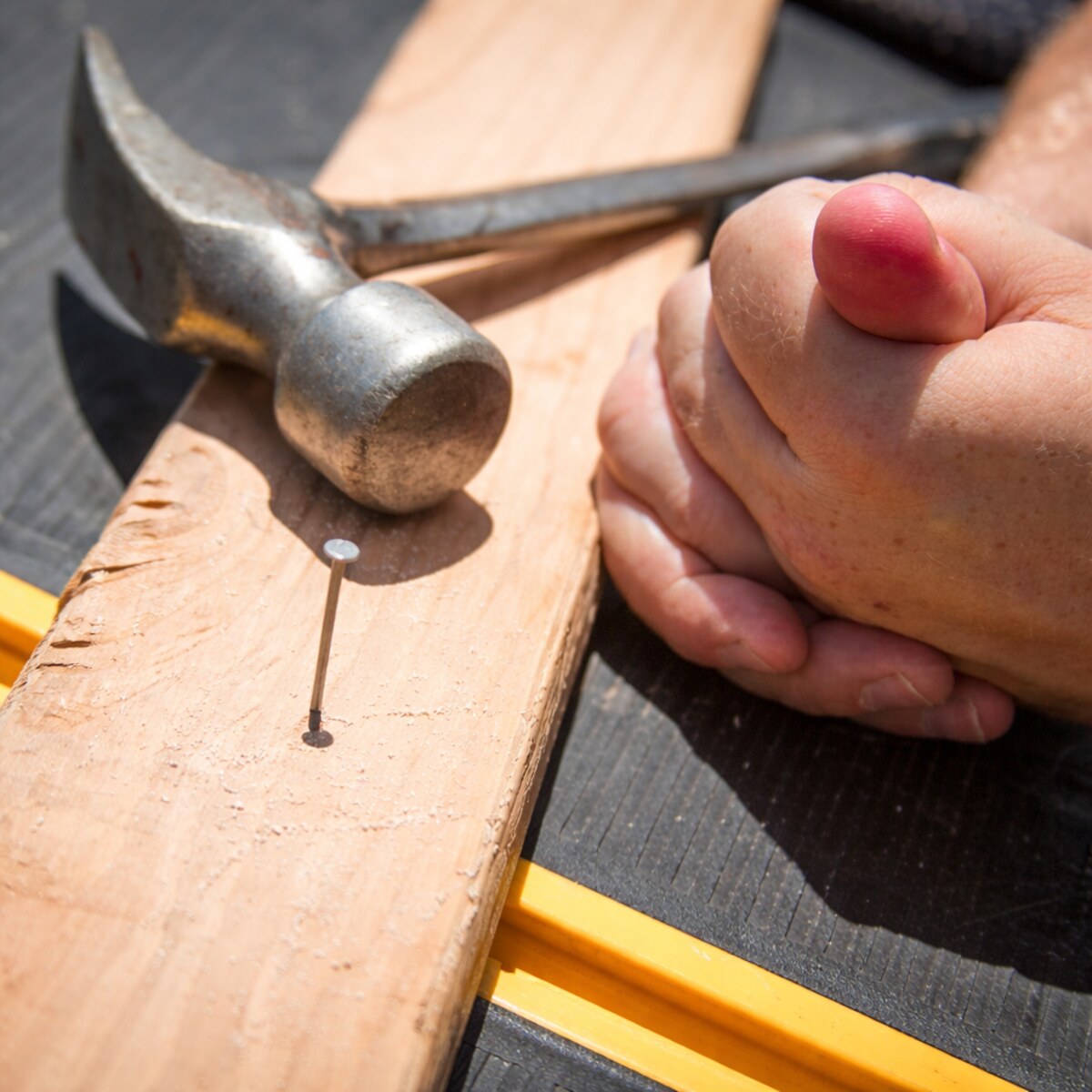
Something sticks out like a sore thumb if it is very obviously different from the things around it. This idiom came from how you would hold out an injured thumb so you don't hurt it even more.She wore a bright shirt to work, and stuck out like a sore thumb in the office.

Stick to your guns
To stick to your guns means to refuse to change your decision, even when other people disagree or pressure you.The phrase comes from military imagery, where soldiers remain at their weapons and hold their position instead of retreating. Over time it became a metaphor for standing by your beliefs.
She stuck to her guns despite the criticism.

Sticks and stones may break my bones
"Sticks and stones may break my bones but words will never hurt me" is a saying used to show that insults should be ignored. The speaker refuses to be affected.The saying has been used for many years, especially by children. It encourages resilience by separating physical harm from spoken words.
When the teasing started, she shrugged and said sticks and stones may break my bones but words will never hurt me.

Stole the show
Stole the show means drawing the most attention and praise during a performance or event. One person stands out more than everyone else.The phrase comes from theater. An actor who receives the strongest reaction from the audience can seem to take the spotlight away from the rest of the cast.
The small puppy wandered into the office and stole the show.

Straight as an arrow
The idiom straight as an arrow means perfectly straight or direct, with no curves or bends.The expression comes from the way arrows fly when they are shot from a bow. A well shot arrow travels quickly and directly toward its target in a straight line, which made it a natural comparison for anything very straight.
The long country road ran straight as an arrow across the flat fields.

Straight from the horse's mouth
Straight from the horse's mouth means information that comes directly from the person who knows it best or from the original source. Because it comes from the source itself, people believe it is accurate and trustworthy. The expression is thought to come from horse racing. Experienced buyers could tell a horse's real age by looking at its teeth, so learning the truth directly from the horse was the most reliable way to know.I heard straight from the horse's mouth that the shop will reopen next week.

Straw that broke the camel's back
The straw that broke the camel's back refers to a small problem that causes a situation to collapse after many earlier problems or frustrations. On its own the "straw" is trivial, but it arrives after a long buildup of stress, inconvenience, or annoyance.The expression comes from the idea of loading a camel with cargo: eventually the animal reaches its limit, and one last single straw is enough to make it fail.
I didn't mind the messy room or the dirty dishes, but when he left the door open again, that was the straw that broke the camel's back.

Strike a chord
If something strikes a chord it means that it causes a strong emotional reaction or feels meaningful to someone. This idiom often describes an idea, comment, or story that people connect with deeply.The phrase comes from music, where striking a chord means playing several notes together on an instrument. The image later became a metaphor for something that resonates emotionally with a listener.
Her speech about helping the community struck a chord with many people in the audience.
Strike while the iron is hot
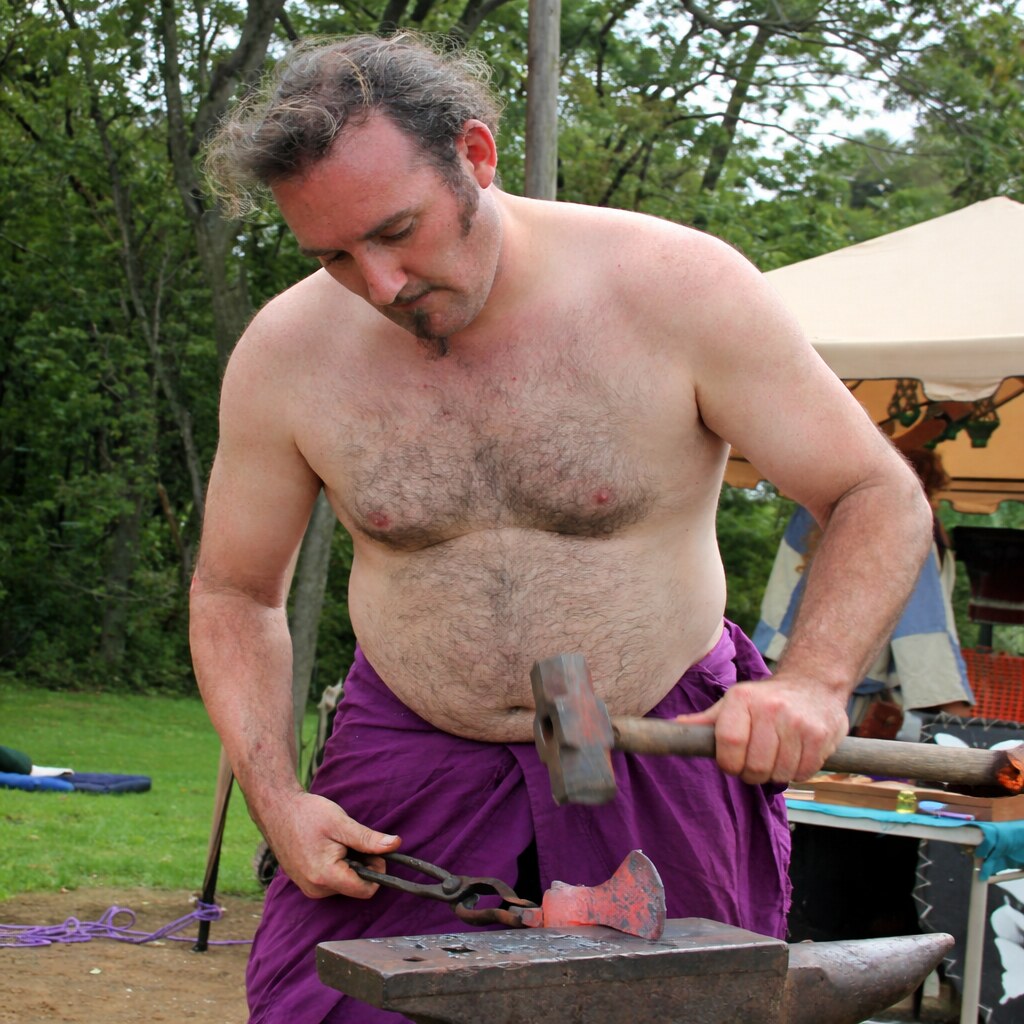
To strike while the iron is hot means to act quickly at the right moment, before an opportunity disappears.The expression comes from blacksmithing. A blacksmith must hammer iron while it is hot and soft, because once it cools the metal becomes hard and difficult to shape.
When the weather cleared, they decided to strike while the iron is hot and finish painting the fence.