
Showing 1-20 of 46
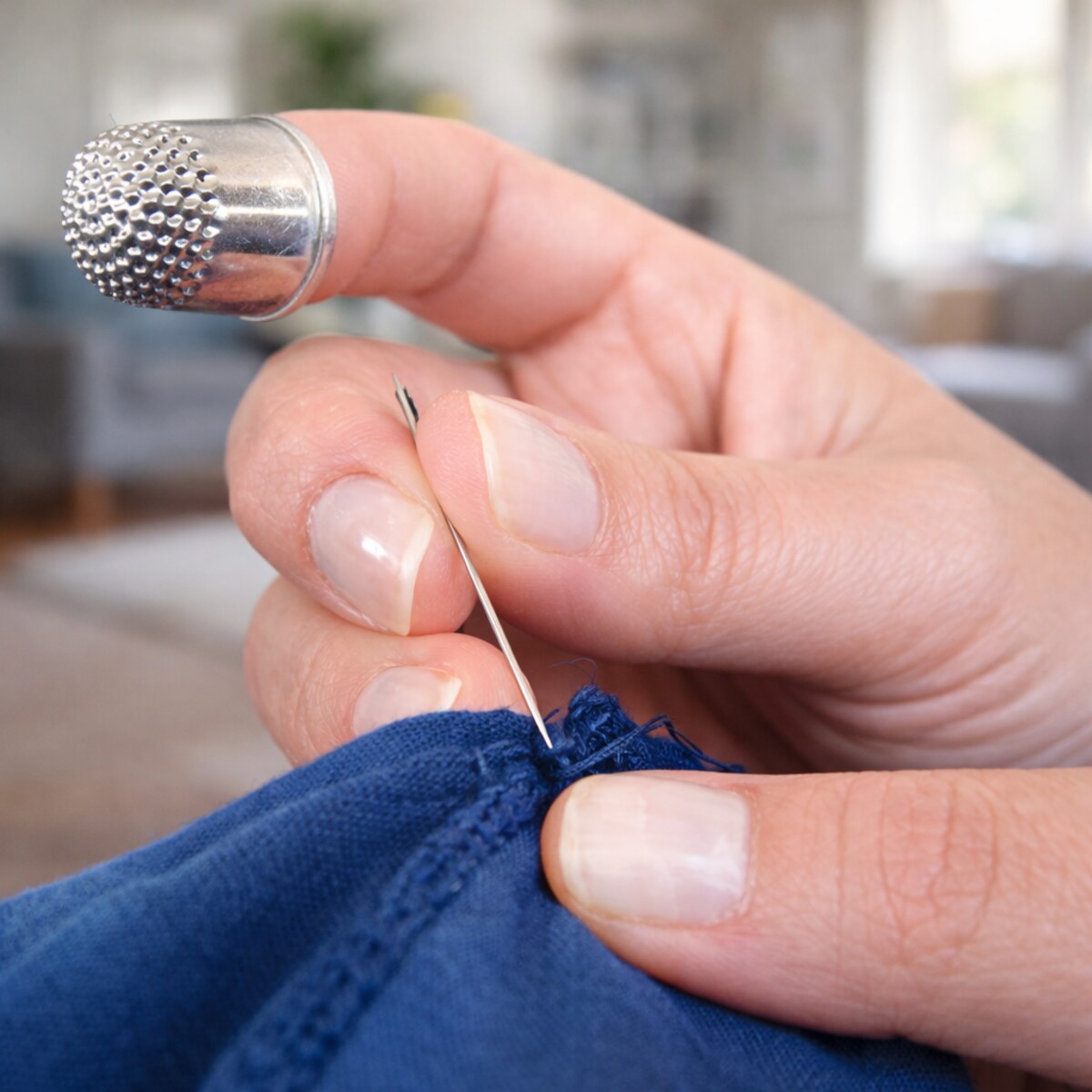
A stitch in time saves nine
The saying a stitch in time saves nine means that fixing a small problem early can prevent a much bigger problem later. It comes from sewing, where repairing a small tear quickly can stop it from becoming a large rip that needs much more work. The phrase is used as advice to encourage people not to delay important tasks.He fixed the leak straight away, knowing a stitch in time saves nine.

A storm in a teacup
The idiom a storm in a teacup means making a big fuss about a small problem. The reaction is much bigger than the situation deserves. The original form of this idiom dates back to ancient Roman times and was "a tempest in a ladle", so people have been comparing overblown reactions to putting huge storms in tiny containers for a very long time now.The committee meeting ended up being a storm in a teacup.

Another string to your bow
To add another string to your bow means having an extra skill, talent, or resource to use as a backup, which increases your options or chances of success.This idiom originated centuries ago from the practise of medieval archers carrying a spare bowstring in case the first one broke.
I decided to do a short course at college, to add another string to my bow.

Fight fire with fire
To fight fire with fire means to respond to a problem or attack by using the same kind of method against it. Instead of avoiding the conflict, a person uses similar tactics to defend themselves or push back.The phrase comes from a real firefighting technique where controlled fires are sometimes set to stop a larger wildfire by removing the fuel it needs to spread.
When their rival company launched an aggressive advertising campaign, they decided to fight fire with fire and increase their own marketing.

In the spotlight
To be in the limelight or in the spotlight means that you are the center of public attention. Everyone is looking at you and noticing what you are doing. It usually happens when you are famous or have done something very important.Both phrases come from theater lighting. In the 1800s, technicians created a bright white light by heating a cylinder of quicklime with a flame. Later, electric spotlights replaced this chemical light. People still use both versions to describe being the focus of a crowd.
After winning the award for her new book, she found herself in the limelight for the rest of the year.

In your Sunday best
The phrase "in your Sunday best" originates from the Christian tradition of wearing your best to church on Sundays, to show respect for God.For poorer and black people, especially around the time slavery ended, their Sunday clothes were often the only good clothes they owned. These clothes became a mark of dignity and self-respect.
She's all dressed up in her Sunday best
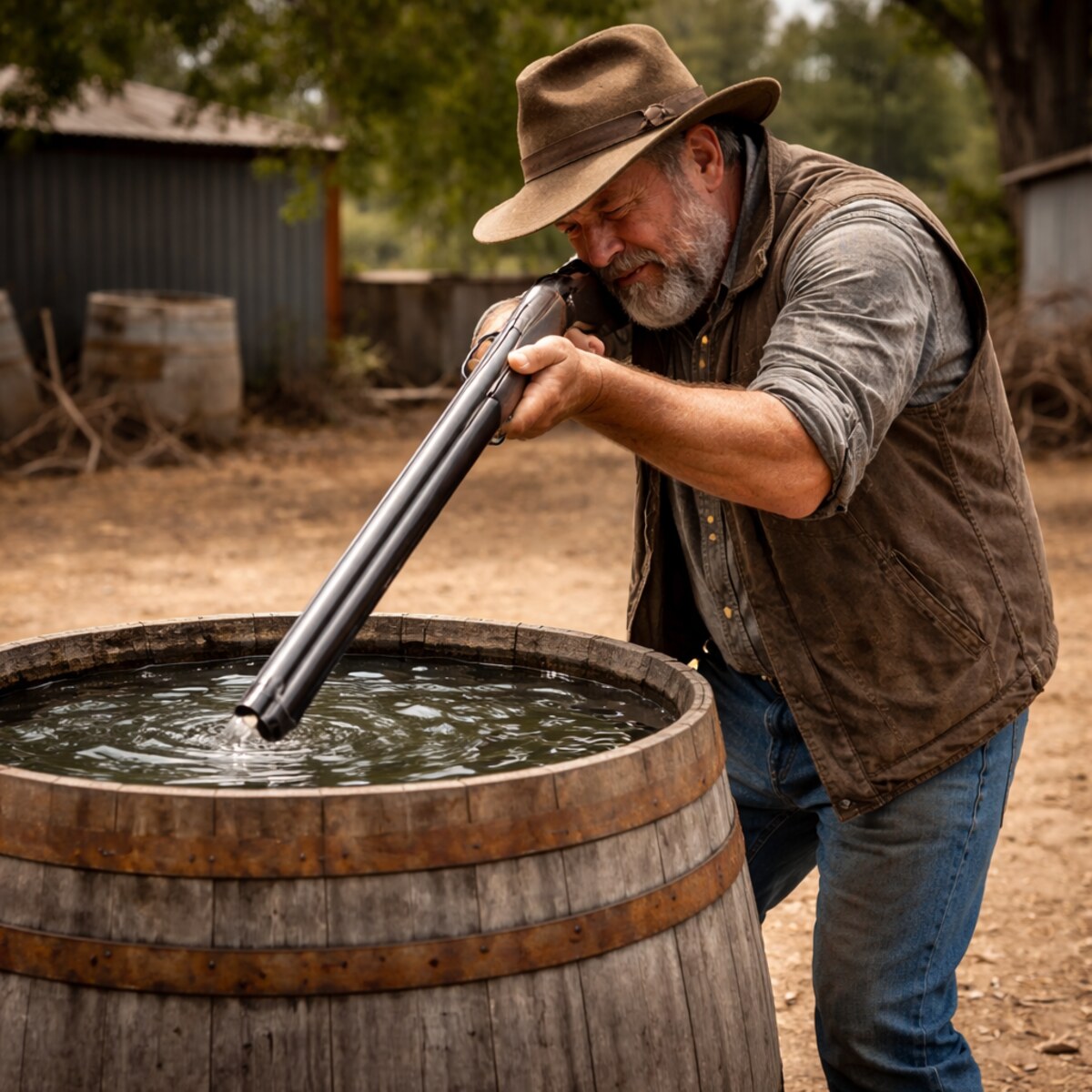
Like shooting fish in a barrel
The idiom like shooting fish in a barrel means something is very easy. The implication is that a barrel is such a small body of water that the fish can't get away from you.That exam was so easy it was like shooting fish in a barrel.

Not the sharpest tool in the shed
Not the sharpest tool in the shed or not the sharpest knife in the drawer is a euphemism for saying someone is not very smart.He's not the sharpest tool in the shed, but he works hard.

Salt of the earth
Salt of the earth describes someone who is very good, honest, and kind. It is usually used for ordinary people who work hard, help others, and do the right thing without showing off.The phrase comes from an old expression that compared good people to salt, which was once very valuable and important for preserving food. Just as salt was essential in everyday life, these people were seen as important and dependable members of a community.
The old mechanic who fixes cars for free is the salt of the earth.

Save for a rainy day
Saving for a rainy day means to keep money or resources for a time when you might need them. People use this idea to talk about being careful and preparing for future problems or emergencies.This phrase comes from the idea of bad weather stopping normal plans. When rain keeps people indoors or makes work harder, it helps to have something saved to rely on.
She always saves a little from each paycheck for a rainy day.

Save your breath
The idiom save your breath means that speaking will not change anything.The phrase comes from the simple idea that talking uses breath. If no one will listen, the breath is better saved.
You can save your breath - he's already decided.

Saved by the bell
You are saved by the bell if you are saved from a difficult situation at the last minute.There are a few theories how the idiom came about. One is that it refers to a school bell or a competition bell that signals the end of class or the current competition.
The more interesting, but possibly less accurate theory is that it came from people's fear of being buried alive in a cemetery, and people were buried with a string tied to their finger and then to a bell above ground, and ringing the bell meant people would come save you.
She forgot to prepare for the presentation, but a fire drill was called and she was saved by the bell

Scraping the bottom of the barrel
Scraping the bottom of the barrel means using the worst options because nothing better is left. It describes a situation where someone has run out of good choices.The expression comes from the days when food such as salted fish or pickles was stored in wooden barrels. Once the good pieces were taken, people had to scrape the bottom to get what remained.
If those are the best candidates they could find, they must be scraping the bottom of the barrel.

See eye to eye
To see eye to eye means to completely agree with someone about something. If people do not see eye to eye, they disagree or have different opinions.The expression comes from the idea of two people looking directly at each other with their eyes level, suggesting they share the same view or understanding. The phrase has been used in English for several centuries.
My brother and I do not always see eye to eye about how to run the business.

Set in stone
Something is set in stone if it is fixed and almost impossible to change.The phrase comes from carving words into stone. Once carved, they are hard to alter.
The schedule is not set in stone yet, so we can still make changes.
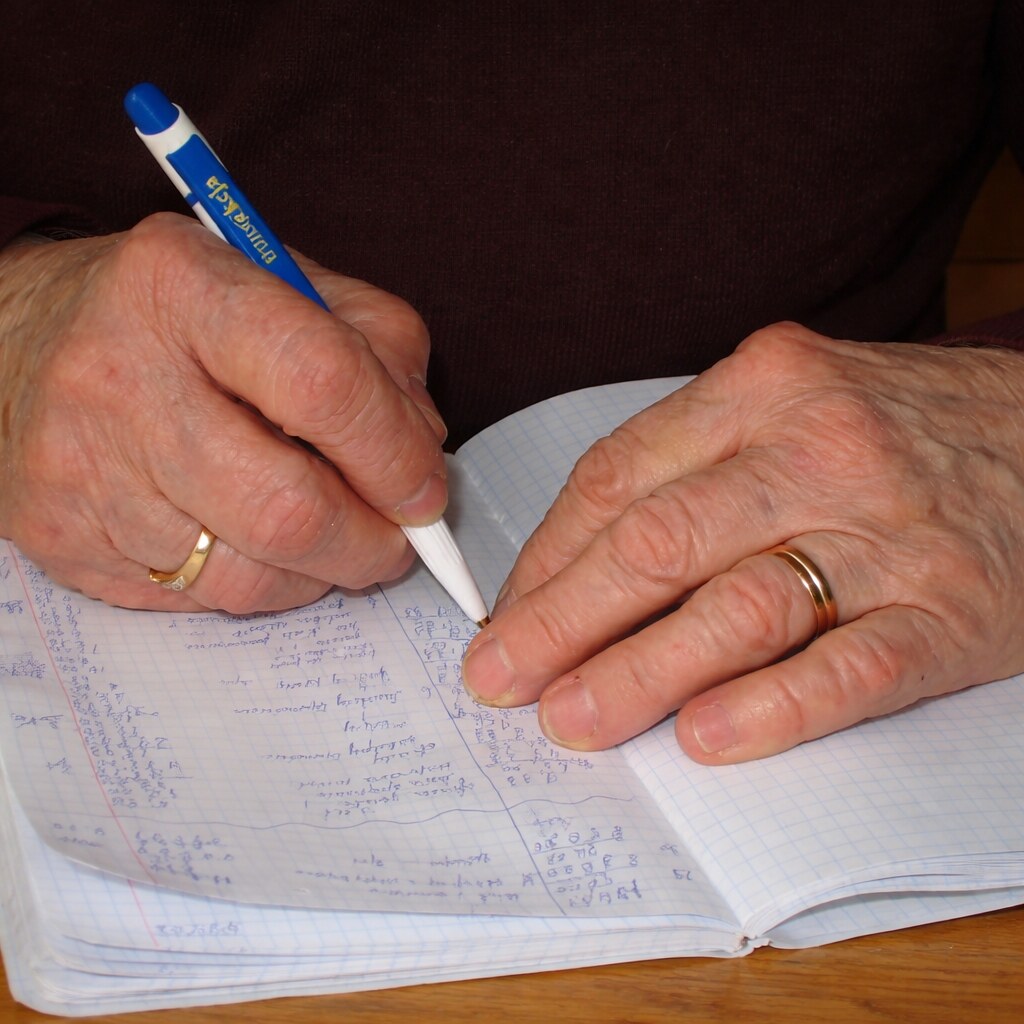
Set the record straight
To set the record straight means to correct a mistake or false story by explaining what really happened.The expression comes from record keeping and accounting. If information in a record book was wrong, it had to be corrected so the record showed the true facts.
She called the meeting to set the record straight about what had happened.

Shooting from the hip
Shooting from the hip means speaking or acting quickly without careful thought.The phrase comes from old gunfighting imagery, where a person fires a weapon from the hip instead of aiming properly. The action is fast but less controlled.
He was shooting from the hip during the interview and gave answers without thinking them through.
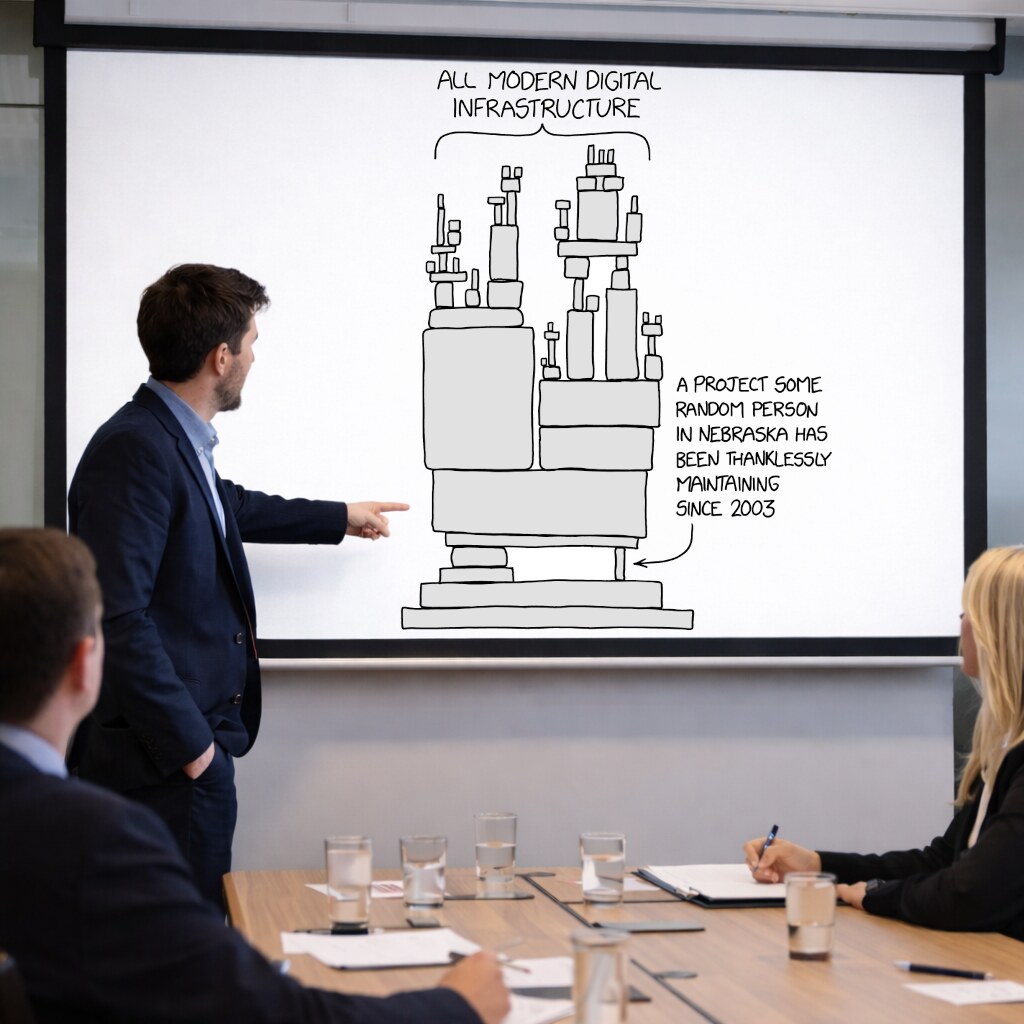
Single point of failure
A single point of failure is one part of a system that can cause the entire system to stop working if it fails.The term comes from engineering and computer systems design. Engineers try to avoid single points of failure by adding backup parts or alternate paths so the system can keep working if one part breaks.
The only bridge into the town was a single point of failure during the storm.

Sit on your hands
To sit on your hands means to do nothing when you should be taking action. It is used when someone waits, avoids helping, or chooses not to get involved.The expression comes from the image of a person literally sitting on their hands so they cannot use them. It suggests stopping yourself from acting, even when something needs to be done.
We cannot just sit on our hands while the roof keeps leaking.

Skeleton in the closet
A skeleton in the closet means a secret from someone's past that they try to hide because it would embarrass them or cause trouble if others found out.This idiom comes from the image of a hidden skeleton locked away in a closet. It suggests a dark or shameful secret that someone does not want anyone else to discover.
Every family seems to have a skeleton in the closet they prefer not to talk about.