
Showing 311-330 of 426
Rub your nose in it
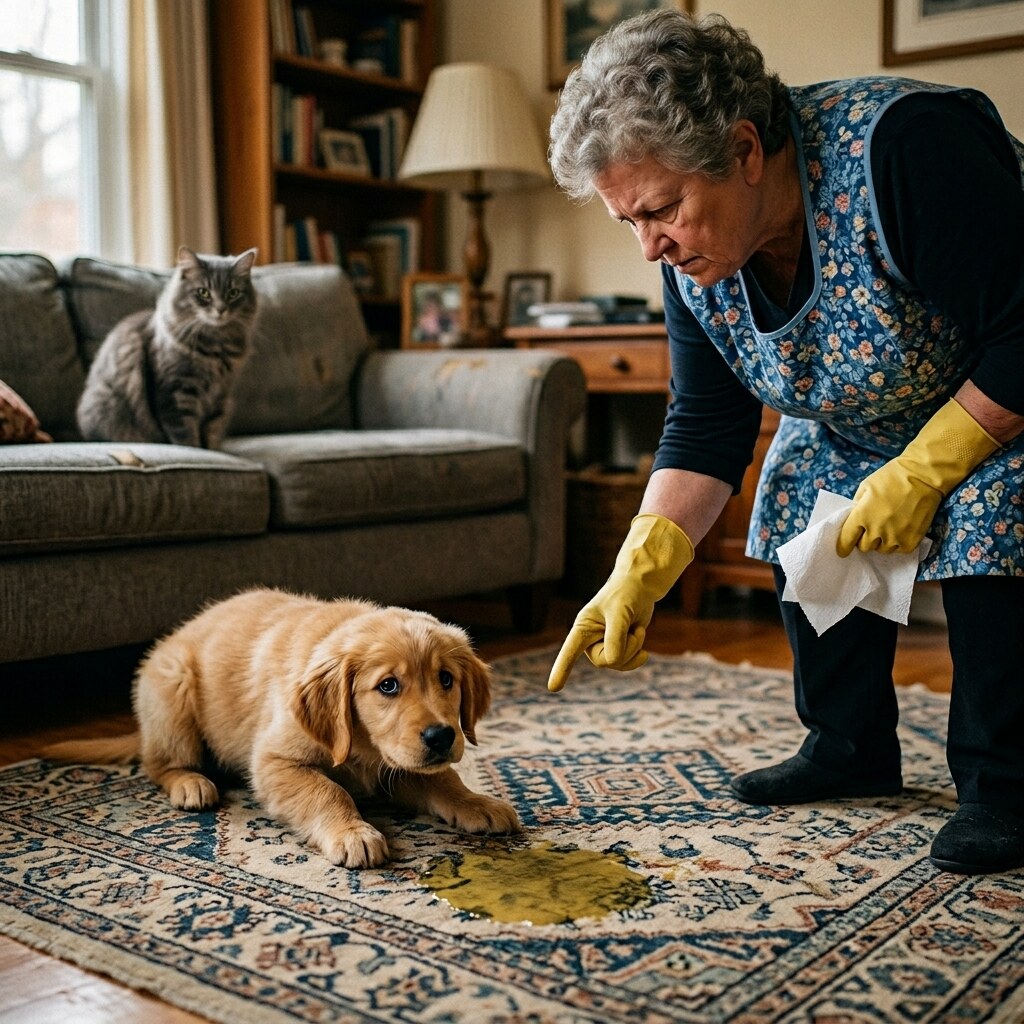
To rub someone's nose in it means to keep reminding someone about a mistake or embarrassing situation in a way that makes them feel worse. Instead of letting the matter go, the person keeps pointing it out again and again.The phrase comes from an old method sometimes used when training animals, where their nose was pushed toward something they had done wrong. Over time it became a metaphor for deliberately making someone dwell on their mistake.
I know I lost the game, but you do not have to rub my nose in it every time we talk about it.

Rug pulled out from under you
To have the rug pulled out from under you means to suddenly lose something you were relying on. When it is unexpectedly taken away, it leaves you surprised or struggling to recover.The phrase comes from the image of someone standing on a rug that is suddenly yanked away, causing them to fall. It began appearing in English in the late 1800s and is used as a metaphor for sudden, destabilizing change.
Just when she thought the promotion was certain, the company restructured and had the rug pulled out from under her.

Rule of thumb
The phrase a rule of thumb means a simple guideline based on experience. It originates from when tradesmen used to roughly estimate measurements using the size of their thumb rather than any more accurate means.As a rule of thumb, save some money each month.

Run like clockwork
To run like clockwork means that something happens very regularly.The phrase comes from mechanical clocks, which were designed to keep steady, precise time using gears and springs. Because a well made clock runs in a predictable way, this idiom became a way to describe anything that happens on a predictable timeframe.
Every morning at exactly six o'clock, the rooster started crowing like clockwork.

Run out of steam
To run out of steam means to lose energy, strength, or motivation before something is finished.The idiom comes from the era of steam engines such as old trains and factory machines. When the boiler no longer produced enough steam, the engine would slow down and eventually stop.
We were making good progress on the hike, but I ran out of steam near the top of the hill.
Salt of the earth
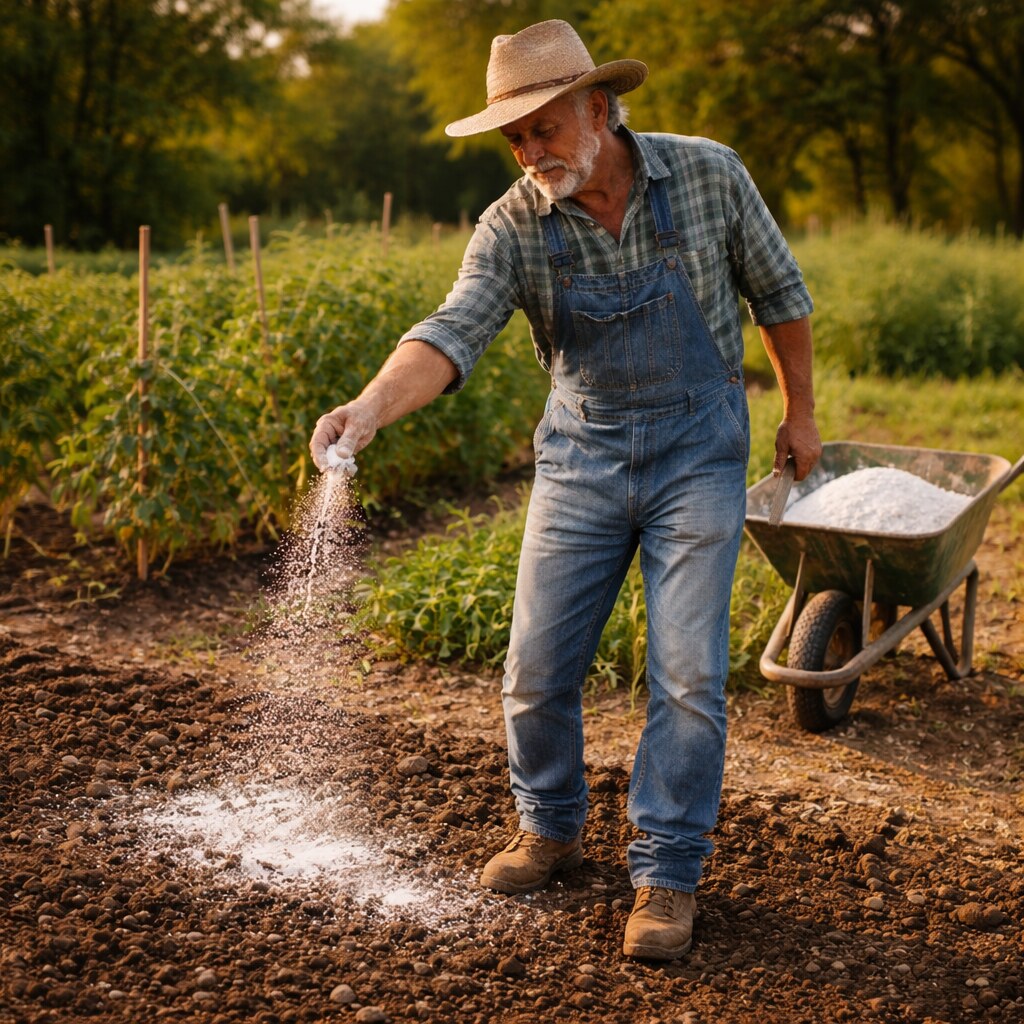
Salt of the earth describes someone who is very good, honest, and kind. It is usually used for ordinary people who work hard, help others, and do the right thing without showing off.The phrase comes from an old expression that compared good people to salt, which was once very valuable and important for preserving food. Just as salt was essential in everyday life, these people were seen as important and dependable members of a community.
The old mechanic who fixes cars for free is the salt of the earth.

Save for a rainy day
Saving for a rainy day means to keep money or resources for a time when you might need them. People use this idea to talk about being careful and preparing for future problems or emergencies.This phrase comes from the idea of bad weather stopping normal plans. When rain keeps people indoors or makes work harder, it helps to have something saved to rely on.
She always saves a little from each paycheck for a rainy day.

Saved by the bell
You are saved by the bell if you are saved from a difficult situation at the last minute.There are a few theories how the idiom came about. One is that it refers to a school bell or a competition bell that signals the end of class or the current competition.
The more interesting, but possibly less accurate theory is that it came from people's fear of being buried alive in a cemetery, and people were buried with a string tied to their finger and then to a bell above ground, and ringing the bell meant people would come save you.
She forgot to prepare for the presentation, but a fire drill was called and she was saved by the bell

Scraping the bottom of the barrel
Scraping the bottom of the barrel means using the worst options because nothing better is left. It describes a situation where someone has run out of good choices.The expression comes from the days when food such as salted fish or pickles was stored in wooden barrels. Once the good pieces were taken, people had to scrape the bottom to get what remained.
If those are the best candidates they could find, they must be scraping the bottom of the barrel.

See eye to eye
To see eye to eye means to completely agree with someone about something. If people do not see eye to eye, they disagree or have different opinions.The expression comes from the idea of two people looking directly at each other with their eyes level, suggesting they share the same view or understanding. The phrase has been used in English for several centuries.
My brother and I do not always see eye to eye about how to run the business.