
Showing 1-20 of 416
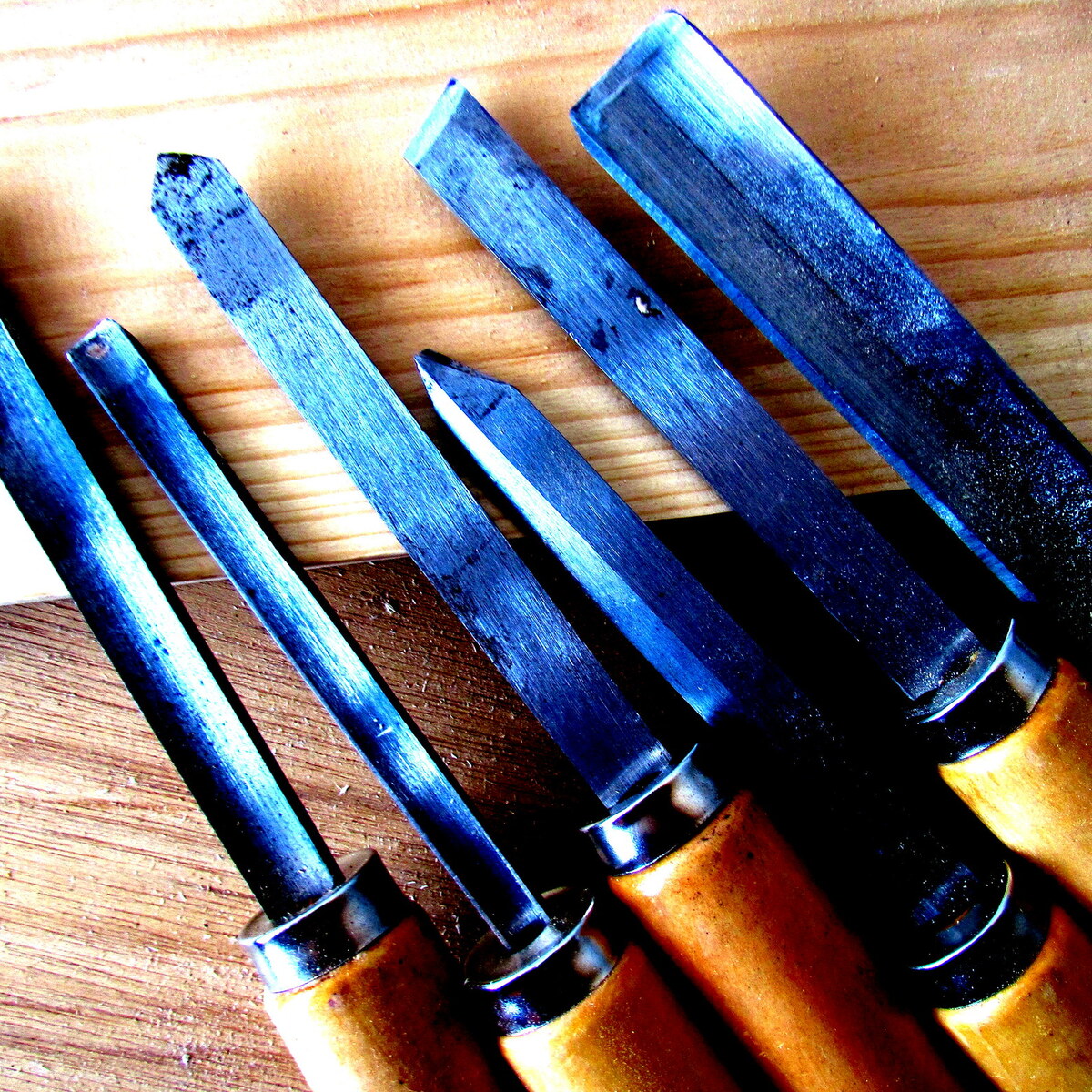
A bad workman always blames his tools
The saying a bad workman always blames his tools means that people who do a job poorly often blame their equipment instead of admitting their own mistakes. It suggests that lack of skill is usually the real problem, not the tools being used.The expression has been recorded in English since the 1600s. Variations of the same idea appear in several European languages, all pointing to the same observation that an unskilled worker will blame their tools rather than their ability.
He complained about the software, but a bad workman always blames his tools.
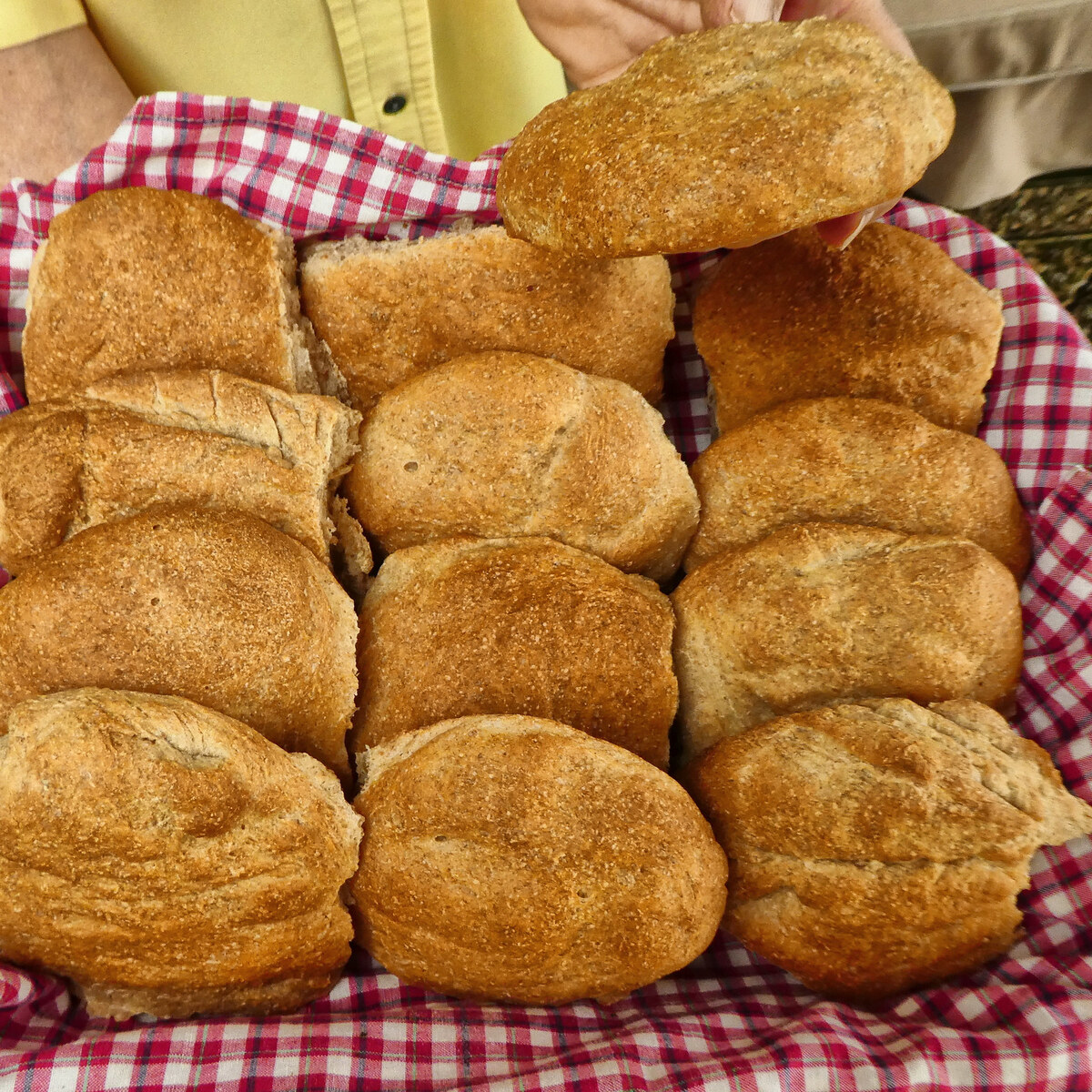
A baker's dozen
The phrase a baker's dozen means a group of thirteen items instead of the usual twelve.The saying comes from a historical practice where bakers added an extra item to an order to make sure they were not accused of giving too little. This extra item helped protect bakers from fines or punishment and became a well-known expression meaning "one more than expected."
The shop gave us a baker's dozen of rolls, so we received thirteen instead of twelve.
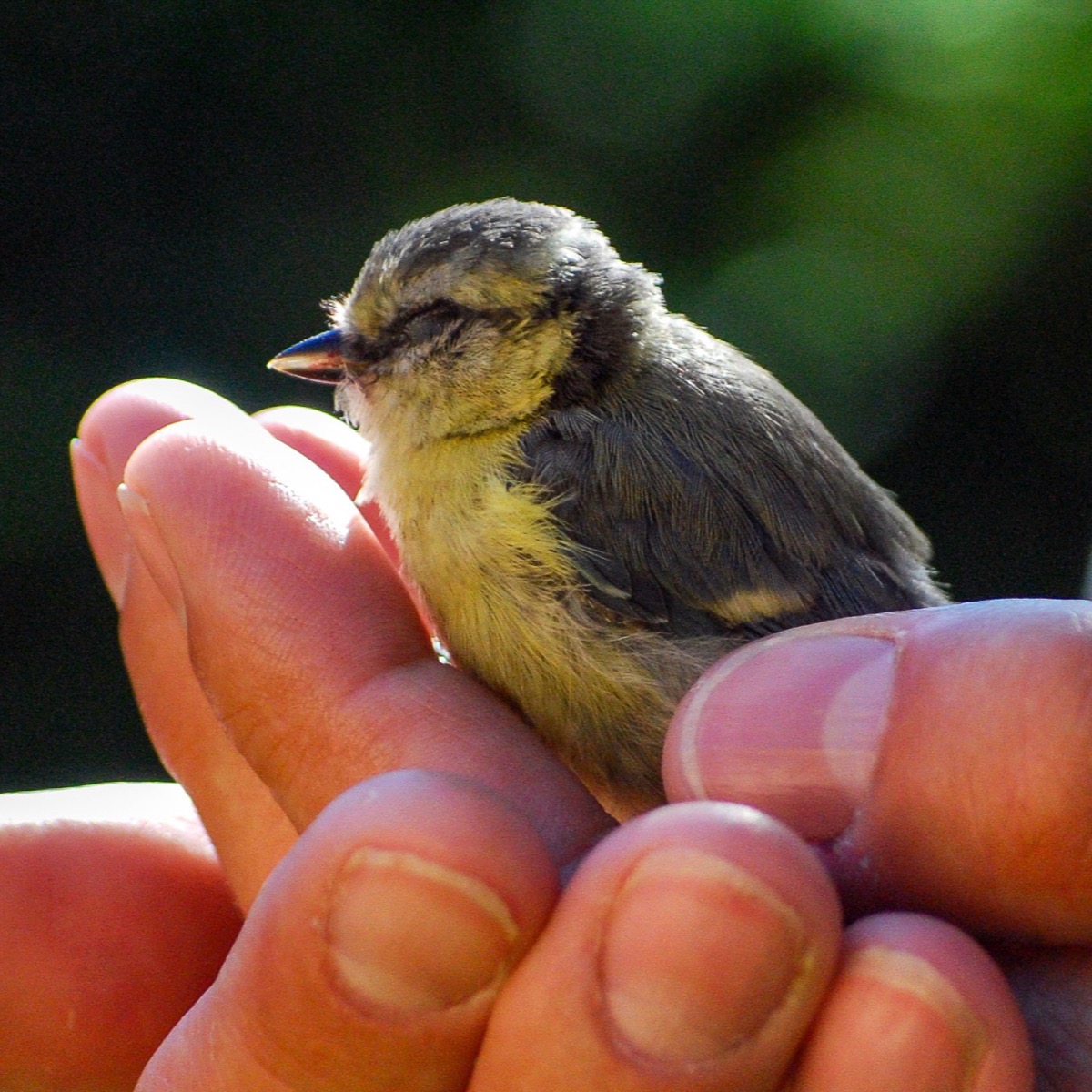
A bird in the hand is worth two in the bush
The phrase a bird in the hand is worth two in the bush means that it is better to keep something you already have than to risk losing it by trying to get more. It encourages people to value certainty over possible gain.The saying comes from hunting, where holding one bird still gets you dinner, but going after two may leave you hungry with no bird at all.
She kept her steady job, remembering that a bird in the hand is worth two in the bush.
A dime a dozen
When something is described as a dime a dozen, it means that it is very common and easy to find.The idiom suggests that the item has little special value because there are so many of them. It is often used to explain why something is not considered rare or important.
Cheap souvenirs are a dime a dozen.

A drop in the ocean
The expression a drop in the ocean, or a drop in the bucket means a very small amount compared to what is really needed. It helps explain that even though an effort was made, it was not enough to make a noticeable difference. People often use this phrase when talking about money, time, or help that is too small to solve a big problem.The donation was a drop in the ocean compared to the cost of repairs.

A far cry
The phrase a far cry means very different from something else. It is often used to compare the present with the past, and often to compare something that is currently worse.This idiom originated from Scottish messengers who would shout messages to each other and this was used as a way to communicate long distance, so a far cry was originally used as slang for a long distance.
This small house is a far cry from the mansion they expected.
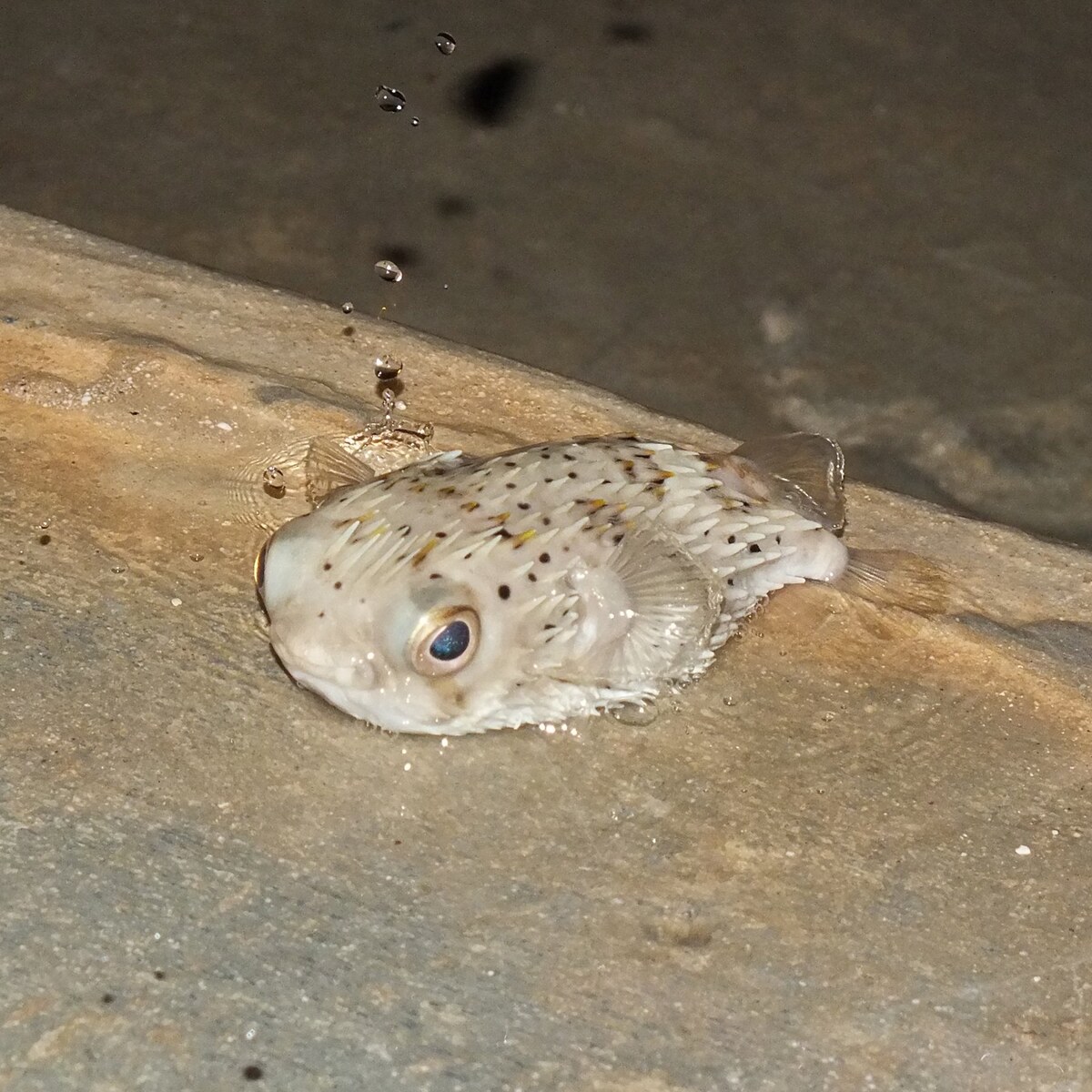
A fish out of water
You are a fish out of water if you are in a situation you are very uncomfortable with. This idiom has been in use since the 14th century.When I first moved to the city from my parent's farm, I felt like a fish out of water.
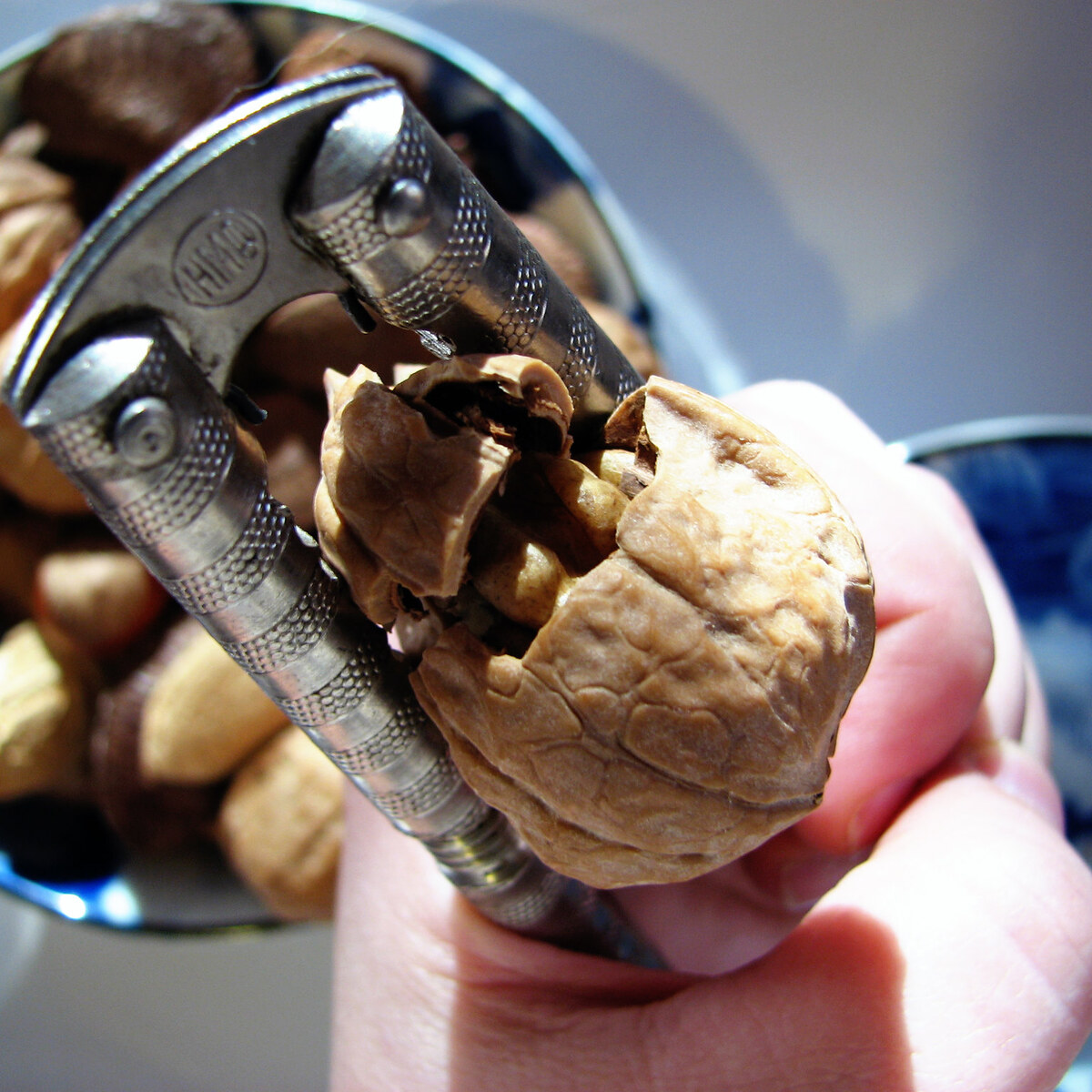
A hard nut to crack
The phrase a hard nut to crack or a tough nut to crack means a problem or person that is hard to deal with. Simple solutions do not work. The shells of some nuts can be much more difficult to open than others!This puzzle is a tough nut to crack.

A hole in one
A hole in one is a golf term for getting the golf ball into the final hole with only one hit, but as an idiom it means to succeed on the first try.She showed her first design to the client and they loved it! A hole in one!

A lightbulb moment
A lightbulb moment is when you suddenly understand something or get a good idea. It is the instant when a problem that was confusing before suddenly makes sense. This phrase comes from cartoon shows and movies, where a lightbulb appears above a character's head when they think of a clever idea. The image became a simple way to show the moment when someone's mind "lights up" with understanding.I had a lightbulb moment in the shower and suddenly knew how to fix the problem with my bike.