up to Nature

Medical

Medical conditions and body parts. But nothing good enough to self-diagnose with, just the basics!

Subcategories: Body parts (242), Phobias (6), Senses (6), Substances (23), Symptoms (18)

Showing 41-60 of 309

18 words are below your SafeSearch level and not shown.
C is for Cast

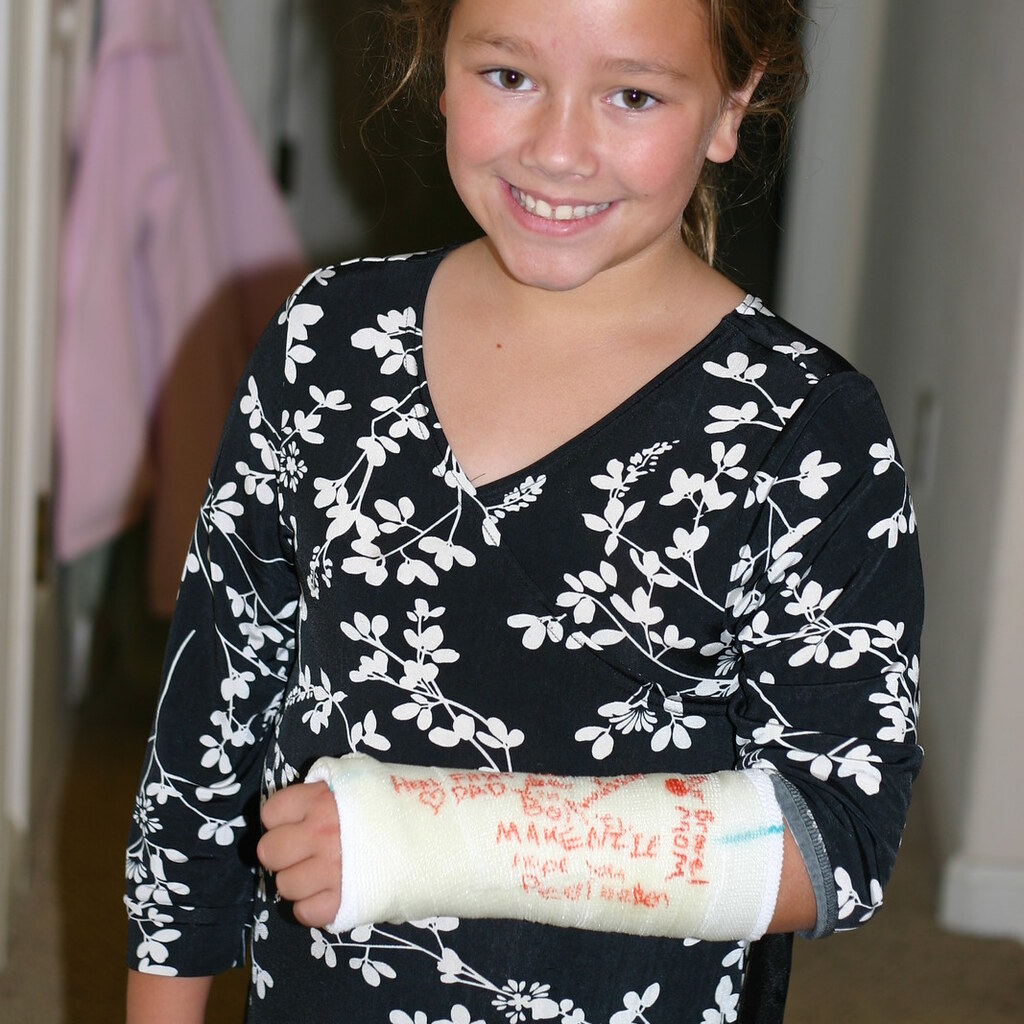
A cast is a hard shell usually made from plaster-soaked bandages. Casts are used to hold a broken bone in place while it heals.

C is for Cellulite

Cellulite is a distinctive dimpling in the skin, somewhat resembling the texture of orange peel. It is usually seen on the thighs and bottom of adult women. Cellulite is caused by fat under the skin being textured by connective tissue.

C is for Cheek

Your cheeks are on either side of your face. They are usually round and rosy. The bone you can feel near the top of your cheek is called your cheekbone.
Your chest is on the front of your body, below your neck and above your waist. Adult men usually grow hair on their chests.
The top part of your body including your chest and back is called your torso.

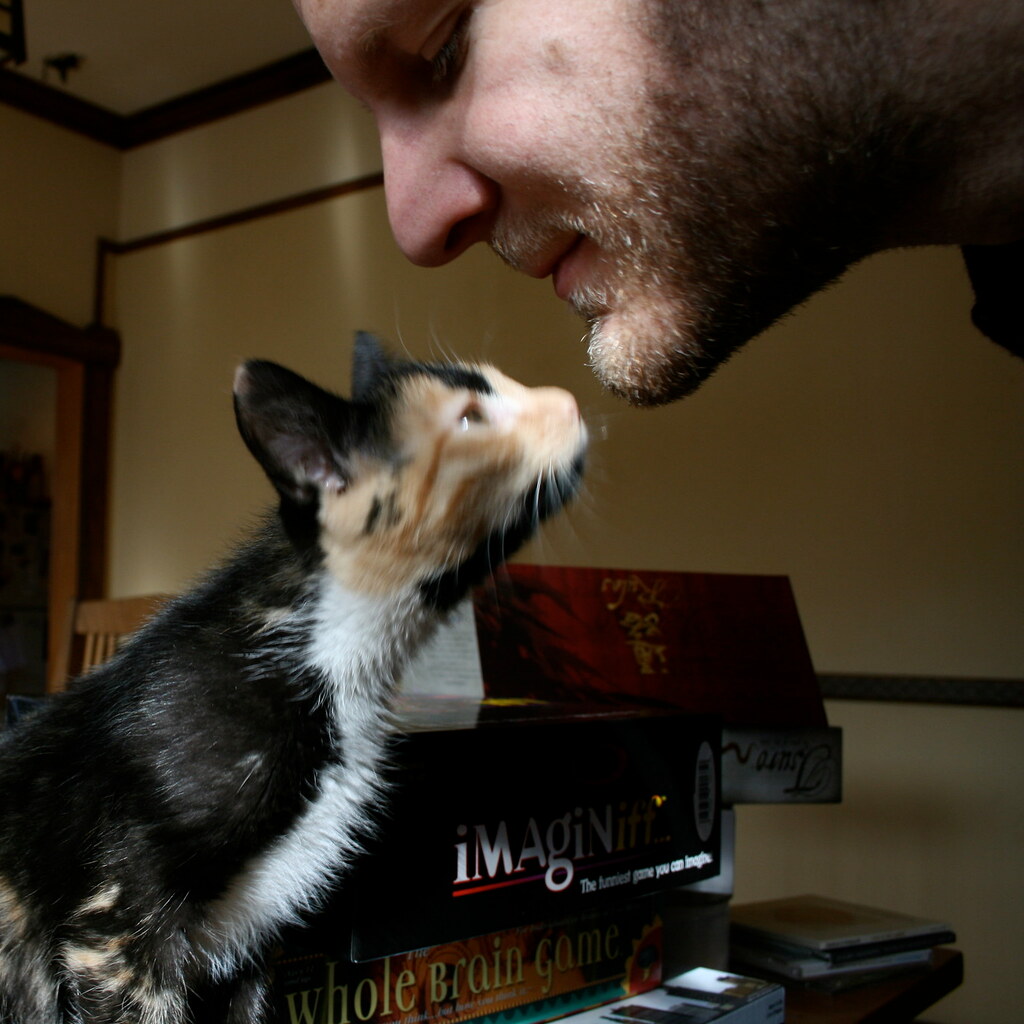
C is for Chin

Your chin is found on your face, above your neck and below your mouth.
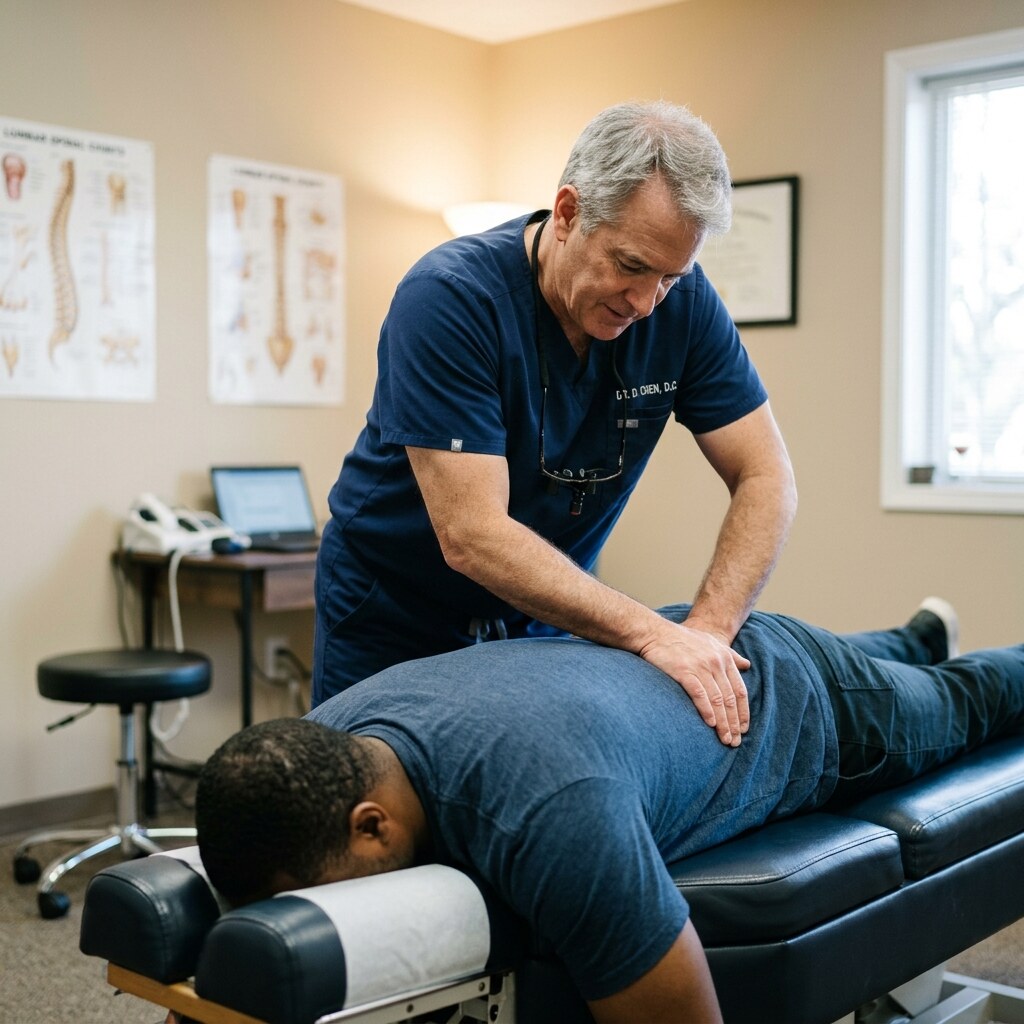
A chiropractor is someone who manipulates the bones and muscles in your body. These manipulations can help restore balance in the body and make you feel better.

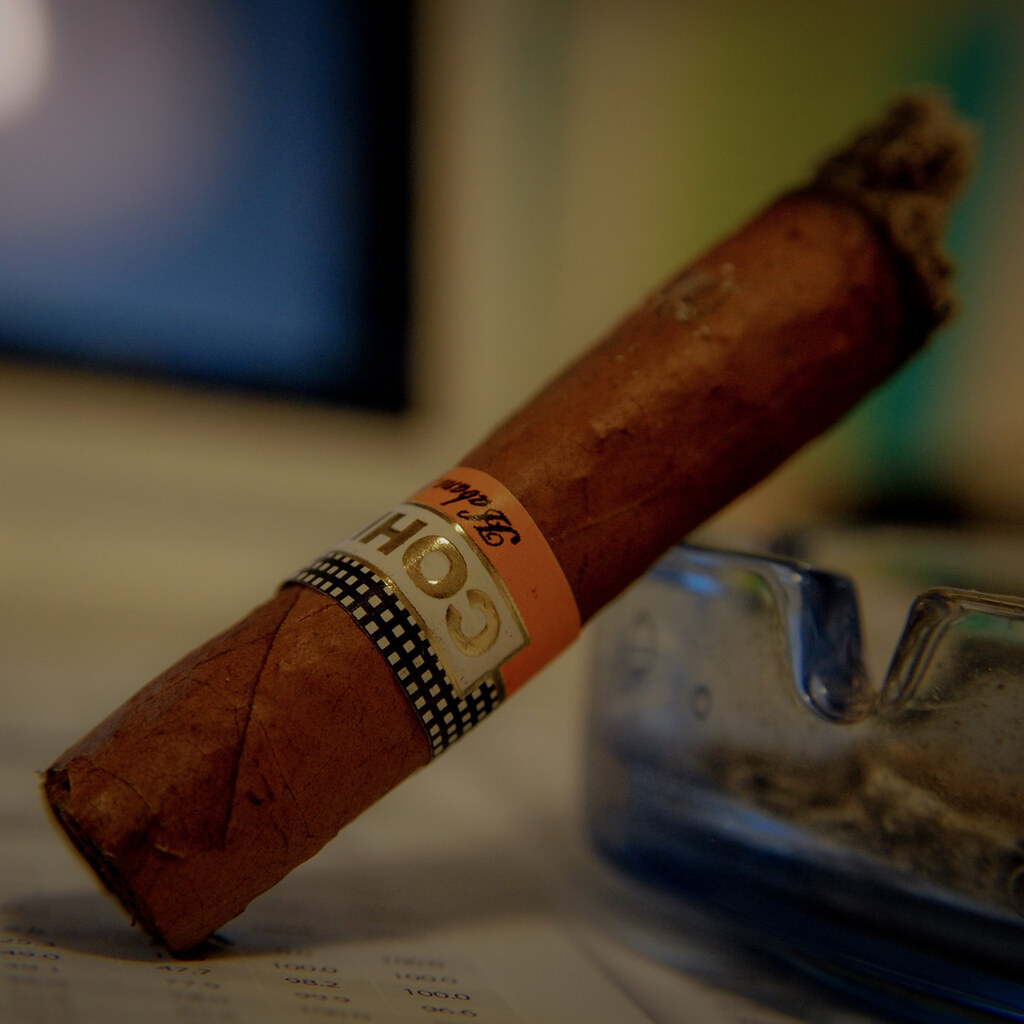
C is for Cigar

A cigar is a tight roll of dried, fermented tobacco leaves. People set one end of the cigar on fire and breathe the smoke in through the other end.

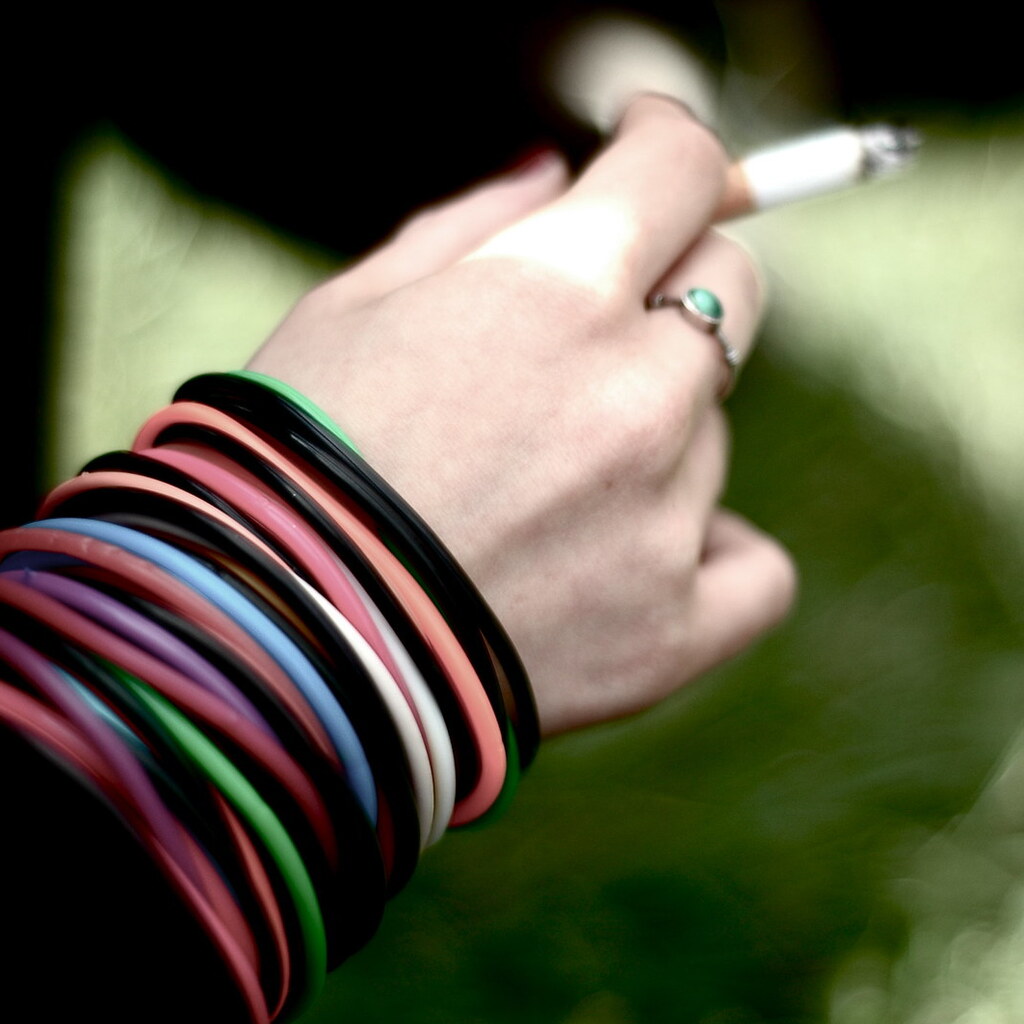
C is for Cigarette

A cigarette is a roll of paper, filled with finely chopped tobacco and other additives. People who use cigarettes are called smokers. Modern cigarettes usually have a filter at one end. The unfiltered end is set on fire and the other end is put in the mouth, and smokers inhale the smoke through the cigarette.

C is for Clavicle

Your clavicle is another word for the collarbone. It is a long, slightly curved bone that runs across the top of your chest, from the centre to your shoulders.
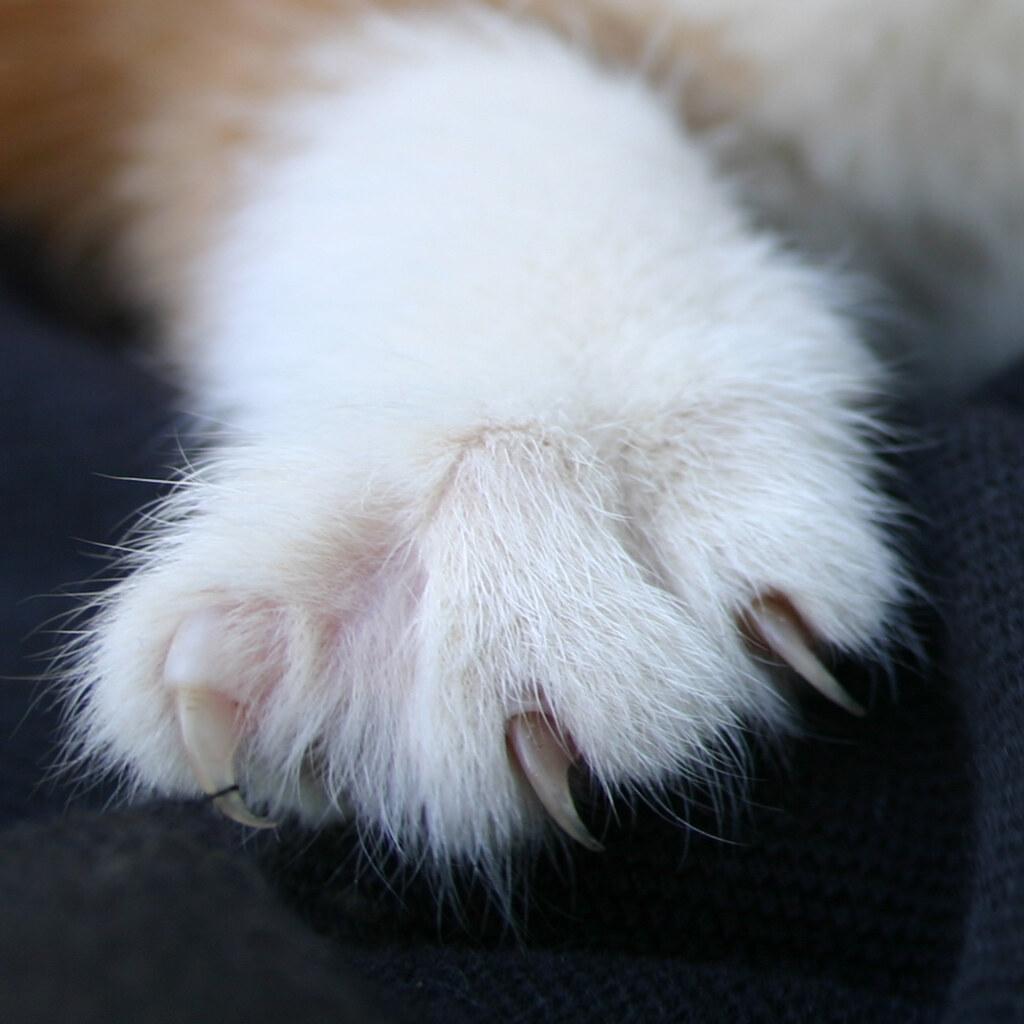

C is for Claw

A claw is something hard and pointed that is found on the end of the toes of most animals and birds. People do not have claws - we have fingernails instead.
Claws help animals to climb trees, scratch other animals, or grip the ground so they can run faster.

C is for Cleavage

A cleavage is the hole left after you cleave something. More commonly though, a cleavage is the space between a woman's breasts.

C is for Collagen

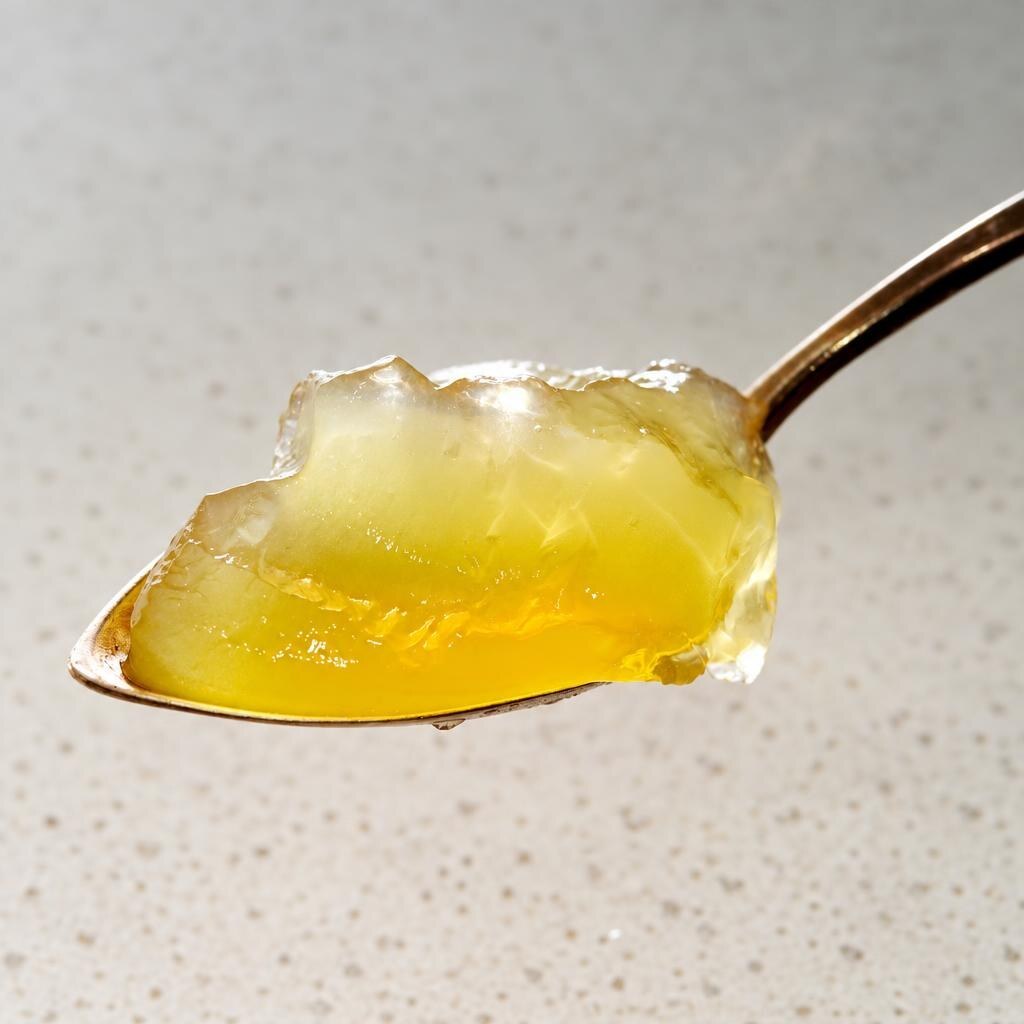
Collagen is a strong, stretchy protein found in many parts of the body. It acts like a supporting framework, helping give structure to skin, bones, tendons, ligaments, cartilage, and blood vessels. It is the most common protein in the human body and helps tissues stay firm and connected.

As people get older, the body usually makes less of it, so skin may become less firm and joints may lose some support. Cooking collagen changes it into gelatin. The name comes from a Greek word related to glue, because collagen was once used to make glue.
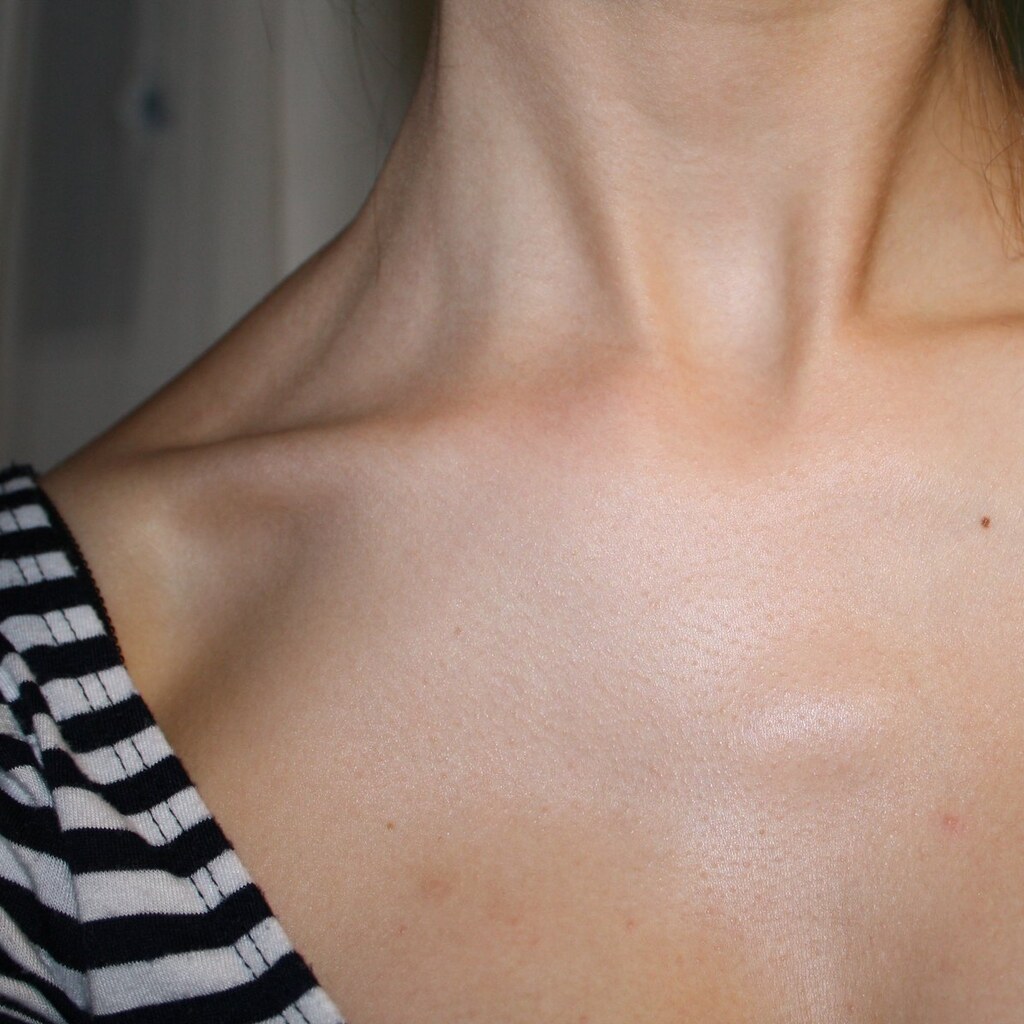
C is for Collarbone

Your collarbone is a bone in the upper part of your chest. They run horizontally and connect your shoulders to your breastbone in the center of your chest.

The woman in the picture has prominent collarbones.
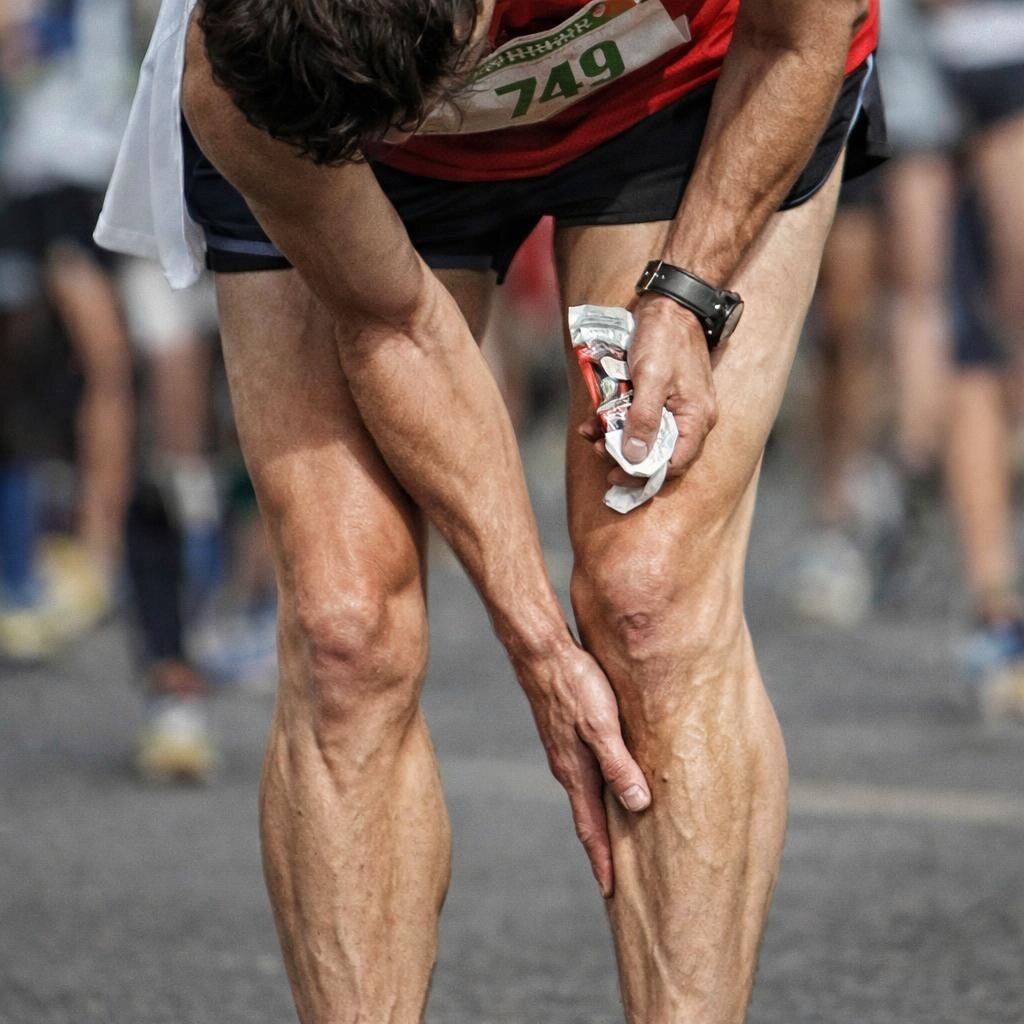
C is for Cramp

A cramp is a pain in one of your muscles that often happens after exercise, or are caused by low salts in your blood. Cramps can hit suddenly and can be extremely painful. The person in the picture has a cramp in their leg.

C is for Cranium

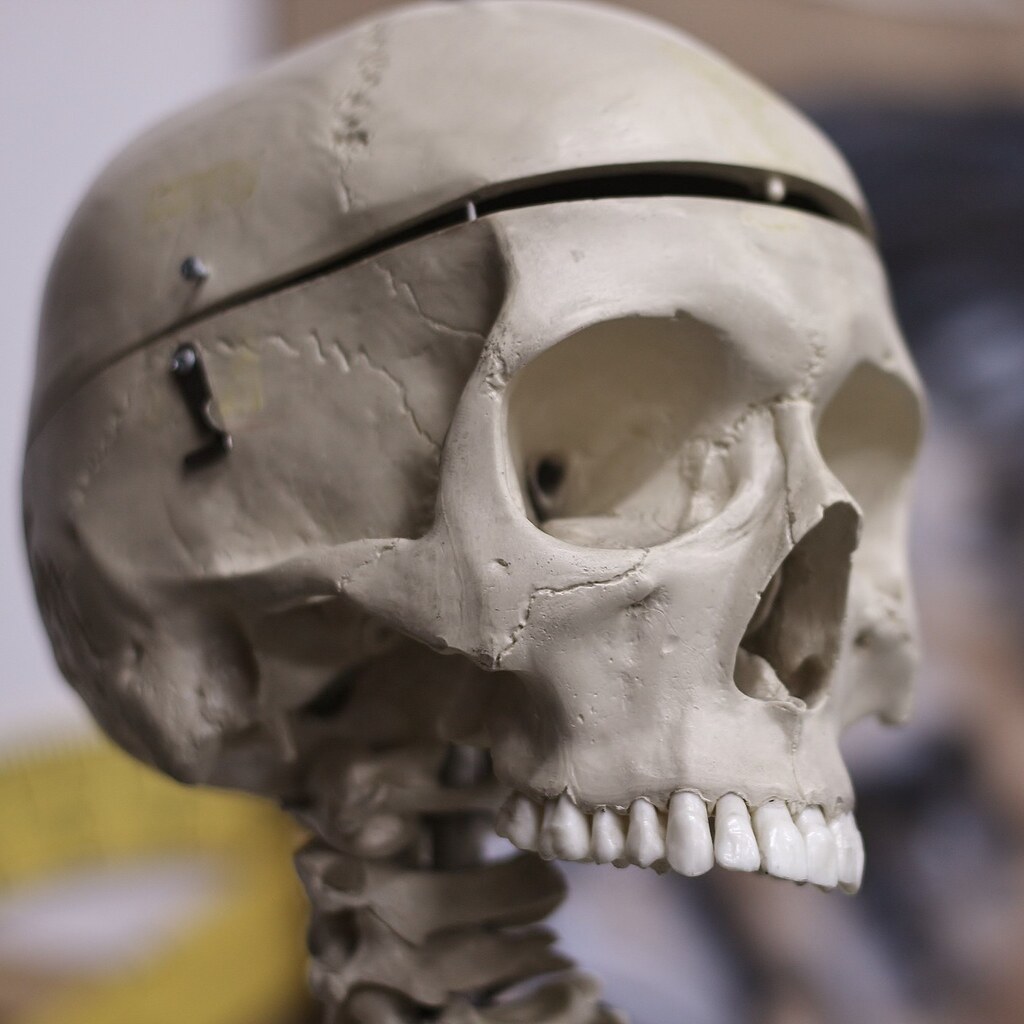
The cranium is the top part of your skull that covers and protects the brain inside your head.

There are openings through your cranium for your ears, eyes, nose and vein and arteries.

C is for Crest

A crest is the highest part of something, or something on the top of something else. The bird in the picture has a crest of feathers on top of its head.

C is for Crotch

Your crotch is the place where your legs meet, and can also be called your groin.

C is for Crutches

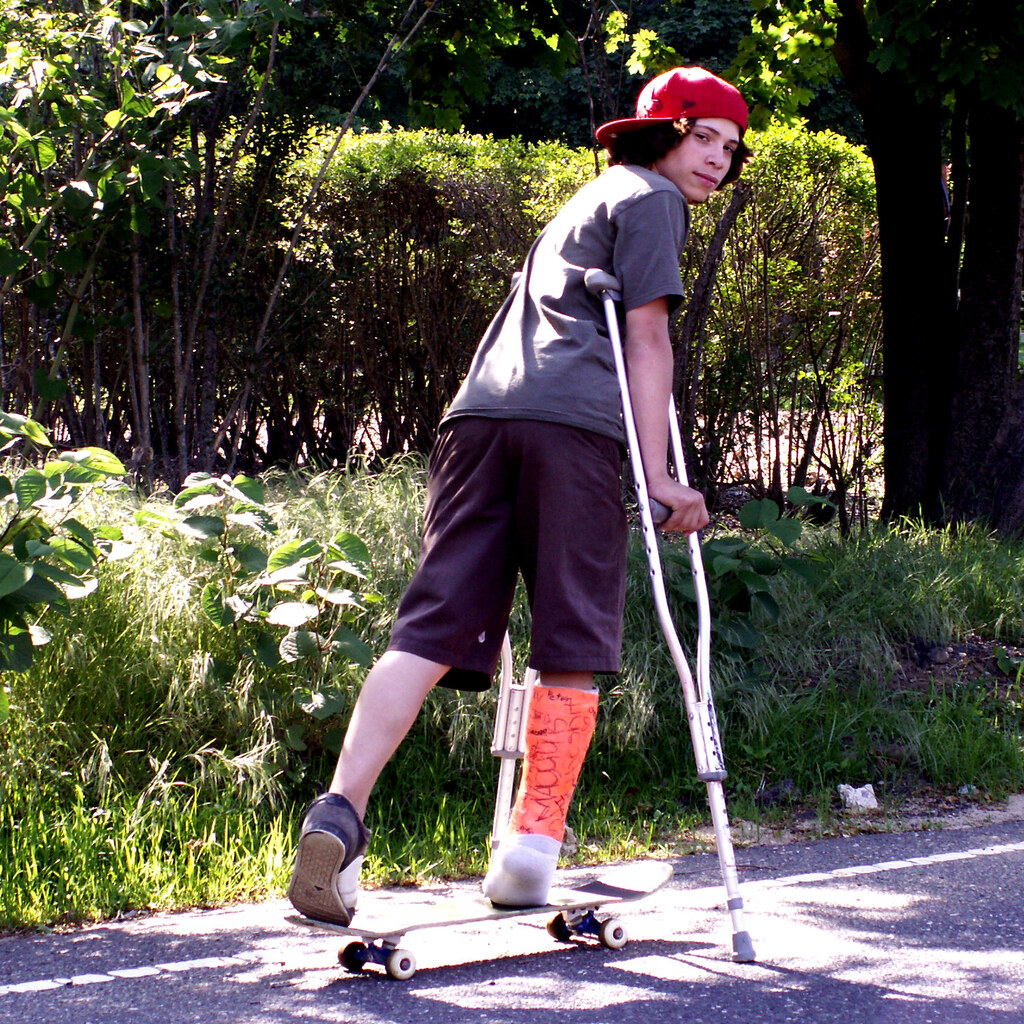
Crutches are pieces of wood with padded handles that you use to help you walk. You tuck the ends of the crutches under your arms.
People usually use crutches when they have a broken leg or sprained ankle. If you can't walk at all, you will need a wheelchair.

D is for Dander

Dander are flakes of dead skin cells that have been shed by a person or an animal.

D is for Dandruff

Dandruff is when your head under your hair loses little white flakes of skin and they get caught in your hair or fall onto your shoulders. Dandruff can be itchy like in the picture, or just not be nice to look at.
You can buy special shampoo to get rid of dandruff.