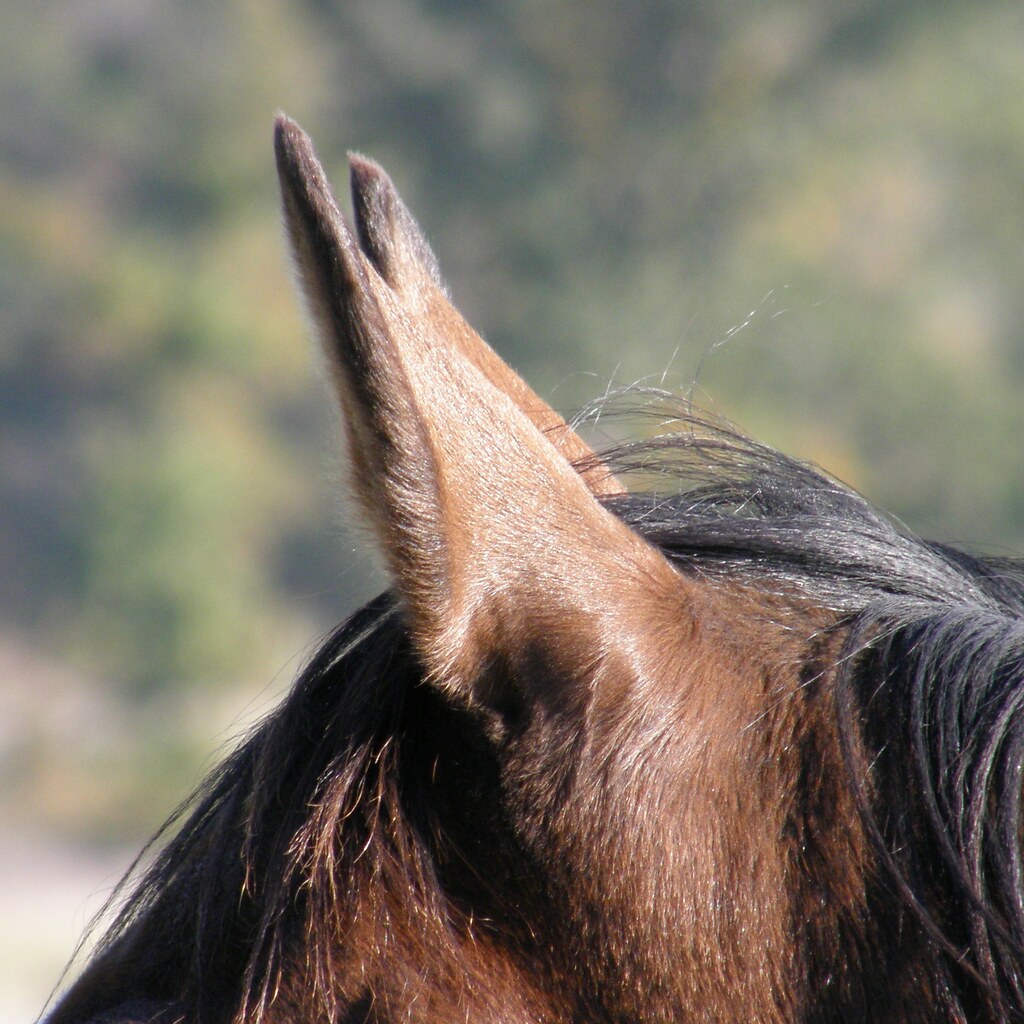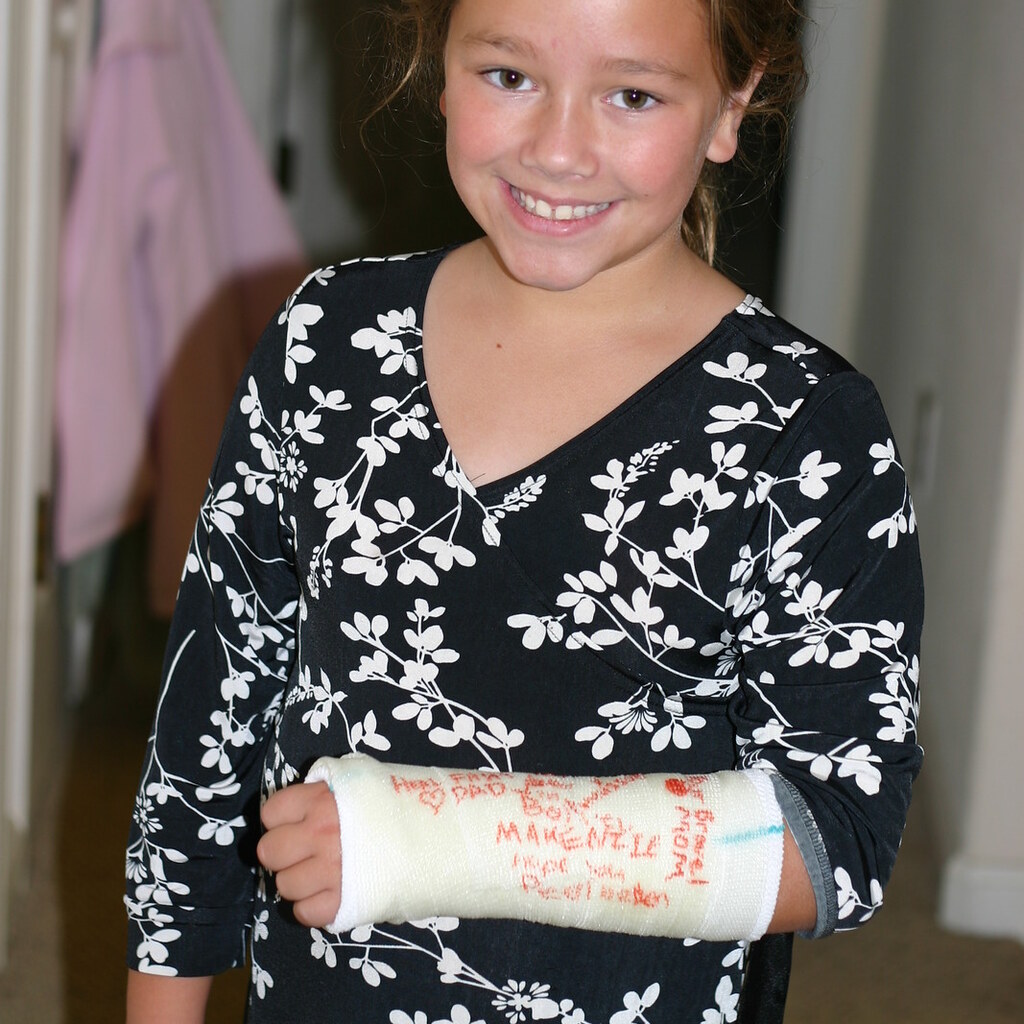
up to Nature

Medical

Medical conditions and body parts. But nothing good enough to self-diagnose with, just the basics!

Subcategories: Body parts (199), Phobias (6), Senses (5), Substances (22)

Showing 21-40 of 294

18 words are below your SafeSearch level and not shown.
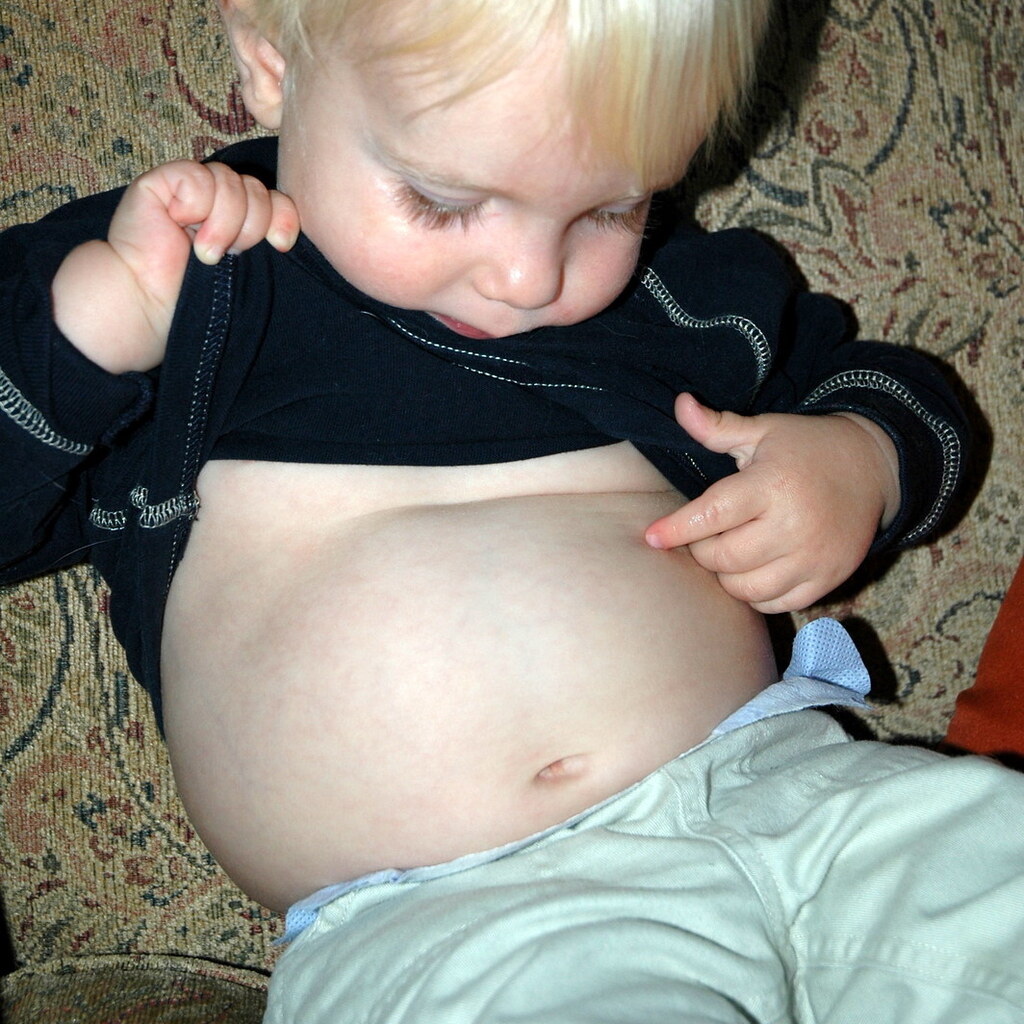
Your bellybutton, or navel, is the little dent in the middle of your tummy. When you were born, there was a cord connecting your belly button to your mother.

B is for Biceps

Your biceps are muscles in your upper arm. They help you to move your arms and to lift things.
B is for Bile

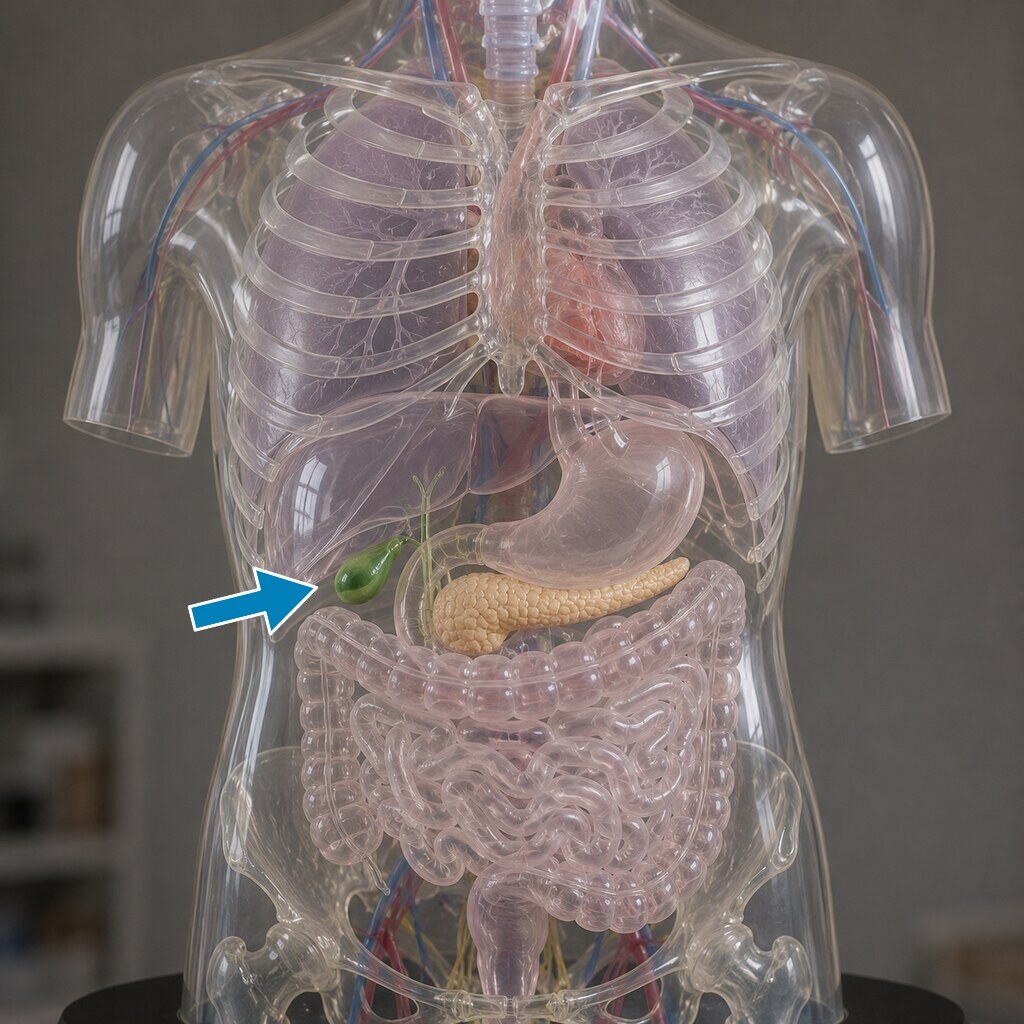
Bile is a yellowish fluid made by the liver in the body. It helps your body digest food.

Bile is stored in the gallbladder and released into the small intestine, especially after you eat. It helps break down fats so your body can absorb them.
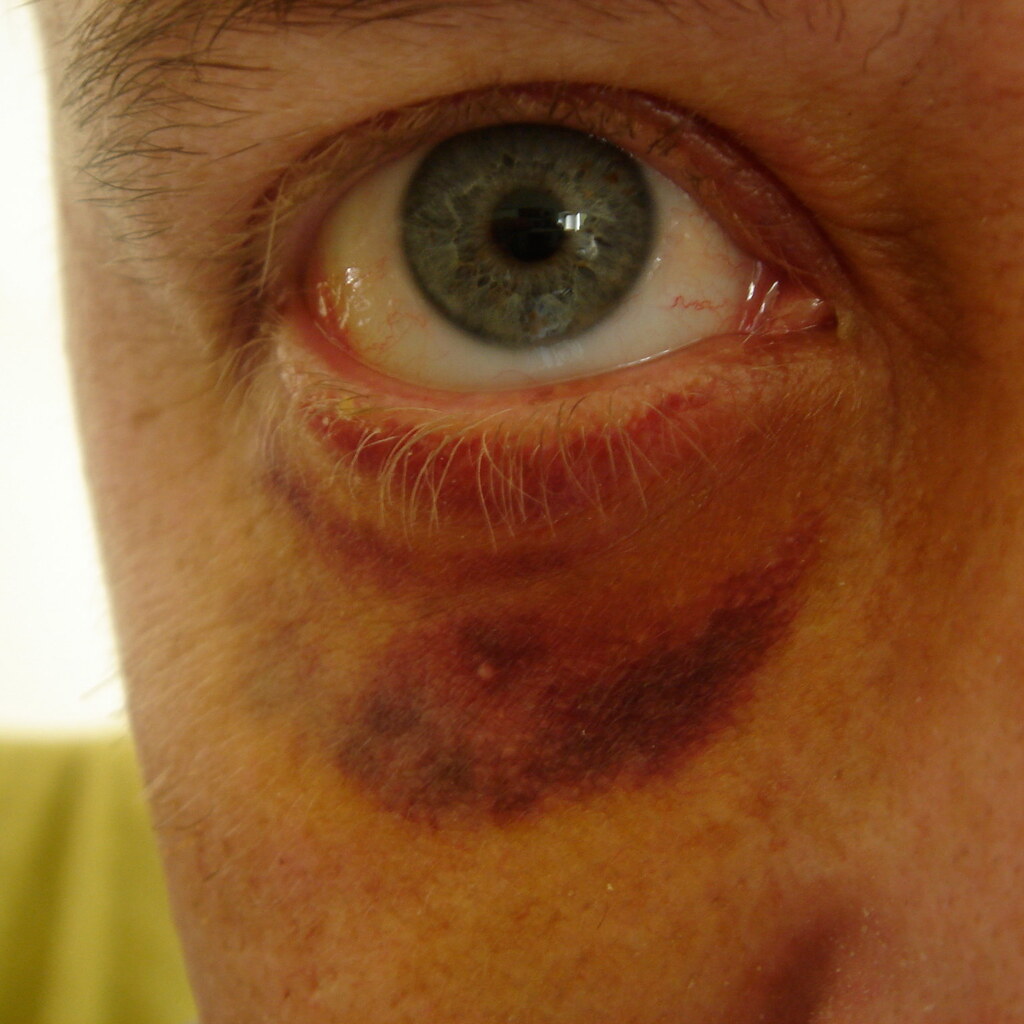
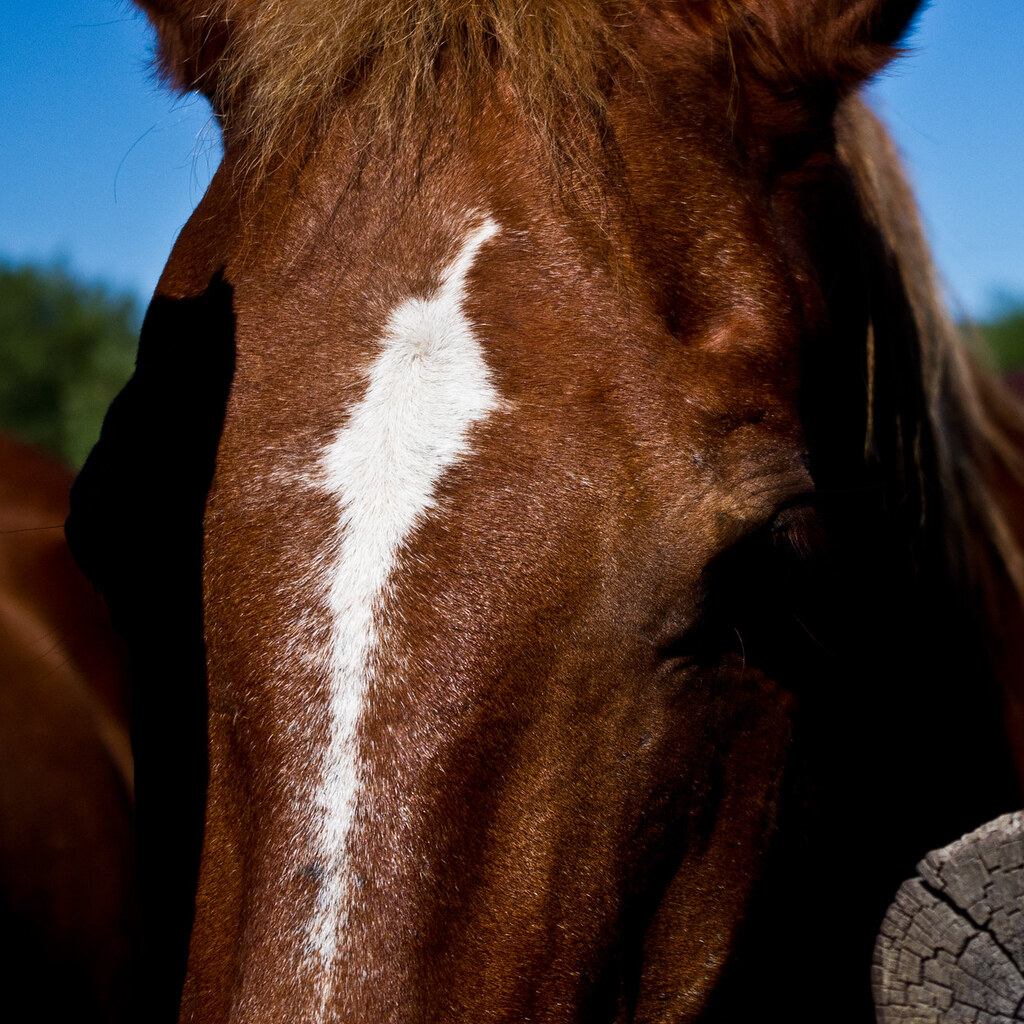
B is for Black eye

A black eye is an injury that looks worse than it really is. A black eye, or shiner, can be caused by any damage near the eye or eyebrow. Even a small bump or knock can cause a spectacular black eye.

B is for Blaze

A blaze is either a brightly burning fire, or the white mark down the middle of a horse's face.

B is for Bleed

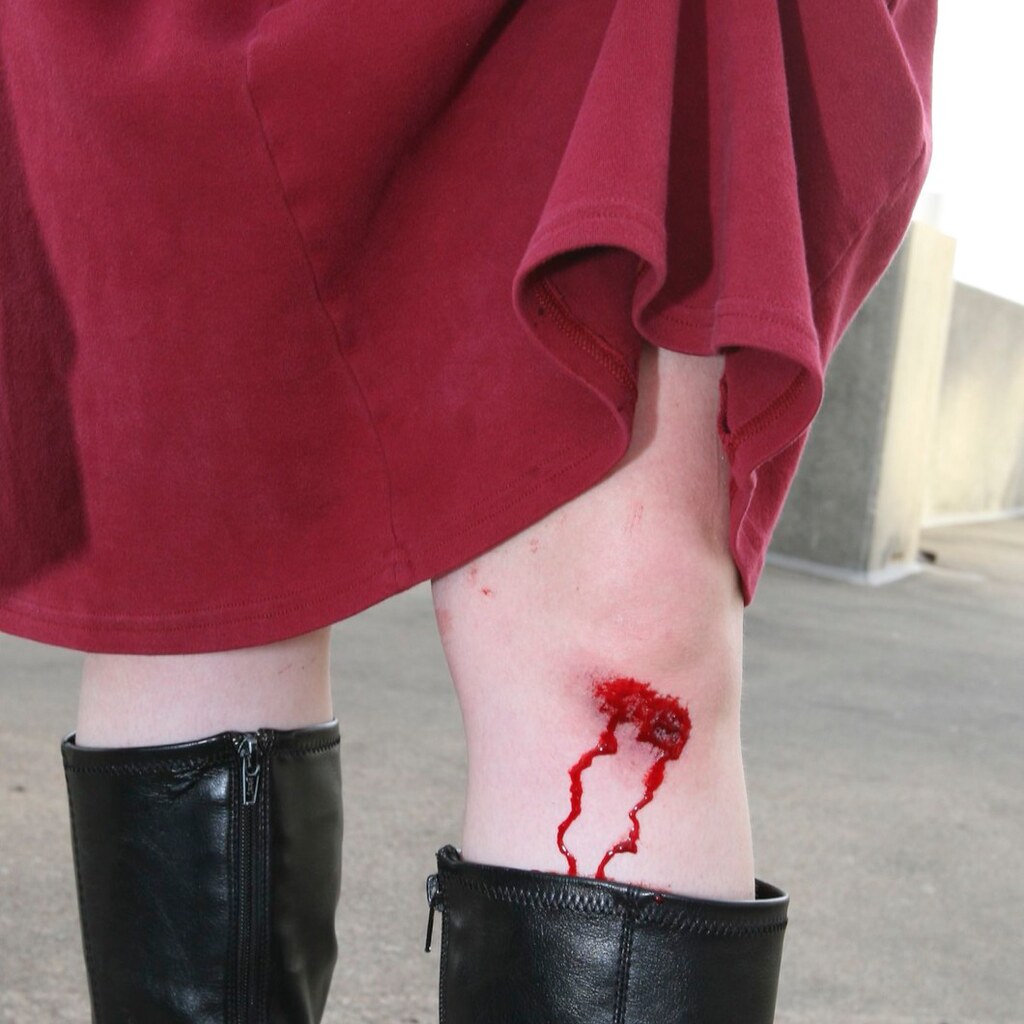
You bleed when you lose blood from where it is supposed to be. When you cut yourself, you bleed. A bruise forms when you bleed inside, and the blood makes a dark patch under your skin.

B is for Blind

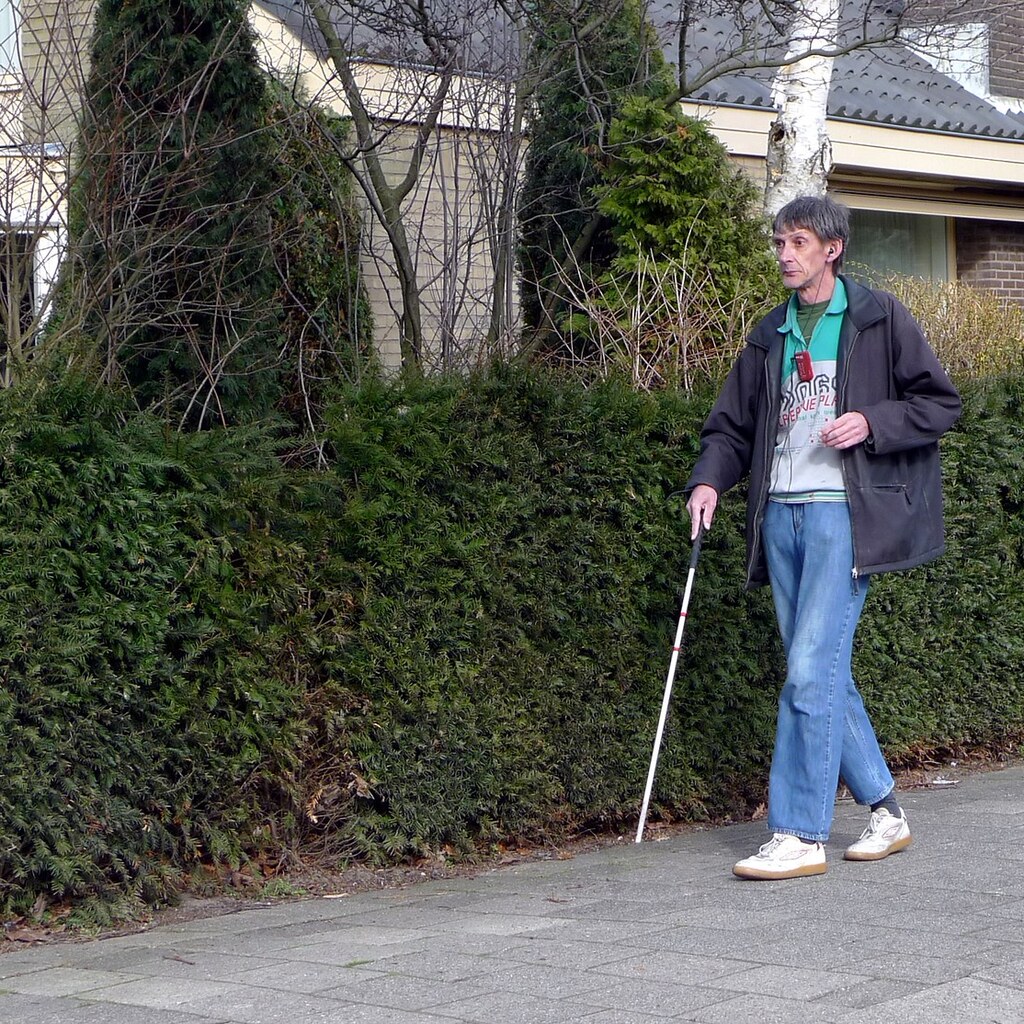
A person or animal is blind if they cannot see. People who are blind can still live very full lives. They can read books written in braille and can travel around with the help of a white cane or a seeing eye dog.

B is for Blister

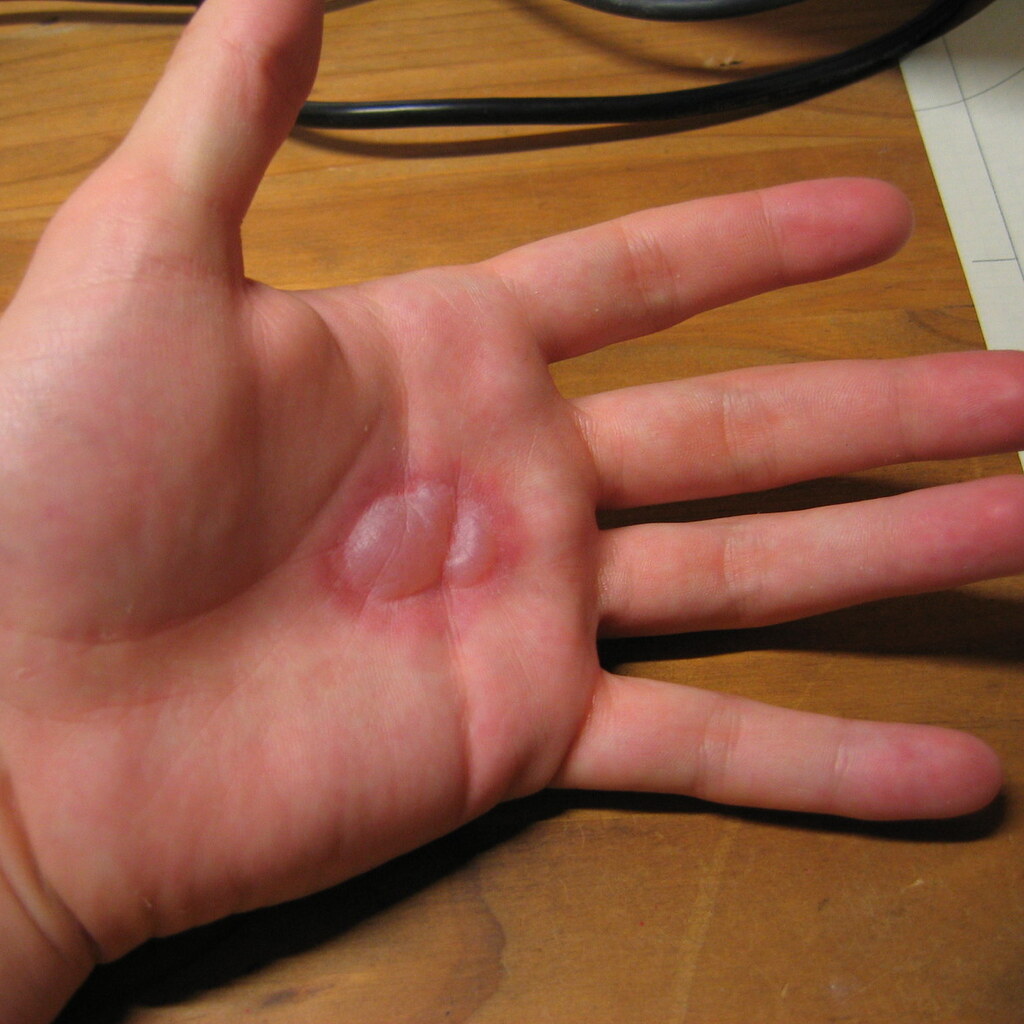
A blister is a kind of fluid-filled bubble under your skin. You get blisters from shoes that rub and from being burnt.
Anything that looks like a blister can be described the same way, for example tablets that are sold in blister packs.

B is for Blood

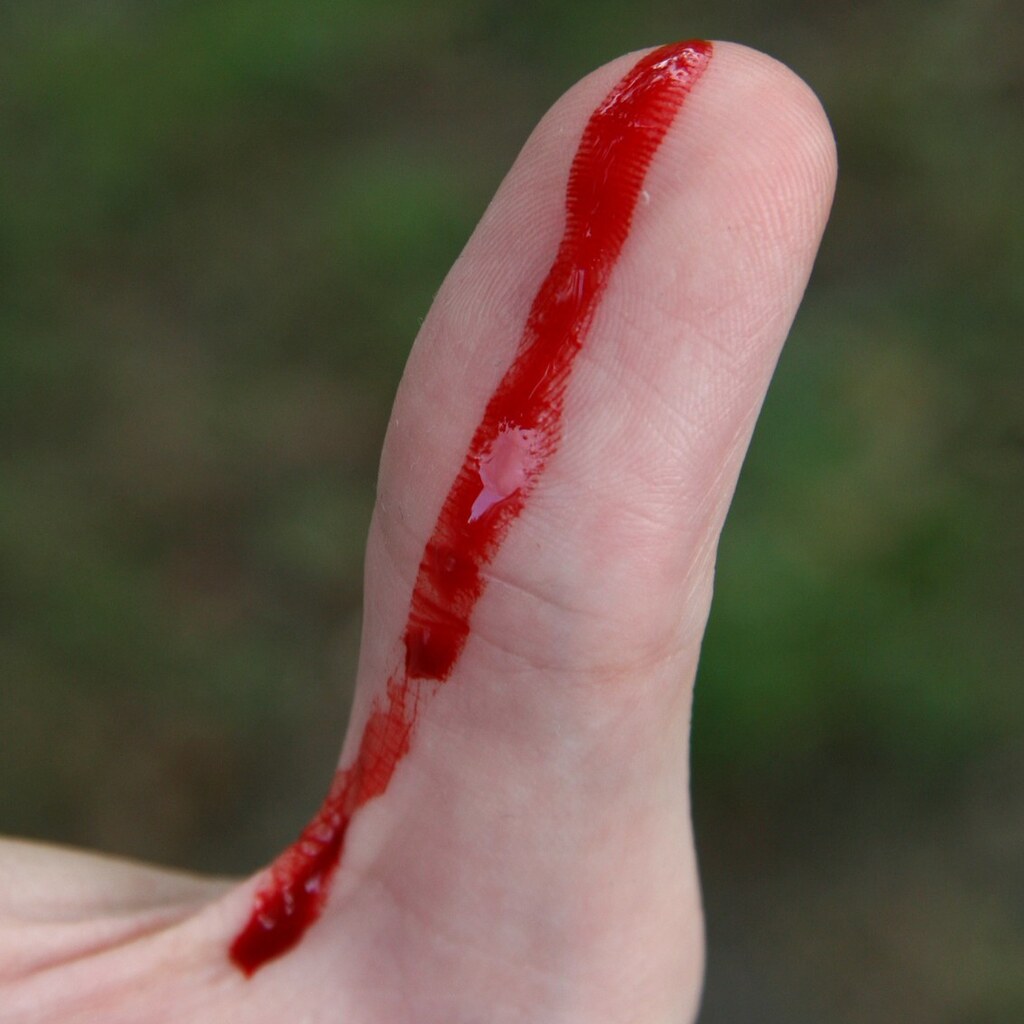
Blood is a red liquid that your heart pumps through your entire body. Blood carries all the nutrients that your body needs to live and grow. Normally you can never see your blood as it is inside you, but when you have an accident, cut yourself and bleed you can see your blood.

However, not all creatures have red blood. Some marine creatures such as horseshoe crabs and many insects have green blood, which contains the copper-based cyanoglobin rather than the red iron-based haemoglobin.
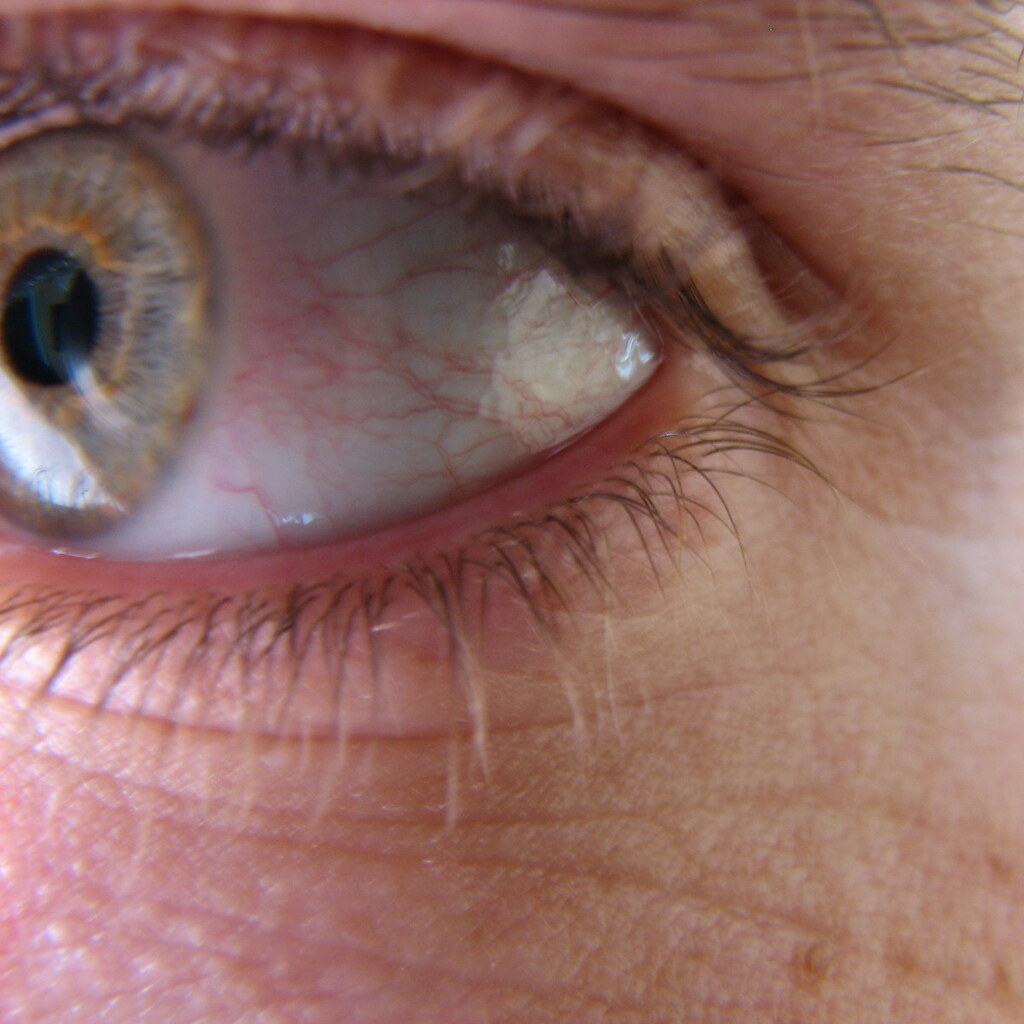
B is for Bloodshot

Your eyes are bloodshot if you can clearly see the blood vessels in them. You get bloodshot eyes when you are very tired, dehydrated, have conjunctivitis, or if your eyes have been damaged by something.

B is for Body

Your body is the entire set of physical parts of a person or an animal. It includes your head, arms, legs, and all of your internal organs.

Your body is what you use to move around and interact with the world.

B is for Bone

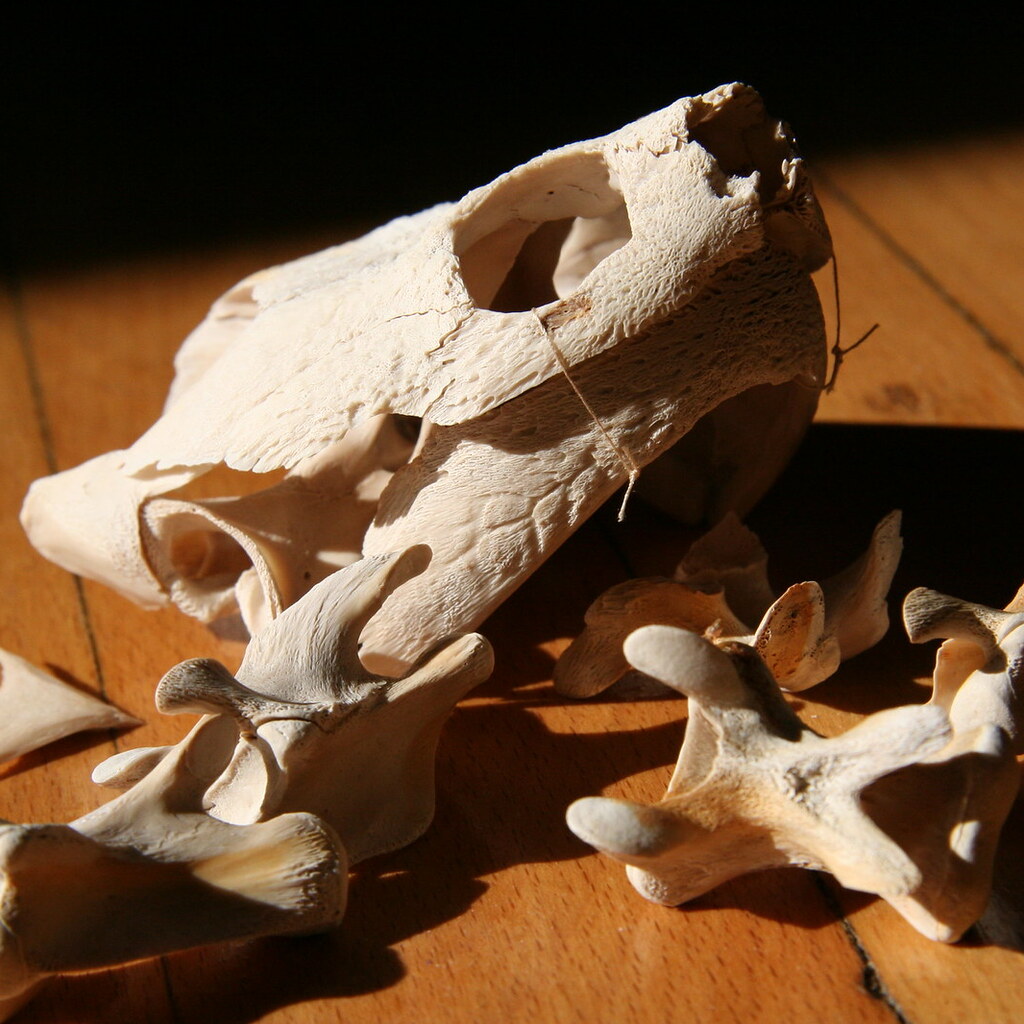
Bones are found inside your body. They are very hard. All the bones in your body together are called the skeleton. Doctors can see your bones by taking an xray.

B is for Brain

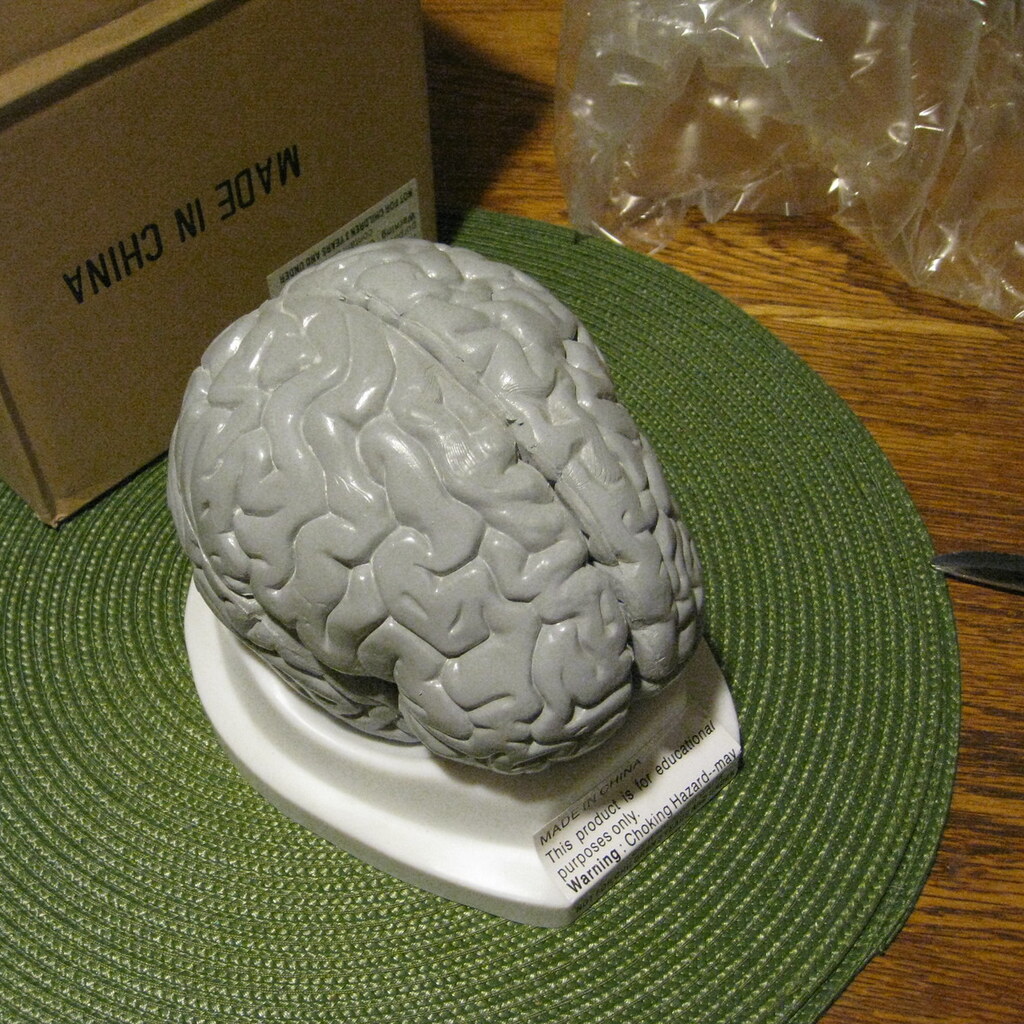
Your brain is inside your head, protected by your skull. All creatures that have a skeleton have a brain inside their head. Your brain controls everything that goes on inside your body, like your breathing, digestion and heartbeat. Your brain is what controls how you move your arms and legs to move, and controls talking and thinking.

B is for Breast

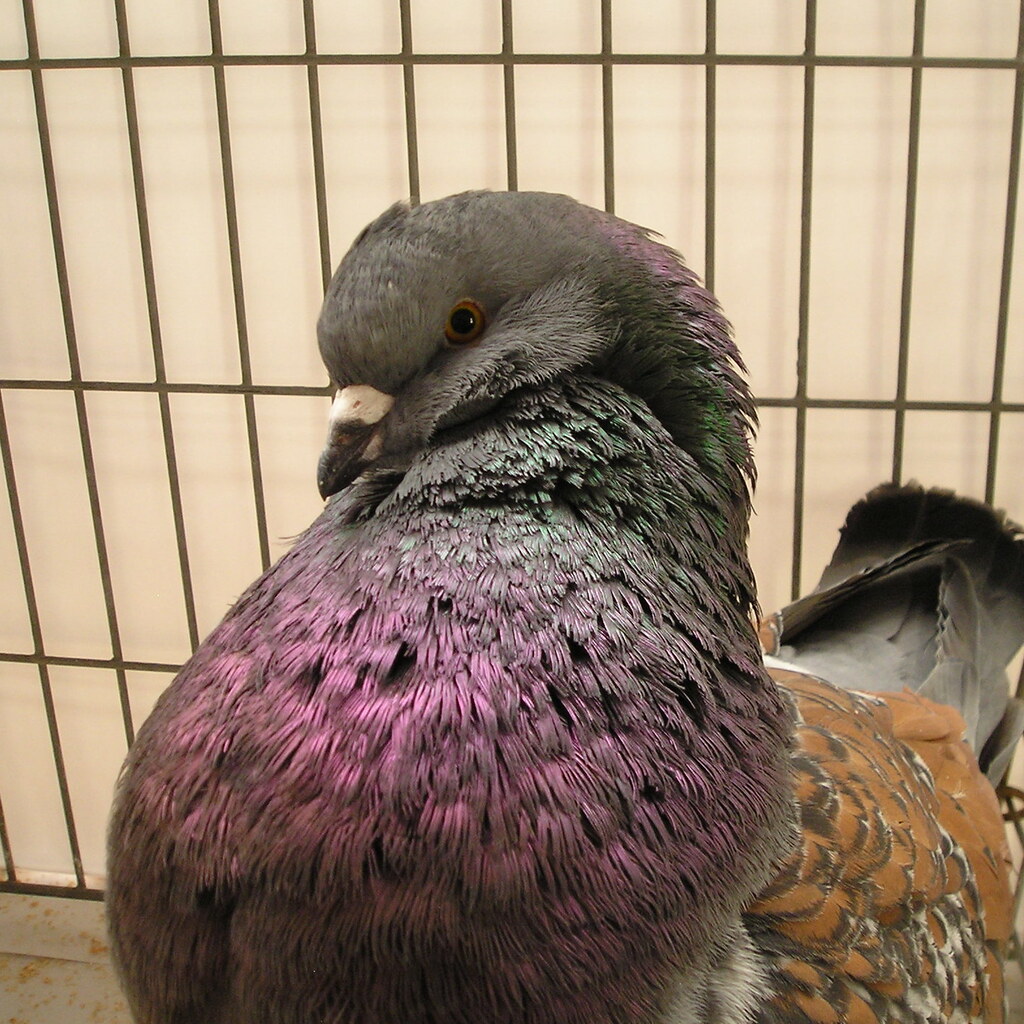
Breast is another word for your chest, particularly when referring to meat from that part of a bird.

B is for Breathe

You breathe when you draw air into your lungs through your nose or mouth, and then back out again. Breathing in is inhaling and breathing out is exhaling.

B is for Brow

Your brow is the ridge over your eyes that protects them from sun, sweat and dust. The hair that grows there is called the eyebrow.

B is for Bruise

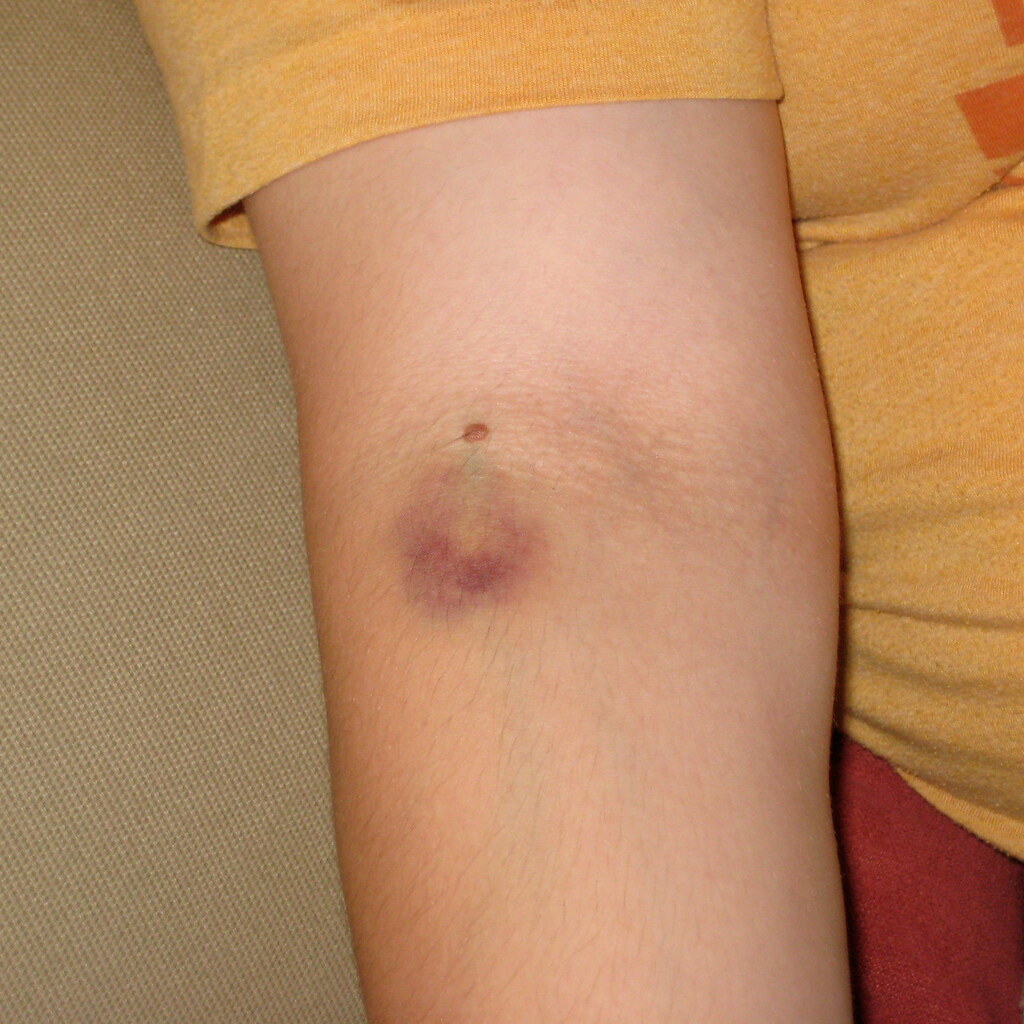
When you fall and hurt yourself or hit yourself hard on something else, you often get a dark purple or blue bruise. A bruise happens when the blood vessels under your skin get broken and you bleed under your skin. Bruises can take several days to go away.

C is for Cartilage

Cartilage is a strong, bendy tissue in the body. It helps body parts that don't have bones to keep their shape.

You can find cartilage in places like the nose, ears, and between bones in your joints. It acts as a cushion that protects bones from rubbing on each other.

C is for Cast

A cast is a hard shell usually made from plaster-soaked bandages. Casts are used to hold a broken bone in place while it heals.

C is for Cellulite

Cellulite is a distinctive dimpling in the skin, somewhat resembling the texture of orange peel. It is usually seen on the thighs and bottom of adult women. Cellulite is caused by fat under the skin being textured by connective tissue.