up to Nature

Medical

Medical conditions and body parts. But nothing good enough to self-diagnose with, just the basics!

Subcategories: Body parts (199), Phobias (6), Senses (5), Substances (22)

Showing 61-80 of 294

18 words are below your SafeSearch level and not shown.

D is for Doctor

A doctor is someone who makes sick or injured people better. Their main role is to find out what is wrong with someone and prescribe treatment, while a nurse's role is mainly to look after sick or injured people as they get better. Some doctors perform surgery, cutting people open to fix what is wrong inside, to help people get better.

D is for Dose

A dose is a measured amount of medicine that you give to someone when they are sick.
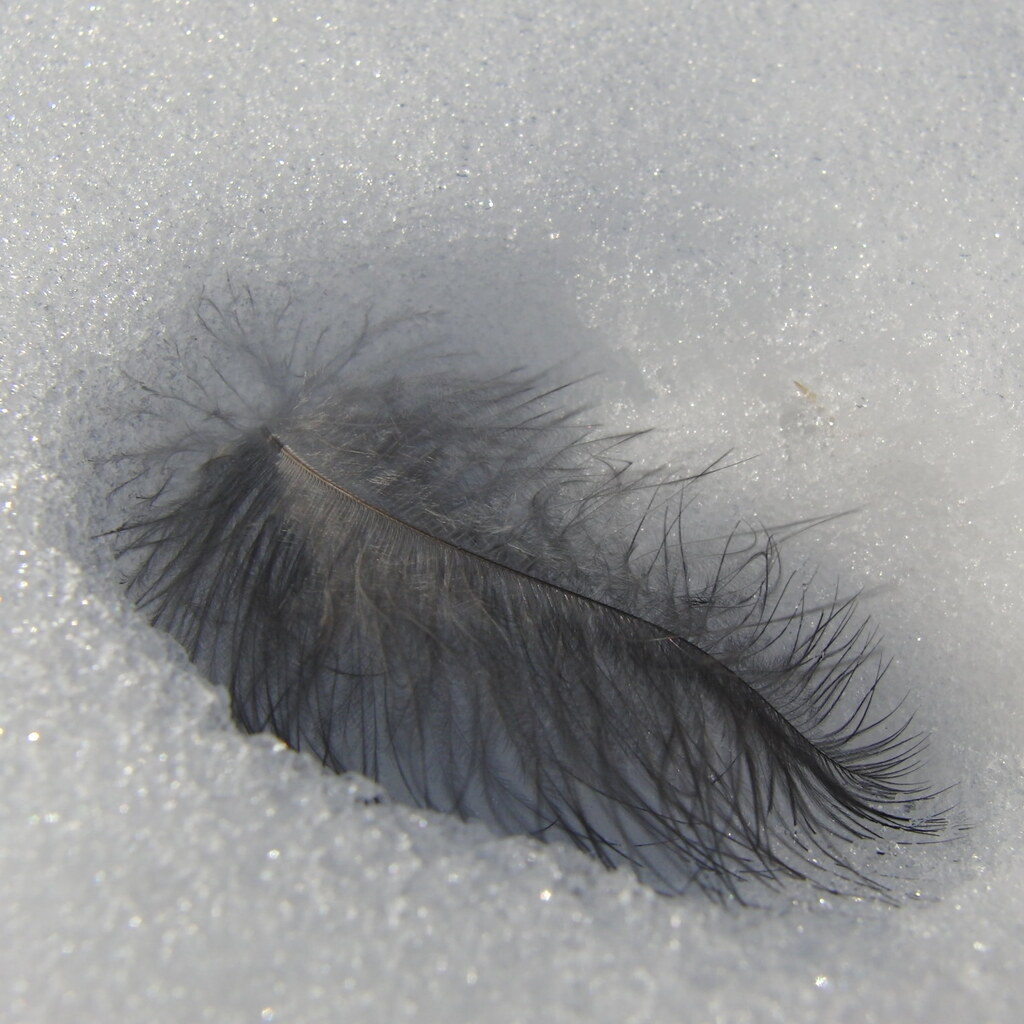
Down feathers are fluffy feathers found underneath the smooth outer feathers of a bird, and on chicks that haven't grown their adult feathers yet.

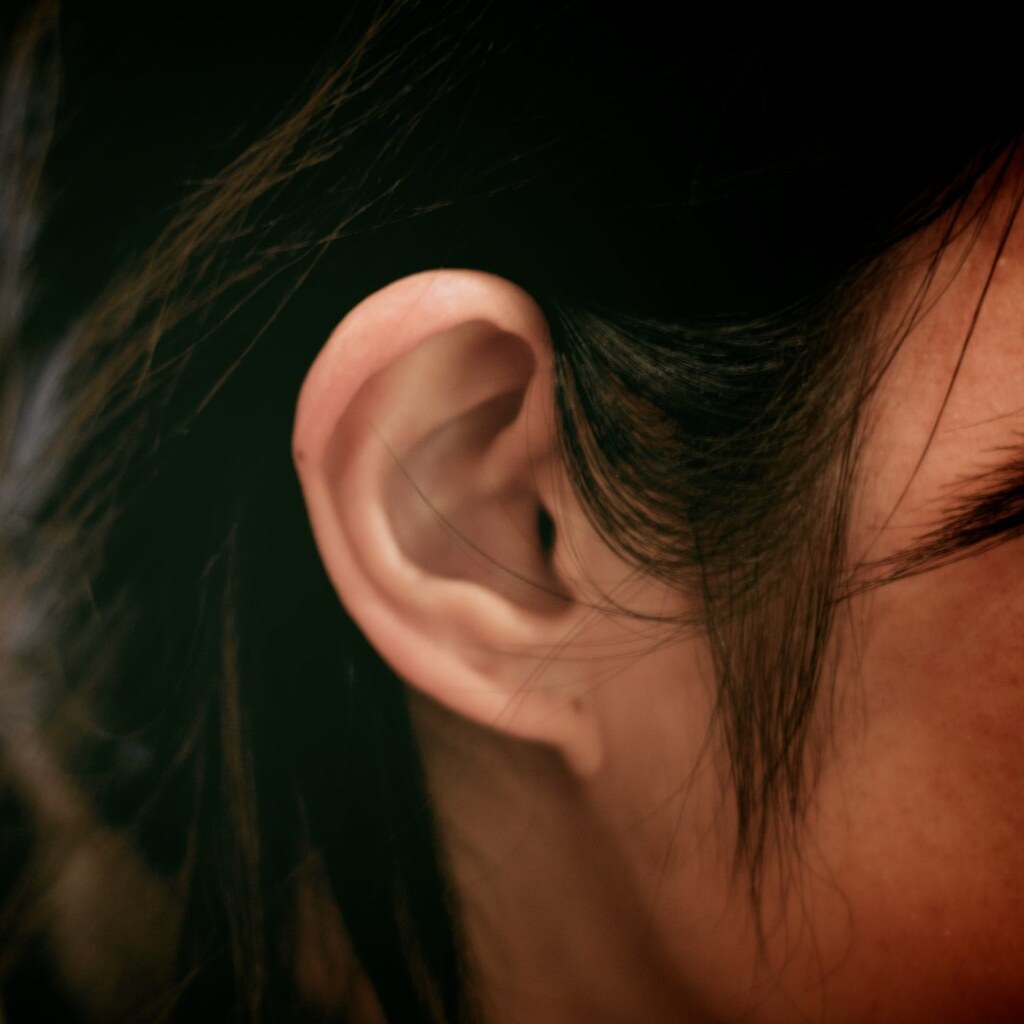
E is for Ear

You have one ear on either side of your head. You use your ears to hear with. You have two ears shaped the way they are so that you can tell which direction sound is coming from.

E is for Echinacea

Echinacea, also called the purple coneflower, is a member of the daisy family. Echinacea has been known for a long time to possess medicinal properties that help ward off the effects of the common cold. Chewing the root of the plant seems to boost your immune system, helping you get better faster if you are sick.

E is for Elbow

Your elbow is the joint halfway up your arm, so you can bend your arm. If you hit the back of your elbow it feels funny, so people call it your funny bone. Your funny bone is actually just a nerve.
E is for Eye

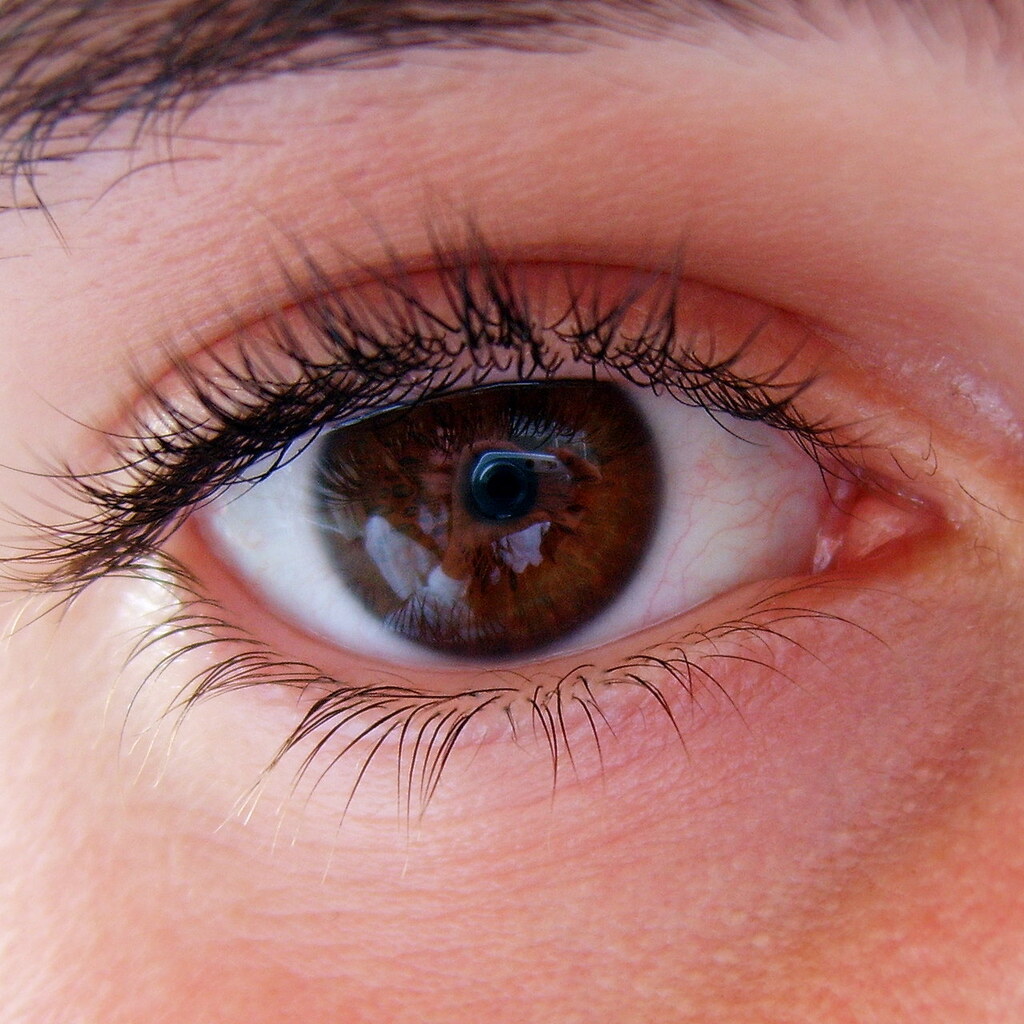
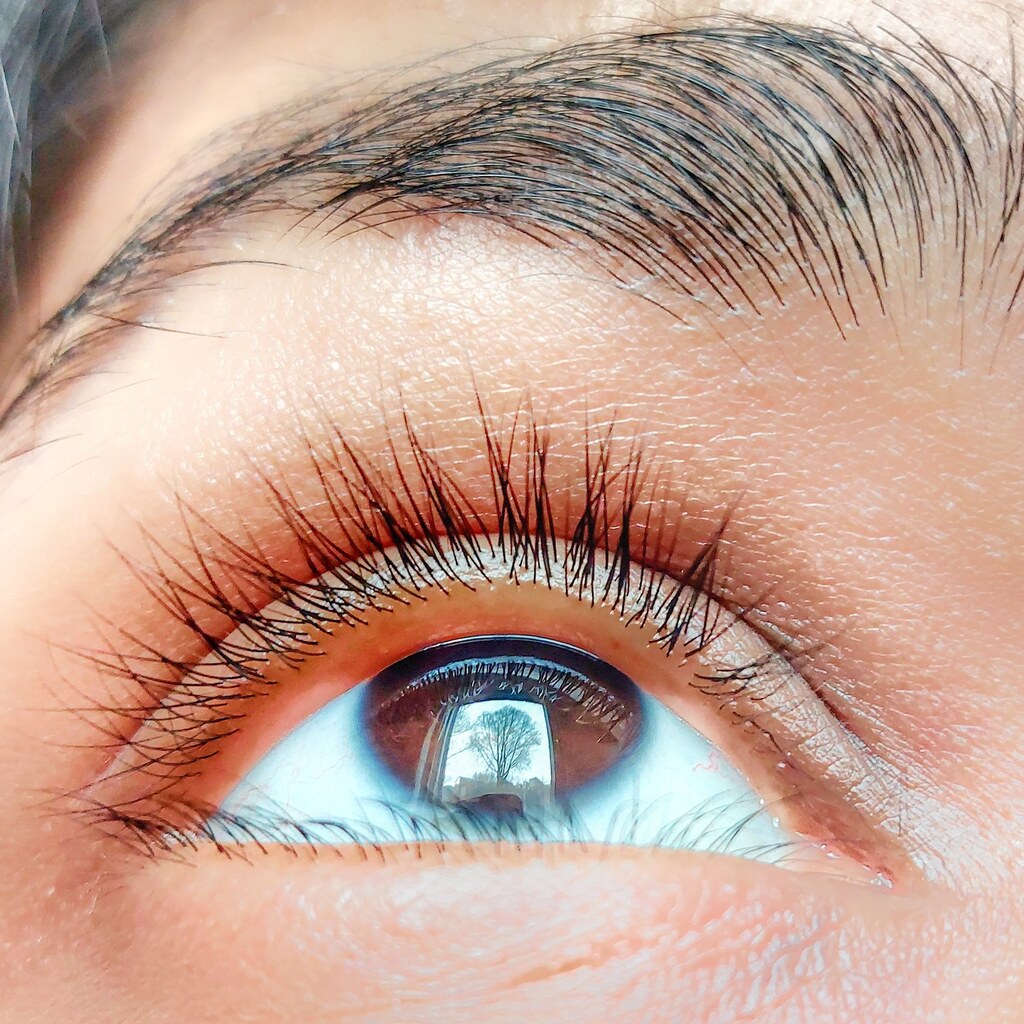
You have two eyes on your face, just above your nose. You use your eyes to see things. You close your eyes when you are asleep. The eye in the photo is brown.

E is for Eyebrow

You have two eyebrows, one above each eye. An eyebrow is a strip of hair between your forehead and your eye socket. Eyebrows help to stop sweat running from your forehead into your eyes.

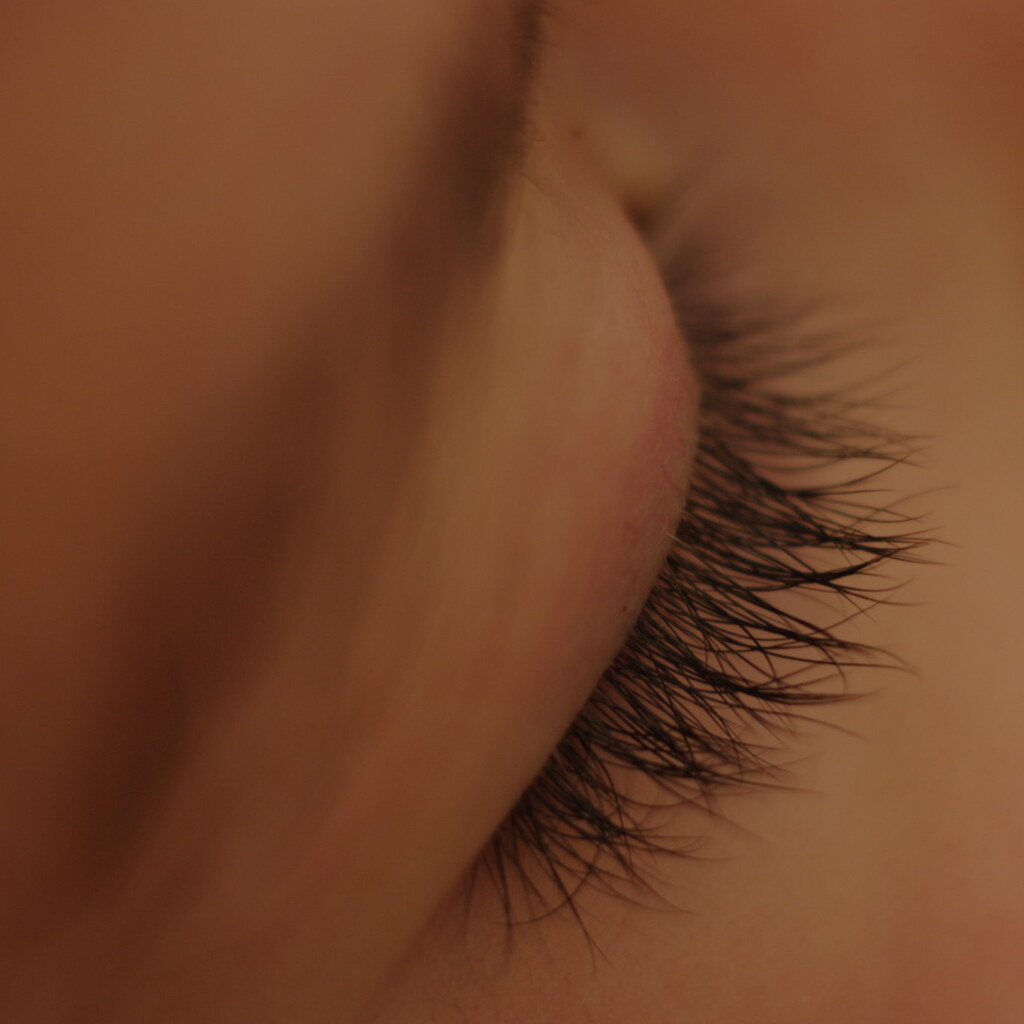
E is for Eyelash

Your eyelashes are hairs that grow on the edges of your eyelids. Eyelashes protect your eyes, by stopping dirt and dust from getting in your eyes.

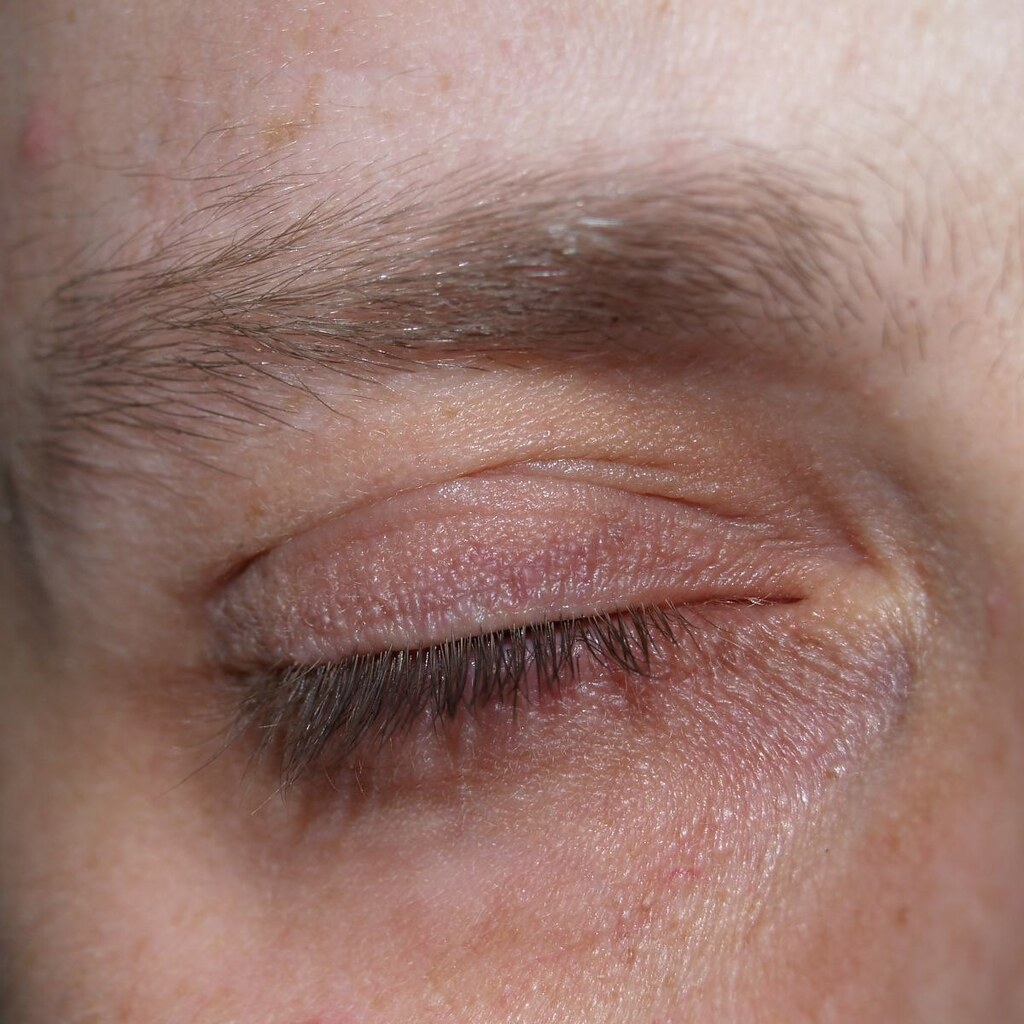
E is for Eyelid

Eyelids are pieces of skin that cover your eyes. When you close your eyelids, you can't see anything. The edges of your eyelids have hairs growing on them called eyelashes.

F is for Face

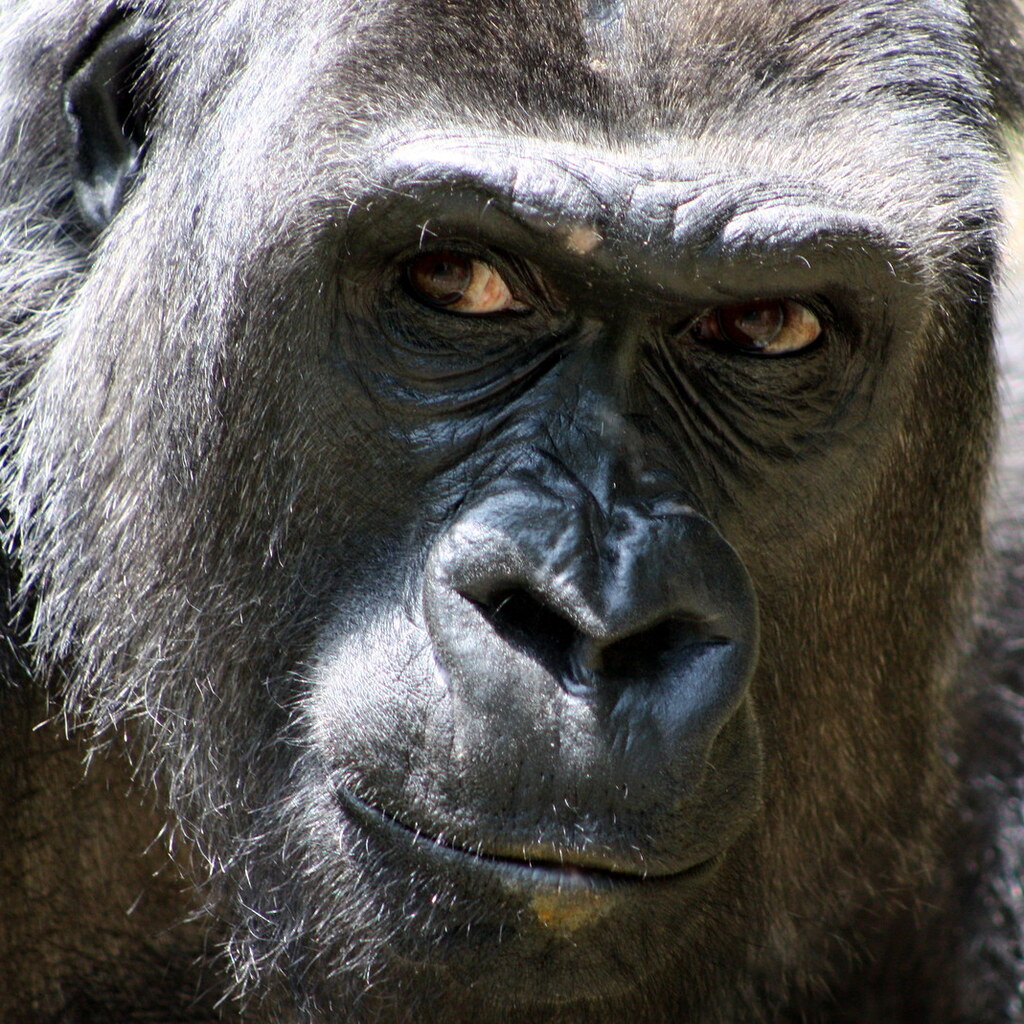
Your face is the front part of your head. Your eyes, nose, mouth, chin and cheeks are all on your face.
It is not just humans that have faces. The picture is a gorilla's face.

F is for Fang

Fangs are large, pointed teeth that meat-eating animals like dogs and cats have. Unlike tusks, fangs don't usually grow out of the animal's mouth.

F is for Feather

While people and animals are covered in hair, birds are covered in feathers. Feathers are very light and the feathers in a bird's wings are especially designed so the bird can fly.

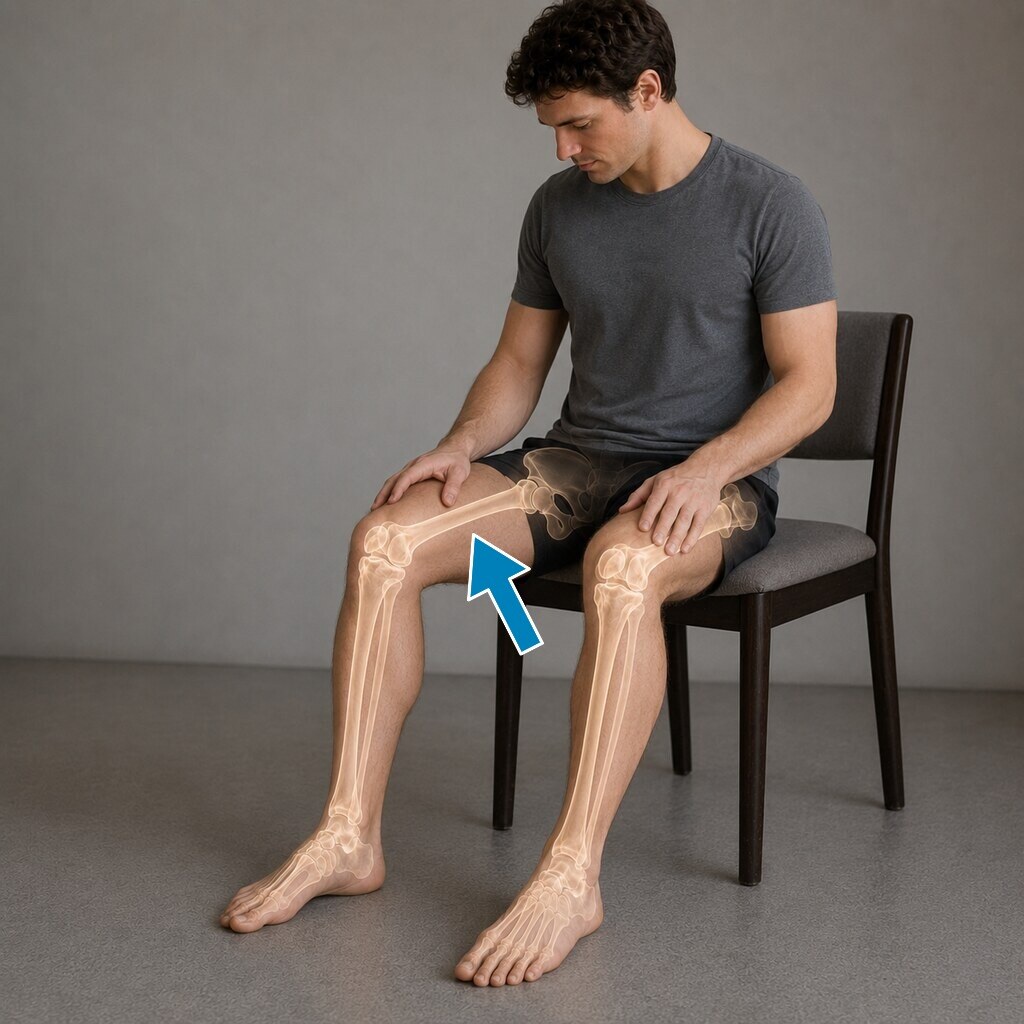
F is for Femur

The femur is the long bone in your thigh.

The femur connects the hip to the knee. It is one of the strongest bones and helps you stand, walk, and run.

F is for Fever

When you are very sick, you sometimes get a fever. When you have a fever you feel really bad, but the definition of a fever is that your body is much hotter than it normally is.

F is for Fibula

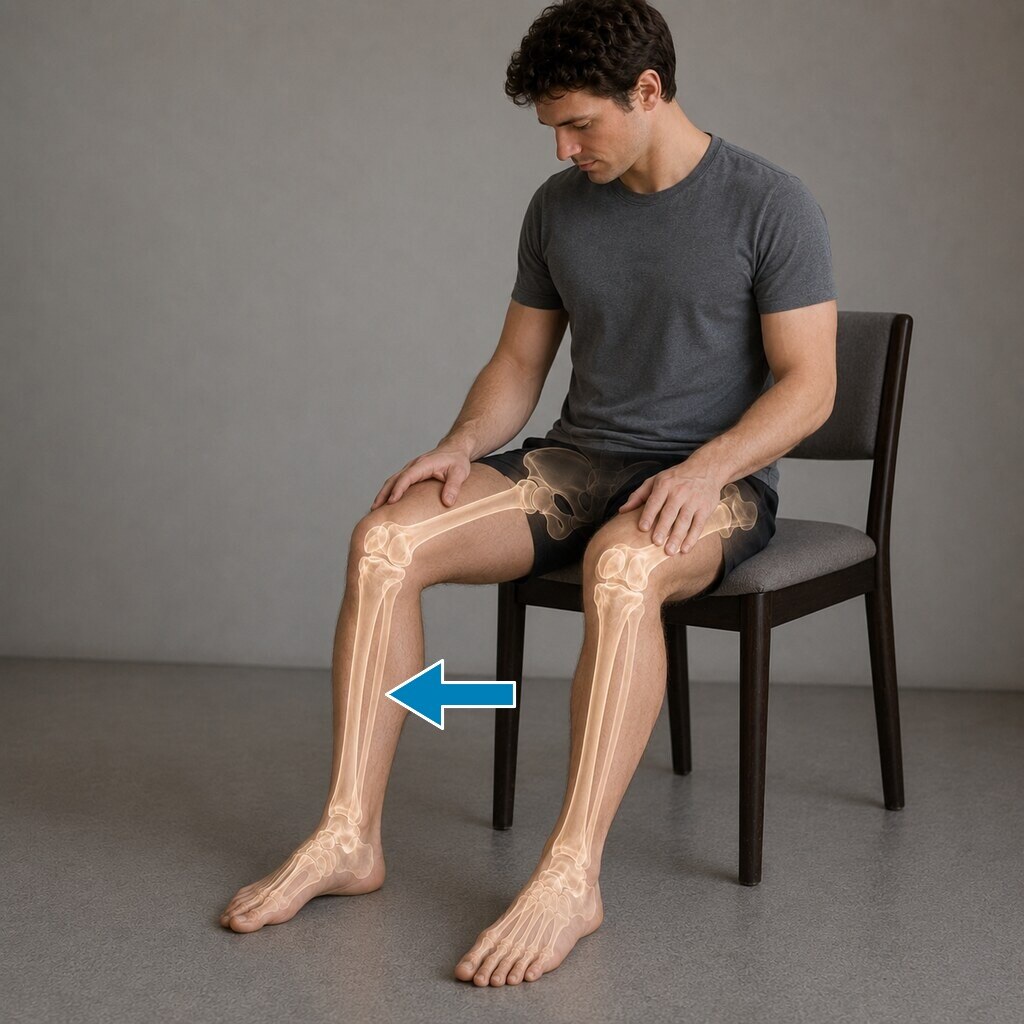
The fibula is the smaller of the two bones in your shin. The larger bone is called the tibia.

F is for Fin

A fin is a fish's limb. Fish have fins instead of arms, legs or wings. Fish can have a lot more than just four fins.
Fins can also be used to describe any small fin-like object that is used for stability, like fins on a boat or an aircraft.

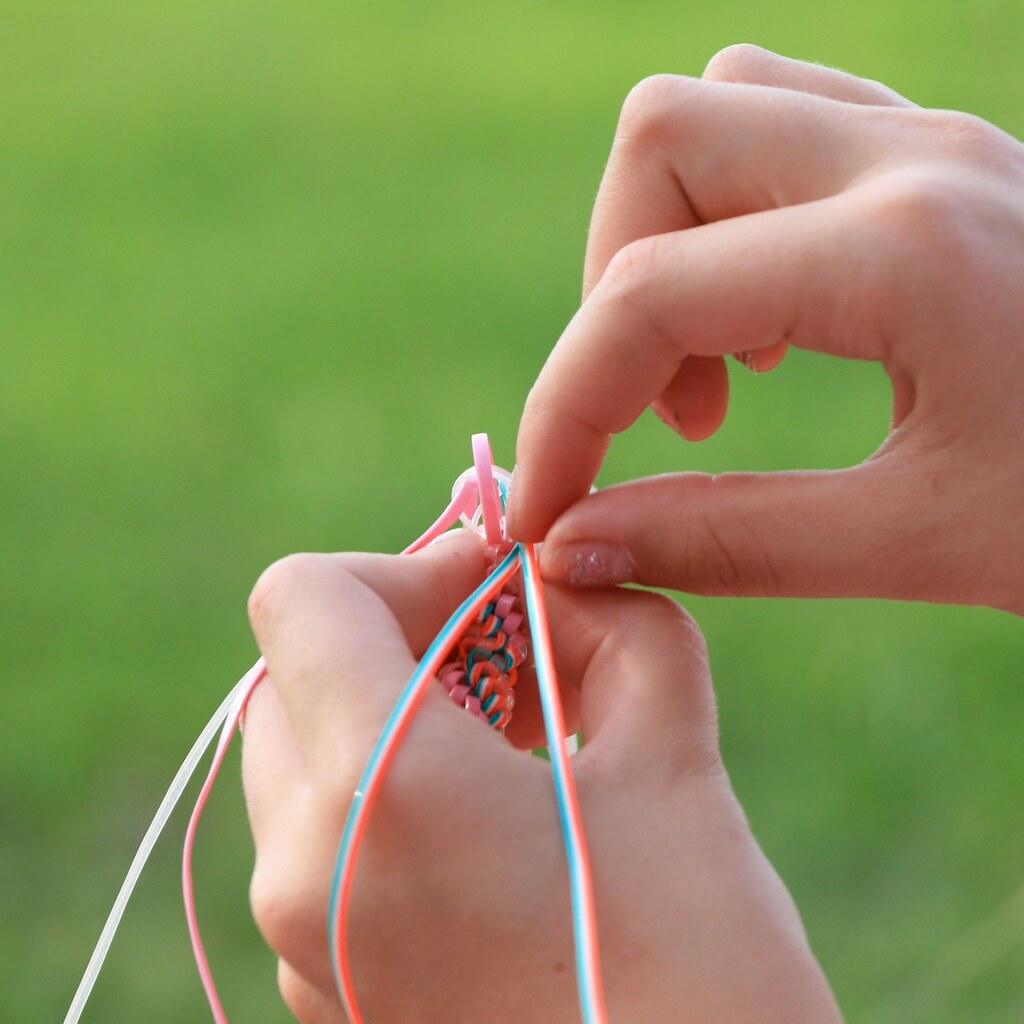
F is for Finger

You have four fingers on your hand and one thumb. You use your hands to hold things, and your fingers to make things.

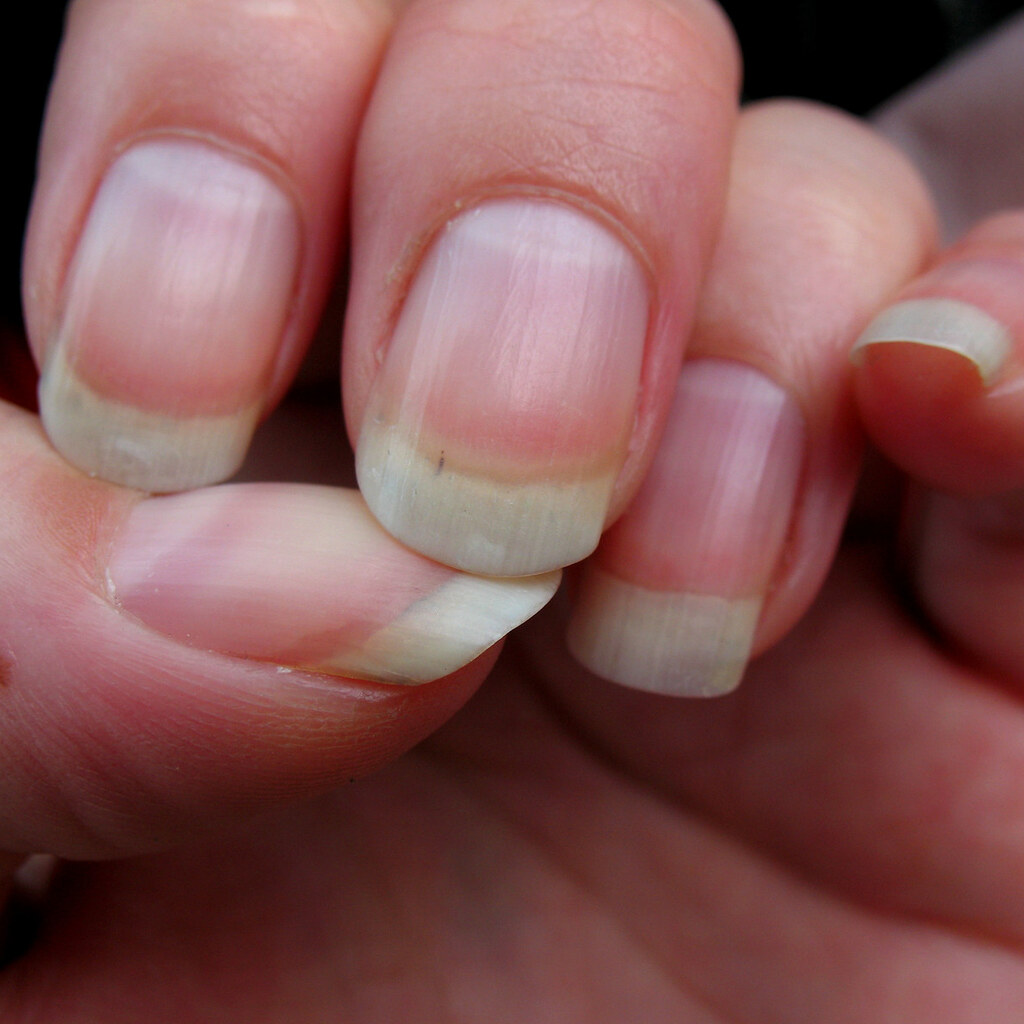
F is for Fingernail

Your fingernails are the hard parts on the back of your fingertips. Your fingernails protect the ends of your fingers from getting damaged. Some people grow their fingernails very long, and paint them in pretty colors.

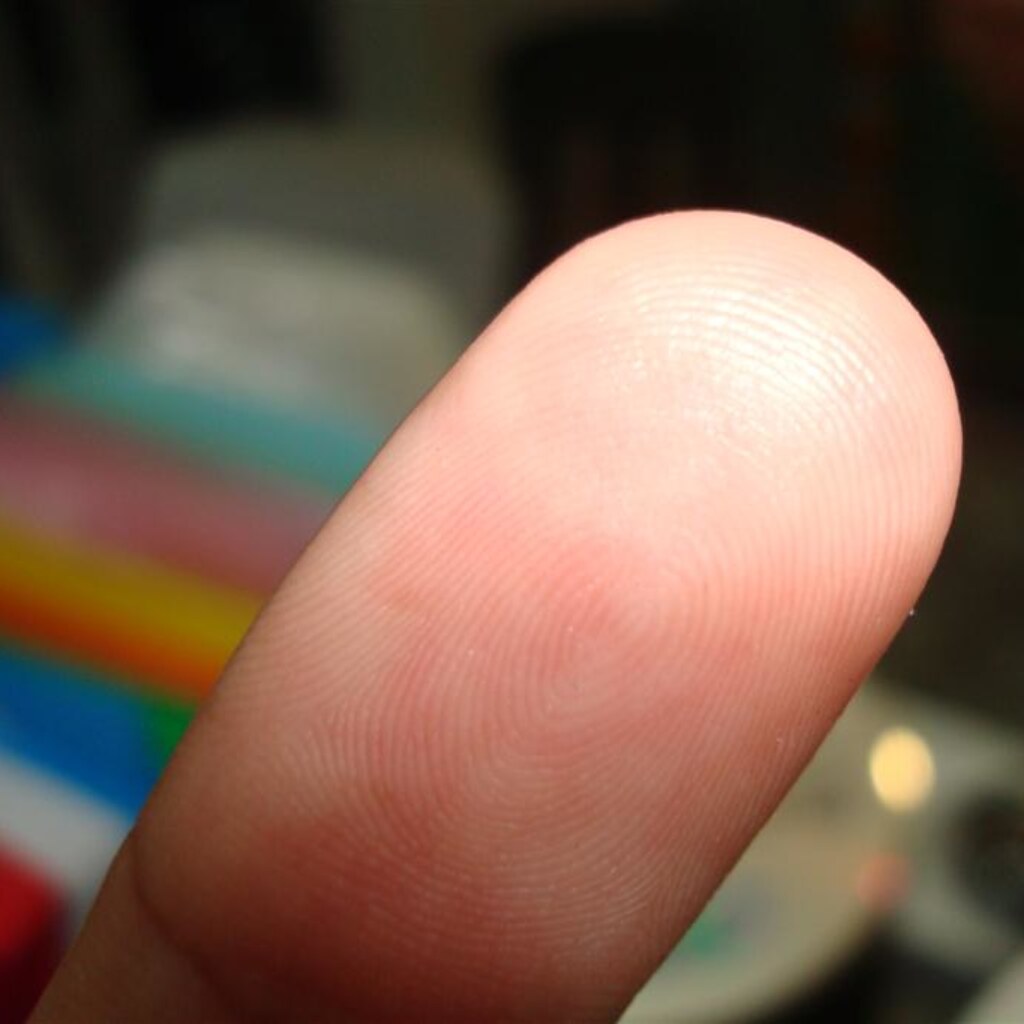
F is for Fingerprint

If you look closely at the ends of your fingers you will be able to see lots of small lines in your skin. Whenever you touch something, the oil on your skin means you leave a mark of these lines, called a fingerprint. Everyone has different fingerprints, and at a crime scene the police will be looking for fingerprints so they can try and find out who was there.