up to Nature

Medical

Medical conditions and body parts. But nothing good enough to self-diagnose with, just the basics!

Subcategories: Body parts (199), Phobias (6), Senses (5), Substances (22)

Showing 81-100 of 294

18 words are below your SafeSearch level and not shown.

F is for Fist

You make a fist with your hand when you close your hand up tight and tuck all your fingers in together.
People often make fists when they are angry and want to punch someone.

F is for Flank

Flank is another word for around your waist on your sides, the part of your body between your ribs and your hips.

F is for Fleece

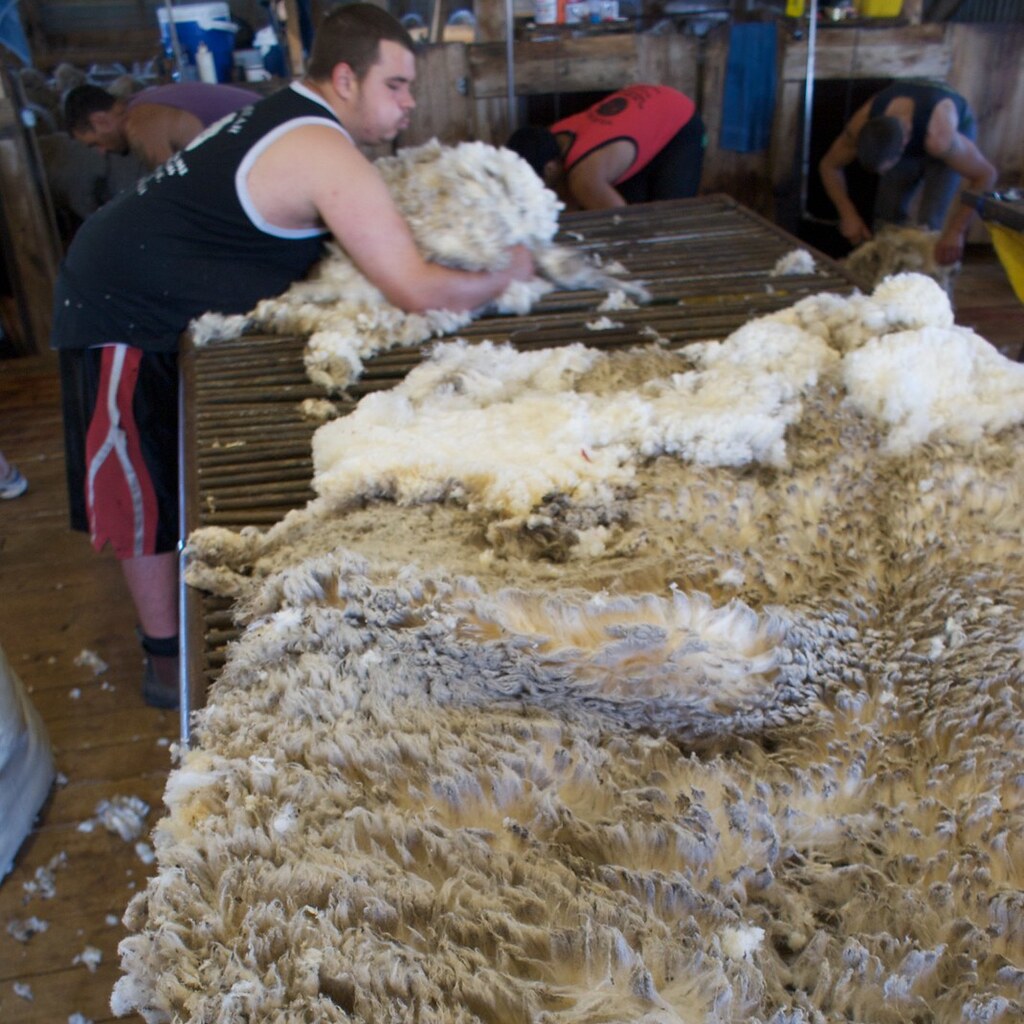
A fleece is the entire coat of wool that is on an animal like a sheep. The term fleece is usually used to refer to the wool after it has been removed by shearing the sheep.

F is for Flesh

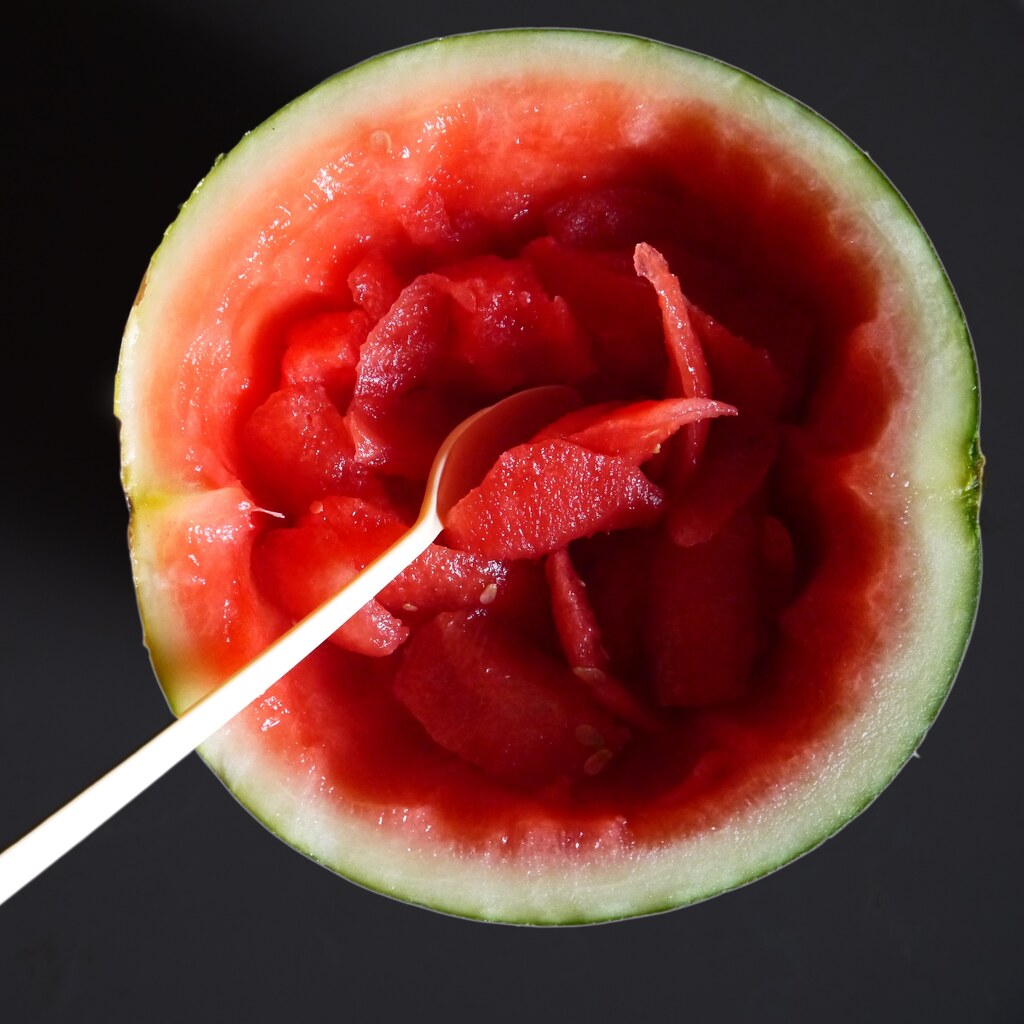
Flesh is the soft parts of a person or animal, particularly the muscle and fat. Flesh can also refer to the soft, edible parts of fruit. Flesh is not usually used to refer to fish.

F is for Flipper

A flipper is an arm, leg or wing of an animal that lives in the sea. Flippers have been adapted for swimming and look very much like fish fins. Flippers can be seen on animals like whales, dolphins, seals and penguins.

F is for Foot

Your foot is on the end of your leg. You use your feet to stand on. You have five toes on each foot. You wear shoes and socks on your feet.

F is for Forearm

Your forearm is the lower part of your arm, between your wrist and elbow.

F is for Forehead

Your forehead is the part of your head between your eyebrows and your hairline.

F is for Foxglove

The digitalis, or foxglove, is a very attractive garden plant that has flowers in various shades of pink. It is a biennial, native to western Europe and parts of Asia and Africa.
The entire plant is toxic, from roots to flowers. It is toxic fresh and dried, and if you have a vase of foxglove flowers, the water in the vase will be toxic too. A large enough dose will kill you, smaller doses cause hallucinations, nausea and severe headaches. It is toxic to people and animals, including cats and dogs.
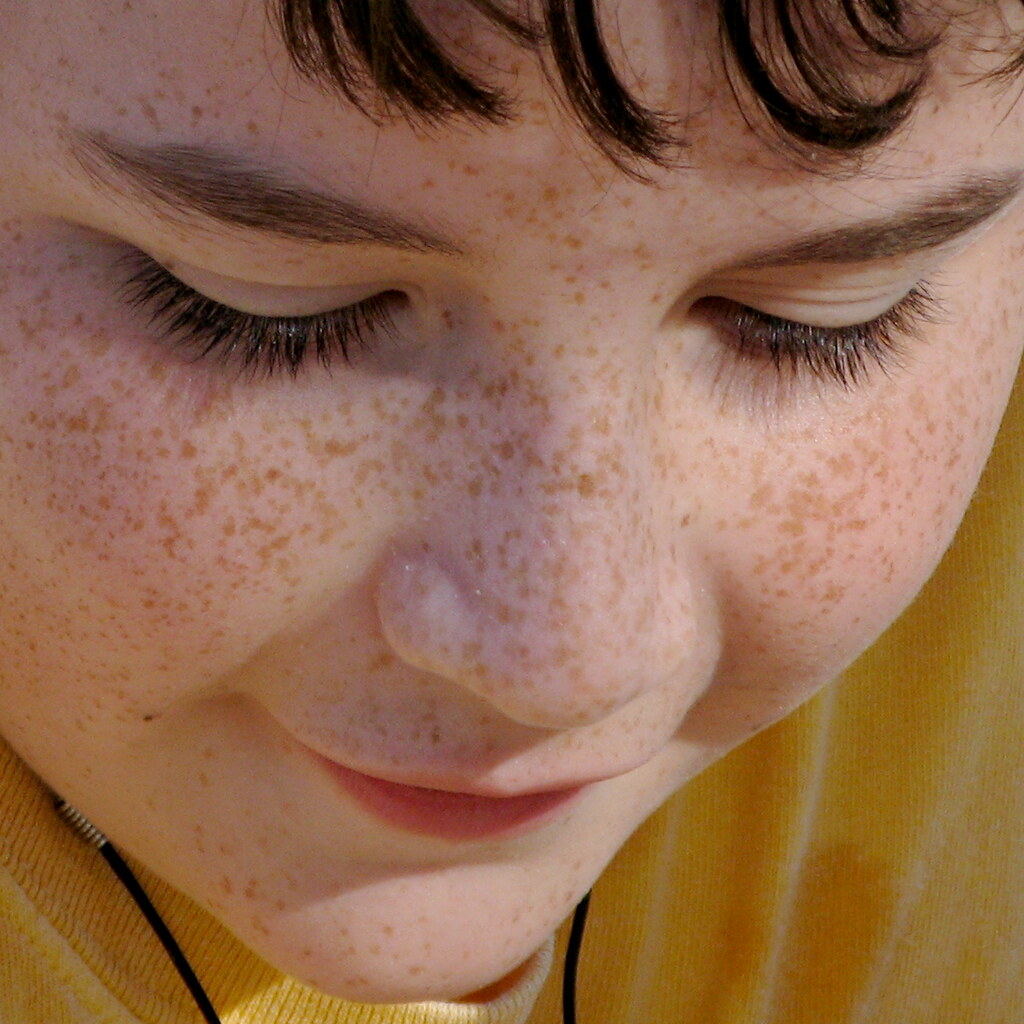
F is for Freckles

Freckles are brown spots that you usually get on your nose and cheeks but can appear anywhere that sunshine can reach. Freckles are most common in people with very pale skin, especially people with ginger hair.

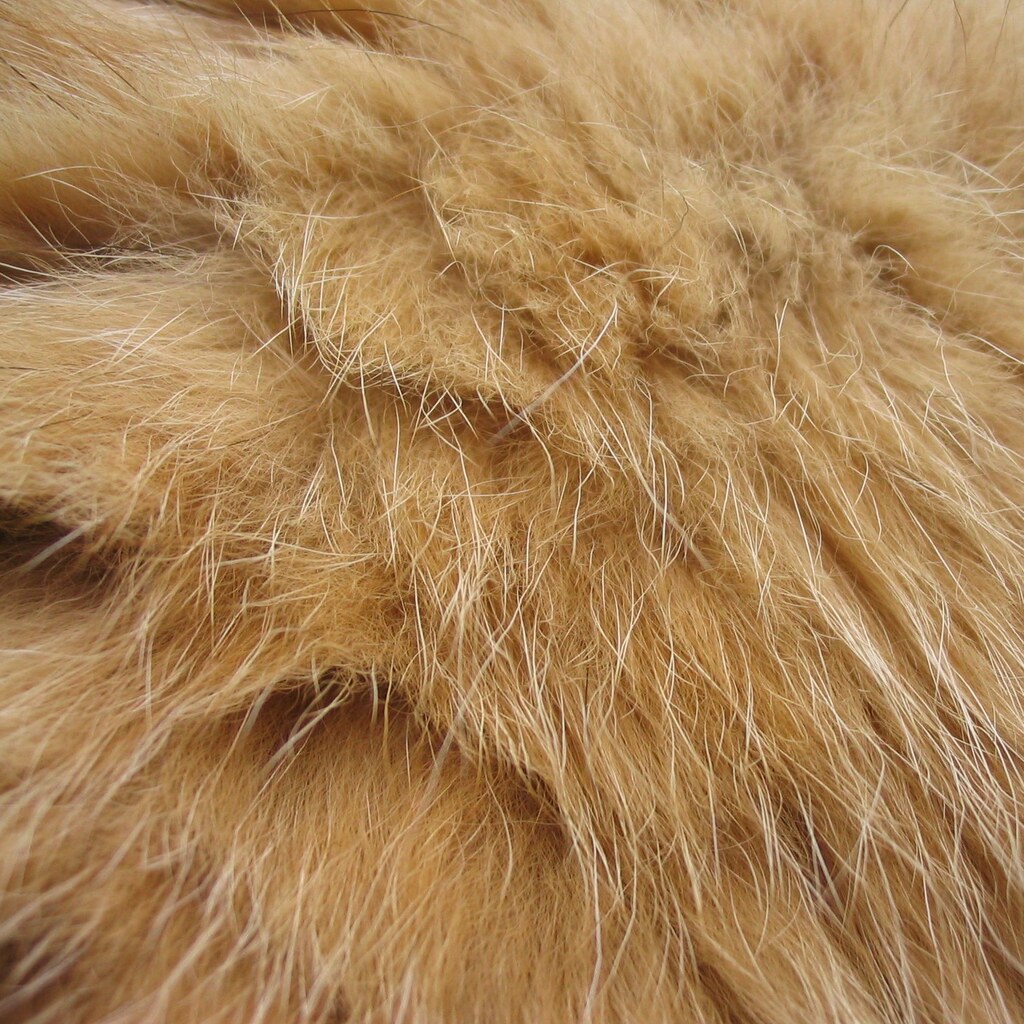
F is for Fur

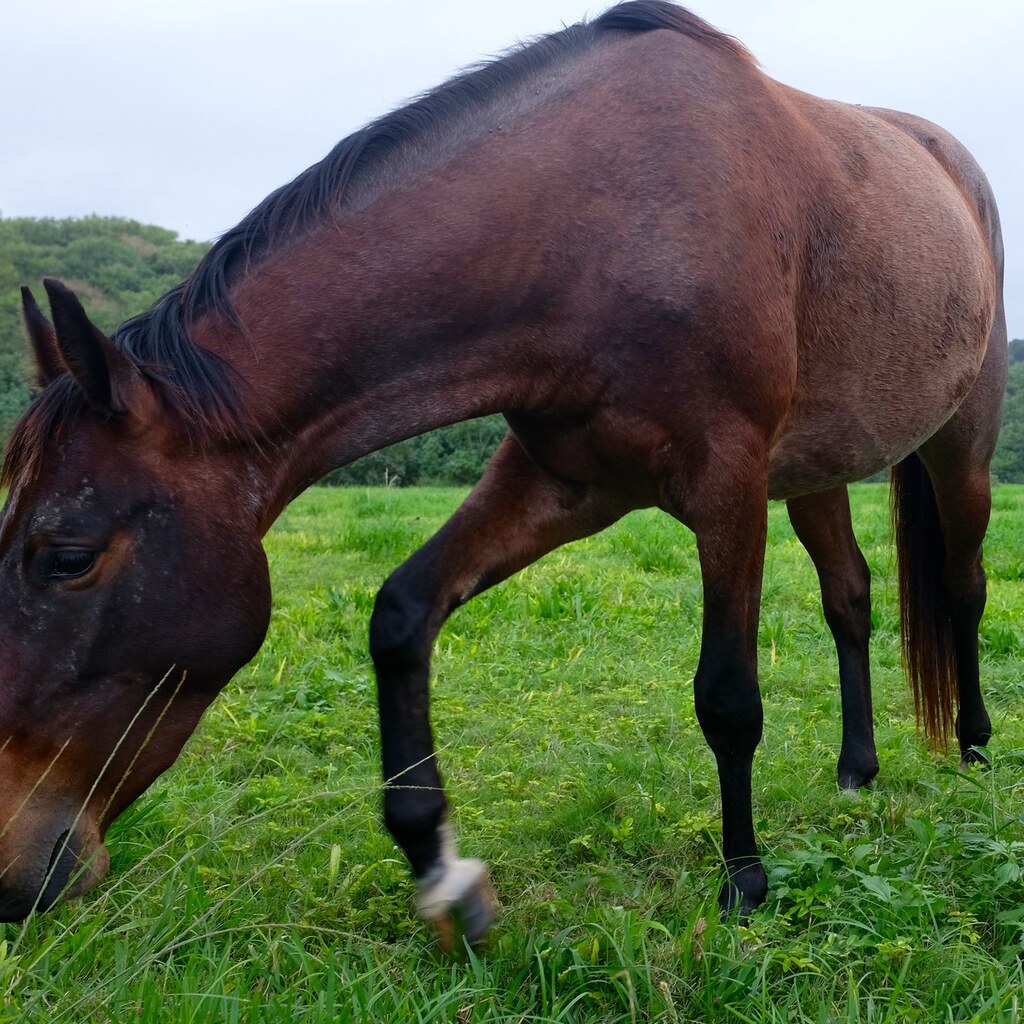
Fur is the thick hair that covers many animals. If you are going to make a coat out of fur, it would be made from the skin of the animal as well as the fur that grows out of the skin.
Not to be confused with fir, a kind of tree.

G is for Gallbladder

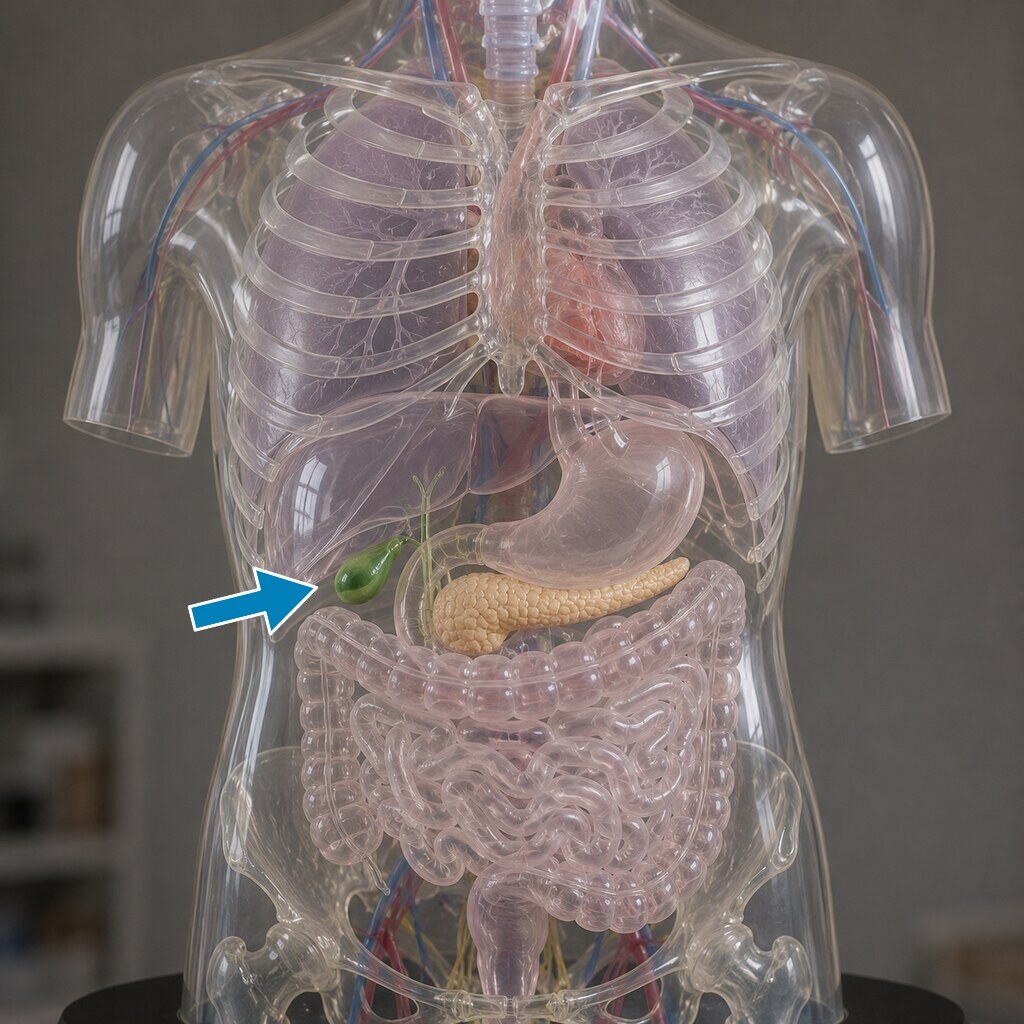
The gallbladder is a small organ in the body, tucked under your liver on the right side of your abdomen.

The gallbladder stores bile, a fluid made by the liver. When you eat, it releases bile into the small intestine to help break down fats. Sometimes gallstones can form in the gallbladder and cause painful problems.
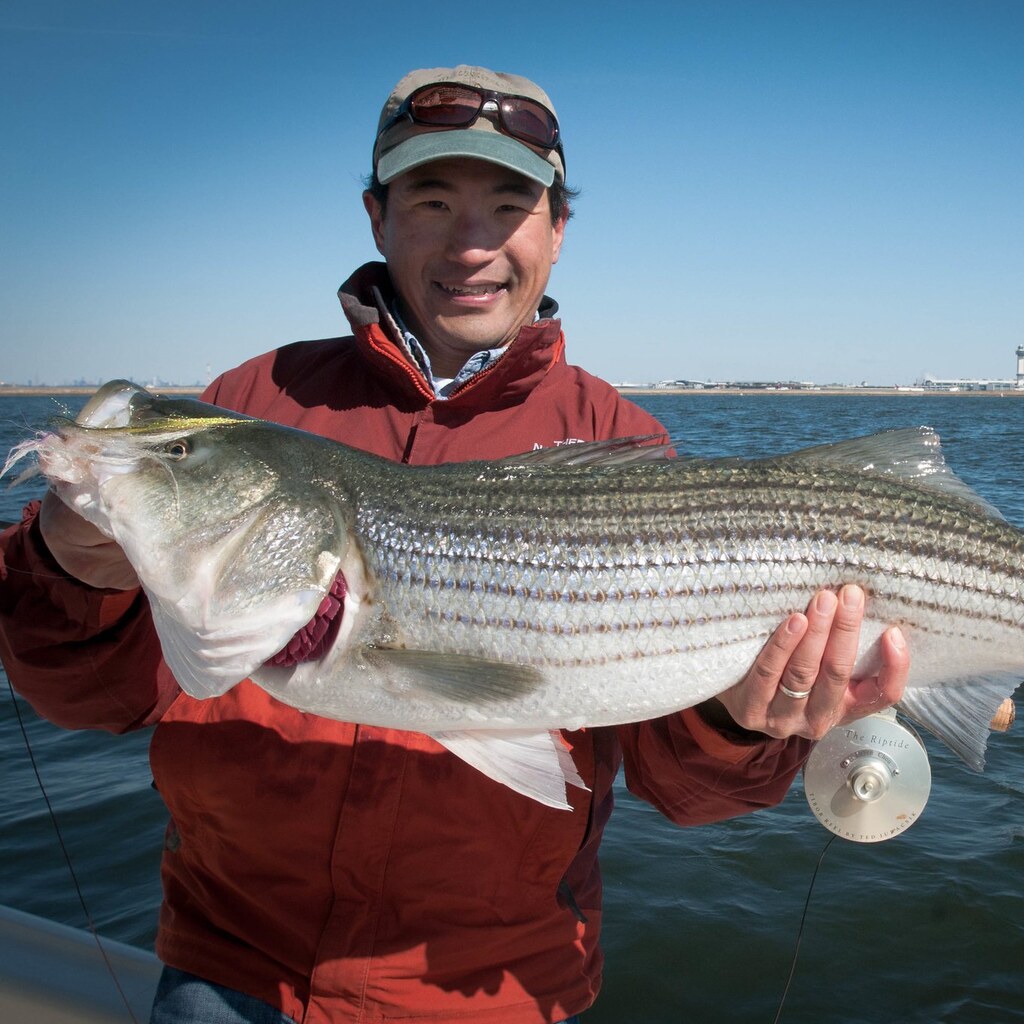
G is for Gill

Gills are what creatures that live in water use to breathe. Fish gills are easy to see, between their head and their side fins. Other creatures have less obvious gills, that look like fine, tufty growths.


G is for Gland

A gland is a generic name for small organs in the body that makes and releases special substances.

Some glands make hormones that help control the body, like growth and energy. Some commonly known examples are the thyroid gland, salivary glands and sweat glands.

G is for Goatee

A goatee is a kind of beard that is only on the point of a man's chin rather than on the sides of his face too. A goatee has that name because it looks a bit like the kind of beard goats have.

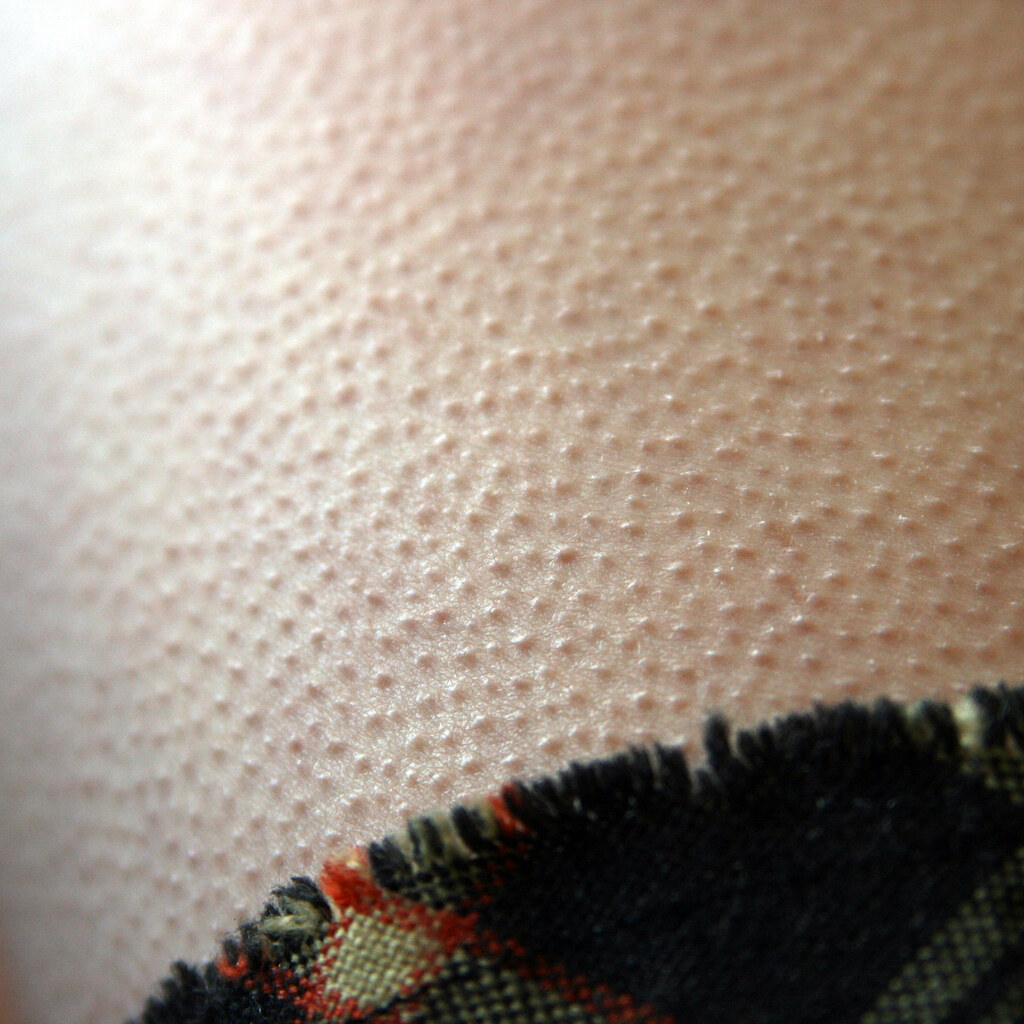
G is for Goosebumps

Goosebumps are small bumps that appear on your skin when you feel cold, scared, or very excited. They happen when your body tightens tiny muscles near your hair follicles.

G is for Groin

Your groin is the part of your body where your legs meet, also known as your crotch.

G is for Gums

Gums are the pink lining of your mouth around your teeth. When your gums get inflamed, it is called gingivitis. Keeping your teeth and gums clean and healthy helps to prevent gingivitis.

G is for Gut

Gut is a slang word for your stomach and intestines or just that part of your body - the man in the picture has a large gut.
When you are preparing a whole animal to be cooked, the process of gutting it is the process of removing its internal organs, including its stomach and intestines.

H is for Hair

Hair is something that grows on people's heads. It is also found on the rest of your body, but it is very very fine and can be hard to see (depending on the person!). The hair that grows on animals like cats and dogs is actually called fur, and the hair on sheep is called wool. The hairy stuff on even stranger things like spiders and some plants isn't hair either, just something that can look like hair and helps to protect whatever it is growing on. Hair on your face is called a beard or moustache.