up to Nature

Medical

Medical conditions and body parts. But nothing good enough to self-diagnose with, just the basics!

Subcategories: Body parts (199), Phobias (6), Senses (5), Substances (22)

Showing 121-140 of 294

18 words are below your SafeSearch level and not shown.
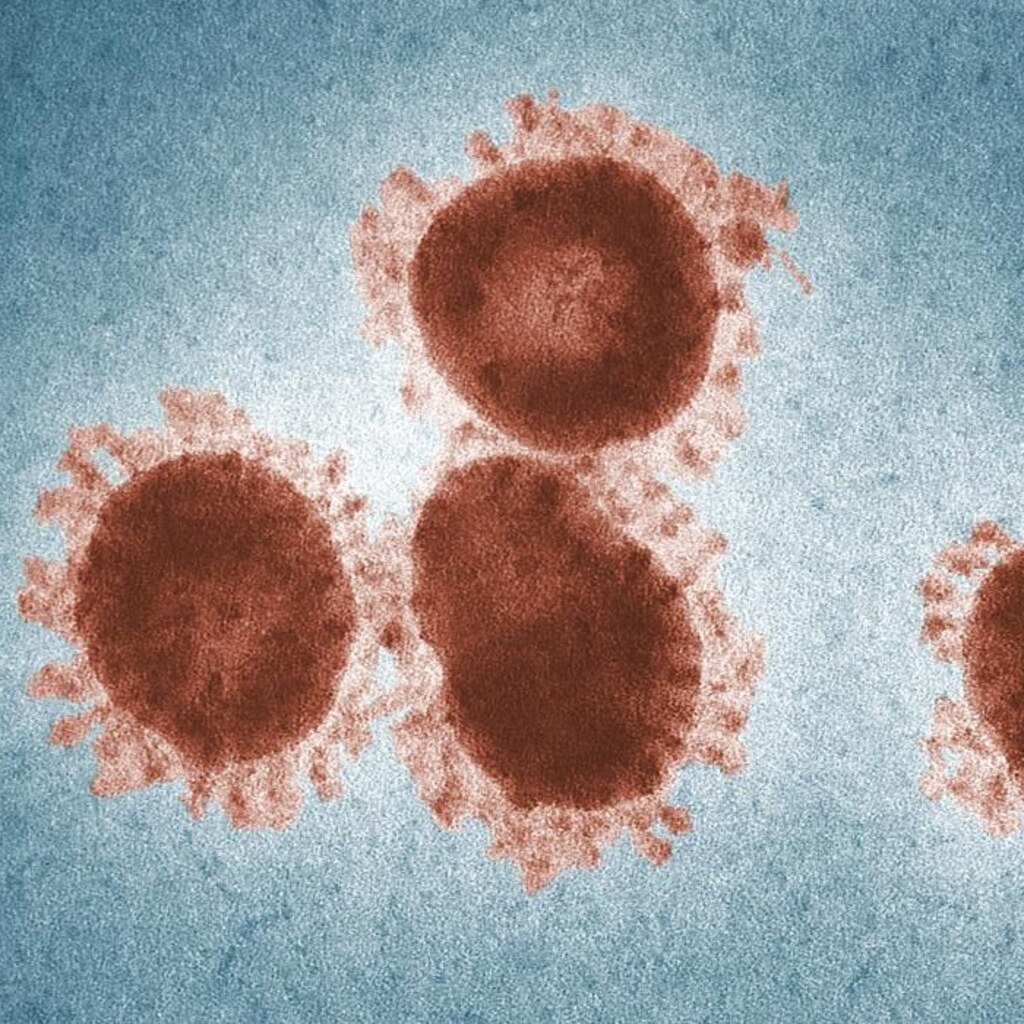
I is for Influenza

Influenza is an infectious disease that birds and animals can get. The flu generally gives you a fever, sore throat, muscle pains, headache, a cough, and generally makes you feel very bad.

I is for Injection

When you give someone an injection you use a syringe to put some liquid into them through a small needle.

The person in the picture is being vaccinated.

I is for Injury

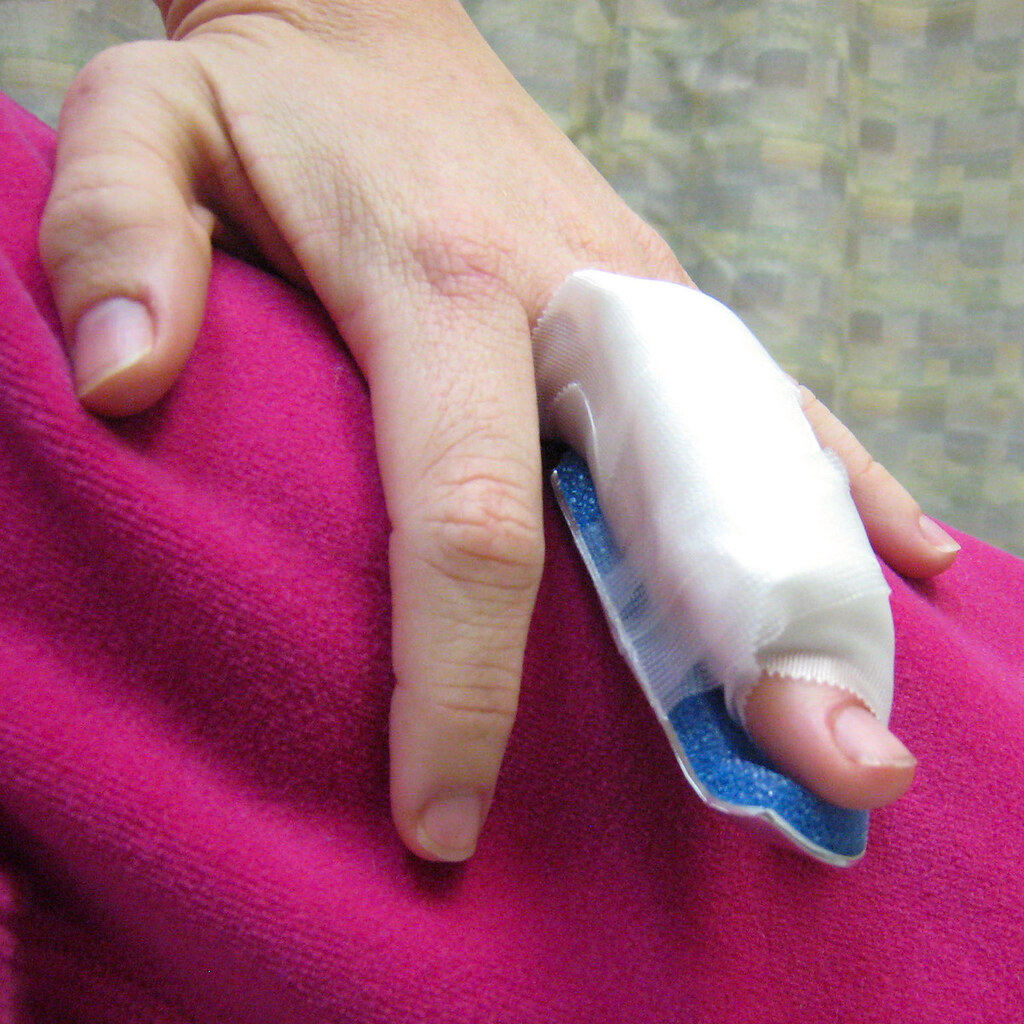
An injury is damage done to a living thing. Injuries can range from a small scratch or bruise to a broken bone.

I is for Insomnia

If you have insomnia, you have trouble sleeping, which means you are tired during the day. Someone who has insomnia is called an insomniac. Insomniacs might have trouble falling asleep, staying asleep, or both.
Many medications have insomnia as a side effect.

I is for Intestines

Intestines are part of your digestive tract. They are basically a long tube that runs from your stomach to your anus. The picture is of some pig intestines for sale at a market.

I is for Iris (Eye)

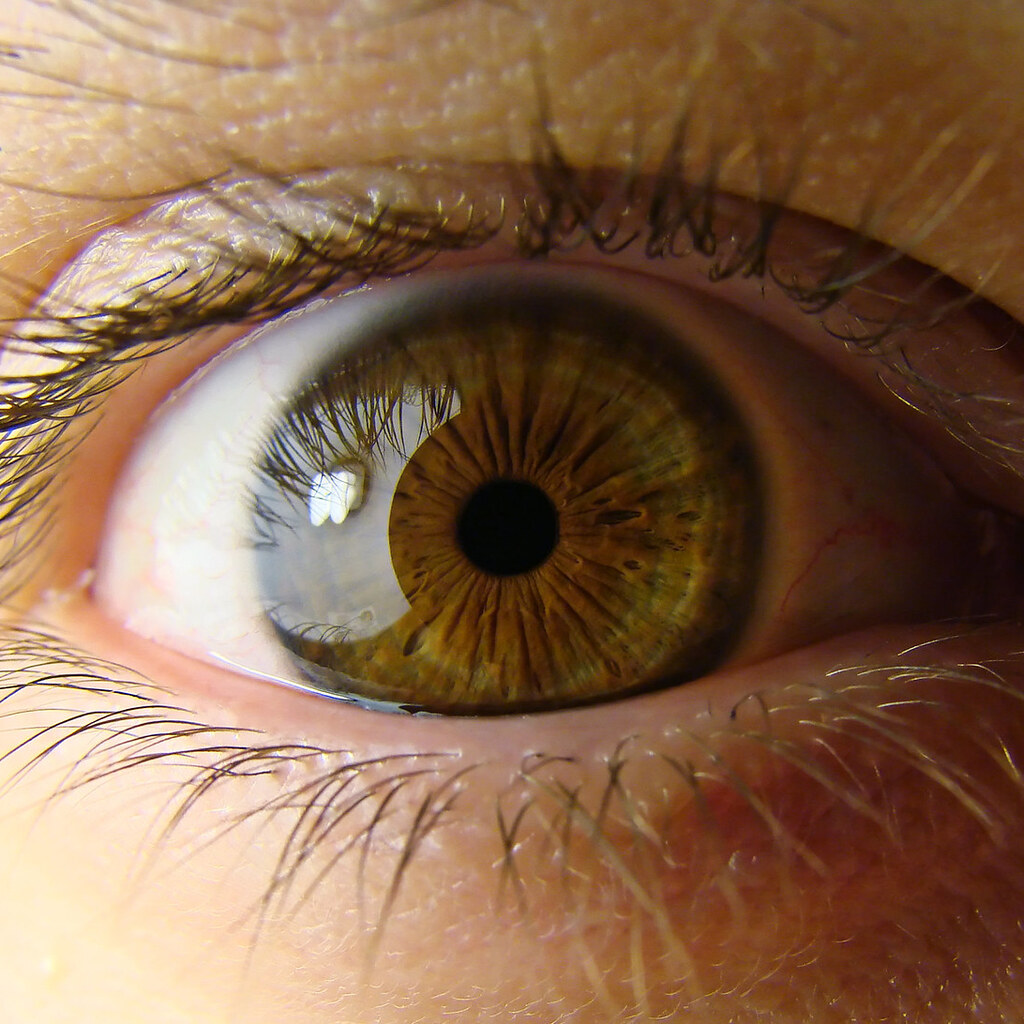
The iris is the colored part of your eye. The iris is a muscle that opens and closes the pupil in the center of your eye, controlling how much light reaches the inside of your eye.

I is for Itch

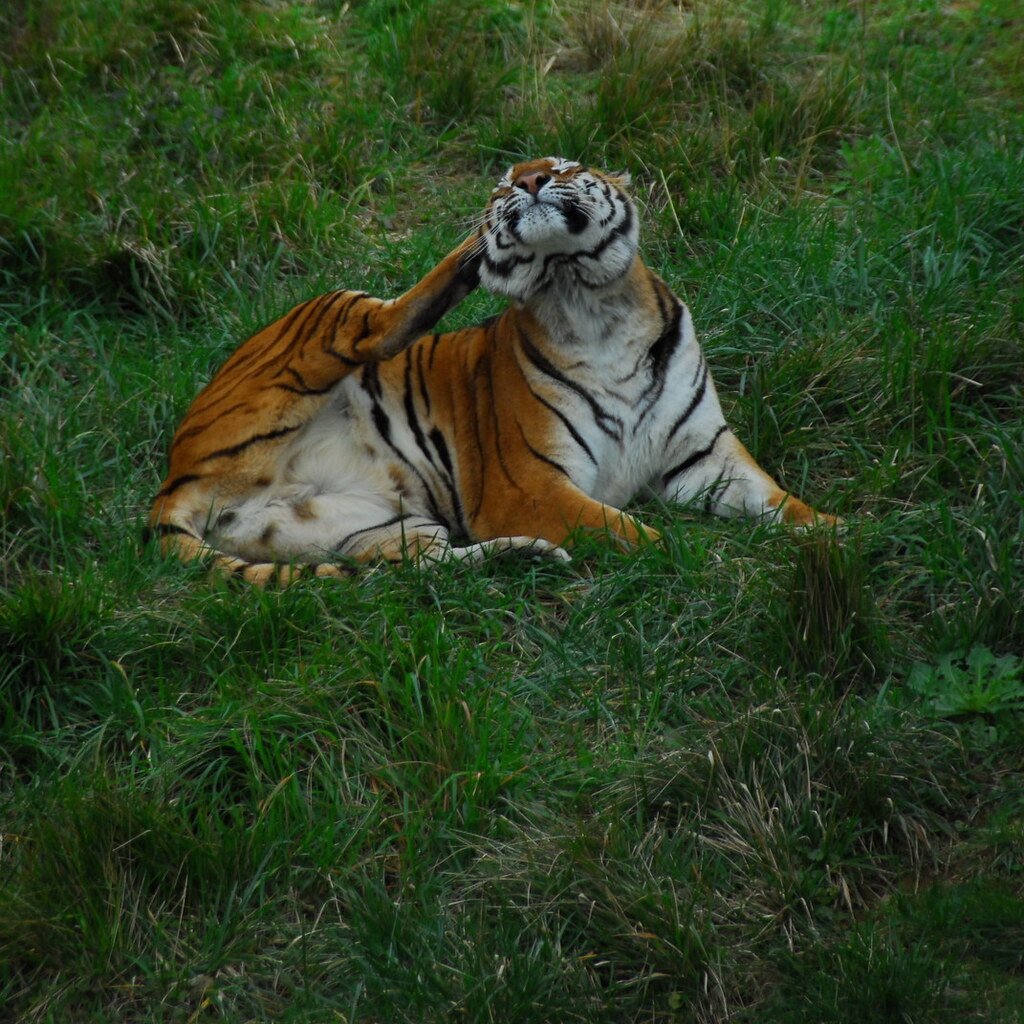
An itch is an annoying, twingey feeling in your skin that you just have to scratch. Some itches are from touching something like poison ivy, some are from mosquito bites, and others just happen for no reason.
J is for Jaundice

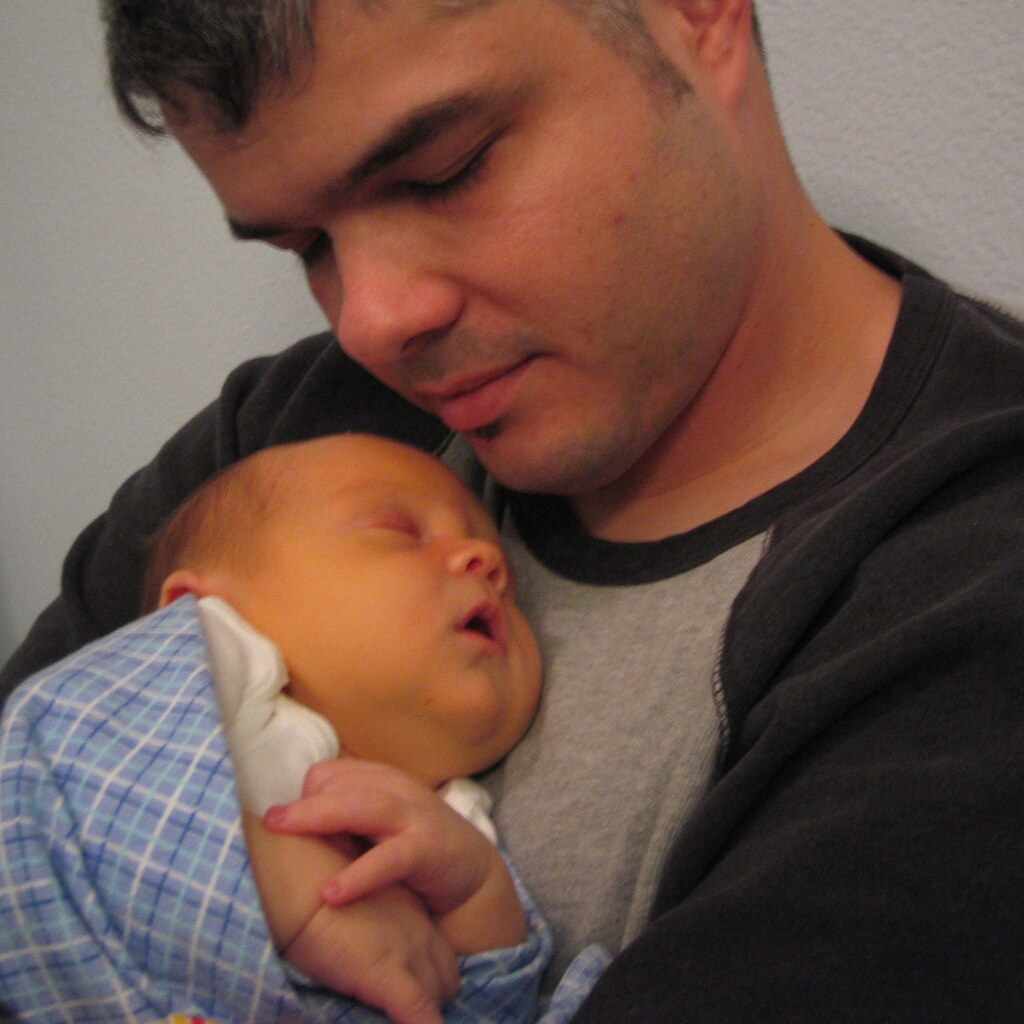
Jaundice is a yellowing of the skin and the whites of your eyes, caused by an excess of bilirubin. Newborn babies often get slightly jaundiced. It is also a symptom of liver damage.

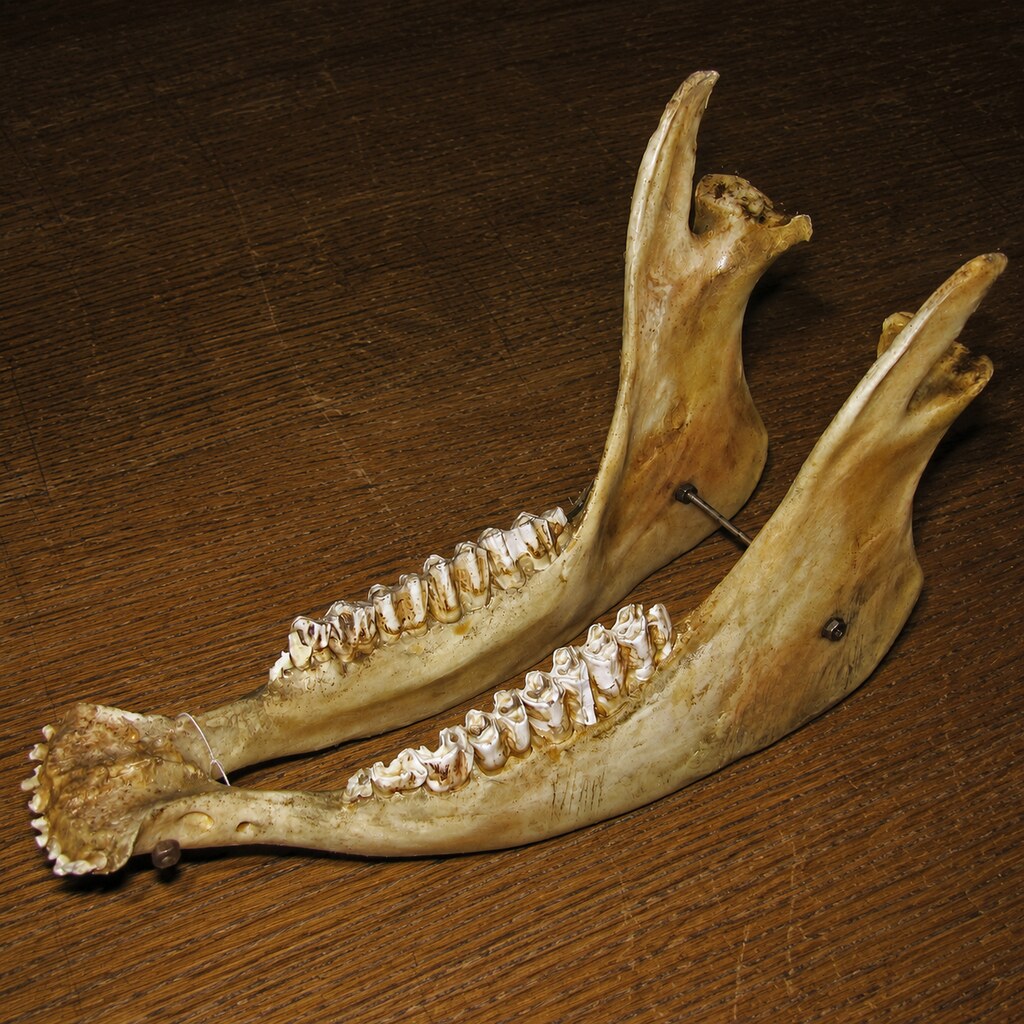
J is for Jaw

Your jaw is the bottom part of your face. Your jaw has a separate bone and can move while you keep the rest of your head still. The bones in the picture are a sheep's jawbone and skull.

J is for Jowl

Jowls are the parts of your face around your jaw and neck, particularly when they are large and fatty.

K is for Knee

Your knee is the joint halfway up your leg, so you can bend your leg to walk. When you crawl, you move around on your knees. If you stand on your knees it is called kneeling.

K is for Knuckles

Your knuckles are the joints on your hand that allow your fingers to bend around. Knuckles are quite hard and bony and stick out when you make a fist. When people get into fights they often hurt their knuckles.

L is for Lap

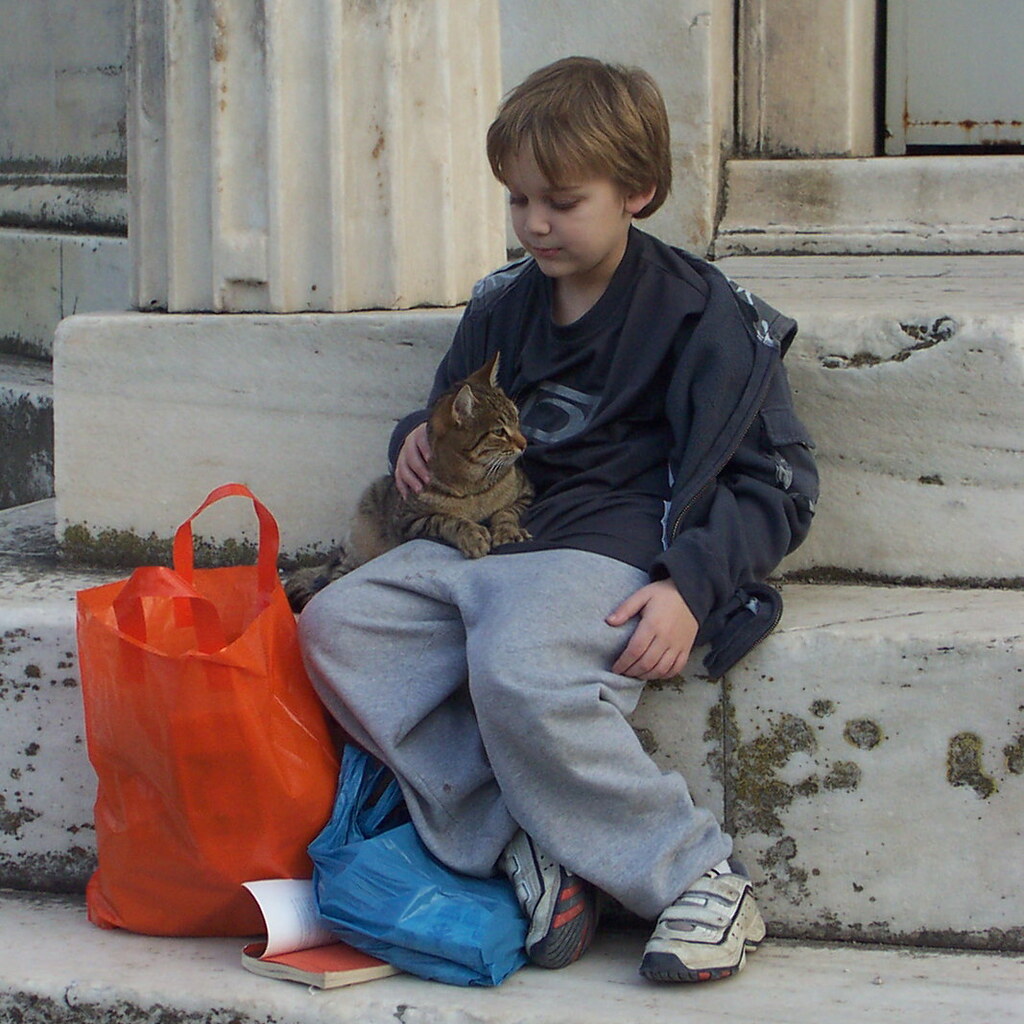
Your lap is a place that only exists when you sit down. It is the place on the top of your thighs when you have your knees lifted up. The boy in the photo has a cat on his lap.
A lap is also a full circuit of something - for example, you may run a lap around the school oval.

L is for Larynx

Larynx is the technical word for the voice box in your throat. It is part of the air way, and it helps you make sounds when you talk or sing.

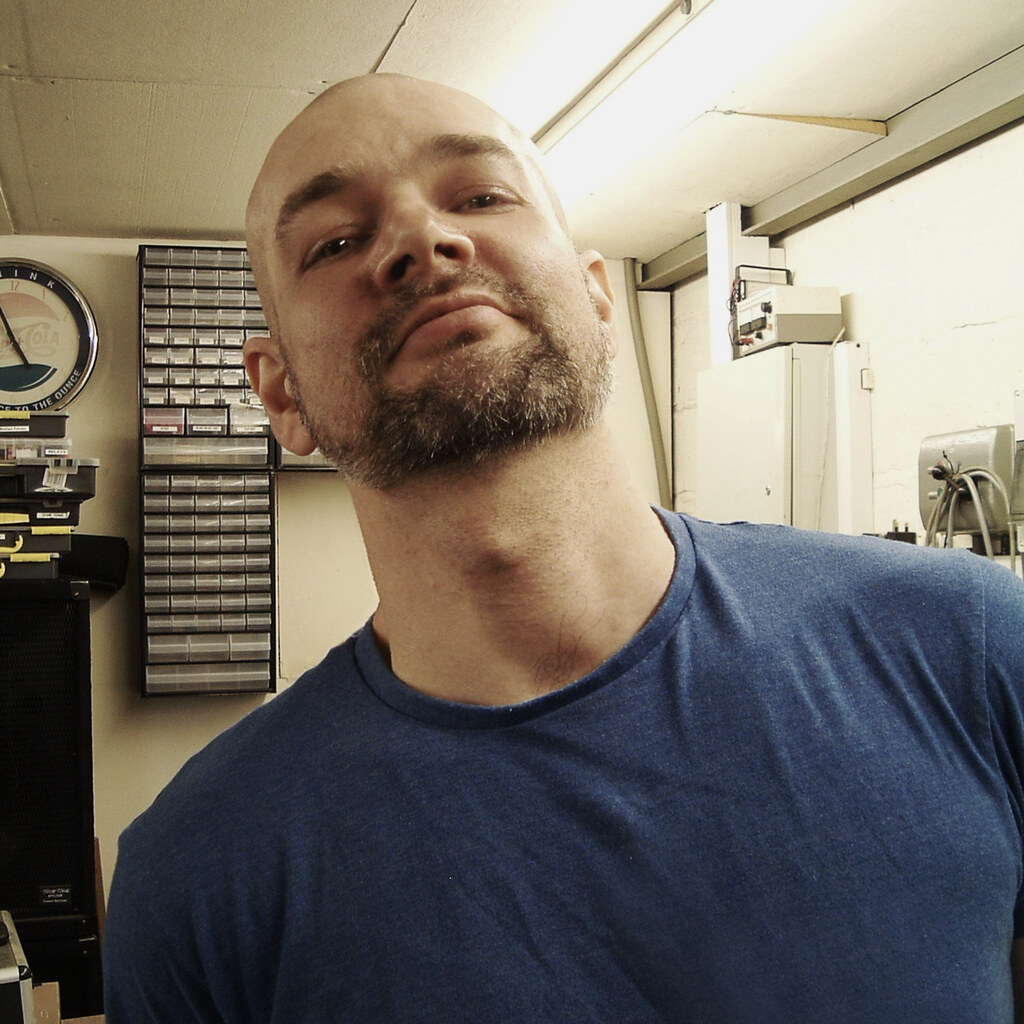
The larynx has vocal cords that vibrate when you breathe out. It also helps protect your windpipe by closing when you swallow. The larynx is found in the front of the neck, between the mouth and the trachea. In some people, it makes a visible bump called the Adam's apple.
L is for Leg

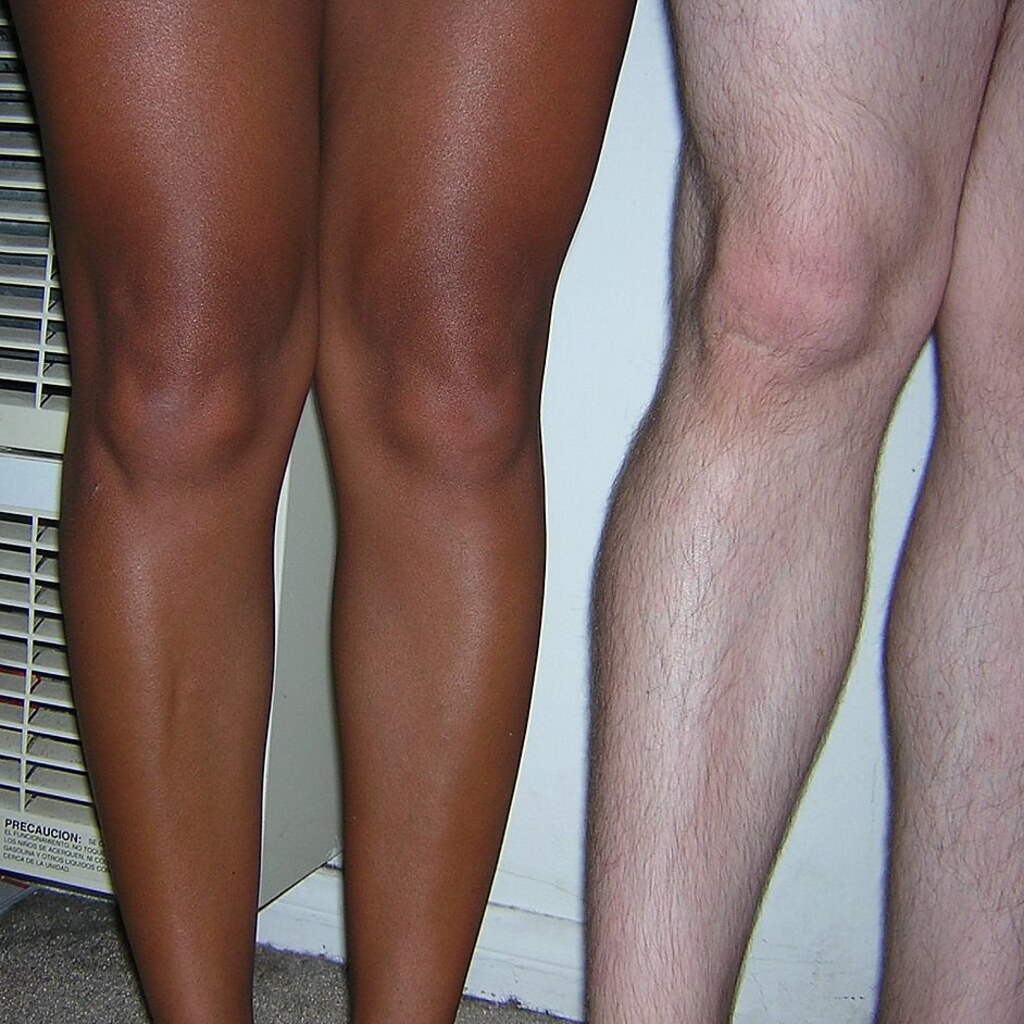
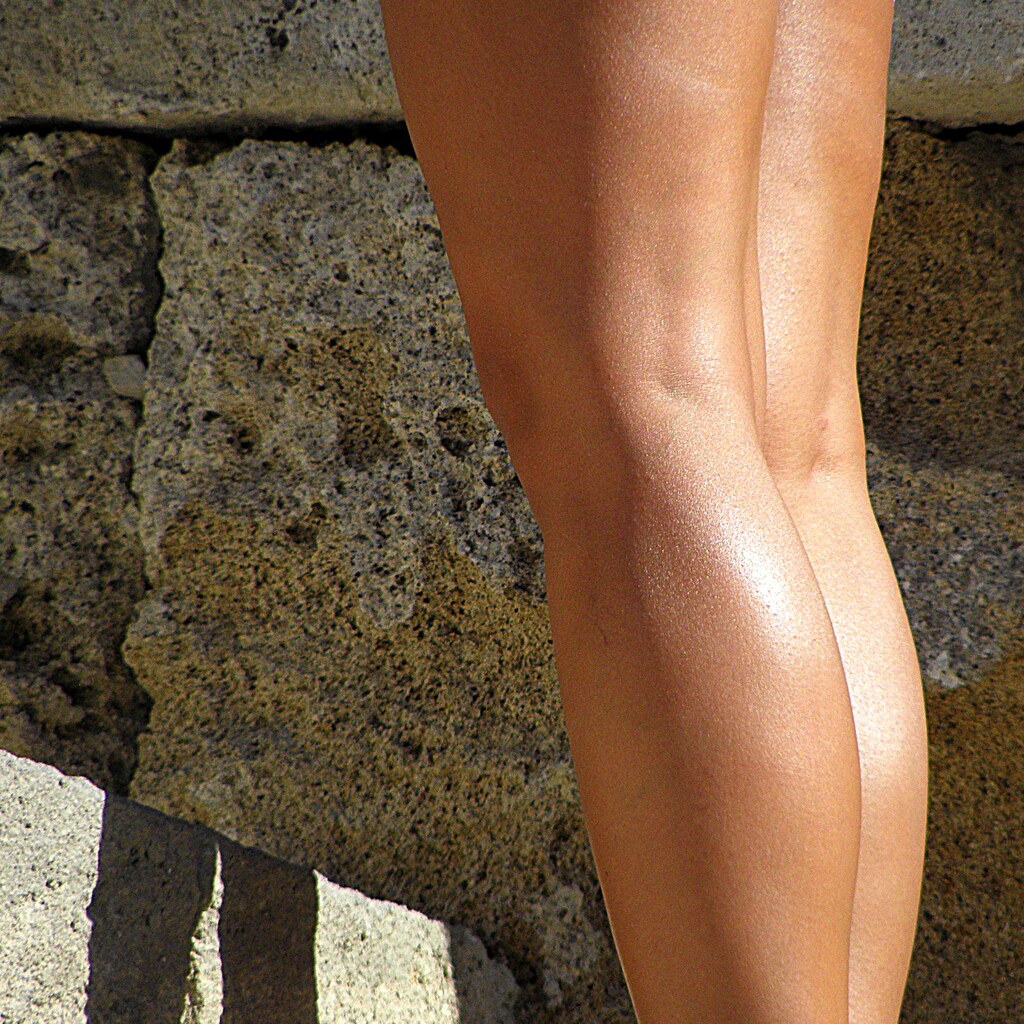
You have two legs, one on each side. You use them to stand on, and to run and jump. Your feet are at the ends of each of your legs.

L is for Lens (Eye)

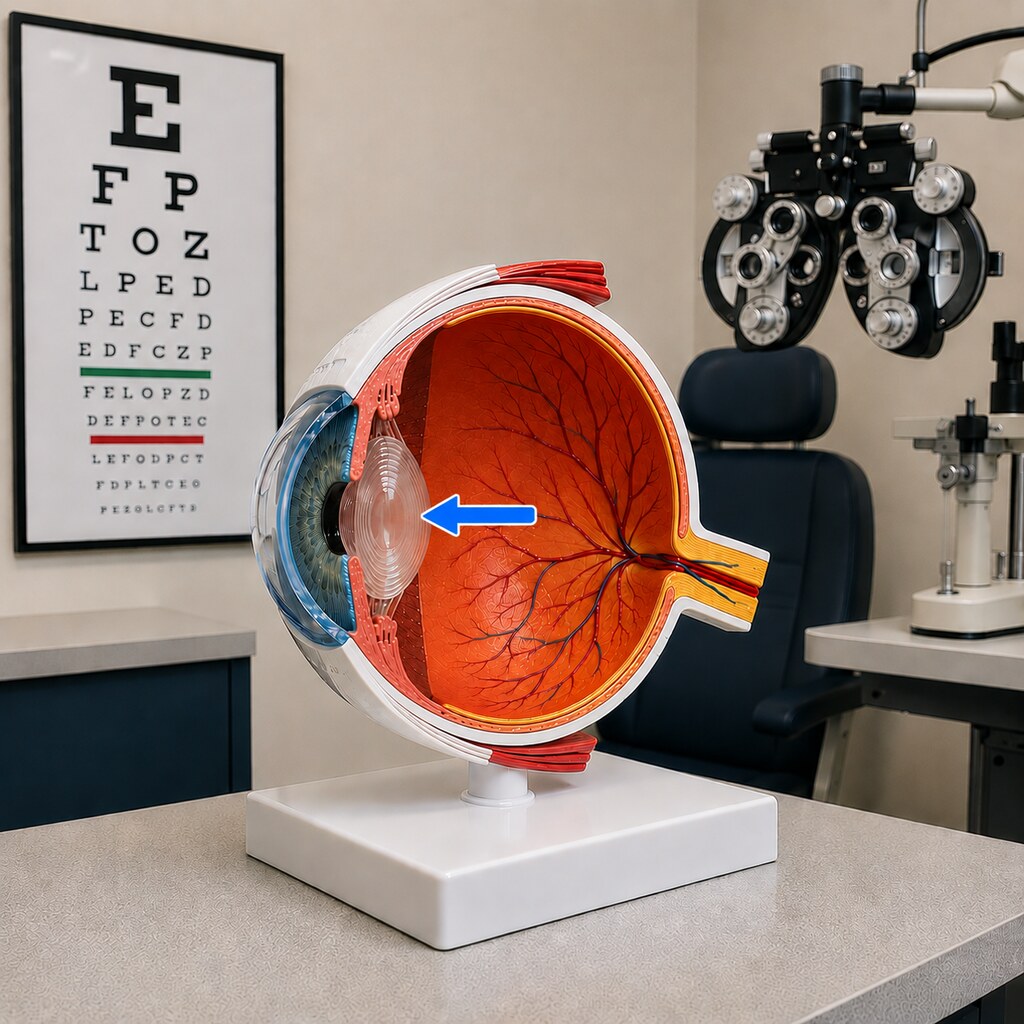
The lens is a small clear part inside your eye. It helps your eye focus on things you are looking at.

The lens changes shape to focus light onto the retina, which sends signals to your brain.

L is for Limb

Limbs are your arms and legs. A bird's wings are called limbs, and large branches on a tree are also called limbs.

L is for Lip

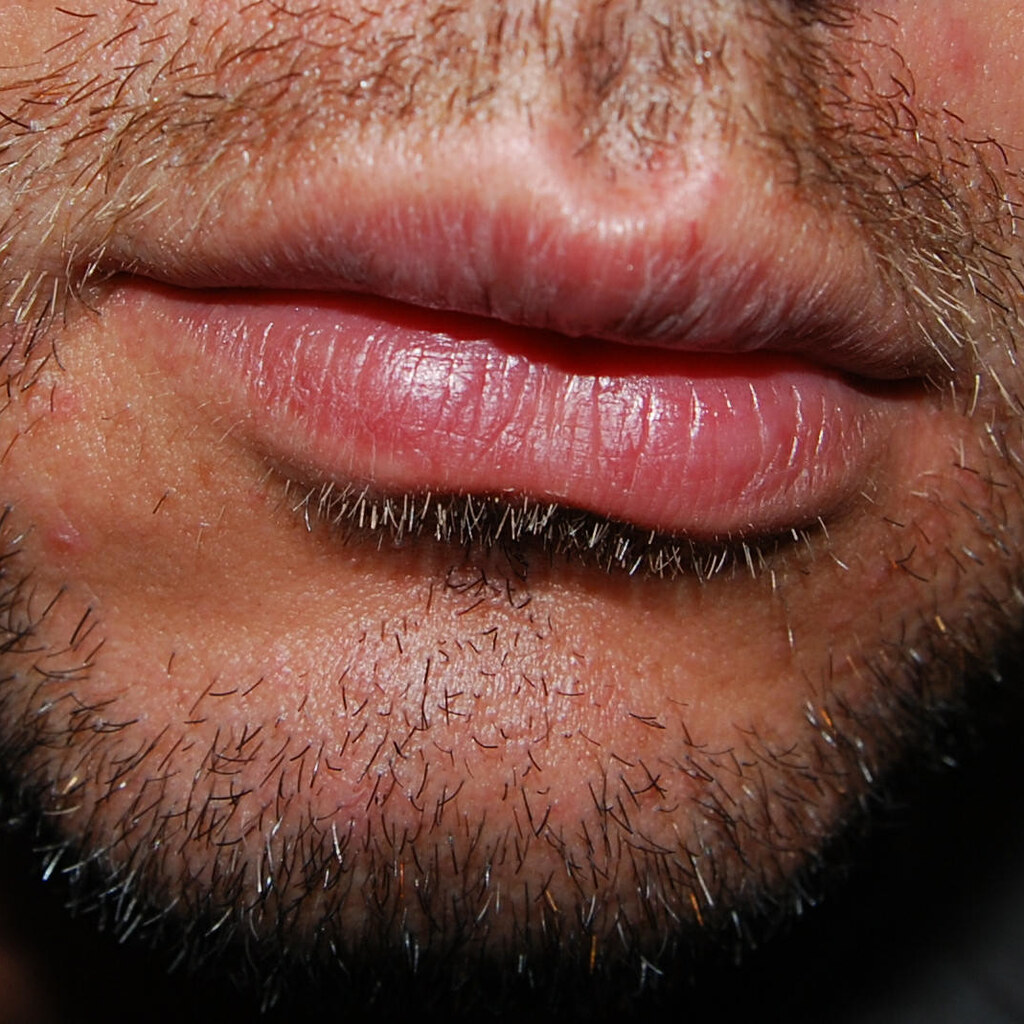
Your lips are the pink or red areas around your mouth. You use your lips to talk and to kiss.