Showing 161-180 of 294
18 words are below your SafeSearch level and not shown.
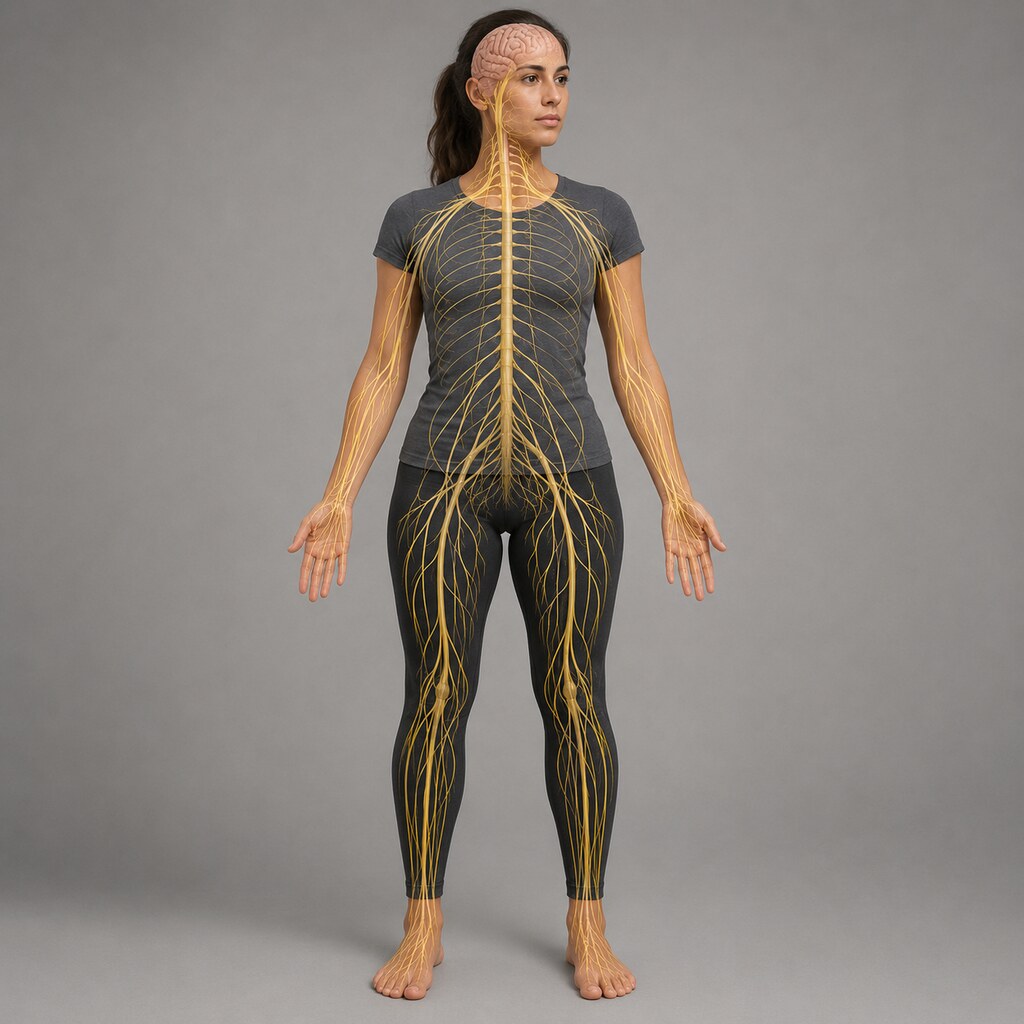
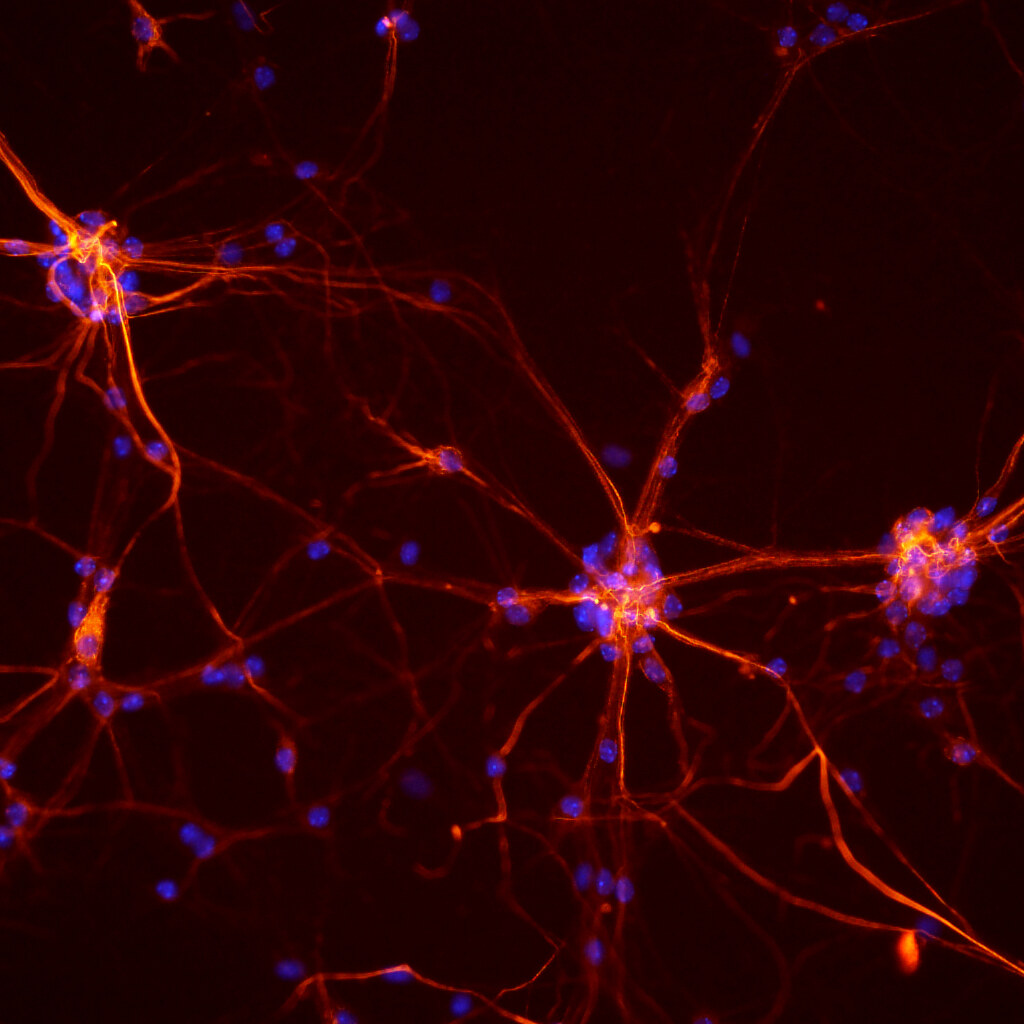
A neuron is a special cell in the body that makes up the brain, spinal cord, and nerves.
Neurons communicate using tiny electrical and chemical messages. When you feel something, think, move, or remember, neurons help carry those signals to the right place.
Neurons communicate using tiny electrical and chemical messages. When you feel something, think, move, or remember, neurons help carry those signals to the right place.



O is for Ophidiophobia
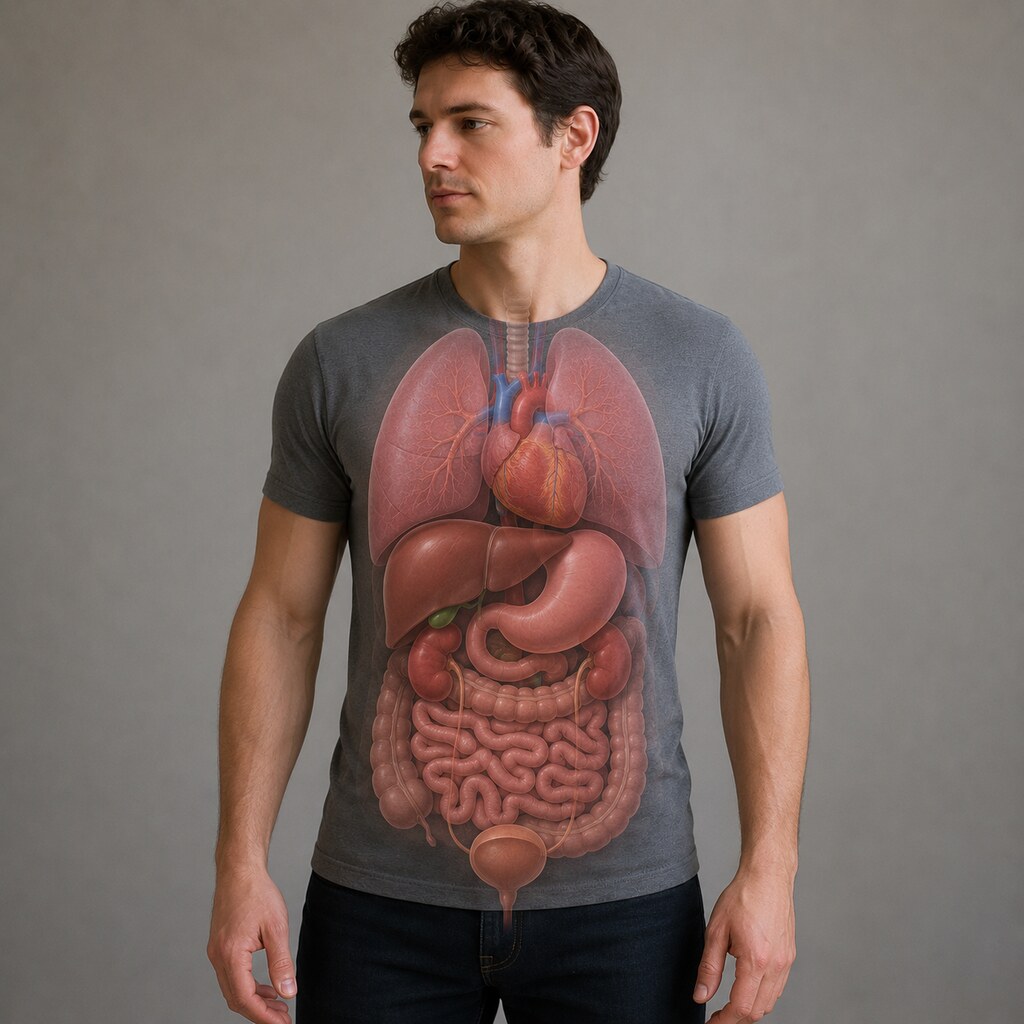
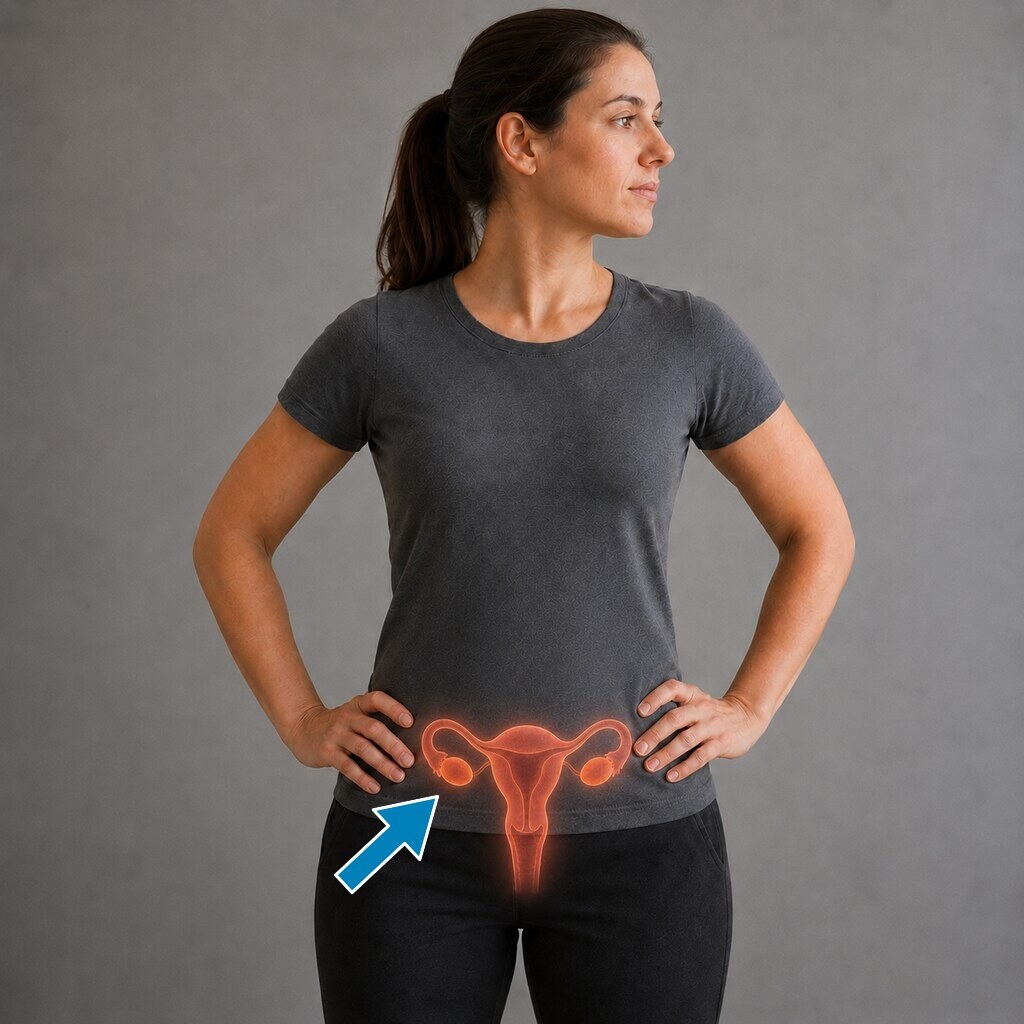
The ovary is an organ in the female reproductive system. Ovaries make eggs, which are needed for pregnancy. They also make hormones such as estrogen and progesterone.

Palate is another word for the roof of your mouth. It is hard and bony at the front, and soft at the back.
The photo is of a lion's palate.
The photo is of a lion's palate.

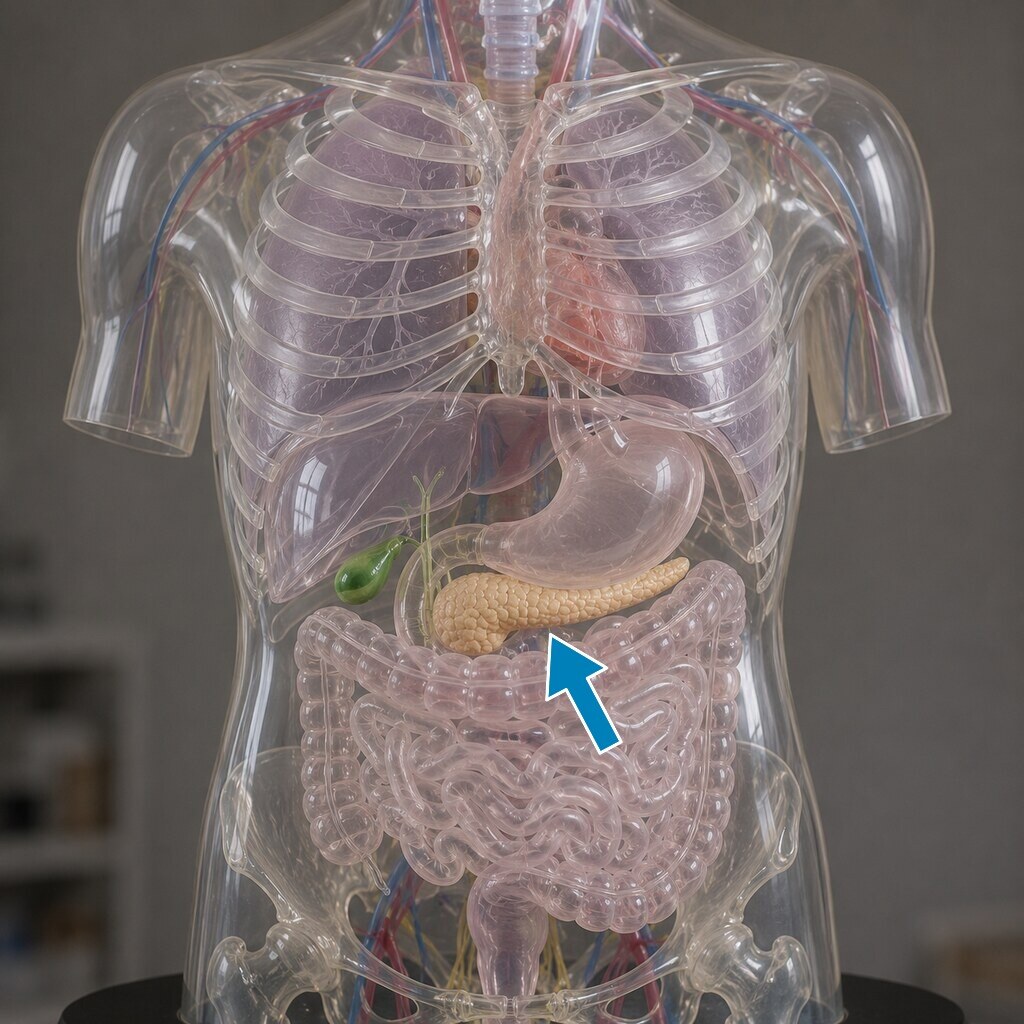
The pancreas is an organ that makes digestive juices that help break down food. It also makes hormones like insulin, which helps control blood sugar. You can find it behind the lower part of the stomach.
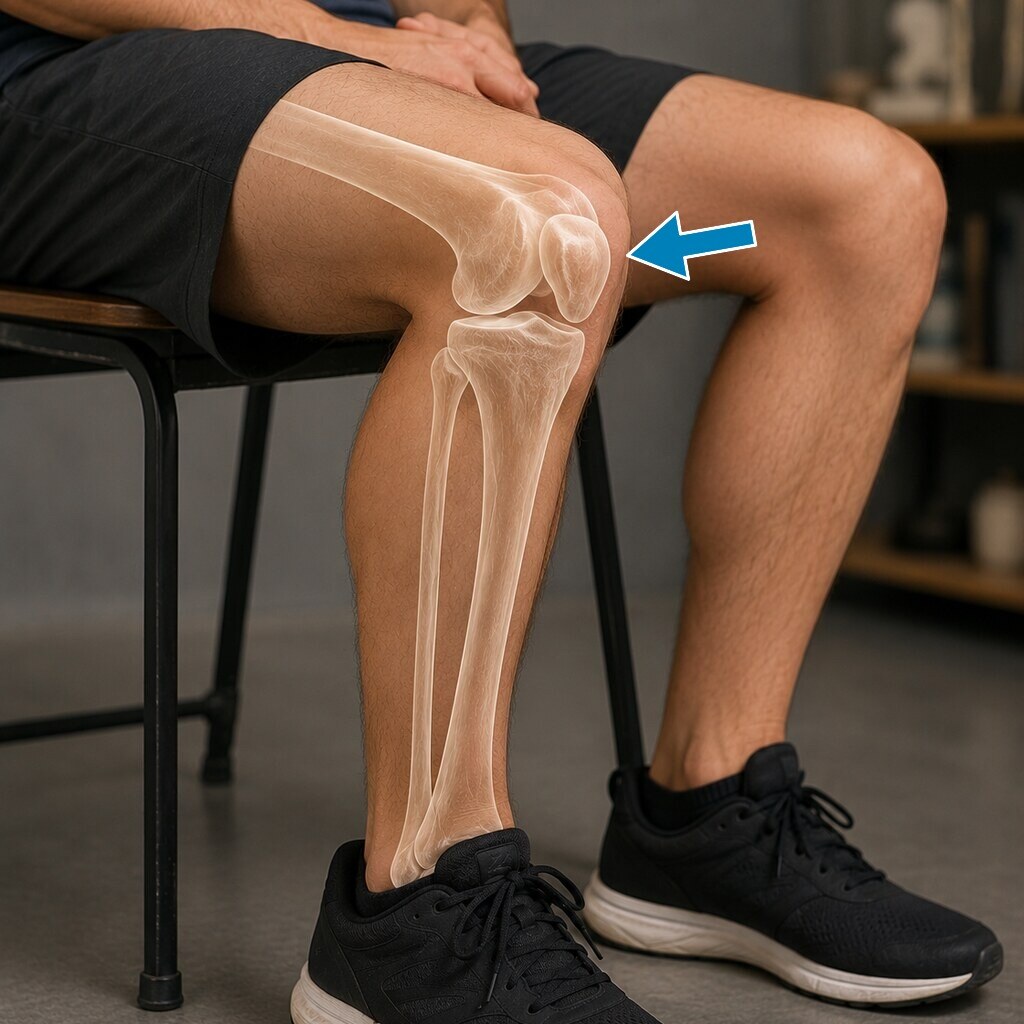
Patella is the formal name for the kneecap, a small round bone in the front of your knee. It helps protect the knee joint.

Paunch is used to describe where a person's belly sticks out a little bit more than it should.
You might use the word to describe someone who is a little bit overweight, as in "he has a paunch".
You might use the word to describe someone who is a little bit overweight, as in "he has a paunch".

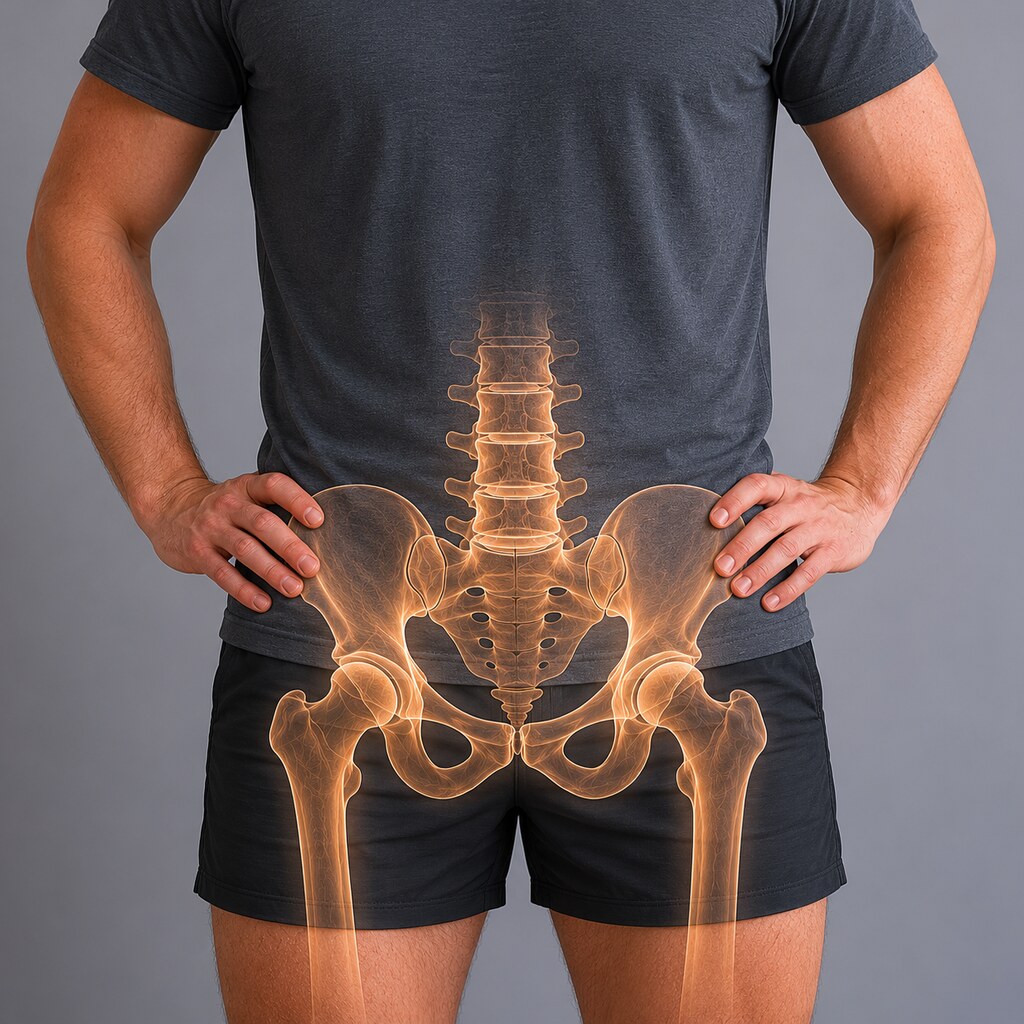
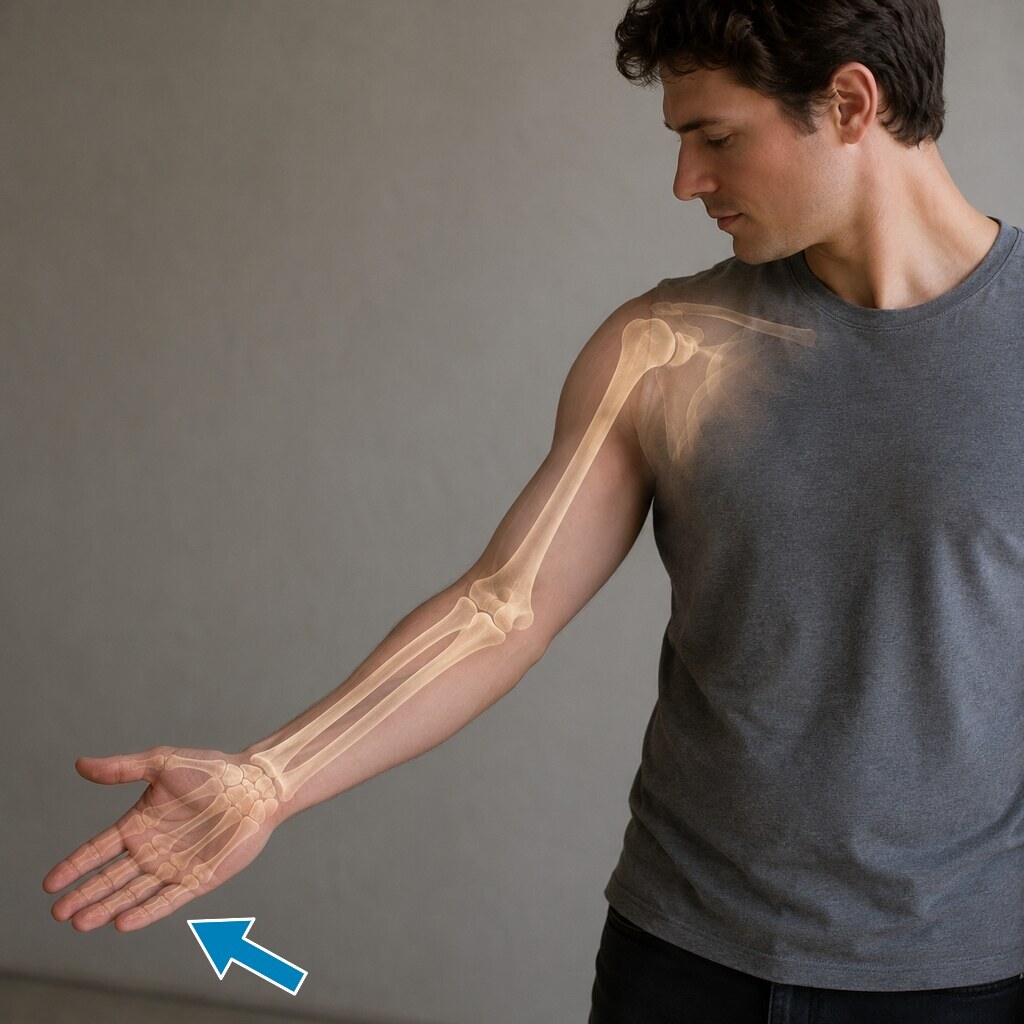
Phalanges are small bones in your fingers and toes. In your hands they help your fingers bend so you can pick things up, and in your feet they help you to walk.
The picture indicates the phalanges in your hand.
The picture indicates the phalanges in your hand.
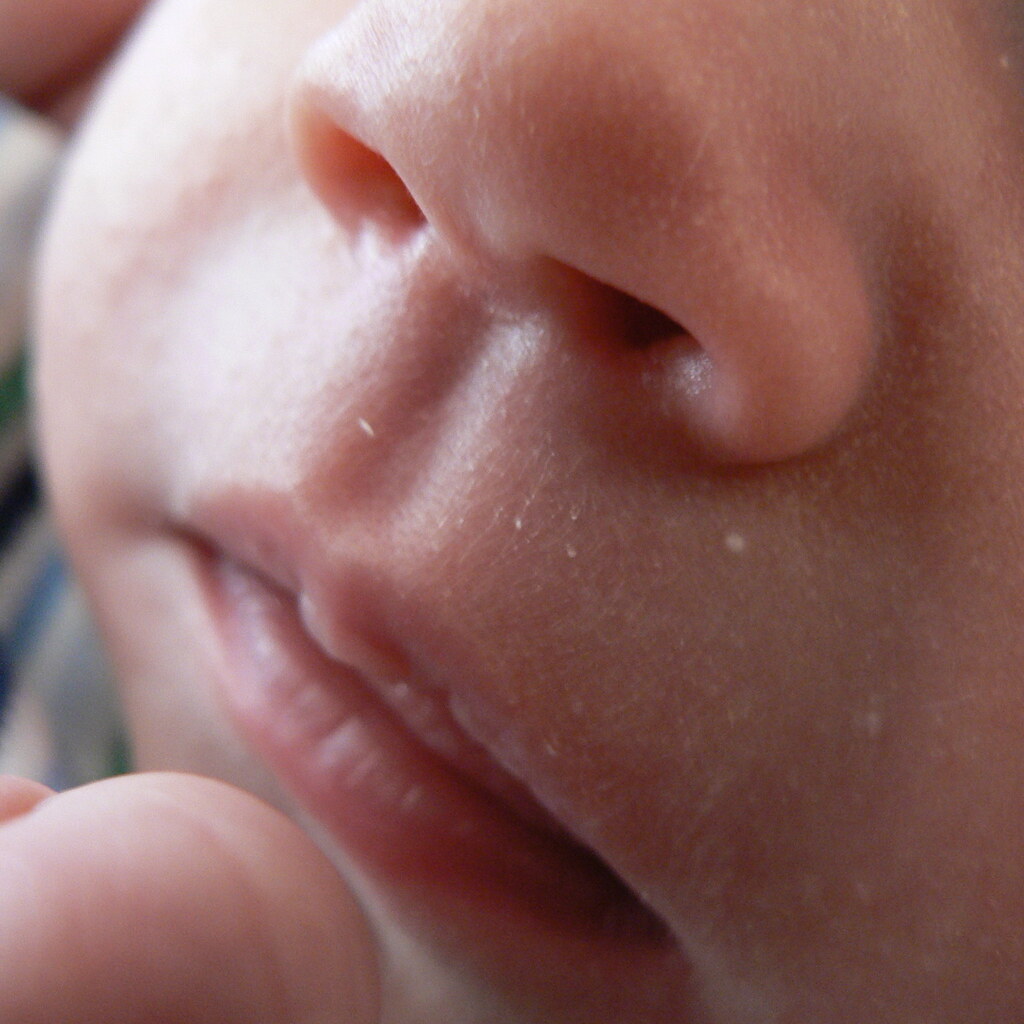
Philtrum is the small groove in the middle of a person's face between the nose and the upper lip.
The picture is a baby's philtrum.
The picture is a baby's philtrum.

Phlegm is a thick mucus made in the throat and chest. It can be coughed up when you are sick.