
Showing 181-200 of 294
18 words are below your SafeSearch level and not shown.
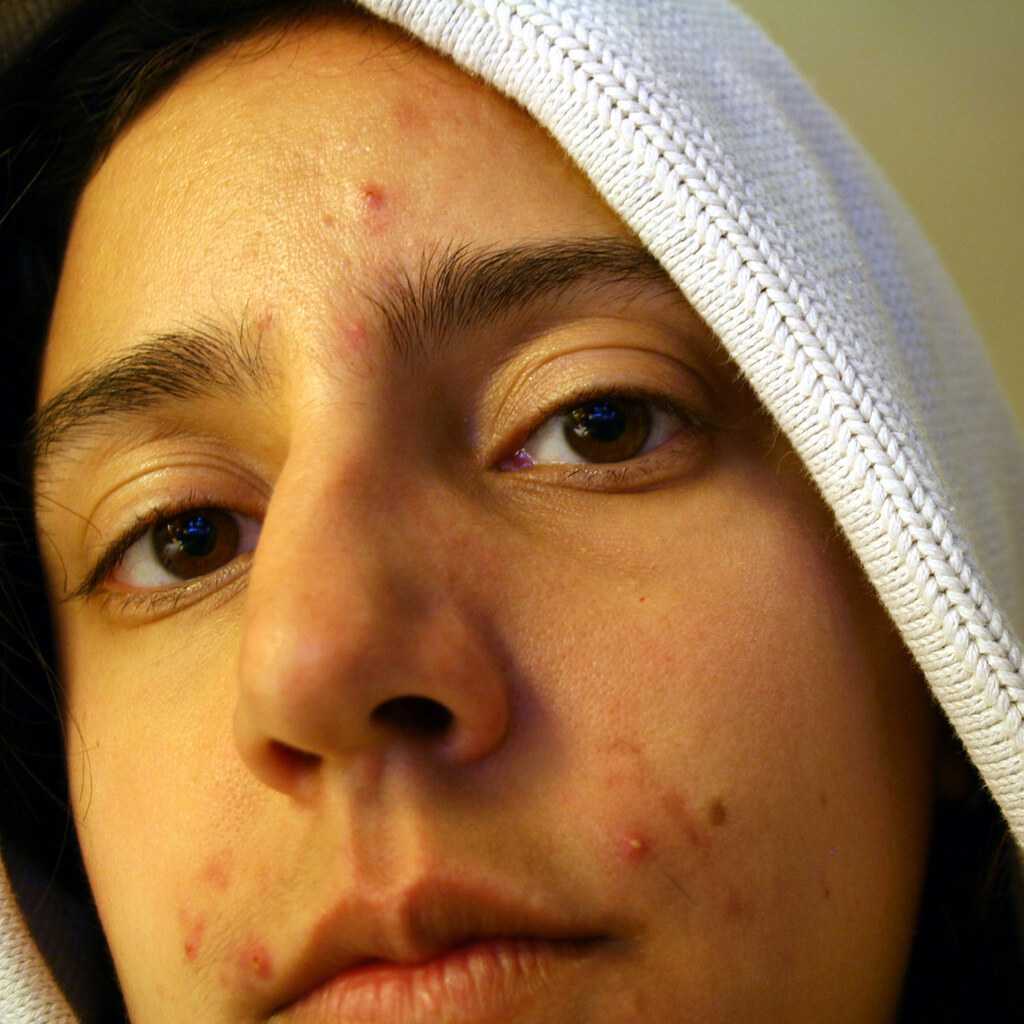

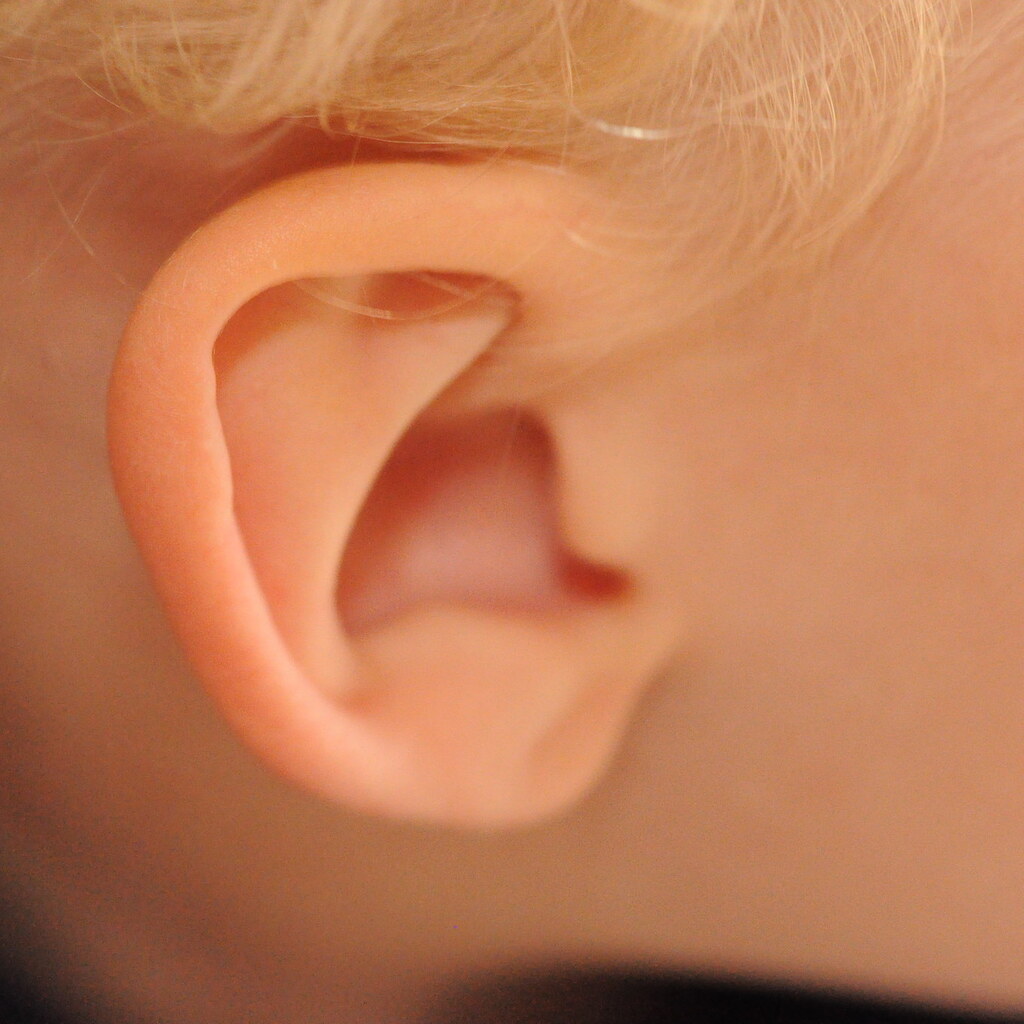
The pinna is part of your outer ear. It is the outer edge of your ear that sticks out of the sides of your head.
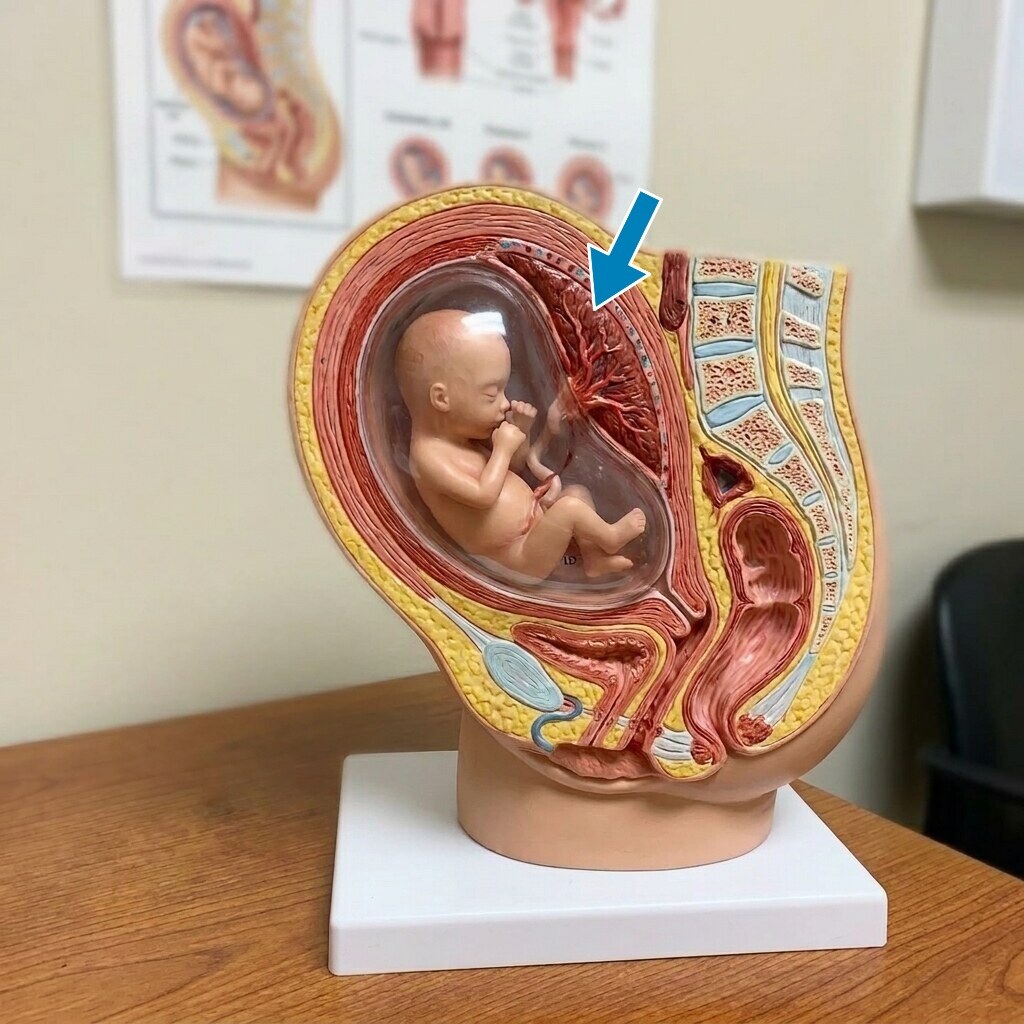
The placenta is an organ that grows inside a pregnant woman's uterus, alongside the baby.
The placenta connects the baby to the blood supply of the parent through the umbilical cord. It brings oxygen and nutrients to the baby and removes waste. The placenta is usually delivered after the birth.
The placenta connects the baby to the blood supply of the parent through the umbilical cord. It brings oxygen and nutrients to the baby and removes waste. The placenta is usually delivered after the birth.
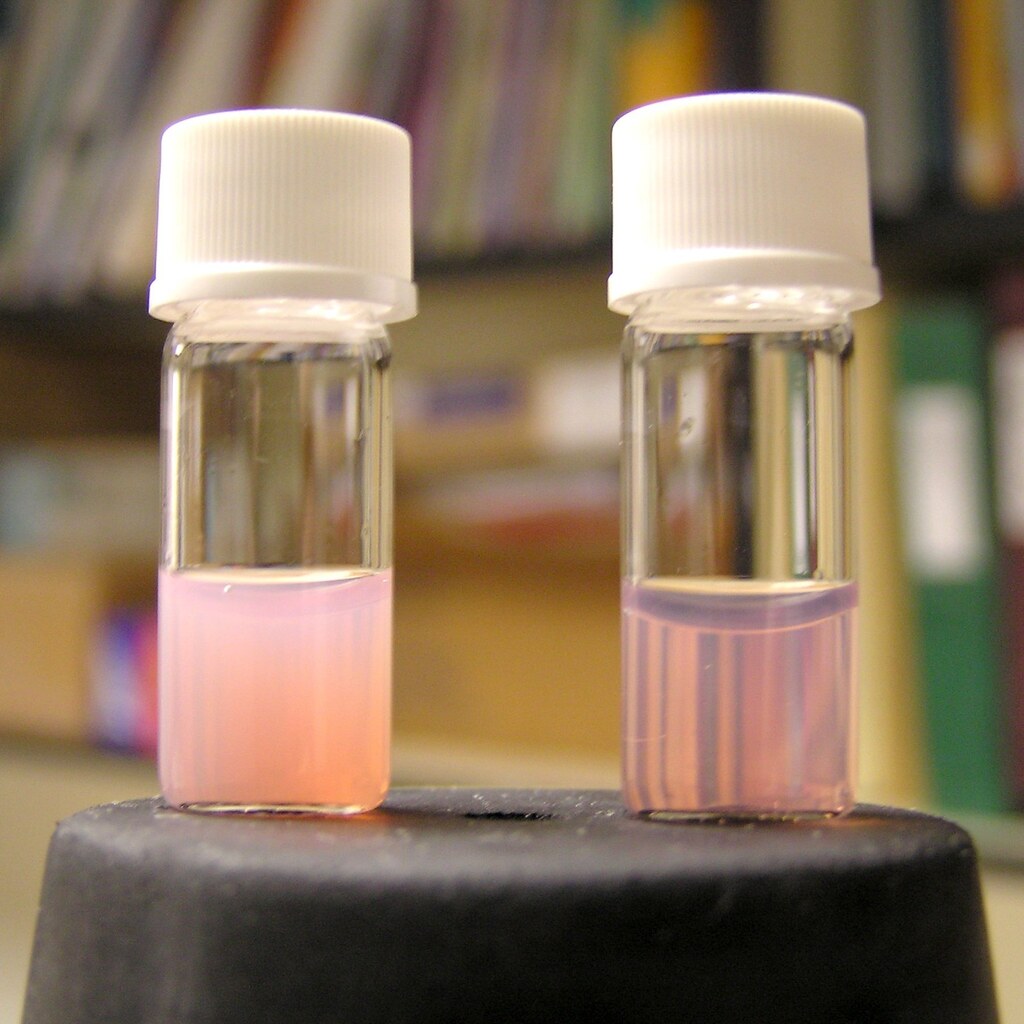
Plasma is the pale, liquid part of blood. Plasma makes up about half of the volume of blood.
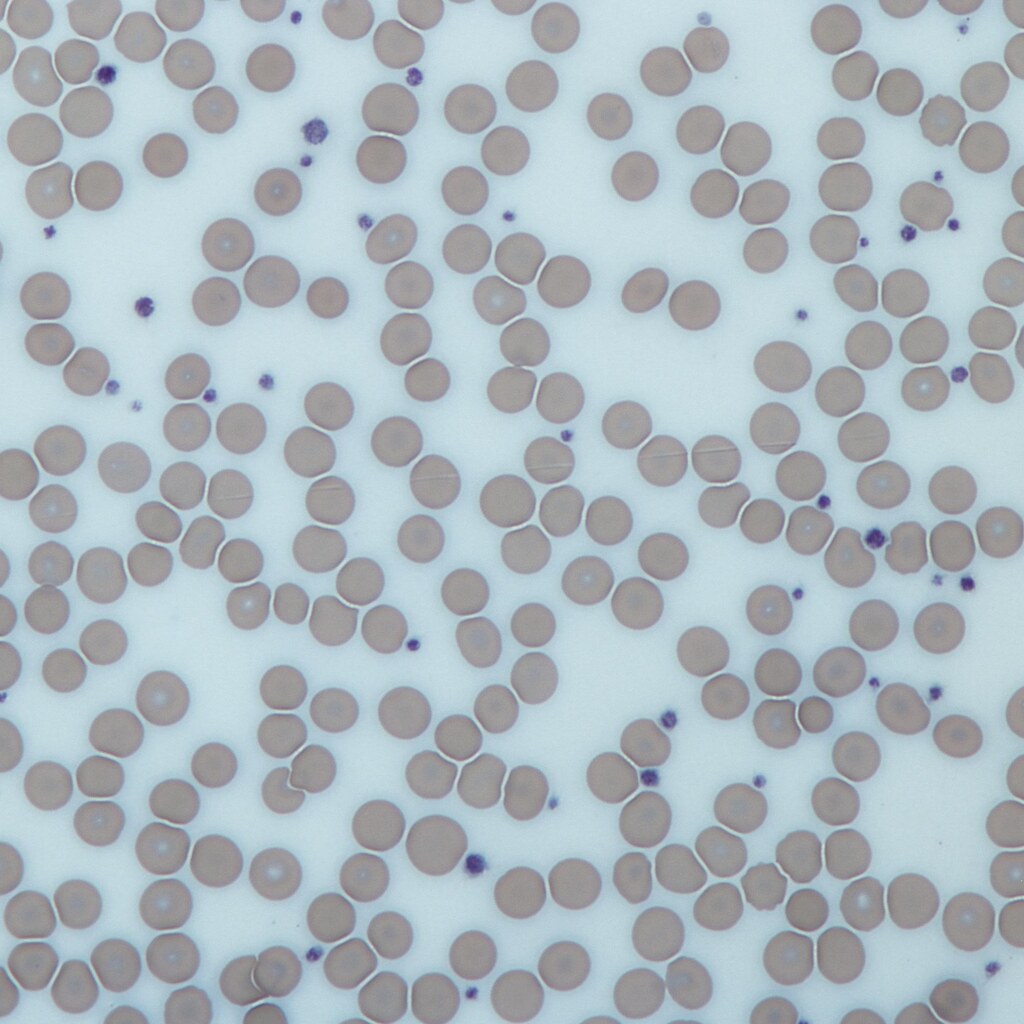
Platelets are small blood cells in your body. They help your blood clot so you stop bleeding when you get a cut.
In the picture, the platelets are the small purple dots.
In the picture, the platelets are the small purple dots.

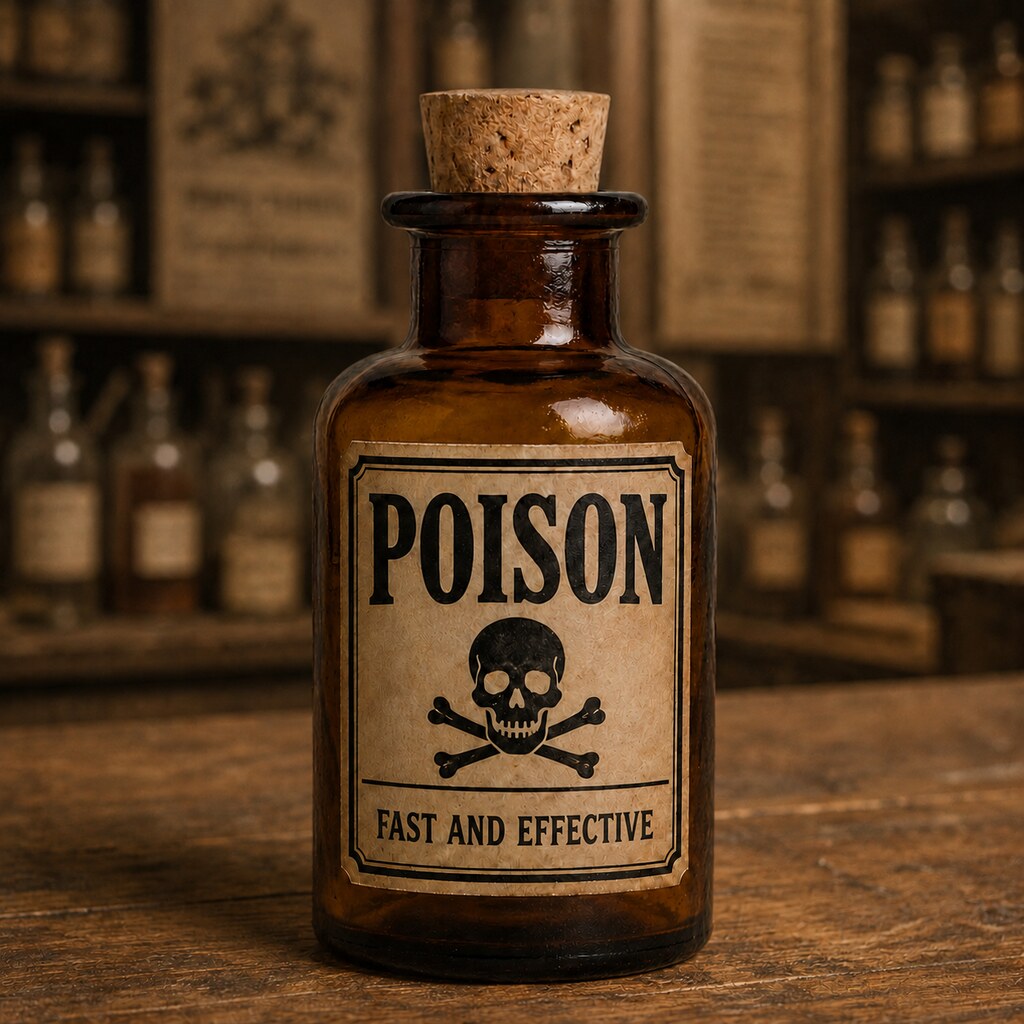
Poisons are something that, when it gets into the system of a living organism, has a bad effect. If a creature comes into contact with enough poison, they will die.
Poisons are distinguished from venom and toxins in the way they are produced. A toxin is a poison produced by a natural process, and venom is a poison that is injected by a bite or sting.
Poisons are distinguished from venom and toxins in the way they are produced. A toxin is a poison produced by a natural process, and venom is a poison that is injected by a bite or sting.
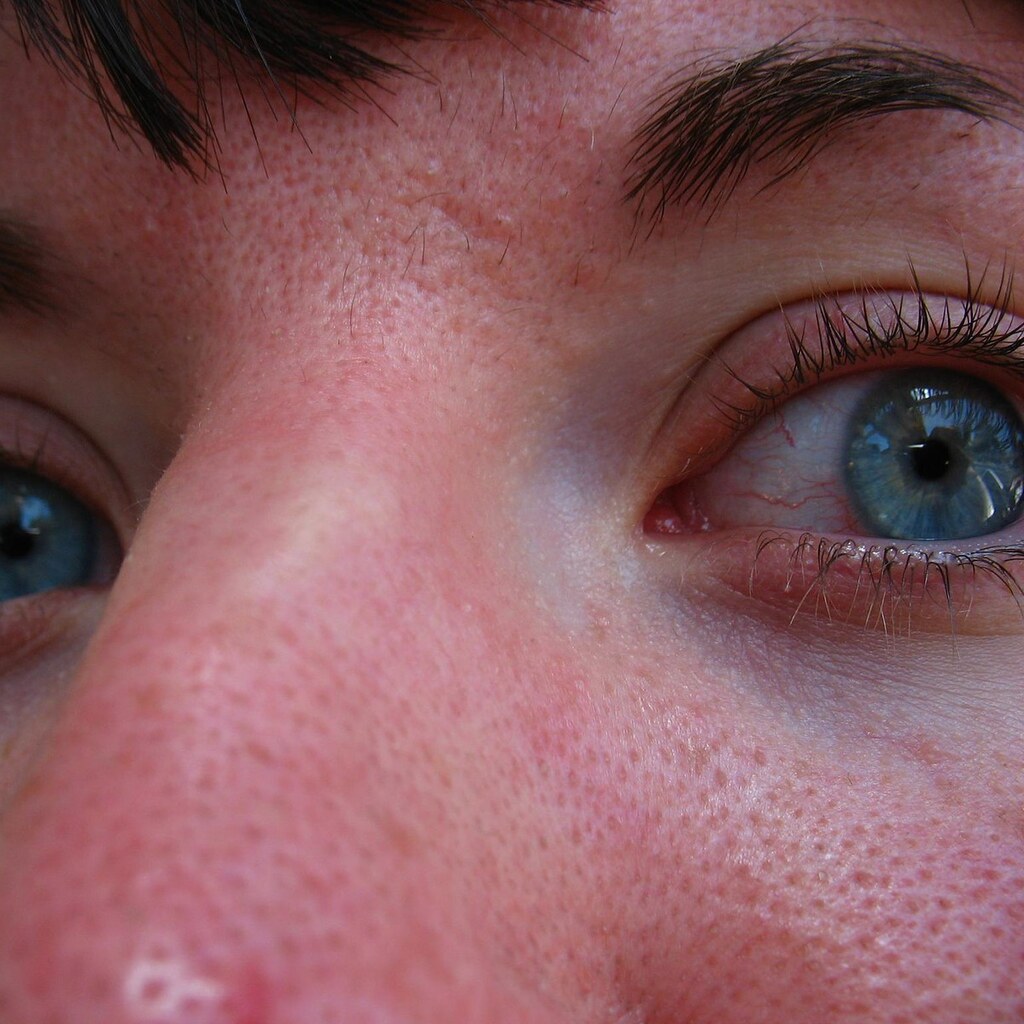
P is for Pore (Skin)

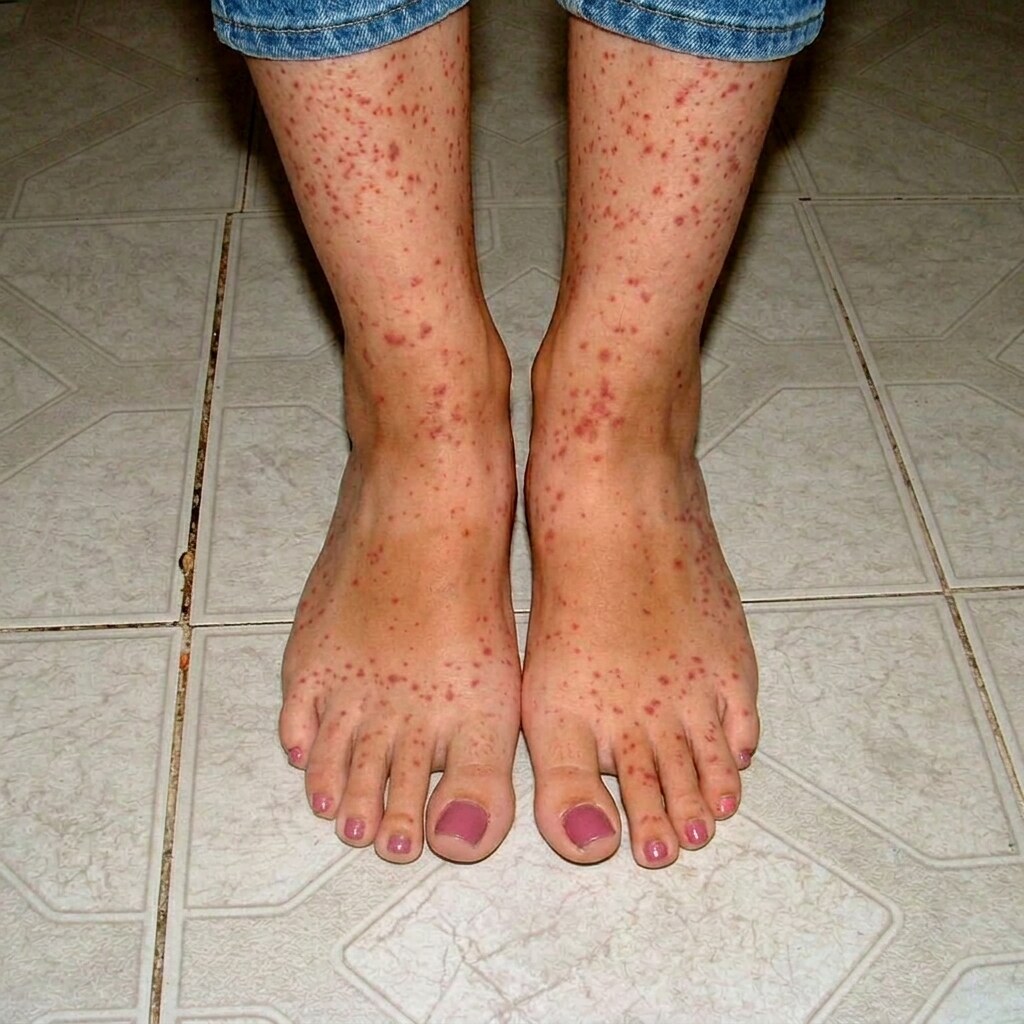
A rash is a change in the appearance of your skin. Most rashes make you look like you are covered in little red dots. Some rashes are raised, some are blistery, still others are flakey. There are lots of different kinds of rashes and even more possible causes, so if you have a rash that is very bad or won't go away, see your Doctor.
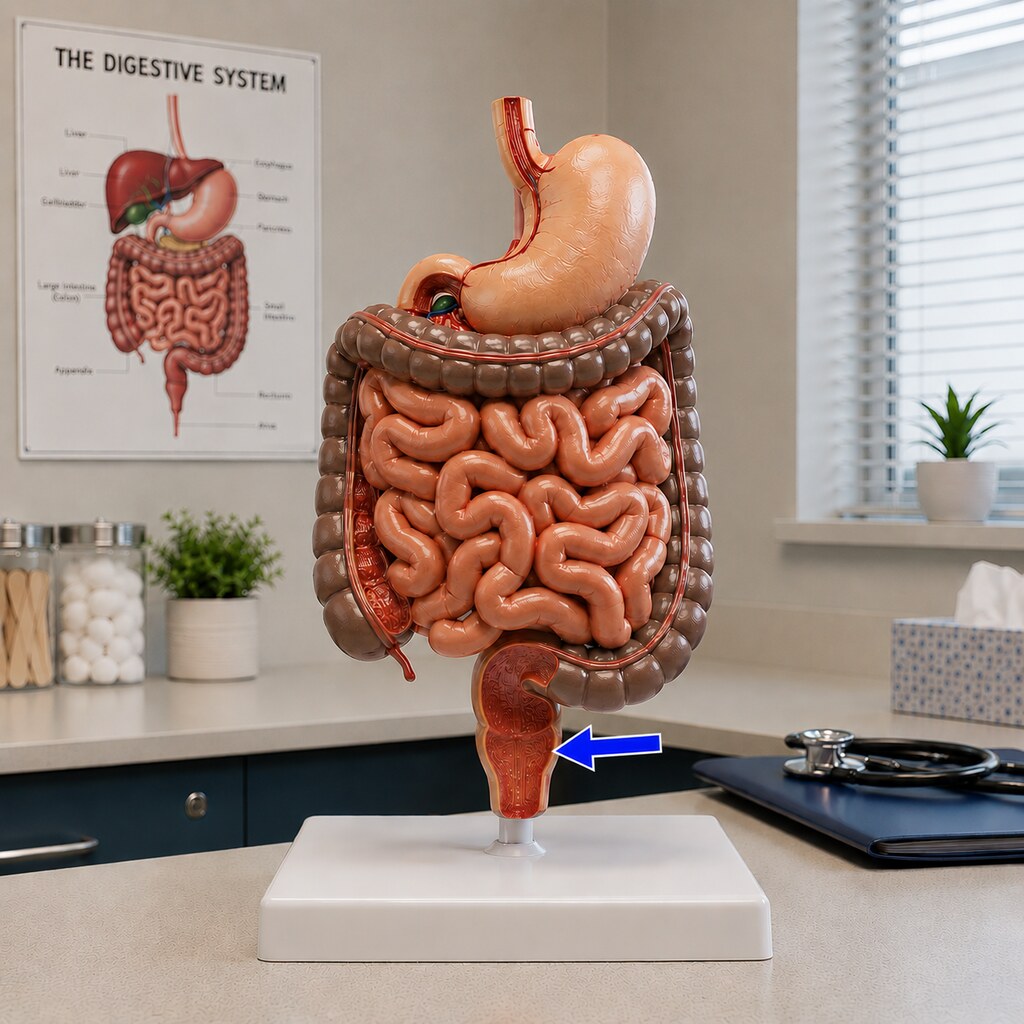
Your rectum is the last section of the large intestine in humans.
The rectum stores solid waste before it leaves the body. Waste moves from the colon into the rectum, then leaves through the anus during a bowel movement.
The rectum stores solid waste before it leaves the body. Waste moves from the colon into the rectum, then leaves through the anus during a bowel movement.
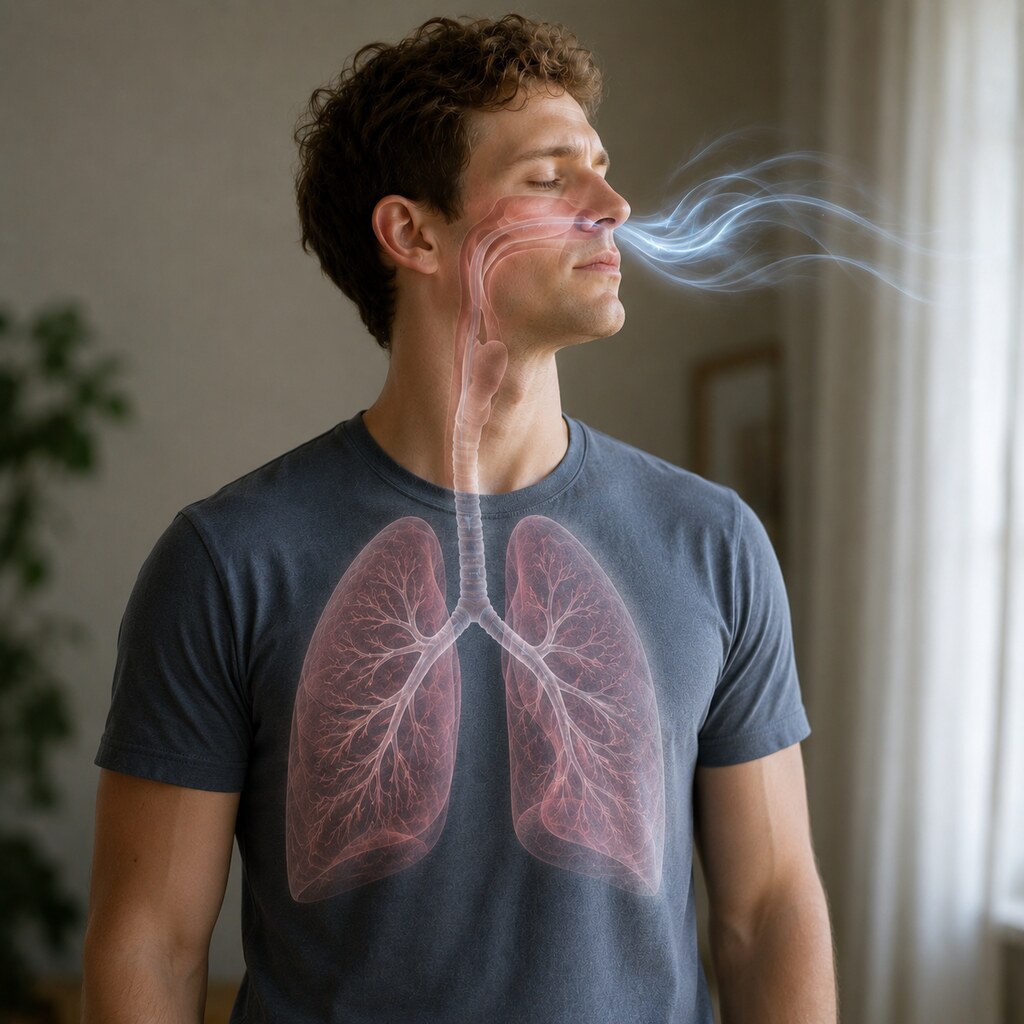
R is for Respiratory tract
It includes the nose, throat, windpipe, and lungs. Air goes in through the nose, then down the windpipe to the lungs. In the lungs, oxygen goes into the blood and carbon dioxide leaves the body when you breathe out.
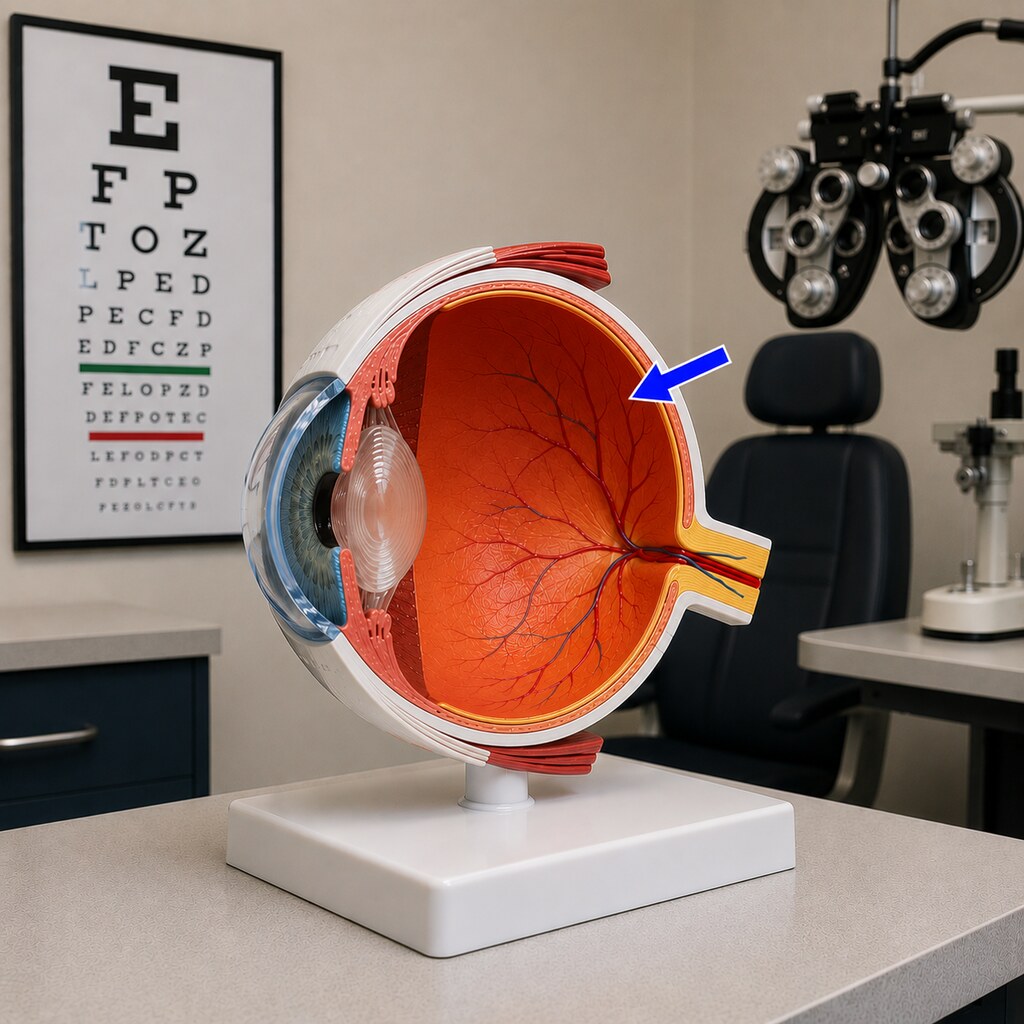
The retina is a thin layer of tissue at the back of the eye. It helps you see by turning light into signals that go into your brain.
The retina is connected to the brain through the optic nerve. When light enters your eye, the retina receives it and sends images as electrical signals. You can find the retina lining the inside surface at the back of each eye.
The retina is connected to the brain through the optic nerve. When light enters your eye, the retina receives it and sends images as electrical signals. You can find the retina lining the inside surface at the back of each eye.
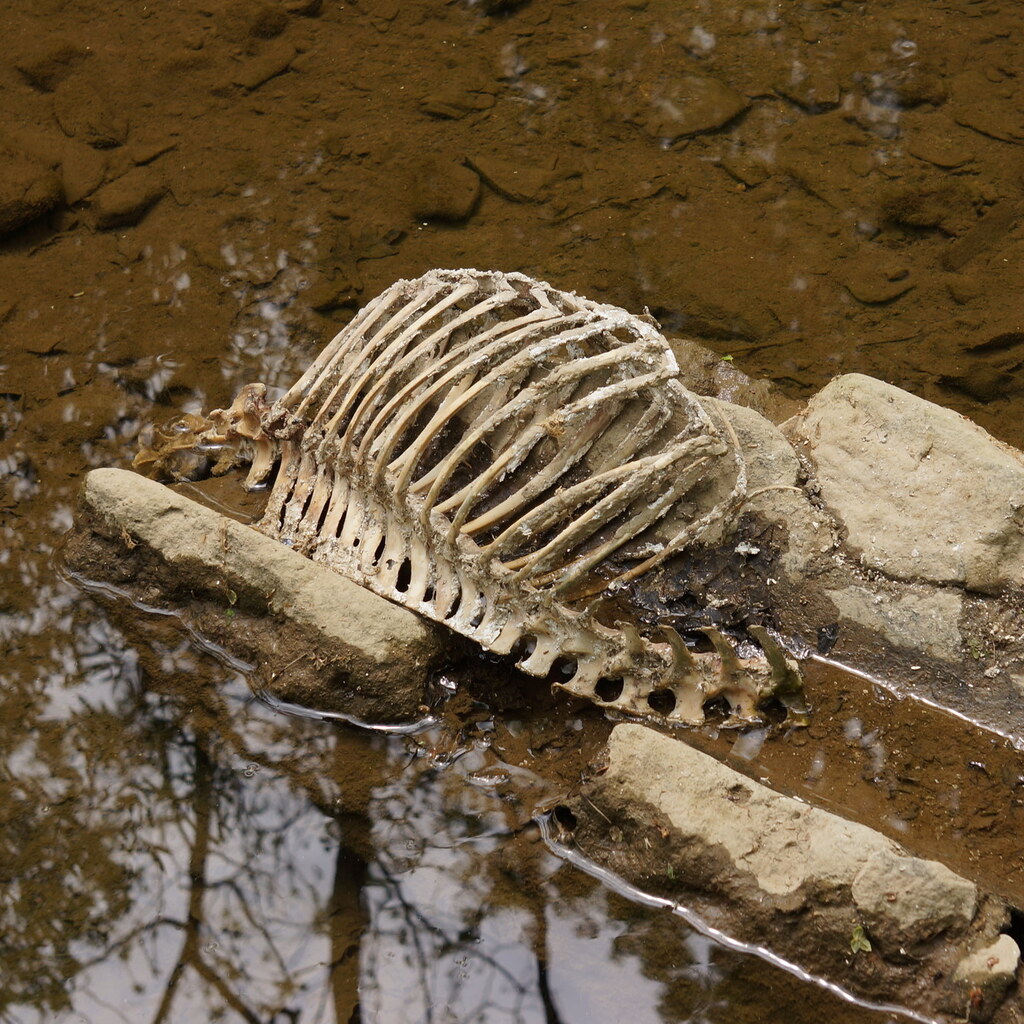
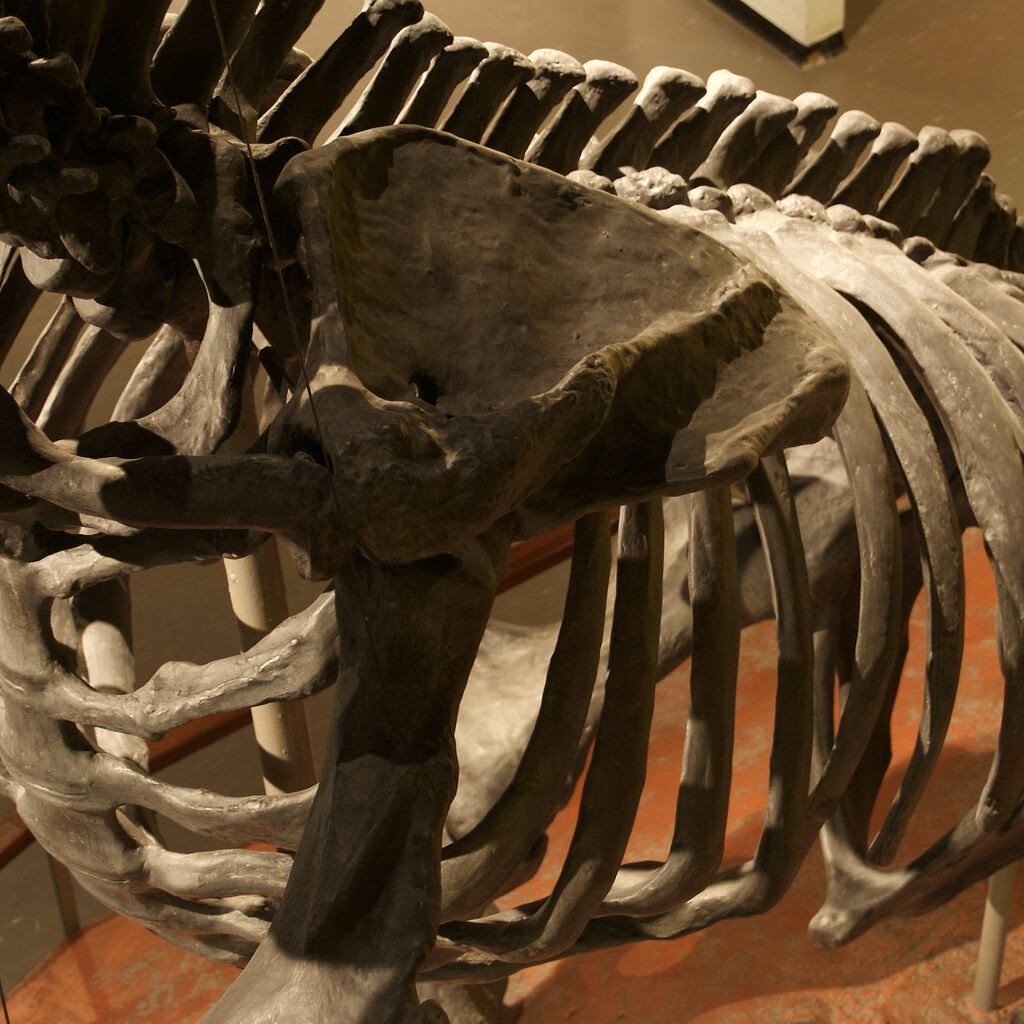
Your ribcage is the bony frame that supports your chest. It helps protect the heart and lungs. You can feel it under the skin on the upper body.
The ribcage is made of ribs, which curve from the spine to the breastbone.
The ribcage is made of ribs, which curve from the spine to the breastbone.

R is for Ring finger
You can find it between the middle finger and the little finger. People often wear wedding bands or other rings on this finger. Wedding rings are worn on the ring finger on your left hand.