Showing 21-40 of 40
A laser is a light source that either emits or converts emitted light to coherent light. This means that the light from the laser is all going in the one direction, with the light waves in synch.
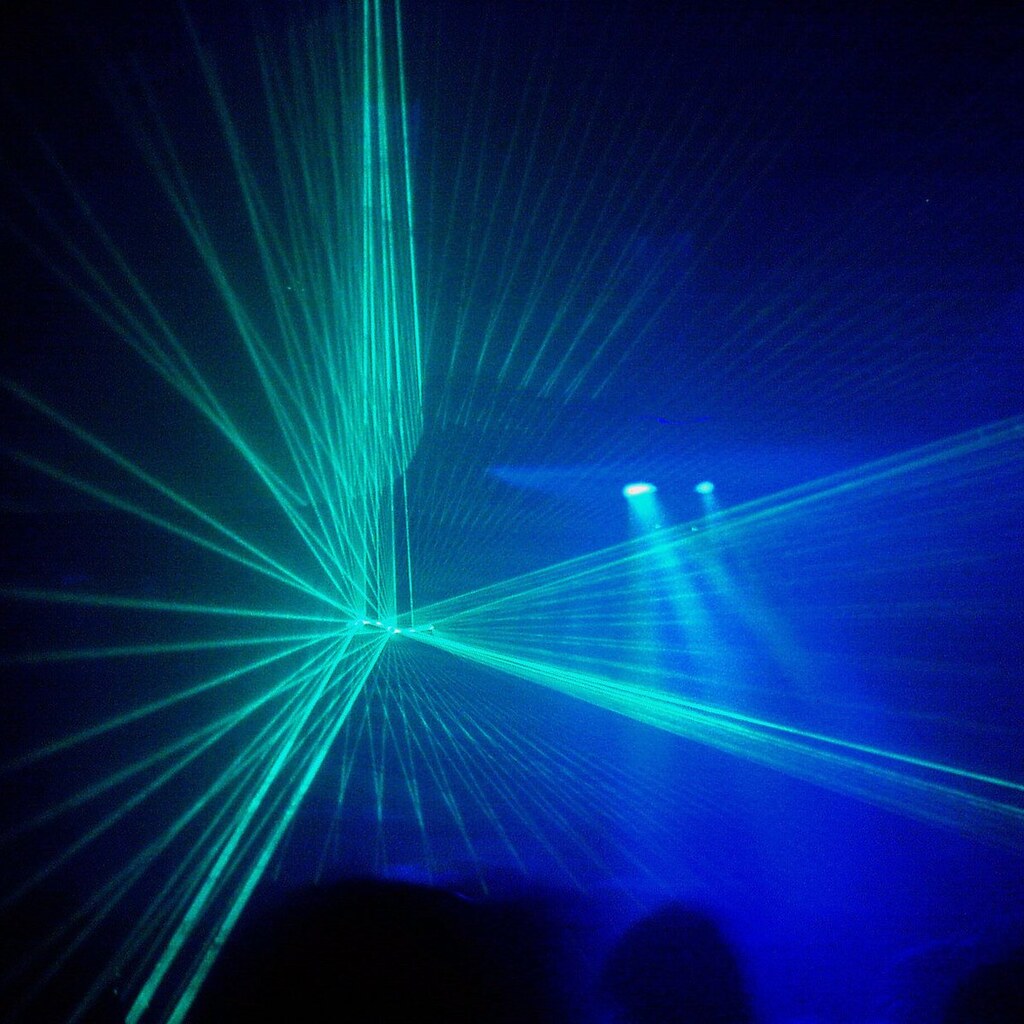
Lasers have many, many uses in science and medicine. Less powerful lasers are also commonly used in laser pointers for pointing out words on a screen or whiteboard, and used to make light shows in nightclubs, as seen in the picture.
Lasers have many, many uses in science and medicine. Less powerful lasers are also commonly used in laser pointers for pointing out words on a screen or whiteboard, and used to make light shows in nightclubs, as seen in the picture.
Light is a type of energy that makes you able to see things. Things like light bulbs, candles and the sun emit light.
Things that don't emit light reflect light, which makes you able to see them.
Things that don't emit light reflect light, which makes you able to see them.
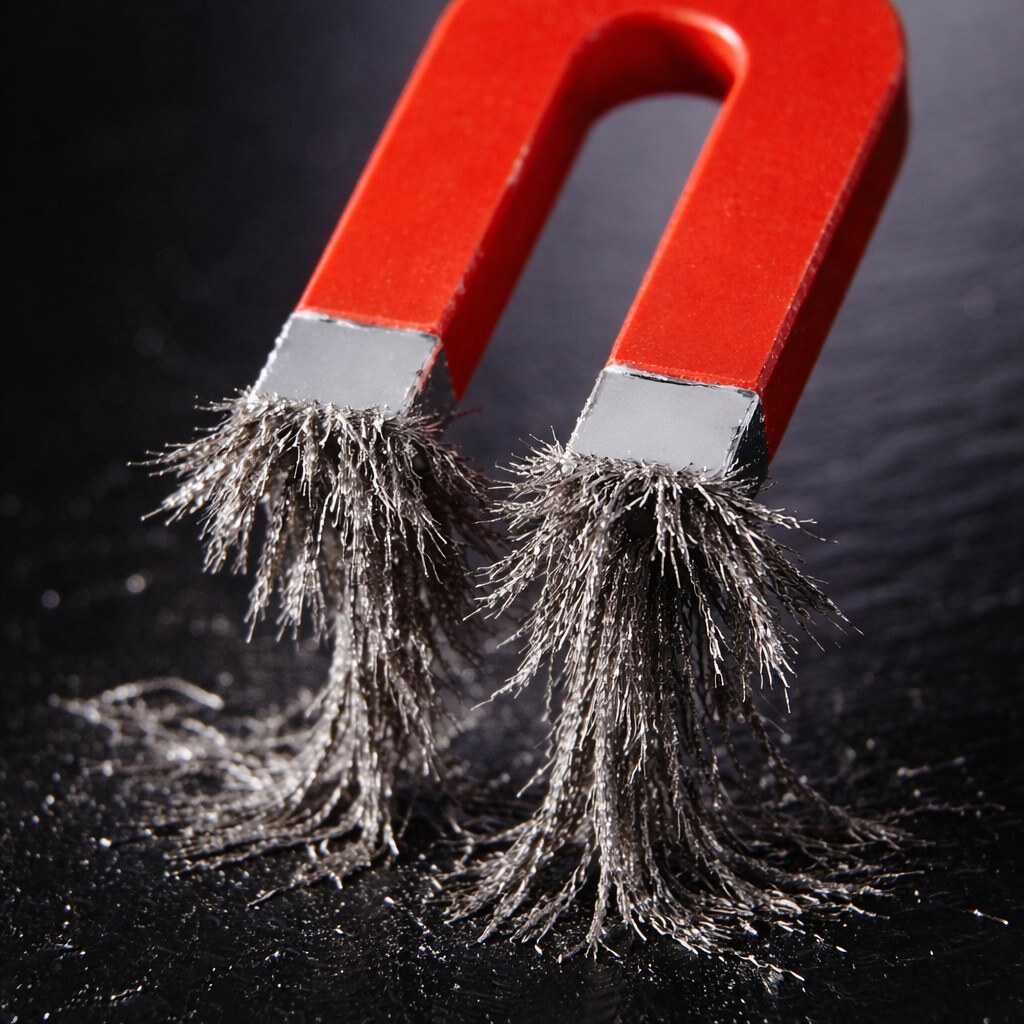
A magnet is material that produces a magnetic field. Because of this field, magnets can both attract and repel each other (depending on which end of the magnet you use) and can attract ferromagnetic materials, such as iron. The small pieces of iron filing on the magnet in the picture follow the shape of the magnet's magnetic field.
Magnets are most often seen stuck to refrigerators.
Magnets are most often seen stuck to refrigerators.

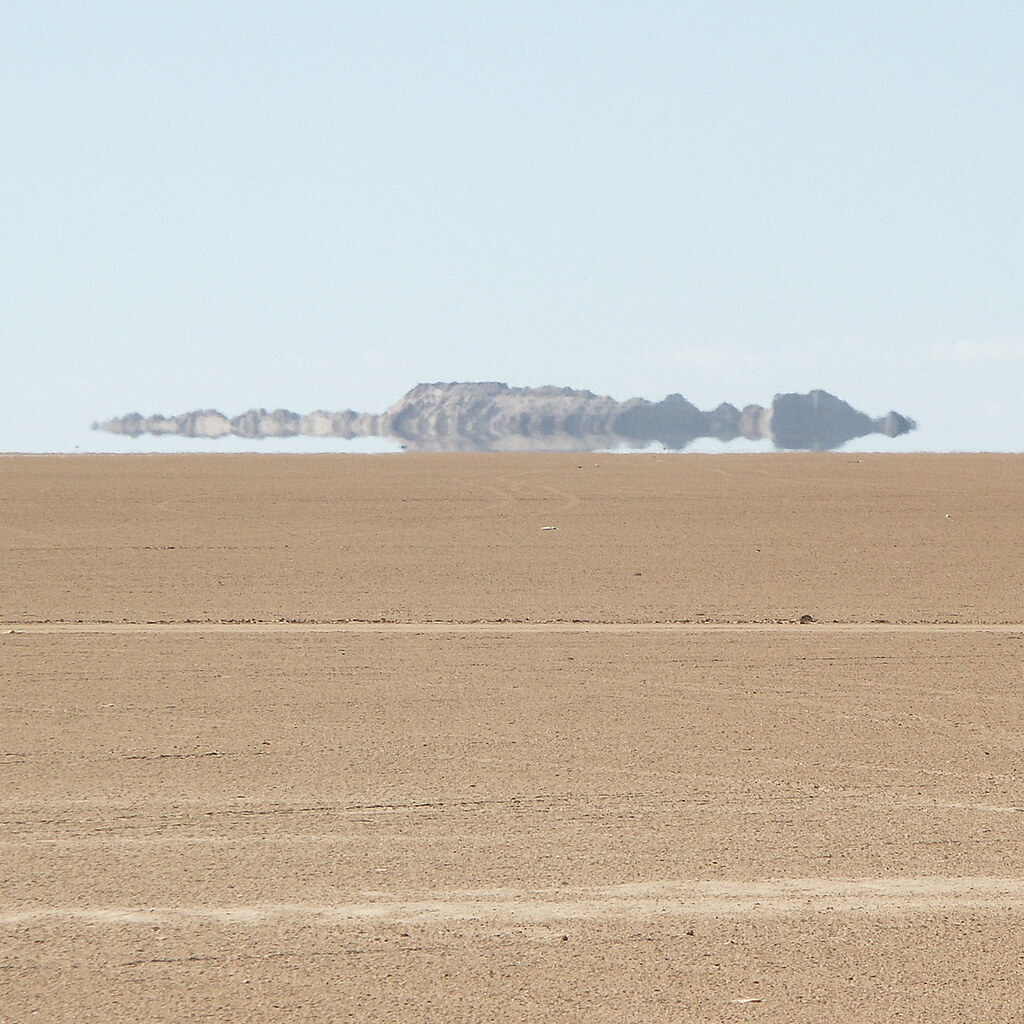
A mirage happens when there are areas of air close to each other at different temperatures, which causes light to bend. This often happens when there is a layer of very hot air just above a road. The result is that something that should be seen in one place is seen in another place. Mirages can look a lot like water on the ground, reflecting the sky.
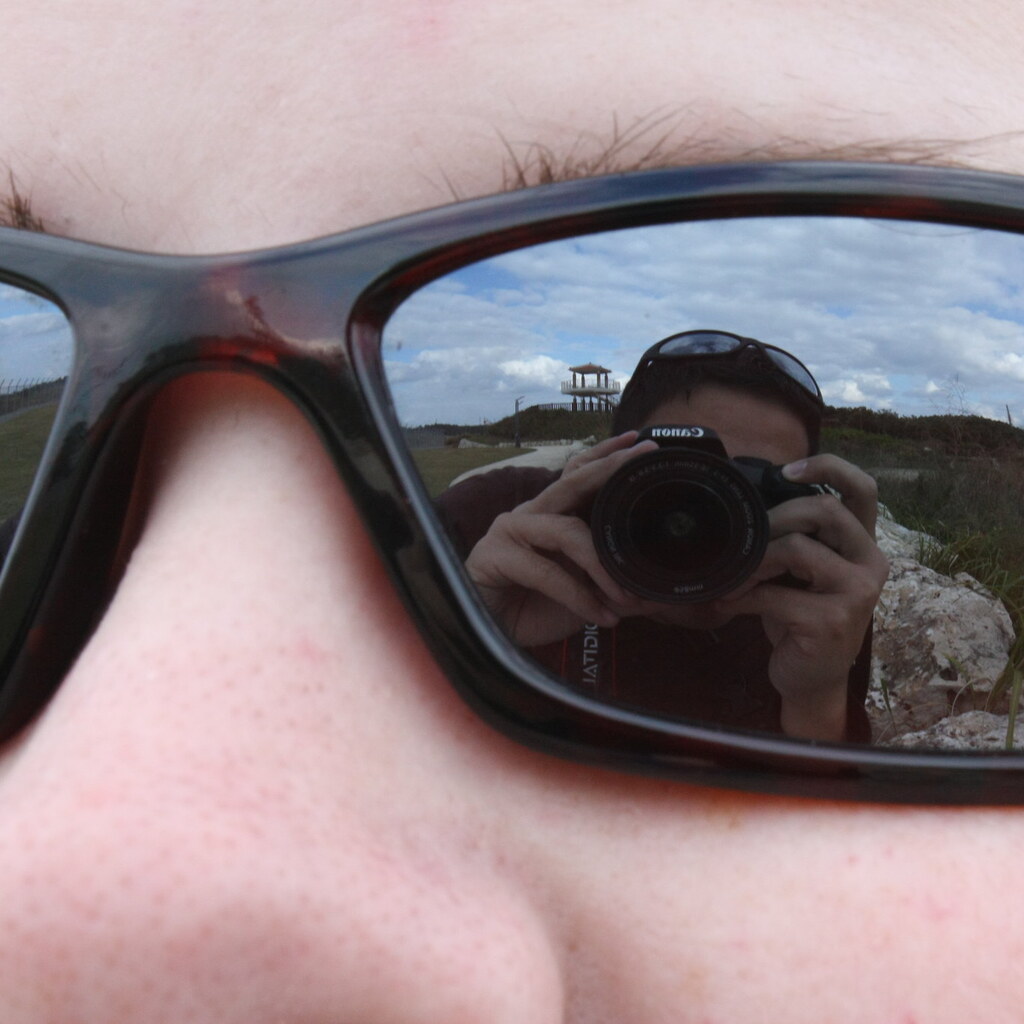
Something reflects light if it is shiny enough that the light hits it and bounces back off it. The man in the picture has sunglasses that reflect light.

R is for Reflection
In the picture, you can see a reflection of the tree in the water.
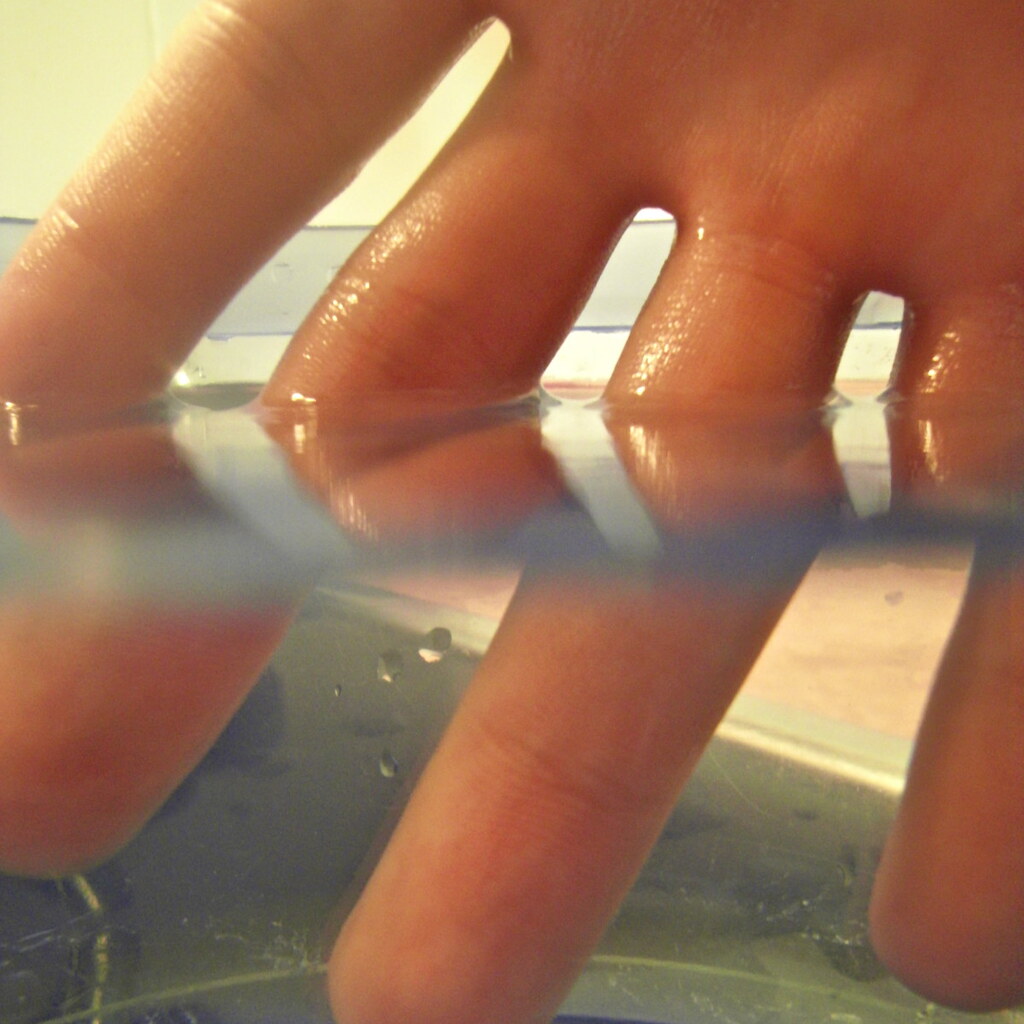
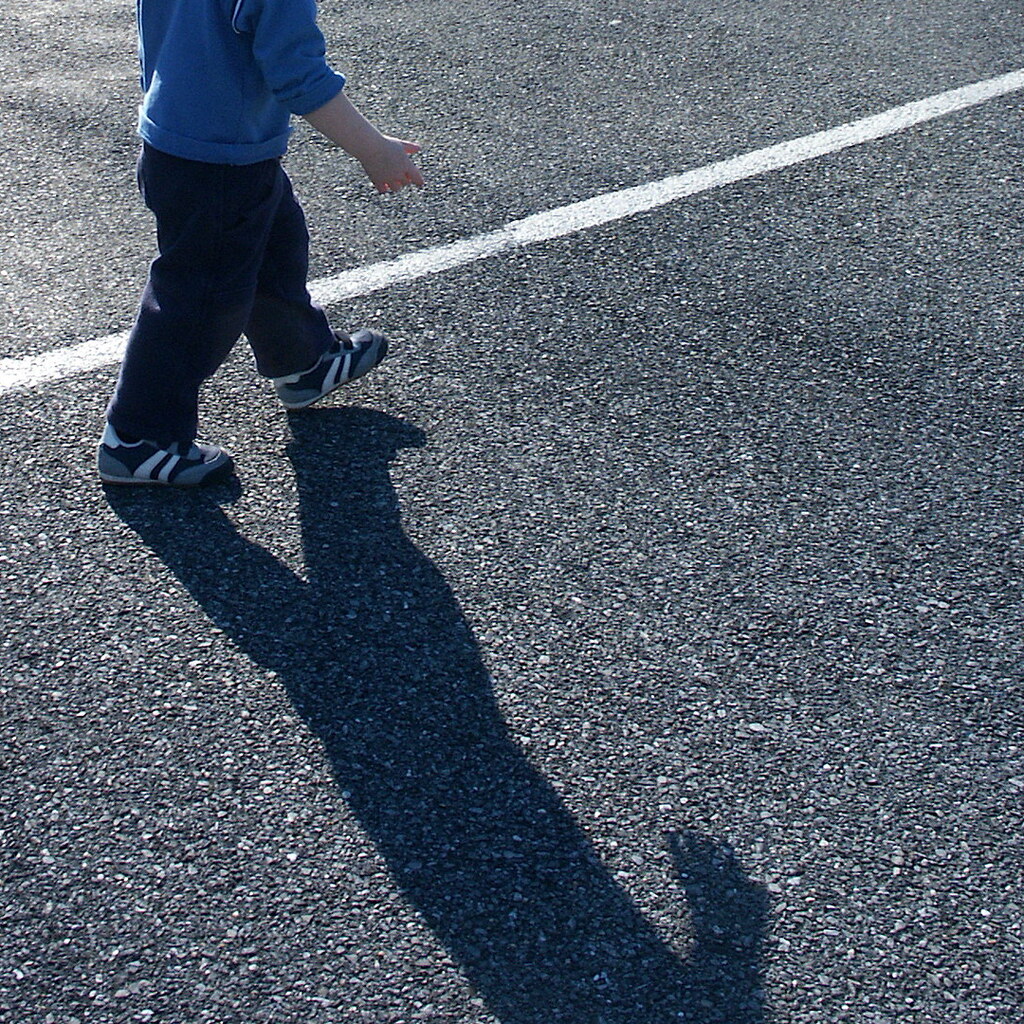
When you stand in front of a light like the sun, some of the light hits you and some of the light goes past you. Where you are in the way between the sun and the ground, there will be a shadow. A shadow is just somewhere there is less light than there is around it. Shadows are the same shape as whatever is blocking the light.
Shadows change size and shape depending on how high or low the light is. Shadows are darker and clearer when the light is strong and coming from only one direction. You can make shadow puppets with your hands or some cut-out shapes, a light and a wall.
Shadows change size and shape depending on how high or low the light is. Shadows are darker and clearer when the light is strong and coming from only one direction. You can make shadow puppets with your hands or some cut-out shapes, a light and a wall.

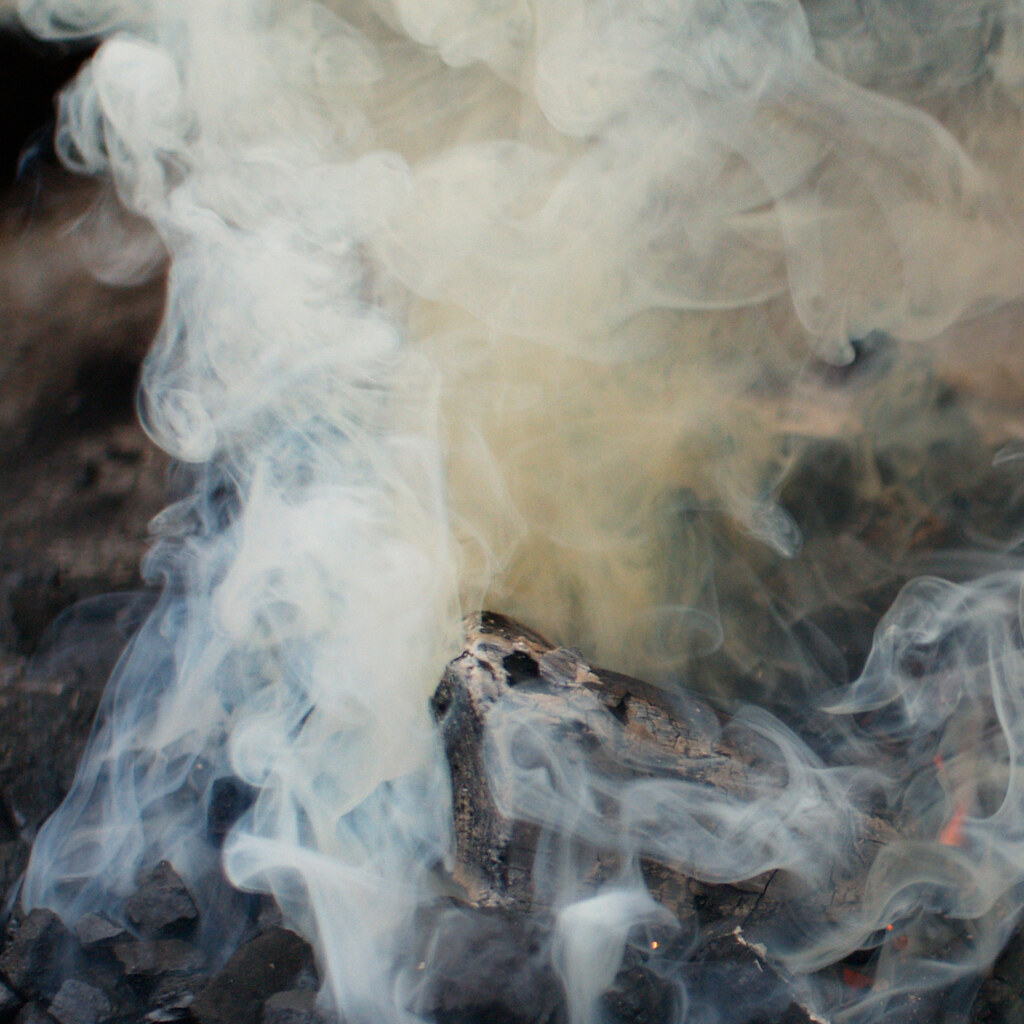
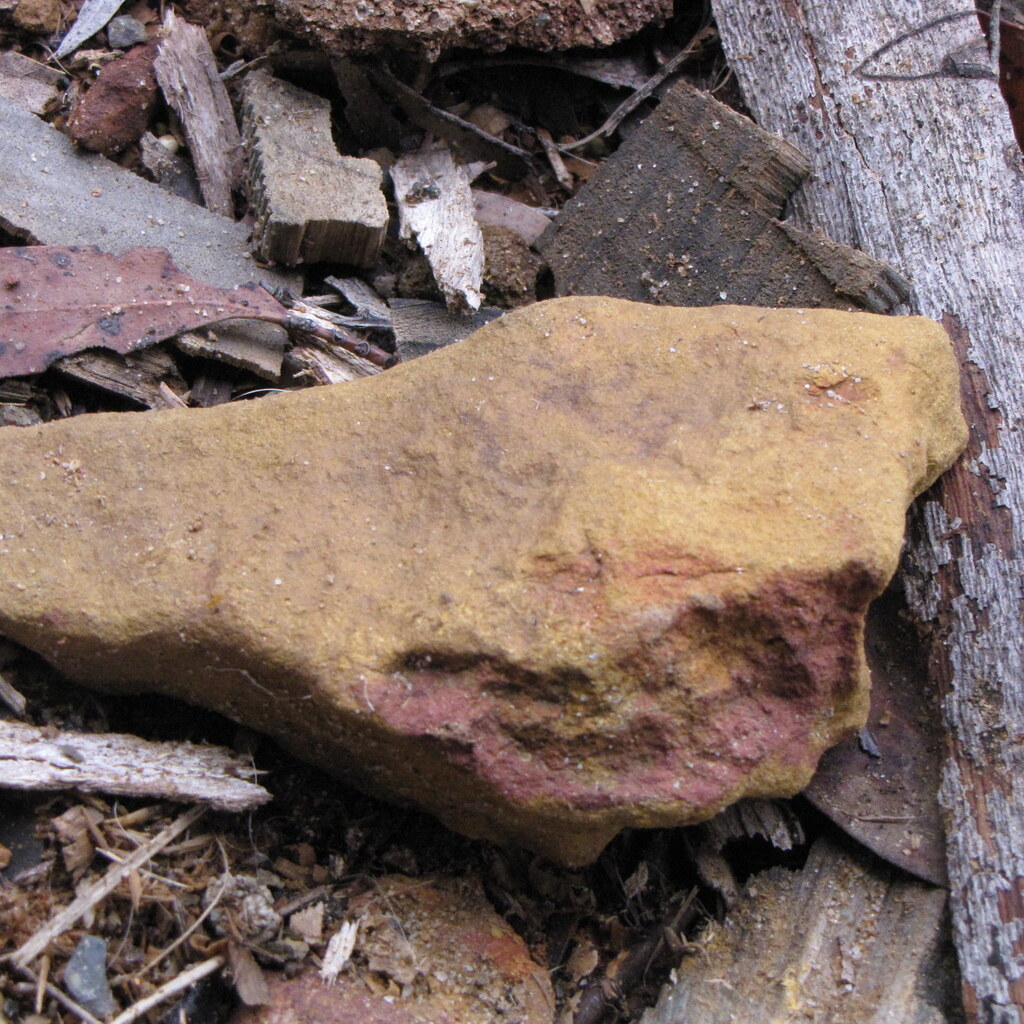
A solid is something in a state that is generally difficult to change the shape of. Most things that you can see around you are solids - your furniture, rocks, and the computer you are reading this on. The other two states that physical things can be in are liquid and gas. Both of these can change shape extremely easily. You can pour water very easily because it is a liquid, but you can't pour a brick.
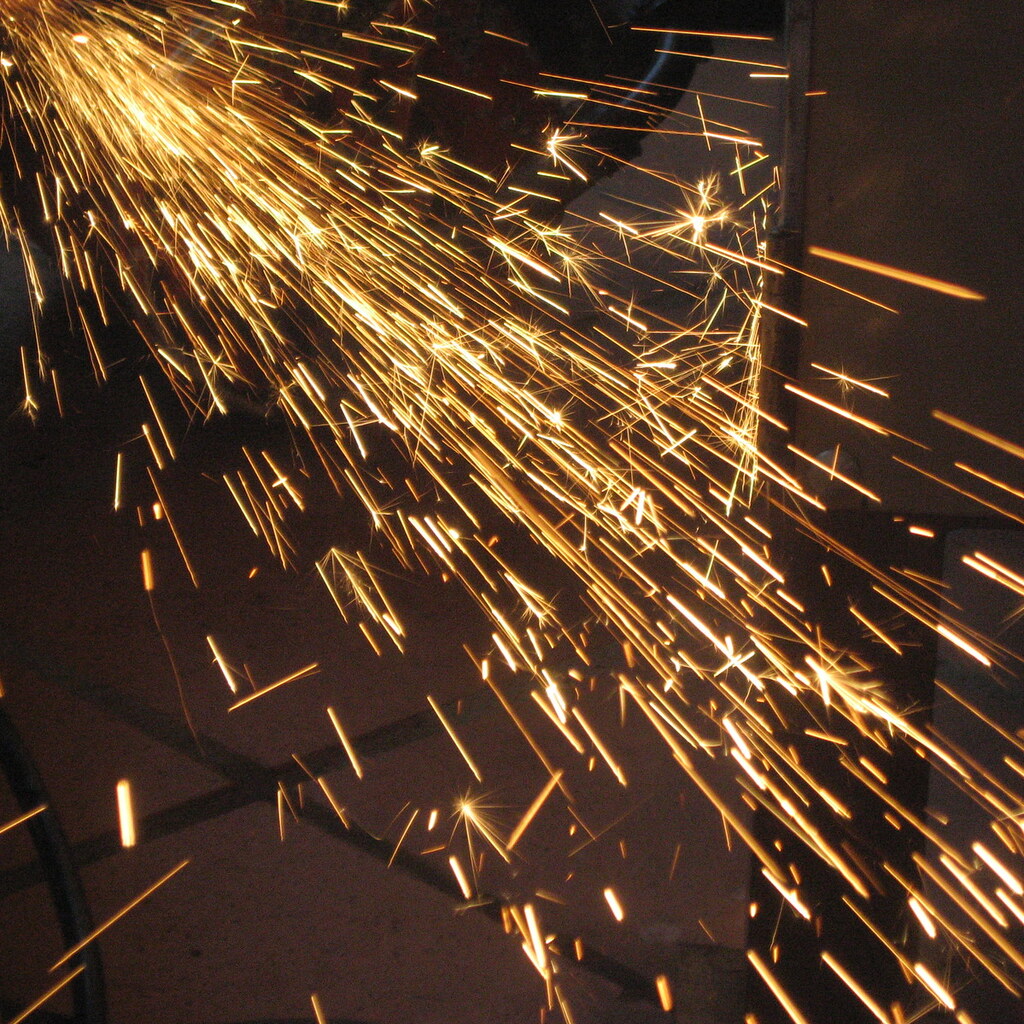
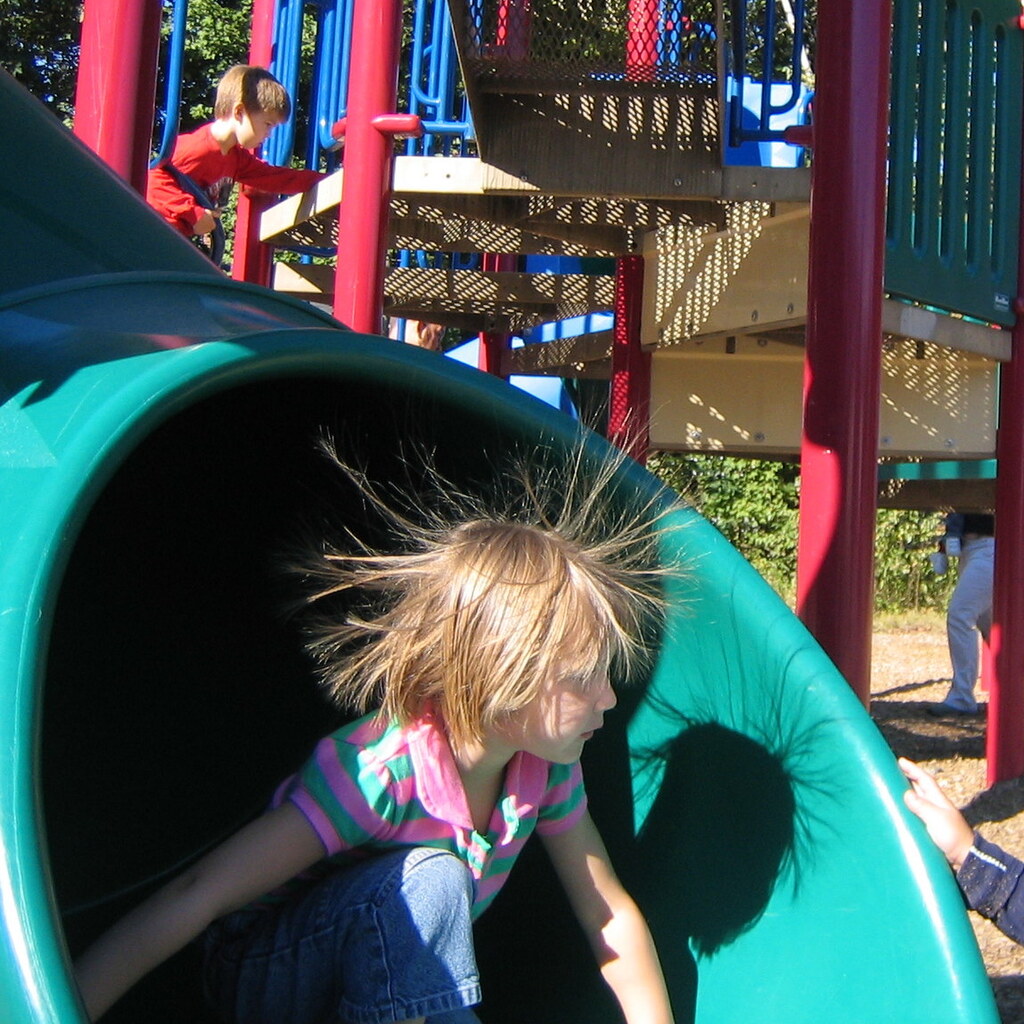
S is for Static (Electricity)
Static electricity discharges when something with the charge touches something else that can accept the charge. It discharges with a zap that can hurt.