Showing 1-20 of 40
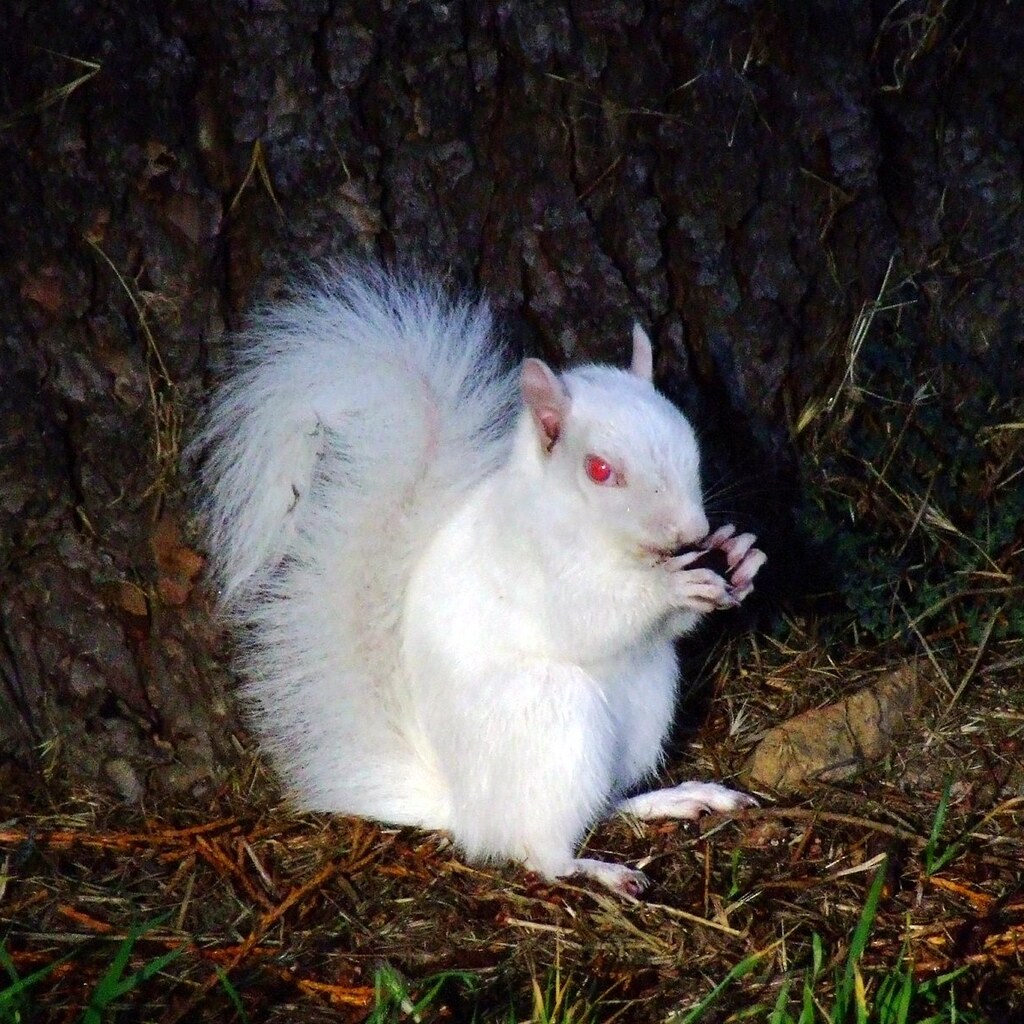
An animal is albino if it is missing the brown pigment in their skin and hair that would otherwise make them a normal color. Albino animals are usually pure white with pink or pale blue eyes. Albino animals don't usually live very long in the wild as they do not camouflage very well. Albino and white animals are also prone to sunburn. Albino rabbits are very common as pets. The albino in the picture is a squirrel.
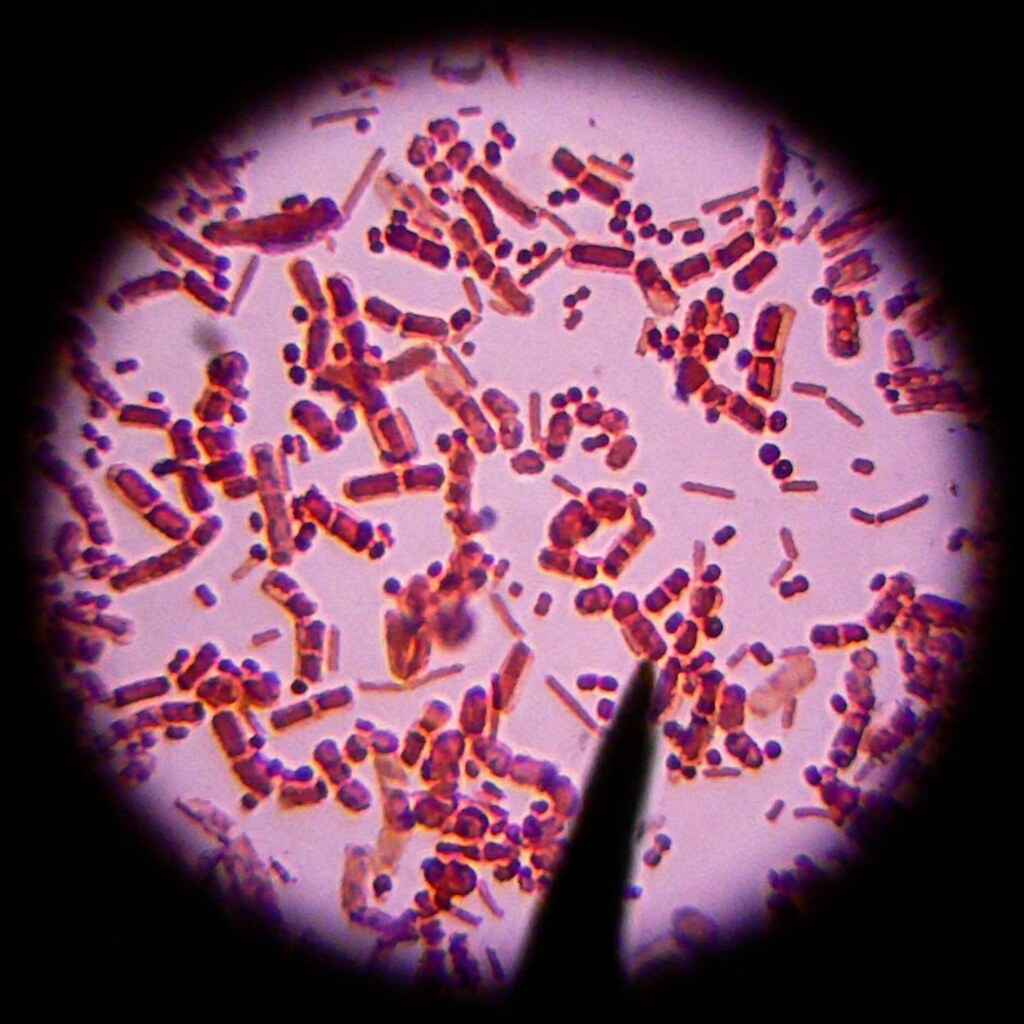
Bacteria are organisms that have only one cell. In contrast, humans are made up of millions of cells. Bacteria are so small they cannot be seen, but if enough of them are in the same place you will be able to see them.
Most bacteria are harmless or even beneficial, but some can cause food poisoning, infection and disease.
Most bacteria are harmless or even beneficial, but some can cause food poisoning, infection and disease.
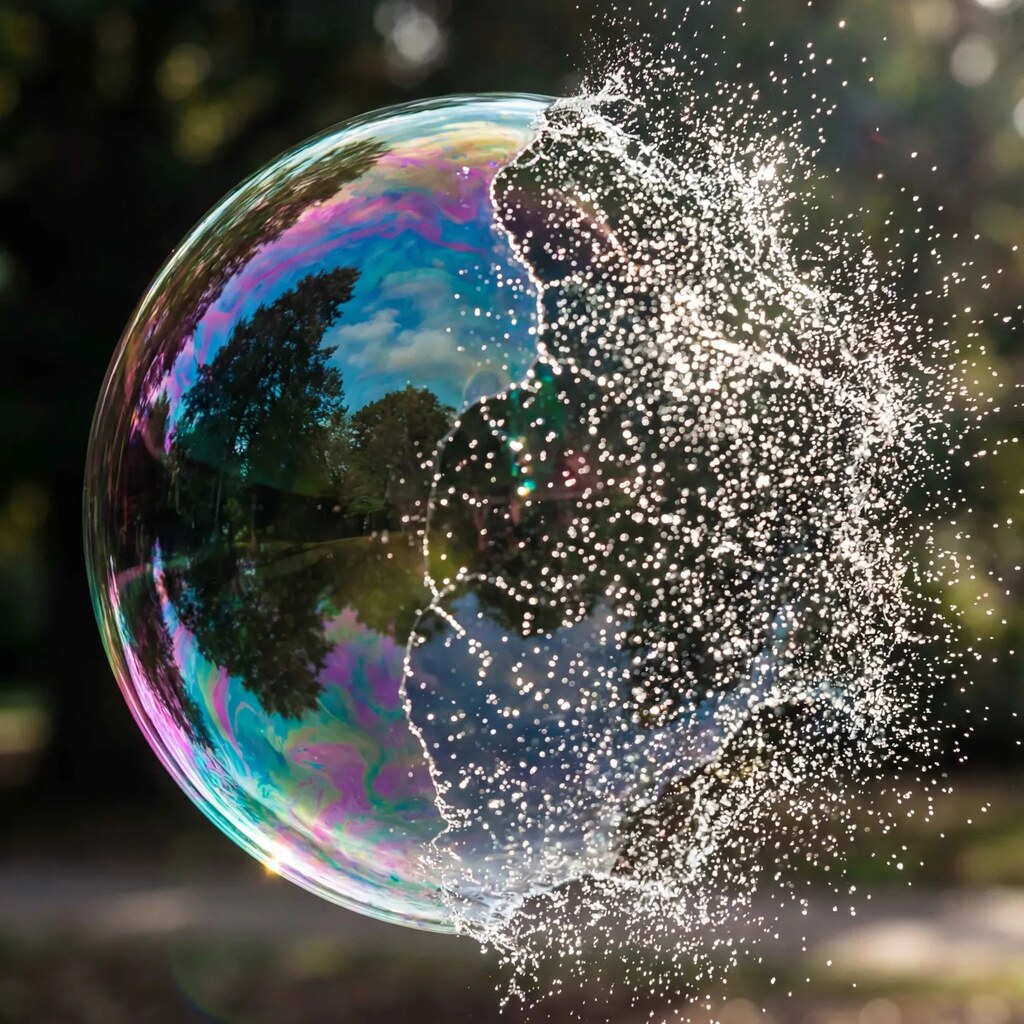
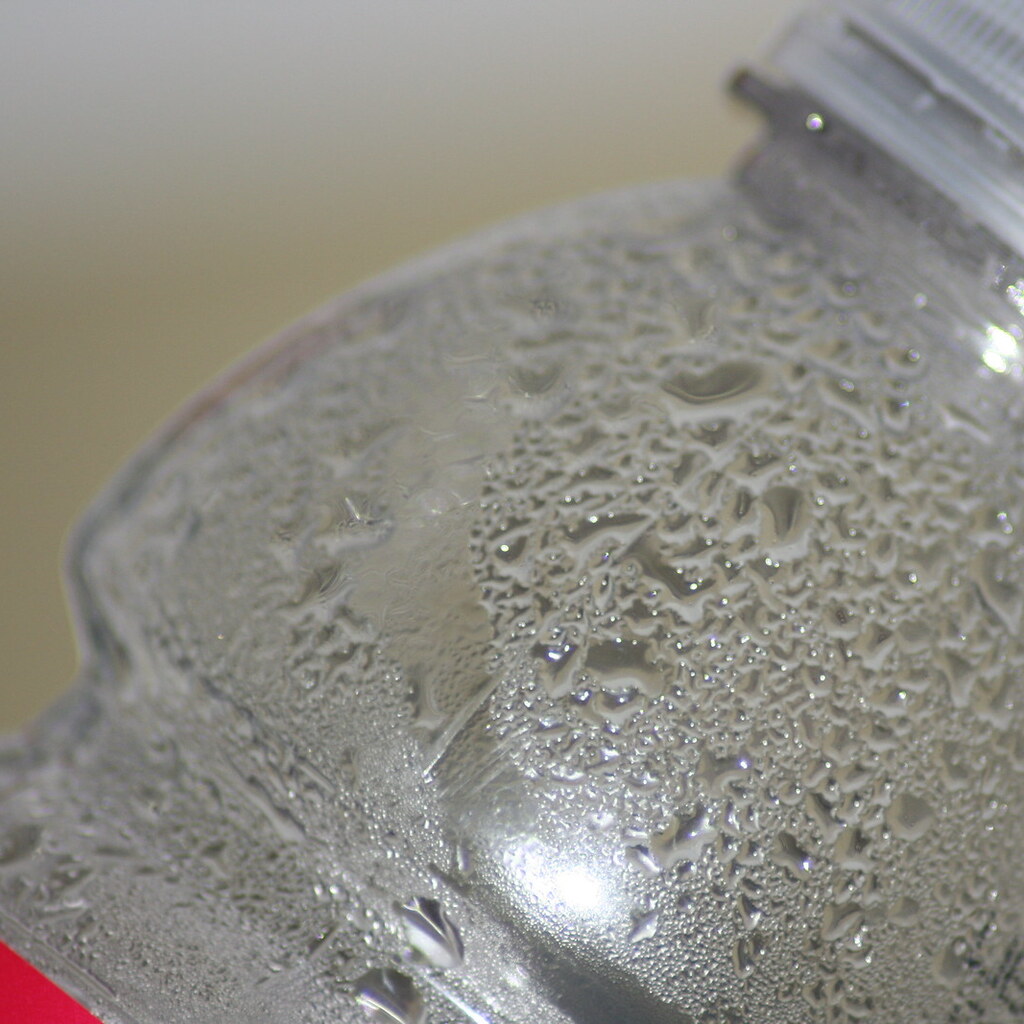
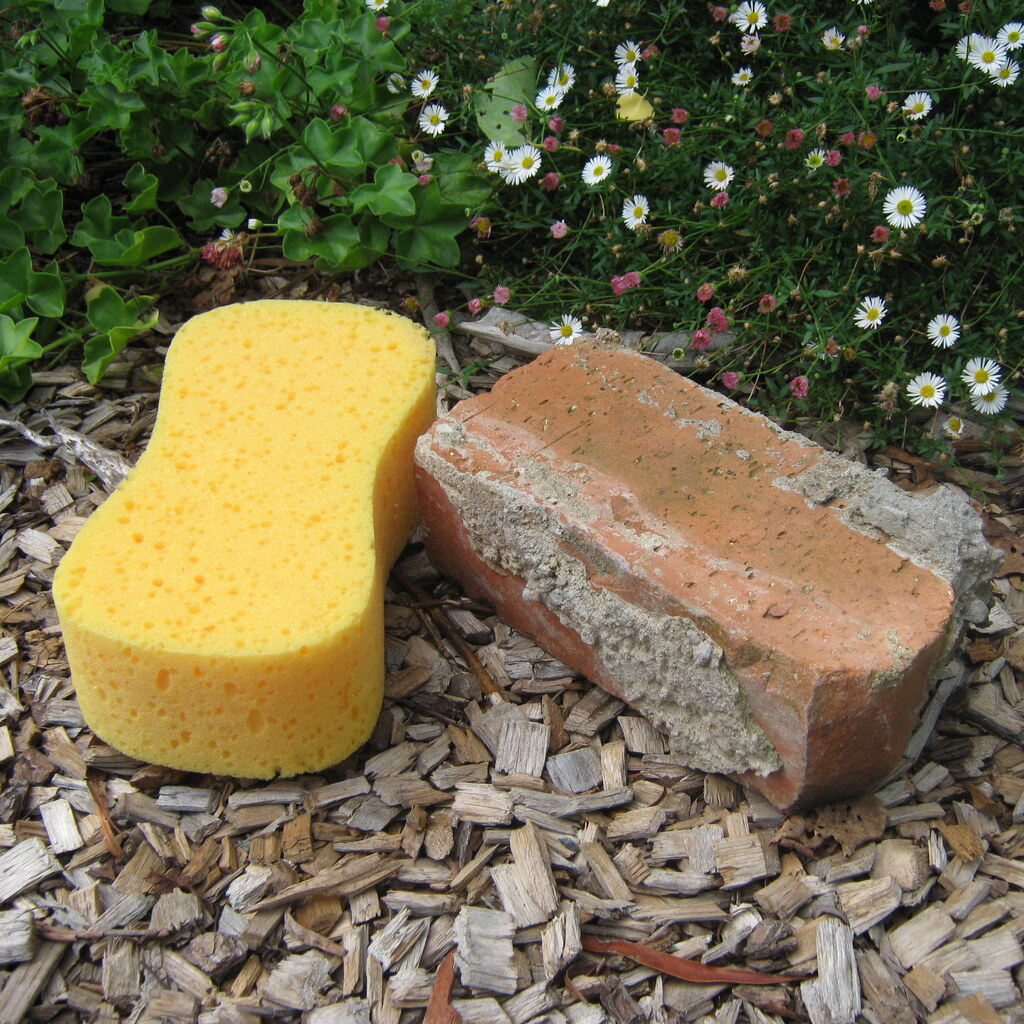
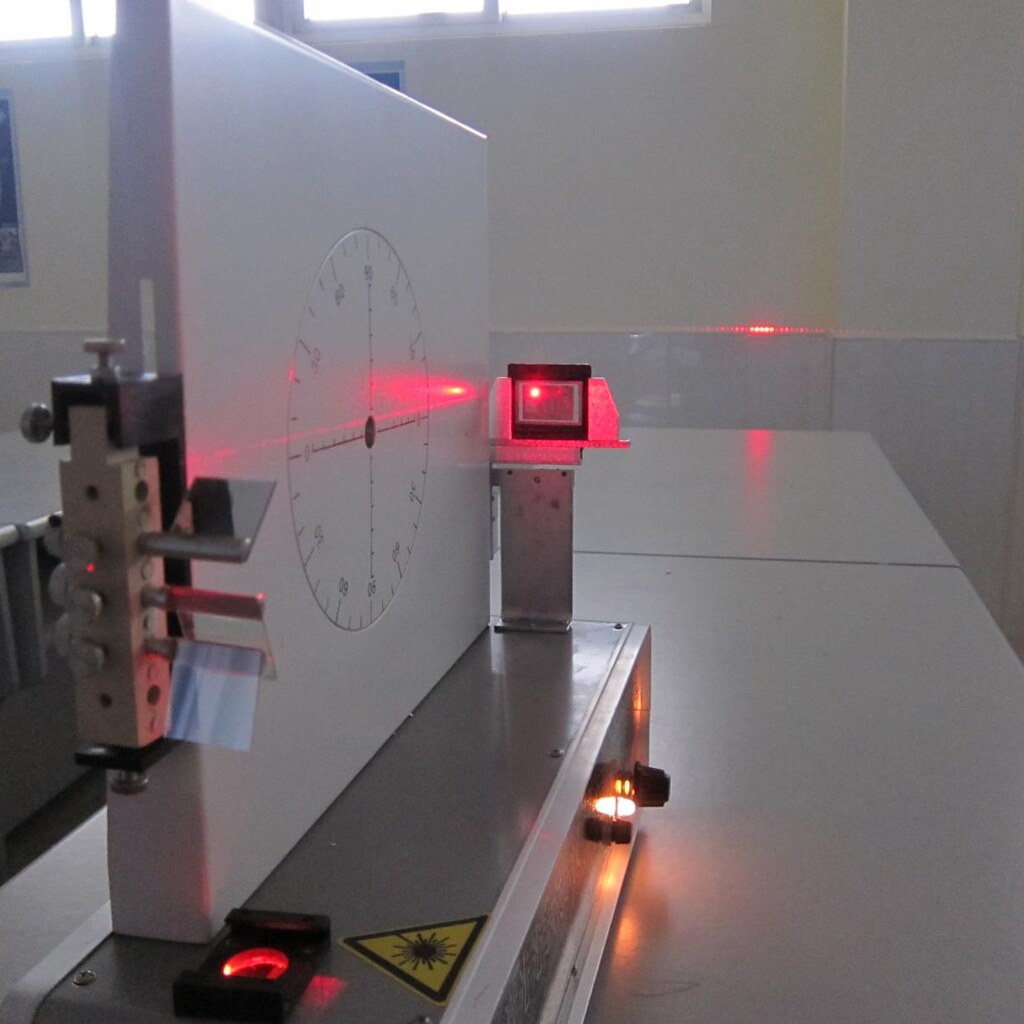
D is for Diffraction
Diffraction is easiest to notice when the opening or obstacle is about the same size as the wave's wavelength. Light passing through a tiny slit can form bright and dark bands, while sound can bend around corners so people hear it even when they cannot see what is making the sound.
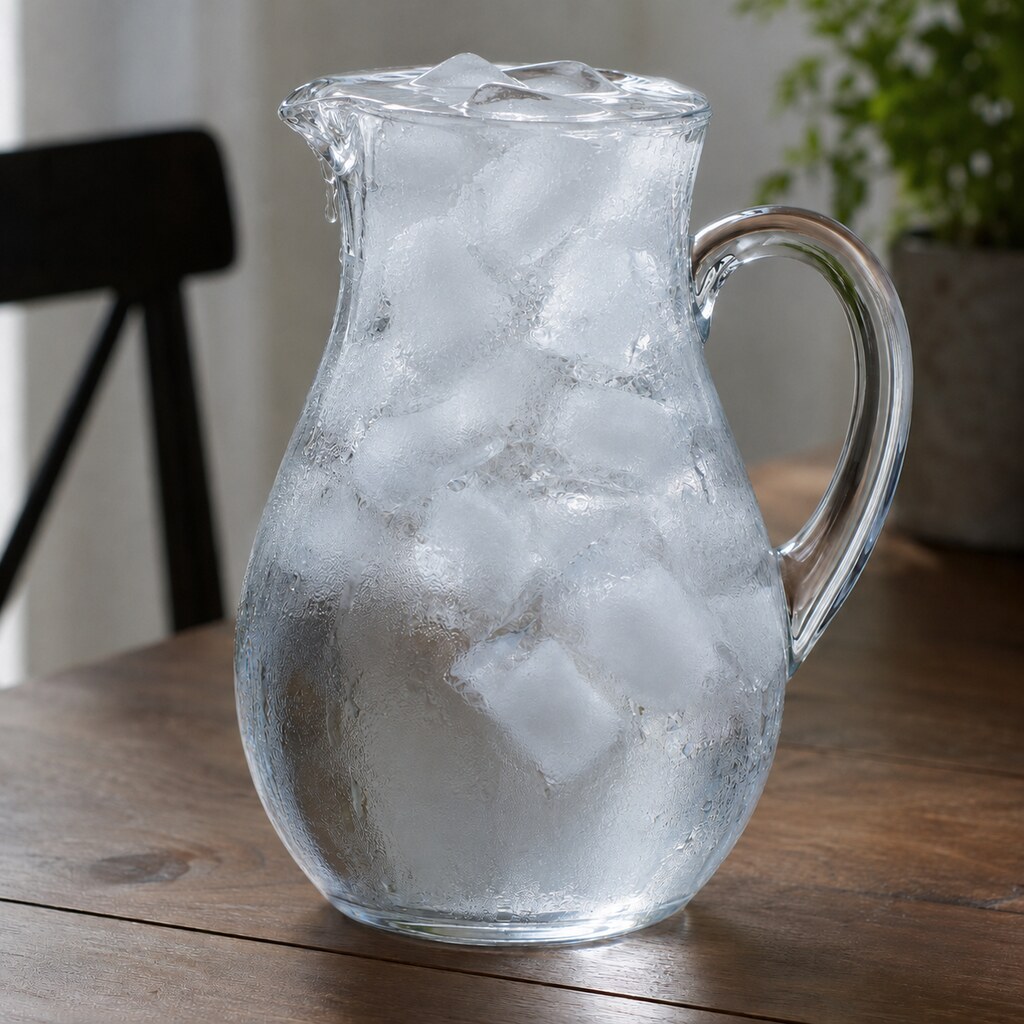
D is for Displacement
Displacement is often used in science and math. In physics, it shows the distance and direction an object moves. In water, it can also mean the amount of liquid a solid pushes aside, which helps measure volume.
The minigame above shows displacement of water by marbles.
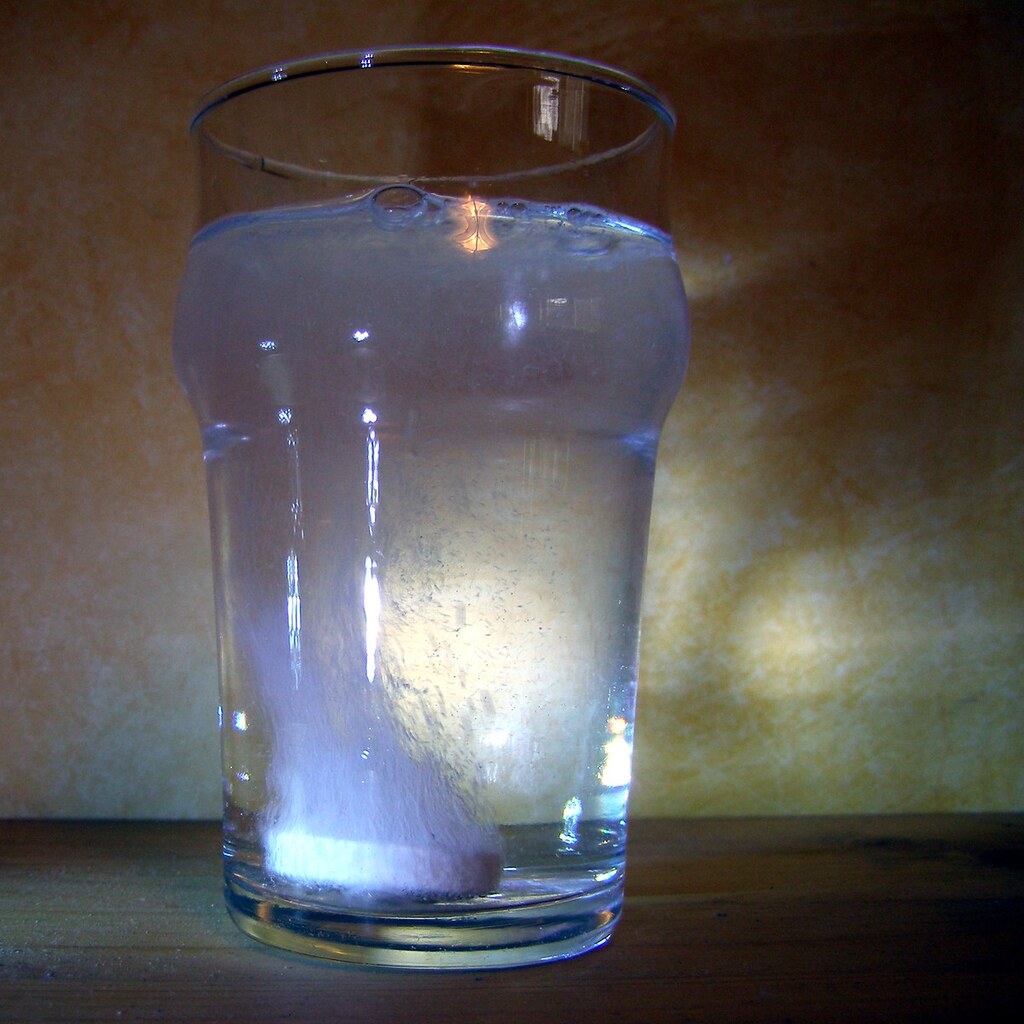
You dissolve a solid in a liquid by mixing the solid around until it seems to disappear. Once the solid is completely dissolved, the resulting solution behaves exactly like a liquid. Solids won't dissolve in any liquid, they must be soluble in them. For example, table salt is soluble in water but not in oil.
Solids that do not dissolve in a liquid but are mixed into a liquid can be removed with a filter. Filtering is an effective way to remove very fine particles of dirt from water.
Solids that do not dissolve in a liquid but are mixed into a liquid can be removed with a filter. Filtering is an effective way to remove very fine particles of dirt from water.
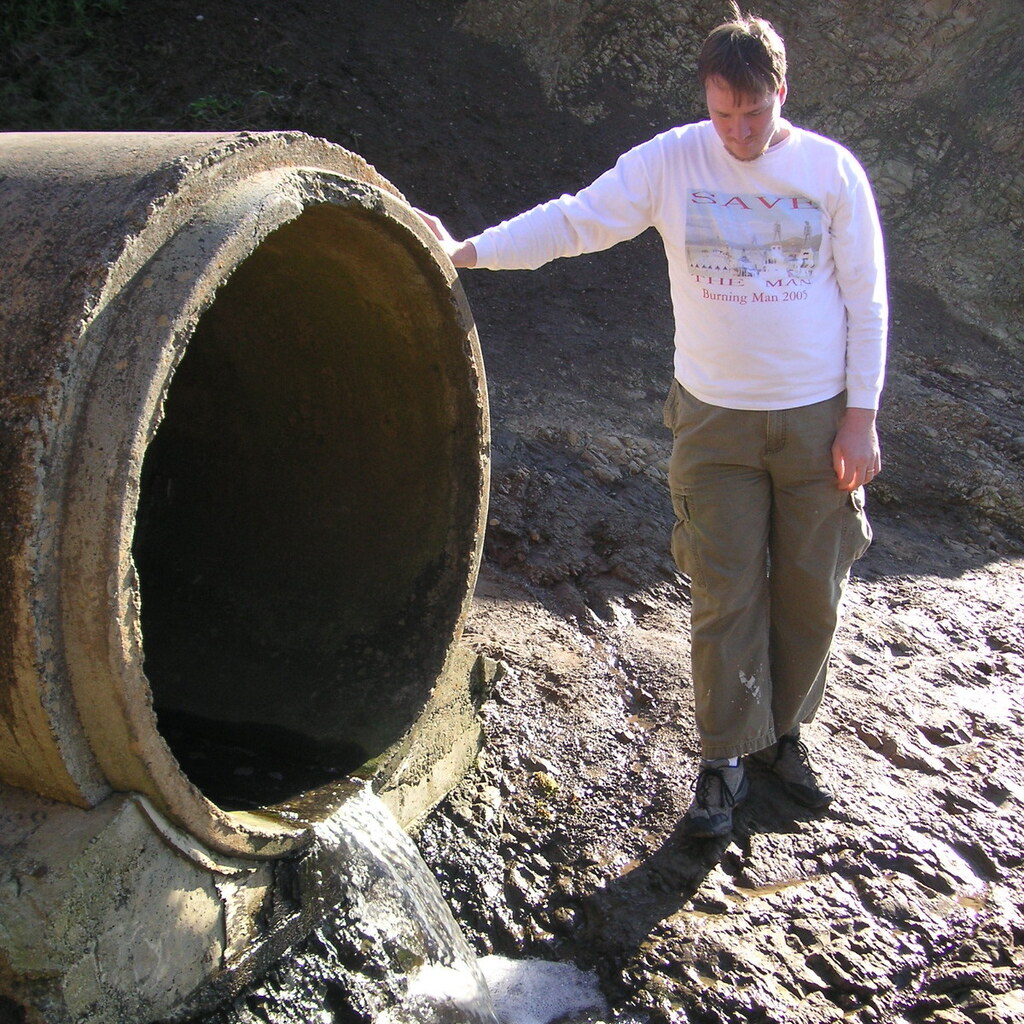
An echo is reflected sound. You get echos most often in enclosed spaces with hard walls, like an empty room with wooden floors, or the inside of a large concrete pipe like in the picture. If you make a noise in a place like this, the noise you make sounds like it is being repeated back at you again and again, getting quieter each time.
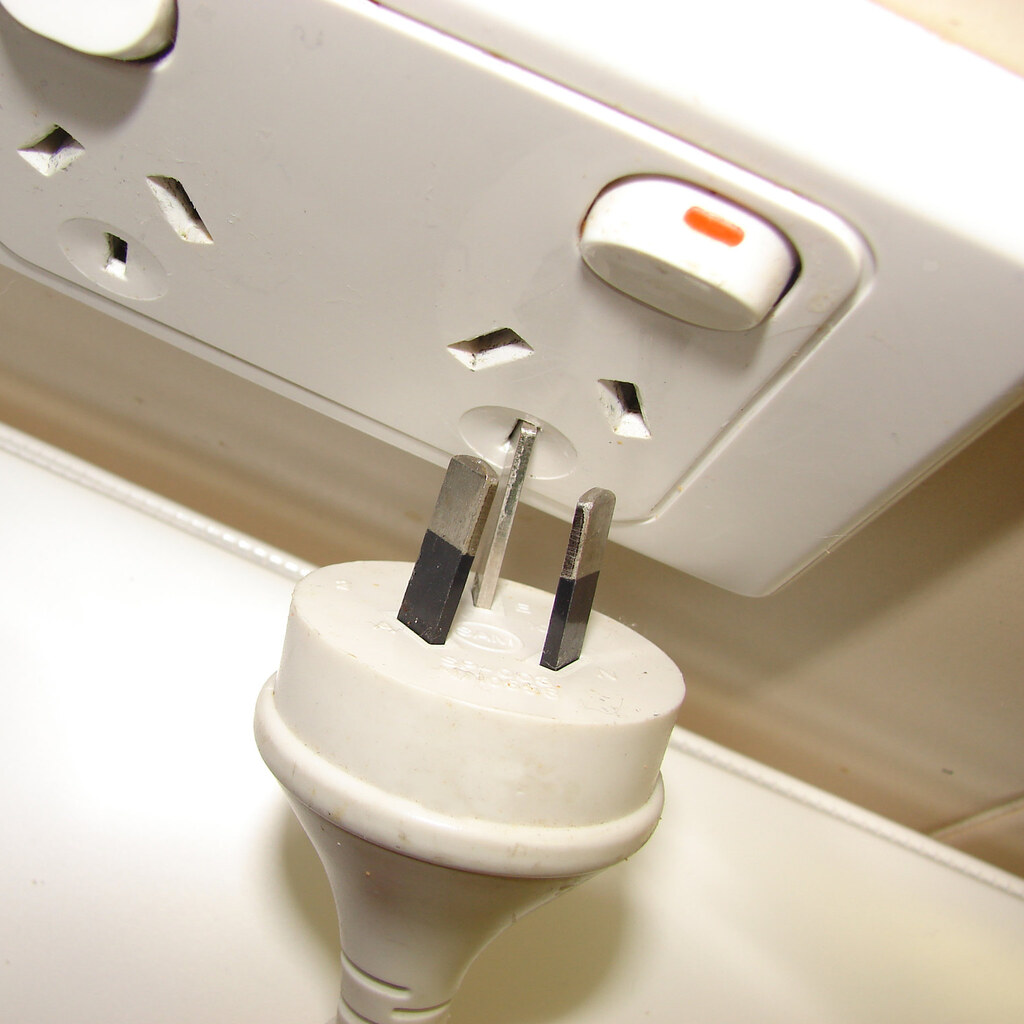
E is for Electricity
Electricity is used to make many common things around you work, such as your refrigerator, modern watches, computers and phones.
Electricity can be stored inside a battery to be used later.
You may also be interested in static electricity or lightning, two other effects of electricity.
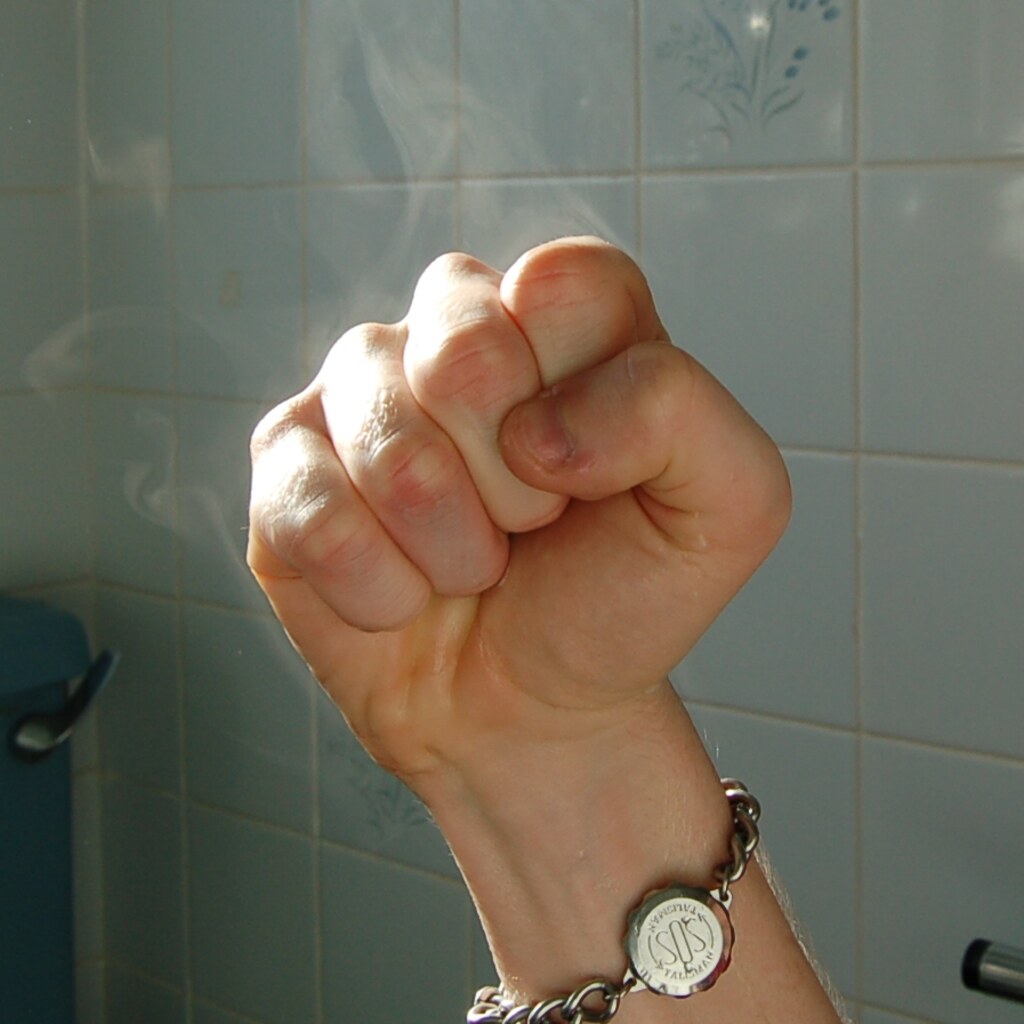
Evaporation is the process of a liquid slowly turning into a gas. You see evaporation in everyday life when you hang out washing (laundry) or something else wet to dry. Evaporation happens when the molecules in the liquid get enough energy - usually from sunlight - to break through the surface of the liquid and float away. You can see the fist in the picture is steaming as the water from a hot shower evaporates away.
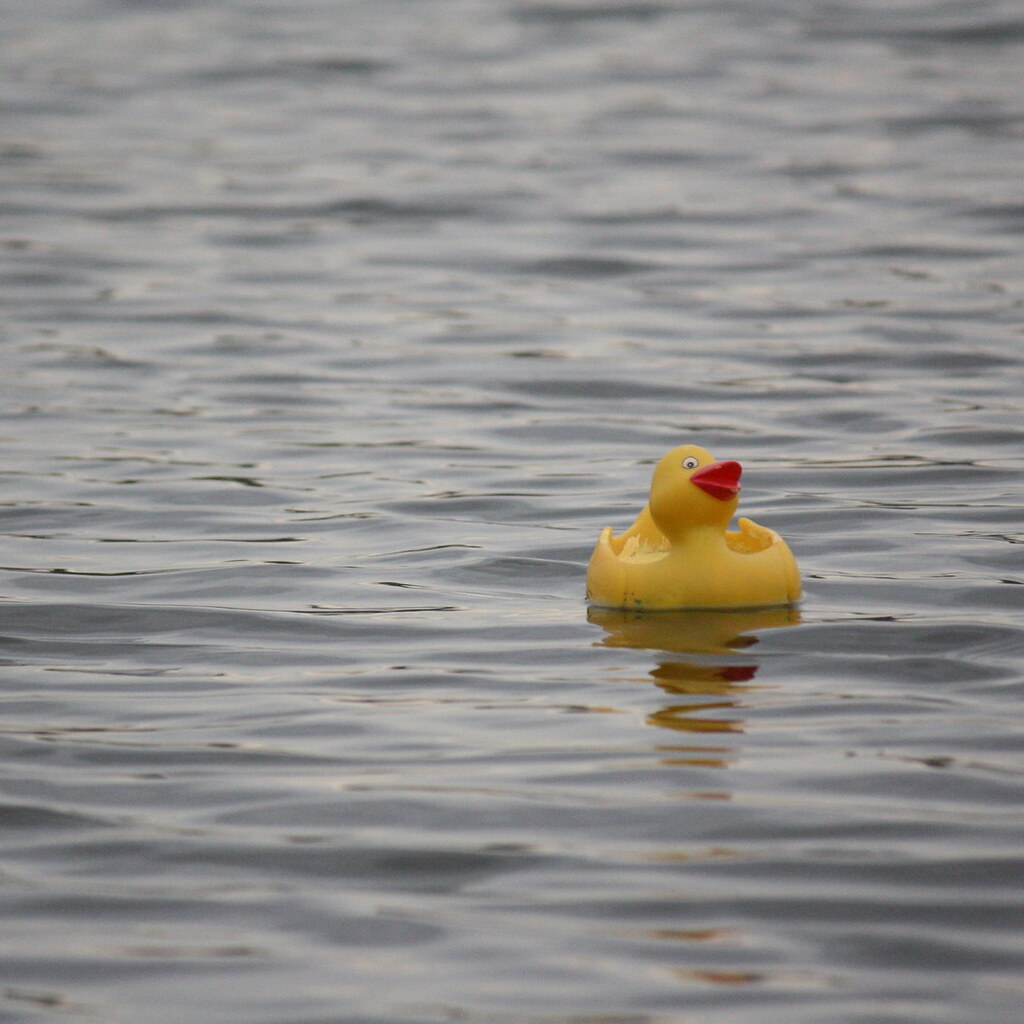
Something floats if you put it on the top of a liquid like water and it stays on the top.
Things float because they are less dense than the liquid they are in. For example, the duck in the picture floats because the amount of duck that is below the water level weighs less than the amount of water that would be where the duck is - a concept called displacement.
If you are in a swimming pool with a foam kickboard that floats, try holding it under the water. You can also try this with a ping-pong ball or a polystyrene foam ball in a big bowl of water. It is very hard to get something that floats to go under the water, and if you hold it right down and then let it go it might even pop right out of the water! It is this force that holds floating things up.
The opposite of float is sink.
Things float because they are less dense than the liquid they are in. For example, the duck in the picture floats because the amount of duck that is below the water level weighs less than the amount of water that would be where the duck is - a concept called displacement.
If you are in a swimming pool with a foam kickboard that floats, try holding it under the water. You can also try this with a ping-pong ball or a polystyrene foam ball in a big bowl of water. It is very hard to get something that floats to go under the water, and if you hold it right down and then let it go it might even pop right out of the water! It is this force that holds floating things up.
The opposite of float is sink.
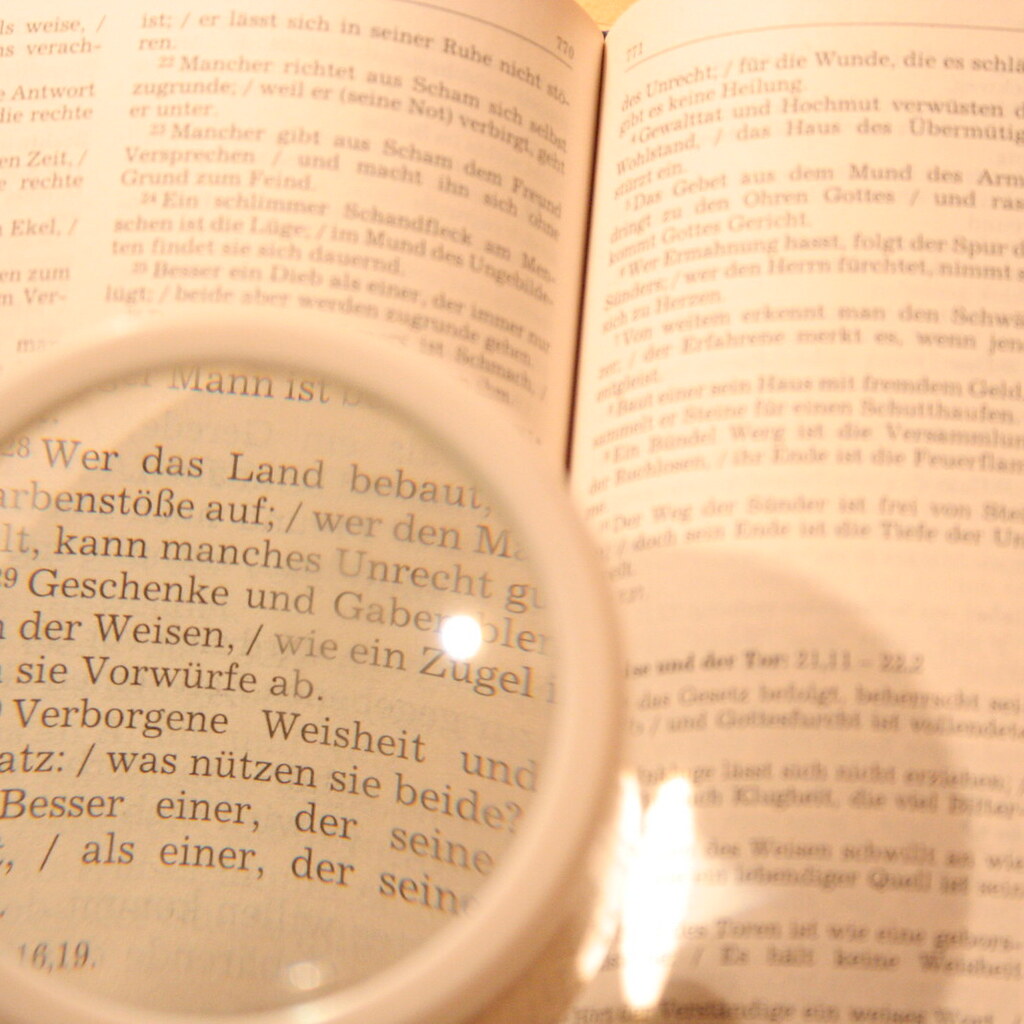
F is for Focal point
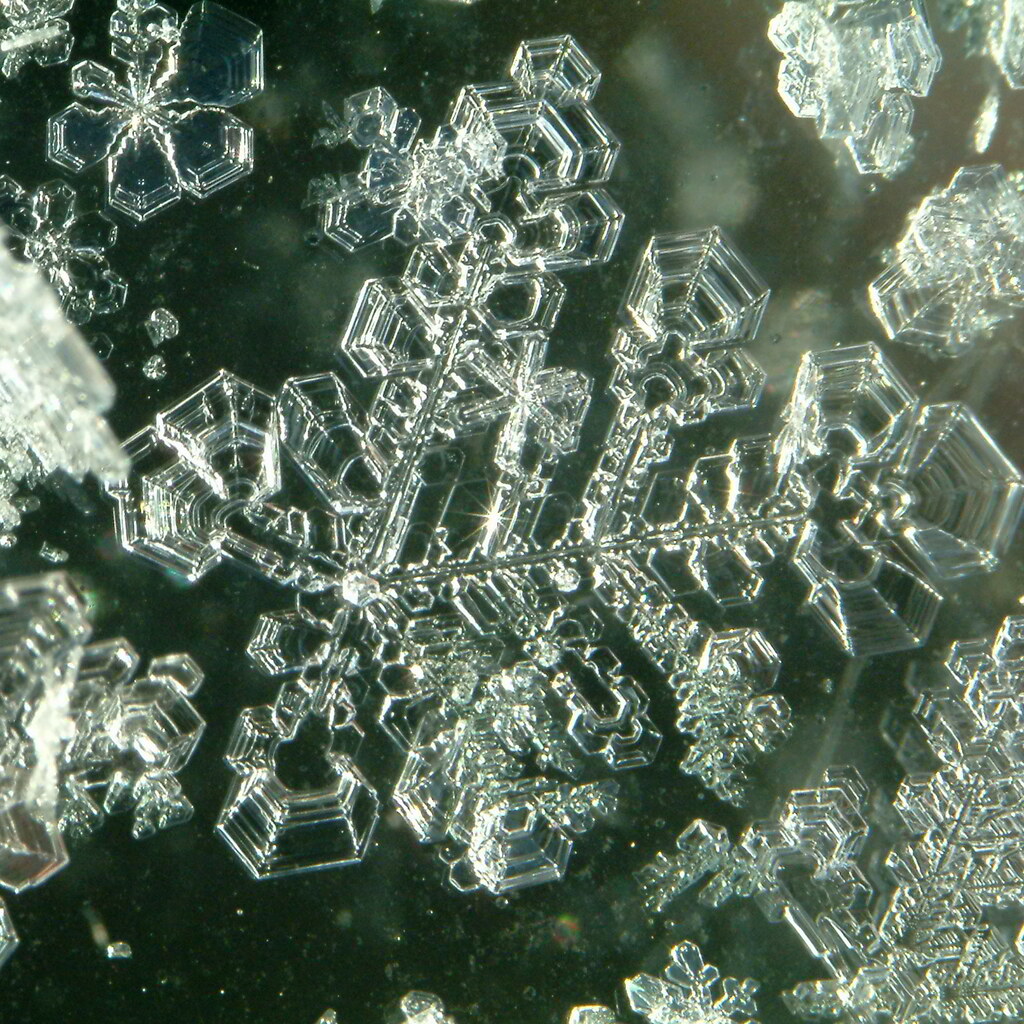

Friction is a force that resists against two surfaces sliding across each other. The rougher the surfaces are the more friction they will encounter, and the smoother the surfaces the less friction there will be.
Friction is a very important force, and many of your day to day activities rely on friction. You walk around easily because of the friction between the ground and your feet. When you are on a low-friction surface like ice you will find it hard to walk, and you are likely to fall over.
The man in the picture is able to climb the rope because of the friction between his hands and the rope.
Friction is a very important force, and many of your day to day activities rely on friction. You walk around easily because of the friction between the ground and your feet. When you are on a low-friction surface like ice you will find it hard to walk, and you are likely to fall over.
The man in the picture is able to climb the rope because of the friction between his hands and the rope.
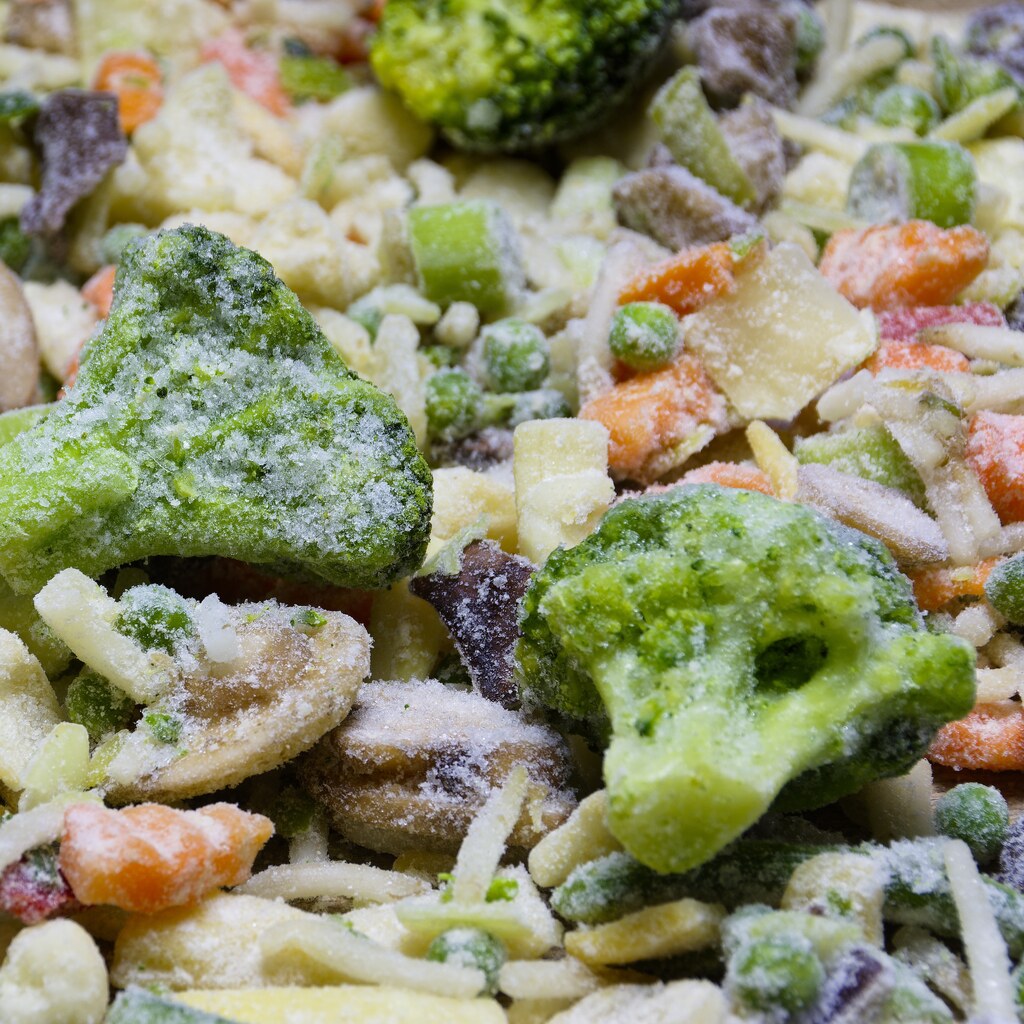
Something is frozen if it has been made so cold that it goes solid. When water is frozen it turns to ice. The photo is of some frozen vegetables.

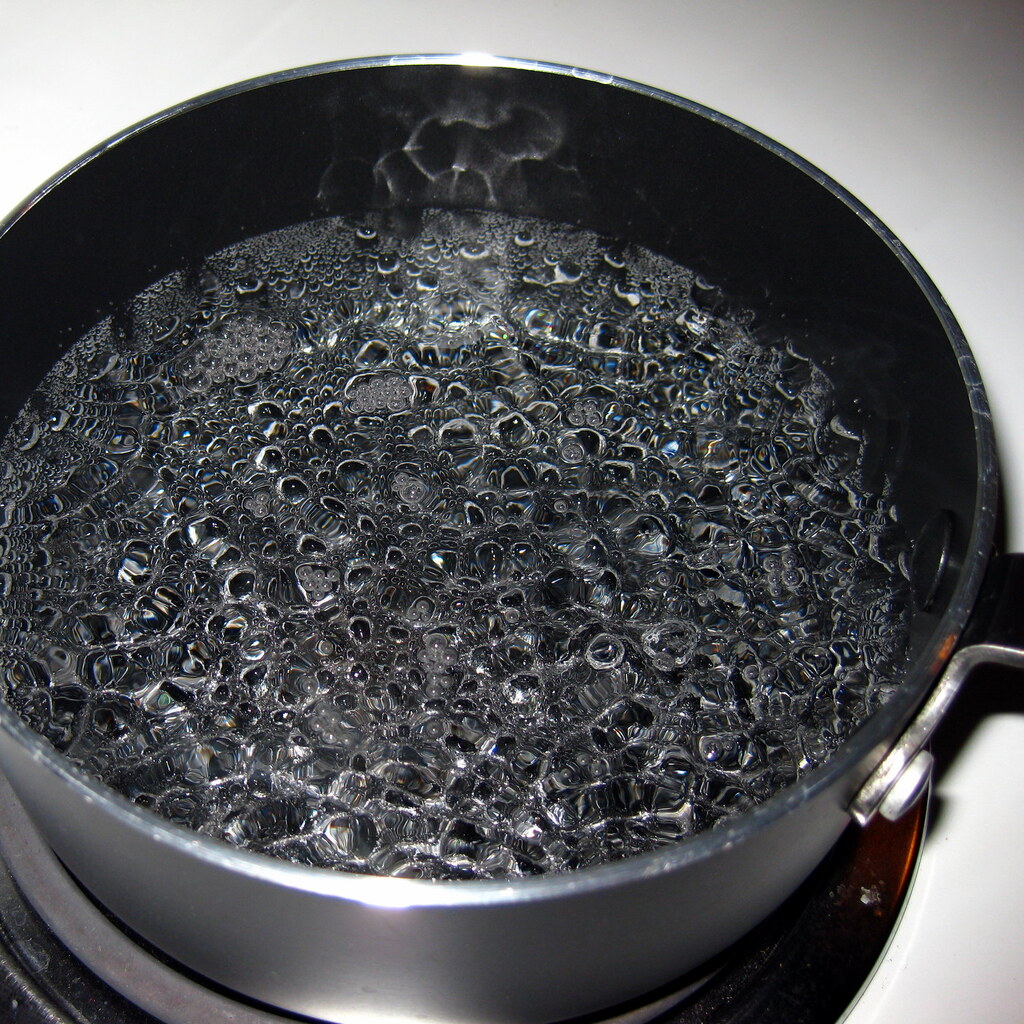
Gas is a state that substances can be in. Other states substances can be in are liquid and solid. The air around you is a mix of gases, and when you boil water the bubbles are the water itself turning from a liquid into a gas. Helium balloons are filled with another gas that most people are familiar with - helium is lighter than air so helium balloons rise up.