
Showing 1-20 of 26

An address is a written representation of where someone lives or works, so you can send them mail and know it will reach them.
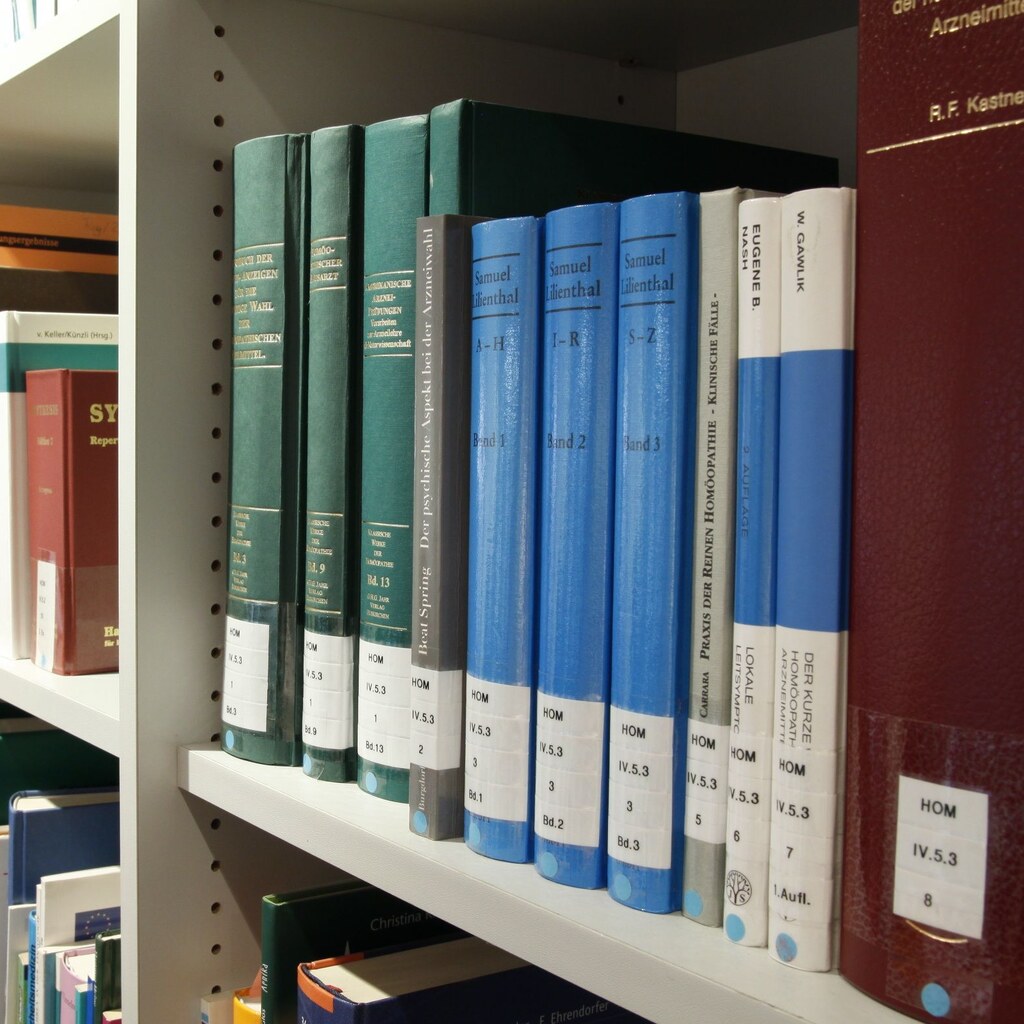
B is for Bibliography

A blog, shortened from "web log", is a website written by an individual or a small group about a particular subject. Blogs can be professional or personal, and often contain images and links in addition to writing.


A book is made of many sheets of paper or parchment, bound together down one side. Each sheet is called a leaf, and each side of a leaf is called a page. Books can have lots of pictures or just words. They might have a story in them that is all true (non-fiction) or a story that someone has made up (fiction). Reading books is a hobby a lot of people enjoy.


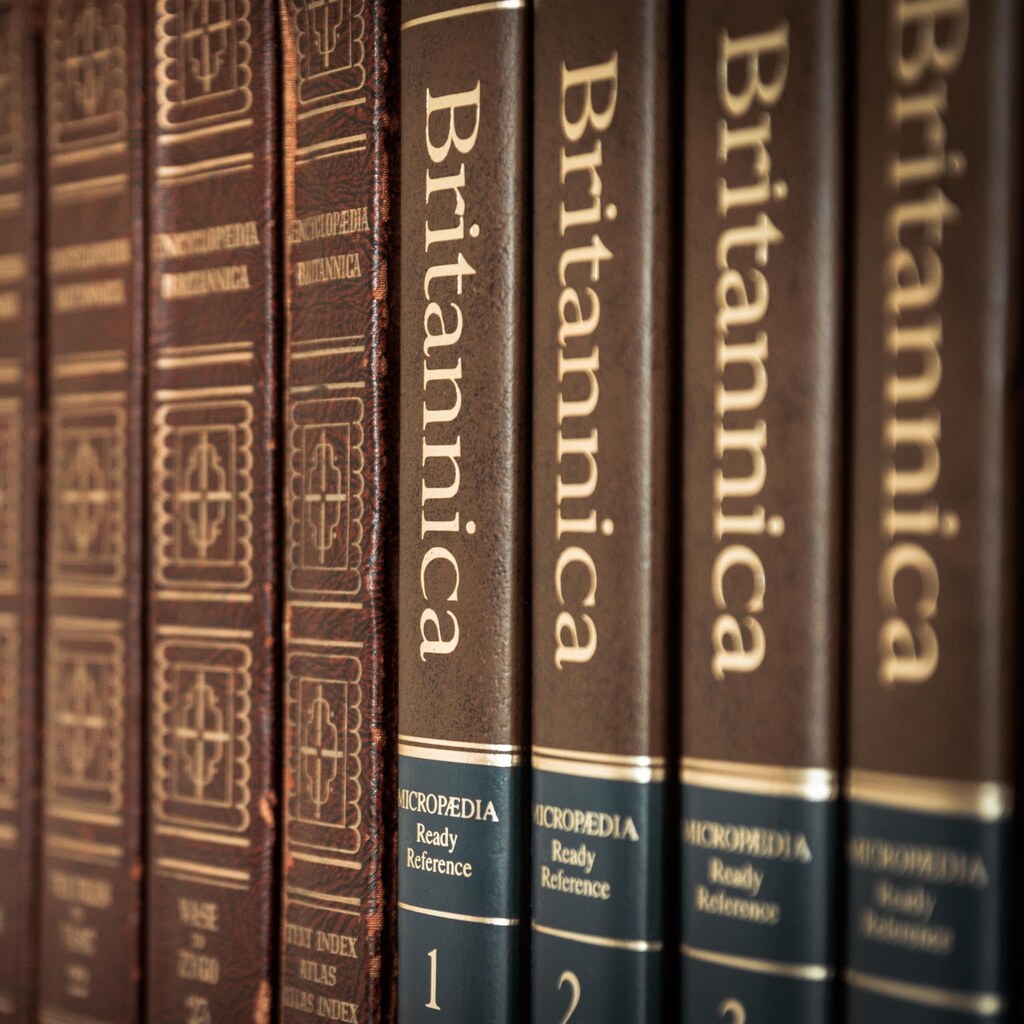
E is for Encyclopedia
Older encyclopedias were large sets of books arranged in alphabetical order or by subject. Today, online encyclopedias can be searched quickly and may include pictures, maps, videos, and links to related articles.

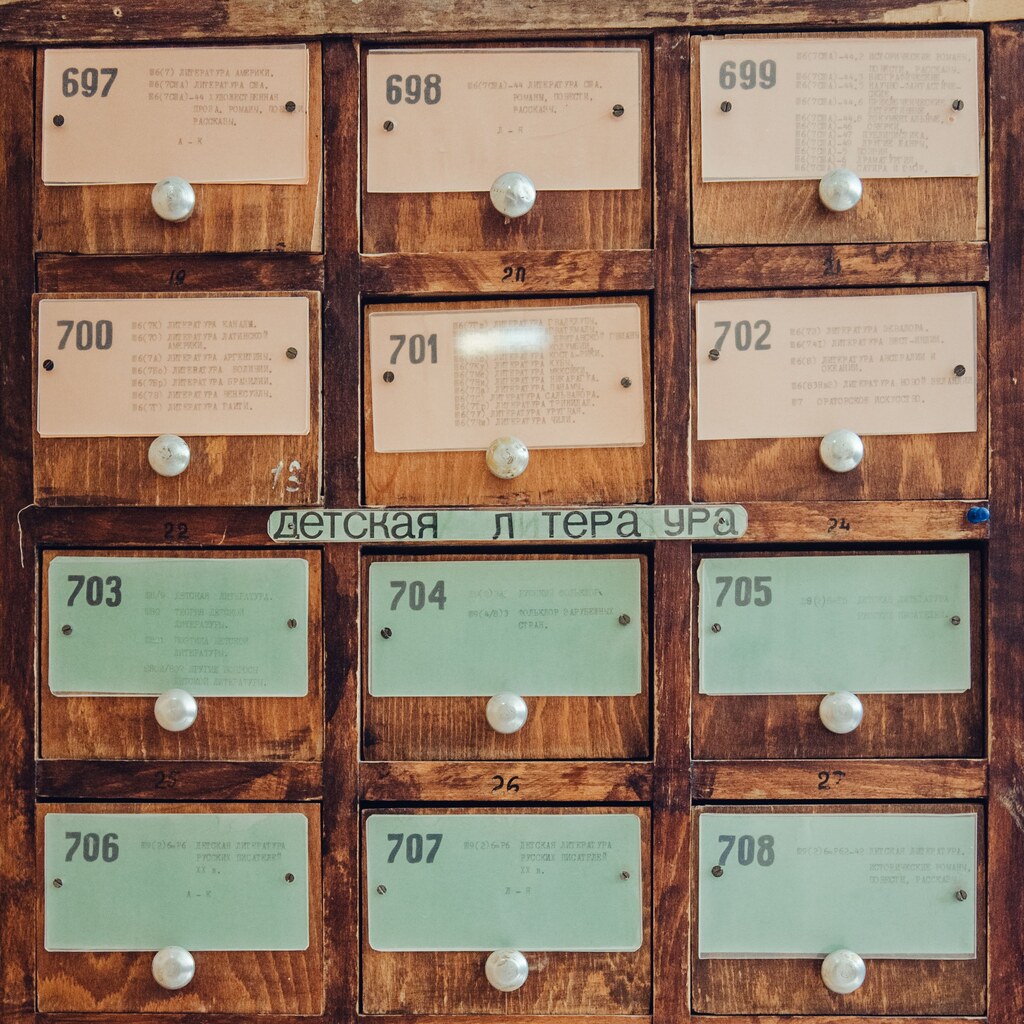
An index is a list of important topics, usually found at the back of a book. It gives the location where each item appears, helping you find information quickly. An index is often arranged in alphabetical order and may include smaller topics under a main topic. It is different from a table of contents, which lists chapters in the order they appear. The word comes from a Latin word meaning "pointer" or "sign."
An index can also be a number or sign that shows the size or change of something, such as a price index.
The picture is of an old card index, where you can look up where things are in a library or collection of things.
An index can also be a number or sign that shows the size or change of something, such as a price index.
The picture is of an old card index, where you can look up where things are in a library or collection of things.


A magazine is a printed or digital book with pages about many topics. It is usually published on a regular schedule.
You read magazines for news, stories, pictures, and tips on topics like sports, science, or fashion. Magazines are often found in stores at newsstands or online, and you can subscribe to get new issues.
You read magazines for news, stories, pictures, and tips on topics like sports, science, or fashion. Magazines are often found in stores at newsstands or online, and you can subscribe to get new issues.


A poll is a survey or questionnaire about a subject that is given to people in order to assess their opinion about the subject. Polls can be about anything as long as there's a question and a variety of responses to choose from.