
Showing 1-20 of 93

A blessing in disguise
The phrase a blessing in disguise means that something which seems bad or unlucky at first later turns out to be helpful or good.At the time it happens, a person may feel disappointed or upset, but with time they realise that the situation had a positive effect. This idiom is often used to help people feel better about unexpected problems or changes.
The unexpected pregnancy felt overwhelming at first, but it turned out to be a blessing in disguise.

A lot on your plate
To have a lot on your plate means having many tasks, responsibilities, or problems to deal with at the same time, so many it may be overwhelming.The idiom compares responsibilities to food piled on a plate. If a plate is already full, it is hard to add anything more without making a mess.
She has a lot on her plate this week with exams, work, and family visits.

A problem shared is a problem halved
A problem shared is a problem halved means that talking about a problem with someone else can make it feel easier to deal with.The saying has been used in English for many years as a piece of everyday advice. It reflects the idea that support, understanding, or practical help from others can reduce the burden of a difficult situation.
She finally told her friend what was worrying her, remembering that a problem shared is a problem halved.
All work and no play
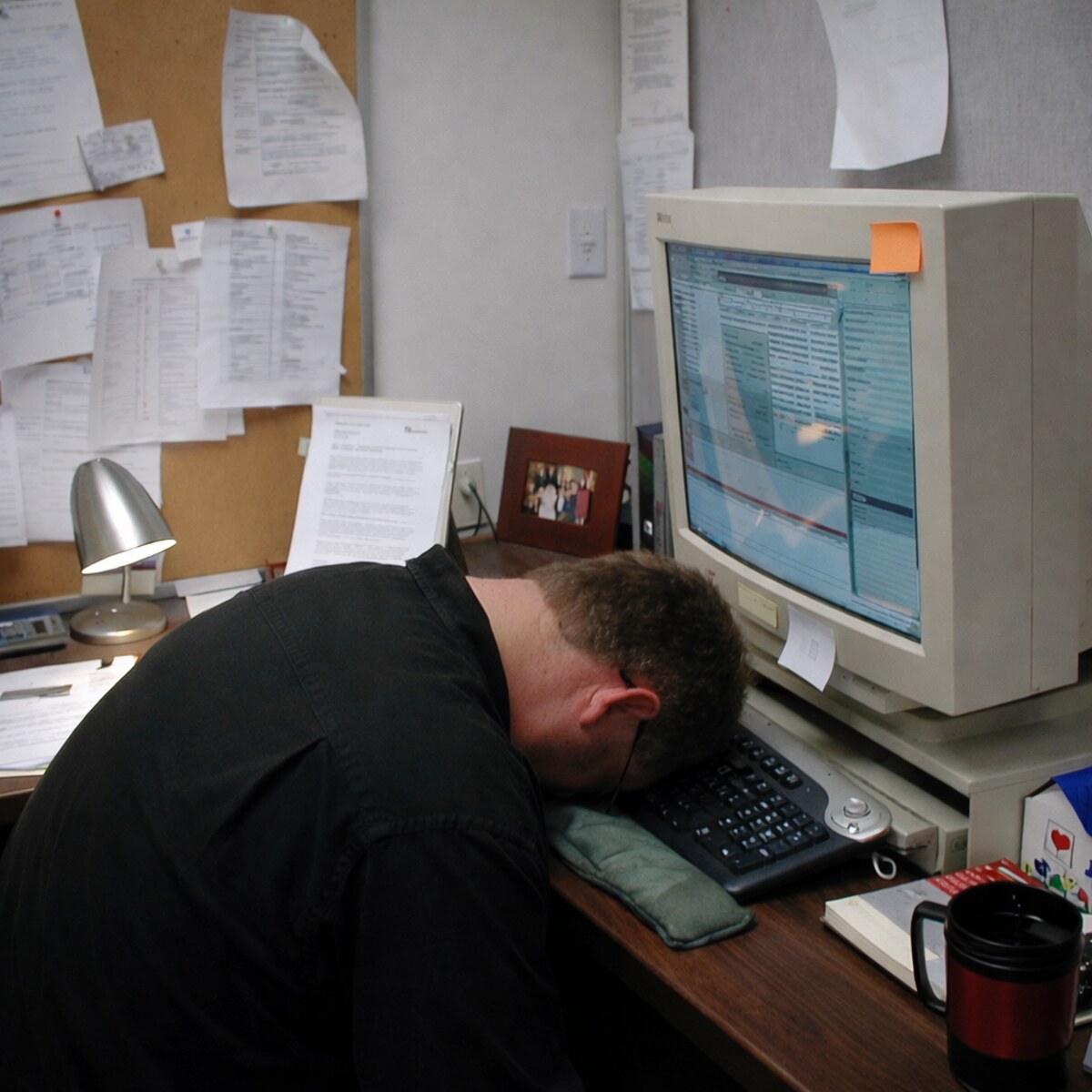
The idiom all work and no play makes Jack a dull boy means that only focussing on work with no time for leisure makes a person boring and unhappy.
Be careful what you wish for
Be careful what you wish for means that getting what you want can lead to problems you did not expect, and it may not be as good as it seemed.The saying has been used for many years in stories and everyday speech. It warns that desires can have hidden consequences.
He wished for a promotion and then realized he had far more work, so be careful what you wish for.

Between a rock and a hard place
To be between a rock and a hard place means to be stuck in a situation where both choices are difficult or unpleasant. No matter what you decide to do, neither option is good.The phrase became popular in the United States in the early 1900s and may come from stories about miners who faced dangerous working conditions and limited options. Over time it came to describe any situation where someone must choose between two bad alternatives.
She felt between a rock and a hard place when she had to choose between moving for a new job or staying close to her family.
Blood from a stone
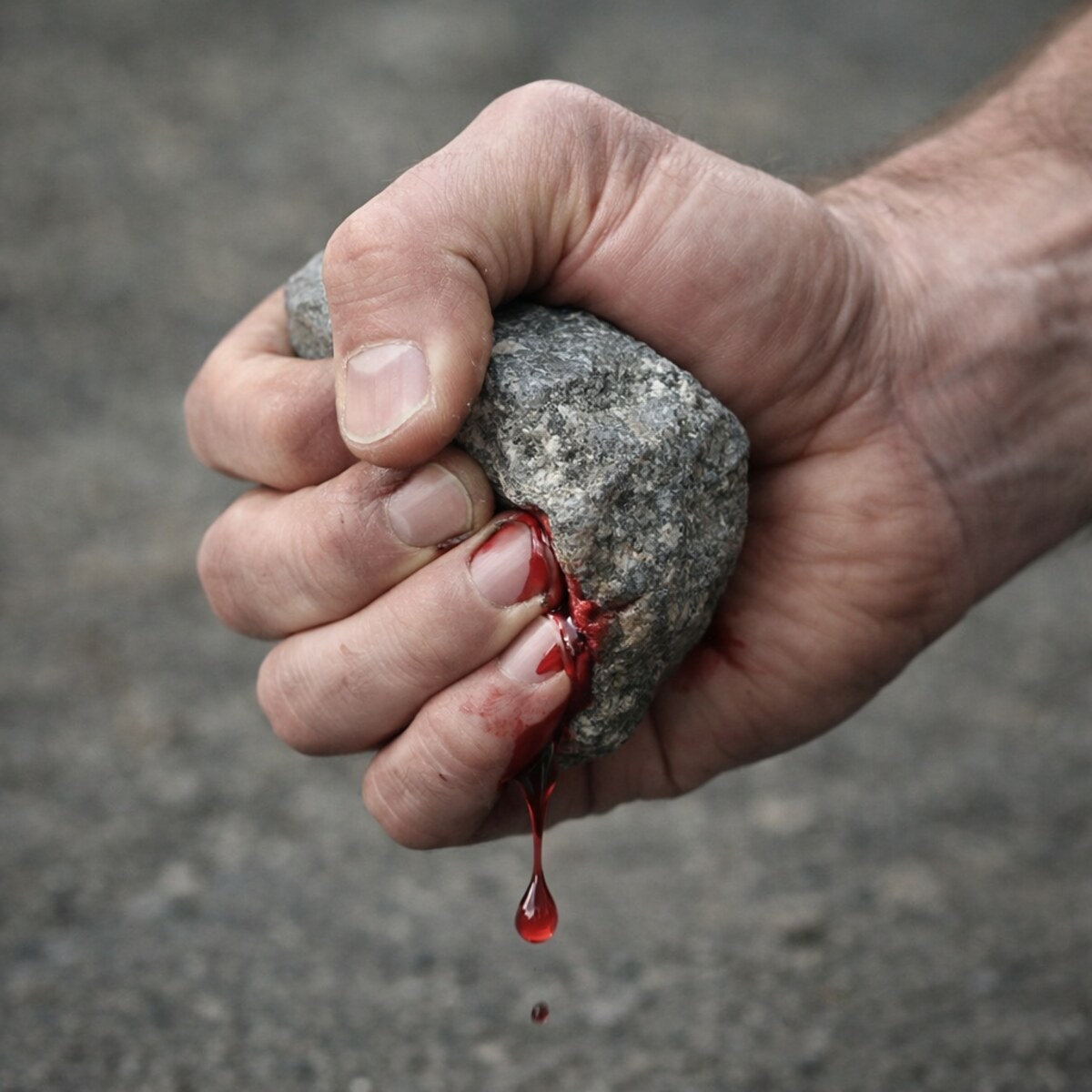
The phrase you can't get blood from a stone means to try and get something out of someone who is unwilling or unable to give it, usually referring to money.I can't pay this bill, I have too many bills already, do they think they can get blood out of a stone?

Burning the candle at both ends
To burn the candle at both ends means to use up your energy by doing too much, especially by staying up late too often.The expression comes from the image of lighting a candle at both ends. A candle burned this way gives more light for a short time but is used up much faster.
She has been burning the candle at both ends while studying for exams and working a night job.

Clear the air
To clear the air means to talk openly about a problem or misunderstanding so that people feel better and the tension is reduced.The expression comes from the literal idea of cleaning smoke or bad smells out of the air so it becomes fresh again. By comparison, honest discussion can remove tension or confusion from a situation.
We sat down after the argument to clear the air.
Clutching at straws
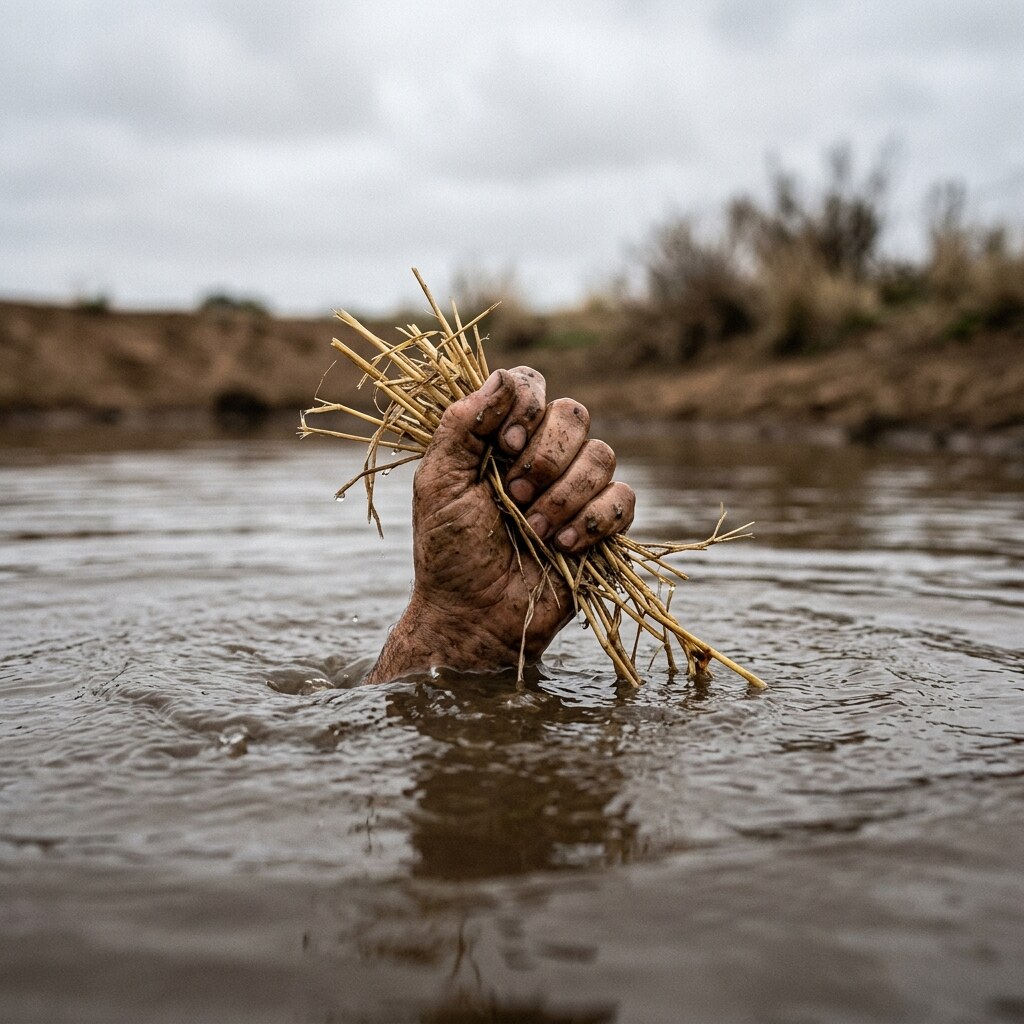
Clutching at straws means trying anything possible in a desperate situation, even if it is unlikely to work.The phrase comes from the image of a drowning person grabbing at straws, which cannot support their weight.
With no strong evidence left, the lawyer was clutching at straws.
Damned if you do, damned if you don't
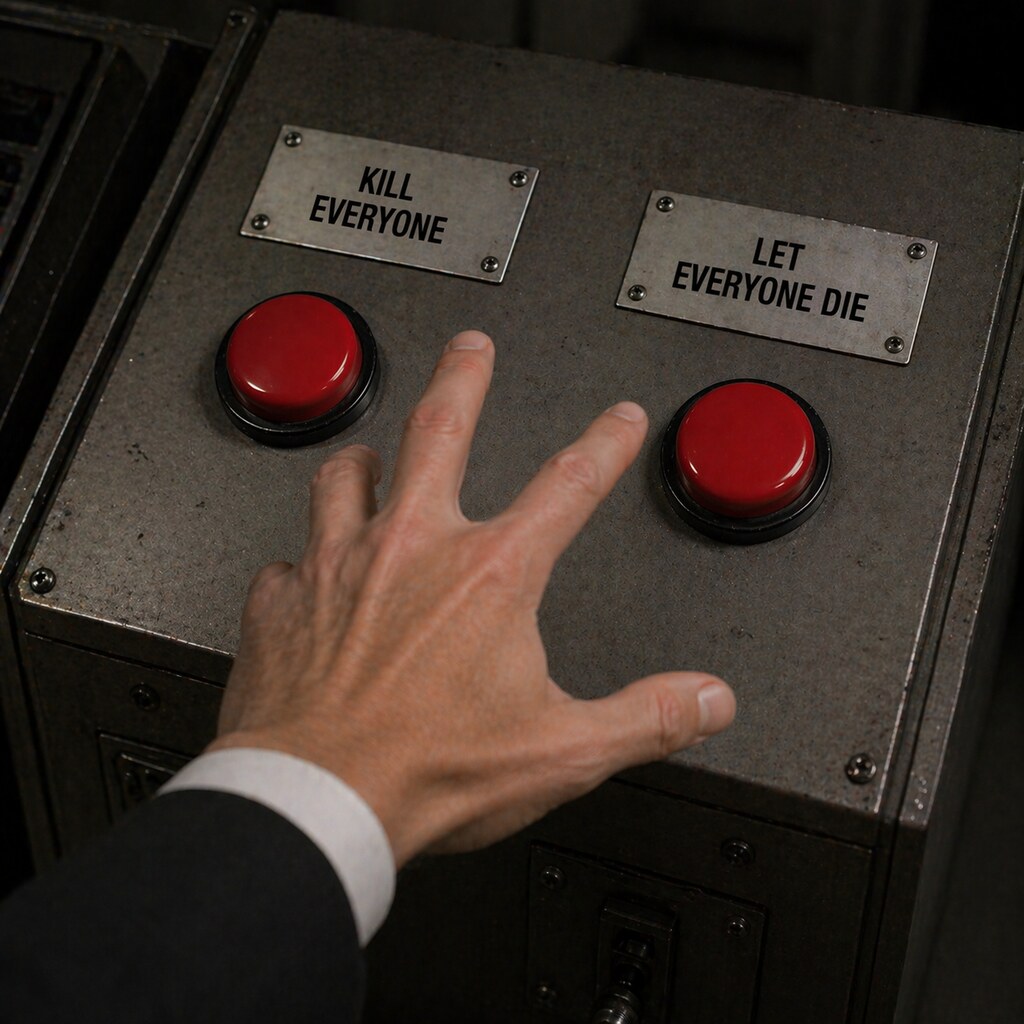
Damned if you do, damned if you don't means that every available choice leads to trouble.The phrase has been used in English for many years. It expresses the idea of being trapped between equally bad outcomes.
He felt he was damned if you do, damned if you don't when deciding whether to report the issue.

Death by a thousand cuts
Death by a thousand cuts means failure caused by many small problems rather than one big one. The damage builds over time.The phrase comes from an old method of execution in China in which repeated small cuts were made. This became a metaphor for gradual harm.
Trying to budget these days is like death by a thousand cuts with subscriptions.
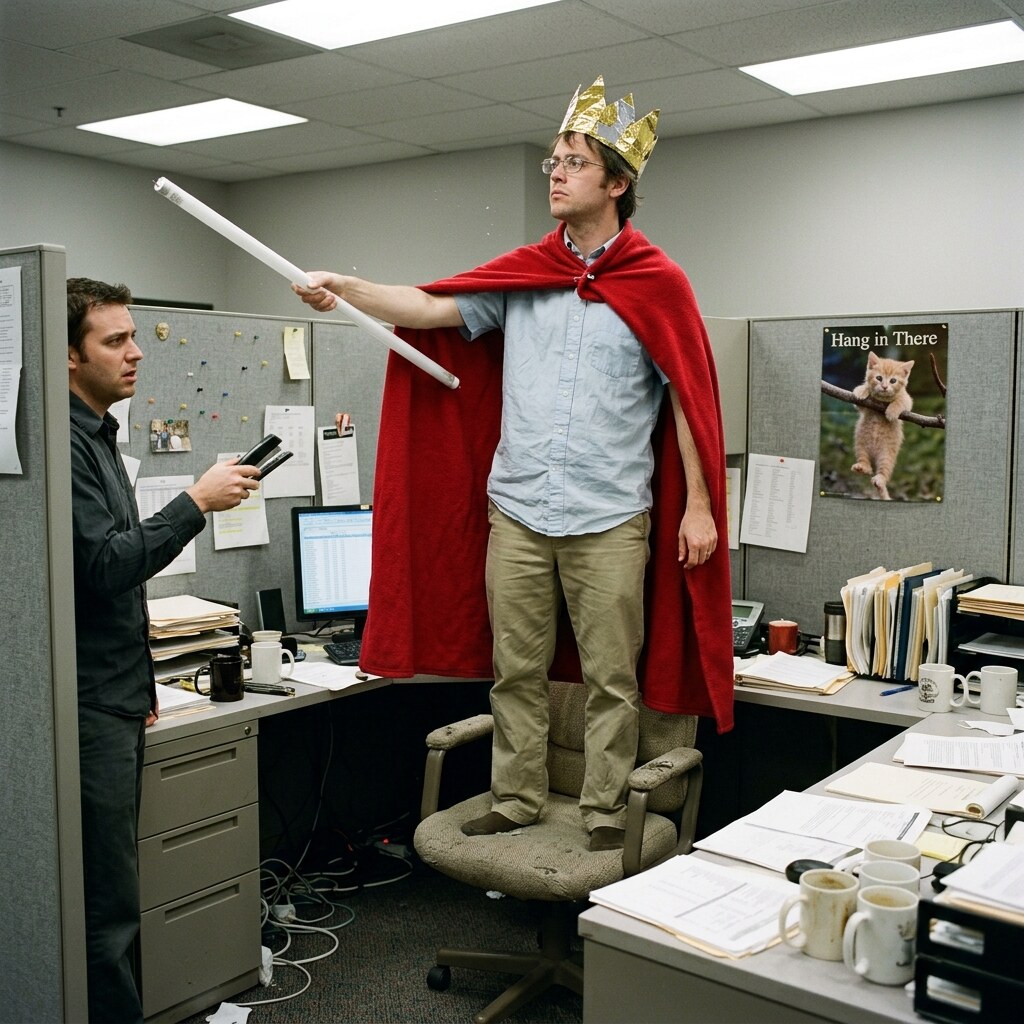
Delusions of grandeur
Delusions of grandeur means having unrealistic beliefs about one's own importance, power, or abilities. It describes someone who thinks they are far more impressive or powerful than they really are.The term comes from psychology, where it has long been used to describe a type of false belief in which a person imagines themselves to be extremely important, rich, or powerful.
He started talking about running the whole company, but it sounded like delusions of grandeur.
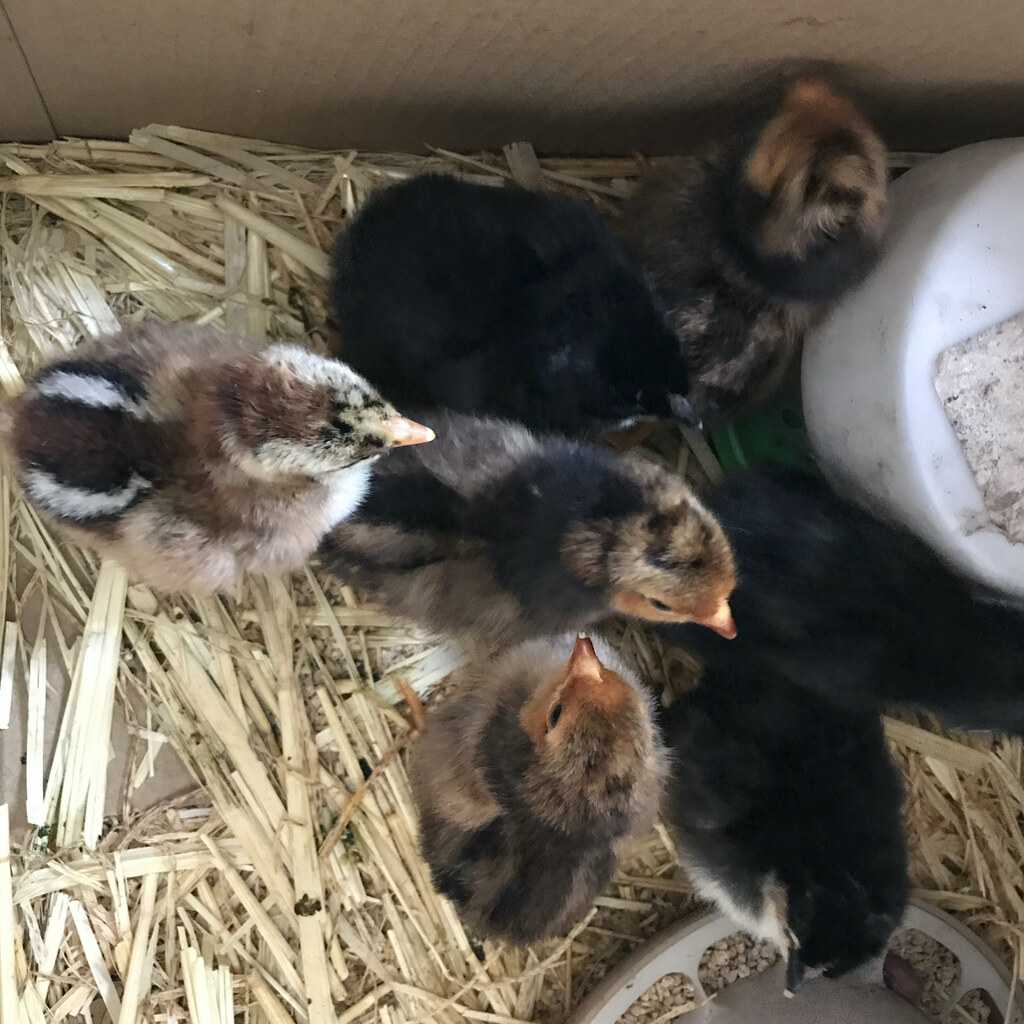
Don't count your chickens before they hatch
The phrase don't count your chickens before they hatch means you should not assume success too early. Plans can change, and results are not certain yet. The saying comes from farming, where out of a clutch of eggs, not every one hatches.She was celebrating already, but I said don't count your chickens before they hatch.

Don't hold your breath
The idiom don't hold your breath means that something is unlikely to happen soon, or may never happen at all, so don't expect anything soon.This comes from the idea that a person can only hold their breath for a short time. If something takes too long, they would have to breathe before it happens.
They say the repairs will be finished next week, but I would not hold my breath.

Don't put all your eggs in one basket
The phrase don't put all your eggs in one basket means don't risk everything on one plan - if that plan fails, you could lose everything. If you were carrying eggs in a basket and dropped the basket, all the eggs could break. It has come to mean advice to be open to alternatives, or to diversity investments instead of relying on only one thing.He bought shares in many different companies so he didn't put all his eggs in one basket.
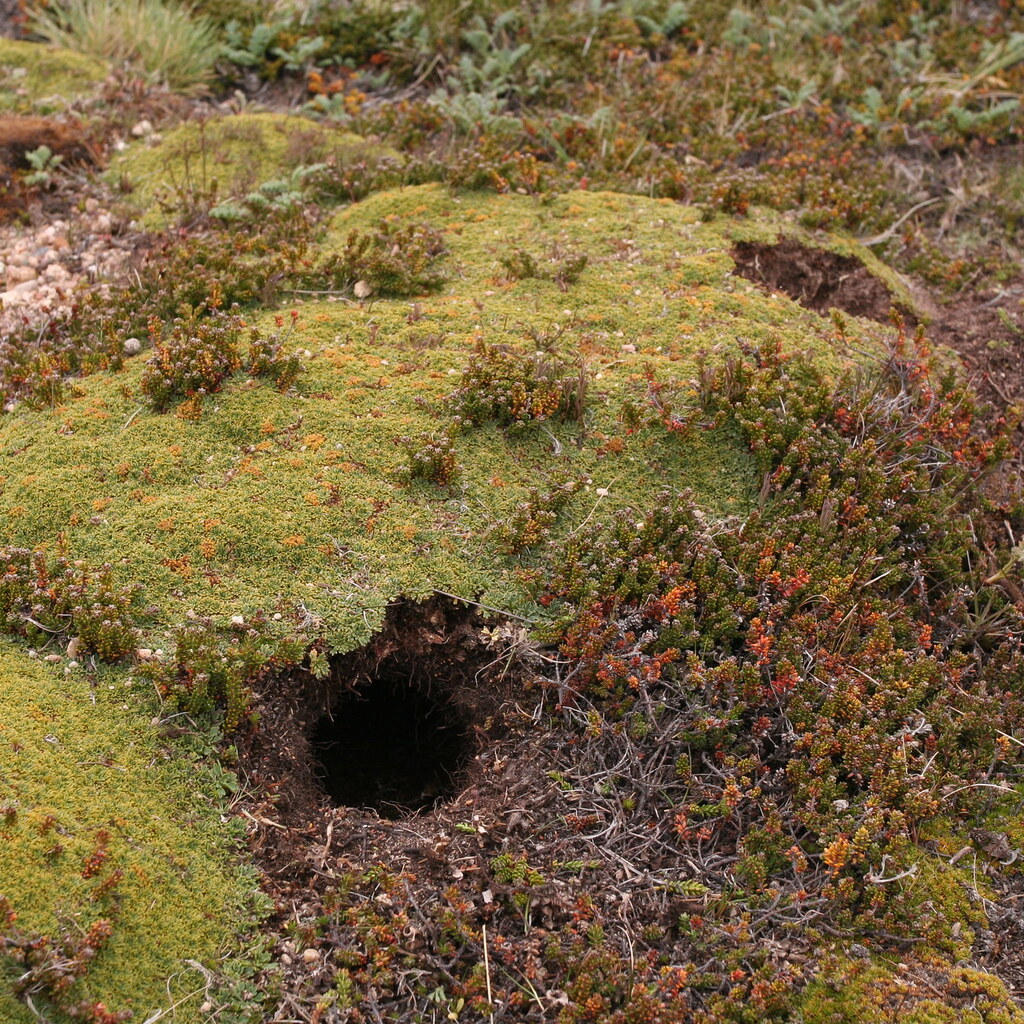
Down a rabbit hole
To go down a rabbit hole means to become deeply involved in something, often following one idea after another until you lose track of time.It comes from the story Alice in Wonderland, where Alice falls down a rabbit hole and enters a strange and confusing world.
I only meant to read one article, but I went down a rabbit hole and spent three hours researching medieval architecture.

Down to earth
The idiom down to earth means practical, realistic, and not showy. A down-to-earth person is easy to talk to and not stuck-up.The phrase comes from the idea of being close to the ground rather than elevated or distant.
Despite his success, he remained down to earth.

Easier said than done
Easier said than done means that something may sound simple when people talk about it, but it is actually difficult to do in real life.The saying has been used in English for centuries to point out the difference between giving advice and carrying out the action itself.
Saving money every month sounds good, but it is easier said than done.
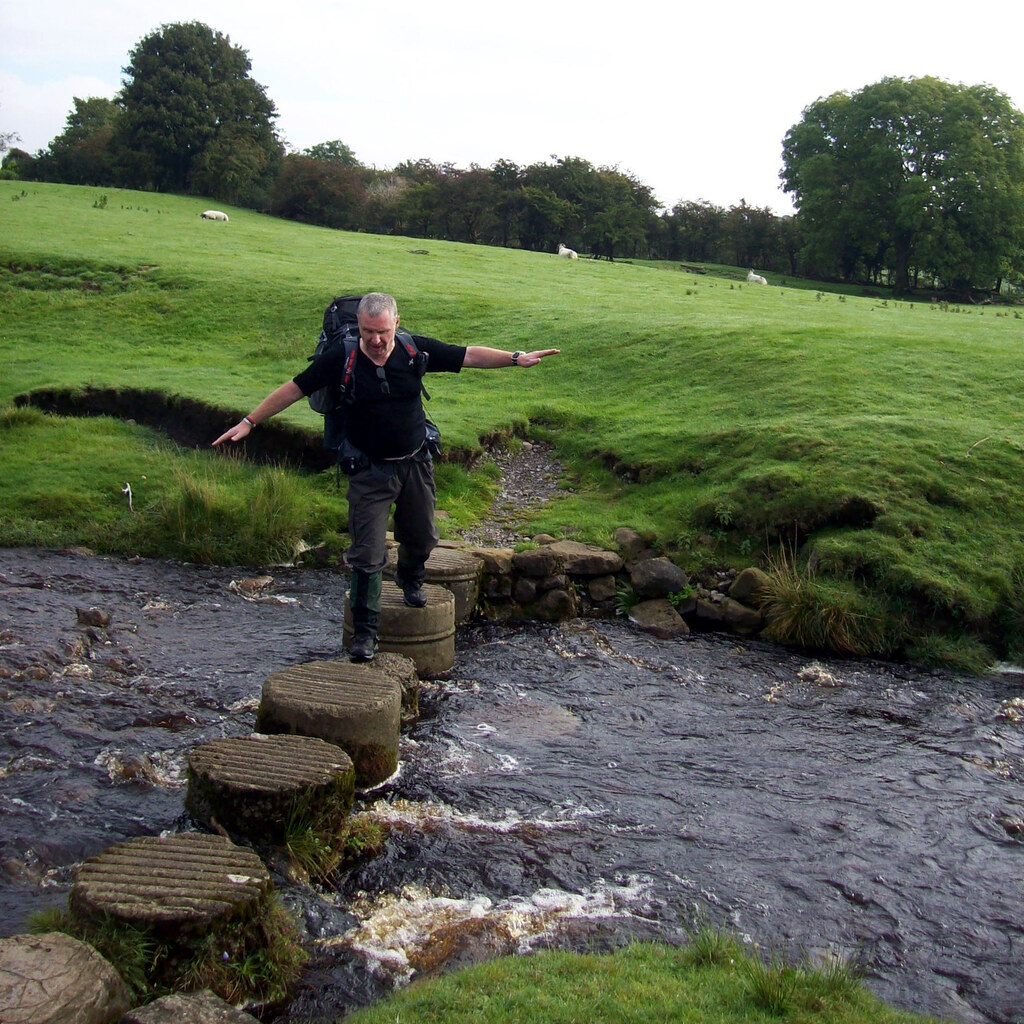
Easy does it
The phrase easy does it is said to remind someone to move carefully and avoid rushing, so they don't make a mistake.The phrase has been used in English for many years. It reflects the idea that careful movement prevents mistakes or damage.
Easy does it - don't fall in!