
Showing 21-27 of 27
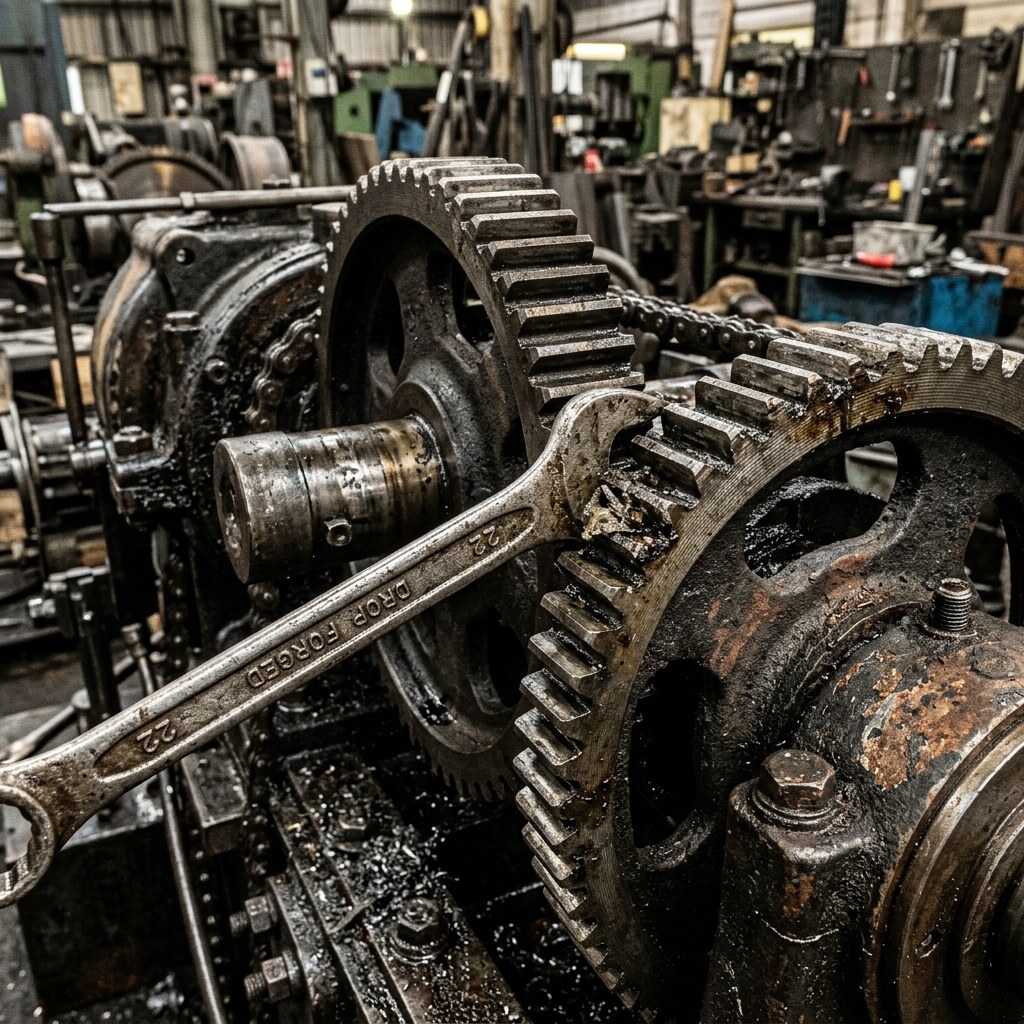
Spanner in the works
A spanner in the works or wrench in the works means something that unexpectedly causes a problem and stops a plan from working properly.The expression comes from machinery. If a spanner/wrench falls into moving gears, it can jam the mechanism and stop the machine from working.
The sudden power outage threw a spanner in the works for the event.
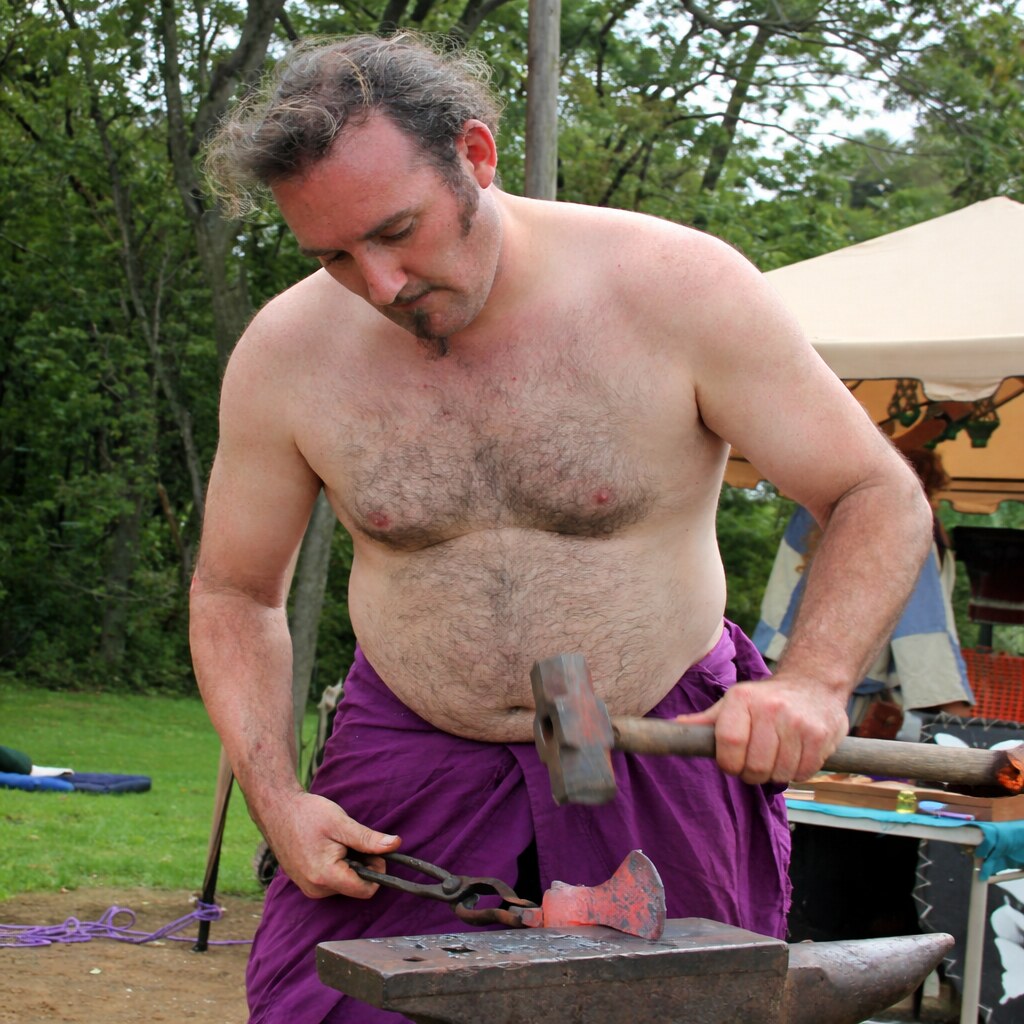
Strike while the iron is hot
To strike while the iron is hot means to act quickly at the right moment, before an opportunity disappears.The expression comes from blacksmithing. A blacksmith must hammer iron while it is hot and soft, because once it cools the metal becomes hard and difficult to shape.
When the weather cleared, they decided to strike while the iron is hot and finish painting the fence.
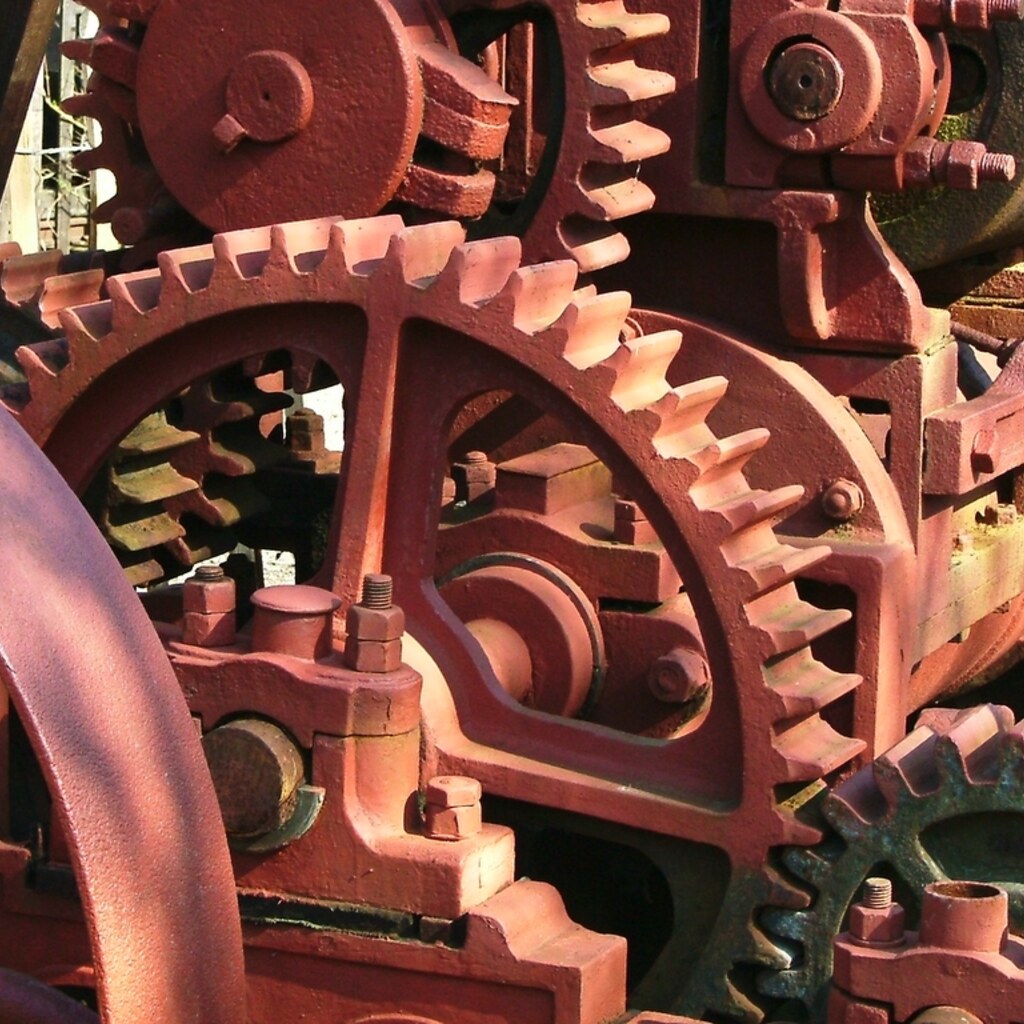
The gears are turning
The phrase the gears are turning means someone is thinking carefully or trying to solve a problem. People often use it when a person becomes quiet or thoughtful while working something out.The expression comes from machines with gears that move together to make something work. In the idiom, the moving gears are compared to the mind working through ideas.
He stared at the puzzle for a moment, and you could almost see the gears turning.

The whole kit and caboodle
The whole kit and caboodle means everything or the entire group of things. It is used when talking about all parts of something together, with nothing left out.The phrase likely comes from the word kit, meaning a collection of tools or belongings, and caboodle, a slang word that developed in the 1800s meaning the whole lot or collection of things.
They packed the whole kit and caboodle into the truck and moved to the new house.
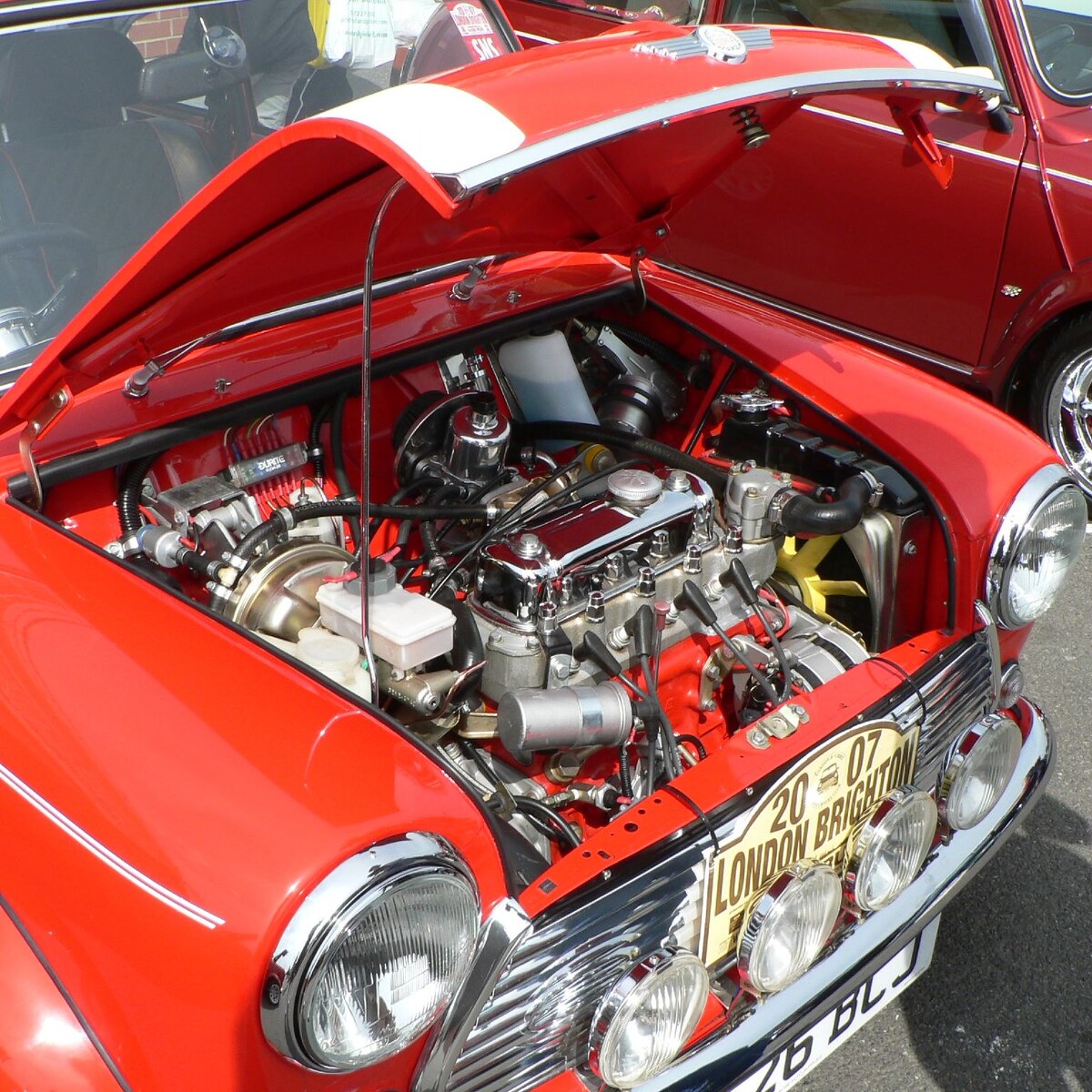
Under the hood
Under the hood means something that is hidden under the surface of a complex system. If you need to look under the hood of something you are investigating its internal workings.This idiom is used most commonly to talk about hidden details of a system, software or an organization. It draws from the image of opening a car's hood to look at the engine.
Under the hood, it is running linux.
When your only tool is a hammer
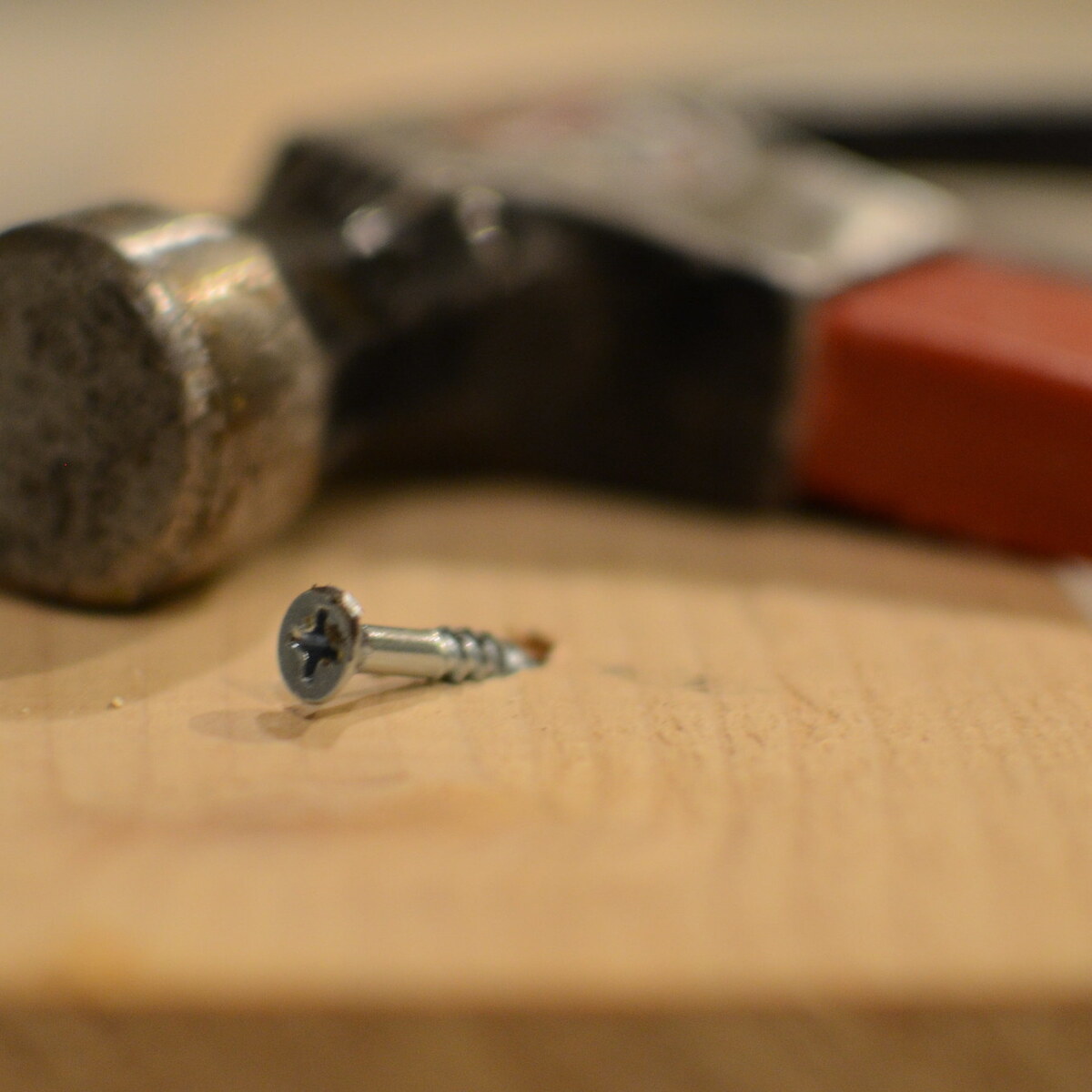
The idiom when your only tool is a hammer, everything looks like a nail means that people tend to fall back to familiar solutions or past perspectives, even if they don't suit the current problem.It means that you should broaden your thinking and look at different tools.
Are we really still using the procedure from the 1990s? Oh well, I guess if your only tool is a hammer ...
Works out of the box
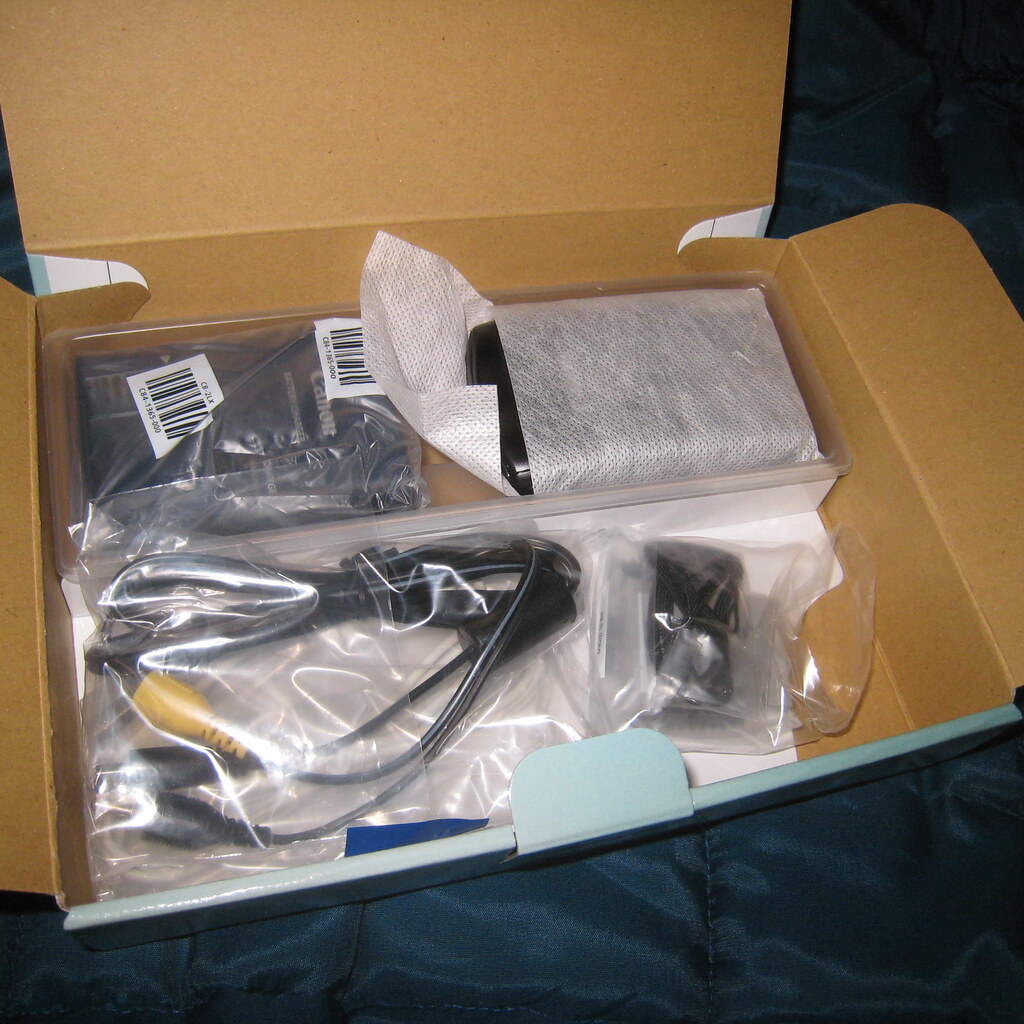
If something works out of the box it means that it works without needing extra setup. It describes something that works properly as soon as you take it out of its packaging.The phrase comes from the experience of opening a new product and using it straight from the box. Over time it became a common way to describe things that are ready to use right away.
The printer worked out of the box, so she did not need to install any extra software.