
Showing 31-39 of 39

Straight as an arrow
The idiom straight as an arrow means perfectly straight or direct, with no curves or bends.The expression comes from the way arrows fly when they are shot from a bow. A well shot arrow travels quickly and directly toward its target in a straight line, which made it a natural comparison for anything very straight.
The long country road ran straight as an arrow across the flat fields.

Straight from the horse's mouth
Straight from the horse's mouth means information that comes directly from the person who knows it best or from the original source. Because it comes from the source itself, people believe it is accurate and trustworthy. The expression is thought to come from horse racing. Experienced buyers could tell a horse's real age by looking at its teeth, so learning the truth directly from the horse was the most reliable way to know.I heard straight from the horse's mouth that the shop will reopen next week.

Straw that broke the camel's back
The straw that broke the camel's back refers to a small problem that causes a situation to collapse after many earlier problems or frustrations. On its own the "straw" is trivial, but it arrives after a long buildup of stress, inconvenience, or annoyance.The expression comes from the idea of loading a camel with cargo: eventually the animal reaches its limit, and one last single straw is enough to make it fail.
I didn't mind the messy room or the dirty dishes, but when he left the door open again, that was the straw that broke the camel's back.

Strike a chord
If something strikes a chord it means that it causes a strong emotional reaction or feels meaningful to someone. This idiom often describes an idea, comment, or story that people connect with deeply.The phrase comes from music, where striking a chord means playing several notes together on an instrument. The image later became a metaphor for something that resonates emotionally with a listener.
Her speech about helping the community struck a chord with many people in the audience.
Strike while the iron is hot
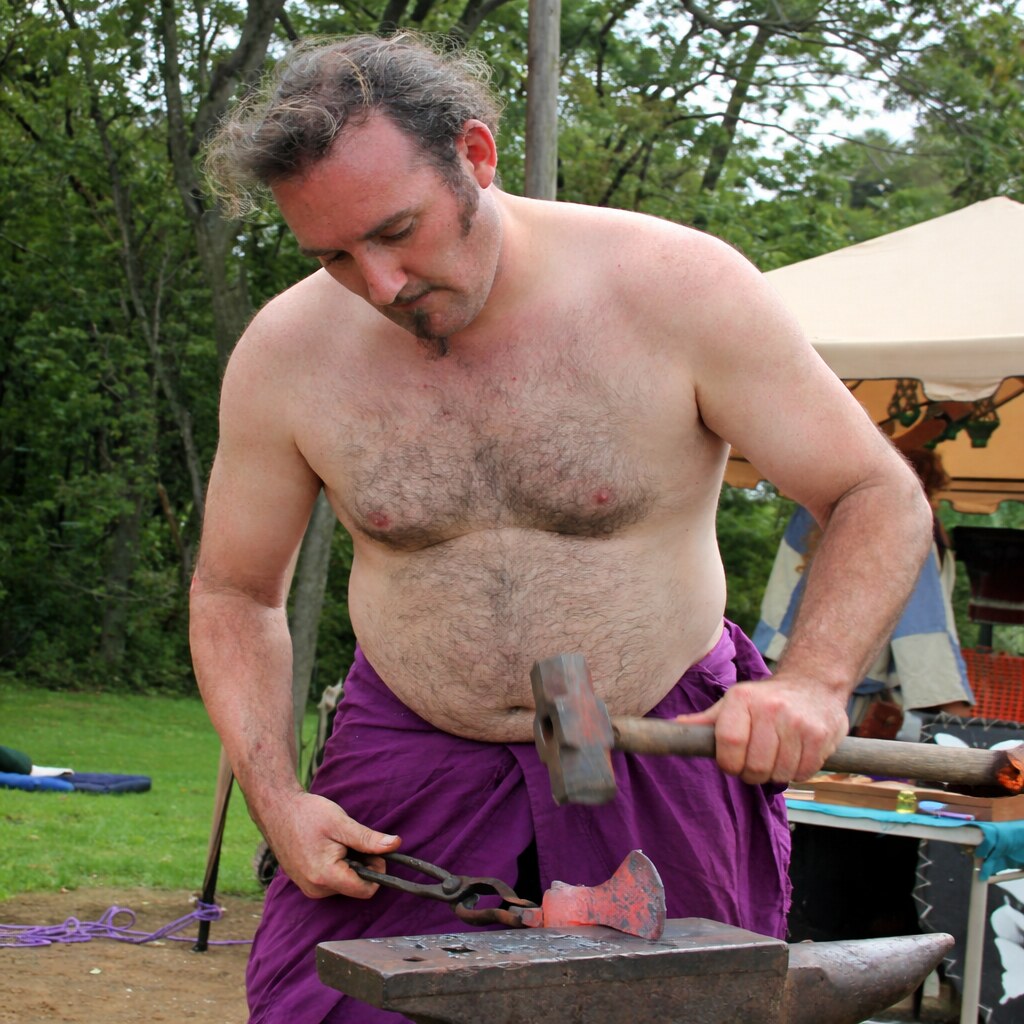
To strike while the iron is hot means to act quickly at the right moment, before an opportunity disappears.The expression comes from blacksmithing. A blacksmith must hammer iron while it is hot and soft, because once it cools the metal becomes hard and difficult to shape.
When the weather cleared, they decided to strike while the iron is hot and finish painting the fence.

Sweep it under the rug
You sweep something under the rug if you are ignoring a problem or mistake and hope nobody will notice. This idiom draws from the image of sweeping the dirt on your floor under a rug instead of picking it up and dealing with it properly.Instead of recalling the broken product, they swept the problem under the rug and left it on the shelves.

Sweep you off your feet
The idiom he swept me off my feet describes a romance where you it all happens very fast, and you are overwhelmed emotionally, but in a good way.When my husband and I first met, he swept me off my feet!

The ship has sailed
The idiom the ship has sailed dates to the 19th-century and means a missed opportunity. When ships sailed they used to move with the winds and the tides, so they could not turn back for any missed passengers. So if your ship has sailed, you've lost the moment to make an action or a decision.He overslept and did not make it to the event, so that ship has sailed.
The shoe is on the other foot
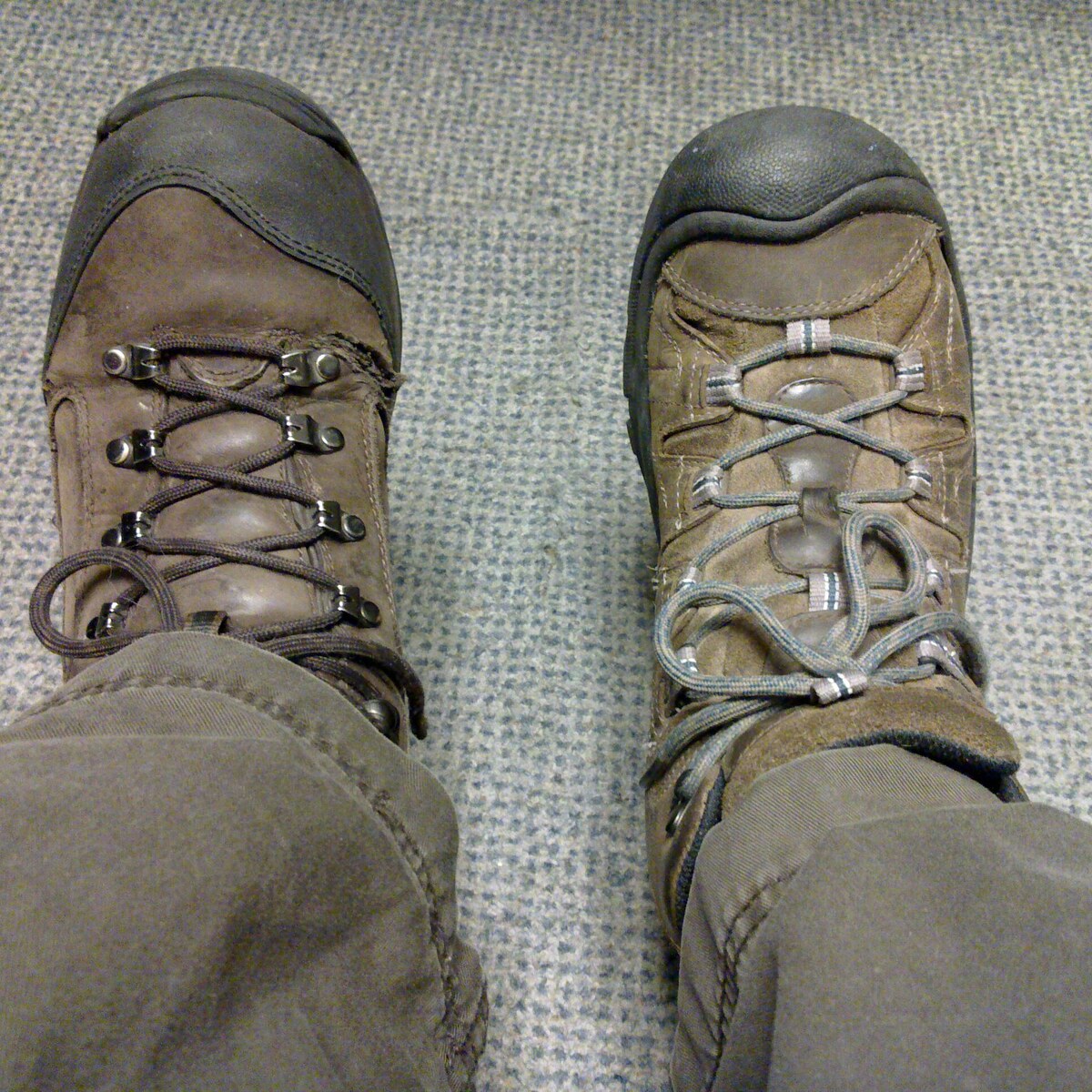
The idiom the shoe is on the other foot originated in the mid-19th century as the boot is on the other leg. It means that two people have reversed roles or circumstances, usually someone gaining or losing a position of power.Boots and shoes did not originally have left or right sides, so this idiom dates back to when manufacturers made different shoes for left and right sides, so having a shoe on the wrong foot would be uncomfortable.
He changed jobs and found he was now the manager of his old boss, so the shoe is on the other foot.