
Showing 161-180 of 426

Hit the books
The phrase hit the books means to study seriously. It is often used before exams or tests. It is a fairly recent idiom, where "hit" in modern slang means "to start" or "to do" not physically hitting them with violence.I need to hit the books tonight, I have an exam tomorrow.
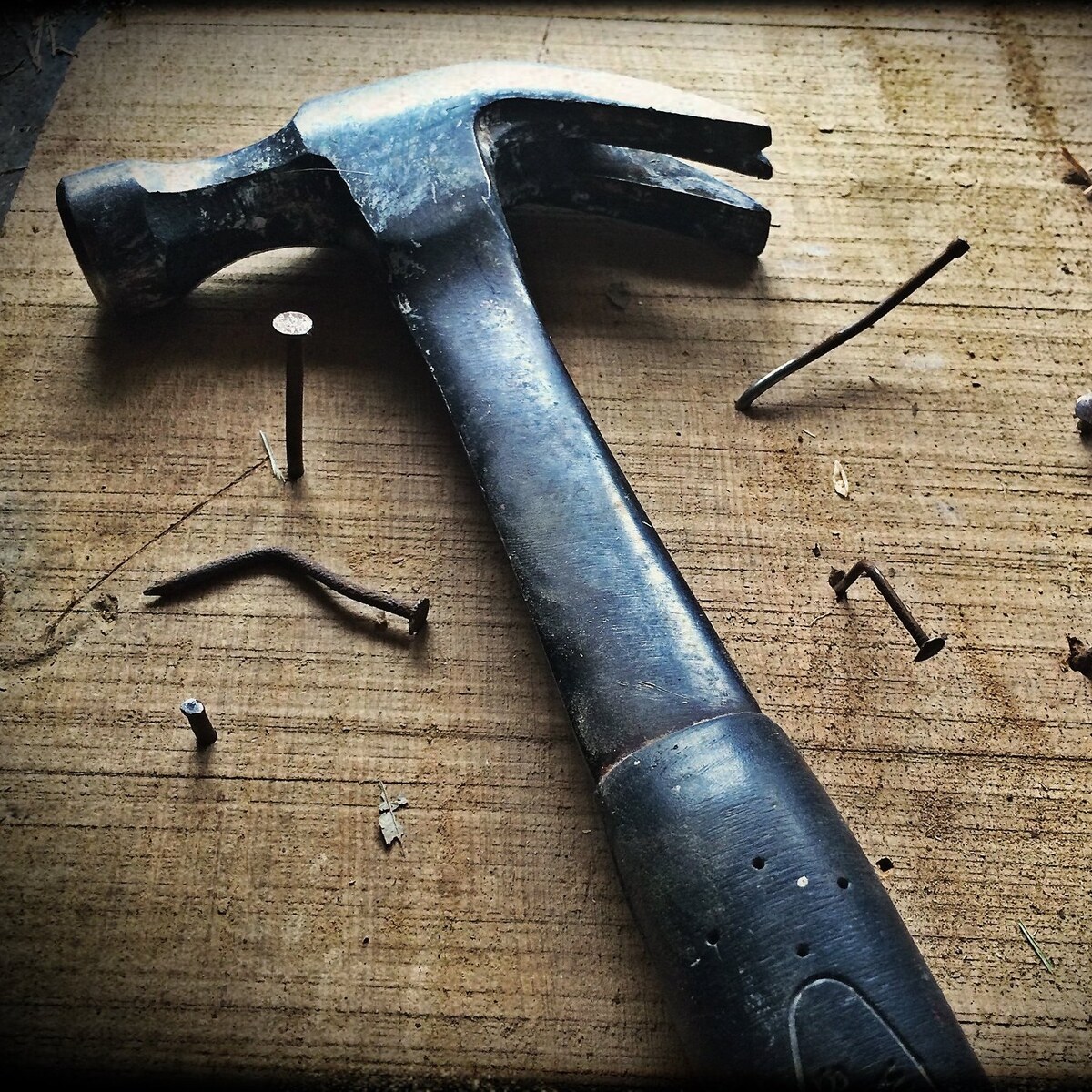
Hit the nail on the head
The idiom to hit the nail on the head means to describe something exactly right. There is no mistake in the understanding. It suggests accuracy, like hitting a nail right on the head.Derivations of this idiom are "nail on the head" and "nailed it".
Your explanation hit the nail right on the head.

Hit the road
The idiom hit the road means to leave or start a journey. It is a fairly recent idiom, where "hit" in modern slang means "to start" or "to do" not physically hitting them with violence. It is often used to say you are going to leave an event and go home - or to leave home and go to an event!It's getting late - we should hit the road.

Hit the sack
The idiom hit the sack, or sometimes hit the hay, means to go to bed in order to sleep. People use the phrase when they are tired and ready to end the day.The expression comes from the time that beds that were filled with sacks of hay, straw or other soft material. Lying down on the sack to sleep eventually became a casual way of saying someone was going to bed.
I am exhausted after the long drive, so I am going to hit the sack.
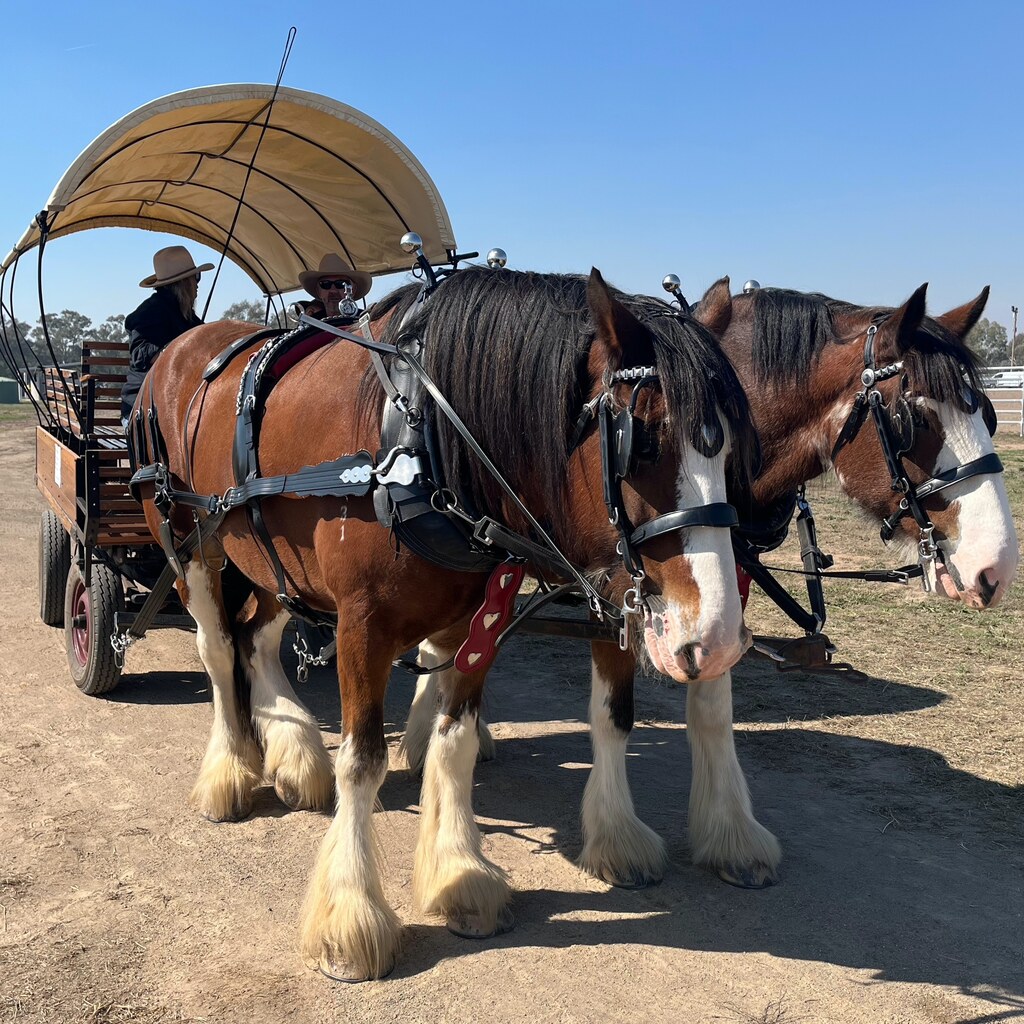
Hold Your Horses
To hold your horses means to slow down or wait for a moment instead of rushing. This idiom is used when someone is moving too quickly or getting ahead of themselves.The expression comes from the days when people traveled by horse. To hold your horses meant pulling on the reins to stop the animals from moving forward too fast.
Hold your horses, we have not even decided where we are going yet.
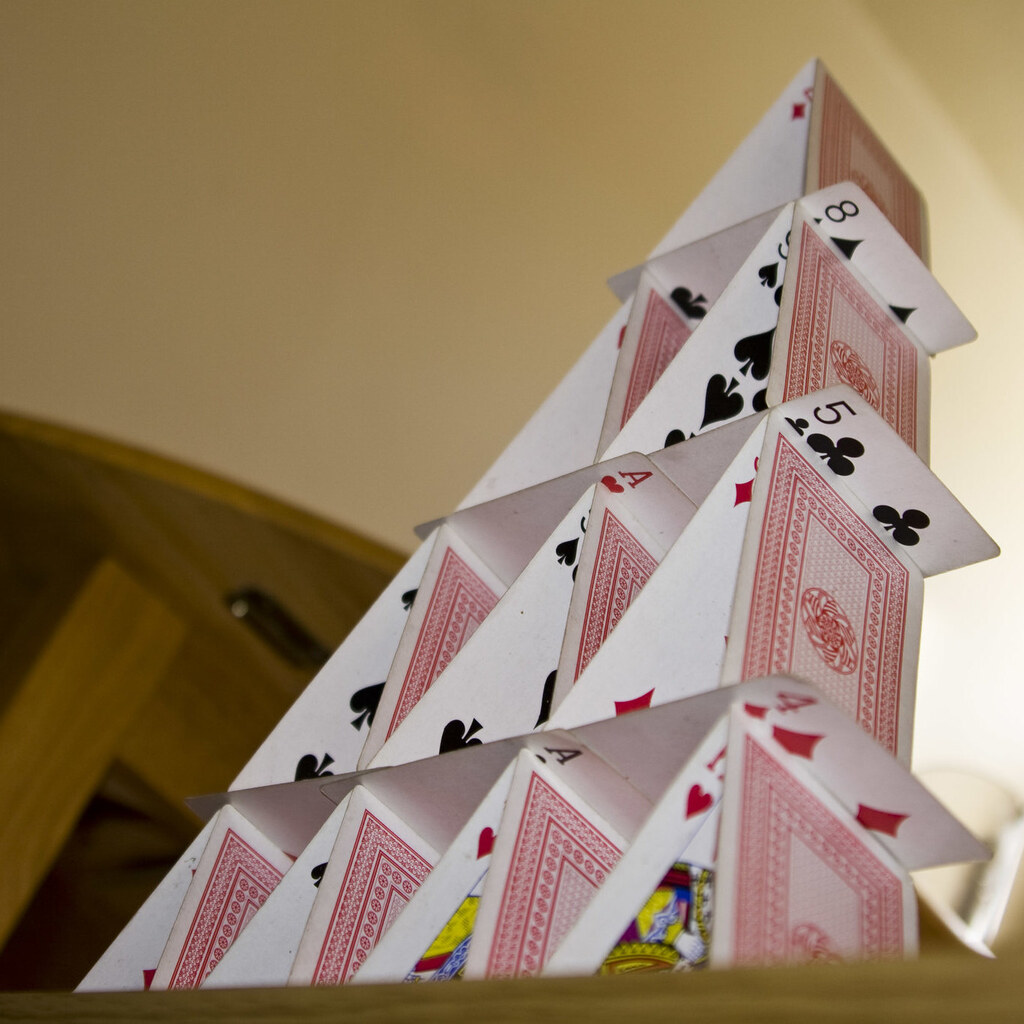
House of cards
A house of cards describes something that is very precarious and likely to collapse if even a small problem occurs.The phrase comes from the activity of stacking playing cards to build a delicate structure. Because the cards are only lightly balanced, the whole structure can easily fall apart.
The company's finances turned out to be a house of cards once the debts were uncovered.
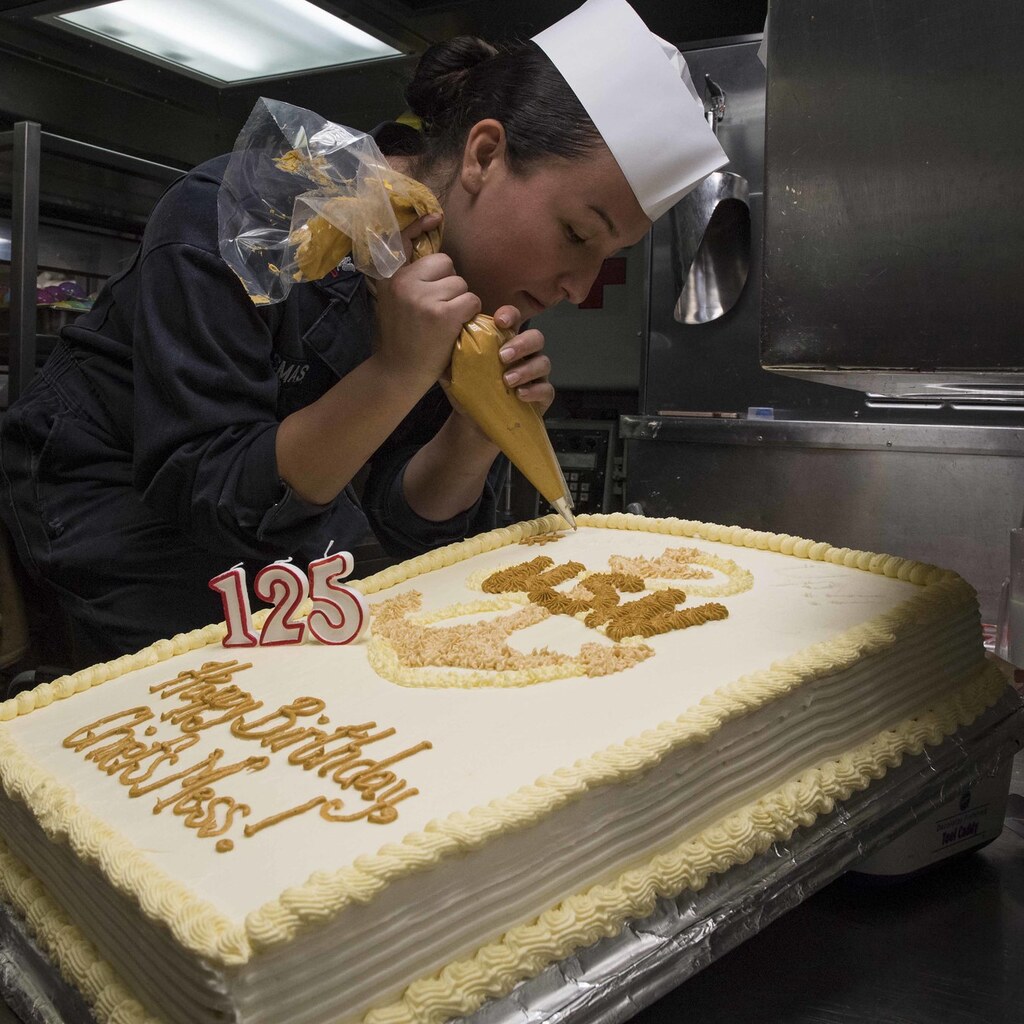
Icing on the cake
The icing on the cake means an extra benefit that makes a good situation even better. It describes something pleasant that is added after the main success or reward.The expression comes from baking, where icing is spread on top of a finished cake as a final decorative and delicious extra touch. A very similar idea appears in the phrase cherry on the top, which also describes a small final addition that makes something even better.
Winning the prize money was great, but the free trip to the beach was the icing on the cake.

Ignorance is bliss
Ignorance is bliss means that sometimes it is happier not to know about a problem or unpleasant truth.The phrase comes from a poem by the English writer Thomas Gray written in 1742. The line where ignorance is bliss, 'tis folly to be wise suggested that knowing too much about certain things can bring unnecessary worry.
He decided not to read the online comments about himself, saying ignorance is bliss.
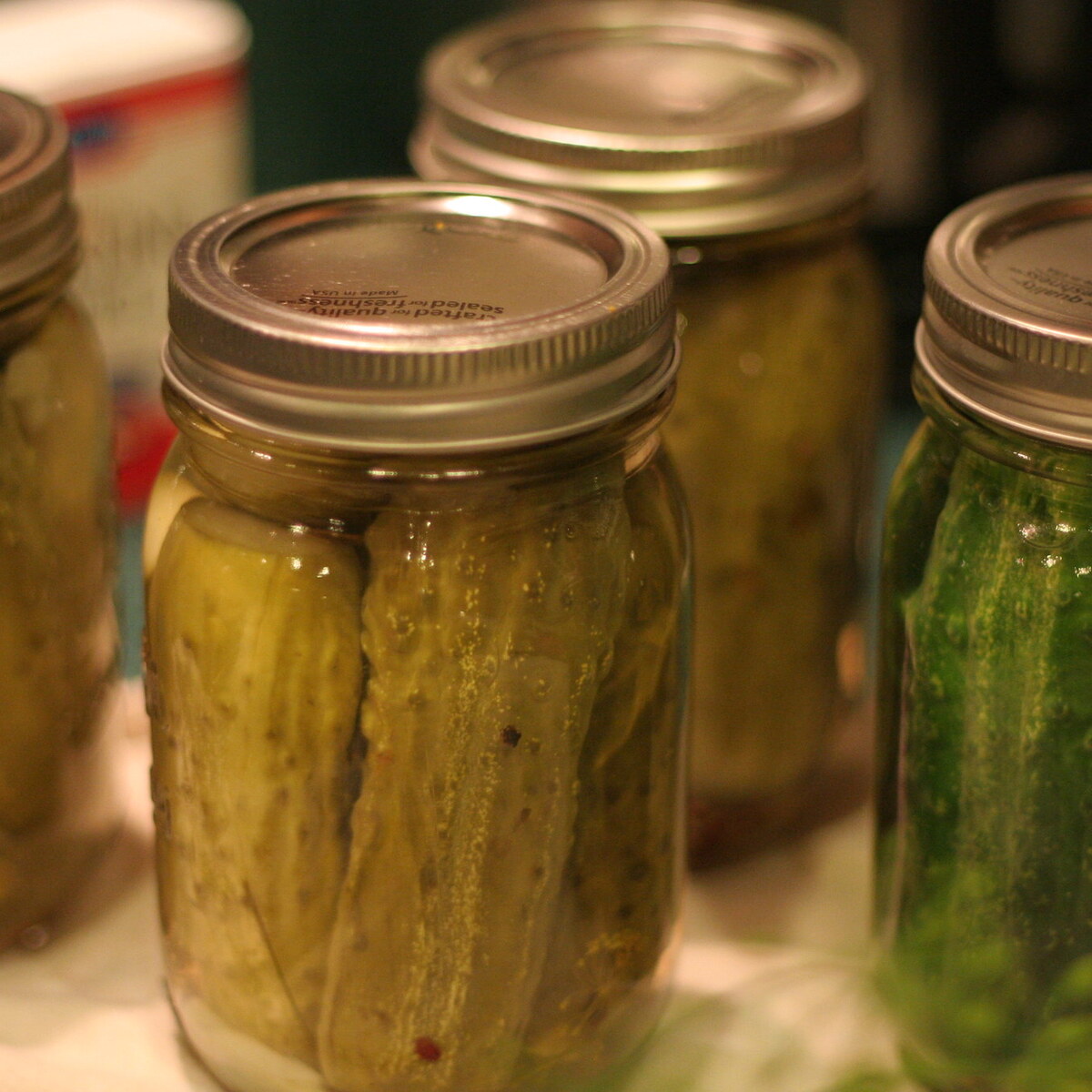
In a pickle
The idiom in a pickle means being in a difficult or confusing situation that might be a little hard to get out of. The problem is usually unexpected and needs a solution. This is a very old idiom, originating in a Shakespearean play, and gradually changing over the centuries.I dropped my phone in the lake, which put me in a right pickle

In hot water
To be in hot water means to be in trouble because of something you have done. It usually means the consequences of a mistake.The phrase has been used in English since the 1500s. Hot water was often associated with danger or discomfort, so the expression became a way to describe being in a difficult situation.
He was in hot water for being late again.