
Showing 151-170 of 426

Hang in there
The phrase hang in there means to keep going and not give up, even when things are hard. It is often used to encourage someone who is struggling. It was popularised by a motivational poster of a kitten hanging from a rope in the 1970s.Hang in there - you're almost finished.
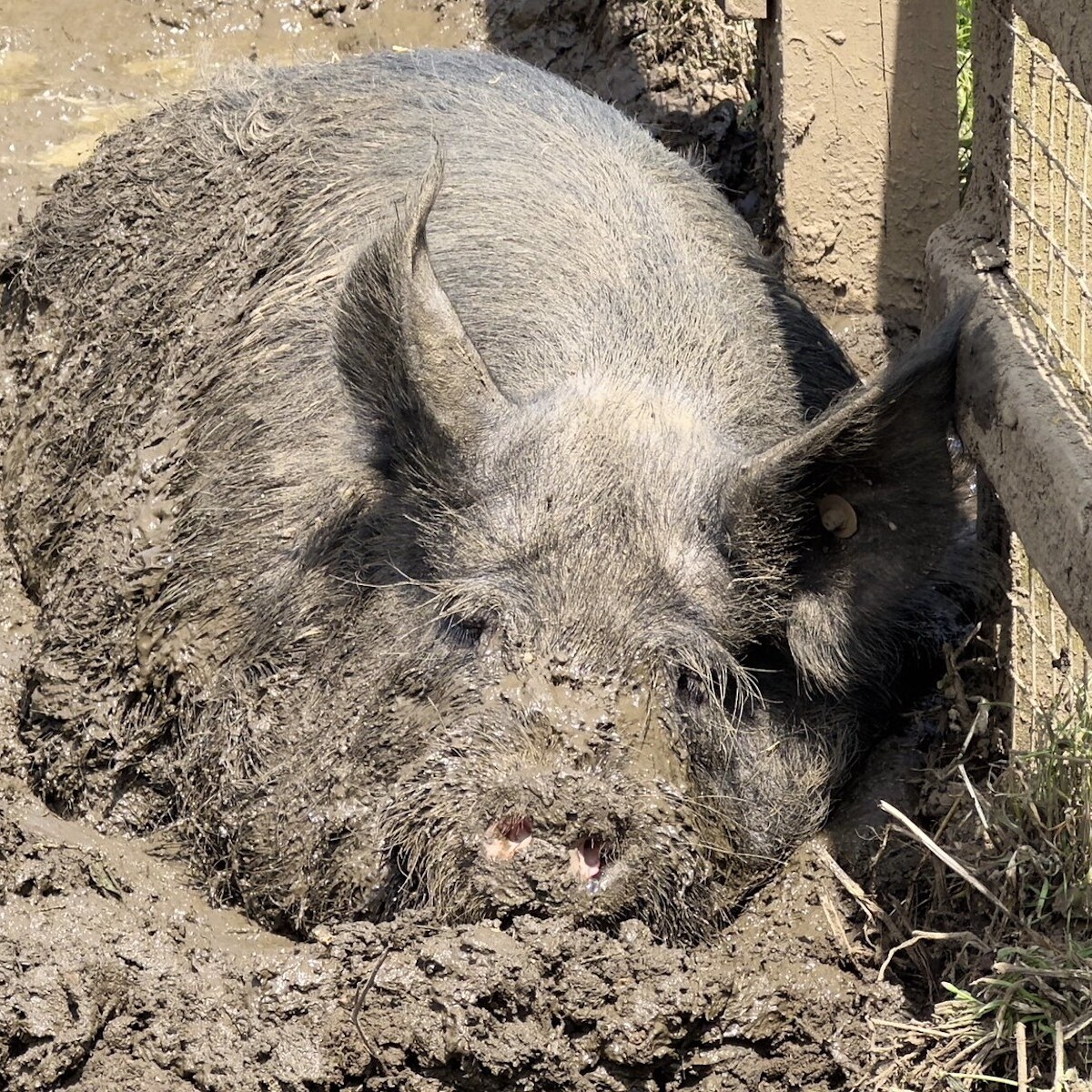
Happy as a pig in mud
If you are happy as a pig in mud you are happy and having fun, and you might be surrounded by mess. Pigs really enjoy playing in mud, so this idiom is comparing you to a happy, muddy pig, but in a good way.We gave the kids some finger paints, and they were happy as pigs in mud.

Have a ball
The phrase have a ball means to have a very good time. It derives from the times when people, particularly the upper classes, had balls that were basically parties where you got to meet people and have fun.The kids had a ball at the party.
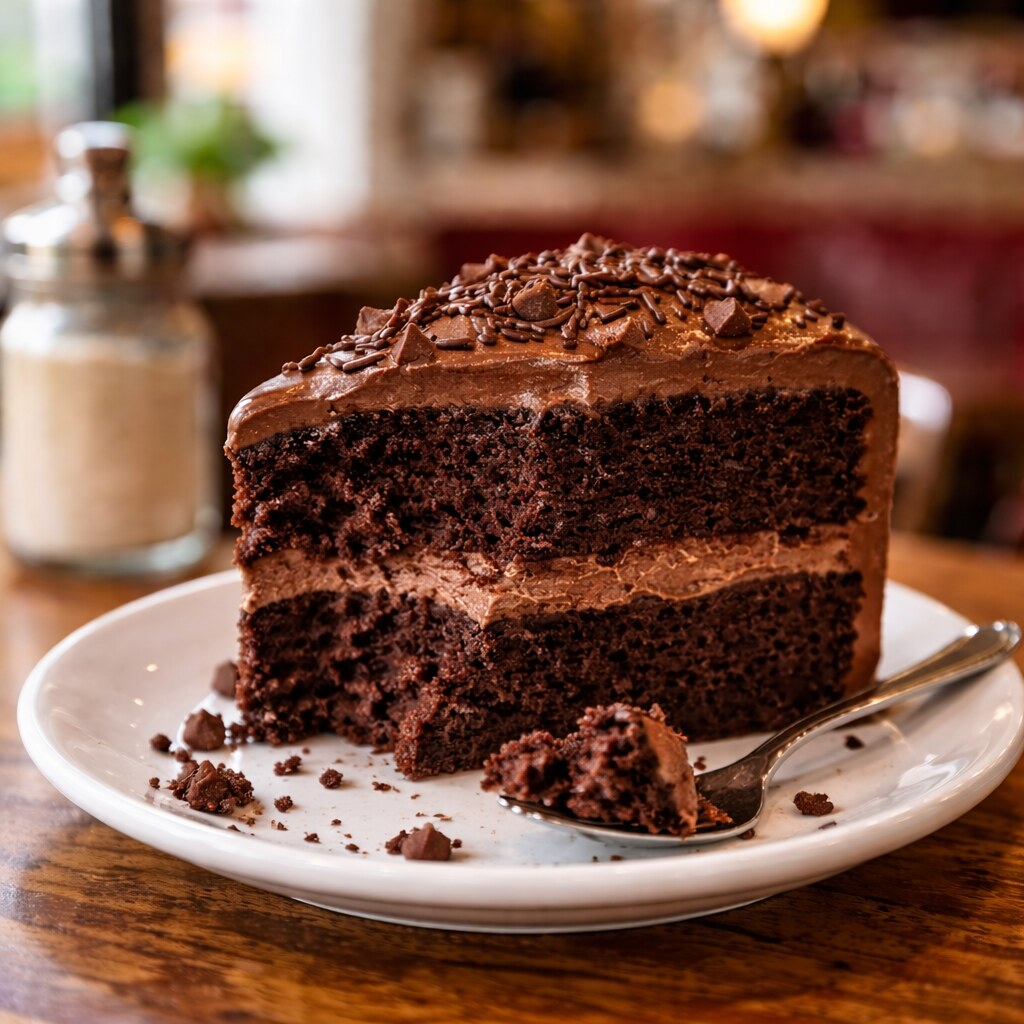
Have your cake and eat it too
To have your cake and eat it too means to want two things that cannot both happen at the same time. It describes a situation where someone wants to keep something but also use it up or enjoy it, which is not possible.The idea comes from a simple example: if you eat a cake, it is gone, so you cannot still have it afterward. The saying is used to remind people that sometimes they must choose between two options.
You can't have your cake and eat it too, if you spend all your money now you won't have any savings for later.

Head in the clouds
To have your head in the clouds means you are distracted by thinking about dreams or ideas instead of paying attention to what is happening around you.The expression comes from the image of a person's head floating high in the clouds, far above everyday life. It suggests someone whose thoughts are far away from practical matters.
He was walking down the street with his head in the clouds and almost missed his bus.

Head over heels
Head over heels means to be completely and deeply in love with someone. It can also describe being very excited or enthusiastic about something.The phrase comes from an older expression, heels over head, which described turning upside down or doing a somersault. Over time the wording changed, and the idea of being flipped upside down became a metaphor for strong emotions.
He fell head over heels for her after their first date.

Heard it on the grapevine
I heard it on the grapevine means that someone learned information through rumors or informal talk rather than from an official source.The phrase comes from the American Civil War period, when soldiers used the term grapevine telegraph to describe unofficial lines of communication that passed news quickly through word of mouth.
I heard it on the grapevine that the company might be opening a new office soon.

Heart of gold
Someone with a heart of gold is very kind, generous, and caring toward others. It is used to describe people who consistently show compassion and goodwill.The phrase comes from the long tradition of using gold as a symbol of great value and purity. By comparing a person's heart to gold, the expression suggests that their character is especially good and sincere.
She always helps her neighbors without being asked, and everyone says she has a heart of gold.

Hiding in plain sight
Hiding in plain sight means that something is clearly visible but goes unnoticed because people are not expecting to see it.The phrase became common in mystery stories and detective writing in the 1900s. It describes the idea that the best place to hide something can sometimes be somewhere completely obvious.
The remote control was hiding in plain sight while he searched the room.

High and dry
High and dry means to be left in a difficult situation without help or support. This idiom describes someone who has been abandoned or left to deal with a problem on their own.The phrase comes from sailing. When the tide goes out, a boat can be left stranded on land above the waterline, literally high and dry. Over time the image became a metaphor for being left stuck without assistance.
They cancelled the ride and left us high and dry.