
Showing 351-370 of 422

The gears are turning
The phrase the gears are turning means someone is thinking carefully or trying to solve a problem. People often use it when a person becomes quiet or thoughtful while working something out.The expression comes from machines with gears that move together to make something work. In the idiom, the moving gears are compared to the mind working through ideas.
He stared at the puzzle for a moment, and you could almost see the gears turning.

The last straw
The last straw means the final small problem or annoyance that makes someone lose patience after many other problems have already happened. It is the moment when a person decides they cannot accept the situation anymore.The phrase comes from the older saying about a camel carrying many pieces of straw. One more small straw may not seem important, but it is enough to make the overloaded camel collapse.
When the computer crashed for the third time that day, it was the last straw and I finally stopped working.

The lion's share
The lion's share means the largest or most valuable part of something. People use this idiom in a situation when one person takes much more than everyone else.The expression comes from an ancient fable by Aesop in which a lion joins other animals on a hunt. When it is time to divide the food, the lion claims all of it for himself, leaving nothing for the others.
She did most of the work on the project, but someone else took the lion's share of the credit.

The more the merrier
The more the merrier means that a situation becomes more enjoyable when more people join in. It is often said when welcoming others to take part in an activity, gathering, or event.The saying has been used in English for hundreds of years and reflects the idea that shared company brings more fun and happiness. It became a common friendly expression when inviting others to join a group.
When another cat jumped onto the couch beside the others, she laughed and said the more the merrier.

The penny dropped
The penny dropped is an idiom that means someone finally understood something, after some confusion or delay. A similar idiom is a light bulb moment or to put two and two together.It originates in older slot machines, where there was a delay between inserting a coin, and the mechanism starting to work.
She stared at the instructions for a full 10 minutes before the penny dropped.

The quick brown fox jumped over the lazy dog
This is not an idiom as such, it is a phrase that contains every letter of the English alphabet. It is simply included here because it is interesting.The quick brown fox jumped over the lazy dog

The ship has sailed
The idiom the ship has sailed dates to the 19th-century and means a missed opportunity. When ships sailed they used to move with the winds and the tides, so they could not turn back for any missed passengers. So if your ship has sailed, you've lost the moment to make an action or a decision.He overslept and did not make it to the event, so that ship has sailed.
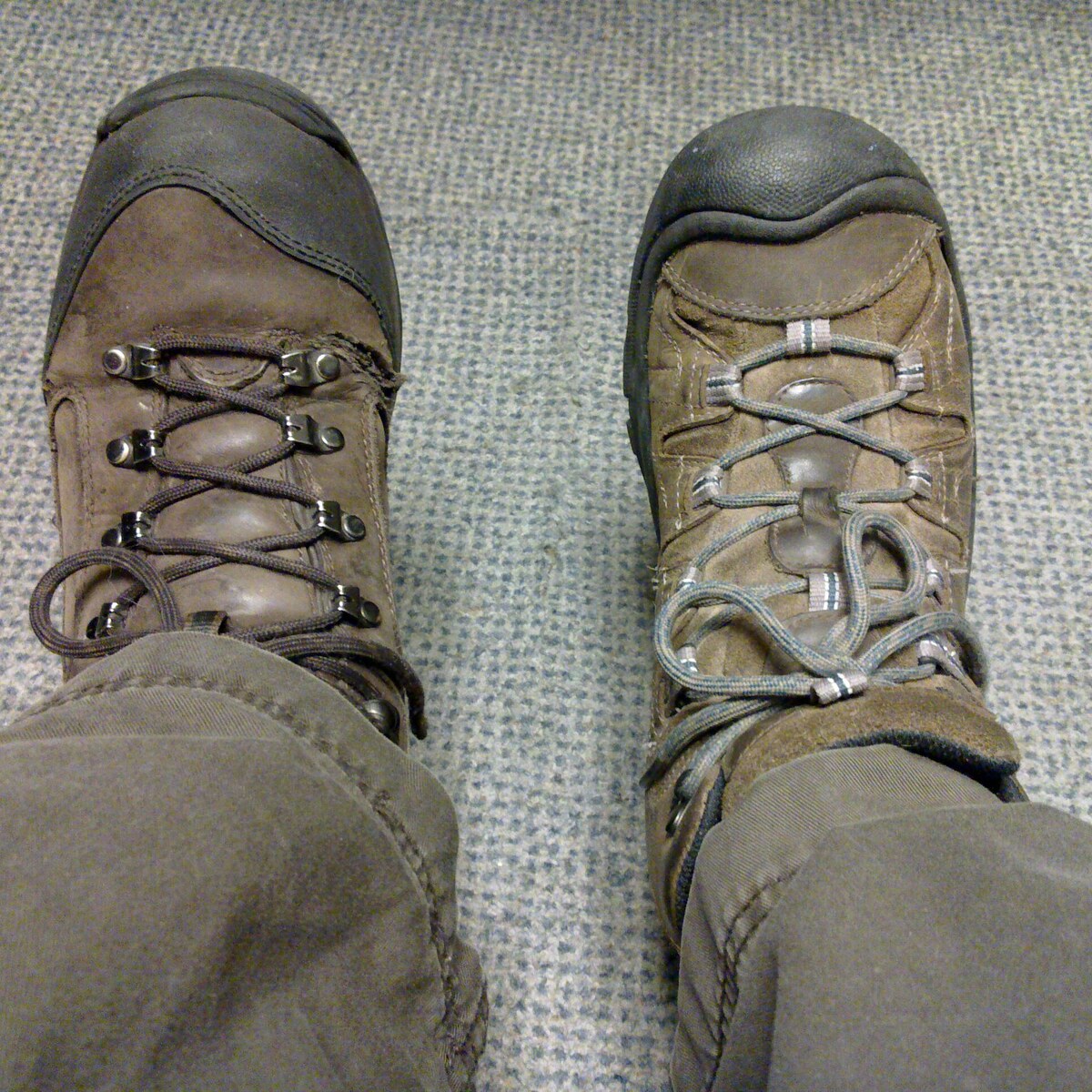
The shoe is on the other foot
The idiom the shoe is on the other foot originated in the mid-19th century as the boot is on the other leg. It means that two people have reversed roles or circumstances, usually someone gaining or losing a position of power.Boots and shoes did not originally have left or right sides, so this idiom dates back to when manufacturers made different shoes for left and right sides, so having a shoe on the wrong foot would be uncomfortable.
He changed jobs and found he was now the manager of his old boss, so the shoe is on the other foot.

The tip of the iceberg
The idiom the tip of the iceberg means a small, visible part of a much larger problem or situation that is mostly hidden. What people can see or know at first is only a tiny part of the whole.The expression comes from real icebergs at sea. Only a small part of an iceberg is visible above the water, while most of it is hidden below the surface.
The missing money was only the tip of the iceberg once the full investigation began.

The way to a man's heart is through his stomach
The way to a man's heart is through his stomach means that preparing good food for someone can help win their affection, especially a man's.The proverb has been used in English since at least the 1800s. It reflects the long tradition of linking cooking and hospitality with affection and relationships.
After he tasted her homemade pasta, she joked that the way to a man's heart is through his stomach.