
Showing 371-390 of 416

To burn bridges
The phrase to burn bridges means to damage a relationship so badly that it cannot be repaired. It suggests making choices that prevent returning to an earlier situation. This idiom is often used as a warning to think carefully before acting. You cannot cross a bridge after it has been burned away.He burned bridges by leaving without saying goodbye.

To each their own
To each their own means that everyone has different tastes or preferences, and people should be free to like what they like. This idiom is often used when someone chooses something that others might not like.The phrase has been used in English for many years as a way to accept differences in opinion or lifestyle.
I don't like coffee, but to each their own.

To exchange blows
To exchange blows means that two people are hitting each other during a fight. It can describe a physical fight or a heated argument where both sides attack each other with strong words.The phrase comes from boxing and other forms of fighting, where a blow is a punch or strike. When opponents exchange blows, each person hits the other in turn.
The two boxers stepped into the ring and began to exchange blows as the crowd cheered.

To get cold feet
The idiom cold feet means sudden fear or doubt before doing something important. It is a way of describing last minute hesitation.This idiom has been in use since the 1600s and its exact origin is unclear.
He got cold feet before the wedding.

To give the green light
To give the green light means you are giving permission for something to happen. It usually means a person in authority is approving something.This idiom draws from traffic lights.
Our manager gave the green light for our new marketing campaign.

Toe the line
To toe the line means to follow rules or instructions carefully, especially when someone in authority expects strict obedience.The expression comes from early military drills, where soldiers stood with their toes touching a marked line so the ranks stayed straight and orderly.
The coach warned the team to toe the line if they wanted to stay on the squad.

Too close for comfort
The idiom too close for comfort means a situation feels uncomfortably near or risky. It is used when something almost goes wrong or when danger or trouble comes closer than someone would like.The expression has been used since the early 1900s. It likely developed from the simple idea that being too near to something unpleasant can make people feel uneasy.
That car swerved past us on the narrow road and it was too close for comfort.

Too hard basket
The too hard basket is part of a metaphorical filing system where you put tasks that are too hard and you'll do later. People often say this when they give up on something.He put organising the garage into his too hard basket.
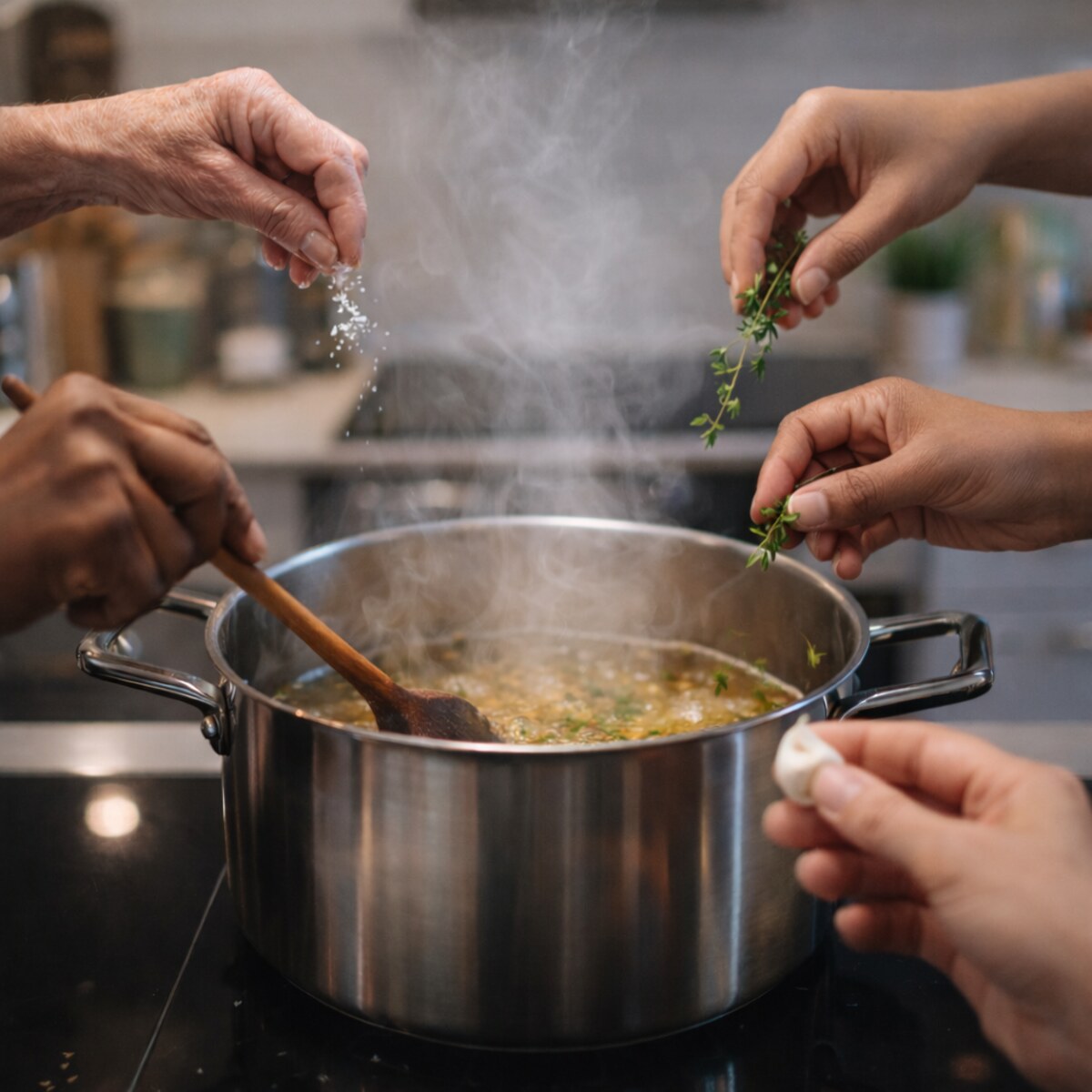
Too many cooks spoil the broth
Too many cooks spoil the broth or in modern times, shortened to too many cooks means that if too many people are involved in something, it actually hinders the process.This proverb came from a story where soup was being cooked, and everyone in the house remembered separately that it needed to have salt added. Once every one of them had added some salt, the broth was too salty and was inedible.
Every time I try and do something on this project, someone else gives me a different answer and I can't get anything done. Too many cooks spoil the broth!

Touch and go
Touch and go means a situation that is uncertain and could easily end badly, or they could end well, but it is so close you can't tell what will happen.The expression comes from aviation. In a touch and go landing, a plane briefly touches the runway and immediately takes off again, making it a risky manoeuvre that requires careful control.
It was touch and go for a while, but the doctors managed to stabilize the patient.